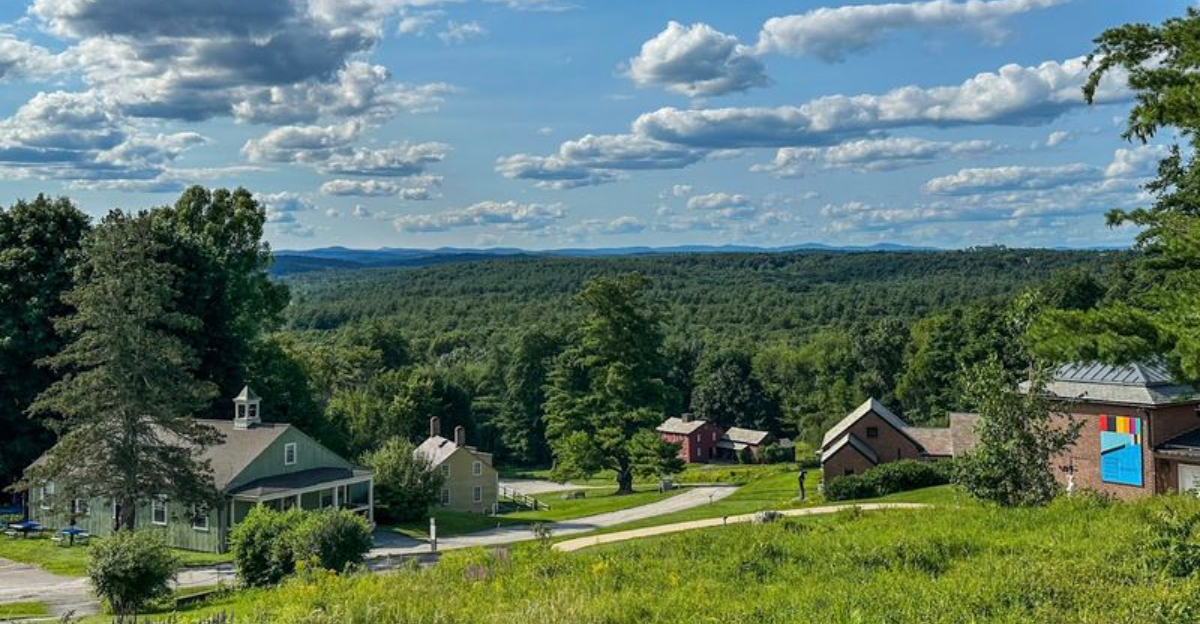
Some museums ask you to look closely at what is inside the walls, but this Massachusetts destination invites you to look beyond them — toward rolling hills, open skies, and a view that becomes part of the experience.
Set on a scenic hilltop in Harvard, Fruitlands Museum combines historic exhibits, thoughtful collections, and 210 acres of peaceful countryside overlooking the Nashua River Valley. Beyond its galleries and preserved buildings, the museum offers one of the state’s most beautiful viewpoints, where visitors can take in sweeping landscapes stretching toward distant mountain peaks.
The charm of Fruitlands Museum comes from the way history and nature exist side by side. A quiet walk through the grounds reveals historic homes, art, wooded paths, and moments where the landscape feels just as memorable as the stories preserved there.
Discover the remarkable views, historic treasures, and peaceful surroundings that make this hilltop Massachusetts museum a destination worth the journey.
The Sweeping Hilltop Panorama
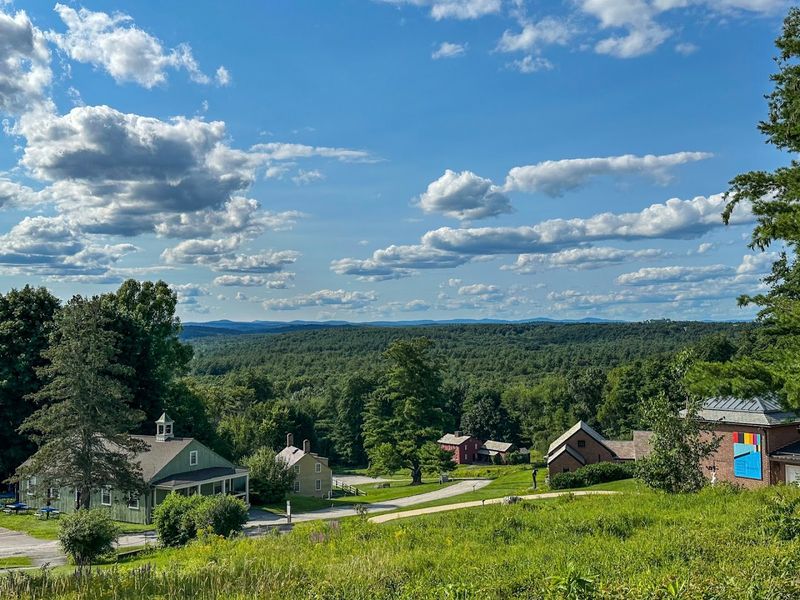
Stand at the edge of the hilltop and watch the world unfold below you in layers of green, gold, and blue. The view stretches so far that on clear days you can spot Wachusett Mountain rising in the distance, while closer hills roll like gentle waves across the valley floor.
Fruitlands Museum sits at one of the highest points in this part of Massachusetts, giving visitors an unobstructed vista that photographers and nature lovers dream about. The panorama changes with every season, from vibrant autumn foliage to snow-dusted winter scenes.
Wedding photographers particularly love this spot, capturing couples against backdrops that seem to go on forever. Many guests admit they came for the exhibits but stayed mesmerized by the view.
Early morning and late afternoon bring the best light, painting the landscape in warm amber tones. Pack your camera because this vista deserves more than just a quick glance.
The Winding Trail Network
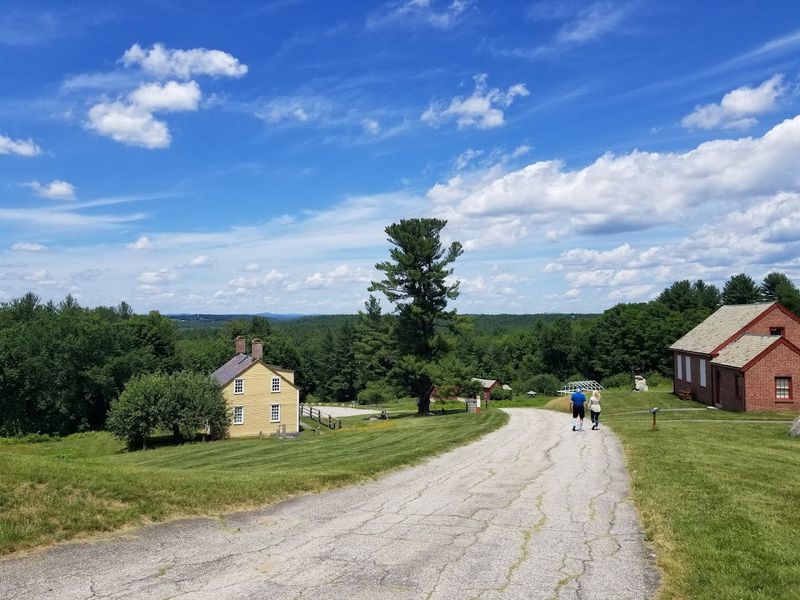
Your legs will thank you later, but right now they might question your judgment. The trail system winds through 210 acres of preserved land, offering everything from gentle woodland walks to challenging uphill climbs that’ll have you breathing hard.
Fruitlands maintains several color-coded trails that meander past historic sites, through quiet forests, and along hillside overlooks. The yellow trail loop takes you down past the old Willard Farm site and back up through areas where winter snow can reach knee-deep.
Families discover whimsical surprises tucked along the paths, perfect for keeping younger hikers engaged and excited. The trails stay open year-round, though winter visitors should prepare for serious post-holing through snow.
Spring brings wildflowers, summer offers shaded respite from heat, and fall transforms every turn into a postcard. Wear sturdy shoes and bring water, especially if you’re tackling the steeper sections.
The Café with a Million-Dollar View
Squash soup never tasted better than when you’re gazing out over miles of rolling countryside. The on-site café serves up fresh, seasonal fare that transforms a simple lunch into a memorable experience, especially when you snag a table on the outdoor patio.
Fruitlands’ café offers more than just sustenance for museum-goers. The menu features items like the popular Little Leaf salad and perfectly crafted chicken salad wraps.
Everything tastes fresher when you’re dining al fresco with that spectacular valley view spread before you.
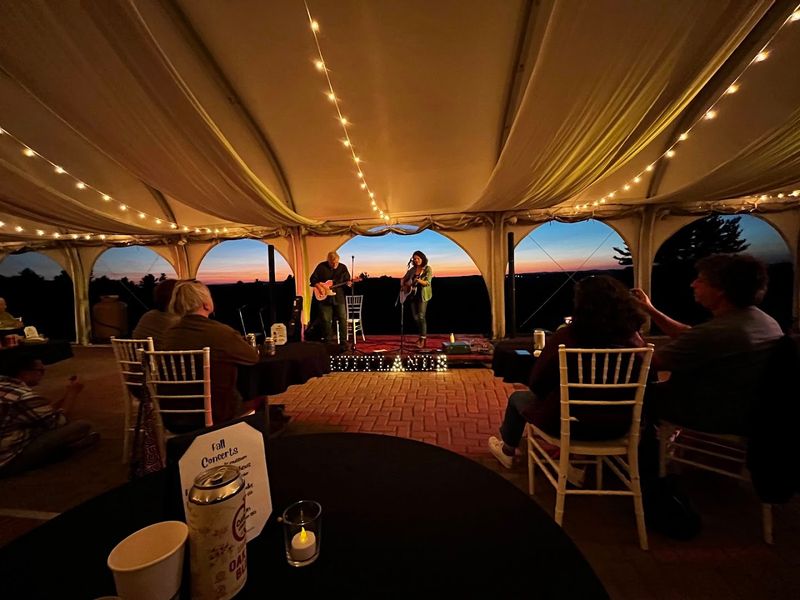
Summer Thursday evenings bring outdoor concerts where you can enjoy live music alongside your meal, creating the perfect date night or family outing. Wait times can stretch during peak fall weekends when leaf-peepers descend on the area.
The café staff keeps things friendly and professional despite the crowds. Consider visiting on a weekday afternoon for a more peaceful dining experience with equally stunning views.
The Alcott Family Farmhouse
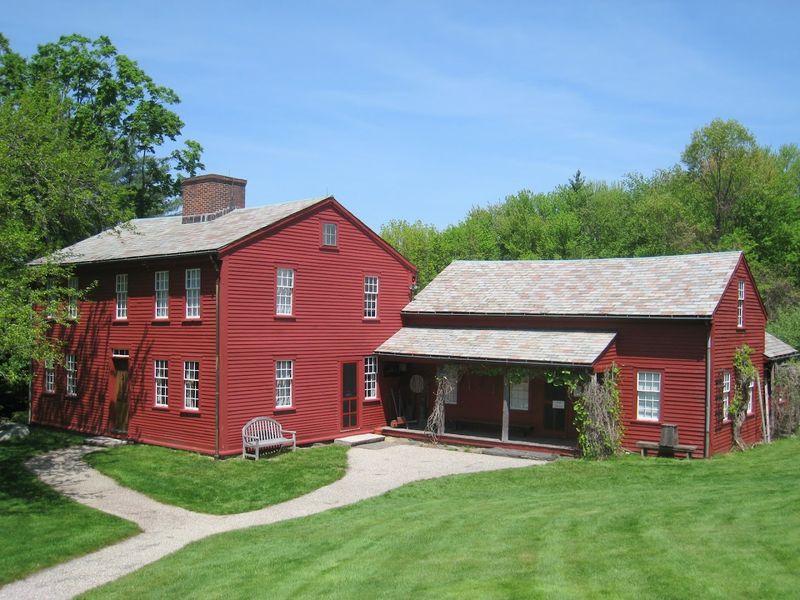
Before “Little Women” made her famous, young Louisa May Alcott spent a fascinating summer in this very farmhouse. Walk through the rooms where her family attempted their bold transcendentalist experiment, and you’ll feel the weight of history in every creaky floorboard.
The Alcott family called Fruitlands home for just a few months in 1843, but that brief period left an indelible mark on American literary history. Their utopian community experiment failed spectacularly, yet it shaped young Louisa’s worldview and future writing.
Guided tours bring the house alive with stories that textbooks never told you. Knowledgeable docents like Amy share fascinating details about daily life, the family’s struggles, and their idealistic dreams.
The building itself represents a crucial piece of New England’s cultural heritage. Children who’ve read Alcott’s books get especially excited exploring where their favorite author once lived, connecting literature to real places in ways that spark imagination.
The Native American Gallery
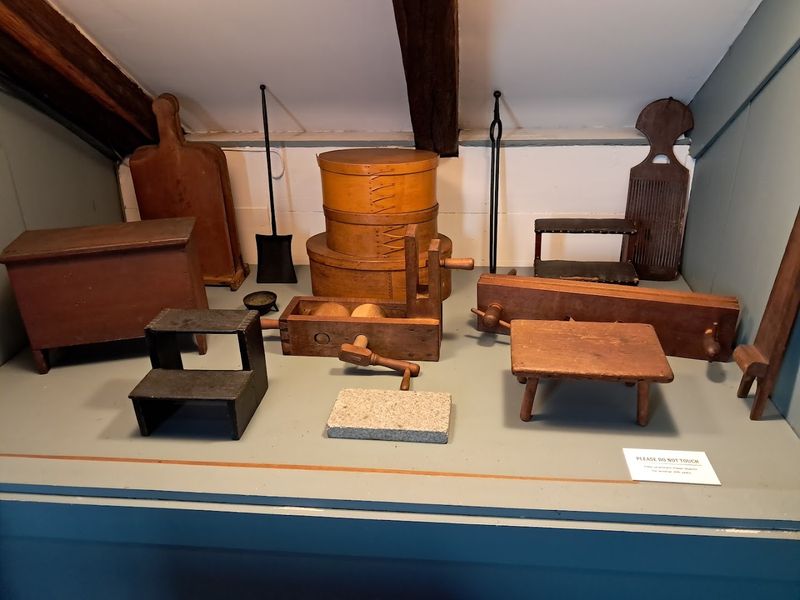
Sacred objects rest behind glass, each one telling stories that predate European arrival by thousands of years. The Native American collection at Fruitlands focuses heavily on local Nipmuc heritage, offering visitors a chance to connect with the region’s indigenous roots.
You’ll find traditional rugs, intricately woven baskets, ceremonial bowls, and a striking canoe that showcases the craftsmanship of native peoples. While some visitors wish for more extensive exhibits, the carefully curated pieces represent authentic artifacts from communities who called this land home first.
The gallery feels particularly meaningful for those tracing New England’s complete history, not just the colonial narrative. Beautiful statues of Native American figures stand as powerful tributes near the entrance.
The space maintains a respectful, contemplative atmosphere that encourages quiet reflection. Some visitors report feeling the sacred nature of the collection, recognizing these aren’t just museum pieces but treasured remnants of living cultures that continue today.
The Outdoor Sculpture Collection
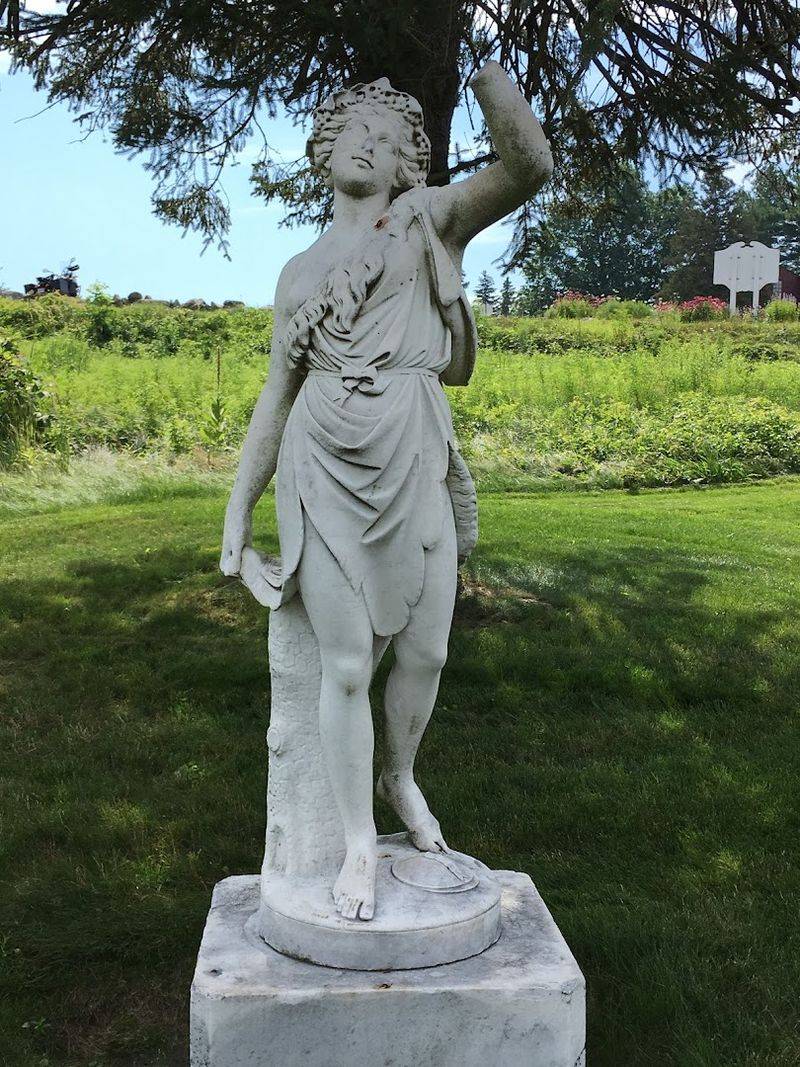
Art doesn’t always belong indoors. Scattered across Fruitlands’ rolling landscape, carefully placed sculptures create unexpected encounters as you wander the grounds, turning your walk into an impromptu gallery tour under open sky.
Two impressive Native American statues near the entrance consistently earn praise from visitors for their artistic quality and cultural significance. Contemporary pieces from partnerships with places like the DeCordova Museum add modern perspectives to the historic setting.
The sculptures change periodically, giving repeat visitors new discoveries with each season. Children love the interactive elements and whimsical touches hidden along trails, transforming art appreciation into treasure hunting.
Photographers find endless inspiration combining sculpture with natural backgrounds and that famous hilltop view. The outdoor gallery concept works brilliantly here, where the landscape itself becomes part of each artwork’s context.
Even visitors who came skeptical about contemporary art often find themselves pausing longer than expected, reconsidering their relationship with outdoor installations and natural beauty merging together.
The Special Events and Concert Series
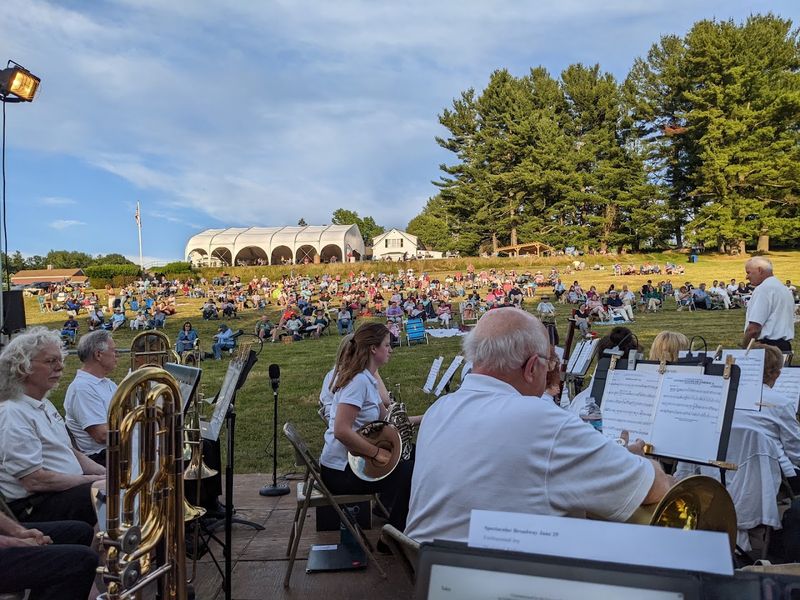
Thursday evenings transform the hilltop into something magical. Live music drifts across the lawn while the setting sun paints the valley in shades of orange and pink, and suddenly you’re not just at a museum anymore but part of a community celebration.
Fruitlands hosts a beloved summer concert series that draws locals and visitors alike for evenings of music, food, and spectacular sunset views. Craft fairs, raptor demonstrations, and seasonal festivals round out the event calendar throughout the year.
One memorable raptor program featured hawks from New Hampshire Raptor Rehab, with handlers allowing brave participants to feel the powerful birds land on heavy gloves. The museum also hosts educational programs perfect for families looking to combine learning with entertainment.
The Bromfield school even holds prom here, testament to the venue’s versatility and appeal. Check the calendar before visiting because catching a special event elevates the experience beyond standard museum touring.
Pack a blanket, arrive early for good spots, and prepare to fall in love with this venue all over again.
The Wedding and Celebration Venue
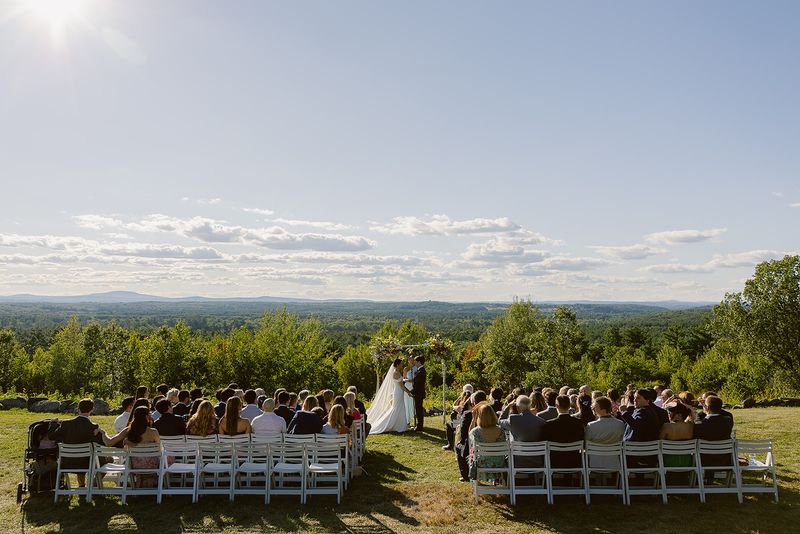
Some couples search years for the perfect wedding backdrop. At Fruitlands, they find it immediately, usually right when they step onto that hilltop and see the valley spreading endlessly below, with Monadnock and Wachusett mountains standing witness in the distance.
The spacious luxury tent offers natural light flooding through from every angle, while maintaining elegant comfort for reception dinners and dancing. Photographers consistently rave about the property, capturing ceremonies against those sweeping vistas that make guests gasp.
Getting-ready rooms provide bright, beautiful spaces for both wedding parties.
The Trustees of Massachusetts operate this venue with experienced professionalism that puts nervous couples at ease. Parking proves surprisingly hassle-free with a large grass field accommodating even the biggest guest lists.
The food earns genuine compliments, rare praise for wedding catering. The ceremony location treats guests to fresh air and stunning views during vows.
Fall weddings benefit from spectacular foliage, while summer events enjoy long golden-hour light perfect for portraits.
The Year-Round Art Galleries
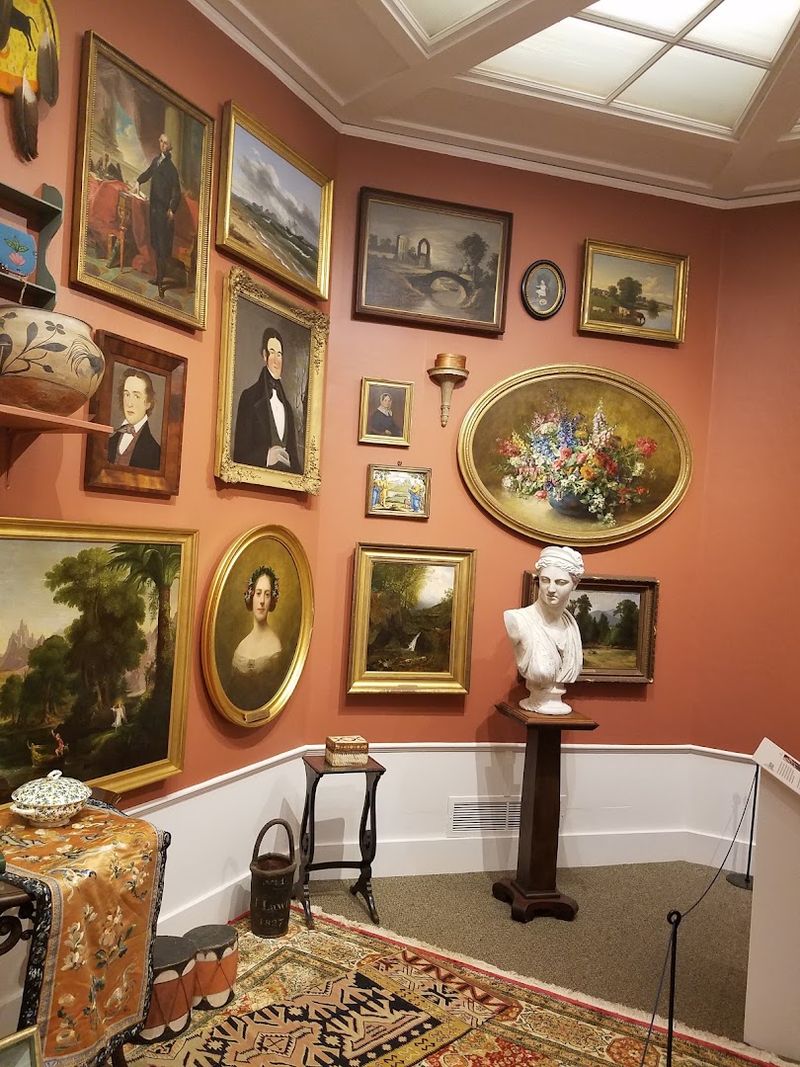
Step into rooms where American art history comes alive through Hudson River School landscapes and contemporary installations that challenge your perceptions. The galleries may be smaller than big-city museums, but what they lack in size they make up for in thoughtful curation and intimate viewing experiences.
Fruitlands rotates exhibits throughout the year, partnering with institutions like the DeCordova Museum to bring fresh perspectives to the hilltop. Past shows included fascinating contemporary work like an artist spelling “I love you” in semaphore flags across eight different dramatic locations from beaches to Alps.
The Wayside Gallery building houses changing exhibitions while maintaining the museum’s focus on 19th-century American culture and artistic movements. Some visitors criticize the modest scale compared to major metropolitan museums, missing the point that smaller galleries often allow deeper engagement with individual pieces.
The gift shop adjacent to the galleries offers carefully selected items that actually reflect the museum’s mission. Winter visits find the buildings closed but grounds remaining accessible for those gorgeous views.