Step Into Pennsylvania’s past and discover a village where nearly 300 years of history still whisper through every doorway.
Deep in Lancaster County, Ephrata Cloister invites visitors to experience the world created by German settlers who arrived in 1732.
This remarkable community followed a rare spiritual path built around simplicity, prayer, and dedication to daily life.
The preserved buildings reveal how the brothers and sisters lived, worked, worshipped, and created their own unique corner of colonial America.
Walking through the grounds feels like opening a time capsule filled with stories, craftsmanship, and forgotten traditions from centuries ago.
From the historic meetinghouses to the peaceful paths surrounding the village, every corner offers a glimpse into a fascinating chapter of Pennsylvania’s past that continues to welcome curious travelers today and inspire wonder.
A Remarkable Religious Community Founded in 1732
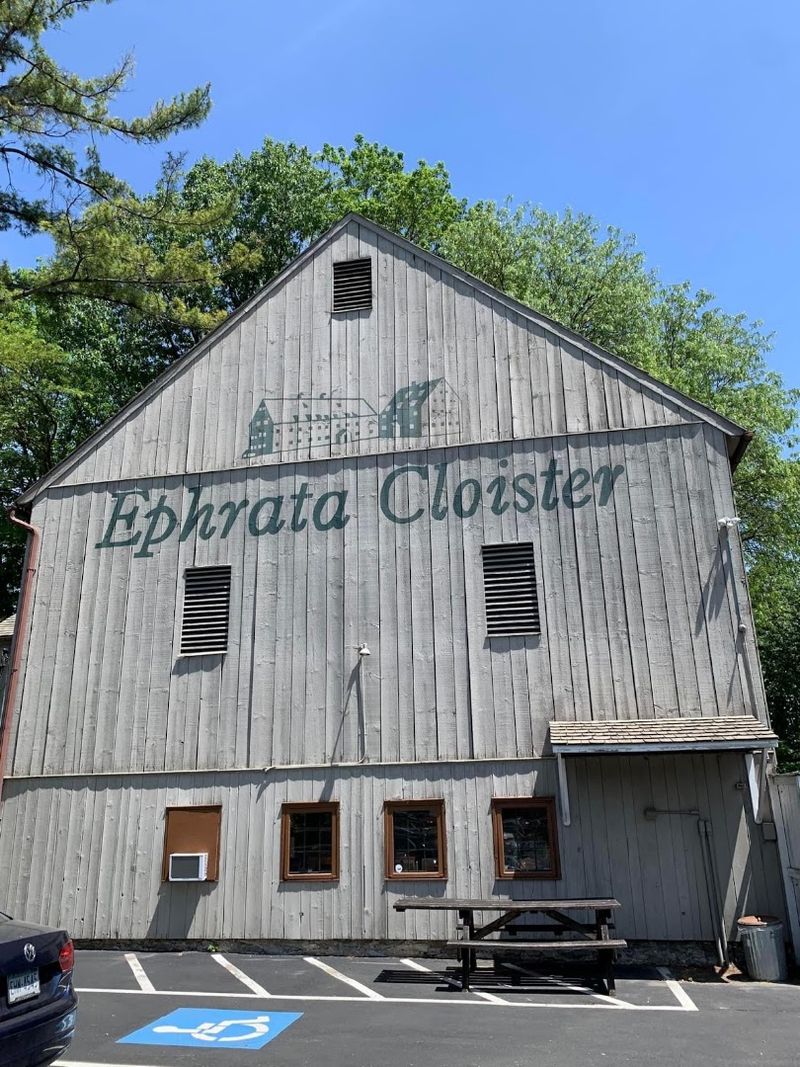
Johann Conrad Beissel arrived in Pennsylvania seeking religious freedom and ended up creating something extraordinary. Born in Germany, this charismatic leader gathered followers who shared his vision of celibate, deeply spiritual living.
By 1732, they established Ephrata Cloister in what would become Lancaster County.
The community grew to include over 300 members at its peak during the mid-1700s. Members devoted themselves to prayer, music, craftsmanship, and self-denial.
Unlike other colonial settlements focused on farming or trade, Ephrata prioritized spiritual perfection above material comfort.
What makes this place special is how different it was from typical colonial life. While neighbors raised families and built farms, Ephrata members slept on wooden benches, ate vegetarian meals, and spent hours in worship.
Their dedication created an important cultural center that influenced German communities throughout Pennsylvania.
Today, historians recognize Ephrata as one of America’s most successful communal religious experiments from the colonial period.
The Historic Saal – America’s Earliest Meetinghouse
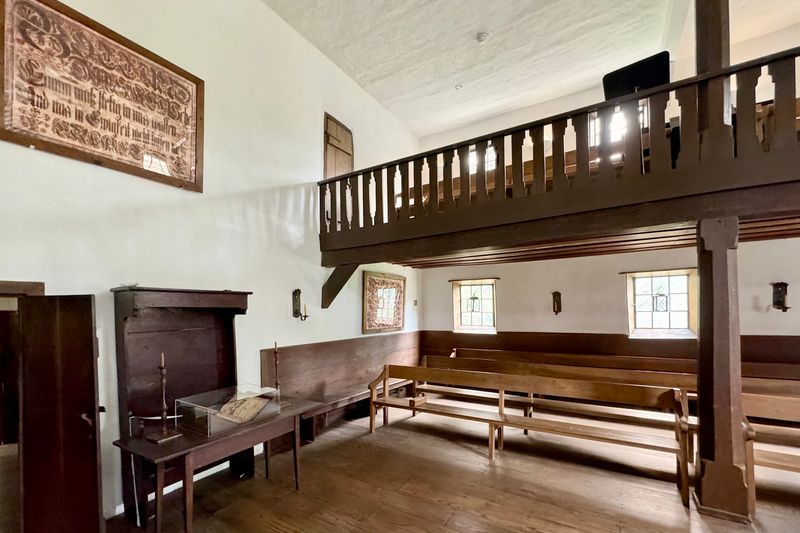
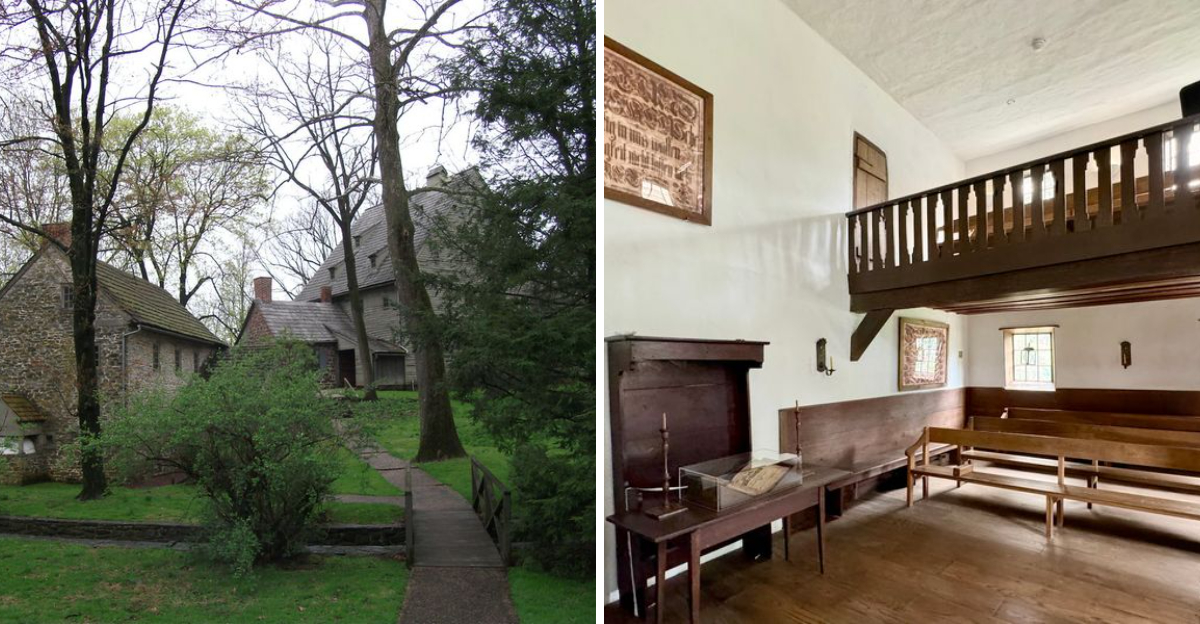
Step inside the Saal and you’ll immediately feel the weight of history around you. This plain, beautifully preserved building served as the community’s spiritual heart where members gathered for worship multiple times daily.
Construction began in the 1740s using traditional German building techniques.
The interior reflects the community’s belief in simplicity and humility. Whitewashed walls bounce natural light around the spacious room.
Handcrafted wooden benches line the floors where members sat through lengthy prayer services that sometimes lasted several hours.
Acoustics here are remarkable, designed specifically for the haunting hymns Ephrata became famous for creating. Members sang in unique harmony styles that visitors described as otherworldly and angelic.
The high ceilings and bare walls amplified every voice into something powerful.
Original features remain intact, giving visitors an authentic glimpse into colonial worship practices. Standing here connects you directly to centuries of devotion and community gathering in ways few American buildings can match.
The Brothers’ House (Kedar)
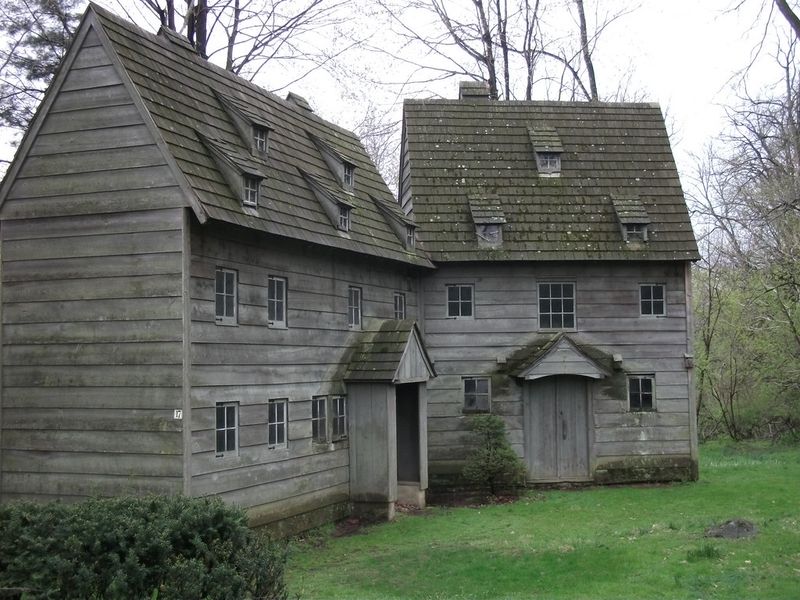
Kedar rises dramatically from the Pennsylvania landscape like something transported from medieval Europe. This striking three-story structure housed the brotherhood – men who chose celibacy and complete devotion to their faith.
Its distinctive architecture features steep roofs, small windows, and weathered wooden siding that has withstood nearly three centuries.
Living conditions inside were intentionally harsh by modern standards. Brothers slept on narrow wooden platforms with wooden blocks for pillows, believing physical discomfort brought them closer to God.
Doorways were built deliberately low, forcing residents to bow their heads entering each room as a constant reminder of humility.
Workspaces throughout the building showcase impressive craftsmanship. Brothers produced furniture, worked in printing, and created beautiful calligraphy between worship sessions.
Each room tells stories of dedicated men balancing spiritual practice with practical skills.
Preserved living quarters let visitors experience how brotherhood members actually lived daily. The austere conditions seem extreme today but represented genuine spiritual commitment during colonial times.
The Sisters’ House (Saron)
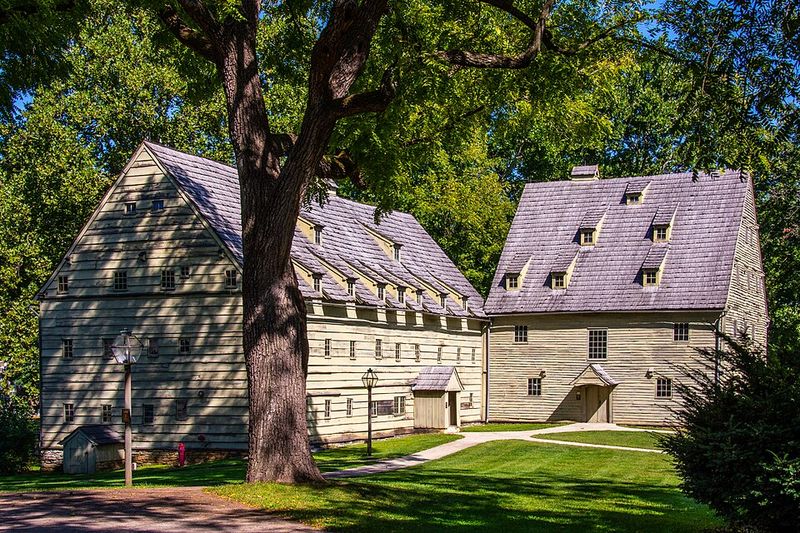
Saron stands as a testament to the remarkable women who shaped Ephrata’s spiritual and cultural life. Completed in 1743, this impressive building became home to the Spiritual Virgins – dedicated women who rejected marriage to pursue religious devotion.
The structure’s size reflects how important these women were to community success.
Life inside combined strict religious practice with remarkable creativity and education. Sisters spent mornings in prayer and worship, then devoted afternoons to music, teaching, needlework, and manuscript illumination.
Many became skilled calligraphers whose decorated texts are now considered priceless American artifacts.
Their daily schedule was demanding yet purposeful. Wake-up calls came at midnight for prayers, followed by more worship at dawn.
Between religious obligations, sisters maintained the building, prepared meals, educated children, and created beautiful artistic works that brought recognition to Ephrata.
Walking through Saron reveals surprisingly sophisticated living spaces. While conditions remained simple, the sisters created an environment supporting both spiritual depth and intellectual growth rarely available to colonial women elsewhere.
Colonial Printing, Music, and Bookmaking
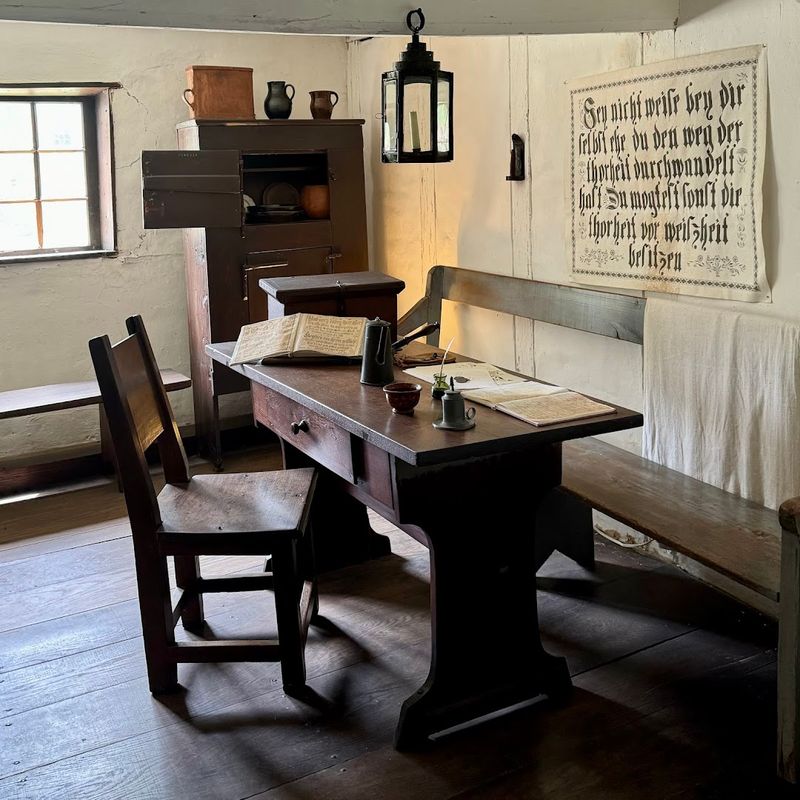
Few people realize Ephrata Cloister operated one of colonial America’s most important printing operations. Their press produced German-language religious texts, hymnals, and books distributed throughout Pennsylvania and beyond.
This work preserved German culture and language for immigrant communities struggling to maintain their heritage.
Music creation became another celebrated Ephrata specialty. Conrad Beissel composed hundreds of original hymns using unique harmonic systems he developed specifically for the community.
These compositions featured unusual four-part harmonies that created hauntingly beautiful sounds visitors traveled miles to hear.
Manuscript illumination reached extraordinary artistic heights here. Sisters decorated songbooks and religious texts with intricate designs, vibrant colors, and exquisite lettering that rivals European monastery work.
Some illuminated pages took weeks to complete, with artists working by candlelight to achieve perfection.
Original examples survive in museums today, showcasing skills that seem impossible without modern tools. The combination of printing, composition, and decoration made Ephrata a genuine cultural powerhouse during colonial times, influencing German-American communities for generations.
Daily Life Inside the Cloister
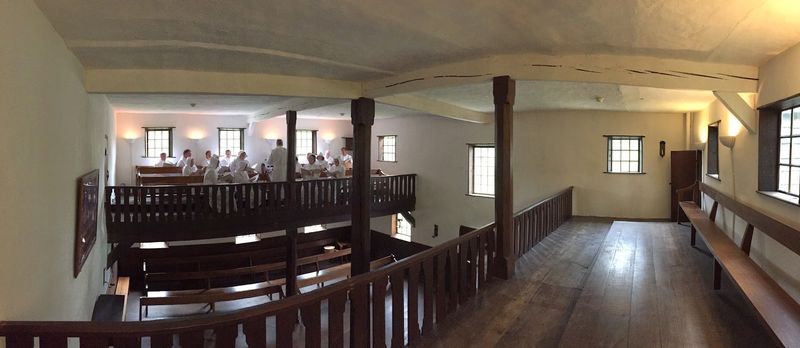
Imagine starting your day at midnight with prayer services, then returning to bed only to rise again at 5 a.m. That was normal life for Ephrata community members who structured everything around spiritual discipline.
Their unusual schedule set them apart from neighboring farms and towns where people followed sunrise-to-sunset routines.
Meals were strictly vegetarian, consisting mainly of grain porridge, vegetables, bread, and water. Members avoided meat, believing it stimulated worldly desires that distracted from godly thoughts.
Everyone ate together in silence, focusing on gratitude rather than conversation or enjoyment.
Clothing reflected simplicity values too. Both brothers and sisters wore plain white robes and hoods made from undyed fabric.
This uniform appearance eliminated vanity and reminded wearers that physical appearance meant nothing compared to spiritual purity.
Even furniture served spiritual purposes. Members crafted everything by hand – tables, benches, beds – using simple designs without decoration.
Hard wooden sleeping platforms replaced comfortable mattresses, keeping residents from becoming too attached to worldly comfort.
Beautiful Historic Grounds and Gardens
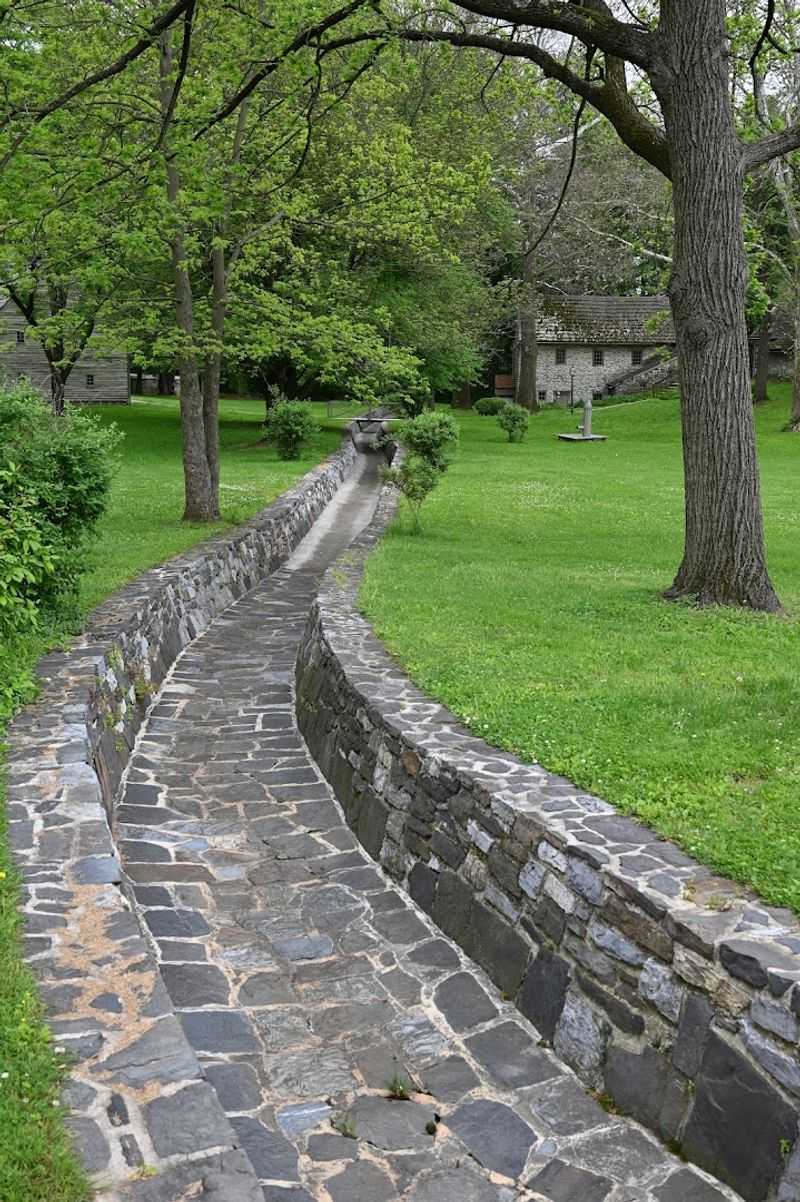
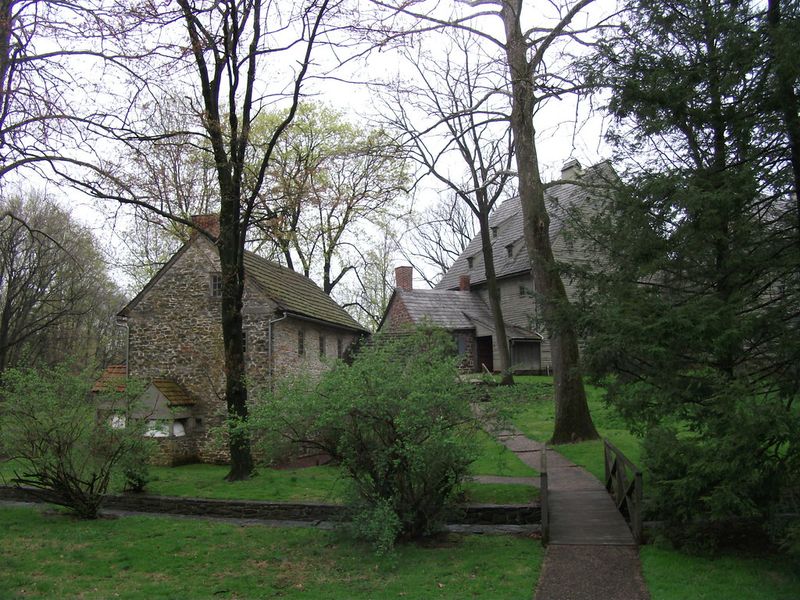
Strolling the Ephrata grounds offers unexpected peace in our busy modern world. Well-maintained paths wind between historic structures, allowing visitors to appreciate the buildings from different angles while imagining community members walking these same routes three centuries ago.
Mature trees provide shade and create natural boundaries between different areas.
Gardens here aren’t just decorative – they’re historically accurate recreations of what members would have cultivated. Herb gardens supplied medicinal plants for treating common ailments.
Vegetable plots provided ingredients for simple meals. Everything served practical purposes while reflecting the community’s connection to nature and self-sufficiency.
Native landscaping throughout the property helps visitors understand Pennsylvania’s natural environment during colonial times. Wildflowers bloom seasonally, and deliberately maintained green spaces invite quiet contemplation.
The atmosphere encourages slowing down and reflecting, much like community members did centuries ago.
Benches positioned strategically across the grounds offer perfect spots for rest and observation. Whether you’re a history enthusiast or just seeking tranquility, the property provides genuine escape from contemporary life’s constant noise.
Museum Exhibits and Guided Tours
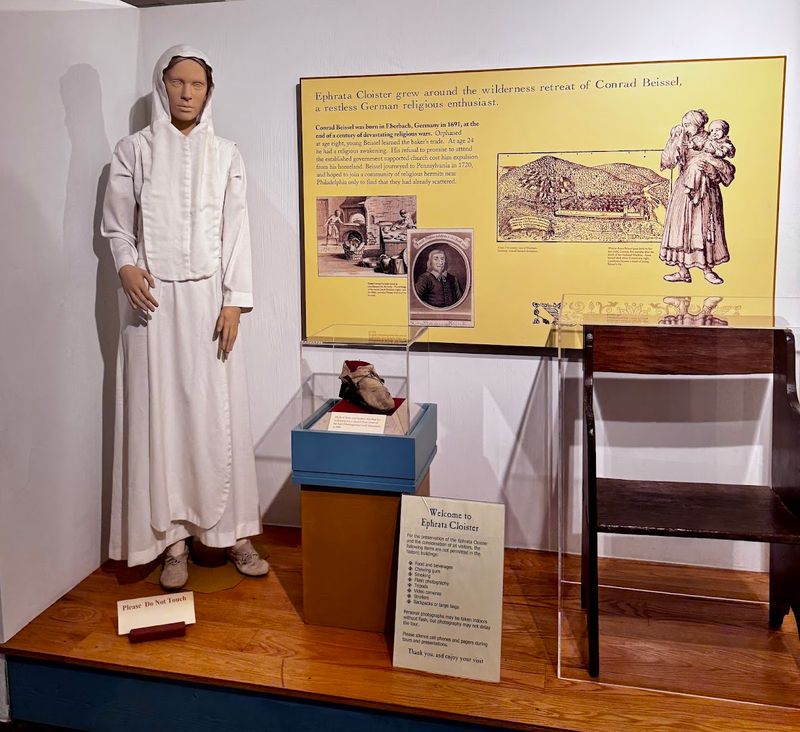
The visitor center houses fascinating exhibits that transform abstract history into tangible reality. Original artifacts including handwritten hymnals, simple clothing, wooden utensils, and furniture help visitors understand how community members actually lived.
Seeing these everyday objects up close makes the past feel immediate and real.
Interactive displays explain complex religious beliefs in accessible ways. Exhibits cover why members chose celibacy, how they structured their days, what they ate, and why they considered physical discomfort spiritually beneficial.
These explanations help modern visitors comprehend motivations that might otherwise seem confusing or extreme.
Guided tours truly bring the site alive with stories and details you’d miss exploring independently. Knowledgeable guides share fascinating anecdotes about specific community members, explain architectural features, and answer questions about daily life.
Their enthusiasm and expertise make history engaging rather than dusty or boring.
Tour schedules vary seasonally, so checking ahead prevents disappointment. Most visitors find that guided experiences provide far richer understanding than self-guided exploration, especially for those unfamiliar with colonial religious communities.
Seasonal Events and Living History Programs
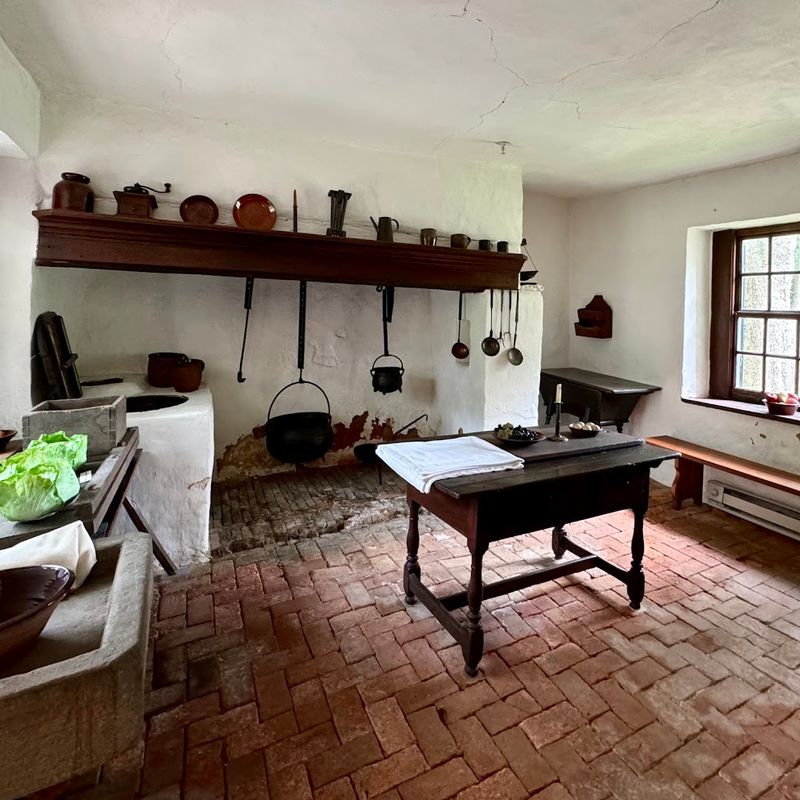
Throughout the year, Ephrata comes alive with special programming that transforms static buildings into vibrant historical experiences. Living history weekends feature costumed interpreters demonstrating traditional crafts like candle-making, weaving, and bookbinding.
Watching skilled demonstrators work with period-accurate tools helps visitors appreciate the patience and skill colonial crafts required.
Musical events showcase Ephrata’s significant contributions to American music history. Concerts featuring period instruments and historic hymns recreate the haunting sounds that made this community famous throughout colonial Pennsylvania.
Hearing these unique harmonies performed in original buildings provides goosebumps-inducing connections to the past.
Educational lectures throughout the season cover topics ranging from German immigration patterns to colonial medicine to religious movements in early America. These presentations appeal to serious history students while remaining accessible to casual visitors seeking deeper understanding.
Holiday programs during Christmas and harvest seasons offer family-friendly activities combining education with celebration. Children particularly enjoy hands-on demonstrations and storytelling sessions that make history interactive rather than passive observation.
Visiting Ephrata Cloister Museum
Planning your visit requires checking current schedules since hours vary seasonally. The site generally opens Wednesday through Sunday, with limited Sunday hours.
Calling ahead or visiting their website prevents wasted trips, especially during winter months when hours may be reduced.
Admission fees support ongoing preservation and educational programming. Your ticket includes access to museum exhibits, historic buildings, and grounds.
Guided tours come with admission and provide the most comprehensive experience, offering insights you won’t gain from wandering alone.
Free parking on-site makes arrival convenient and stress-free. The visitor center and main museum areas are wheelchair accessible, though original historic buildings present challenges with steep stairs and uneven floors typical of 18th-century construction.
Staff can advise about accessibility concerns for specific buildings.
Budget about two hours for a satisfying visit allowing time to explore buildings, absorb exhibits, and walk the peaceful grounds. Comfortable walking shoes are essential since you’ll move between multiple structures across the property.
Spring through fall offers the most pleasant weather for outdoor exploration and coincides with peak programming schedules.