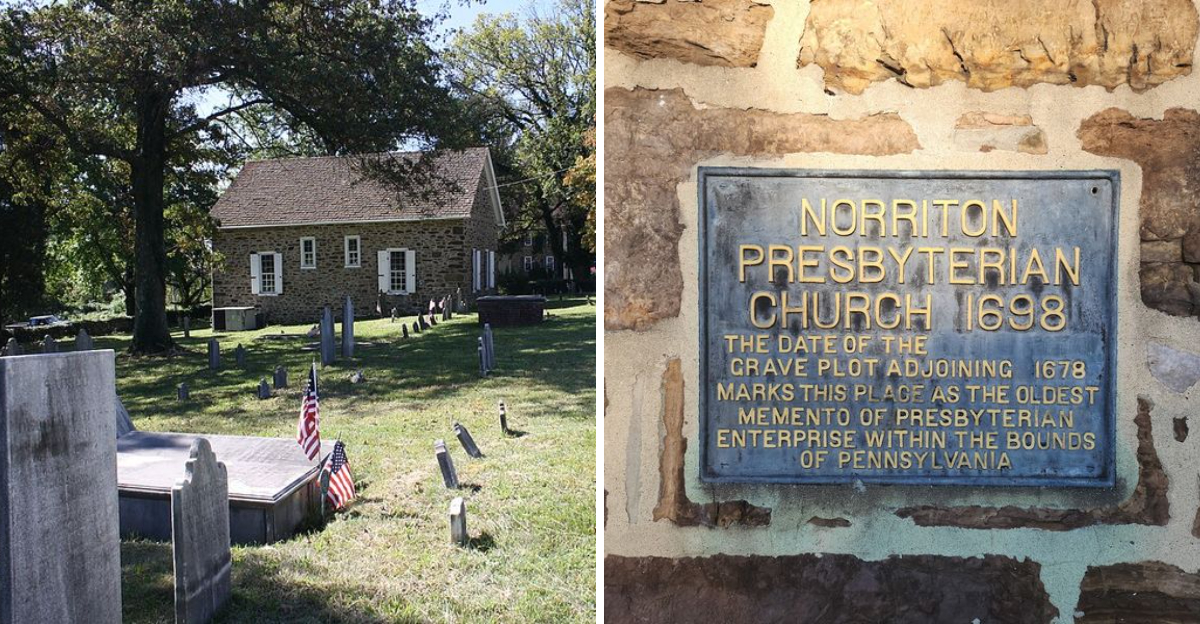
A 325-year-old church is hiding a breathtaking piece of Pennsylvania history. Walking through Old Norriton Presbyterian Church’s doors feels like traveling back to colonial America.
Built in 1698, this remarkable stone sanctuary has watched centuries unfold around it, from early settlers to the nation’s founding years. Its weathered walls hold stories of faith, courage, and the people who shaped this corner of Montgomery County.
Visitors can explore a place where history feels alive, with a historic cemetery, timeless architecture, and connections to America’s revolutionary era.
Every corner reveals another fascinating chapter waiting to be discovered.
The peaceful grounds invite curious travelers to step inside and discover the secrets hidden within this landmark.
This unforgettable landmark proves that some stories never fade—they simply wait for new generations to experience them.
A Church With Roots Reaching Back to 1698
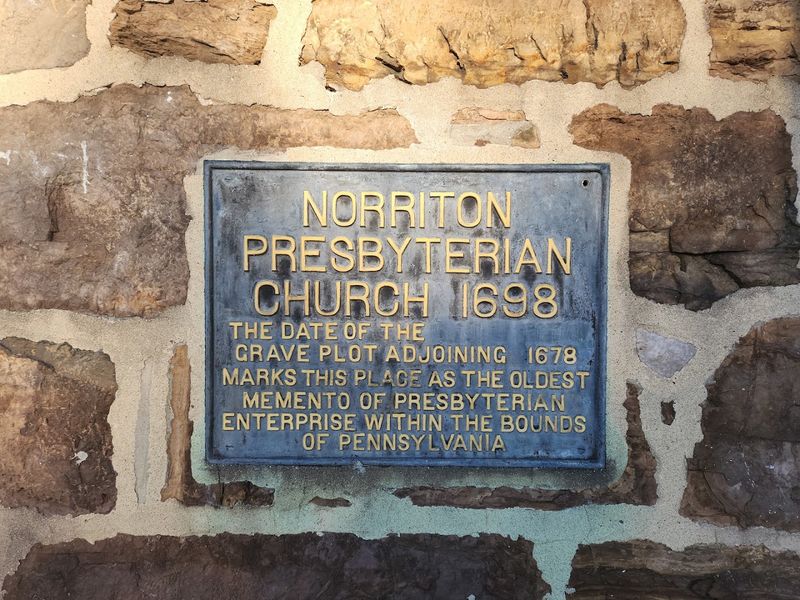
Before Pennsylvania became a state, before America declared independence, this humble church already stood welcoming faithful worshippers. The year 1698 marked the beginning of something extraordinary in what was then frontier territory.
Imagine colonial settlers gathering stones and timber to build their place of worship by hand. Every beam and rock tells stories of determination and faith.
These early Americans created more than just a building—they established a spiritual home that would survive wars, storms, and centuries of transformation.
Standing before this ancient structure today feels almost magical. The same walls that sheltered colonists in powdered wigs now greet modern visitors in sneakers and smartphones.
Only a handful of Pennsylvania churches can claim such incredible longevity.
This remarkable preservation allows us to touch living history. Walking its grounds connects you directly to America’s earliest days, when communities were small, life was hard, and churches served as the heartbeat of frontier settlements.
The Story Behind Pennsylvania’s Early Presbyterian Settlers
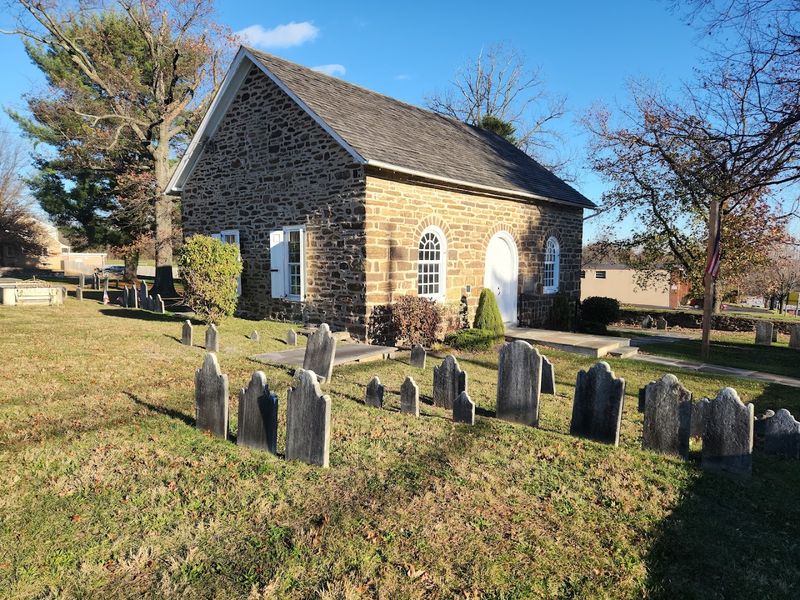
Picture families from four different corners of Europe—Dutch, Welsh, Scottish, and English—all coming together in a new land to worship. Their accents were different, their customs varied, but their Presbyterian faith united them in remarkable ways.
These brave settlers left everything familiar behind, crossing dangerous oceans to start fresh in Pennsylvania’s wilderness. They brought their beliefs, their traditions, and their determination to build something lasting.
The church became their gathering place, their community center, and their connection to home.
Religious freedom drew many to William Penn’s colony. Here, Presbyterians could worship without fear of persecution, something impossible in parts of Europe.
This congregation represented hope for a new kind of society where faith flourished freely.
The blending of these cultures created something uniquely American. Scottish hymns mixed with Welsh prayers, Dutch practicality combined with English traditions.
This melting pot of Presbyterian worship helped shape the religious landscape we know today throughout Montgomery County and beyond.
Colonial Architecture That Has Stood the Test of Time
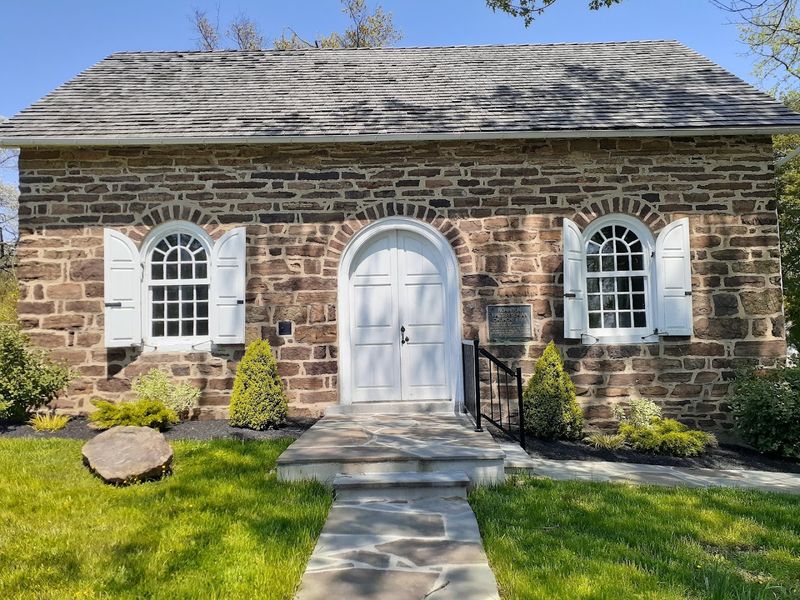
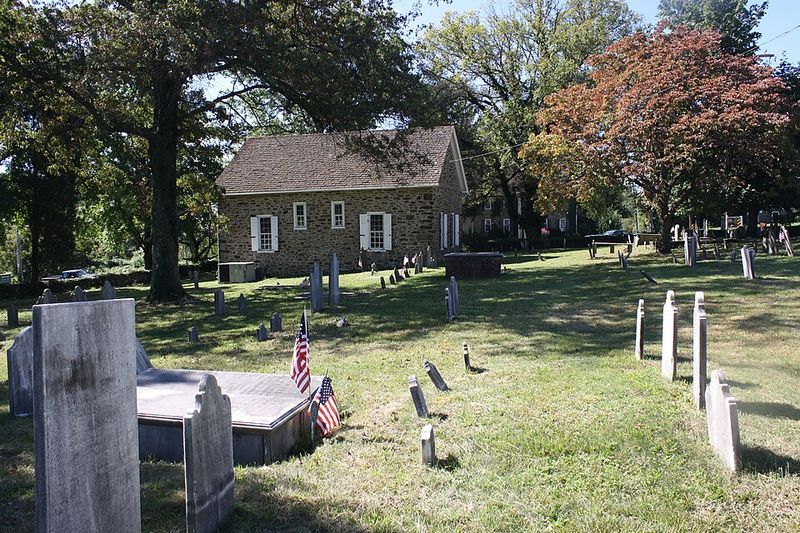
Run your fingers along the rough brownstone walls and you’re touching craftsmanship from over 325 years ago. Colonial builders didn’t have power tools or modern materials, yet they created something strong enough to outlast empires.
Look up at the barrel-vaulted ceiling—an engineering marvel for its time. This curved design wasn’t just beautiful; it helped support the roof’s weight and created better acoustics for worship.
Every wooden beam was carefully shaped and fitted by hand.
The wooden shake roof represents traditional building methods nearly forgotten today. These overlapping wooden shingles, when properly maintained, can last generations.
They breathe naturally, preventing moisture buildup that destroys modern materials.
What’s truly amazing is the simplicity. No fancy decorations or elaborate carvings—just honest, sturdy construction meant to last.
Colonial builders understood something we’ve forgotten: quality materials and skilled craftsmanship create timeless beauty. The church stands as proof that well-built structures can survive centuries when cared for properly, outliving countless modern buildings constructed with supposedly superior technology.
A Church Connected to America’s Founding Figures
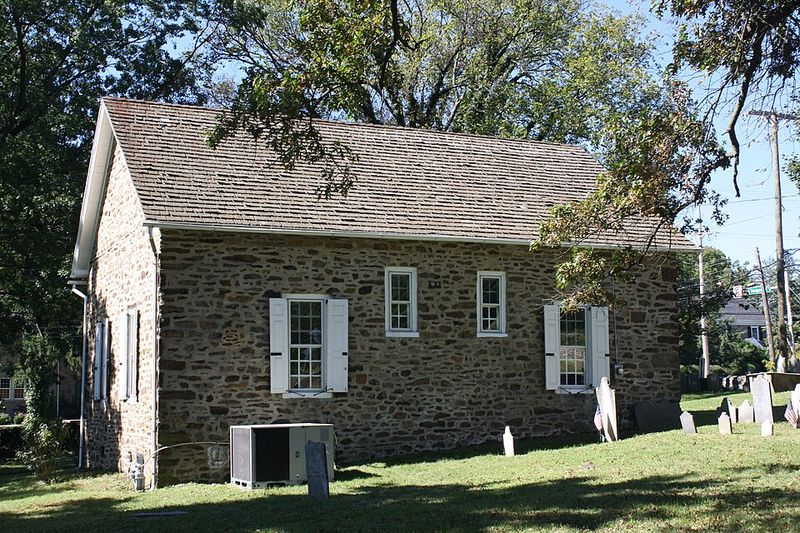
George Washington himself may have walked these very floors during the Revolutionary War. When Continental Army troops camped nearby during the Valley Forge winter, this church served the community in crucial ways.
Benjamin Franklin, that brilliant inventor and statesman, reportedly attended services here. Imagine him sitting in these wooden pews, perhaps pondering his next invention or diplomatic mission.
His connection to the church links this humble building to world-changing ideas.
David Rittenhouse, America’s foremost astronomer of his day, also worshipped within these walls. The man who calculated planetary orbits and built precision instruments found spiritual grounding here.
His presence reminds us that faith and science walked hand-in-hand for many founders.
These weren’t just famous people passing through—they were real individuals seeking comfort and community. The church provided stability during America’s birth pangs.
Standing where such giants once stood makes history feel incredibly personal and real, bridging the gap between textbook facts and human experience across centuries.
Wander Through the Historic Cemetery
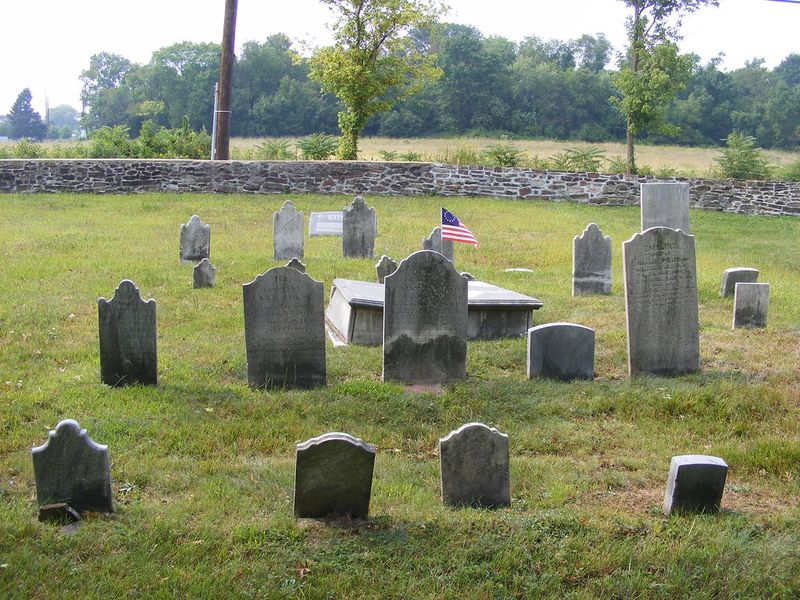
Step into the burial ground and you’re walking among Montgomery County’s earliest families. Weathered headstones lean at angles, their carved letters worn but still readable after two and a half centuries.
Revolutionary War soldiers rest here in eternal silence. These weren’t famous generals—they were ordinary farmers, blacksmiths, and shopkeepers who answered freedom’s call.
Their simple markers speak of sacrifice without glory or fanfare.
Reading the old stones reveals fascinating details about colonial life. Whole families wiped out by illness share single plots.
Infant mortality was heartbreakingly common, with tiny markers dotting the landscape between larger monuments.
Some graves date to the early 1700s, making them among Pennsylvania’s oldest marked burials. The cemetery expanded as the congregation grew, creating a timeline of community history written in stone.
Spring brings wildflowers between the markers, softening the solemnity.
Genealogy researchers treasure this quiet place. Names recorded here appear in county records, land deeds, and family bibles throughout the region, connecting modern descendants to their ancestral roots.
Why It’s Listed on the National Register of Historic Places
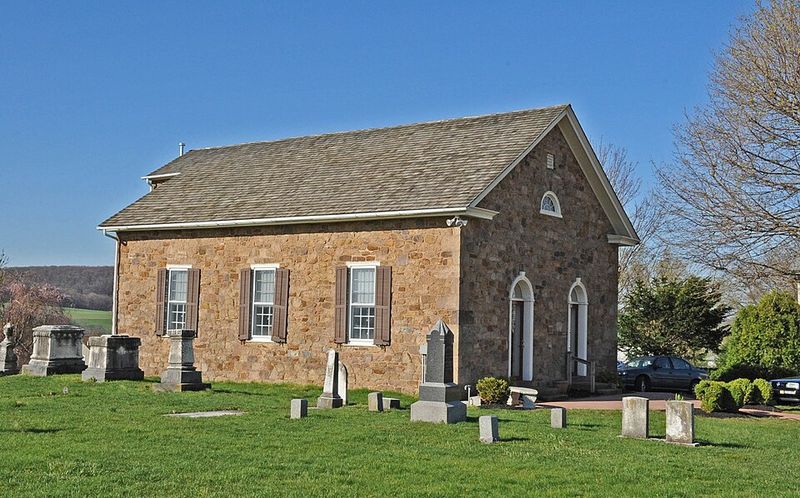
In 1979, the federal government officially recognized what locals already knew—this church deserves national protection. The National Register of Historic Places doesn’t hand out listings casually; buildings must meet strict criteria proving their significance.
Old Norriton Presbyterian Church checked multiple boxes. Its architectural integrity remains remarkably intact, with original materials and design features preserved through careful stewardship.
Few colonial buildings survive in such authentic condition.
The church’s association with Pennsylvania’s settlement and religious development earned major consideration. It represents a crucial period when America’s religious landscape was taking shape, demonstrating how diverse immigrant groups established worship communities.
Historical significance extends beyond architecture alone. The building witnessed Revolutionary War activity, served generations of families, and influenced regional Presbyterian development.
Its story intertwines with America’s broader narrative.
This designation brings practical benefits too. Grant funding becomes available for preservation work, ensuring future generations can experience this treasure.
The listing also raises awareness, attracting visitors who might otherwise never discover this hidden gem tucked away in Montgomery County.
The Church’s Lasting Legacy in Montgomery County
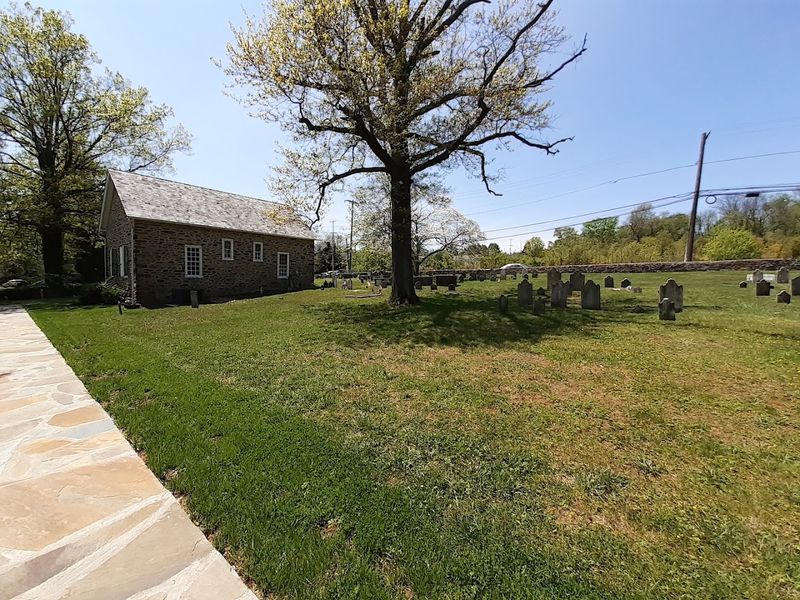
Think of Old Norriton as a mother church that birthed daughter congregations across the region. As Montgomery County grew, so did the Presbyterian presence, with this original church serving as the spiritual starting point.
When settlements expanded beyond walking distance, the congregation helped establish new churches rather than forcing families to travel hours for worship. This generous approach spread Presbyterian faith throughout the county efficiently.
Several well-known Montgomery County Presbyterian churches trace their origins directly back to Old Norriton. Ministers trained here went on to lead other congregations.
Families split into new church plants, carrying traditions forward.
The architectural influence spread too. Many later Presbyterian buildings copied elements from Old Norriton’s design—the simple elegance, the sturdy construction, the focus on worship space over decoration.
This created a recognizable regional style.
Educational and charitable efforts started here rippled outward. The church established precedents for community involvement that other congregations adopted.
Its legacy extends beyond religion into social services, education, and civic engagement throughout Montgomery County’s development.
What Visitors Should See During Their Stop
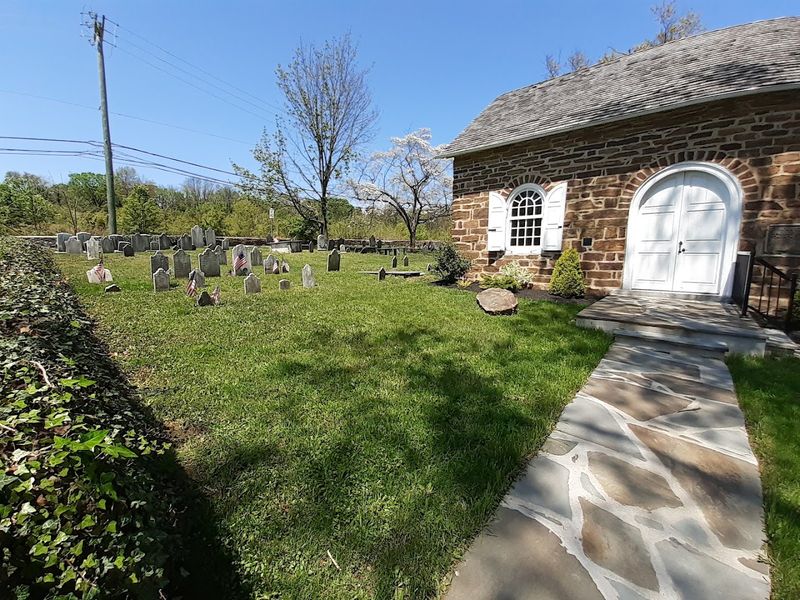
Start with the exterior walls themselves—those brownstones have stories carved into every weathered surface. Notice how the building sits on its plot, perfectly positioned for both accessibility and reverence.
The cemetery demands unhurried exploration. Bring paper and pencil for gravestone rubbings if you’re artistically inclined.
Early morning or late afternoon light creates the best conditions for reading worn inscriptions and photography.
Inside, original pews still bear the marks of centuries of use. Look for hand-carved initials, worn wood polished by countless worshippers, and structural details revealing construction techniques from 1698.
The barrel-vaulted ceiling draws eyes naturally upward.
Interpretive signs scattered around the property provide historical context and interesting facts. Take time reading these—they enhance appreciation for what you’re seeing and answer questions before you think to ask them.
Photographers love the changing seasons here. Spring blossoms frame the brownstone beautifully, fall foliage creates stunning backgrounds, and winter snow transforms the scene into a Christmas card.
Each season offers unique visual opportunities worth capturing.
Visitor Information & Tips
Finding the church is straightforward: 608 N. Trooper Road in East Norriton Township, just outside Norristown proper.
GPS coordinates work perfectly, though watching for street signs helps since the area has residential character.
Parking availability exceeds expectations—the church maintains a decent-sized lot accommodating regular visitors without crowding. Street parking provides overflow options during special services when attendance increases.
Accessibility varies by area. The cemetery grounds involve uneven terrain and historic pathways that challenge wheelchairs, though determined visitors manage with assistance.
The buildings have some accessibility limitations given their 300-year-old construction.
Nearby attractions include Valley Forge National Historical Park, roughly twenty minutes away. Combining both destinations makes an excellent day trip for history enthusiasts.
Several good restaurants in Norristown offer lunch options.
Timing matters for the best experience. Weekday mornings provide quiet exploration without crowds.
Those special worship services (Easter Sunrise, July Fourth, Christmas Eve) offer unique opportunities experiencing the sanctuary actively used. Spring and fall present ideal weather—not too hot, not too cold—for comfortable cemetery wandering and outdoor photography.