A hidden cave beneath North Carolina’s forests is waiting to surprise you!
At Boone’s Cave Park near Lexington, visitors can discover a rocky underground wonder without paying admission. The trail leads to a mysterious cave area where cool air, stone walls, and centuries of stories create a memorable adventure.
Tucked among peaceful woods, this unusual destination mixes natural beauty with the legend of Daniel Boone.
Every step feels like a discovery as you explore one of North Carolina’s most curious hidden gems.
Whether you love outdoor adventures, local history, or finding places most travelers miss, Boone’s Cave Park offers a free getaway filled with wonder.
Prepare to look beneath the surface and experience a side of North Carolina you never expected to find during your next unforgettable weekend adventure trip.
Boone’s Cave: The Underground Adventure Hidden Beneath the Forest
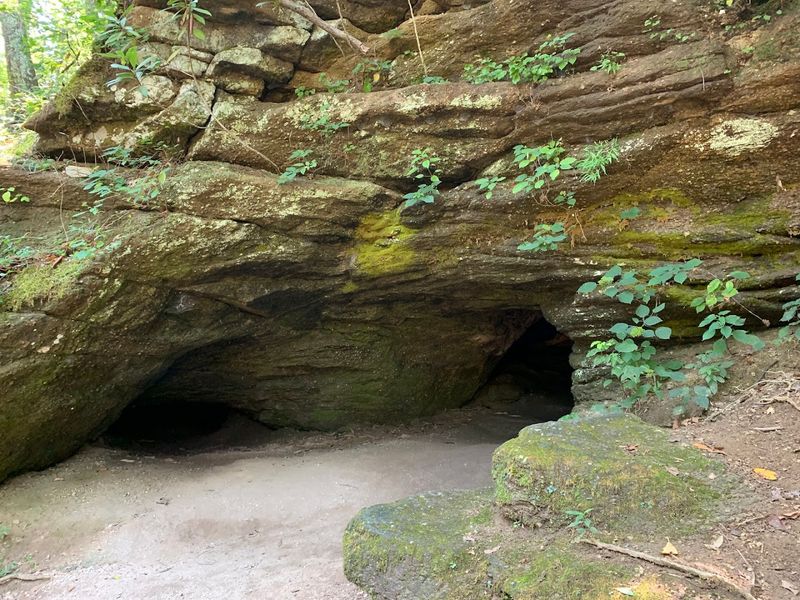
Tucked inside a quiet stretch of Davidson County woodland, Boone’s Cave gives visitors the rare chance to explore a natural cave without paying admission. The cave is connected to the legend of Daniel Boone and stretches deep into the hillside, offering a fascinating glimpse into North Carolina’s underground world.
Most people drive right past without knowing this natural wonder exists just minutes from downtown Lexington.
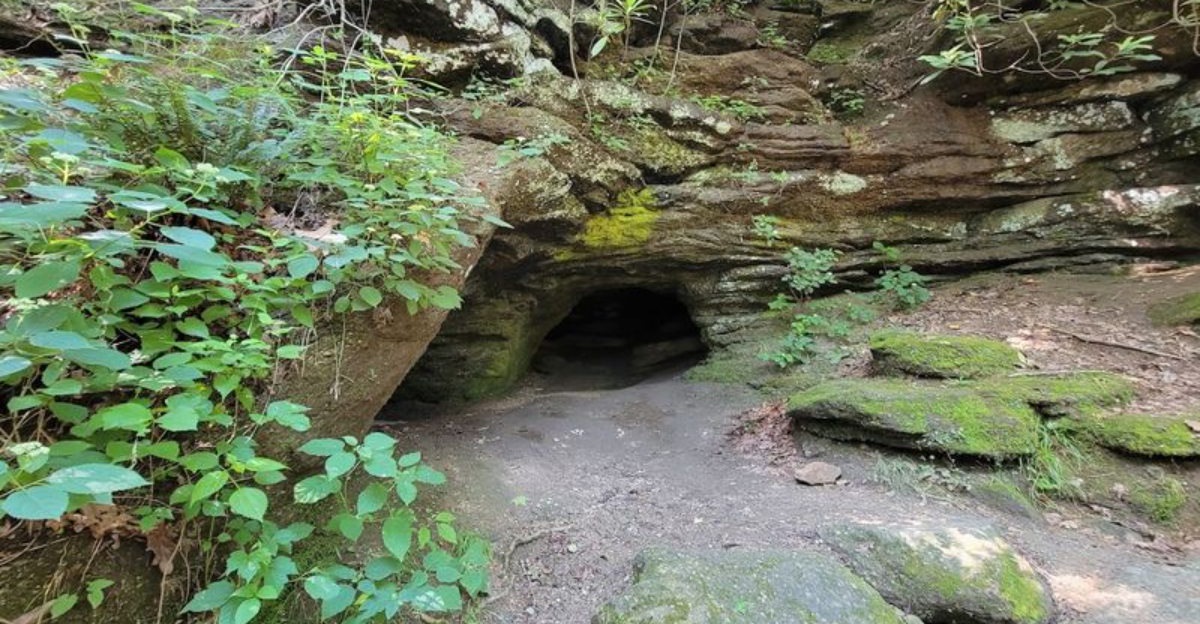
Walking toward the cave entrance feels like discovering a secret portal hidden by nature itself. Tall hardwood trees surround the rocky opening, creating shade that makes the temperature drop noticeably even before entering.
The moss-covered boulders and damp earth smell signal you’re approaching something special.
Inside, the cave’s narrow passages and low ceilings create an intimate exploration experience unlike polished commercial caves. Visitors need to crouch and carefully navigate the uneven terrain, which adds to the adventure.
This raw, unmodified cave preserves the authentic underground environment that early settlers and Native Americans would have encountered centuries ago.
Descending Into a Cave 140 Feet Below the Surface
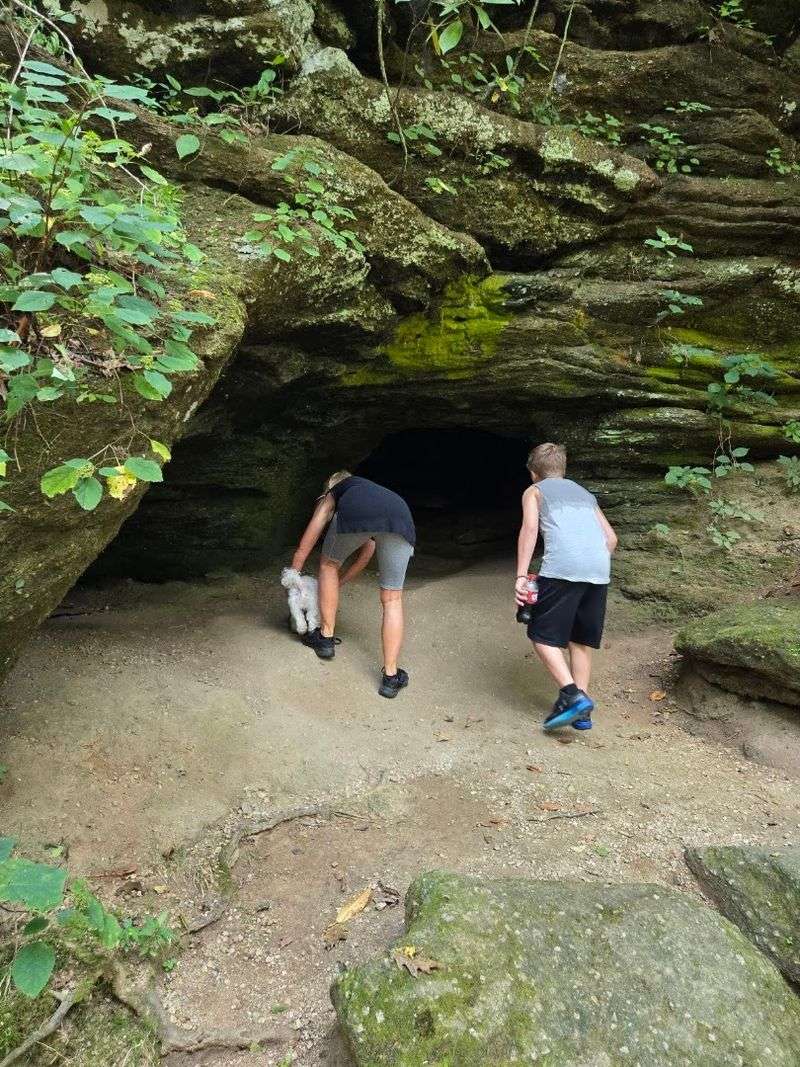
The biggest surprise at Boone’s Cave Park is how dramatically the landscape changes once visitors reach the cave area. The rocky passage drops visitors into a cool, shaded environment that feels worlds away from the forest above, making it one of Lexington’s most unusual outdoor attractions.
Temperatures inside hover around 55 degrees year-round, providing natural air conditioning during hot summer months.
Geologists estimate the cave formed thousands of years ago through water erosion and limestone dissolution. Over centuries, underground streams carved out passages and chambers that now attract curious explorers.
The depth reaches approximately 140 feet below ground level, creating multiple layers of rock formations worth examining.
Bring a reliable flashlight because natural light disappears quickly beyond the entrance. Your eyes adjust to darkness, revealing interesting rock textures and mineral deposits coating the walls.
Some visitors report hearing water trickling deep within the cave system, though accessing those areas requires experience and proper equipment that casual visitors shouldn’t attempt without guidance.
The Daniel Boone Connection Behind This Hidden Landmark
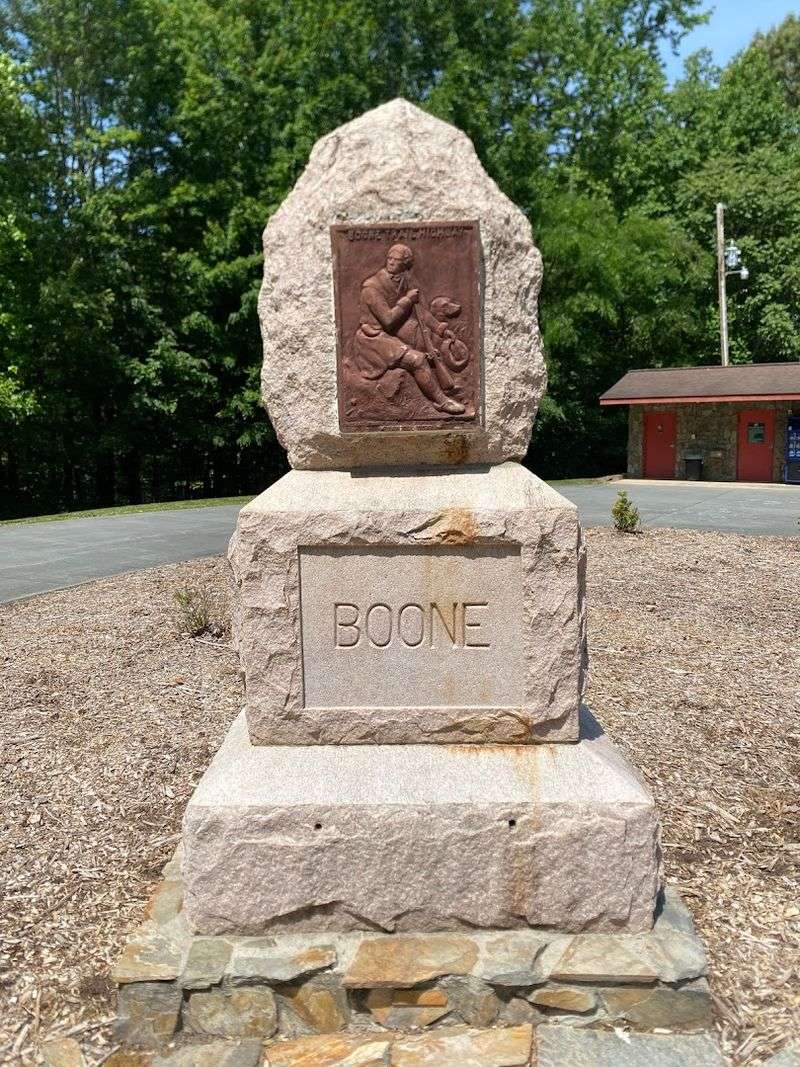
Ever wonder why this cave carries such a famous name? The cave’s connection to legendary American pioneer Daniel Boone adds historical intrigue beyond natural geology.
According to local stories, young Daniel Boone spent time exploring this area during his family’s years in the North Carolina Piedmont region during the mid-1700s.
Historians debate exactly how much time Boone spent at this specific cave, but his presence in Davidson County is well-documented. The Boone family lived in the Yadkin River Valley before Daniel headed west toward Kentucky and frontier fame.
Whether he used the cave as shelter, hideout, or simply explored it remains uncertain, but the connection sparks imagination.
This blend of natural wonder and frontier legend makes the park especially appealing to history enthusiasts. Kids love imagining what life was like for young pioneers exploring these same rocky chambers with only torches for light.
The cave serves as a tangible link to North Carolina’s colonial past, when wilderness survival skills meant everything.
Exploring the Rocky Trails Around Boone’s Cave Park
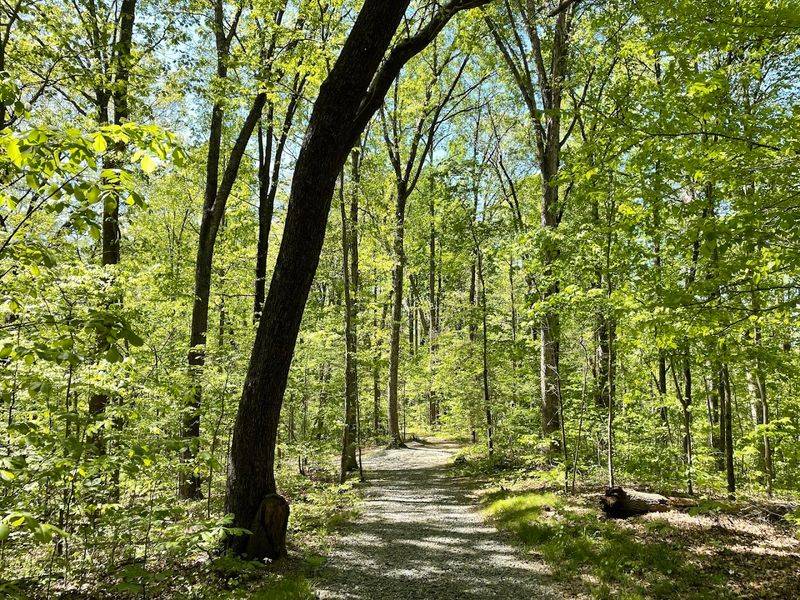
The adventure doesn’t end at the cave entrance. Visitors can wander through forested trails surrounded by hardwood trees, wildflowers, and peaceful scenery that makes the park feel more like a mountain getaway than a destination in the Piedmont region.
Several marked trails wind through different sections of the 110-acre park, offering varied difficulty levels.
Trail surfaces range from packed dirt to rocky sections requiring careful footing. Tree roots crisscross some paths, adding natural obstacles that make hiking more interesting.
Families with younger children should stick to easier routes near the picnic areas, while experienced hikers can tackle steeper sections leading to overlooks.
Spring brings wildflower blooms along the trail edges, painting the forest floor with color. Summer provides thick canopy shade that keeps temperatures comfortable even during peak afternoon heat.
Fall transforms the hardwoods into brilliant displays of red, orange, and gold that rival mountain destinations further west, making this an excellent October photography location.
A Free Outdoor Escape Perfect for Families
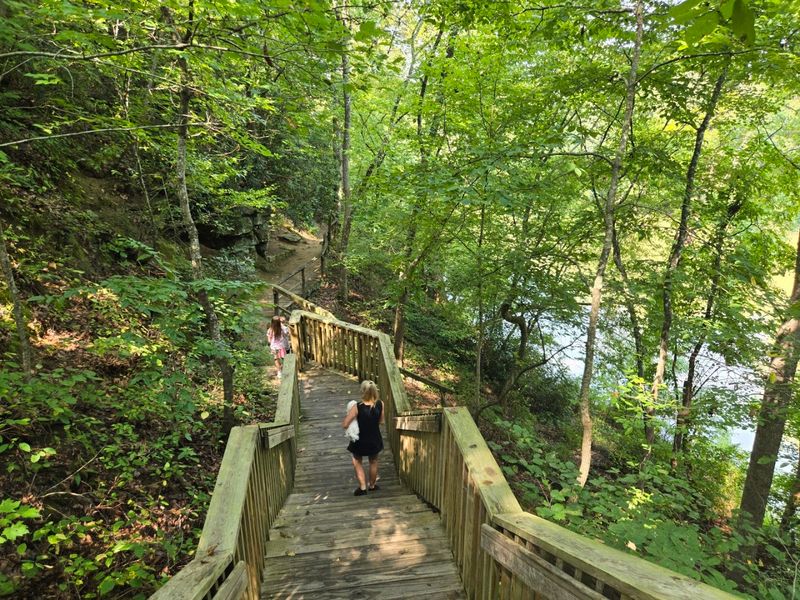
One of Boone’s Cave Park’s biggest draws is that visitors can enjoy the natural attraction without paying an entrance fee. With hiking paths, picnic areas, playgrounds, and open spaces, it offers an affordable day trip for families, hikers, and anyone looking for a unique North Carolina adventure.
Budget-conscious families especially appreciate finding quality outdoor recreation that doesn’t drain wallets.
The playground equipment near the main parking area keeps younger kids entertained before or after cave exploration. Covered picnic shelters provide shaded spots for lunch, birthday parties, or family reunions.
Grills are available for cookouts, making full-day visits easy to plan.
Restroom facilities and ample parking remove common obstacles that sometimes discourage park visits. The combination of amenities and natural attractions means families can spend several hours without boredom setting in.
Parents love that kids burn energy hiking and exploring while learning about nature and local history simultaneously, creating educational entertainment that doesn’t feel like a classroom.
The Yadkin River Views Add Even More Beauty
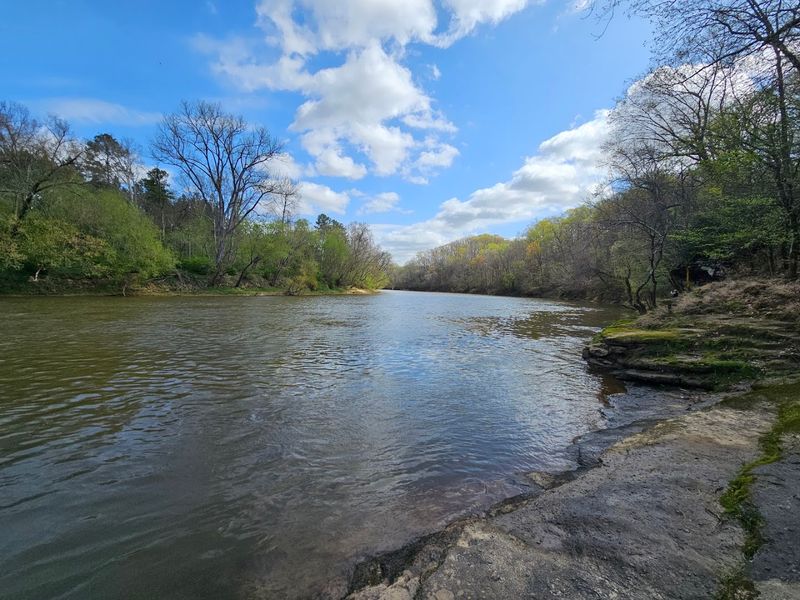
Located near the Yadkin River, the park combines underground exploration with peaceful waterfront scenery. After checking out the cave, visitors can enjoy river views, nature watching, and relaxing spots along the shoreline.
The river’s presence adds another dimension to the park experience beyond just cave exploration.
Fishing enthusiasts bring rods hoping to catch bass, catfish, and other species inhabiting these waters. The riverbank provides natural seating where anglers can cast lines while enjoying birdsong and rustling leaves.
No fishing license fees apply for North Carolina residents under 16 or over 65, making this another budget-friendly activity option.
Bird watchers often spot herons, kingfishers, and various waterfowl along the river corridor. Early morning visits offer the best wildlife viewing opportunities when animals are most active.
The combination of forest, cave, and river ecosystems creates diverse habitats that support surprising biodiversity for a park this close to developed areas, making every visit potentially reveal something new.
Wildlife, Wildflowers, and a Rare Natural Setting
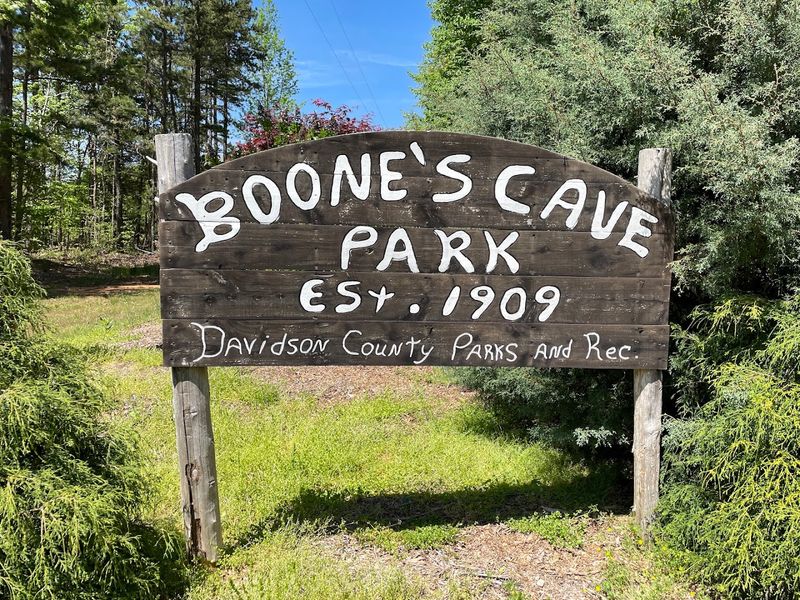
Beyond the cave itself, Boone’s Cave Park protects a diverse natural area filled with native plants, wildlife, and forest habitats. The park’s designated Natural Heritage Site areas help preserve wildflowers and ecosystems that are unusual for this part of North Carolina.
Conservation efforts maintain habitats that might otherwise disappear to development pressure.
Botanists appreciate finding plant species here that have become scarce elsewhere in Davidson County. Rare wildflowers bloom in protected sections during appropriate seasons, attracting nature photographers and plant enthusiasts.
The park staff works to control invasive species while encouraging native growth patterns.
Deer, raccoons, foxes, and other mammals call this forest home, though they usually avoid humans during busy visiting hours. Patient observers sitting quietly near dawn or dusk have better chances of wildlife sightings.
The diverse habitat created by mixing forest, river, and rocky outcrops supports ecosystems worth protecting, reminding visitors that even small conservation areas make meaningful environmental differences in increasingly developed landscapes.
More Than a Cave: Hiking, Camping, and Outdoor Recreation
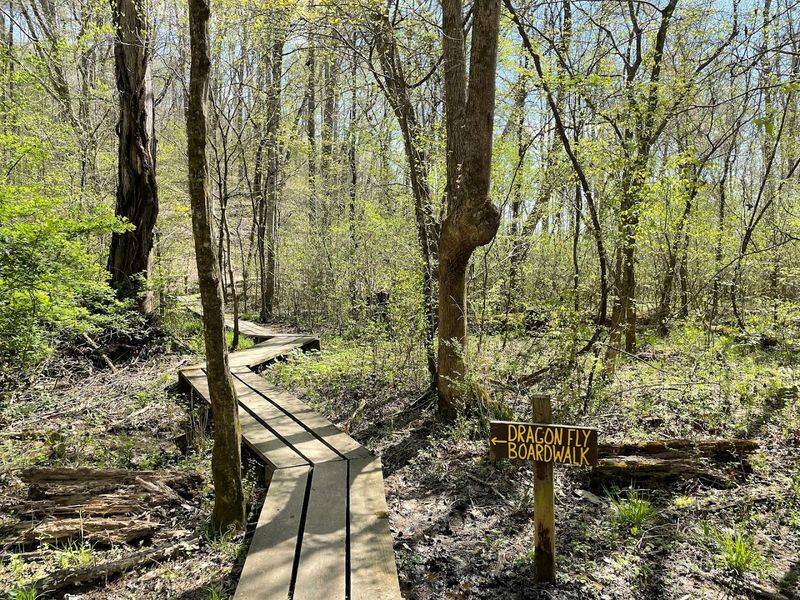
Boone’s Cave Park offers much more than a quick cave visit. Travelers can spend an entire day hiking, fishing, enjoying picnic shelters, playing disc golf, or camping overnight for a longer outdoor escape.
The 18-hole disc golf course attracts players from surrounding counties who appreciate the challenging layout winding through woods.
Camping facilities accommodate both tent campers and RV users seeking affordable overnight stays. Primitive camping areas provide basic amenities while keeping costs minimal.
Waking up to birdsong and cooking breakfast over a campfire creates memories that hotel stays can’t match.
The variety of activities means different family members can pursue separate interests without leaving the park. While some hike to the cave, others might fish the river or play disc golf.
Groups can split up and reunite at picnic areas for meals, making the park flexible enough to satisfy diverse recreation preferences during single visits that please everyone.
What Makes Boone’s Cave Different From Other Cave Attractions
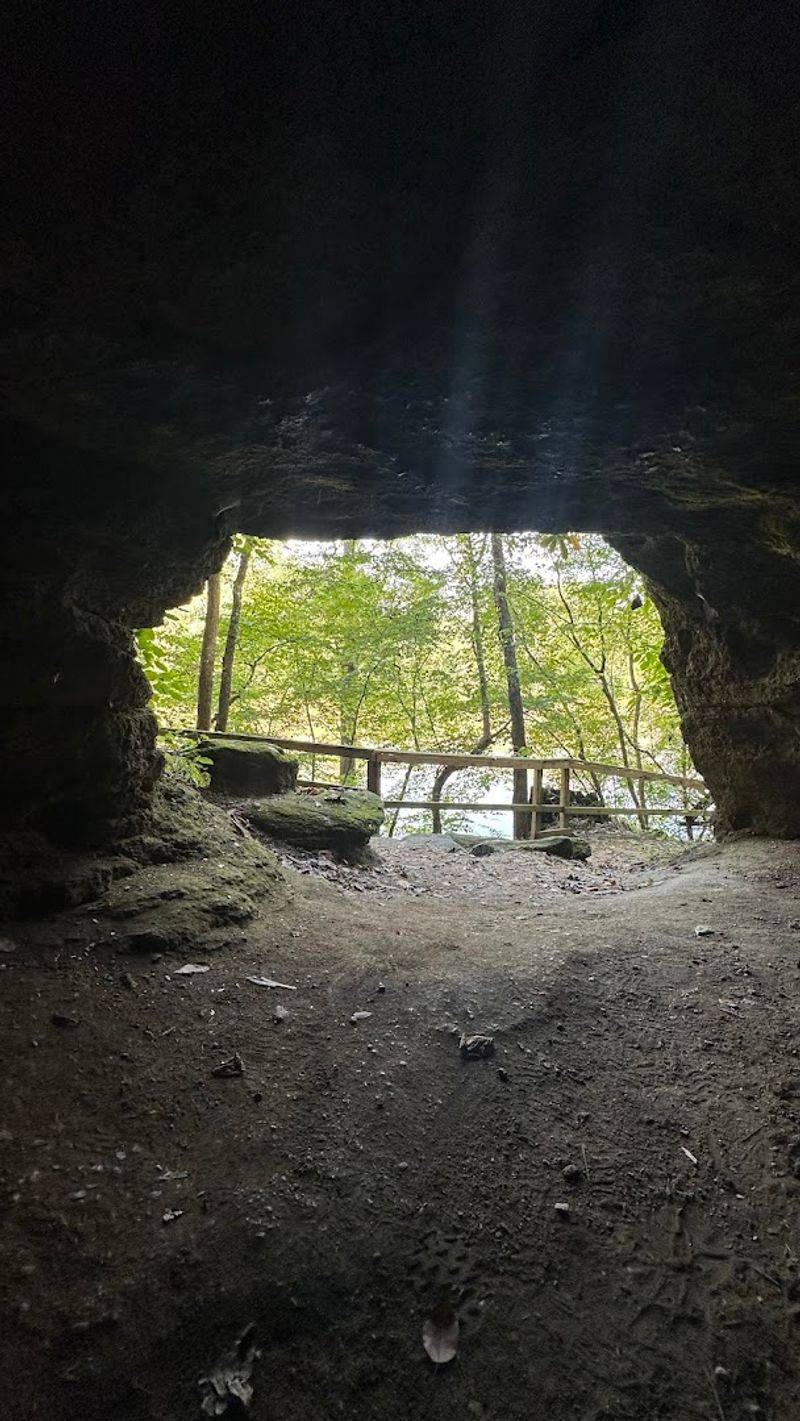
Unlike commercial caves with guided tours and ticket fees, Boone’s Cave feels like a natural discovery tucked inside a public park. The combination of free access, forest trails, local history, and rugged terrain makes it a memorable stop for adventurous visitors.
No gift shops, entrance gates, or paved pathways interrupt the wilderness experience.
Commercial caves often install lighting, walkways, and handrails that make exploration safer but less authentic. Boone’s Cave remains largely unchanged from its natural state, requiring visitors to navigate carefully and take responsibility for their own safety.
This raw quality appeals to people seeking genuine outdoor adventure rather than sanitized tourism.
The self-guided exploration means you control the pace and focus. Want to spend an hour examining rock formations?
Go ahead. Prefer a quick peek before hitting the trails?
That works too. Freedom from scheduled tour times and crowded groups creates a more personal connection with the underground environment that feels like your own private discovery.
Visitor Information: What To Know Before You Go
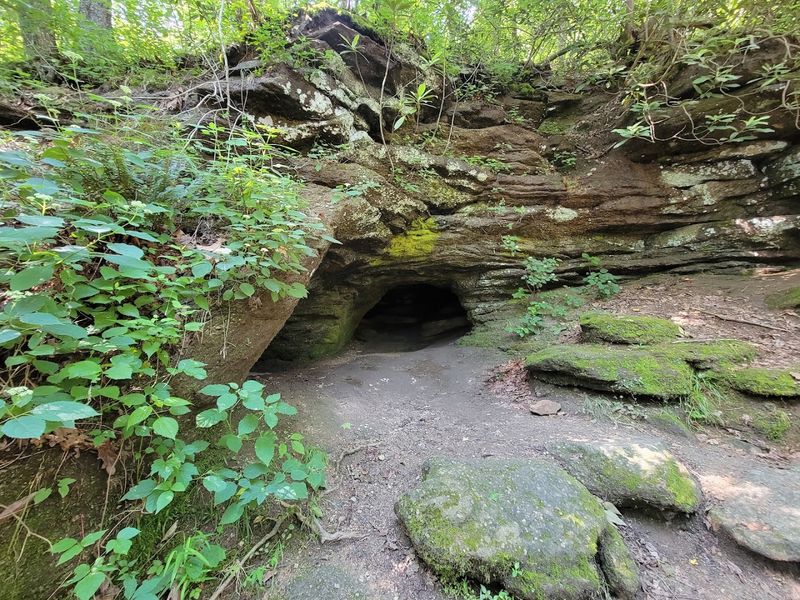
Before visiting Boone’s Cave Park, plan for an outdoor experience rather than a traditional cave tour. Wear sturdy shoes with good tread since cave floors and trails can be slippery or uneven.
Bring a reliable flashlight or headlamp for exploring darker cave areas where natural light doesn’t reach. Cell phone lights work in a pinch but drain batteries quickly.
The park is located at 3552 Boone’s Cave Road, Lexington, NC 27292. Contact information includes phone number 336-752-2322 for questions about facilities or conditions.
Admission costs nothing, making this one of the best free attractions in central North Carolina.
Available activities include hiking, cave exploration, fishing, camping, picnicking, disc golf, and wildlife viewing. Allow at least two hours minimum to experience both the cave and surrounding trails properly.
Best tip: arrive early morning on weekdays to avoid crowds and enjoy cooler temperatures inside the cave. Pack water, snacks, insect repellent during warmer months, and emergency supplies for safe exploration adventures.