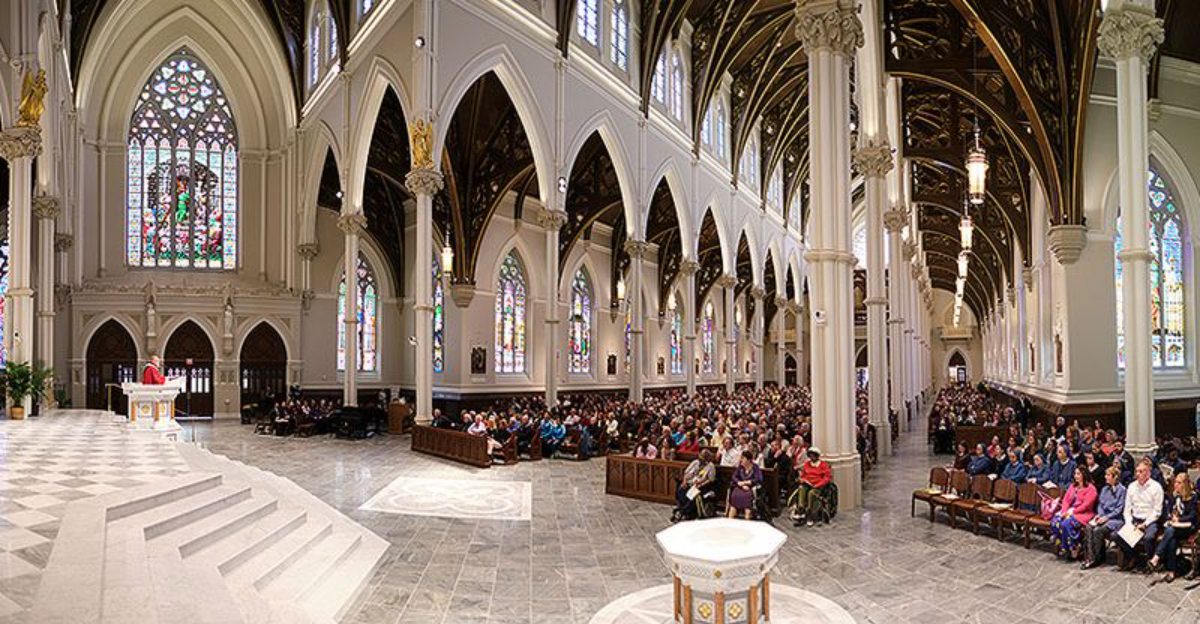
Some of Massachusetts’ most powerful stories are hidden inside buildings that many people pass without a second glance. Behind old wooden doors and beneath soaring steeples are places where voices of revolution, faith, and community have echoed for generations.
The historic churches of Massachusetts are more than architectural landmarks. From colonial meetinghouses to grand city sanctuaries, these buildings preserve moments that helped shape American history while showcasing craftsmanship through stained glass, carved details, and carefully preserved interiors.
Walking through these churches offers a chance to experience history in a more personal way. Every pew, window, and stone wall reveals connections to the people who gathered there and the events that unfolded around them.
Discover 10 Massachusetts churches where remarkable stories and unforgettable architecture come together in ways that make every visit meaningful.
Lantern Light at Old North Church
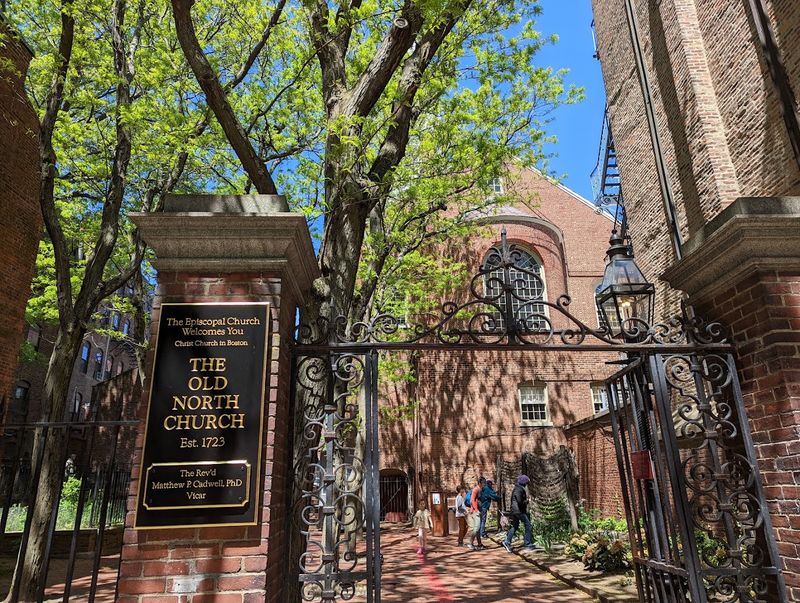
Few places make the past feel so close. A narrow North End street suddenly opens, and there it is, a steeple tied to one of the most famous signals in American history.
Old North Church in Boston was built in 1723, making it the oldest surviving church building in the city. Most people know the lantern story tied to Paul Revere, but the church also tells a broader story about neighbors, sailors, and a growing colonial town.
Inside, the box pews, tall windows, and soft light create a calm mood that contrasts with the drama of 1775.
After your visit, it is easy to walk the Freedom Trail or grab an Italian pastry nearby on Hanover Street. That mix of everyday Boston life and world changing history is what makes this church linger in memory long after you leave the courtyard behind.
Crowds and Courage at Old South Meeting House
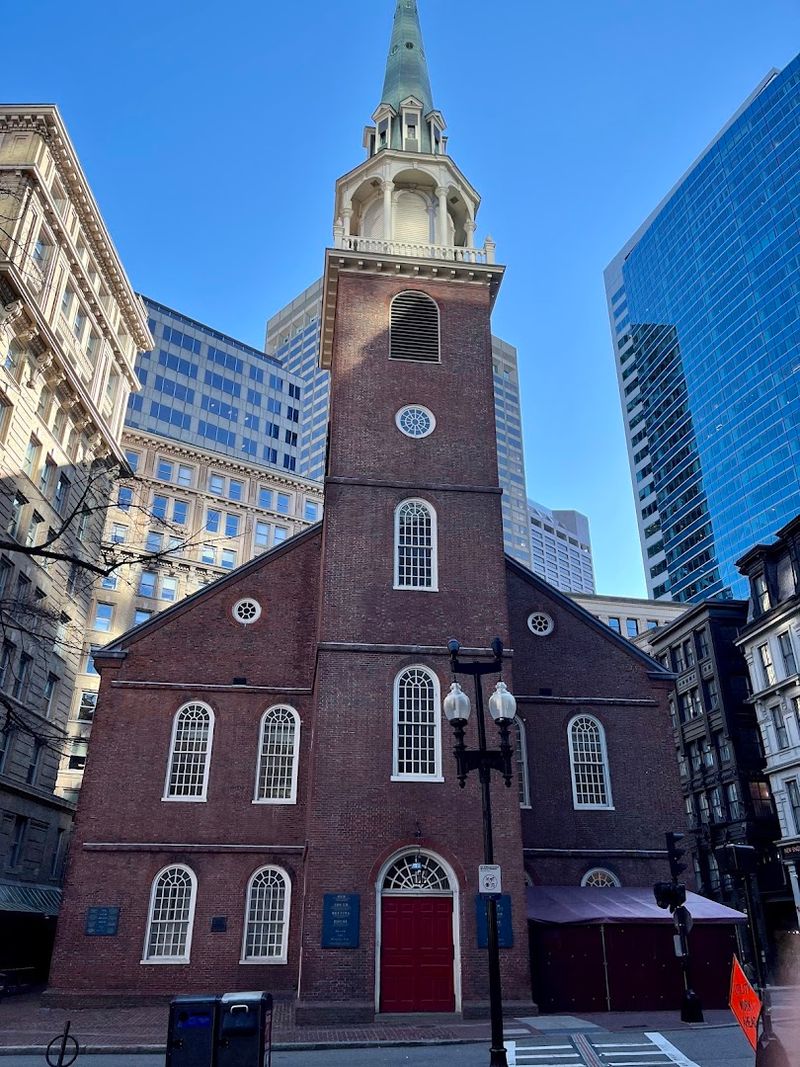
You can almost hear the noise before you walk in. Imagine thousands of people packed shoulder to shoulder, arguing over rights, taxes, and what should happen next in a tense colonial city.
Old South Meeting House in Boston was built in 1729, and it played a key role in the events leading to the Boston Tea Party. More than a church, it became a gathering place where public debate could fill the room with urgency.
The preserved interior helps visitors picture those crowded meetings, when ordinary citizens became part of a turning point in American history.
Today, the building also works as a museum, making it easy to connect ideas with real objects and stories. Outside, busy Washington Street reminds you how modern Boston grew around this historic core.
If you want one place that shows how words can spark action, this meeting house delivers that lesson with unusual force and clarity.
Color and Memory at Old South Church
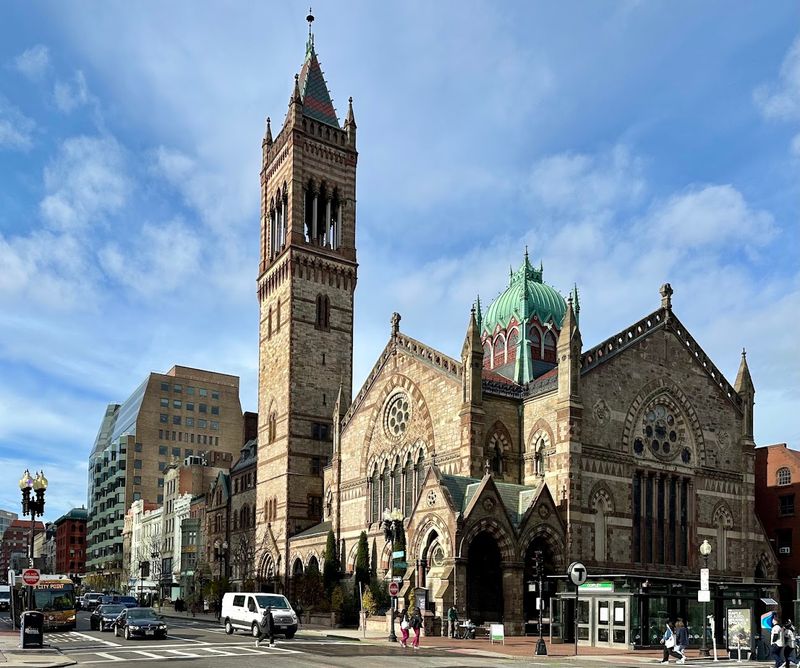
Some buildings ask you to look up, then keep looking. Color, stone, and stained glass work together here in a way that feels almost theatrical against the busy streets near Copley Square.
Old South Church in Boston, completed in 1875, is known for its striking Venetian Gothic design and rich interior details. While its architecture grabs attention first, the deeper story involves a congregation shaped by reform, civic debate, and the changing life of the city.
The stained glass is especially memorable, turning sunlight into shifting pools of red, blue, and gold across the space.
Because it sits near the Boston Public Library and Trinity Church, you can easily build a thoughtful afternoon around this part of Back Bay. Pause on Boylston Street with a coffee, then step inside again if the doors are open.
Few places show so clearly how beauty and public history can share the same address so naturally.
The Steeple Over Park Street
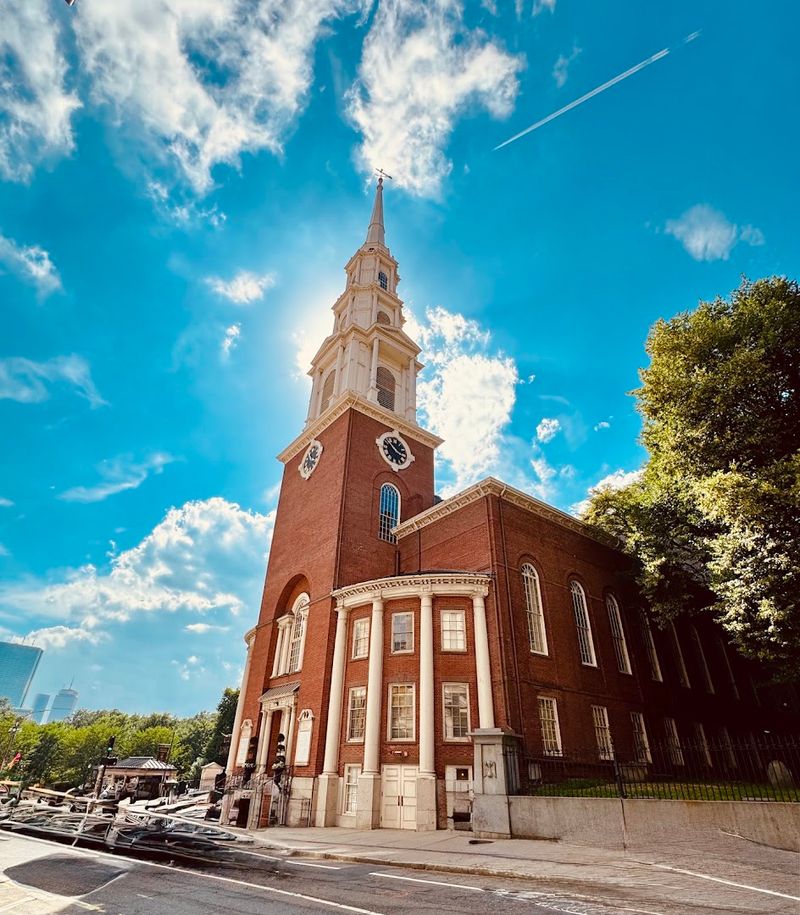
That white steeple has watched Boston change for more than two centuries. Seen from the edge of the Common, it feels crisp and familiar, yet the stories behind it are anything but quiet.
Park Street Church was built in 1809 and became a place linked to major reform movements, including anti-slavery speeches that pushed difficult issues into public view. Its Federal-style design gives the building a clear, balanced look, but its history carries tension, debate, and moral courage.
Inside, the simple dignity of the space fits the seriousness of what was spoken there.
Location matters here. With Boston Common in front and downtown all around, the church sits where everyday life and public action naturally meet.
You might hear street musicians nearby or smell roasted nuts from a cart before walking in. That ordinary city energy makes the church’s past feel less distant, as if strong words spoken long ago still echo over the park.
Quiet Strength at Old West Church
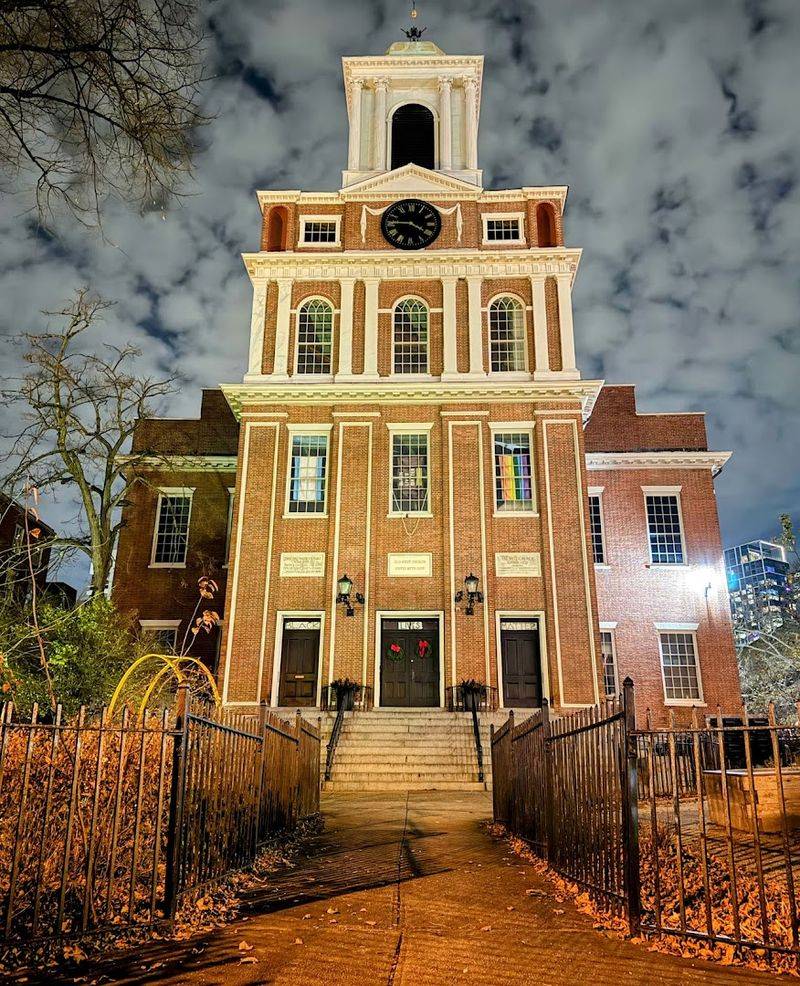
Not every historic place announces itself with drama. Some win you over slowly, through balanced lines, quiet rooms, and the sense that important things happened here without much fuss.
Old West Church in Boston, built in 1806 and designed by Asher Benjamin, is one of those places. Its Federal architecture feels orderly and refined, but the church also connects visitors to the Revolutionary era and the city’s early national story.
The building has survived changes in neighborhood life, shifting uses, and the long challenge of preservation, which makes its continued presence feel meaningful.
Standing near Cambridge Street, it sits close to busy routes and modern government buildings, yet the church offers a pocket of reflection. Notice the proportions, the windows, and the restrained beauty that defines the style.
Then think about how many Bostonians passed this way while the young nation was still finding its voice. That thought gives the whole visit unusual depth and texture.
Gothic Grandeur at the Cathedral of the Holy Cross
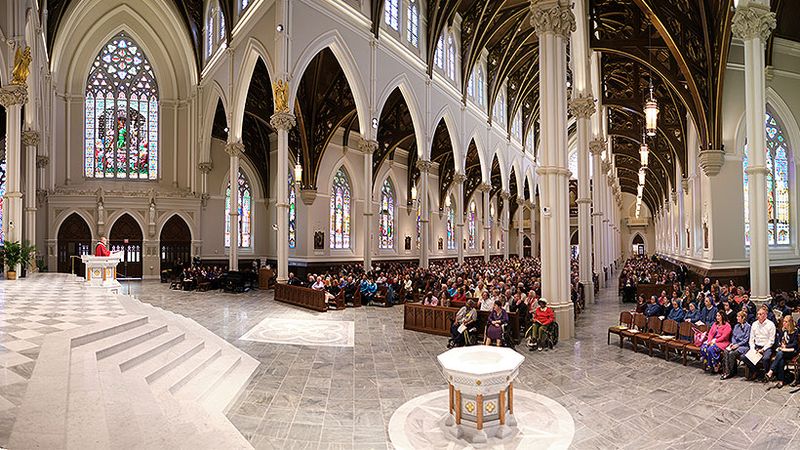
Scale changes your mood before history even speaks. The soaring arches, long nave, and filtered light create a feeling that is both grand and deeply human at the same time.
The Cathedral of the Holy Cross in Boston is the largest Catholic church in New England, and its Gothic Revival design gives it a dramatic presence. Completed in 1875, it reflects the growth of Boston’s Catholic community, especially immigrants who helped shape the city while often facing hardship and prejudice.
Inside, stained glass and carved details draw your eye upward, but the story on the ground is about perseverance, belonging, and community life.
Set in the South End, the cathedral stands near streets lined with brick row houses and excellent neighborhood restaurants. Visiting here can be paired with a walk past small parks or a meal nearby.
What stays with many people is not only the size, but the sense that generations built and protected something meant to endure.
Timber Wonder at Old Ship Church
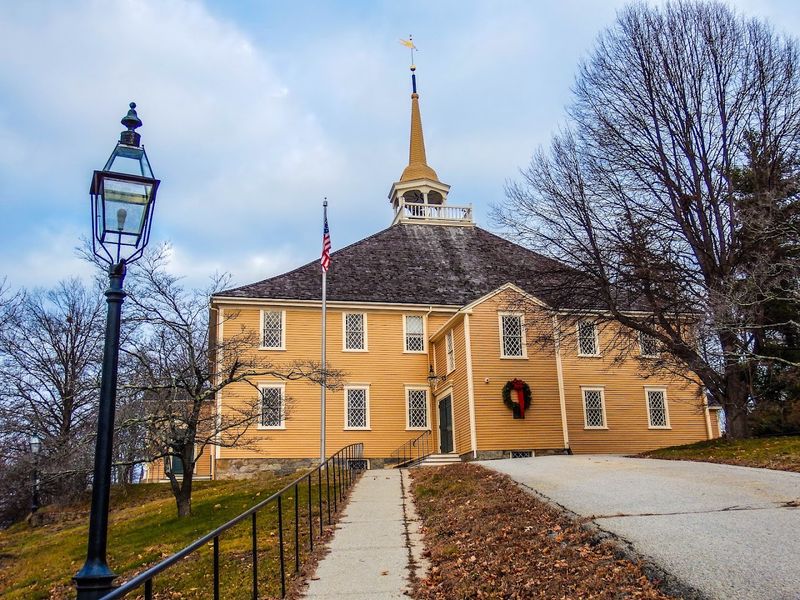
At first glance, the building seems modest, almost simple. Then you look up and see a roof shaped like an upside down ship, and suddenly the whole place becomes unforgettable.
Old Ship Church in Hingham was built in 1681 and is the oldest church in continuous ecclesiastical use in the United States. Its famous hammerbeam roof gives the interior a striking wooden pattern that feels both sturdy and graceful.
More than an architectural curiosity, the church connects visitors to early New England families, worship practices, and the practical skills of a coastal town shaped by shipbuilding.
Main Street in Hingham adds to the experience, with its classic town feel and easy pace. A stop here pairs well with a walk past old homes or lunch at a nearby cafe.
Because the building has remained active for so long, it does not feel frozen in time. Instead, it feels lived in, cared for, and quietly remarkable across centuries.
Presidential Echoes in Quincy
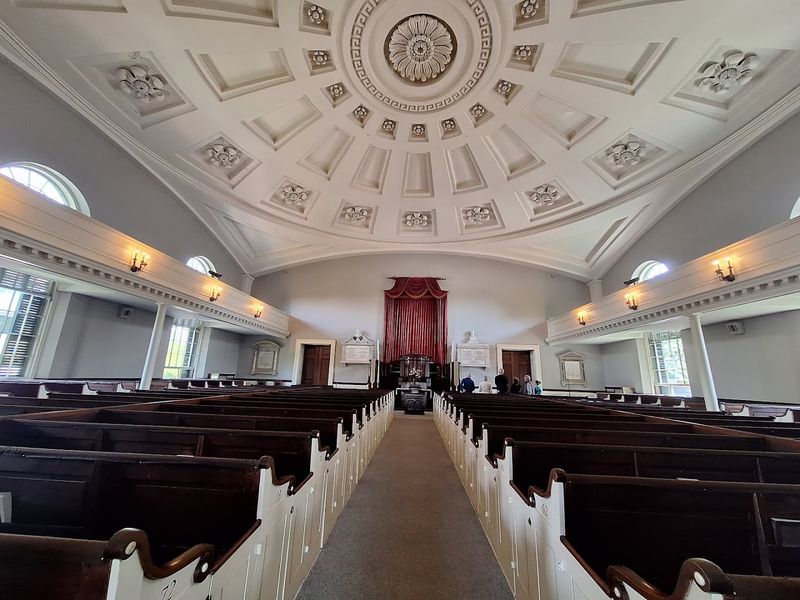
History feels unusually personal when it includes a family you learned about in school. Here, national politics, private grief, and hometown pride all meet under one roof.
United First Parish Church in Quincy is often called the Church of the Presidents because John Adams and John Quincy Adams are buried here, along with their wives, Abigail Adams and Louisa Catherine Adams. Designed by Alexander Parris, the building has a noble, balanced look that matches its civic importance.
Yet the real power comes from standing in a place where public leaders returned, in death, to the community that shaped them.
The church sits right in the heart of Quincy, making it easy to pair with a walk through the city center or a stop for seafood nearby. Visitors often remember the crypt most clearly, because it brings famous names down to a human scale.
Instead of distant textbook figures, the Adams family becomes immediate, local, and surprisingly moving to encounter.
Pilgrim Legacy Above Plymouth
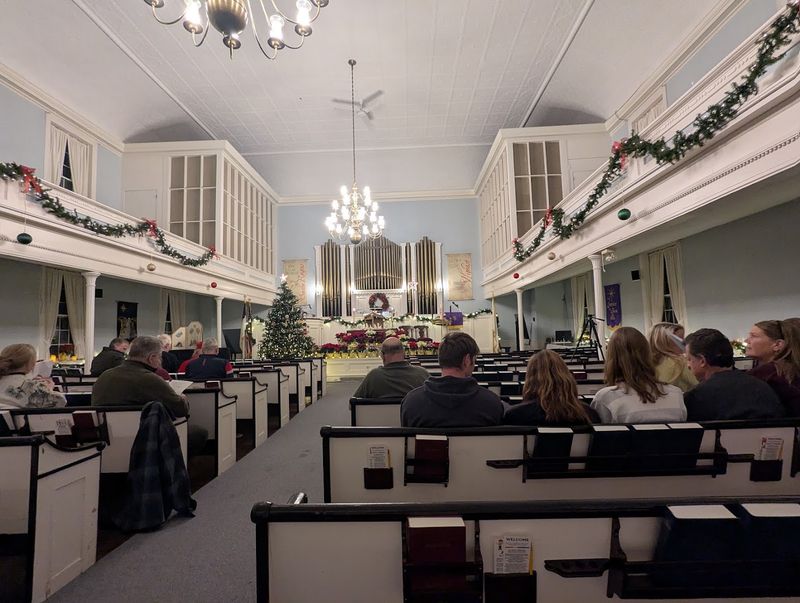
Some views seem to gather centuries in one glance. From the rise above Plymouth’s historic center, this church looks over streets where memory, myth, and local life keep crossing paths.
First Congregational Church of Plymouth is the successor to the Pilgrims’ original congregation, which gives it a direct link to one of the best known stories in early American history. The current Romanesque Revival building came later, yet it carries the weight of that long religious and civic tradition.
Its strong stone form and elevated setting make it feel rooted, almost protective, over the town below.
After visiting, you can walk toward Plymouth Rock, explore the waterfront, or stop for clam chowder nearby. The church works best when seen as part of the larger landscape of Plymouth, not just as a single landmark.
It helps visitors connect classroom history to a real place, where faith, hardship, and community shaped life on a very uncertain shore.
Harbor Spirit at Seamen’s Bethel
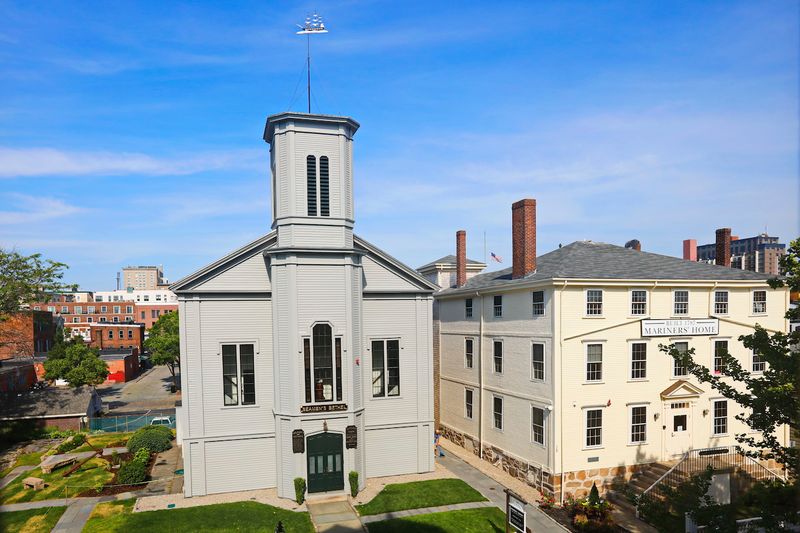
Salt air seems to cling to the story here, even before you step inside. The chapel is modest in size, but it carries the weight of voyages, losses, and hard earned hope.
Seamen’s Bethel in New Bedford was built in 1832 as a place for mariners and their families. It became famous through Moby-Dick, but the real history is just as compelling.
Memorial plaques line the interior, each one recalling a life connected to the sea, and together they create a moving portrait of a port city shaped by whaling, trade, and danger.
The setting on Johnny Cake Hill adds to the mood, especially if you follow your visit with time at the New Bedford Whaling Museum or a walk near the waterfront. You may notice fishing boats, gulls, and the working harbor that still defines the city.
More than a literary stop, this chapel offers a grounded, emotional connection to people who lived by uncertain tides every day.