Some of Virginia’s oldest churches have stood quietly while entire towns changed around them. Their weathered bricks, wooden beams, and historic graveyards preserve memories of early settlers, generations of worshippers, and moments that shaped the nation’s story.
Across Virginia, these historic churches offer a rare chance to step closer to the past. From peaceful country roads to historic city neighborhoods, each landmark reflects the communities that built it and the traditions that kept it alive.
Their architecture may draw visitors in, but the personal stories behind their walls are what make them unforgettable.
Exploring these churches is a journey through Virginia history, where every doorway, window, and corner reveals another connection to the past. Discover 12 of Virginia’s oldest churches and the remarkable stories that make each one worth a visit.
Historic St. Luke’s Church & Museum
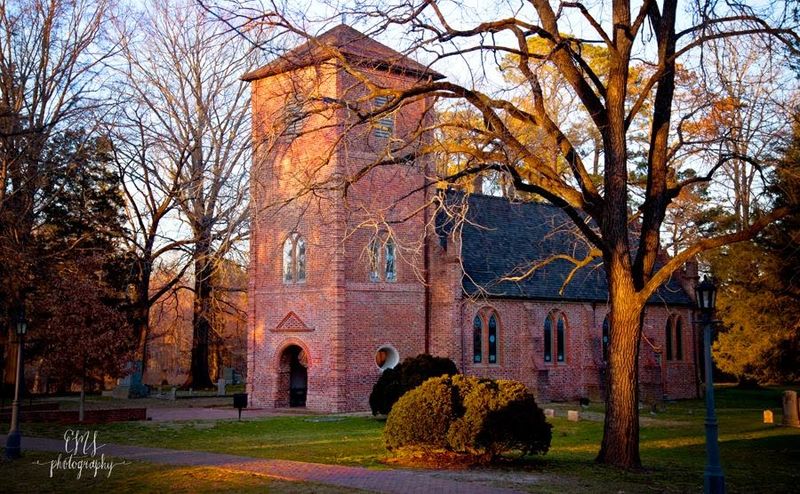
Silence settles here in a way that makes even small sounds feel meaningful. Birds move through the trees, the brick walls glow softly, and suddenly the late 1600s do not seem so far away.
A visit feels less like checking off a landmark and more like stepping into a slower rhythm.
Later, you realize you are standing at Historic St. Luke’s Church & Museum in Smithfield, often called Virginia’s oldest surviving church building. The Gothic brickwork stands out right away, and the museum setting helps explain why every window, beam, and worn surface matters so much.
Take time to walk the grounds and notice how simple the setting feels. That contrast is part of the experience.
The church is not flashy, yet it leaves a strong impression because it has outlasted centuries, storms, and changing communities with remarkable grace and quiet strength.
Bruton Parish Church
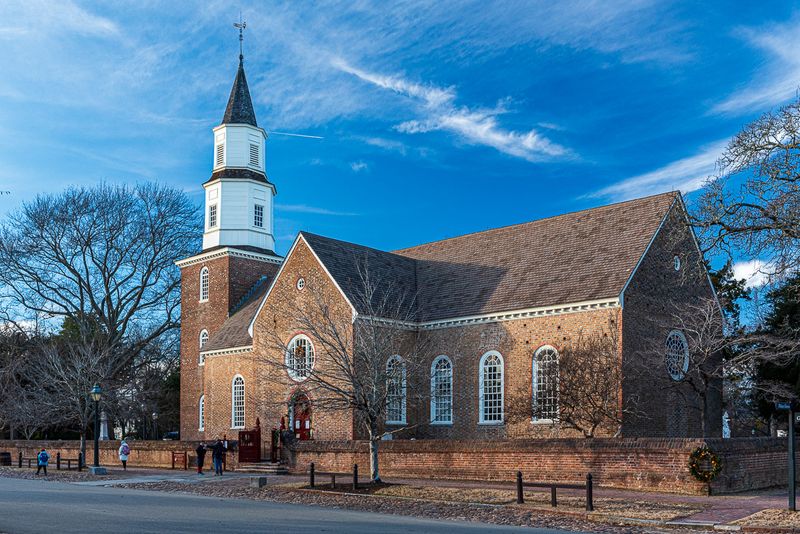
A busy colonial street can make history feel staged, but then a church appears and changes the mood completely. The white steeple rises above Williamsburg with calm confidence, and the noise around it seems to fade.
For a moment, the past feels less like a lesson and more like a real neighborhood.
That feeling deepens at Bruton Parish Church, right in the heart of Williamsburg. George Washington, Thomas Jefferson, and Patrick Henry all worshiped here, yet the building still feels welcoming instead of distant.
Sunlight through the windows and the polished wood inside give the space a warm, lived in character.
After exploring nearby shops and taverns, stepping inside offers a reset. You notice how faith, politics, and daily life once mixed in one place.
Bruton Parish helps visitors picture colonial Virginia not as a museum display, but as a town filled with voices, routines, and complicated ideas.
St. Peter’s Church
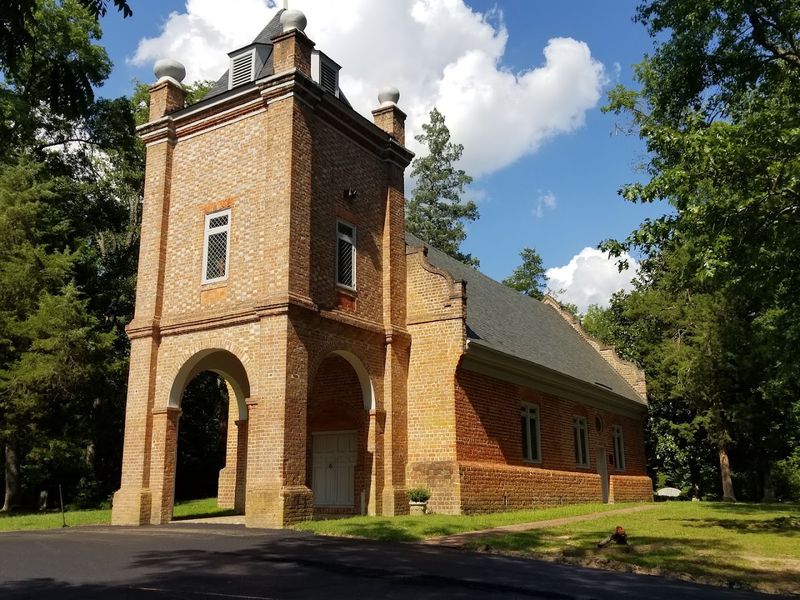
Country roads have a special way of building suspense, especially when they lead to a church older than most states. Trees frame the approach, the quiet feels deep, and the red brick seems to hold its own weathered memory.
Before you even step inside, the setting invites you to slow down.
St. Peter’s Church in New Kent is best known as the place where George and Martha Washington were married in 1759. Even with that famous connection, it never feels showy.
The old pews, brick walls, and simple interior suggest a place shaped by ordinary worship as much as extraordinary history.
If you visit, notice how the church sits within the landscape instead of overpowering it. That balance is part of its appeal.
It helps you imagine carriages arriving, neighbors greeting each other, and important life moments unfolding in a place built for both community and continuity.
Historic Christ Church
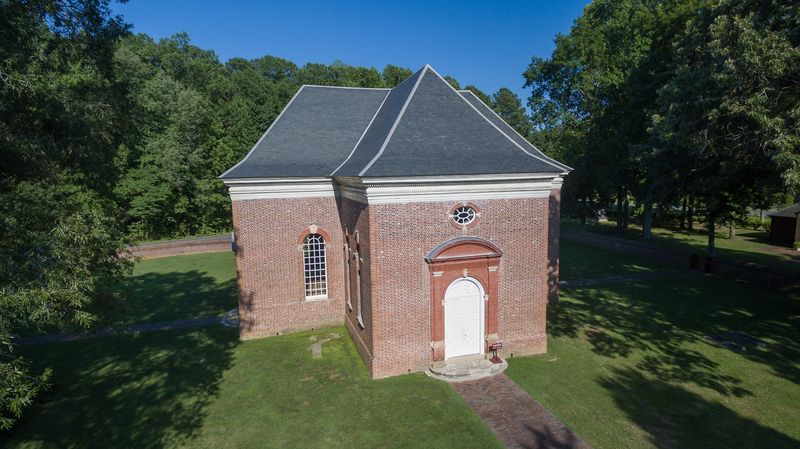
Some buildings impress by being grand, while others win you over through balance and calm. Standing before this church, you notice clean lines, tall windows, and a kind of order that feels deeply restful.
Nothing seems rushed. The whole scene suggests that careful craftsmanship can carry beauty across centuries.
Historic Christ Church in Weems is one of Virginia’s finest Georgian churches, and the interior is especially memorable. Original furnishings and a remarkably intact layout make the space feel unusually authentic.
Instead of imagining colonial worship from a distance, you can almost sense where people sat, listened, and reflected.
Give yourself time here, especially if architecture usually feels intimidating. The design is elegant, but it is easy to appreciate because everything works together so clearly.
Outside, the open grounds add to the mood. Christ Church shows how history can feel precise, graceful, and surprisingly personal all at once.
St. John’s Church
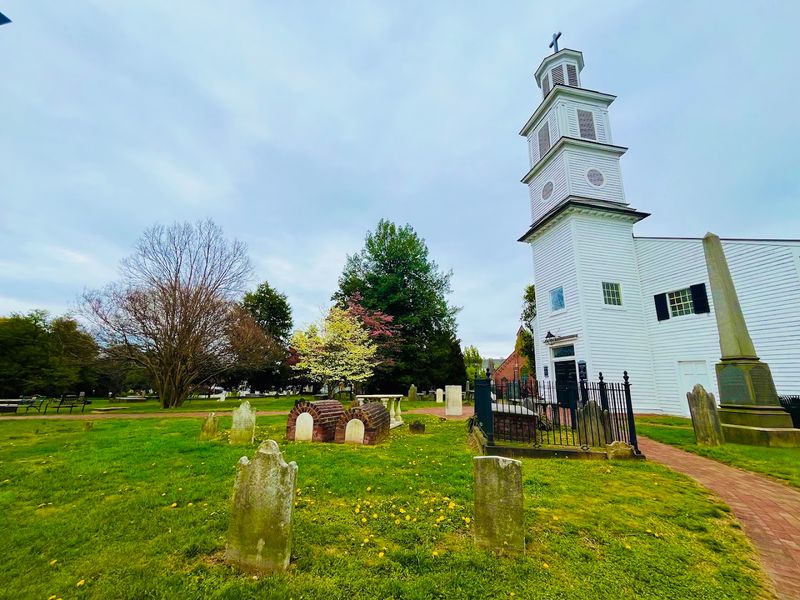
Few places carry a sentence as famous as this one. Even before anyone mentions Patrick Henry, the hilltop setting and old churchyard create a feeling of tension, as if big decisions still linger in the air.
Richmond moves around it now, but the site keeps a striking sense of urgency.
St. John’s Church is where Patrick Henry delivered his 1775 “Give me liberty, or give me death” speech. That story brings many visitors, yet the church offers more than a single dramatic moment.
Weathered graves, wooden interiors, and views toward the city connect Revolution era history to everyday life.
Seeing reenactments here can make the experience especially vivid, but even a quiet visit leaves an impression. You start thinking less about quotes in textbooks and more about the risk behind them.
St. John’s turns a famous line into something human, local, and far more real than expected.
Augusta Stone Church
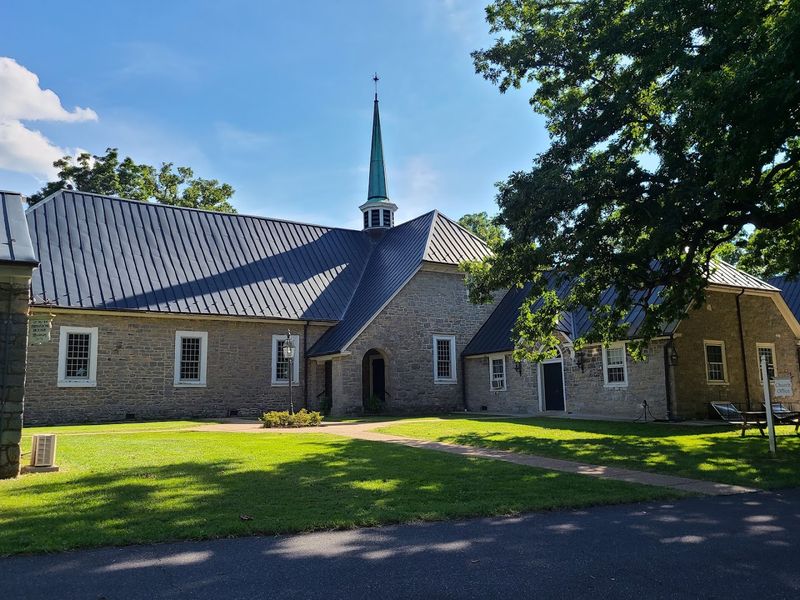
Rough stone gives this church a different personality from Virginia’s older brick landmarks. It feels sturdy, practical, and shaped by people who expected weather, distance, and hard work.
In the Shenandoah Valley, that look makes perfect sense. The building seems to belong to the land as much as the congregation.
Augusta Stone Church in Fort Defiance is the oldest Presbyterian church building west of the Blue Ridge still in continuous use. That fact matters, but so does the atmosphere.
The stone walls, simple sanctuary, and valley backdrop speak to the Scotch-Irish settlers who helped shape this region.
Spend a moment outside and look toward the surrounding fields and ridges. It becomes easier to picture wagons, farm families, and a community gathering after long weeks of labor.
Augusta Stone Church makes history feel grounded. Nothing about it is delicate, yet its endurance carries a moving kind of beauty.
Aquia Church
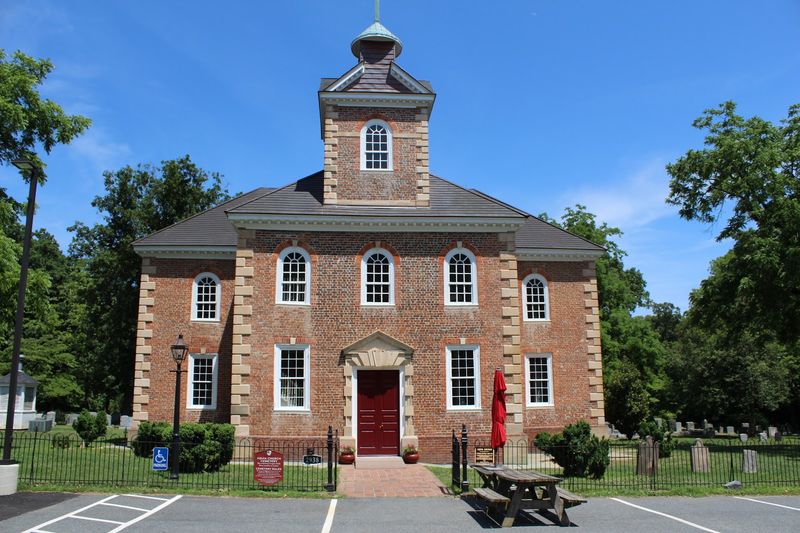
At first glance, the pale exterior almost catches you off guard. Among so many brick colonial churches in Virginia, this one looks brighter, lighter, and a little unexpected.
That surprise is part of the fun. You start paying closer attention because the building stands apart before you know its story.
Aquia Church in Stafford is often called the White Church because of its distinctive Aquia sandstone construction. The material gives it a memorable look and helps explain why it feels different from many of its colonial neighbors.
Inside and out, the church carries an appealing mix of dignity and simplicity.
If you enjoy noticing small details, this is a rewarding stop. Look at the texture of the stone, the shape of the windows, and the way the church sits in the landscape.
Aquia Church shows that even within one era of history, architecture could still express local character in memorable ways.
St. George’s Episcopal Church
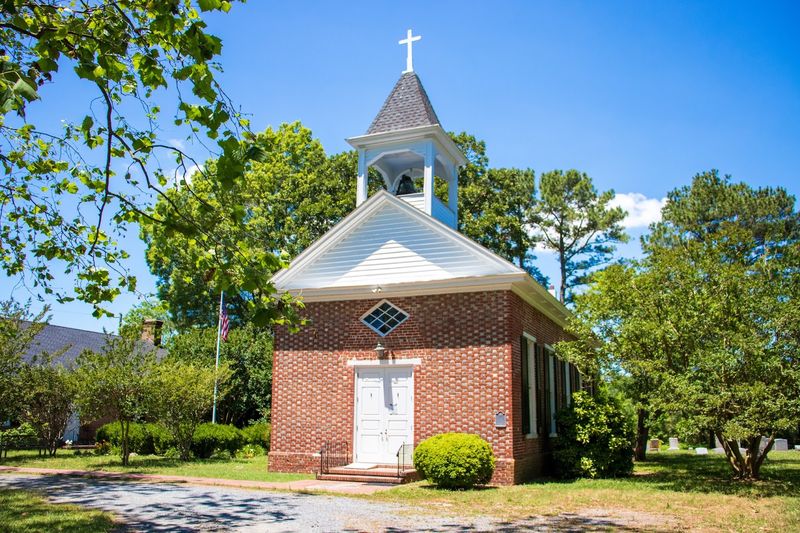
Eastern Shore light has a soft, open quality that makes old buildings feel even more reflective. Here, the quiet is not dramatic.
It is gentle and steady, shaped by fields, sky, and distance. That mood fits the church perfectly and turns a simple stop into something that feels quietly memorable.
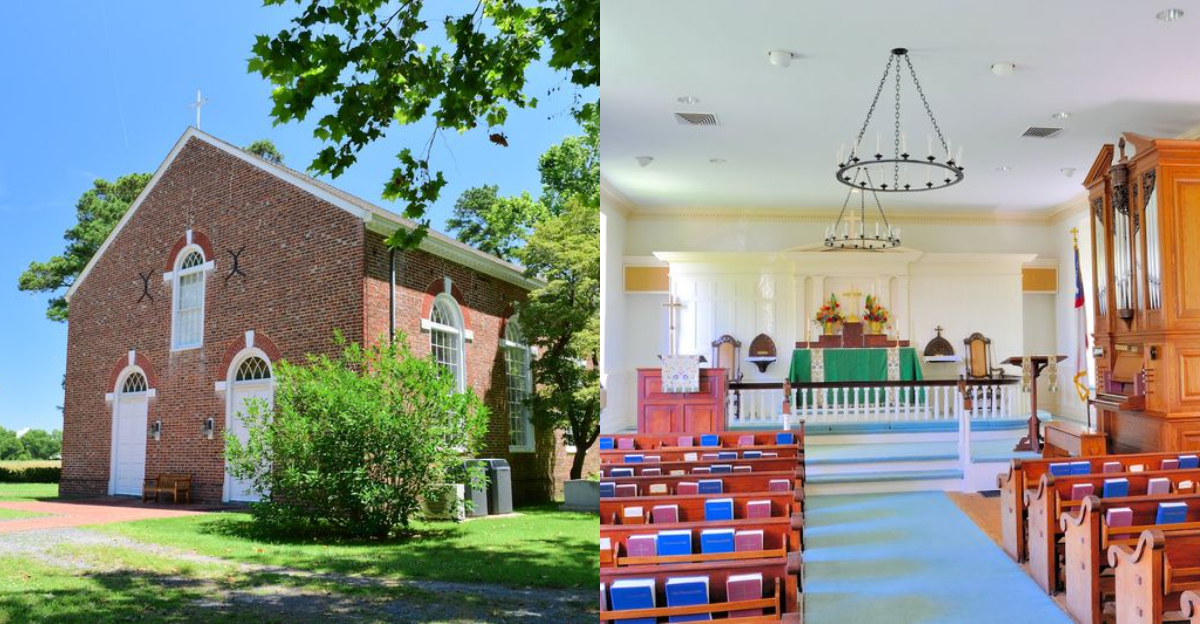
St. George’s Episcopal Church in Pungoteague dates to 1738 and remains one of Virginia’s oldest surviving colonial churches. Its brickwork draws attention, but the rural setting matters just as much.
Together they create a strong sense of continuity, as if the church has been keeping watch over the same landscape for generations.
Bring unhurried curiosity and let the surroundings do part of the storytelling. Nearby roads, open views, and the slower pace of the Eastern Shore deepen the experience.
St. George’s does not compete for attention. Instead, it rewards people who appreciate places that reveal their character slowly, calmly, and with quiet confidence.
Hungars Episcopal Church
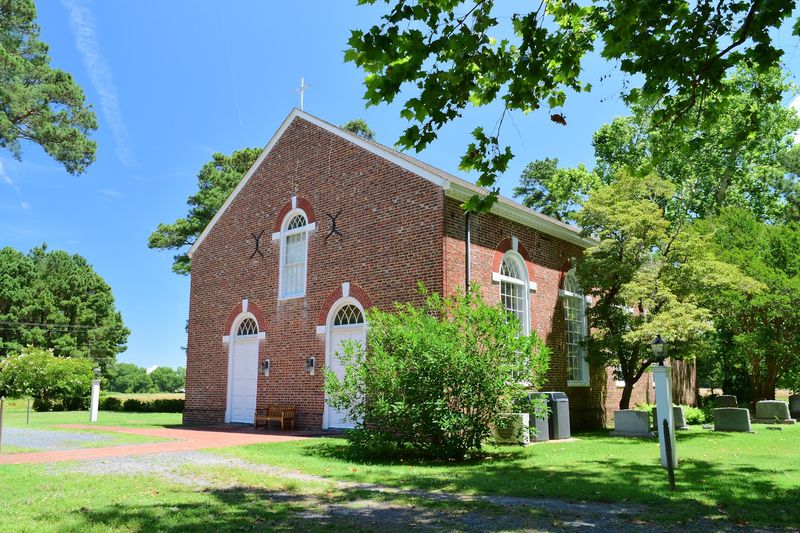
Some historic places feel polished for visitors, but this one feels lived with in the best way. The church seems woven into the rhythm of the Eastern Shore, where history often appears without much fuss.
That everyday feeling makes the age of the building even more striking once it sinks in.
Hungars Episcopal Church near Bridgetown and Machipongo has served its community since 1751. The colonial character remains clear in the brick exterior and traditional layout, yet the setting keeps it approachable.
You are not only seeing an old church. You are witnessing a place that stayed useful across nearly three centuries.
It helps to pair a visit with a drive along Bayside Road or time spent exploring nearby small towns. The church makes more sense when seen as part of the wider Shore landscape.
Hungars invites a slower kind of travel, where history unfolds through scenery, continuity, and the feeling of local memory.
Grace Episcopal Church
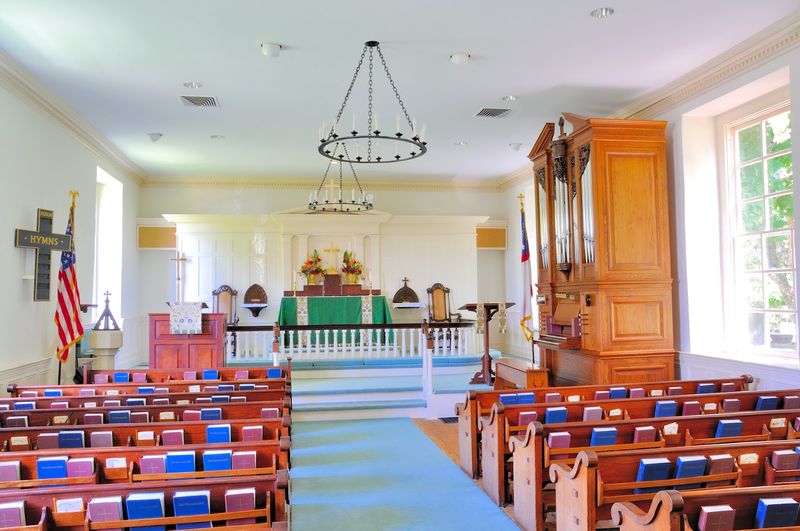
Not every old church announces its age through the building alone. Sometimes the deeper story lives in the congregation, the setting, and the way a place keeps showing up through different chapters of history.
That is part of what makes this Yorktown church so interesting to visit with patience.
Grace Episcopal Church traces its parish roots to 1697, even though the present building dates to 1848. In Yorktown, that long timeline matters.
Nearby battle history often takes center stage, but this church adds another layer, showing how faith communities lasted before, during, and after famous national events.
After walking along Main Street or the waterfront, stopping here can shift your perspective. The church links colonial Virginia to a later era without breaking the thread.
Instead of offering one dramatic headline, Grace rewards visitors with continuity. It suggests that history is not only about turning points, but also about steady presence.
Emmanuel Episcopal Church
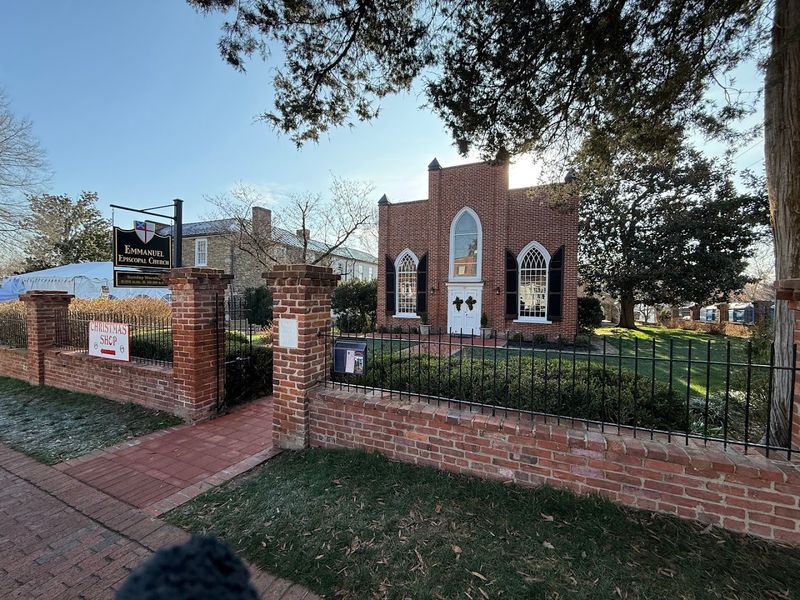
Horse country and village charm set a lovely stage for this church, but the building holds your attention on its own. Pointed Gothic details give it a different mood from Virginia’s earlier colonial churches.
The effect is thoughtful and slightly romantic, like a chapter of history turning toward a new style.
Emmanuel Episcopal Church in Middleburg has served the town since 1840 and remains closely tied to the village center. That location matters because Middleburg still feels walkable and textured, with local shops, old streets, and a sense of long memory.
The church fits naturally into that atmosphere.
A visit works well after coffee in town or an afternoon spent browsing boutiques and watching the slow pace of village life. Emmanuel may be younger than some churches on this list, yet it earns its place through beauty and context.
It shows how Virginia’s sacred architecture continued evolving while staying rooted in community.
Basilica of Saint Mary
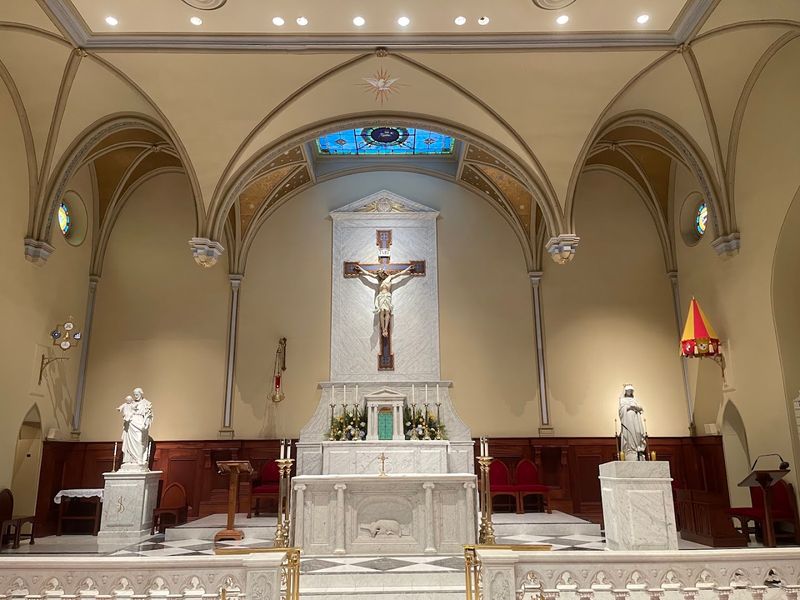
Old Town Alexandria has plenty of charm, but this church brings a different kind of depth to the streets around it. The city feels lively, polished, and walkable, then suddenly history becomes quieter and more layered.
You begin to think about freedom of worship not as an idea, but as a place.
The Basilica of Saint Mary, dedicated in 1827, is Virginia’s oldest Catholic parish and the first Catholic church in the state after religious freedom was established. That gives the site unusual significance.
Ties to George Washington and early American Catholic life add another dimension to an already meaningful visit.
It is easy to pair the basilica with nearby waterfront views, brick sidewalks, and a stop at a local cafe. Even so, the church holds your attention once you step inside.
Saint Mary reveals how spiritual history, civic change, and daily city life can meet within one building and still feel deeply personal.