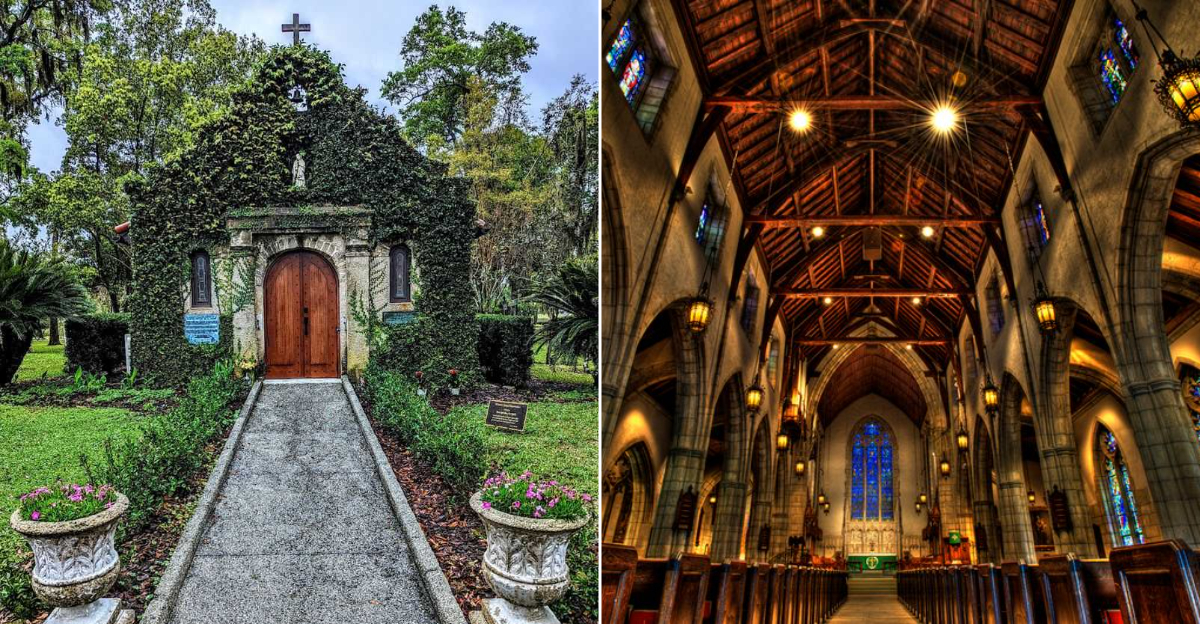
Some of Florida’s oldest churches have witnessed centuries of change while remaining quietly rooted in the communities around them. Their weathered walls, historic courtyards, and carefully preserved details offer glimpses of explorers, settlers, storms, and generations of families who found meaning within their spaces.
Across Florida, these historic churches tell stories that reach far beyond religion. From the colonial streets of St. Augustine to longtime community landmarks throughout the state, each place reflects the people, traditions, and events that helped shape Florida’s identity.
Their architecture may catch the eye, but the history behind each doorway is what makes them memorable.
Exploring these churches is a chance to slow down and connect with the past through old stone, stained glass, and stories passed through time. Discover 11 remarkable Florida churches where every visit reveals another chapter of the state’s fascinating history.
Cathedral Basilica of St. Augustine
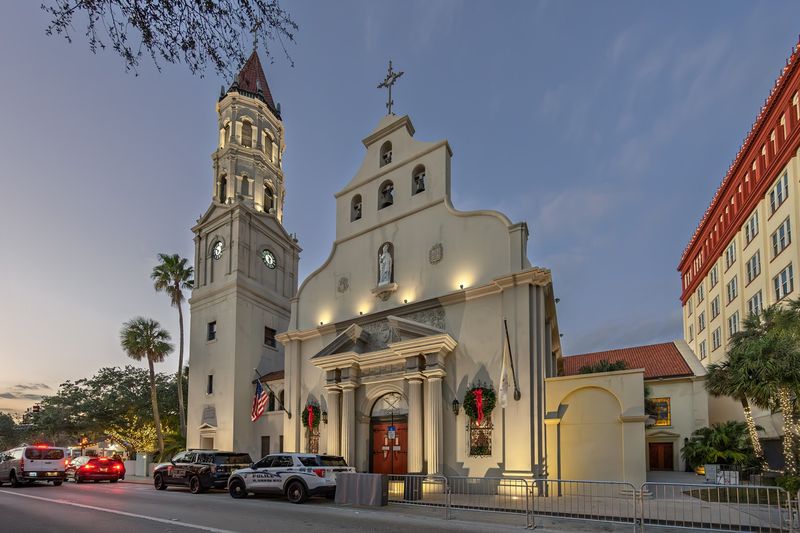
Church bells and horse carriage sounds mix in the air here, making the whole block feel connected to another century. A short walk through old downtown suddenly leads you to one of Florida’s most meaningful landmarks, the Cathedral Basilica of St. Augustine.
Founded with the nation’s oldest Catholic parish, the church carries deep roots that reach back to 1565. The present building reflects Spanish Colonial design, and details like the bell tower, painted ceiling, and stained glass make it feel both grand and welcoming.
Step outside and you are close to Plaza de la Constitucion, local cafes, and small shops selling pastries and coffee. That makes it easy to pair history with a slow afternoon stroll.
More than a pretty stop, this cathedral helps visitors understand why St. Augustine feels different from anywhere else in Florida. Its story lives in the center of town every single day.
National Shrine of Our Lady of La Leche at Mission Nombre de Dios
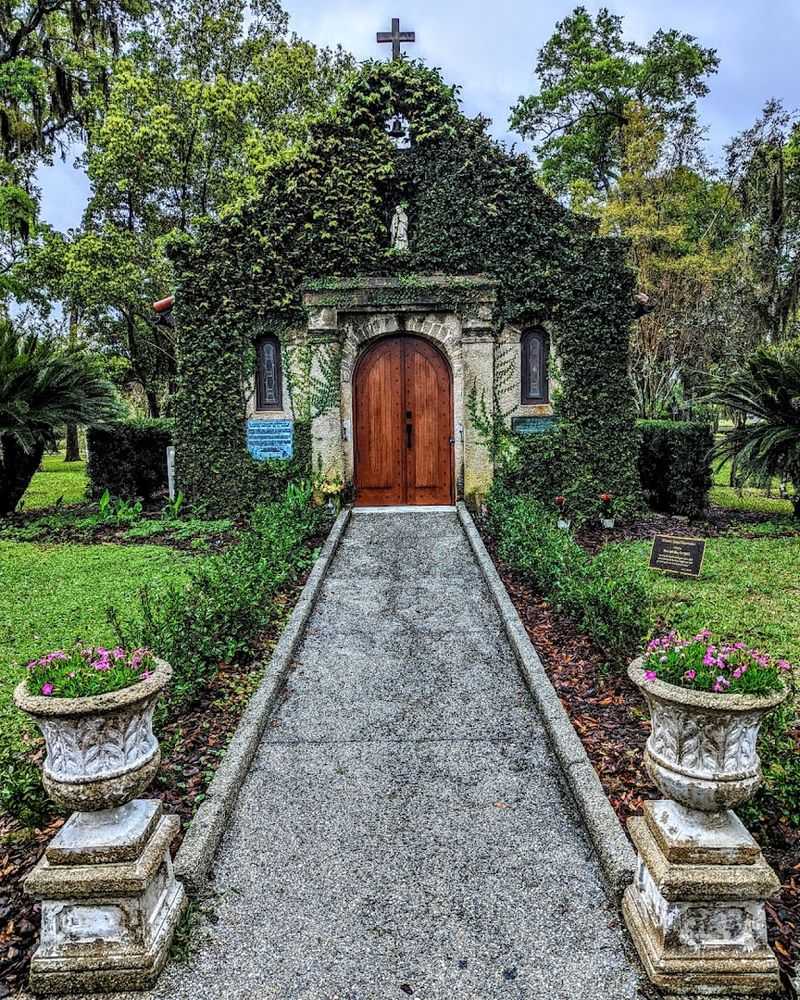
Quiet arrives fast on these waterfront grounds. One moment you are on a busy road in St. Augustine, and the next you are standing among trees, open sky, and one of Florida’s oldest sacred sites, the National Shrine of Our Lady of La Leche at Mission Nombre de Dios.
The setting tells part of the story before any sign does. This place is tied to the earliest Spanish mission history in the state, and many visitors remember the peaceful chapel, the towering cross, and views across the Matanzas River.
Benches and walking paths invite you to slow down instead of rushing from photo to photo. Some people bring a coffee from nearby San Marco Avenue and simply sit for a few minutes, listening to birds and moving water.
That calm feeling is what makes the landmark memorable. It offers history, faith, and a rare chance to feel Florida’s oldest chapter in a deeply human way.
Trinity Parish Episcopal Church
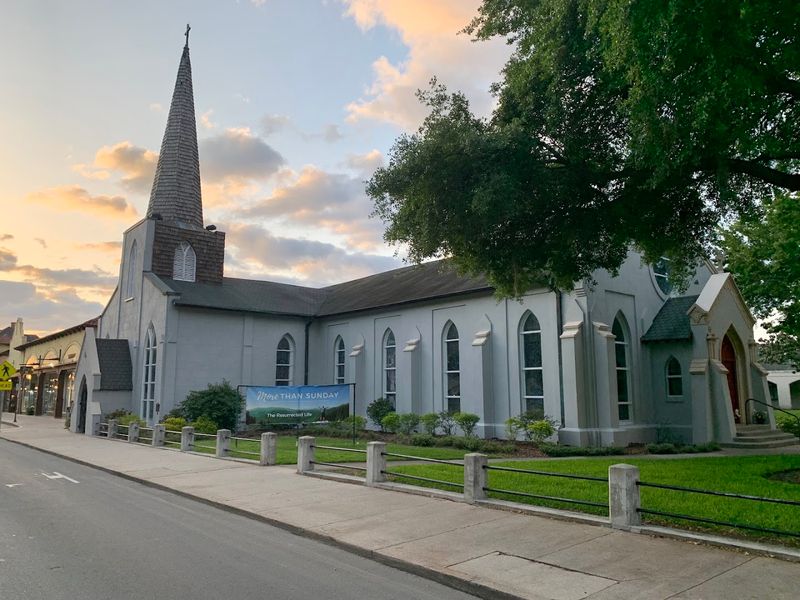
Narrow streets, shop windows, and the scent of sweets from nearby bakeries make this part of town feel cheerful and alive. Then, almost quietly, Trinity Parish Episcopal Church appears along St. George Street in St. Augustine, offering a different kind of story.
Known as Florida’s first Protestant congregation, it reflects a turning point in the state’s past. The Gothic Revival design, pointed arches, and traditional interior speak to a period when Florida was changing from Spanish control to an American future.
Because it sits right in the historic district, it is easy to visit while exploring on foot. You can browse bookstores, grab ice cream, and then step inside a place that feels still and grounded.
That contrast is part of its charm. Trinity is not only old, it helps explain how different faith traditions became part of Florida’s layered identity, one street and one generation at a time.
Memorial Presbyterian Church
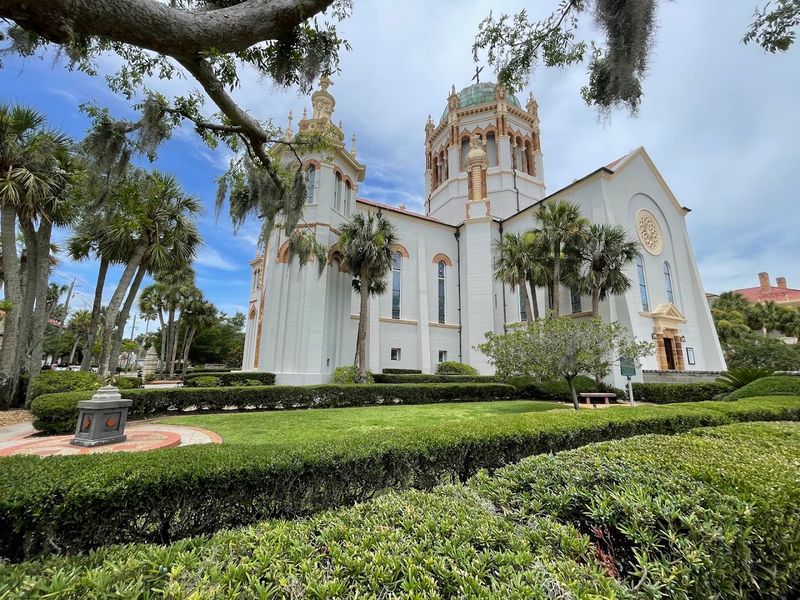
Few buildings in St. Augustine stop people in their tracks as quickly as this one. The copper dome, rich color, and ornate design of Memorial Presbyterian Church feel almost theatrical, yet the story behind it is deeply personal.
Henry Flagler built the church as a memorial to his daughter, and that sense of love and loss still gives the place unusual emotional weight. Inside, visitors often notice carved details, soft light, and a careful level of craftsmanship that sets it apart from many other historic churches.
Its location near Flagler College and downtown makes it easy to add to a walking route. Afterward, many people linger nearby for lunch, especially at local cafes tucked into old buildings along King Street and surrounding blocks.
What stays with you is not only the beauty. In St. Augustine, this church shows how private grief, public architecture, and Florida history can all meet in one unforgettable landmark.
Old Christ Church
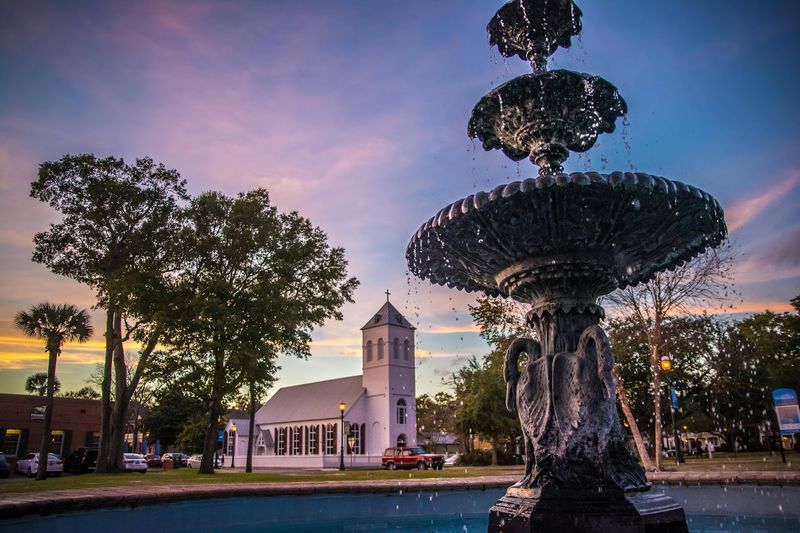
White columns against a bright Gulf Coast sky give this landmark a clean, almost storybook look. In Pensacola, Old Christ Church stands with a kind of quiet dignity that makes you want to lower your voice and look closer.
Built in 1832, it is one of Florida’s oldest surviving church buildings. The Greek Revival style feels formal without seeming cold, and the simple shape of the sanctuary helps visitors imagine a much smaller town gathered here long before modern traffic and tall buildings arrived.
Its place near Pensacola’s historic district means there is more to explore nearby. You can visit old homes, walk toward the waterfront, or stop for seafood like shrimp and grits after taking in the church’s early territorial history.
There is something steady about this site. Old Christ Church reminds people that Florida history is not only tropical and flashy, but also thoughtful, layered, and surprisingly durable.
St. John’s Cathedral
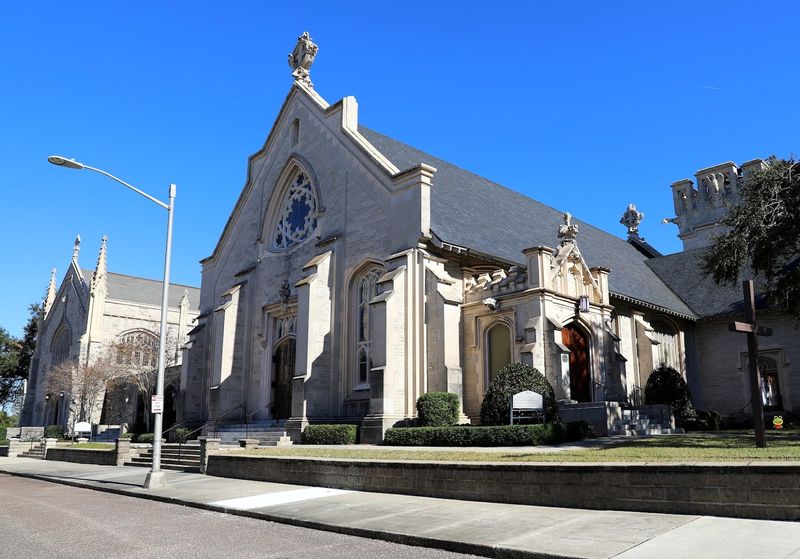
Downtown noise can make old places feel even more powerful, and that is exactly the case here. Surrounded by city streets and modern buildings, St. John’s Cathedral in Jacksonville rises with enough grace and scale to slow the pace around it.
The cathedral is known for its Episcopal heritage, traditional architecture, and beautiful stained glass. Visitors often notice how the interior changes the mood right away, trading traffic sounds for filtered light, high ceilings, and a calm that feels earned rather than staged.
Its central location makes it an easy stop before exploring the rest of downtown. Riverfront views, nearby museums, and local lunch spots give the visit a fuller sense of place, especially if you spend time along the Northbank afterward.
What makes the cathedral worth seeing is the contrast it creates. It shows that even in a busy city, history can still hold space for reflection, artistry, and community memory.
Historic St. Andrews Church
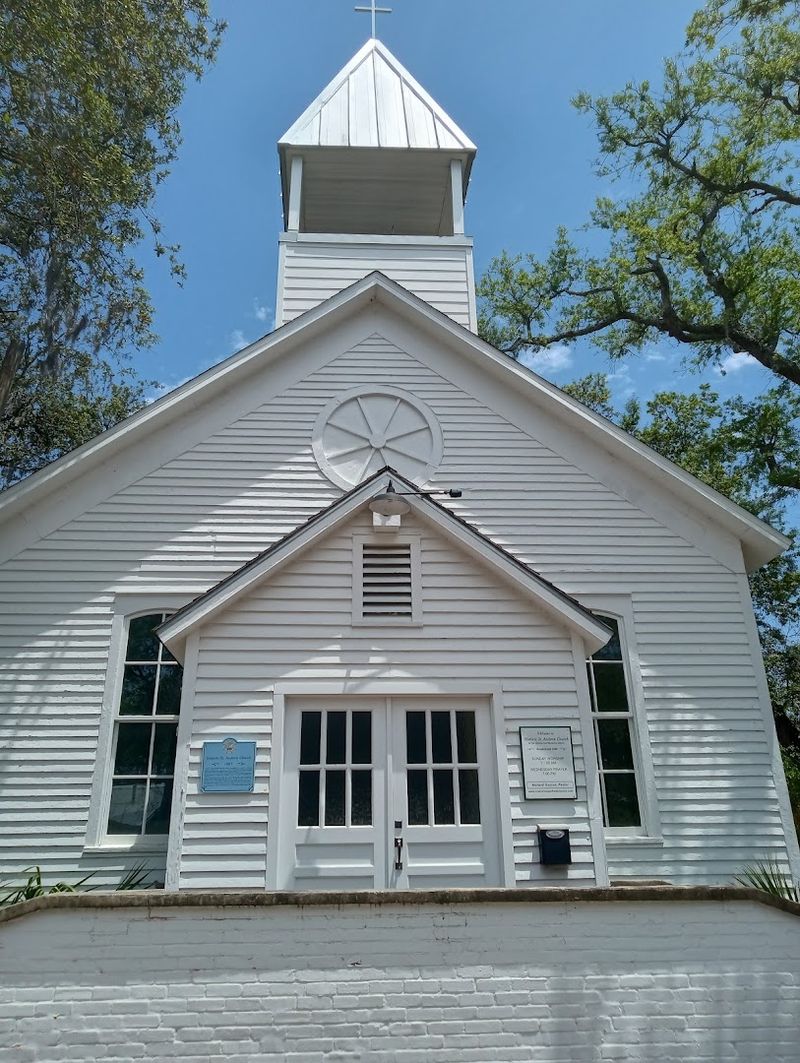
Sea air and neighborhood streets give this stop an easygoing mood that feels very different from Florida’s bigger tourist centers. In Panama City’s old St. Andrews area, Historic St. Andrews Church carries the kind of local character that grows stronger when you notice small details.
The building reflects the development of a Gulf Coast community shaped by fishing, trade, storms, and ordinary family life. Rather than towering over the area, the church fits into it, which makes its survival feel all the more meaningful.
You can pair a visit with time around the nearby waterfront, local seafood restaurants, or the marina. Fresh oysters, views of the bay, and the walkable feel of old St. Andrews help the church make sense within its wider setting.
That connection is why the site matters. It tells a story of faith woven into daily coastal life, where history is not distant, but part of the same streets people still use.
The Church of Bethesda-By-The-Sea
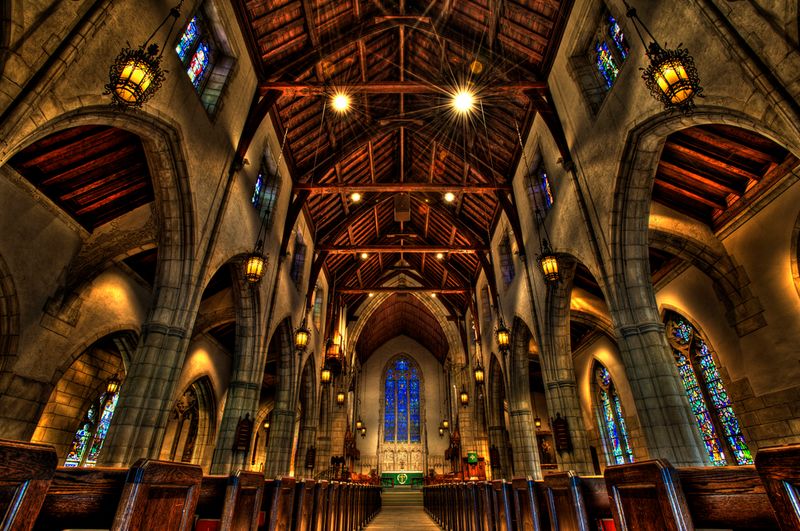
Behind manicured hedges and palm-lined streets, a church of stone and gardens creates one of Palm Beach’s most memorable scenes. The Church of Bethesda-By-The-Sea feels polished, but not distant, and that balance gives it real staying power.
Founded in 1889, the church is admired for Mediterranean Revival architecture, beautiful cloisters, and rich stonework. Visitors often pause over the details, from carved surfaces to the way sunlight moves across the garden paths and softens the grand scale of the building.
Because it sits near the heart of Palm Beach, it pairs well with a longer day out. You might walk Worth Avenue, notice the ocean breeze nearby, or stop for a light lunch before returning for another look at the grounds.
Its value goes beyond visual beauty. Bethesda-By-The-Sea shows how Florida church history can include elegance, craftsmanship, and a strong sense of place without losing warmth or spiritual depth.
All Souls Historic Chapel
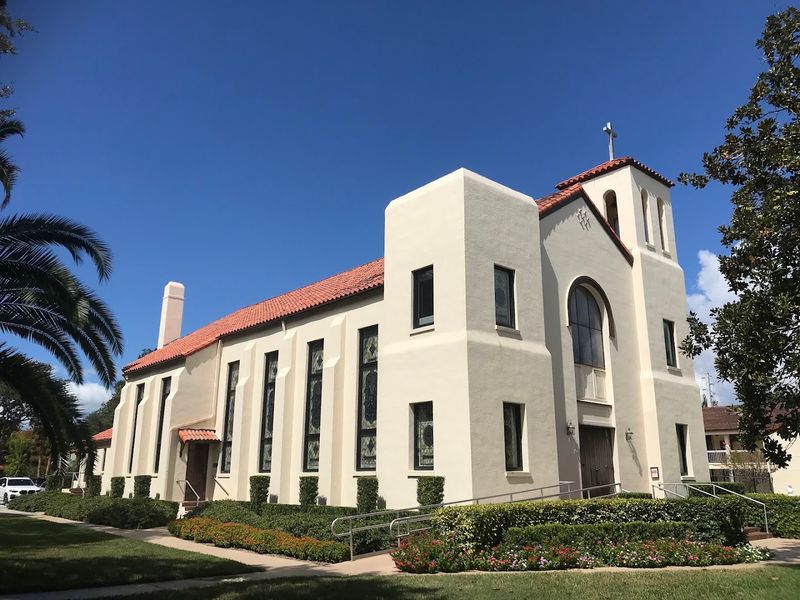
Some places do not need size to leave a strong impression. All Souls Historic Chapel in Sanford has a modest, almost tucked-away presence, and that restraint is exactly what makes a visit feel personal.
Built in the late nineteenth century, the chapel reflects Sanford’s early Catholic history and a town that once thrived through rail and lake connections. Its preserved design, intimate interior, and calm surroundings create a setting that feels easy to absorb without rushing.
Sanford itself adds to the experience. After a visit, many people head toward the brick-lined downtown for coffee, antiques, or a walk by Lake Monroe, where boats and open views bring a breezy change of pace.
The chapel stands out because it asks for attention in a quiet voice. Instead of grand spectacle, it offers something steadier: a chance to see how ordinary devotion, local architecture, and community roots helped shape an older Florida town.
Historic Allen Chapel AME Church
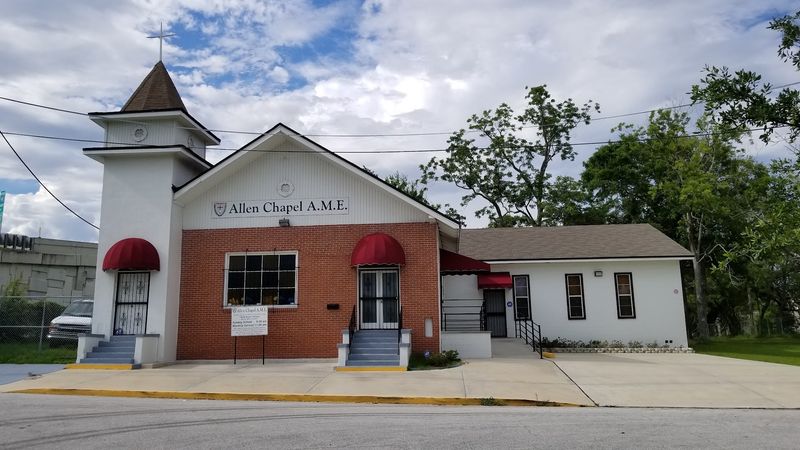
Not every powerful landmark announces itself with height or elaborate decoration. Historic Allen Chapel AME Church in Jacksonville holds attention for a deeper reason, because its story is tied to faith, leadership, and the long strength of the city’s Black community.
For generations, churches like this one served as more than worship spaces. They were meeting places, anchors of neighborhood life, and centers for teaching, organizing, and mutual support during times when those things were urgently needed.
The surrounding area helps visitors think beyond architecture alone. Nearby streets and older neighborhoods carry pieces of Jacksonville’s cultural history, and a thoughtful visit can fit into a broader day of learning about local Black heritage and community institutions.
Allen Chapel matters because it preserves memory that might otherwise fade from view. Among Florida’s oldest churches, it adds an essential chapter, showing how sacred spaces often stood at the center of courage, dignity, and change.
Historic Green Street Church
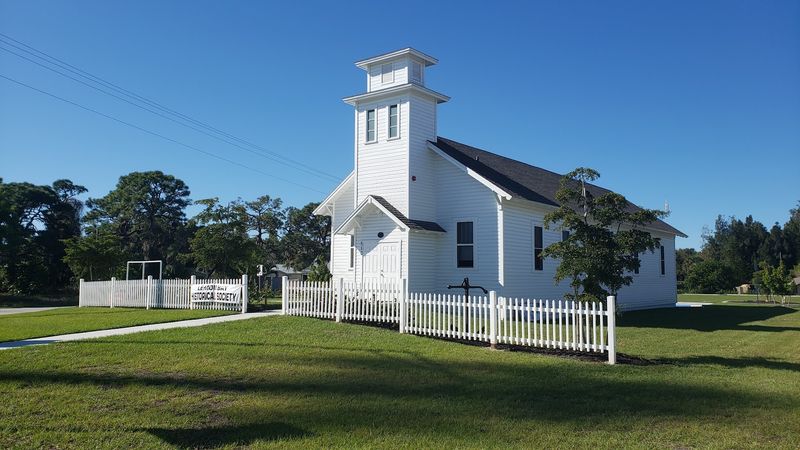
A small church in a coastal town can hold more history than you expect. Historic Green Street Church in Englewood is one of those places, where the scale stays modest but the sense of local memory runs surprisingly deep.
The building reflects early settlement along Florida’s Gulf Coast, when communities grew slowly and landmarks had to serve many roles across the years. Its preserved form offers a glimpse of everyday life rather than grand ceremony, and that is part of what makes it interesting.
Englewood adds a relaxed backdrop to the visit. You can spend time near Lemon Bay, look for shore birds, or stop for fresh grouper sandwiches and key lime pie at a casual local spot after seeing the church.
What lingers is the feeling of continuity. Green Street Church shows that old Florida is not only found in famous cities, but also in smaller places where residents kept history standing through care, routine, and shared respect.