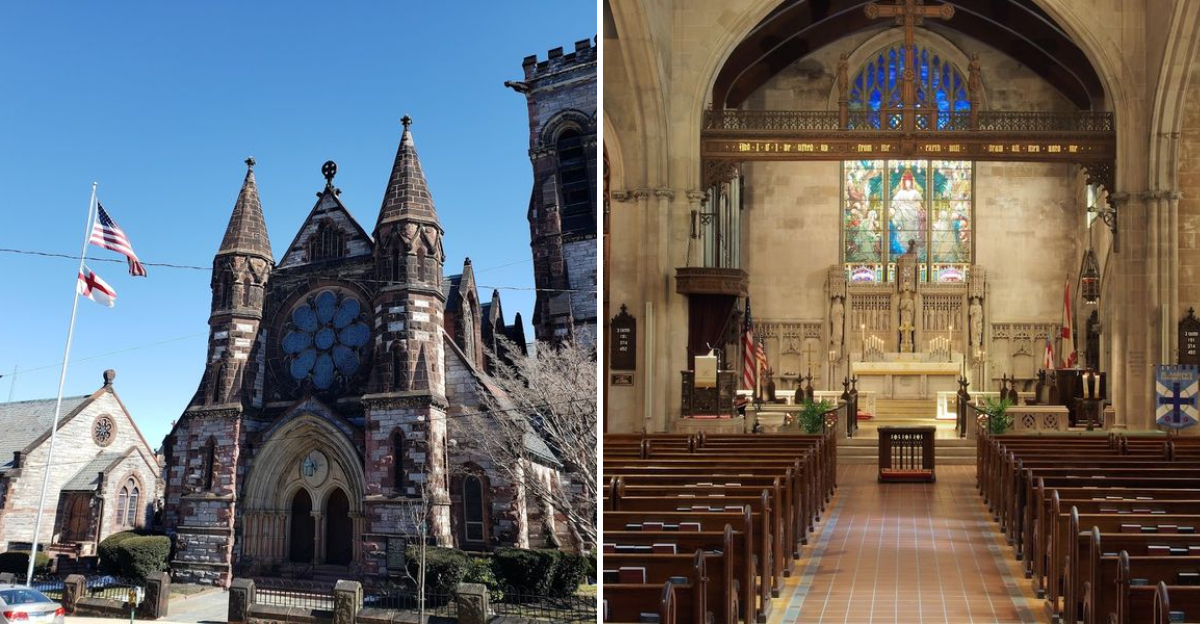
Some Pennsylvania churches have been standing longer than many of the towns and streets that surround them. Inside their weathered stone walls, wooden beams, and colorful stained glass are stories of early settlers, changing communities, and generations of people who gathered in the same spaces.
Across Pennsylvania, the state’s oldest churches preserve a remarkable connection to the past. From colonial-era landmarks in historic cities to peaceful rural sanctuaries, these buildings reveal the craftsmanship, traditions, and personal stories that shaped the communities around them.
Every doorway offers another glimpse into a different chapter of history.
Visiting these churches is about more than admiring architecture. It is a chance to slow down, notice the details, and experience places where history still feels present.
Discover 12 of Pennsylvania’s oldest churches and the fascinating stories that continue to make each one worth visiting today.
Gloria Dei (Old Swedes’) Episcopal Church
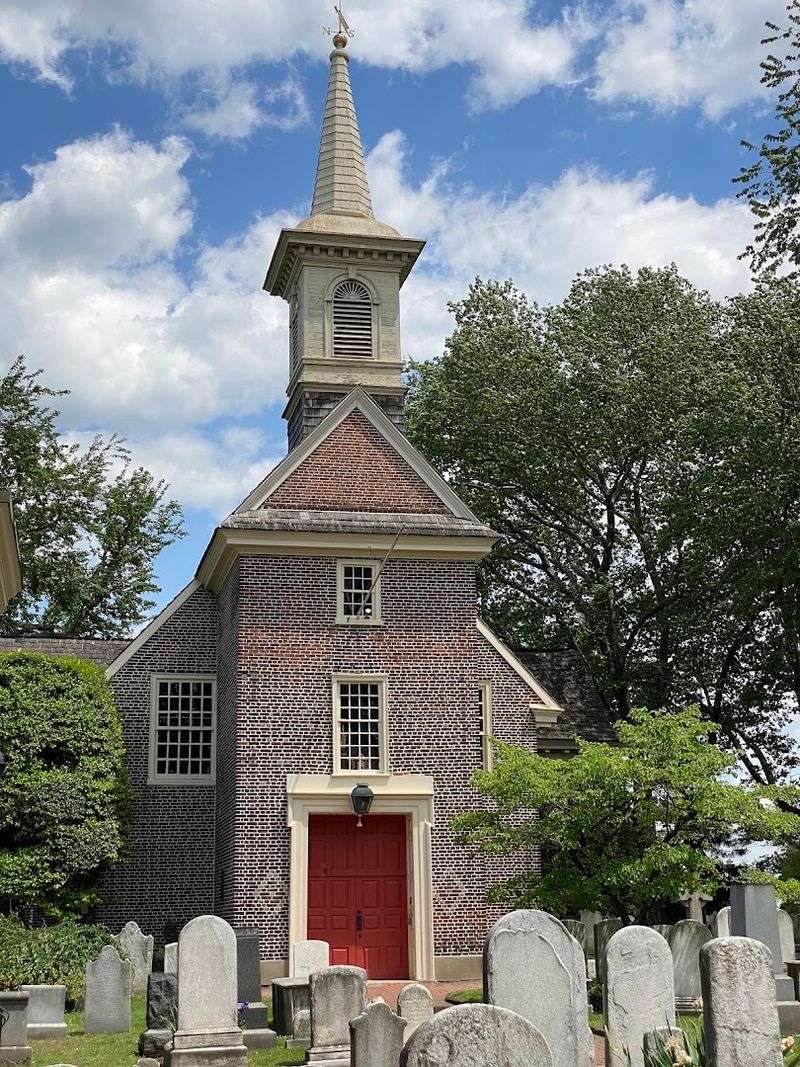
Morning light settles softly over old gravestones, and the river breeze makes the whole yard feel older than the city around it. A visit here feels quiet in the best way, like stepping into a chapter that never fully closed.
You notice birds first, then brick, then history rising slowly.
Gloria Dei, better known as Old Swedes’ Church in Philadelphia, was founded in 1677 and still carries the weight of that beginning with grace. Inside, pale walls, wooden pews, and simple colonial details keep the room calm.
Outside, the cemetery tells stories through weathered stones and family names from centuries.
Give yourself time to walk the grounds before leaving, because small details reward patient visitors. Look for the churchyard paths, listen for ships from nearby Delaware Avenue, and read a few markers closely.
Pennsylvania has many historic places, but few feel as steady, humble, and deeply rooted as this today.
Christ Church Philadelphia
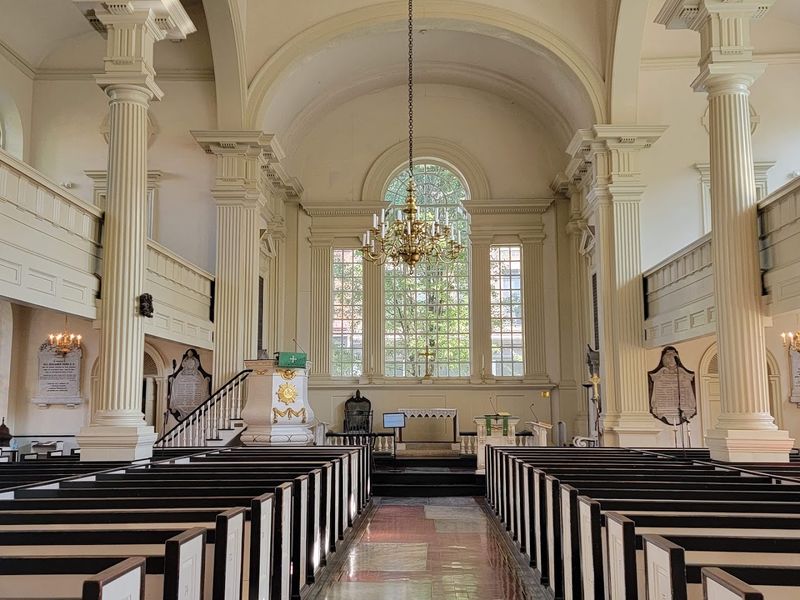
Some buildings seem to hold their breath, and that feeling hits before you even reach the door. The white steeple, the worn paths, and the hush inside make the busy blocks nearby fade fast.
You are standing where early America once sounded young and uncertain to many hopeful ears there.
Christ Church Philadelphia began in 1695 and later welcomed names children meet in history class, including George Washington and Benjamin Franklin. Its Georgian design feels polished without feeling cold.
Chandeliers, arched windows, and the tall pulpit remind visitors that faith and public life once mixed very closely here in Philadelphia.
Plan to linger after your tour, because the surrounding historic district adds extra meaning to the stop. Nearby cobblestone streets, museum houses, and even a snack from Reading Terminal later can turn the visit into a full day.
Few churches connect architecture, memory, and national story quite so clearly today.
St. Peter’s Episcopal Church
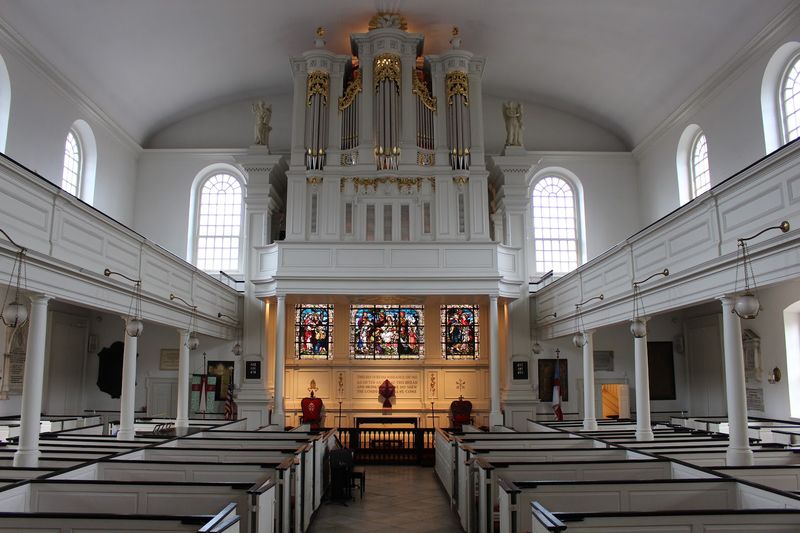
Tucked behind city noise, a calmer world appears almost all at once. Leaves rustle in the churchyard, brick walls catch the sun, and the pace of Society Hill seems to soften for a moment.
It feels less like a grand attraction and more like a place people still trust deeply.
St. Peter’s Episcopal Church in Philadelphia dates to 1758, and its long life shows in thoughtful, graceful ways. The sanctuary keeps a colonial character, while the burial ground carries names tied to the city’s early years.
Every corner suggests continuity instead of spectacle, which somehow makes it more moving today.
Bring comfortable shoes and give the yard a slow lap before heading back to the street. Nearby cafes on Pine or Fourth Street make an easy follow-up stop, especially if you want to sit with what you just saw.
Some places impress loudly, but this one stays with visitors quietly.
Old St. Mary’s Church
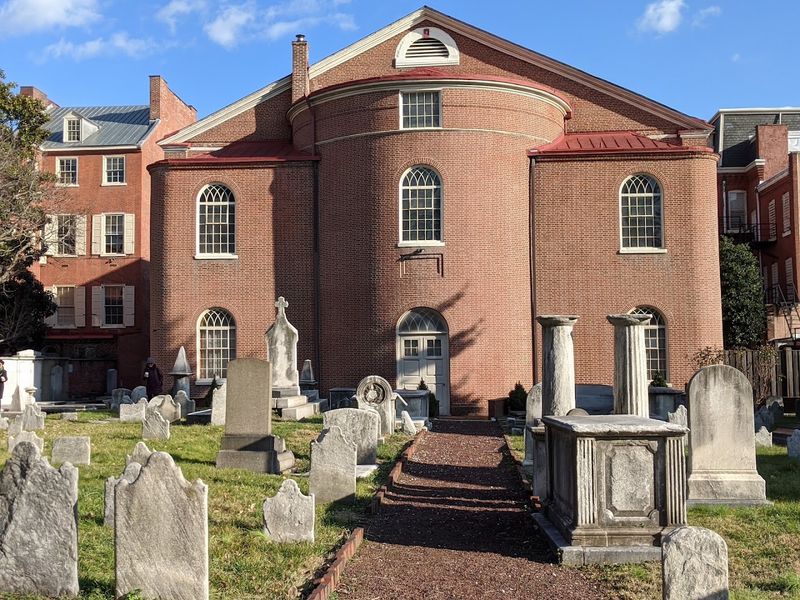
At first glance, the street outside feels ordinary, then the doorway changes everything. Suddenly the city seems older, fuller, and more layered than it did a minute earlier.
The surprise is part of the charm, because Old City has many famous spots, yet some of its deepest stories wait indoors.
Old St. Mary’s Church in Philadelphia began in 1763 and remains one of Pennsylvania’s oldest Catholic churches. Its history reaches back to the early Catholic community, and the building still feels grounded rather than flashy.
Warm light, classic altar details, and a lived-in stillness make the interior memorable for visitors.
If you visit, notice how the church sits within a neighborhood of rowhouses, restaurants, and small shops. Grab a cannoli or coffee nearby after your stop and let the contrast sink in.
A place this old, still woven into daily city life, leaves a different kind of impression on people.
Old Pine Street Presbyterian Church
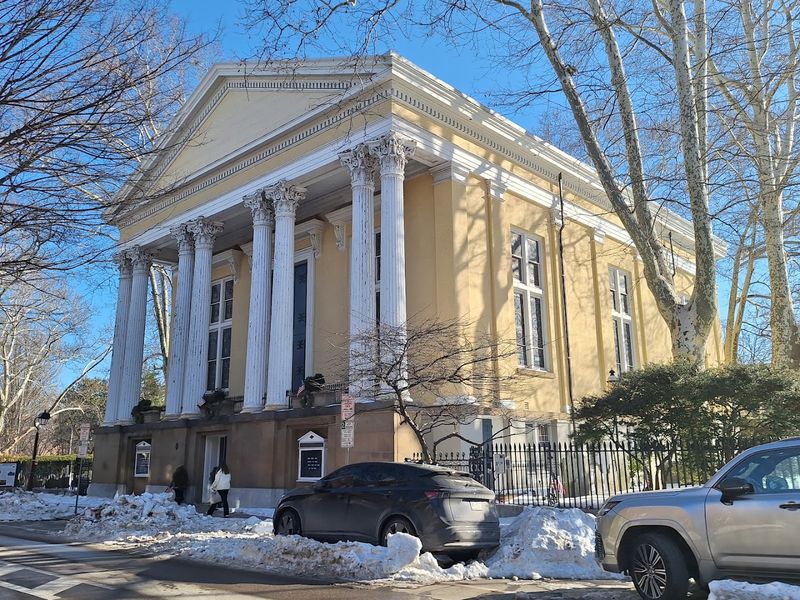
There is something stirring about a churchyard where patriot names rest beneath trees and weather. The air feels thoughtful, almost like an outdoor history lesson with no teacher talking over it.
Before you even enter, you sense that memory matters here in a very direct, almost personal way to visitors.
Old Pine Street Presbyterian Church, established in 1768 in Philadelphia, is often called the Church of the Patriots. That nickname makes sense once you see the cemetery and learn about Revolutionary connections.
The brick exterior feels sturdy and plainspoken, as if it was built to outlast noise and argument itself.
Spend a few extra minutes reading inscriptions, because they bring the place closer than any brochure can. The surrounding neighborhood offers shaded streets and easy walks toward Washington Square, which suits the reflective mood.
Visitors who like history without theatrics often remember this stop longer than they expect at all.
Historic St. John’s Episcopal Church
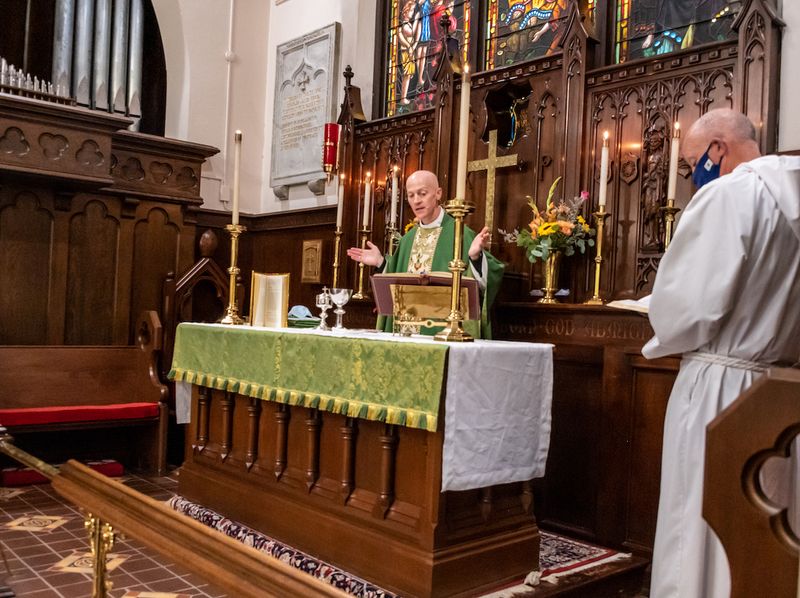
Downtown streets can feel practical and brisk, which makes a historic church seem even more surprising. One minute you are in the rhythm of errands and traffic, and the next you meet carved wood, old stone, and a calmer tempo.
That shift gives the visit an almost cinematic feeling immediately.
Historic St. John’s Episcopal Church in York reaches back to the 1700s and remains a quiet landmark in the city center. Traditional architecture, historic furnishings, and a long local story give it real depth.
Nothing feels rushed inside, which helps visitors notice details they might miss elsewhere on a faster.
Afterward, walk a few blocks and take in York’s older buildings, murals, or a bakery stop nearby. Pairing the church with the rest of downtown makes its age easier to understand in context.
It is the kind of place that quietly improves your sense of the whole town for visitors.
First Presbyterian Church in Lancaster
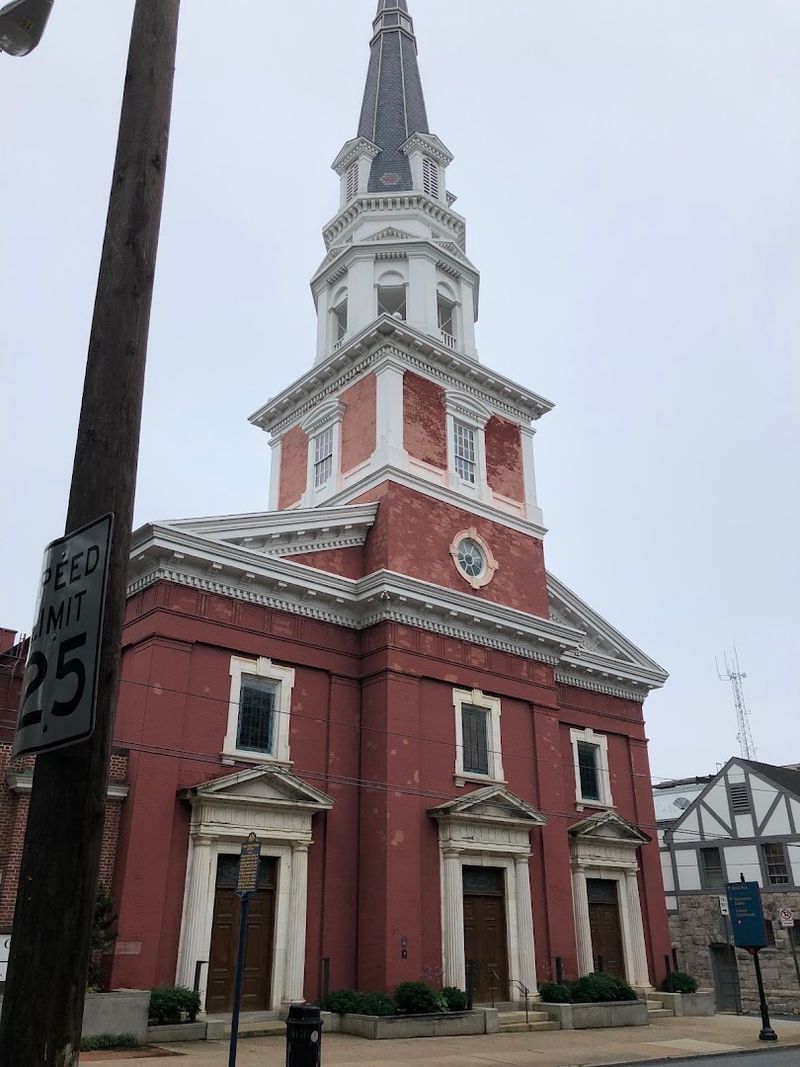
Church bells have a way of making a downtown feel anchored, and that mood settles in quickly here. Busy Lancaster moves around it, but the building stands with patient confidence.
You get the sense that generations have used this same corner to gather themselves before returning to ordinary life again.
First Presbyterian Church in Lancaster was founded in 1730, linking it to some of the city’s earliest chapters. Its historic setting on East Orange Street places it right within Lancaster’s old heart.
Inside, the atmosphere feels welcoming and dignified, more like a continuing story than a preserved relic from yesterday.
Make room for a stroll nearby, since Central Market, cafes, and galleries are close enough to build a relaxed afternoon. Seeing the church as part of the larger neighborhood makes its age feel more human.
It is not only old, it still belongs to the rhythm around it each day.
First Reformed Church
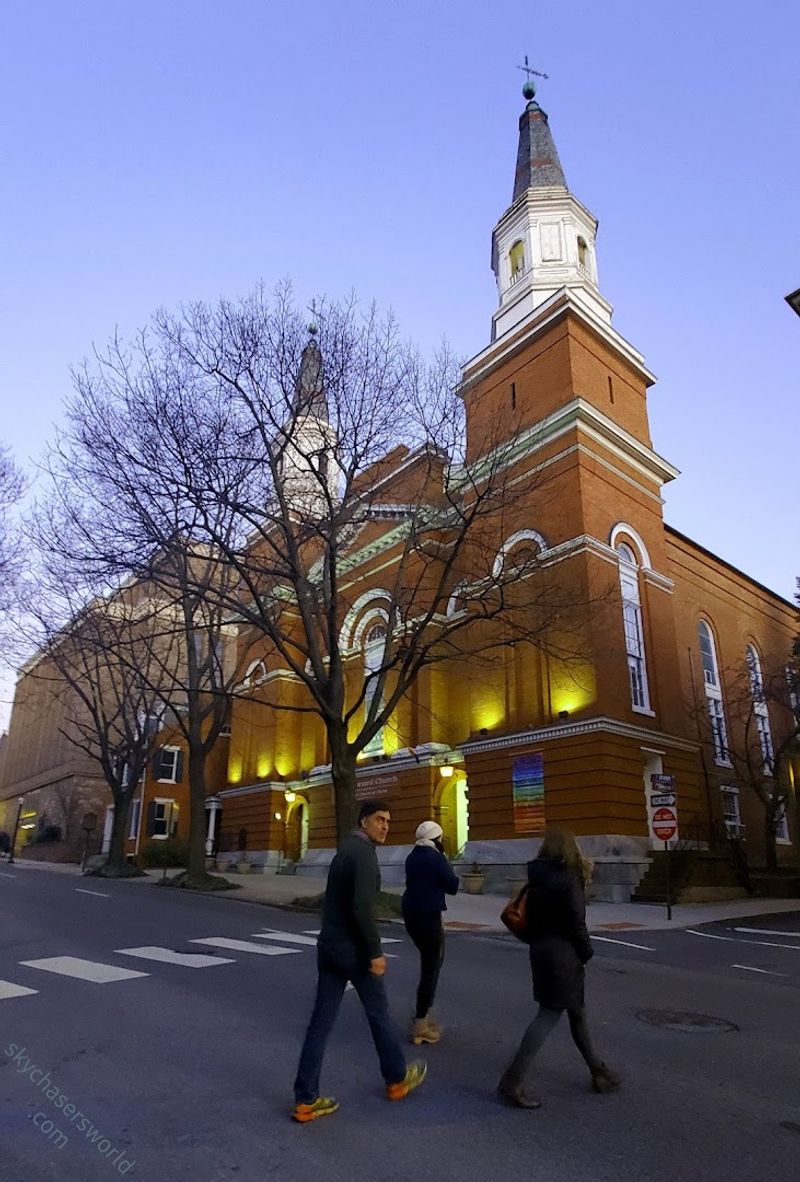
Colors and memory often meet in unexpected places, and that is part of the appeal here. From the street, the building adds character to downtown Lancaster without demanding attention.
Then you step closer and start noticing the older textures, the careful lines, and the sense of heritage carried forward quietly.
First Reformed Church in Lancaster, founded in 1736, reflects the traditions German immigrants brought with them to Pennsylvania. That background gives the place a distinct cultural layer beyond age alone.
In and around the church, visitors can feel how faith, language, and community once shaped an entire neighborhood in town.
If you enjoy local history, pair your visit with Lancaster’s nearby museums or a plate of shoofly pie later. Small links like food and architecture make the past easier to picture.
Among old churches in the state, this one offers a strong sense of roots without needing grand scale alone.
Moravian Church of Bethlehem
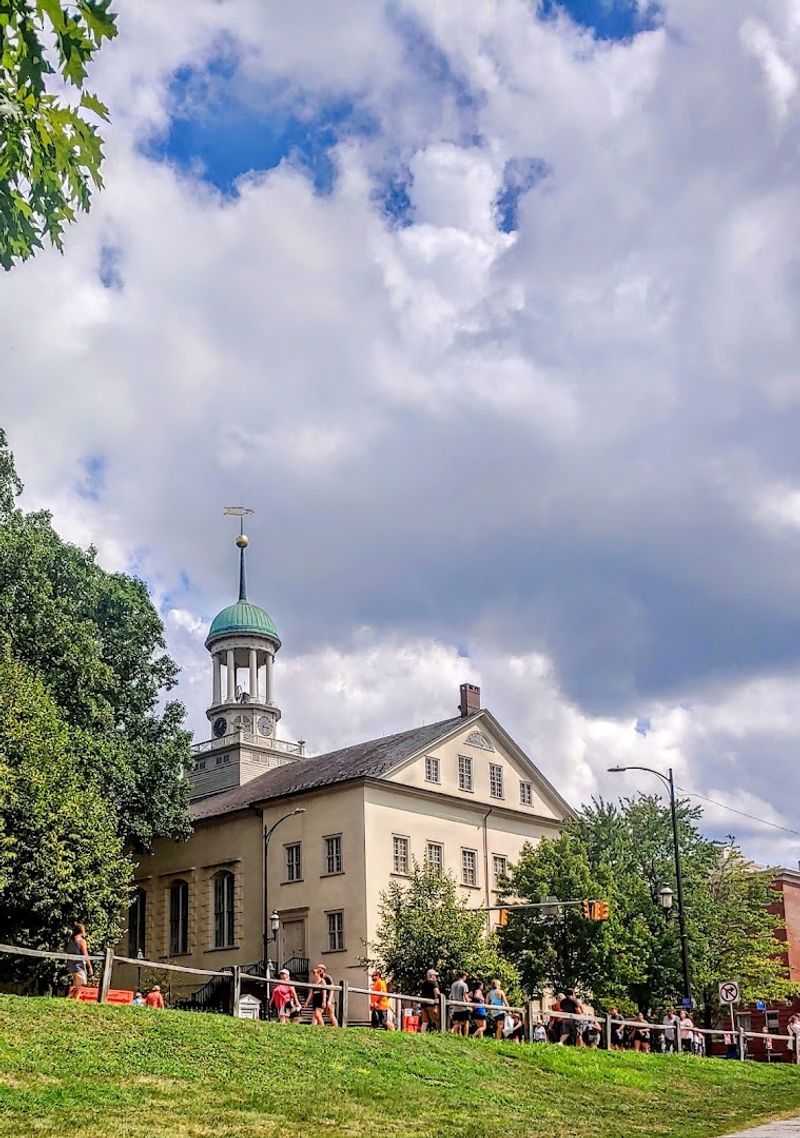
Few places in Pennsylvania feel as carefully composed as Bethlehem’s historic Moravian district. Brick paths, tidy buildings, and a sense of order create a setting that feels both peaceful and purposeful.
Even before you learn the dates, the area suggests a community built around shared belief, work, music, and routine.
The Moravian Church of Bethlehem, founded in 1741, sits at the center of that remarkable story. Its heritage connects to one of America’s best preserved early religious settlements, now recognized through Moravian World Heritage attention.
Visitors notice not only age, but also the unusual harmony between worship spaces and surrounding town life.
Take time to walk Main Street and listen for the town’s musical spirit, especially during Christmas season when Bethlehem glows. A hot drink nearby and a slow wander make the visit even richer.
Some churches impress through size. This one captivates through order, purpose, and atmosphere for hours.
Historic Trinity Lutheran Church
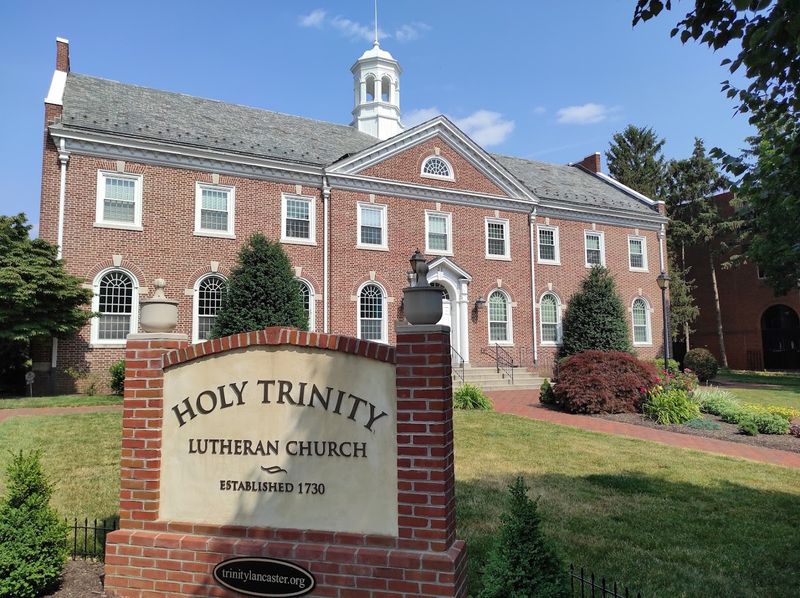
Some sanctuaries feel bright and formal. Others feel grounded, almost handmade by the people who needed them most.
That second feeling rises quickly here, where history seems tied to everyday life rather than distant ceremony. You can imagine families arriving on foot, carrying hymns and news together through changing seasons.
Historic Trinity Lutheran Church in Lancaster traces its roots to 1730 and stands among America’s oldest Lutheran congregations. The church speaks strongly to Pennsylvania German heritage, which shaped so much of the region’s identity.
Rebuilt in the 1700s, the sanctuary still carries a sense of endurance and shared effort today.
A good visit here pairs well with a walk through Lancaster’s older streets or a stop for pretzels downtown. Notice how the church reflects the city’s immigrant past without feeling frozen in time.
That balance between history and continued life is what makes it easy to remember for many travelers.
St. Luke’s Episcopal Church
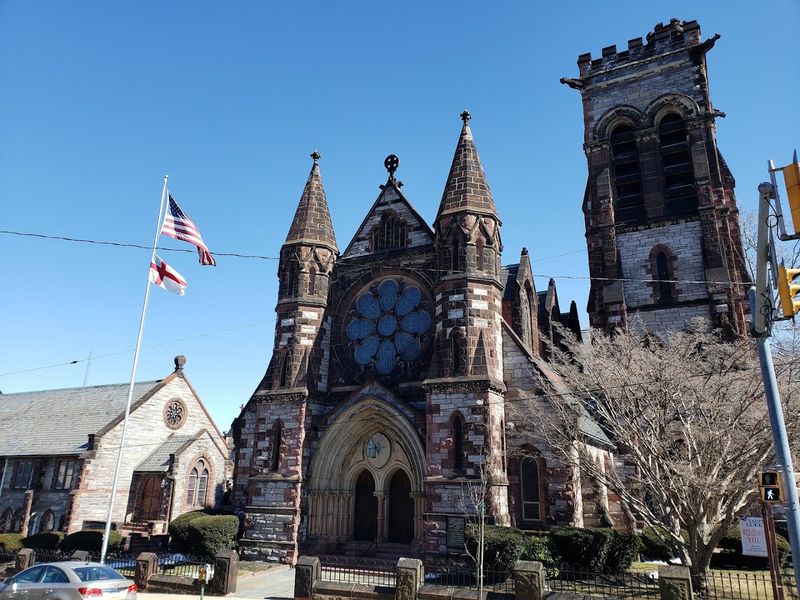
Sometimes a church catches you with details instead of scale. The lines of the building, the quiet inside, and the feeling of long use work together slowly.
By the time you leave, you realize the place never tried to overwhelm you, yet it still held your attention completely all along.
St. Luke’s Episcopal Church in Lebanon has deep ties to local history and remains an active part of community life. Traditional architecture and a historic interior give it a calm dignity that feels very real, not staged.
That lived-in quality often makes older churches easier to connect with for visitors.
While you are in town, look around downtown Lebanon for murals, shops, or a simple lunch at a local diner. Seeing the church within everyday streets helps its story land better.
It may not be the state’s loudest landmark, but it leaves a thoughtful, lasting impression on many first visits.
St. Andrew’s Episcopal Church
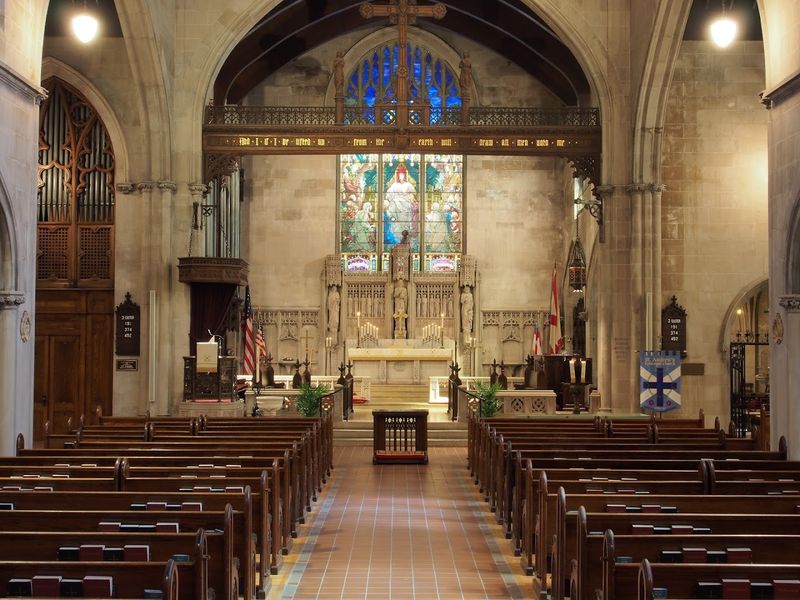
Western Pennsylvania has its own church stories, and they carry a slightly different flavor from the east. The landscape, the industrial history, and the regional pace all shape the mood.
That backdrop makes an old Episcopal church in New Castle feel both rooted and a little unexpected at once today.
St. Andrew’s Episcopal Church in New Castle preserves an important piece of western Pennsylvania’s religious heritage. Established in the nineteenth century, it may be younger than colonial churches farther east, but its historic presence still feels substantial.
Traditional design and an active congregation keep the building connected to the present.
If you visit the area, pair the stop with a drive through older neighborhoods or a coffee downtown. Looking at the church as part of New Castle’s wider story makes it more memorable.
It shows that awe does not only come from extreme age, but also from endurance and place.