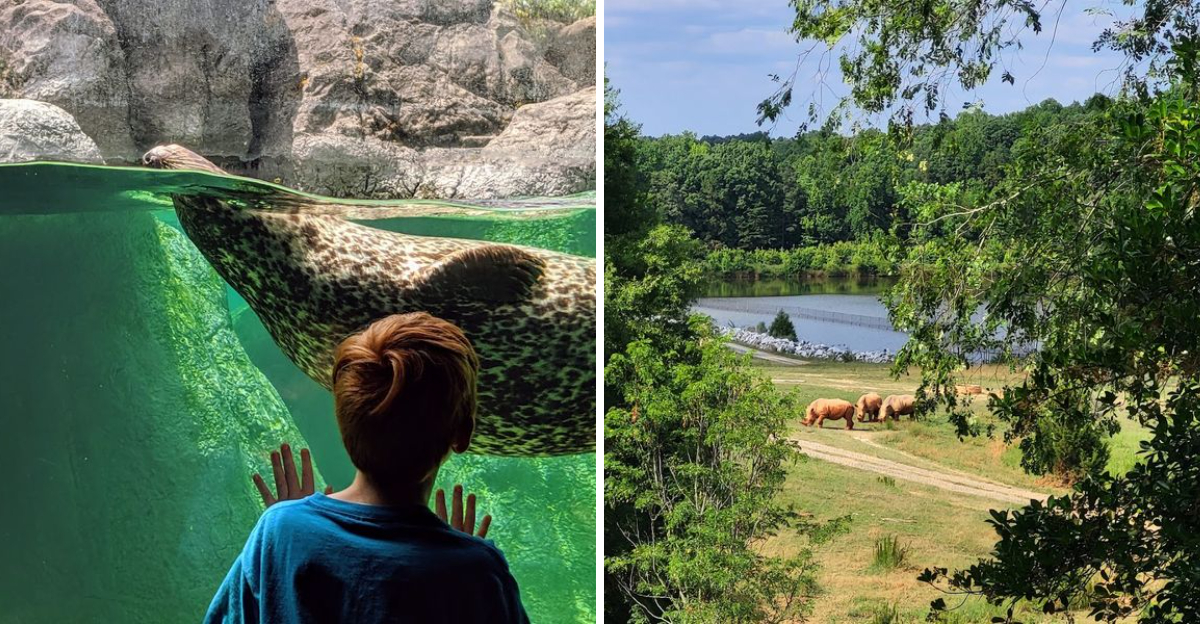
You won’t believe a zoo this massive exists in North Carolina.
Tucked away in Asheboro, the North Carolina Zoo stretches across more than 500 developed acres, giving animals room to roam in habitats that feel surprisingly close to the wild. Wide trails, towering trees, and open spaces make every turn feel like the start of a new discovery.
Instead of rushing from one enclosure to the next, you’ll wander through forests and rolling hills while spotting elephants, gorillas, giraffes, polar bears, and many more unforgettable animals.
The scale alone is enough to leave first-time visitors amazed.
Whether you’re planning a family day trip or simply love wildlife, this remarkable destination offers an experience that goes far beyond a typical zoo visit.
Bring comfortable shoes, plenty of curiosity, and get ready to see why people travel from across the country to explore one of North Carolina’s greatest attractions.
The World’s Largest Natural Habitat Zoo
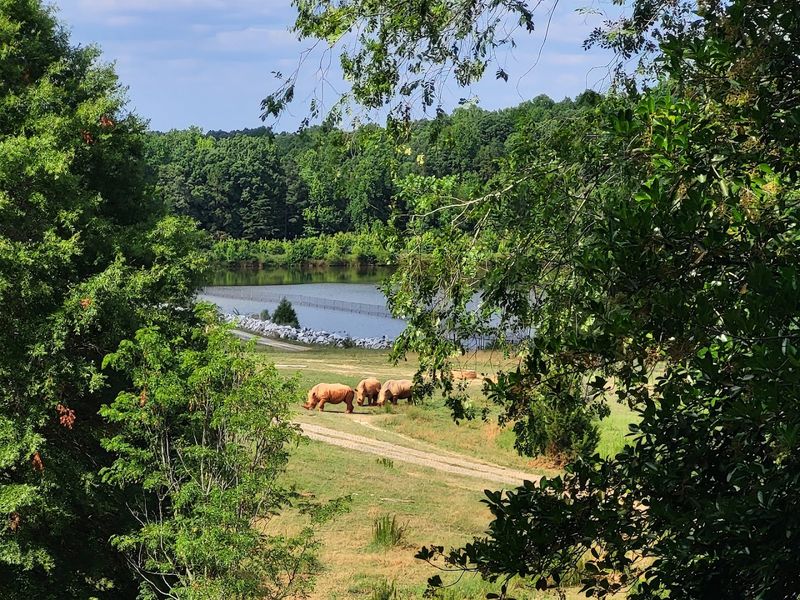
Back in 1967, North Carolina had a bold vision: create a zoo unlike anything else in the world. Instead of cramped cages, they wanted animals to live in habitats so spacious and natural that visitors would feel transported to distant continents.
What started as an ambitious dream became reality when the North Carolina Zoo opened in Asheboro, eventually growing to cover more than 500 developed acres within a 2,600-acre property.
The location wasn’t random. Asheboro sits in the rolling hills of the Uwharrie Mountains, offering diverse terrain perfect for recreating everything from African savannas to Arctic tundra.
The founders knew this land could support massive, authentic habitats that would revolutionize how people experience wildlife.
Today, this sprawling sanctuary stands as one of the world’s largest walk-through natural habitat zoos. Animals here don’t pace behind bars.
Instead, they roam, climb, swim, and explore just like they would in the wild, giving visitors an unmatched window into their real behaviors and lifestyles.
Explore the Massive Africa Region
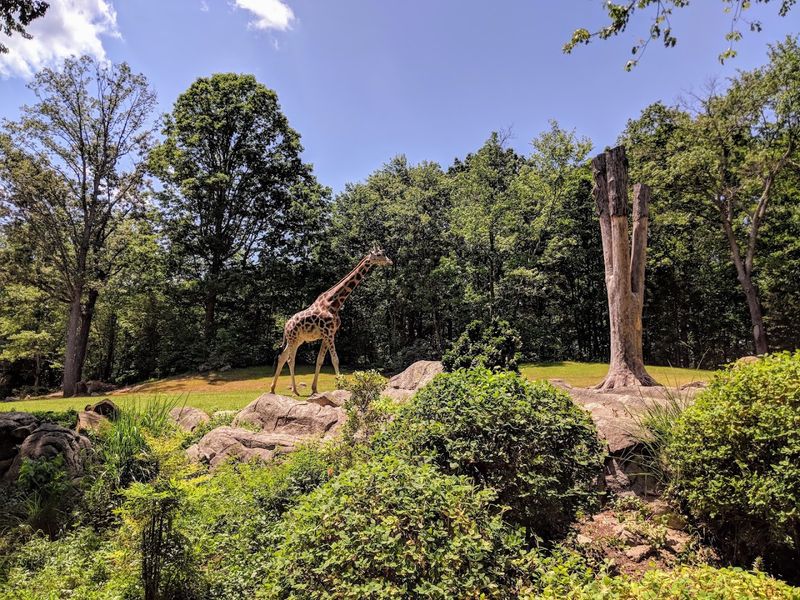
Picture stepping onto the African plains without boarding a plane. The Africa region at the North Carolina Zoo makes that possible, spreading across acres of carefully designed grasslands, forests, and water features that mirror the real continent.
Elephants gather at watering holes while giraffes stretch their necks to browse treetops, just as they would in Kenya or Tanzania.
Gorillas command attention in their lush forest habitat, where families interact in ways that reveal their incredible intelligence and social bonds. Nearby, chimpanzees swing through climbing structures and solve puzzles that keep their sharp minds engaged.
Lions lounge on rocky outcrops, surveying their domain with regal calm.
Rhinos, zebras, and various antelope species graze across open meadows that seem to stretch forever. The exhibits don’t use traditional barriers that break the illusion.
Instead, clever landscaping and natural separations let you observe these magnificent creatures in settings that honor their wild origins. Every turn brings a new discovery, whether it’s a flamingo-filled wetland or meerkats standing sentinel.
Journey Across North America
Who says you need to travel far to see incredible wildlife? The North America section proves that our own continent hosts some of the planet’s most fascinating creatures.
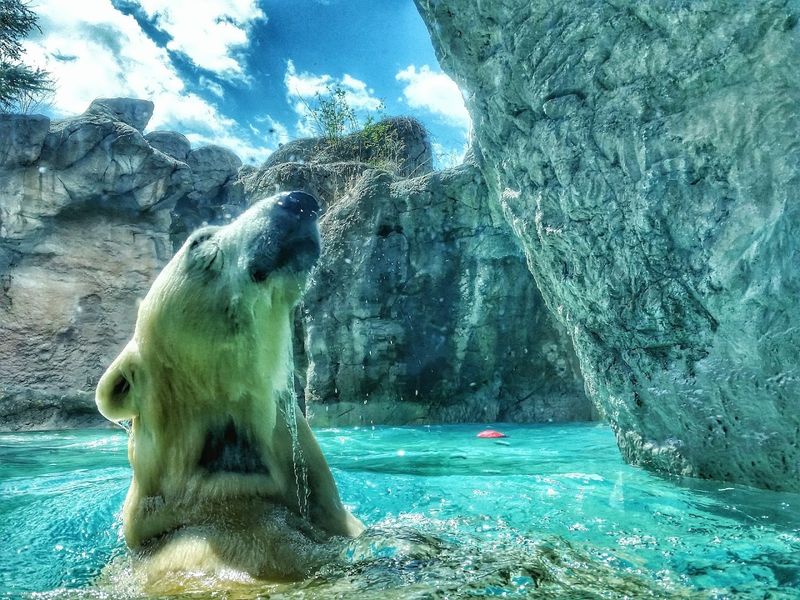
Polar bears are the showstoppers, swimming in their chilled pool and demonstrating the power that makes them Arctic apex predators. Watching them glide underwater or shake off gallons of water is absolutely mesmerizing.
Black bears, by contrast, showcase the adaptable survivors found throughout American forests. Red wolves, critically endangered and part of crucial breeding programs, offer a rare glimpse of these elusive canines.
Bison thunder across prairie-like enclosures, reminding visitors of the vast herds that once roamed freely.
Alligators bask in recreated wetlands while cougars navigate rocky mountain terrain with athletic grace. Elk, with their impressive antlers, represent the majesty of wilderness areas.
Every habitat in this region teaches something valuable about conservation and the importance of protecting the incredible biodiversity right in our own backyard. These aren’t exotic imports – they’re our neighbors.
Discover the Desert Habitat
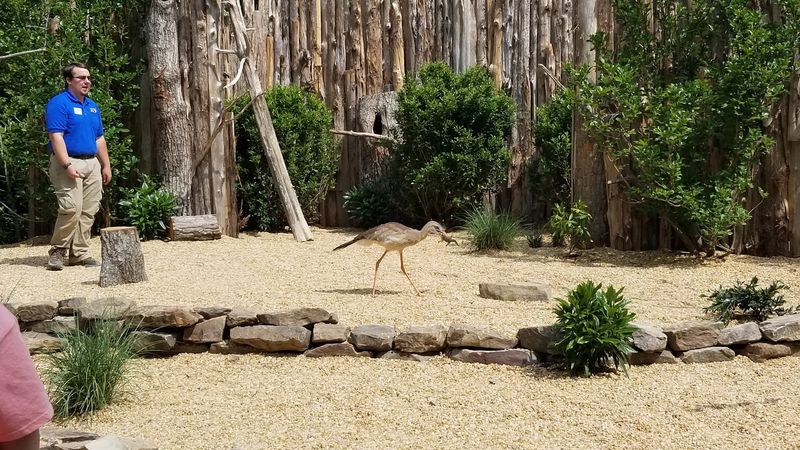
Deserts might seem harsh and empty, but the Desert exhibit reveals a world bursting with specially adapted life. Animals here have evolved remarkable strategies to survive extreme heat, scarce water, and intense sun.
From reptiles that rarely drink to mammals that stay cool underground, every creature demonstrates nature’s incredible problem-solving abilities.
The habitat recreates authentic desert landscapes complete with sand, rocks, hardy plants, and the stark beauty that characterizes these ecosystems. Visitors learn that deserts aren’t barren wastelands but thriving communities where life has found ingenious ways to flourish.
Temperature-controlled viewing areas let you observe comfortably while appreciating how these animals handle conditions that would challenge most creatures.
Educational displays explain desert ecology from around the world, highlighting how these fragile environments face mounting pressures from climate change and human activity. Kids especially love spotting camouflaged lizards and discovering which animals are active during cooler evening hours.
The exhibit proves that every environment on Earth, no matter how extreme, deserves our respect and protection.
Meet More Than 1,700 Animals
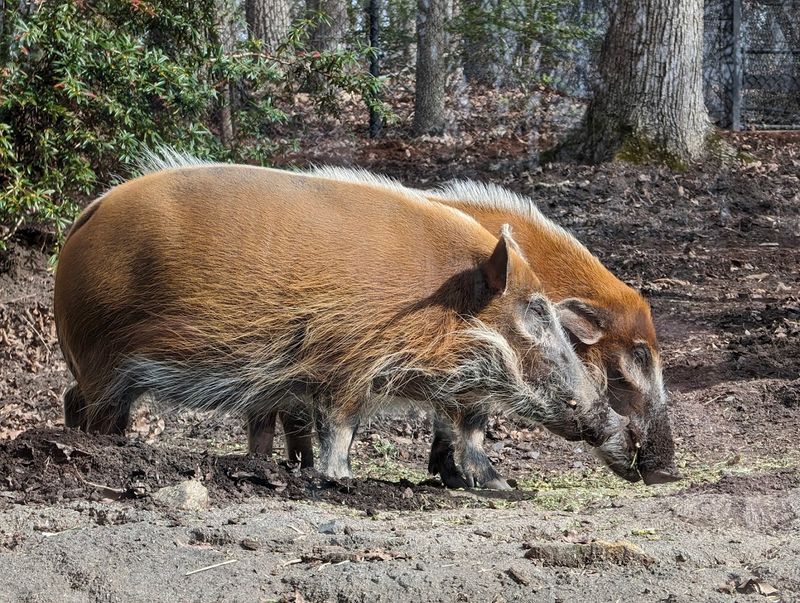
Numbers tell only part of the story. Yes, the zoo houses more than 1,700 individual animals representing over 250 species, but what really matters is the incredible variety you’ll encounter.
One moment you’re watching colorful birds from tropical forests, the next you’re observing reptiles that have barely changed in millions of years. Every visit reveals something different depending on weather, season, and animal moods.
Endangered species receive special attention, from red pandas to African painted dogs. Many animals here participate in Species Survival Plans, meaning they’re part of global efforts to prevent extinction.
Some species are so rare that zoos might be their last hope for survival in a rapidly changing world.
Bird enthusiasts find plenty to admire, from powerful raptors to delicate songbirds. Reptile lovers can study everything from massive pythons to tiny frogs.
Mammals range from tiny rodents to massive elephants. The diversity means that whether you’re five or seventy-five, you’ll discover animals that capture your imagination and maybe teach you something unexpected about the natural world.
See Wildlife Through Keeper Talks and Animal Encounters

Ever wondered what elephants eat for breakfast or how keepers train a polar bear? Scheduled keeper presentations answer these questions and so much more.
Throughout the day, expert staff share behind-the-scenes insights about animal care, behavior, and individual personalities. These aren’t dry lectures but engaging conversations that bring you closer to understanding what makes each species special.
Demonstrations might show how keepers use positive reinforcement training to help animals participate willingly in their own healthcare. You’ll learn why enrichment activities matter, how diets are carefully planned, and what goes into maintaining these enormous habitats.
Hearing keepers talk about their work with genuine passion makes the experience unforgettable.
Seasonal animal encounters offer even closer connections, sometimes including opportunities to feed giraffes or observe feeding times up close. These experiences transform casual visitors into conservation advocates.
When you understand the challenges animals face and the dedication required to protect them, you leave with a deeper appreciation and maybe even inspiration to help wildlife in your own community.
Walk Miles of Scenic Zoo Trails
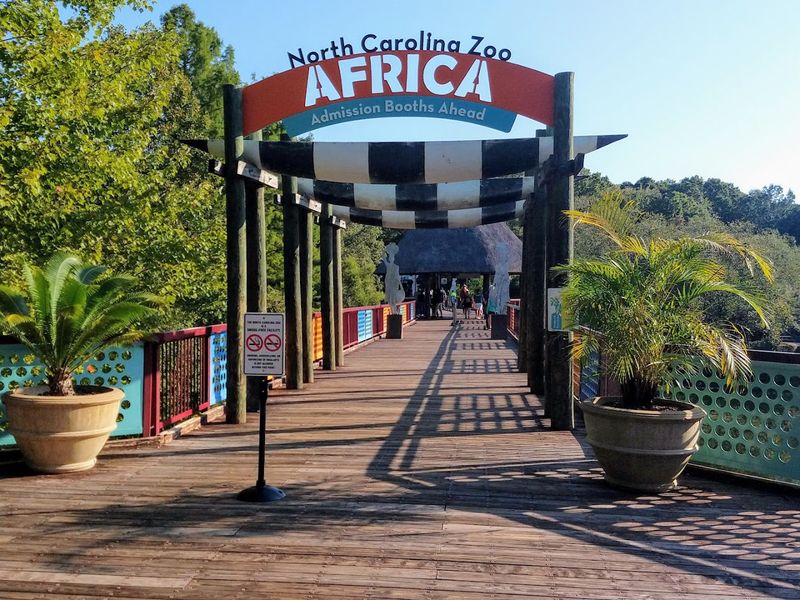
Forget sterile concrete walkways. The North Carolina Zoo offers nearly five miles of trails that wind through actual forests, creating an immersive nature experience that sets it apart from traditional zoos.
Towering trees provide shade on hot summer days while birds sing overhead and squirrels dart through branches. Sometimes it’s hard to tell where the zoo ends and wild North Carolina begins.
The trails connect different regions and habitats, but the journey between exhibits feels like hiking through a nature preserve. Families appreciate the benches placed at scenic overlooks where you can rest while watching wildlife in the distance.
The paths accommodate strollers and wheelchairs, though the terrain includes some hills that give the experience an authentic outdoor feel.
Trams are available for those who need assistance, but walking lets you discover hidden viewpoints and quiet moments with animals. Spring brings wildflowers, fall delivers spectacular foliage, and winter offers crisp, clear views through bare branches.
Every season transforms the landscape, making multiple visits worthwhile throughout the year.
Family-Friendly Attractions Beyond the Animals

Young visitors need breaks from walking, and the zoo delivers with attractions designed specifically for family fun. The carousel delights toddlers who might be too small to fully appreciate every animal exhibit.
Kidzone offers hands-on play areas where children can climb, explore, and burn energy while parents catch their breath. These spaces aren’t afterthoughts but carefully designed areas that enhance the overall experience.
Seasonal butterfly exhibits bring magical encounters with these delicate insects, while giraffe feeding opportunities create memories that kids treasure for years. Multiple playgrounds scattered throughout the zoo provide strategic rest stops.
Shaded picnic areas welcome families who pack lunches, though the zoo also offers various dining options from quick snacks to full meals.
The tram service proves invaluable for families with small children or elderly members. It connects major areas and provides relief for tired feet.
Between the carousel, play areas, special exhibits, and animal encounters, there’s enough variety to keep even the most energetic kids engaged for an entire day. Nobody leaves bored.
Conservation Is at the Heart of Everything
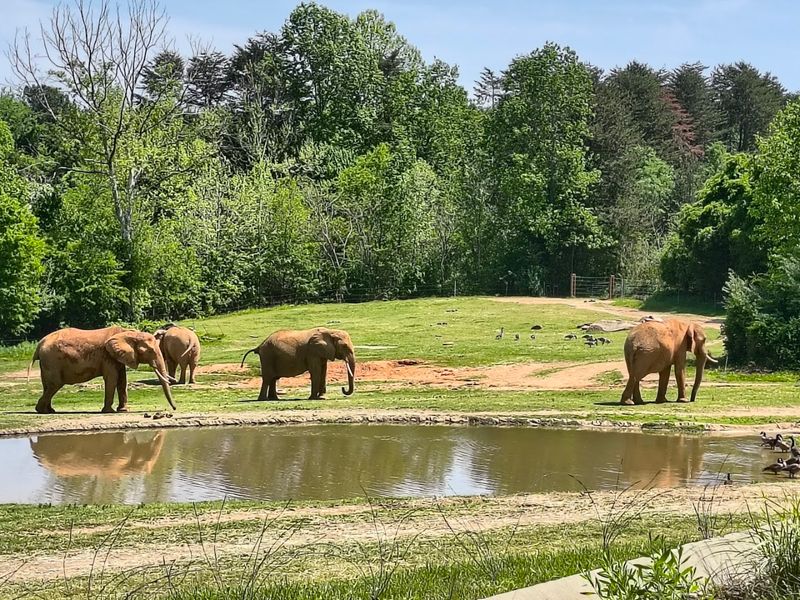
What elevates this zoo beyond entertainment is its serious commitment to conservation. The facility leads breeding programs for critically endangered species, giving hope to animals on the brink of extinction.
Red wolves, once nearly extinct in the wild, have found a lifeline here. African species threatened by habitat loss receive protection and chances to reproduce in safe environments.
Beyond the developed zoo grounds, the organization manages thousands of acres of protected North Carolina forestland. This stewardship preserves native habitats and provides space for local wildlife to thrive.
Animal rehabilitation programs help injured or orphaned creatures recover and, when possible, return to the wild.
The zoo partners with international conservation organizations, funding field research and habitat protection in countries where featured animals naturally occur. Educational programs teach visitors about environmental challenges and practical ways everyone can contribute to conservation.
When you visit, admission fees directly support these efforts. Your day of fun literally helps save species and protect wild places around the world.
That’s a powerful reason to feel good about your visit.
Plan the Perfect Visit to Asheboro’s Biggest Attraction
Located at 4401 Zoo Pkwy, Asheboro, NC 27205, the zoo is easily accessible from major highways. Call +1 336-879-7001 for current hours and admission prices.
Planning is essential because this massive facility demands time. Most visitors need a full day to properly explore both major regions and enjoy the trails without rushing.
Arriving at opening gives you maximum time and lets you see animals during their most active morning hours.
Spring and fall offer ideal weather, though summer provides lush greenery and winter brings fewer crowds plus unique opportunities to see how animals adapt to cold. Tram service helps cover ground faster, especially important for families or those with mobility concerns.
Ample parking handles even busy weekends. The zoo meets accessibility standards with paved paths and accommodations throughout.
Multiple dining options serve everything from snacks to full meals, though many visitors pack picnics to enjoy in designated areas. Wear comfortable walking shoes because you’ll cover serious distance.
This remains North Carolina’s premier wildlife destination, combining education, conservation, and unforgettable experiences that inspire respect for the natural world.