Reading about aviation can seem distant, but standing near a cockpit or hearing how a local pilot changed a town makes history feel real.
From Beaver Falls to West Chester, these Pennsylvania aviations museums show how courage, skill, and curiosity shaped travel and service in the sky.
You will find barnstorming thrills, helicopter breakthroughs, classic trainers, and stories from World War II and beyond.
If you enjoy road trips, local history, or machines with heart, this list helps. Pick favorites, plan trips, and see what surprises you.
1. Air Heritage Aviation Museum – Beaver Falls
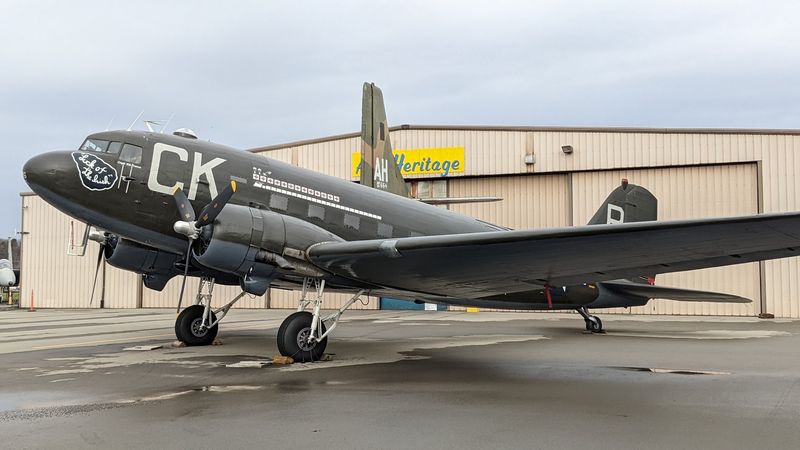
Nothing feels small inside this volunteer-run hangar in Beaver Falls, because every corner carries a comeback story.
Air Heritage Aviation Museum is known for restoring aircraft, but the real surprise is how much patient hands matter here.
Visitors often see projects in progress, which makes history feel alive instead of locked behind ropes.
One standout thread is the museum’s link to veterans and local workers who kept aviation strong long after wartime headlines faded.
Tools, panels, engines, and careful notes show that flying machines survive because communities choose to save them.
That lesson lands hard when you realize many restorations take years of steady effort.
Families should ask questions during a visit, since volunteers usually love explaining what a part does and why a repair matters.
Young readers may enjoy spotting differences between polished display planes and aircraft still under repair.
Take your time with the stories behind the metal, because they reveal grit, teamwork, and pride.
Beaver County gains more than a museum here.
It gains a workshop of memory, where aviation history is rebuilt piece by piece for the next generation to admire, study, and protect together for tomorrow.
2. American Helicopter Museum & Education Center – West Chester
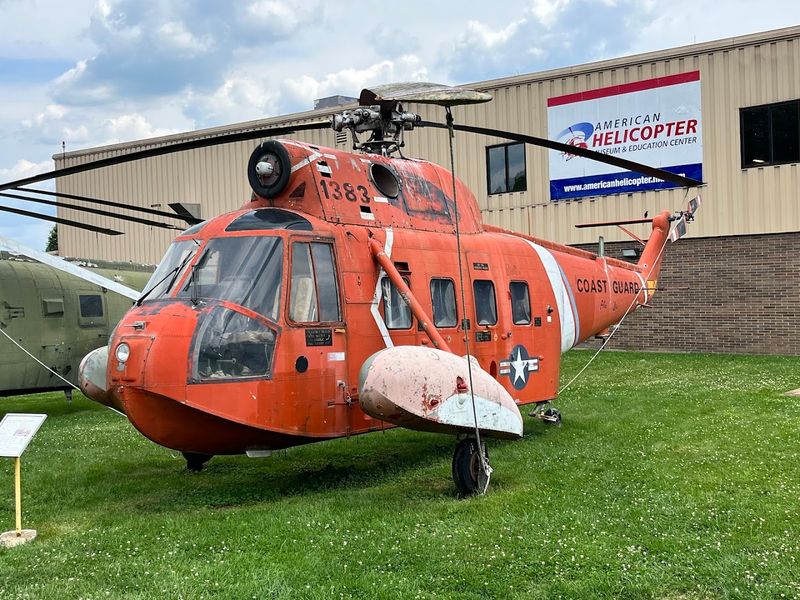
Rotor blades change the mood right away in West Chester, where flight history sounds less like a roar and more like a chopping beat.
The American Helicopter Museum and Education Center stands out because helicopters solve problems airplanes often cannot.
Rescue work, medical transport, police service, farming, and military missions all come into sharper focus here.
Several exhibits help visitors understand that vertical flight was once a risky dream, not a simple upgrade.
Designers had to balance lift, torque, control, and safety, and early attempts often looked awkward before they looked useful.
That struggle gives the museum an underdog spirit many guests do not expect.
A smart visit starts with comparing different helicopter shapes and asking why each cabin, skid, or rotor setup exists.
Children can connect quickly with the idea that helicopters reach mountains, cities, and disaster zones when roads fail.
West Chester also benefits from a museum that links engineering to everyday help.
You leave thinking not just about machines, but about people waiting for supplies, doctors, or rescue crews.
Few museums make technology feel this practical, human, and urgent, which is why the stories stay with you.
3. Eagles Mere Air Museum – Eagles Mere
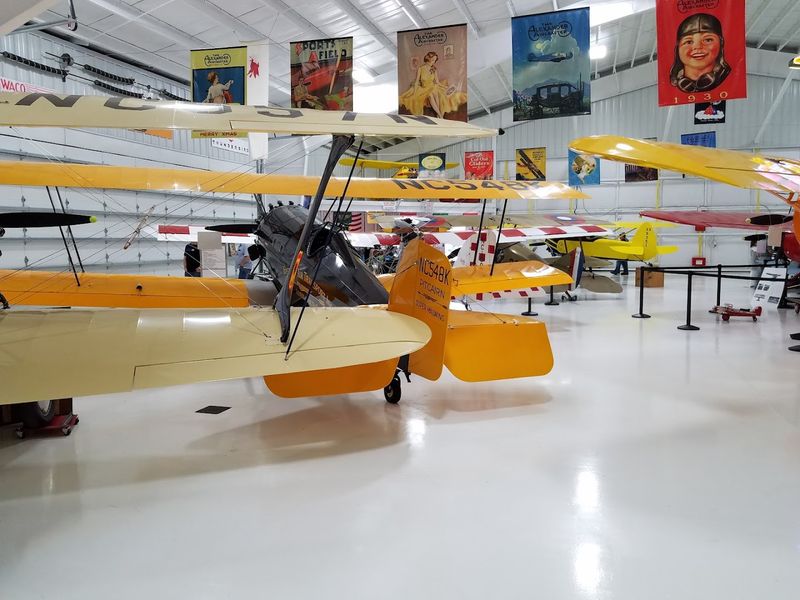
At first glance, a small-town air museum in Eagles Mere might seem quiet, but its calm setting hides a lively slice of regional history.
The Eagles Mere Air Museum surprises visitors by tying aviation to summer travel, mountain scenery, and the early romance of getting away fast.
That blend gives the collection a breezy, almost storybook feeling.
Old photographs and artifacts help explain how aircraft changed remote places by shrinking travel time and boosting curiosity about hard-to-reach destinations.
Instead of only celebrating technology, the museum also hints at how local identity grows around an airfield.
You start to picture visitors arriving with luggage, excitement, and big expectations.
Anyone planning a stop should notice how much atmosphere matters here.
The town itself deepens the visit, so leave room for a walk and imagine what flight meant before crowded terminals and phone apps.
Kids may enjoy tracing the difference between early leisure flying and today’s routine air travel.
Eagles Mere shows that aviation history is not always about battles or factories.
Sometimes the story is simpler.
Planes land, and a remote town suddenly feels tied to everywhere else beyond.
4. Golden Age Air Museum – Bethel
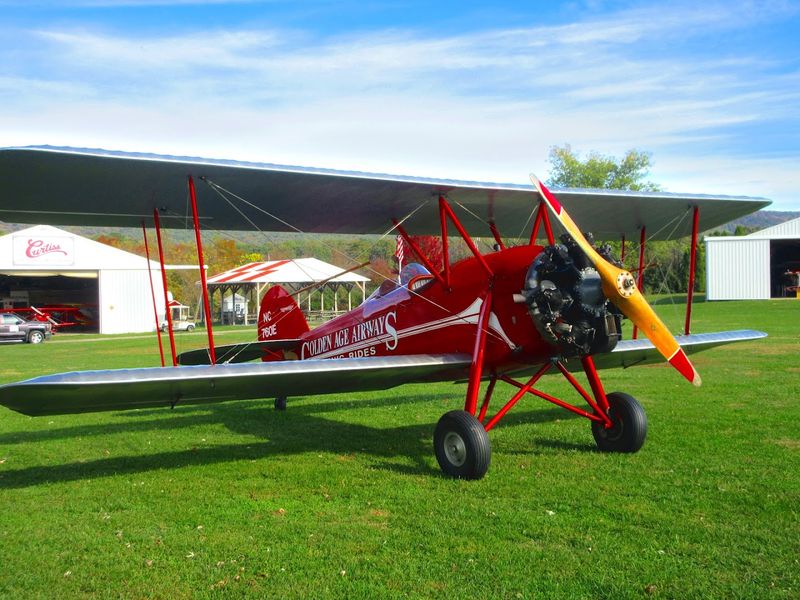
The sound of old radial engines can make Bethel feel like a time machine on the right day.
Golden Age Air Museum leans into the barnstorming era, and that choice gives it one of the most colorful personalities in Pennsylvania aviation.
Vintage biplanes, period clothing, and open-cockpit style help visitors picture a wilder age of flight.
Rather than focusing only on polished nostalgia, the museum tells a deeper story about risk, showmanship, and public wonder.
Early pilots had to entertain crowds, earn trust, and prove that aircraft belonged in everyday life.
That mix of courage and performance still hangs in the air during special events.
For first-time guests, checking the calendar is a smart move because fly-ins and demonstrations add extra magic.
Watching antique planes taxi or lift off makes textbook history suddenly physical and loud.
Bethel is also a fine place to talk with kids about how new inventions win people over.
The answer is not always data.
Sometimes it takes daring, theater, and a ride.
Golden Age Air Museum reminds us that aviation spread through excitement as much as engineering, which makes its stories fun to share.
5. KLBE Air Museum – Latrobe
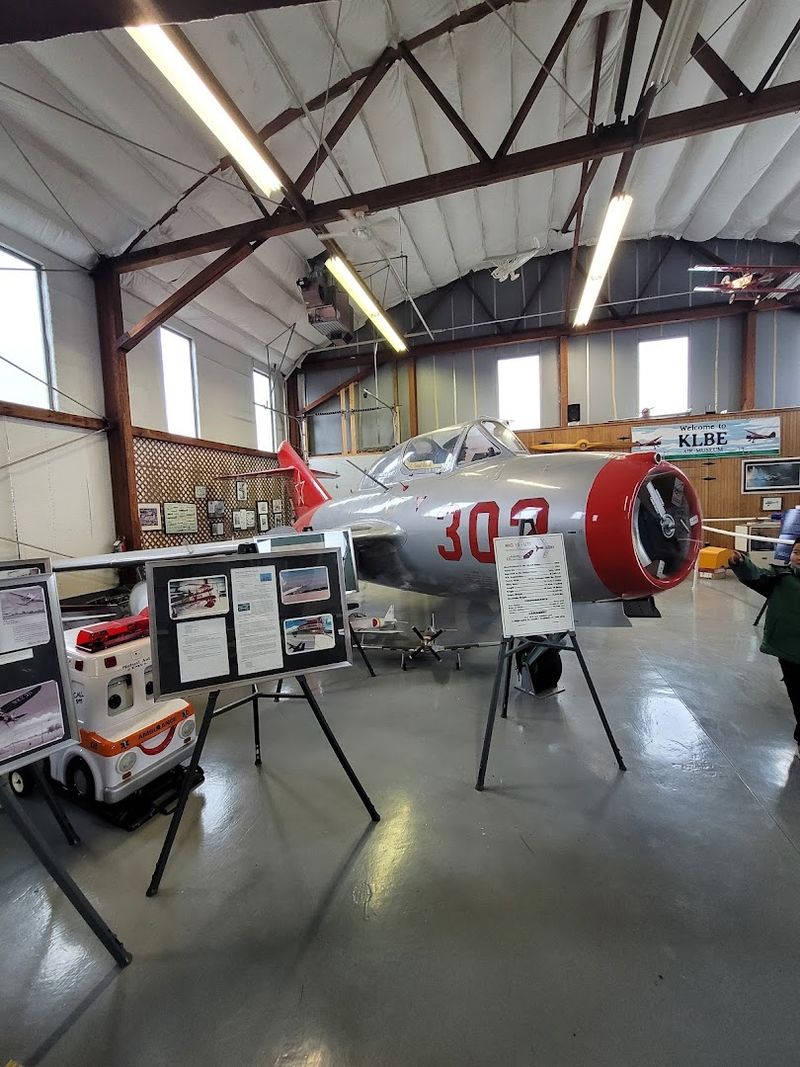
Airport museums can feel hidden in plain sight, and that is part of the charm in Latrobe.
KLBE Air Museum sits at Arnold Palmer Regional Airport, linking local aviation memories with a working airfield people still use today.
That setting helps visitors connect past flights to present-day travel without much effort.
One of the strongest surprises here is how regional airports shaped business, training, and community pride.
Large aviation stories often grab headlines, yet smaller fields carried mail, built careers, and kept towns connected.
The museum makes that point clearly by grounding history in western Pennsylvania life.
During a visit, look for displays that explain who flew, who repaired aircraft, and who depended on the airport growing stronger.
Students can learn that aviation is not just about famous aces.
It also includes civic planning, weather decisions, passenger trust, and steady local investment.
Latrobe gives the museum an extra layer because the airport remains active.
Bring a curious mindset and compare older tools with modern routines.
KLBE Air Museum shows how ordinary travel systems shape identity.
That quieter story sneaks up on you and stays longer than expected for many visitors.
6. Mid-Atlantic Air Museum – Reading
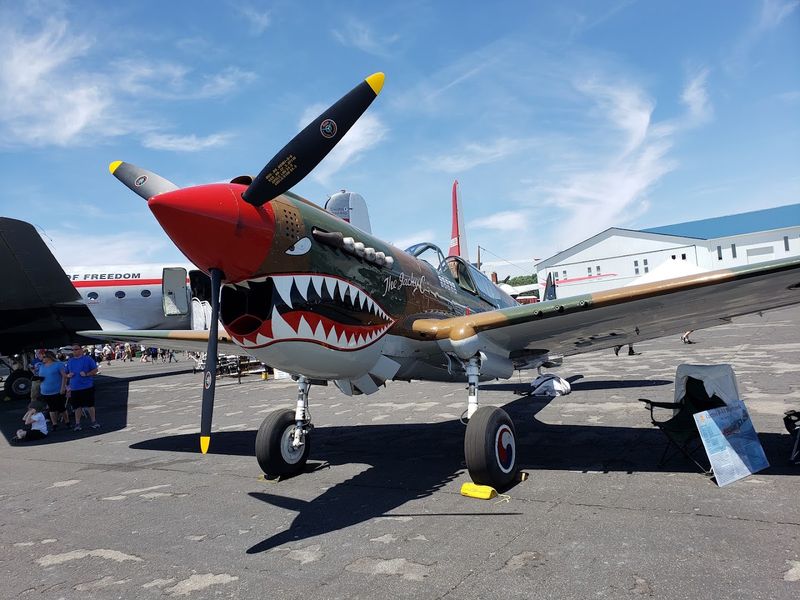
Some museums impress with size, and Reading’s Mid-Atlantic Air Museum definitely has that effect.
Still, the bigger surprise is how well it turns a large collection into human stories about service, design, and preservation.
Warbirds, trainers, and classic aircraft share space with memories that feel close enough to touch.
The museum is widely known for its World War II connections and its major air show, but the quieter exhibits deserve equal time.
Names, missions, repairs, and personal records help visitors see that history happened to individuals, not just nations.
That shift makes even technical displays feel emotional.
A good plan is to arrive with one question in mind, such as how pilots trained or how crews kept planes flying under pressure.
Then follow the exhibits until you find the answer.
Reading rewards slow looking, especially if you pause at nose art, uniforms, and maintenance details.
Families can use the museum to talk about teamwork because every aircraft depended on far more than the person in the cockpit.
Mid-Atlantic Air Museum proves that scale does not have to flatten feeling.
Its greatest strength is making aviation history understandable, memorable, and personal.
7. Piper Aviation Museum – Lock Haven
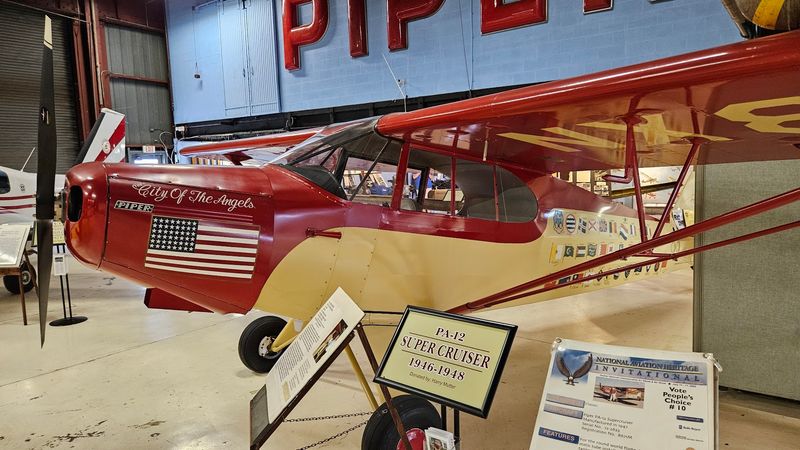
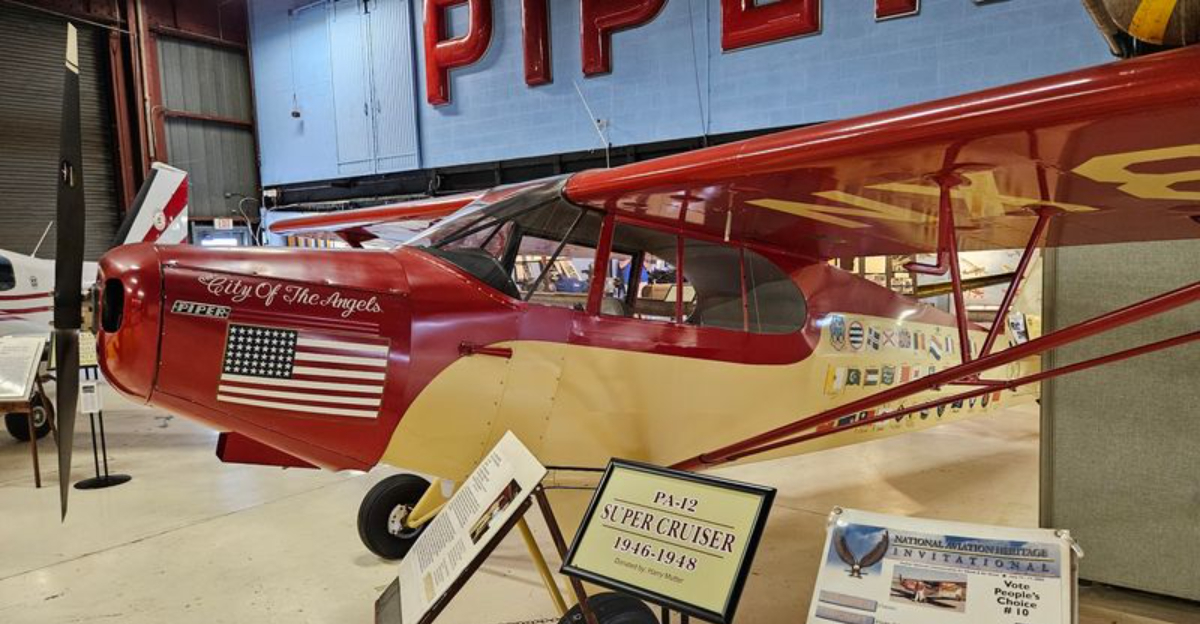
Few Pennsylvania museums connect a town and a company as tightly as Piper Aviation Museum does in Lock Haven.
Walking through it, you quickly sense that Piper aircraft were not just products.
They were jobs, training tools, travel dreams, and a source of hometown identity.
The museum’s strongest stories come from the people behind the famous planes, especially workers who built, tested, sold, and supported them.
That human focus keeps the exhibits from feeling like a simple brand display.
Instead, they show how manufacturing skill and aviation ambition grew together in central Pennsylvania.
Anyone interested in small planes should pay attention to how Piper helped make personal flying more reachable.
The designs mattered, but so did affordability, reliability, and smart business decisions.
Kids can grasp that idea fast because it is really about solving everyday problems well.
Lock Haven itself deepens the experience because the place and the museum still speak to each other.
Look for photos, factory details, and stories about changing times in American aviation.
Piper Aviation Museum leaves many visitors with a respect for the people who made flight practical for pilots, not just daredevils or heroes.
8. Wings of Freedom Aviation Museum – Horsham
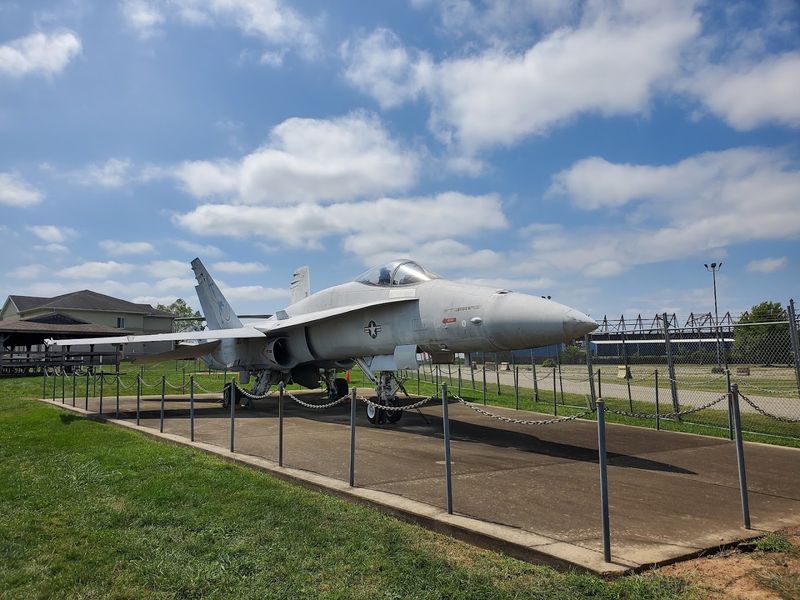
A former military base adds instant weight to any museum visit, and Horsham proves why.
Wings of Freedom Aviation Museum sits at the old Naval Air Station Joint Reserve Base Willow Grove, where local memory and national service meet.
That setting gives many exhibits a direct, grounded power.
The museum often surprises people because it is not only about aircraft shapes and dates.
It is also about the men and women who trained, served, and returned home through this place.
Base history, community ties, and military change all become easier to understand when standing on meaningful ground.
Visitors should spend time with stories that connect aviation to daily duty.
Flights begin with schedules, maintenance, teamwork, and long hours, not just dramatic takeoffs.
That practical side helps younger readers see service members as real people with routines and responsibilities.
Horsham families may feel a pull if relatives served nearby, but newcomers can connect as strongly.
Ask how the base changed over time and what the museum preserves now.
Wings of Freedom Aviation Museum turns a local site into a bridge between generations.
Its stories feel sturdy, respectful, and close to home.
9. Colonial Flying Corps Museum – Toughkenamon
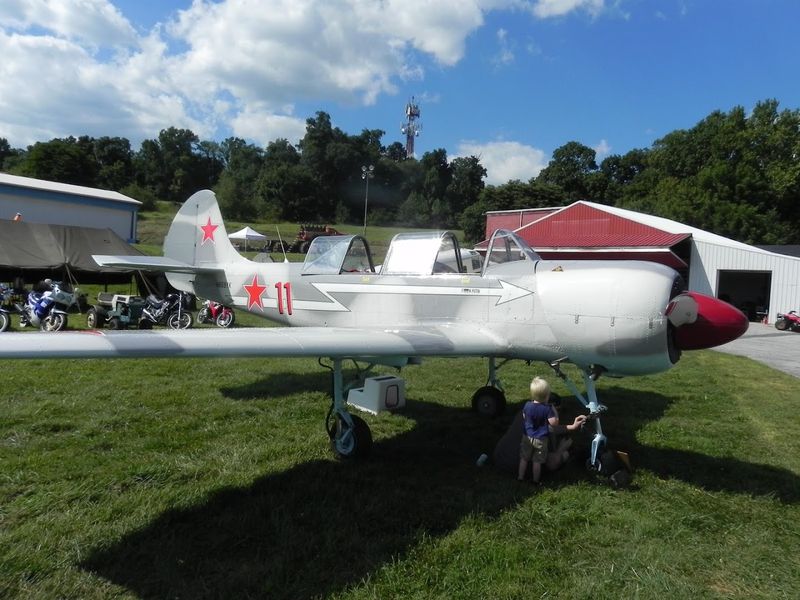
Some places win you over by being a little unusual, and Toughkenamon has one of them.
Colonial Flying Corps Museum celebrates early aviation with a playful spirit, yet the history underneath is serious and rich.
Its old-style aircraft and living-history feel can make visitors smile before they even read a label.
What surprises many guests is how clearly the museum shows aviation’s experimental youth.
Pilots once flew with limited instruments, basic fields, and a public that was still deciding whether flying was thrilling, foolish, or both.
That uncertainty gives the collection dramatic tension.
A helpful way to explore is to imagine what travel, weather, and safety felt like a century ago.
Suddenly every goggle, map, fabric surface, and exposed strut seems more impressive.
Young visitors can understand that progress often looks fragile before it looks normal.
Toughkenamon is a stop because the museum mixes education with personality.
It does not treat early flight as dusty material.
Colonial Flying Corps Museum presents it as a daring, inventive chapter filled with trial, charm, and stubborn optimism.
That combination helps the past feel adventurous instead of distant, which is a gift for families.
10. Air Heritage Flight Center – Beaver Falls
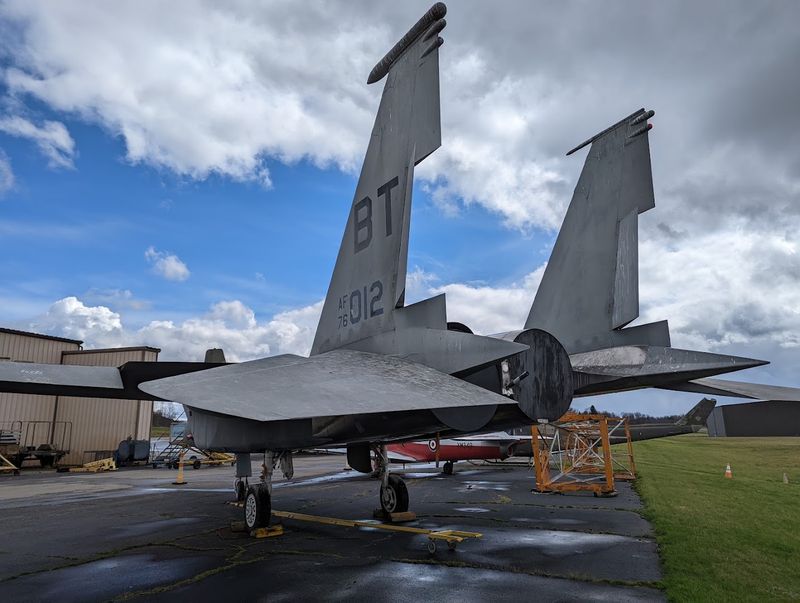
Not every aviation story begins with a finished museum, and that is what makes Beaver Falls interesting twice.
Air Heritage Flight Center carries a hands-on spirit that complements the nearby museum while highlighting active restoration, education, and community energy.
The result feels less like a frozen display and more like a working promise.
People are often surprised by how inspiring process can be.
Seeing aircraft work underway teaches that preservation is not magic.
It takes planning, money, skilled labor, careful research, and volunteers willing to return again and again.
That message is useful for students because it connects history with trades, engineering, patience, and teamwork.
Ask what jobs are needed to bring an aircraft back safely.
The answers can open doors to careers many kids have never considered.
Beaver Falls benefits from having a place where learning happens through doing.
A visit here can pair well with the museum for a fuller picture of past aircraft and present restoration.
Air Heritage Flight Center shows that stories do not stop once a plane is built or retired.
They continue through inspections, repairs, and lessons.
That living effort is the best surprise.