
New York is famous for bright lights, big parks, and busy streets, but it also has amazing places for people who love planes and space.
Across the state, aviation museums tell stories about brave pilots, clever inventors, wartime missions, and the machines that changed travel forever.
Some museums sit near city skylines, while others are tucked into small towns with deep flying history.
Visiting them is a fun way to learn, see rare aircraft up close, and understand how New York helped shape aviation in America.
Families can find hands-on exhibits, history fans can study famous aircraft, and travelers can add something different to their usual sightseeing plans.
From giant carriers to quiet glider collections, each stop offers its own surprise.
If you enjoy discovery, motion, and stories from the sky, these museums belong on your travel list.
They mix education, adventure, and memorable photos in one easy, exciting trip too.
1. American Airpower Museum – East Farmingdale
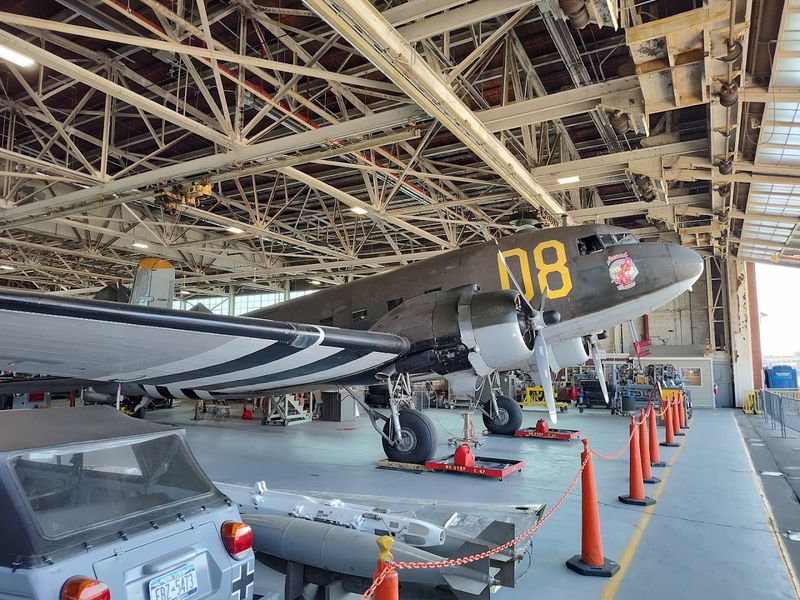
Few museum visits begin with the rumble of real warbirds, but the American Airpower Museum in East Farmingdale often feels alive with engines, motion, and the daring spirit of flight.
Located at Republic Airport on Long Island, it showcases military aircraft, aviation artifacts, and stories from World War Two, helping visitors connect machines on display with people who flew them.
Seeing restored planes up close can be the best part, especially during flight demonstrations or special events, when history suddenly feels loud, fast, and much more personal than textbooks ever.
Families should check the calendar before going, because rides, open cockpits, and seasonal programs can change the experience, turning a simple museum stop into a memorable day trip for everyone.
Photography fans will enjoy the dramatic setting, with historic aircraft parked near an active airfield, and younger visitors often leave with a stronger sense of courage, teamwork, and invention too.
Plan extra time for the gift shop and exhibits about local aviation history, since Long Island played a major role in aircraft design and production across many important decades here.
2. Cradle of Aviation Museum – Garden City
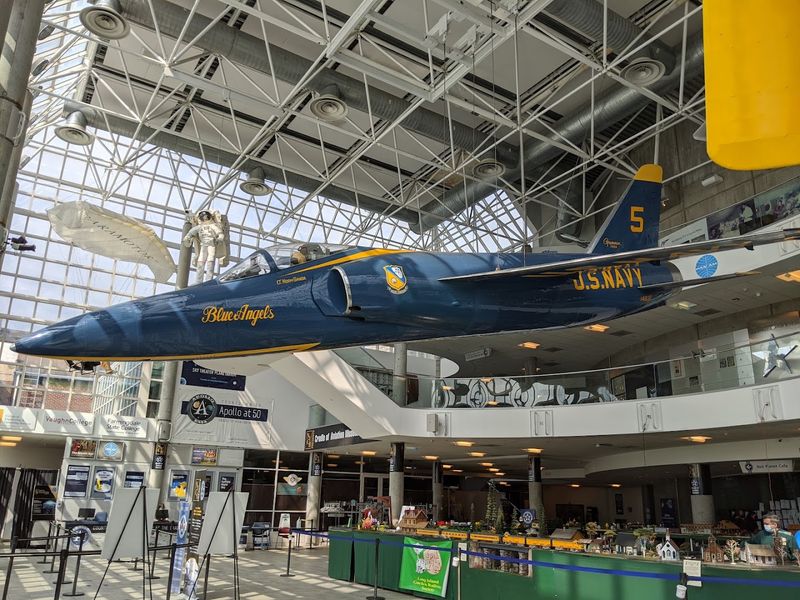
Step inside the Cradle of Aviation Museum in Garden City, and Long Island’s flying story unfolds through sleek jets, moon mission exhibits, and inventive displays that keep curious minds moving.
The museum explains how the region became a powerhouse of aerospace progress, from early biplanes to space exploration, making it easier to see how local ideas reached beyond New York.
Kids often love the hands-on areas, while adults appreciate the strong mix of science, history, and design, all arranged in a way that feels welcoming rather than overwhelming for visitors.
Located near the site of Mitchel Field, it also highlights famous names and homegrown breakthroughs, which gives every gallery a sense of place instead of feeling like a random collection.
A planetarium and theater add extra value, so planning a half day visit makes sense, especially for families hoping to balance learning, rest breaks, and indoor comfort during busy seasons.
Bring your questions and take your time, because this museum rewards slow exploration, whether you care most about pioneering pilots, spacecraft, or the engineering hidden inside every wing on display.
3. Empire State Aerosciences Museum – Glenville

Upstate air history gets a lively home at the Empire State Aerosciences Museum in Glenville, where aircraft, engines, and local stories show how innovation kept reaching higher in New York.
Set beside Schenectady County Airport, the museum gives visitors a close look at restored planes and aviation technology, plus exhibits tied to the area’s long connection with flight research work.
One pleasant surprise is the scale, because smaller museums can feel easier to explore, letting you notice cockpit details, old instruments, and the craftsmanship behind earlier generations of aircraft here.
Special exhibits and volunteer knowledge often add warmth to the visit, and talking with staff can help children connect complex topics like navigation, weather, and engineering to everyday life easily.
Because Glenville sits outside the state’s biggest tourist centers, this stop feels like a discovery, especially for travelers building a road trip around overlooked museums and regional history in summer.
Pack comfortable shoes and read the signs carefully, since the museum’s real strength comes from patient looking, quiet curiosity, and the chance to learn something unexpected from each gallery visit.
4. Glenn H. Curtiss Museum – Hammondsport

Motorcycles, seaplanes, and bold ideas share the spotlight at the Glenn H.
Curtiss Museum in Hammondsport, a Finger Lakes stop that celebrates one of aviation’s true early trailblazers from America.
Curtiss helped shape flight in remarkable ways, and the museum explains his work clearly, linking fast machines, smart engineering, and business ambition in exhibits that feel approachable to young visitors.
Hammondsport itself adds charm, because the small village setting makes the story seem personal rather than distant, and nearby lake views create an easygoing break between galleries for many travelers.
Families can expect airplanes, bicycles, engines, and hands-on features, which means even visitors with mixed interests usually find something memorable while moving through the building at a relaxed pace today.
Rainy weather will not spoil the outing, making it a smart backup plan during a Finger Lakes trip, especially when you want history without a long, tiring schedule that day.
Before leaving, spend a moment with the pioneer stories, because they show how one determined inventor helped push transportation forward on land, water, and in the air for future generations.
5. Intrepid Museum – New York City

Nothing feels quite like standing on a giant aircraft carrier in New York City, and the Intrepid Museum turns that thrill into a packed lesson about service, technology, and courage.
Docked on the Hudson River, this famous museum includes aircraft, a space shuttle, and submarine access, giving visitors several kinds of exploration in one unforgettable Manhattan stop for curious travelers.
The size alone can impress kids, but the real strength comes from how the exhibits connect personal stories with larger events, helping history feel human instead of distant and real.
Because the museum sits in a busy tourist area, buying tickets early and arriving with a plan can save time, especially if you want to see flight decks without rushing.
Views of the skyline add energy to the visit, and the location makes it easy to pair with other attractions, ferry rides, or a walk along the waterfront afterward.
Even travelers who know little about aviation often leave impressed, because the Intrepid combines powerful setting, iconic machines, and strong storytelling in a way few museums can match anywhere else.
6. Lucile M. Wright Air Museum – Jamestown

Tucked inside Jamestown’s airport, the Lucile M.
Wright Air Museum feels like a local treasure chest, filled with stories, artifacts, and aircraft that honor western New York aviation history well.
Smaller spaces can create better conversations, and that is part of the charm here, since visitors often get a closer understanding of pilots, mechanics, and regional flight milestones through exhibits.
Jamestown is better known for comedy history, so pairing this museum with other local attractions can make a trip feel varied, balanced, and more surprising than expected for many families.
Expect volunteer passion, model displays, and details about how aviation shaped everyday life, not just famous battles or headline moments, which gives the museum a grounded, personal voice for guests.
Because it sits at the airport, you may even catch modern planes outside, creating a neat contrast between current travel and the earlier eras preserved indoors during your visit there.
If you enjoy quiet museums with sincere community pride, this Jamestown stop offers an easy hour or two of learning that feels warm, authentic, and refreshingly unhurried for travelers today.
7. National Soaring Museum – Elmira
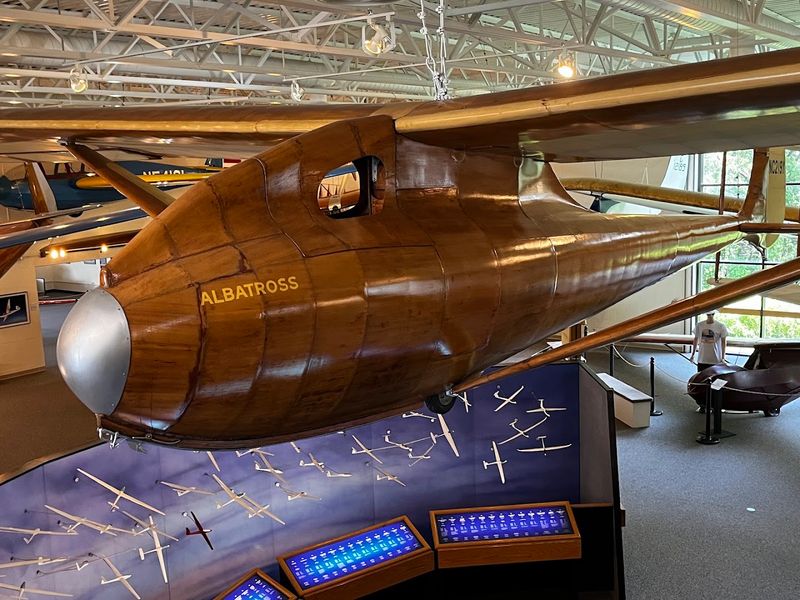
Gliders seem almost magical, and the National Soaring Museum in Elmira captures that feeling by telling the story of silent flight with grace, science, and a strong sense of wonder.
Elmira is known as the soaring capital of America, so the location matters here, giving exhibits extra meaning as visitors learn why this area became such an important center historically.
Instead of loud engines and combat stories, you get a calmer experience focused on weather, lift, pilot skill, and the beauty of staying aloft with almost no noise at all.
That different mood makes the museum especially appealing for travelers who want something peaceful, educational, and unusual, or for families trying to show children another side of aviation today gently.
A visit pairs nicely with nearby glider activity and local history, so keep your eyes open for seasonal opportunities to watch soaring in action beyond the museum walls nearby.
Bring a curious attitude, because this Elmira gem explains complex flying ideas in simple ways, leaving many visitors newly impressed by the quiet art of unpowered flight after one visit.
8. National Warplane Museum – Geneseo

The National Warplane Museum in Geneseo feels bold from the start, with historic military aircraft and a clear mission to preserve the people, machines, and memories of service for future.
Located at the Geneseo airport, it is closely linked to flying demonstrations and one of the region’s most exciting airshow traditions, which gives the museum real energy during summer months.
Even on quieter days, the exhibits help visitors understand wartime aviation without making the experience feel too heavy, balancing technical details with stories of sacrifice and teamwork from crews everywhere.
Geneseo’s small town setting adds warmth, and many travelers enjoy the contrast between peaceful surroundings and the powerful aircraft that once played major roles in conflict across the world stage.
If possible, plan around special events, because seeing warbirds taxi or fly can deepen your appreciation far beyond what static displays alone can provide for first time visitors each season.
For history fans and photographers alike, this museum offers one of western New York’s most stirring aviation stops, blending education, atmosphere, and memorable sights in a very accessible setting today.
9. Niagara Aerospace Museum – Niagara Falls
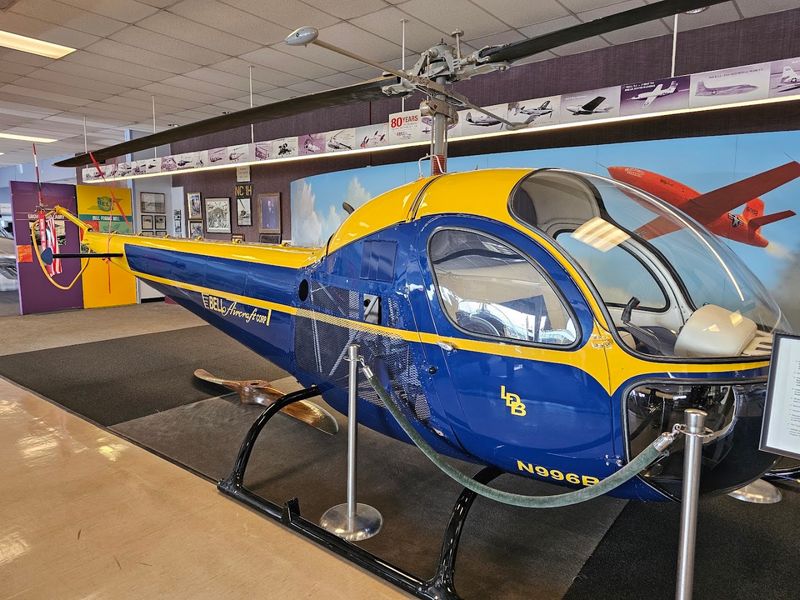
Near the roar of Niagara Falls, the Niagara Aerospace Museum offers a different kind of power, sharing local links to flight, engineering, and military innovation for curious visitors nearby today.
Located in Niagara Falls, the museum highlights the region’s manufacturing and aerospace achievements, proving that famous travel destinations can also hold surprising layers of technical history for all ages too.
Visitors who come for the waterfalls may appreciate an indoor break, and this stop works well when weather shifts or when you want a quieter change of pace nearby.
Exhibits about pilots, aircraft parts, and local industry help show how aviation depends on many kinds of workers, not only the names that appear in history books so often overlooked.
Because the museum is easy to pair with other Niagara attractions, it can turn a standard sightseeing trip into something more rounded, educational, and memorable for mixed-age groups of travelers.
Keep an eye out for exhibits that connect local factories to national progress, since those details often become the most surprising takeaway from a visit here for many first timers.
10. Old Rhinebeck Aerodrome – Rhinebeck
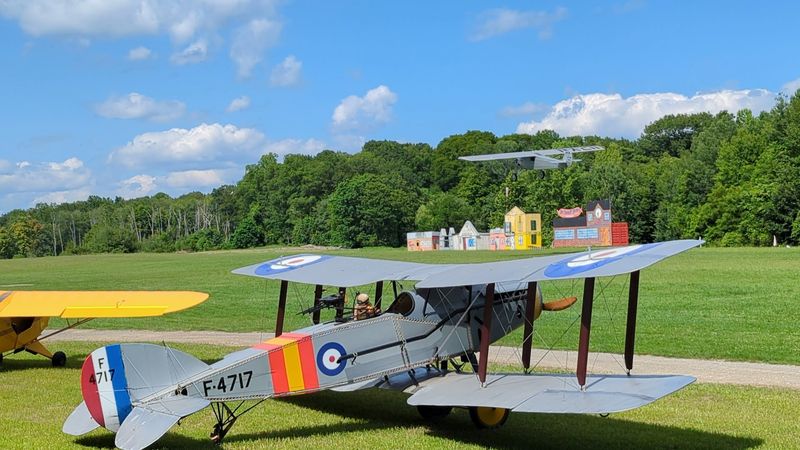
Old Rhinebeck Aerodrome in Rhinebeck feels wonderfully theatrical, where antique aircraft, grass fields, and flying shows create the kind of day that sticks in memory for years after you leave.
Instead of only reading signs, visitors often watch early airplanes take to the sky, which makes the museum especially exciting for children and anyone who enjoys live action in person.
The setting along the Hudson Valley adds old-fashioned charm, and the collection helps explain how fragile, daring machines slowly grew into practical tools for travel and combat over many years.
Weekend planning matters here, because air shows and seasonal events are a major part of the experience, so checking schedules ahead of time can make a big difference for visitors.
Bring sunscreen, water, and a patient camera hand, since outdoor viewing can last a while and the best moments often happen when engines suddenly spark to life before your eyes.
For travelers wanting movement, nostalgia, and a strong sense of aviation’s risky beginnings, Rhinebeck delivers an outing that feels joyful, educational, and refreshingly different from most standard museum visits today.
11. Wings of Eagles Discovery Center – Horseheads
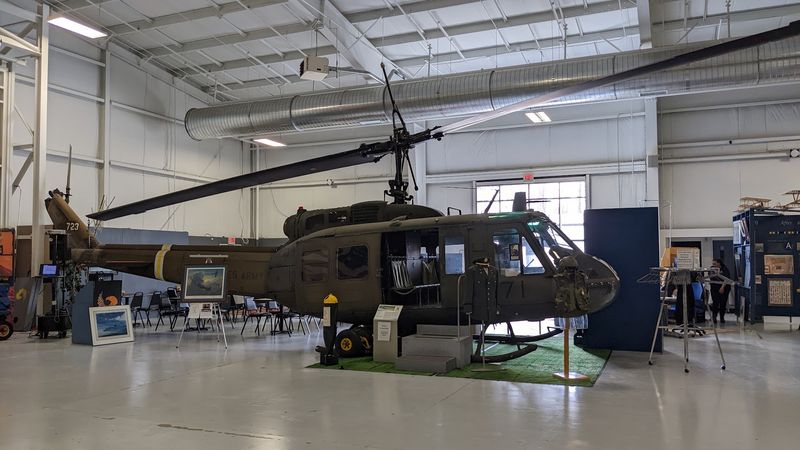
At the Wings of Eagles Discovery Center in Horseheads, aviation history meets community spirit, giving visitors a friendly place to explore aircraft, uniforms, and stories of service from many eras.
The museum shares ties to the larger aviation story of the Southern Tier, and its exhibits often feel personal, which can help younger visitors stay interested longer during each visit.
Horseheads may not be the first place travelers think about for flight history, yet that under-the-radar quality can make a stop here feel especially rewarding for road trip planners today.
Expect a mix of artifacts and educational displays rather than flashy spectacle, a style that works well for people who enjoy reading, reflecting, and noticing small details in peace here.
Because it sits near other Elmira area attractions, the center can fit neatly into a broader day of museums, parks, or aviation-themed sightseeing for families with varied interests and schedules.
Take time to chat with staff or volunteers if possible, since local knowledge often turns a simple exhibit into a memorable story you will repeat later to friends back home.
12. Historic Aircraft Restoration Project (HARP) – Brooklyn
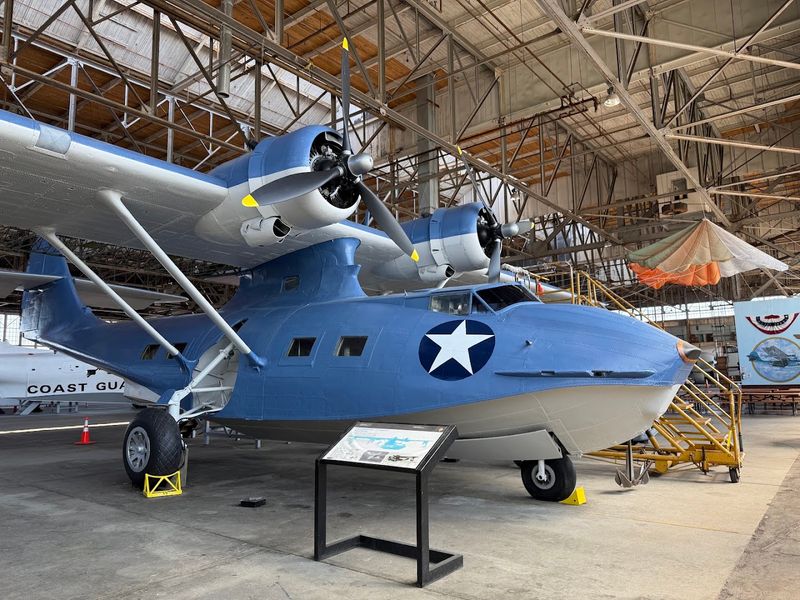
Brooklyn might not be the first place you picture for aircraft preservation, which is exactly why the Historic Aircraft Restoration Project, or HARP, feels so intriguing to many city travelers.
Based in Brooklyn, this project focuses on restoring historic aircraft, letting visitors appreciate the patience, skill, and detective work needed to bring old flying machines back to life again today.
Unlike polished galleries, restoration spaces can reveal nuts, panels, tools, and unfinished surfaces, which makes aviation history feel active and hands-on rather than distant or frozen behind museum ropes alone.
That working atmosphere may especially appeal to teens, makers, and travelers who enjoy seeing how things are repaired, studied, and preserved piece by piece with care over long hours daily.
Because projects can change over time, checking access details before visiting is wise, and anyone interested in engineering or craftsmanship will likely find the effort inspiring from start to finish.
For travelers exploring beyond Manhattan landmarks, HARP adds a gritty, memorable layer to New York aviation history by showing preservation as living work, not just display for museum lovers everywhere.