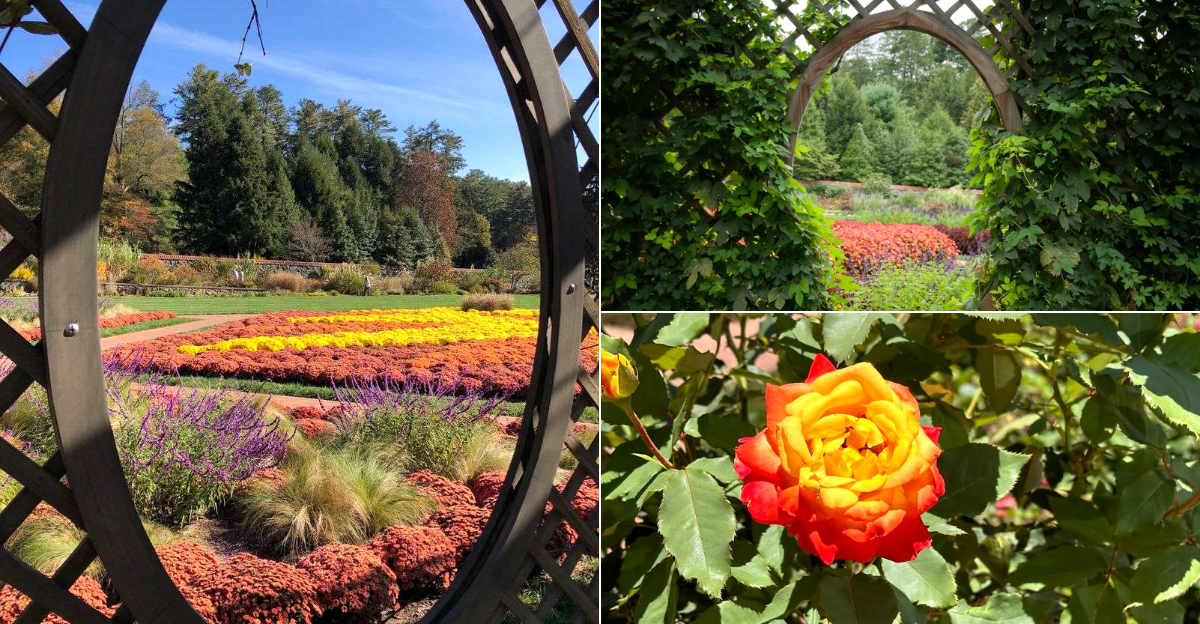
Tucked within the grounds of the Biltmore Estate in Asheville, North Carolina, the Biltmore Rose Garden is one of the most stunning floral displays in the country.
With over 2,000 rose varieties carefully tended across manicured beds, the garden offers a sensory experience unlike anything else in the region.
The estate itself is America’s largest private home, and the rose garden lives up to that grandeur with a scale and beauty that genuinely stops visitors in their tracks.
Spring and early summer bring peak bloom, when the garden is saturated with color and fragrance in every direction.
A visit here makes for a perfect addition to any Asheville trip, and once you’ve seen it, you’ll understand why so many people return year after year.
A First Walk Through the Roses
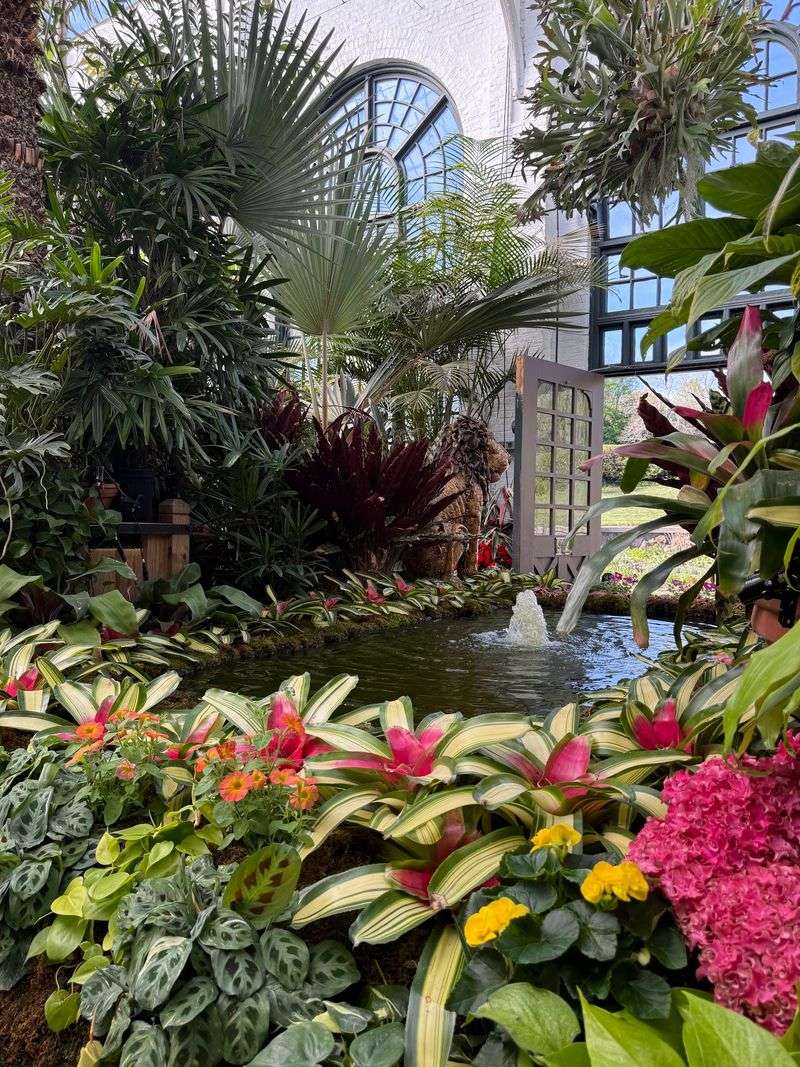
Morning air feels sweeter when petals open together, and the garden greets visitors with color before words have any chance.
Curving paths guide your eyes from soft pink blooms to bright reds, creating a walk that feels grand yet welcoming.
Many people come for the famous house, but the roses often become the memory they talk about long after leaving.
With around 2,000 roses and more than 250 varieties, every turn offers a slightly different shape, shade, scent, or texture.
Some flowers smell spicy, others smell fruity, and a few carry that classic rose fragrance people hope to find there.
Benches invite you to slow down, rest, and notice details like ruffled edges, climbing stems, and bees moving between blossoms.
Because the space is formal and neatly planned, it feels polished without losing the simple joy that flowers naturally bring.
Families, gardeners, and photographers all find something useful here, whether they want inspiration, a peaceful break, or bright pictures today.
If you enjoy places that reward slow looking, this rose garden gives you plenty to notice without feeling rushed today.
Few North Carolina spots mix beauty, scale, and history so smoothly, which is exactly why this garden earns repeat visits.
Why 2,000 Blooms Feel So Big
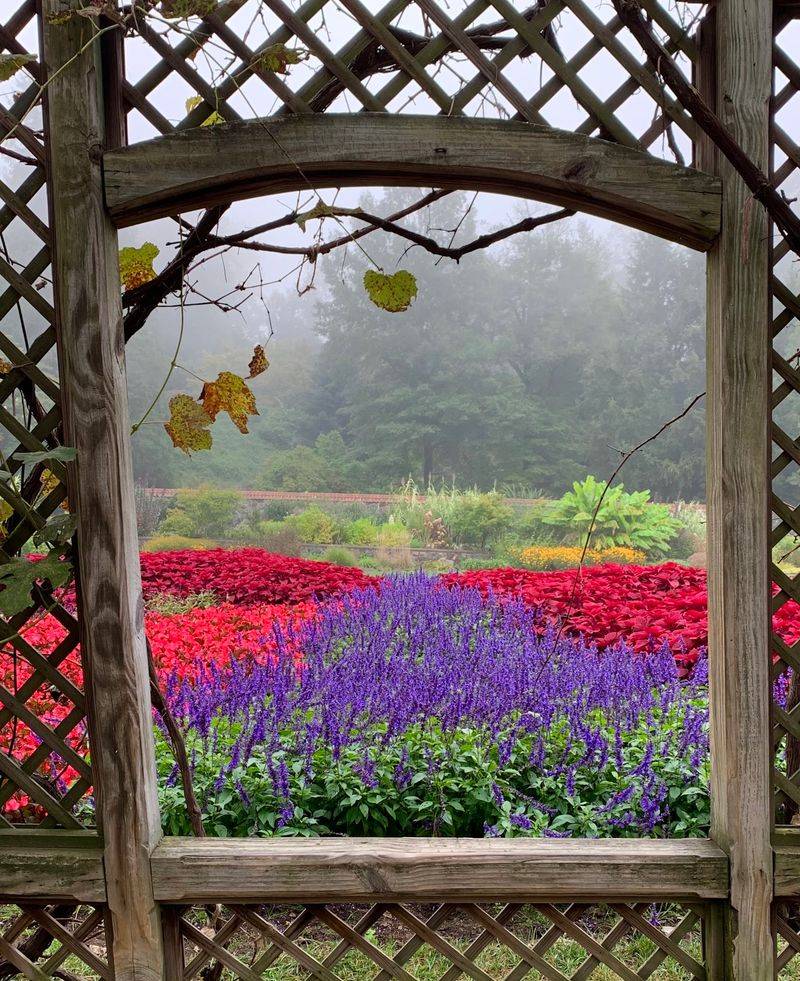
Numbers can sound abstract until you stand beside row after row of blossoms and realize how full the garden feels.
Two thousand roses do not bloom as one mass, because the garden is arranged to show contrast, rhythm, and surprise.
Older rose classes share space with modern favorites, so visitors can compare styles that look tidy, romantic, bold, or dramatic.
Some beds feel soft and storybook pretty, while others have stronger colors that catch your attention from several steps away.
That big number also means the display changes as you move, which keeps the experience lively instead of looking repetitive.
Garden lovers may enjoy spotting favorite varieties, but casual visitors usually love that there is always more to see ahead.
Peak bloom days bring the richest show, yet even lighter weeks can still reveal color to make a visit satisfying.
Reading plant labels adds a layer of fun, especially if you like learning names, colors, and habits as you walk.
Kids often respond to the sheer amount of flowers first, then start noticing shapes, thorns, and hidden buds nearby too.
Seeing thousands of roses inside one carefully planned space turns a nice garden stop into a standout estate experience easily.
History Framed by Formal Design
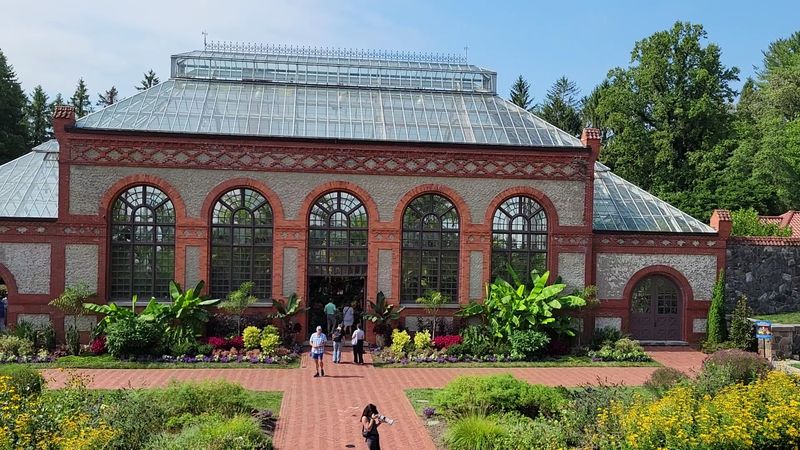
Grandeur shows up in the layout before you study flowers, because the garden was planned to match an extraordinary home.
Frederick Law Olmsted’s influence can be felt in the balance between formal order, open views, and inviting paths for visitors.
Inside America’s largest estate, the rose garden feels like a carefully polished outdoor room rather than a random planting area.
The lower section of the Walled Garden holds the rose display, giving it structure, shelter, and a sense of symmetry.
A double arch and a maypole help the space feel rooted in another era, which adds charm beyond the blooms.
History fans appreciate that the planting style reflects how the Vanderbilts lived here, blending decoration, status, and everyday pleasure then.
Visitors heading to Biltmore Rose Garden, 15 The Glen Rd, Asheville, NC 28803, quickly notice how thoughtfully everything fits together.
Even people who know little about garden design can sense that every border, path, and viewpoint was placed with care.
The result feels elegant without becoming stiff, which makes the garden easy to enjoy whether you love history or flowers.
Standing here connects beauty with the larger estate story, and that mix gives the experience more depth than color alone.
Catch the Best Bloom Window
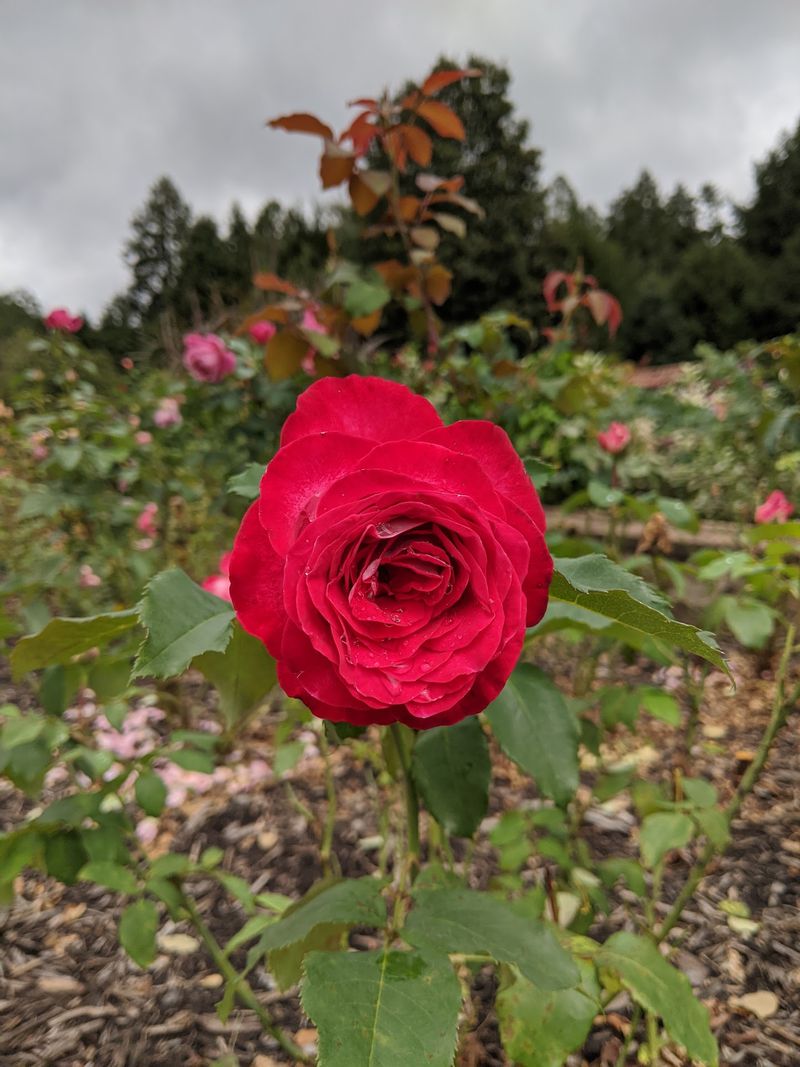
Timing can shape your whole visit, especially with roses, because bloom cycles shift and no two weeks look exactly alike.
Spring and early summer usually bring the fullest display, with many visitors calling those months the most rewarding for walks.
Warm sunshine helps buds open, but recent weather still matters, so checking seasonal updates before your trip is smart today.
A late spring visit often delivers strong color and fragrance, while summer can offer richer fullness across the beds easily.
Fall can still be lovely, though some areas may be between cycles, with fewer flowers and more to notice around.
Morning visits are great for cooler temperatures, softer light, and quieter paths before the busiest crowds fill the garden later.
Reviews often suggest coming early if photos matter to you, since popular bloom days can become busy very quickly here.
Weekday hours run longer than weekend hours, so planning around the schedule can help you enjoy a less rushed pace.
Comfortable shoes, water, and sunscreen make a difference during warmer months, because the grounds invite more walking than expected sometimes.
Picking the right season will not guarantee perfection, but it improves your chances of seeing the garden at its peak.
Plan Your Time Like a Pro
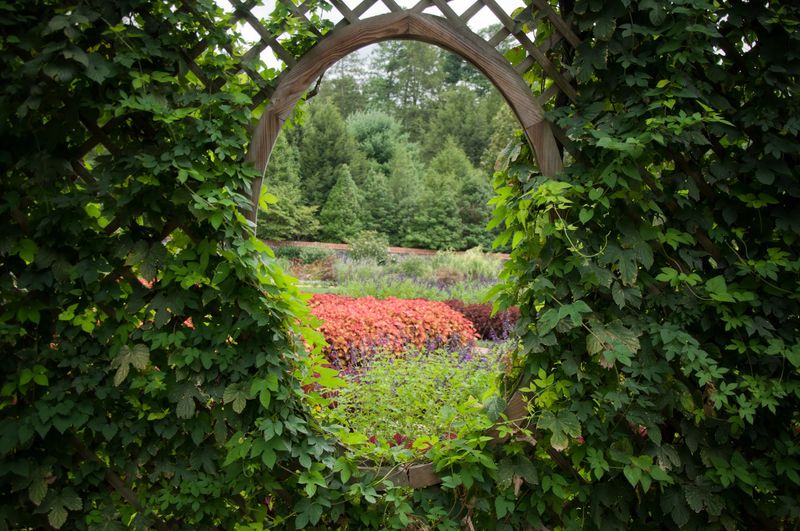
Planning goes a long way here, because the estate is big and garden time can disappear faster than expected there.
Start early if you want the calmest experience, especially when the weather is nice and bloom season is strong outside.
Give yourself more than a quick stop, since many visitors wish they had time to sit, stroll, and look closely.
If your day includes the house and grounds, consider slowing down here instead of rushing from one attraction to another.
Restrooms and light food options nearby can help, but bringing water is still a smart move on warm days outside.
Parking and walking choices matter more than first timers expect, so comfortable shoes can save your mood later on days.
A bench break in the middle of your visit can help you notice the garden’s scents, colors, and breeze better.
Travelers on a budget should remember that estate admission covers more than one feature, making advance planning extra helpful beforehand.
Families may want snacks, shade breaks, and a slower route, while serious gardeners might prefer labels and lingering observation instead.
Treating the rose garden as part of your day, not a side stop, usually leads to a better experience overall.
Quiet Corners and Photo Magic
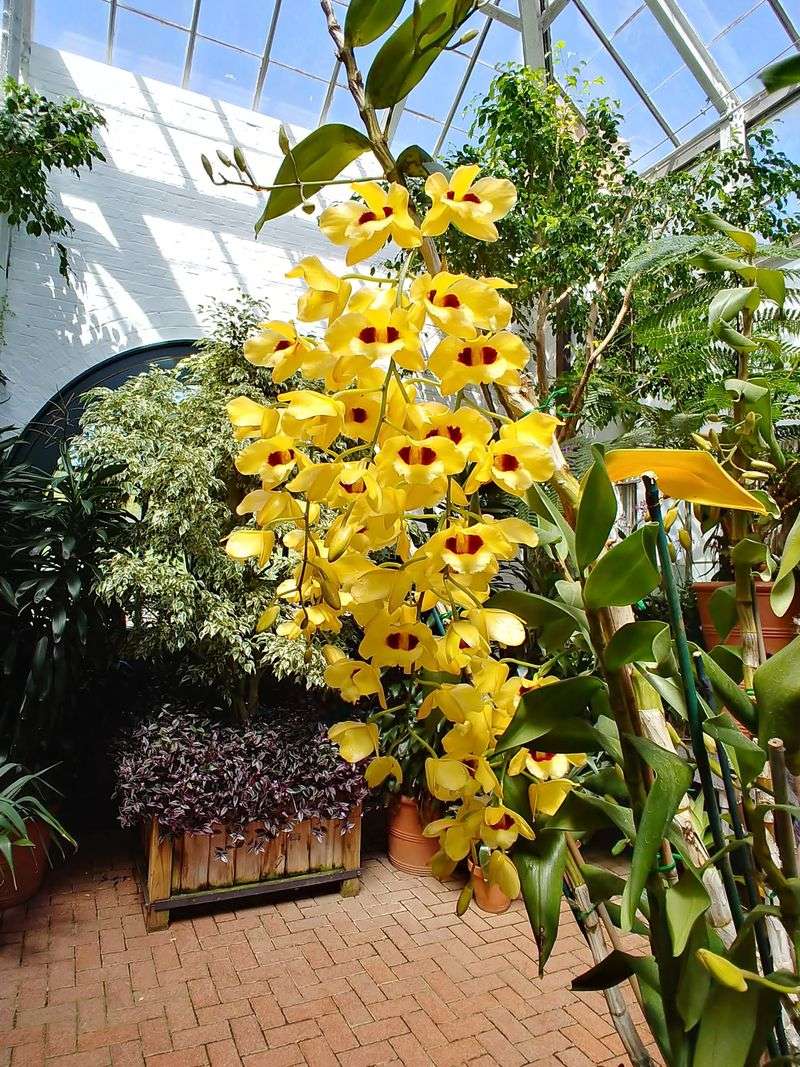
Some places make you talk louder, but a rose garden often does the opposite and lowers the noise around you.
That quiet feeling is one reason the space works so well for photography, sketching, or simply sitting still nearby today.
Early light can make petals glow, while later hours may bring deeper color and stronger contrast in pictures outdoors naturally.
The double arch, formal beds, and long paths give photographers lines that help frame both close shots and wide views.
Visitors who are not taking photos still benefit, because the layout naturally creates little corners where you can pause unnoticed.
Benches turn those quiet moments into longer breaks, which is helpful if you want to read, journal, or breathe deeply.
Even on busier days, the garden’s size lets people spread out enough to find their own peaceful pocket nearby easily.
Cloudy skies can actually help flower photos, since softer light shows petal detail without harsh glare or deep shadows anywhere.
If you bring kids, turning the walk into a photo hunt can keep them engaged without rushing the adults nearby.
Few backdrops feel as naturally polished, which explains why so many visitors leave with favorite pictures from this part alone.
Follow the Fragrance
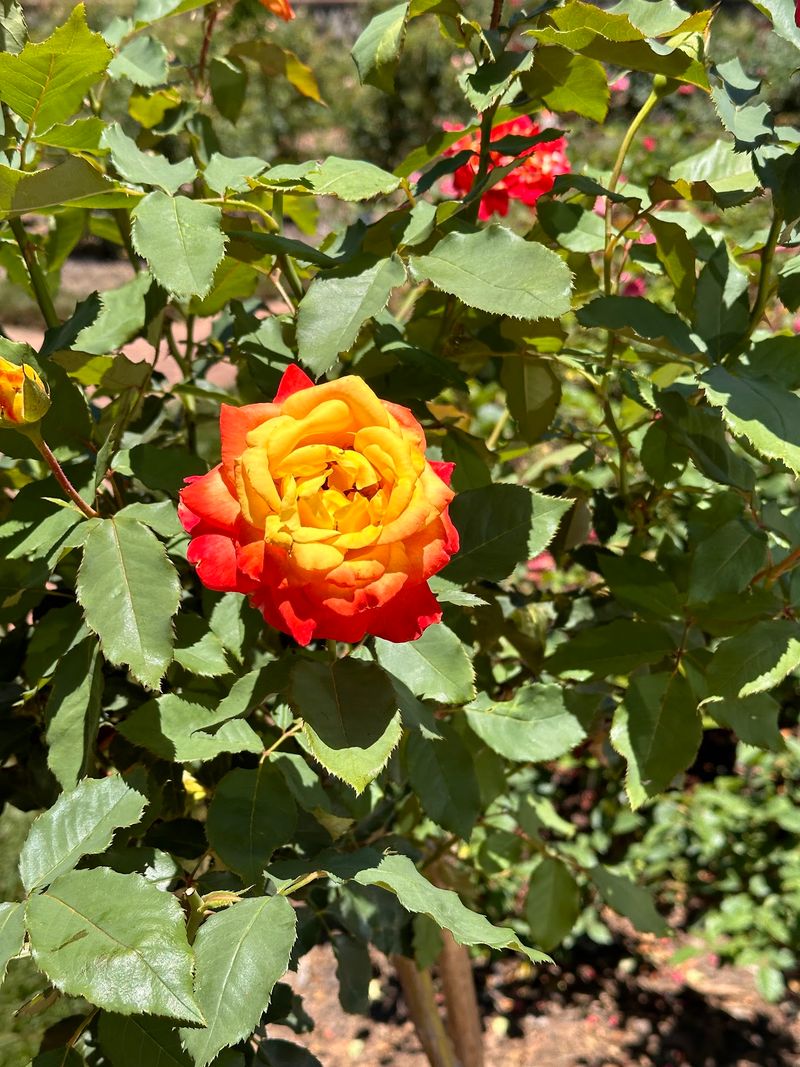
Before you identify a single variety, your nose often notices the garden first, which makes the whole visit feel personal.
Roses here do not all smell the same, and that difference turns a simple walk into a small discovery game.
Some blooms carry a rich, classic perfume, while others feel lighter, sweeter, or a bit fruitier in the air around.
Warm afternoons may strengthen the scent, but cooler mornings can make each stop feel fresher and more comfortable overall outside.
Bees, leaves, gravel paths, and moving air add subtle background details that make the experience feel alive instead of staged.
People who usually rush through gardens often slow down here because fragrance invites lingering in a way signs cannot alone.
If allergies are a concern, taking your time and stepping aside when scents feel strong can make the visit easier.
Kids may enjoy comparing which flowers smell best, turning the stroll into a simple game with no extra cost involved.
Gardeners can also learn by noticing how scent often matches bloom shape, color intensity, and age of the flower nearby.
Long after photos fade into your phone, the memory many people keep most clearly is still the smell itself there.
Reasons People Return
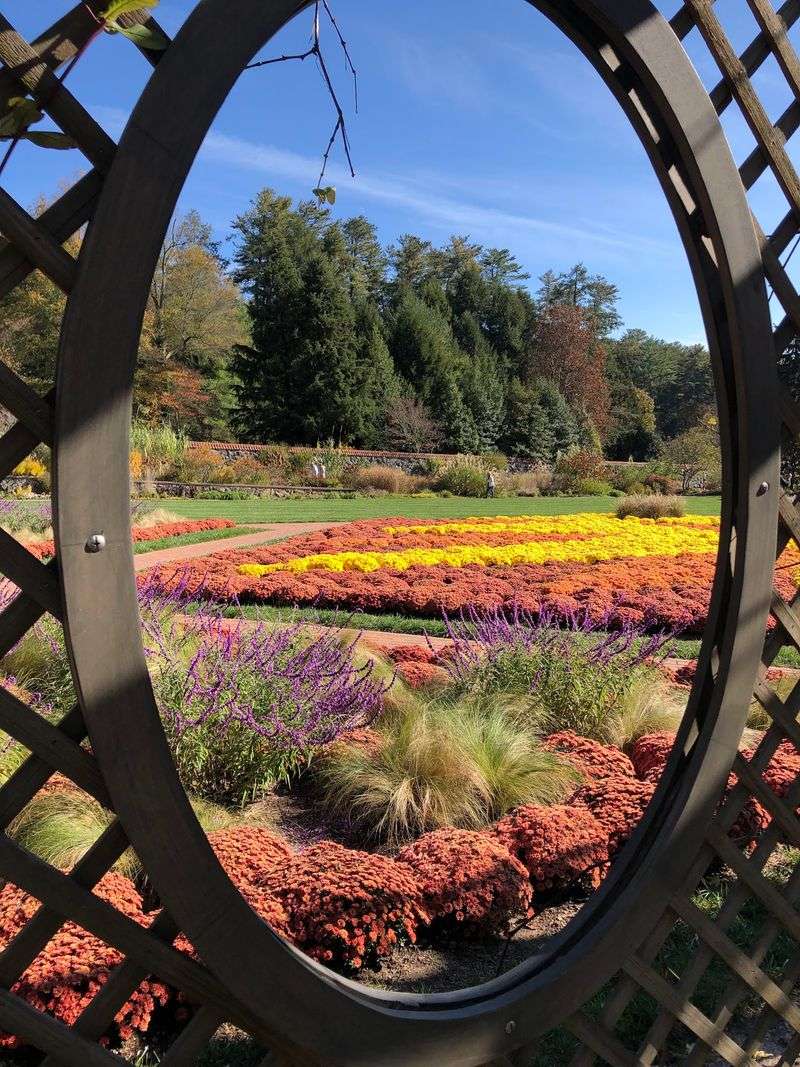
A place earns repeat visits when it offers more than one good moment, and this garden keeps doing exactly that.
One trip may be about peak bloom, while another might focus on quiet benches, changing seasons, or better photos outside.
Strong reviews often mention fragrance, careful upkeep, and the soothing effect of walking among so many flowers slowly today there.
Even visitors who arrive in a weaker bloom window usually say the space still feels beautiful and memorable somehow anyway.
The garden also works for different travel styles, from bucket list sightseers to serious plant lovers and casual strollers alike.
Because the setting is tied to an estate experience, the roses feel like a highlight rather than a standalone stop.
Practical travelers should remember that value depends on pacing, so giving the garden proper time makes the ticket feel better.
Return visits can reveal new varieties, different weather moods, and small details that first timers often miss completely at first.
For anyone who loves flowers, history, or peaceful walks, the rose garden manages to satisfy all three at once nicely.
That lasting appeal is why so many people recommend it, and why one visit often turns into future plans easily.