Forget boring rest stops because Massachusetts is packed with roadside surprises that deserve a spot on your summer itinerary.
Around the next bend, you might find a house built from newspapers, a towering milk bottle, or a mysterious field filled with toy horses waiting to steal the show.
These attractions prove that the best road trips aren’t always about reaching the destination. Sometimes the most memorable moments happen when you pull over for something wonderfully unexpected and leave with a camera full of photos and a story no one will believe.
Summer brings these quirky landmarks to life, with blooming gardens, sunny skies, and plenty of chances to stretch your legs between scenic drives. Every stop offers its own mix of local history, offbeat charm, and pure fun.
Pack some snacks, grab your favorite playlist, and hit the road.
These 10 unforgettable Massachusetts roadside attractions will make every mile feel like part of the adventure.
The Paper House (Rockport)
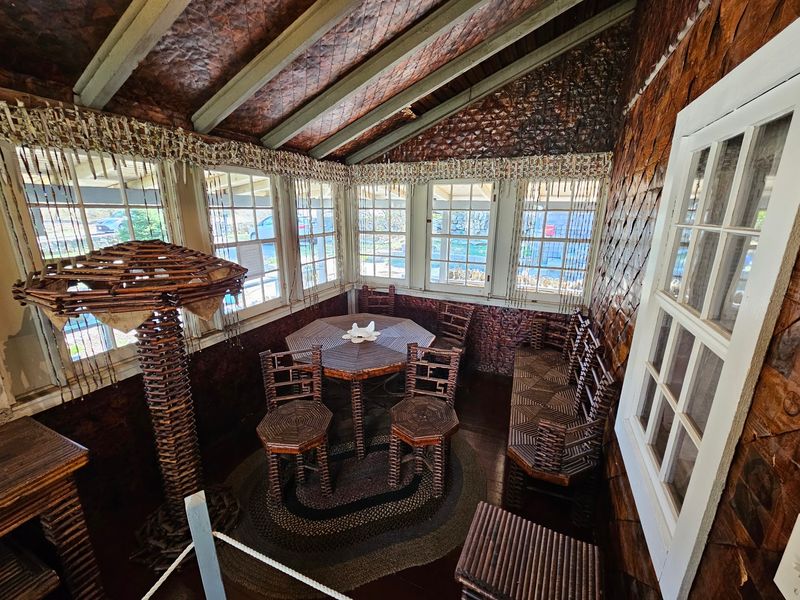
Picture a house where the walls tell stories, literally. Built between 1922 and 1924 by mechanical engineer Elis F.
Stenman, this remarkable structure uses over 100,000 newspapers as its primary building material. What started as a summer hobby turned into one of New England’s most famous oddities.
The newspapers aren’t just wallpaper. They’re layered, varnished, and rolled into logs that form the actual walls, creating insulation that still works today.
Even the furniture, including a desk, chairs, and a piano, is crafted from carefully folded and glued newspapers.
Visitors can read headlines from the 1920s right on the walls, offering glimpses into history through sports scores, political events, and local news from a century ago. The house survived because newspaper, when properly treated, becomes incredibly durable.
Located in the charming seaside town of Rockport, this attraction proves that one person’s recycling project can become a legendary roadside stop. It’s a quick visit that leaves a lasting impression on everyone who sees it.
Ponyhenge (Lincoln)
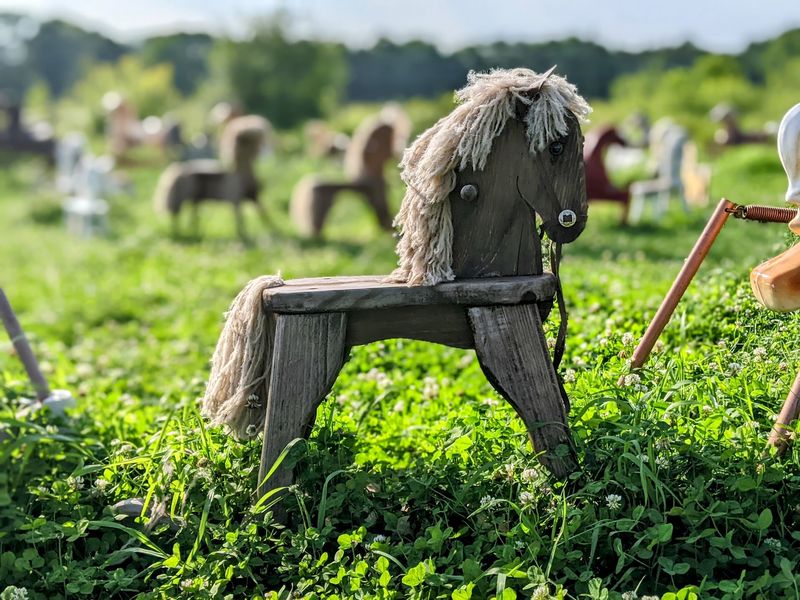
Nobody knows who started it, and that’s part of the magic. Sometime around 2010, plastic toy horses began appearing in a field along Route 2A in Lincoln.
What began with just a few ponies has grown into a herd of dozens, sometimes hundreds, depending on when you visit.
The installation changes constantly because visitors add their own contributions or rearrange existing horses into new patterns. Some days they form circles, other times they line up like soldiers, and occasionally they create elaborate scenes that suggest someone spent hours on the arrangement.
Parents often bring their kids’ old toy horses to add to the collection, turning childhood memories into part of this ever-evolving outdoor gallery. No fences surround it, no signs explain it, and no admission fee is required.
This mysterious attraction represents the best kind of community art project, one where everyone participates without rules or instructions. Stop by during different seasons and you’ll never see exactly the same thing twice, making each visit a brand new surprise.
Yankee Candle Village (South Deerfield)
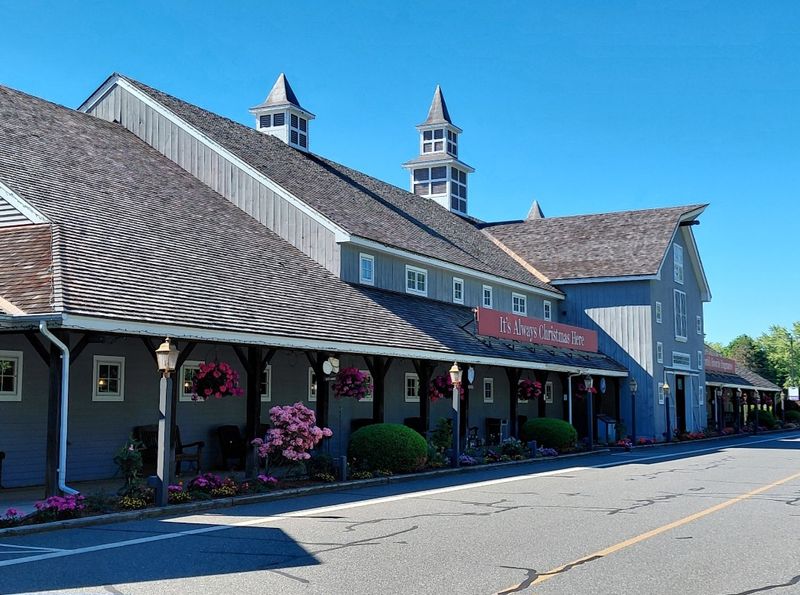
Calling this place just a candle store would be like calling the Grand Canyon just a hole in the ground. Yankee Candle Village sprawls across a massive complex that feels more like a theme park than a shopping destination.
The moment you walk through the doors, you’re greeted by the famous scent wall where hundreds of candles release their fragrances into the air.
Inside, you’ll discover an indoor Christmas village that operates year-round, complete with animated elves, falling snow, and holiday music that makes July feel like December. Kids especially love the candy shop filled with handmade fudge, old-fashioned sweets, and treats you won’t find in regular stores.
Multiple themed rooms showcase different home decor styles, and the interactive candle-making demonstrations teach visitors how these popular products are created. The village also includes restaurants, a toy shop, and seasonal outdoor gardens.
Families driving through western Massachusetts often plan their trips around this stop because there’s genuinely something for everyone, whether they love candles or not. It’s become a destination unto itself.
Bridge of Flowers (Shelburne Falls)
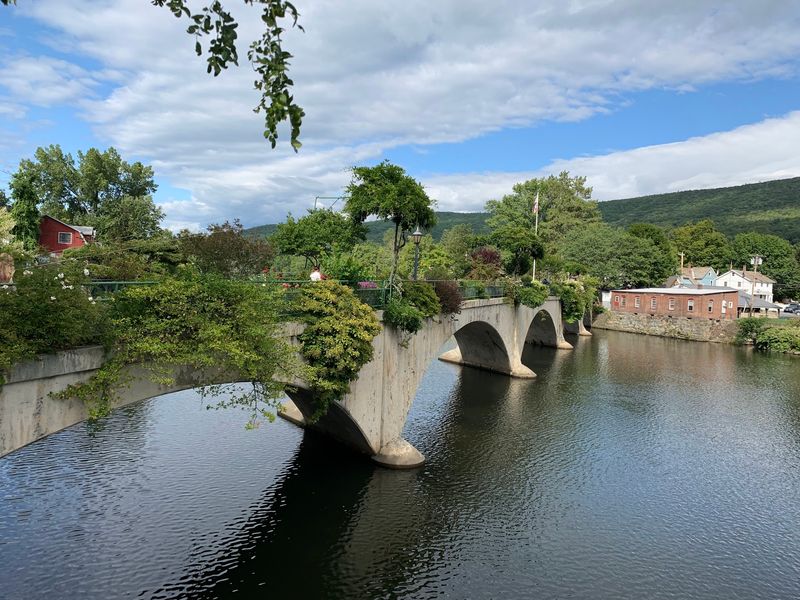
Imagine transforming an abandoned bridge into a 400-foot-long garden bursting with color. That’s exactly what the Shelburne Falls Women’s Club did in 1929 when they decided the old trolley bridge deserved better than decay.
Today, it’s one of the state’s most photographed summer destinations.
Volunteers plant and maintain over 500 varieties of flowers, shrubs, and vines that create a spectacular display from April through October. Peak bloom happens in midsummer when everything explodes in a riot of reds, purples, yellows, and pinks that cascade over the bridge’s sides.
Walking across feels like strolling through a secret garden suspended over the Deerfield River. The vintage lampposts add charm, and benches along the way let you pause and soak in the beauty.
Admission is free, though donations help maintain this volunteer-run treasure.
Before you visit, check local sources for any seasonal maintenance schedules or restoration work that might affect access. The bridge occasionally closes for repairs, but when it’s open, it’s absolutely worth the detour to this artistic community.
Dr. Seuss National Memorial Sculpture Garden (Springfield)
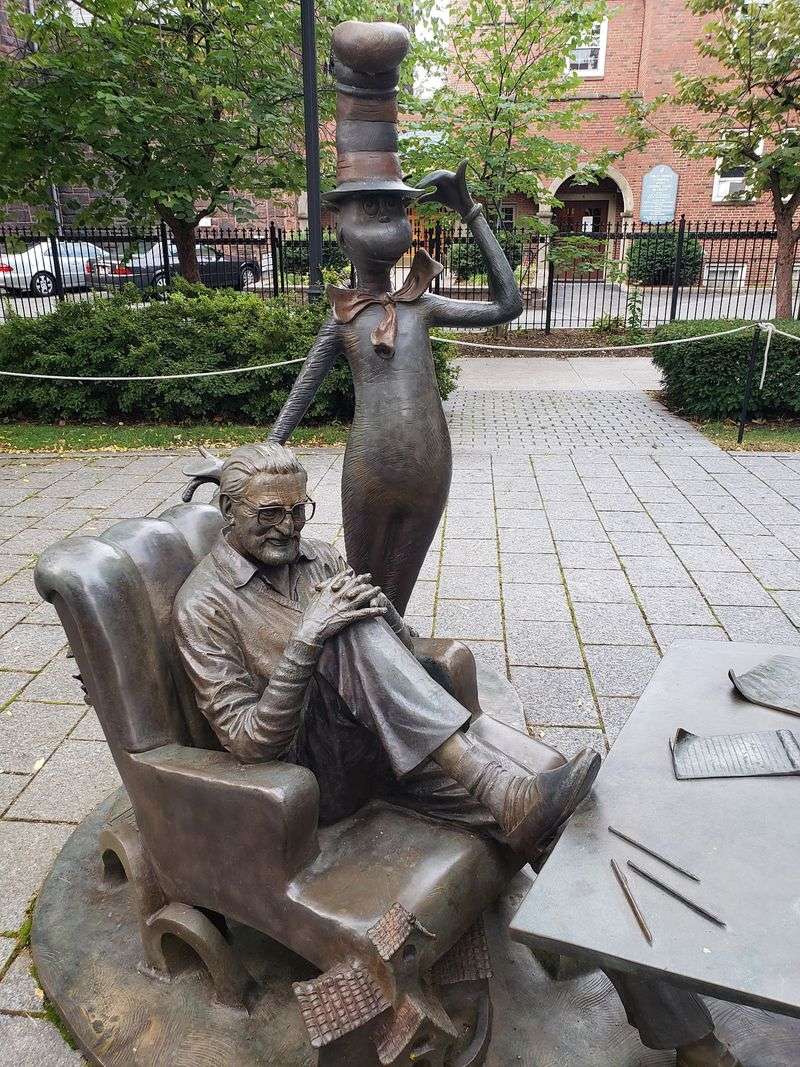
Springfield native Theodor Geisel, better known as Dr. Seuss, created some of children’s literature’s most beloved characters. This sculpture garden honors his legacy with bronze statues that bring the Cat in the Hat, Horton the Elephant, the Lorax, and other favorites to three-dimensional life.
Located in the Quadrangle area of Springfield, the garden features life-sized sculptures you can touch, pose with, and photograph. The centerpiece shows Dr. Seuss himself at his drawing desk, surrounded by the characters he created.
Each sculpture captures the whimsy and imagination that made his books timeless classics.
Families with young children find this stop especially magical because kids can interact with characters they know from bedtime stories. The garden is free to visit and sits near other museums and attractions, making it easy to combine with a longer Springfield visit.
Reading level plaques tell stories about Geisel’s childhood in Springfield and how the city influenced his work. You might spot familiar buildings and landscapes that appeared in his illustrations, connecting his fiction to real places you can still visit today.
Hood Milk Bottle (Boston)
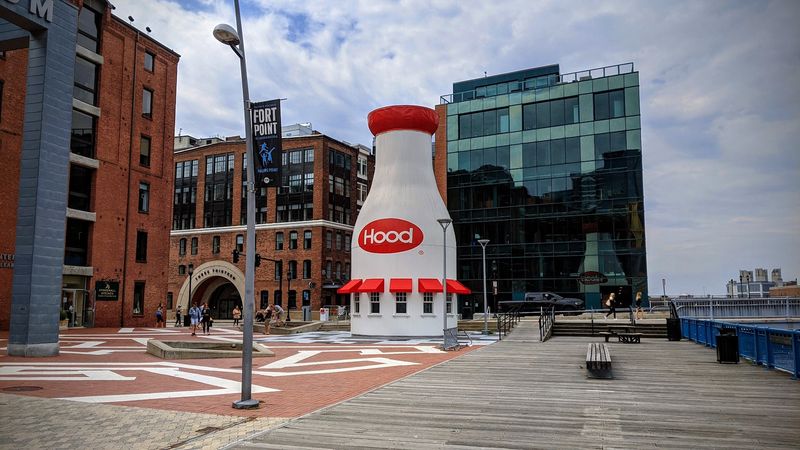
Standing 40 feet tall and originally built in 1933, this enormous milk bottle has been serving snacks near Boston’s waterfront longer than most people’s grandparents have been alive. It’s become such an iconic part of the city skyline that locals use it as a landmark when giving directions.
The bottle represents a golden age of American roadside architecture when businesses competed for attention with outrageous buildings shaped like their products. Originally located in Taunton, it was moved to its current home outside the Boston Children’s Museum in 1977 and restored to its former glory.
During summer months, the bottle operates as a food stand selling ice cream, hot dogs, and beverages to museum visitors and passersby. The classic design and vintage lettering make it one of the country’s best-preserved examples of novelty architecture.
Kids love the sheer size of it, adults appreciate the nostalgia, and photographers can’t resist capturing this quirky landmark. Whether you’re visiting the museum or just walking along the Fort Point Channel, this bottle remains one of Boston’s most charming and unexpected roadside attractions.
Nash Dinosaur Tracksite & Rock Shop (Granby)

Real dinosaurs walked through what’s now Massachusetts about 200 million years ago, and this family-run site proves it. The Nash family has been sharing these prehistoric treasures with visitors since the tracksite’s discovery, offering an up-close look at genuine Jurassic footprints frozen in stone.
Unlike museum displays behind glass, these tracks sit in their natural setting where ancient creatures left them. You can see the three-toed impressions of theropods and the larger prints of massive herbivores that once roamed this landscape when it looked completely different.
The rock shop displays additional fossils, minerals, and dinosaur-related souvenirs that range from serious scientific specimens to fun toys for kids. Life-sized dinosaur sculptures scattered around the property help visitors imagine what these extinct animals looked like when they made the tracks.
Knowledgeable guides explain how the tracks were formed, preserved, and discovered. They’ll show you how to identify different species based on footprint shapes and sizes.
For dinosaur enthusiasts of any age, this authentic paleontological site offers something you simply can’t experience through books or screens alone.
Bicentennial Giant Chair (Gardner)
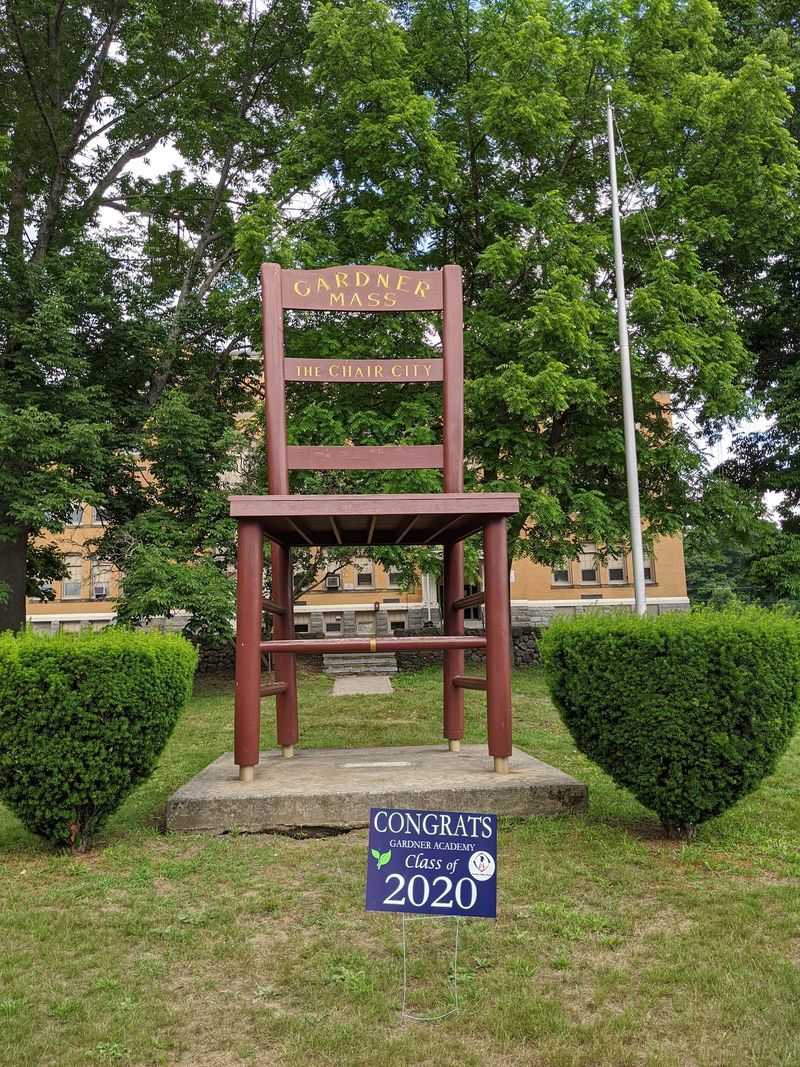
Gardner earned the title “Chair City of the World” through decades of furniture manufacturing excellence, and this massive monument makes sure nobody forgets it. Built in 1976 to celebrate America’s Bicentennial, the chair towers more than 20 feet high and weighs several tons of solid wood craftsmanship.
The original chair was so popular that when it eventually deteriorated, the community demanded a replacement. The current version, installed in 1985, sits prominently where Route 68 meets Route 101, impossible to miss and perfect for photos.
It’s built in the classic ladder-back style that made Gardner famous.
Visitors can’t sit in it (you’d need a ladder just to reach the seat), but standing next to it for scale makes for hilarious pictures. The chair represents civic pride in local industry and craftsmanship that defined the town for generations.
While Gardner’s furniture manufacturing has declined from its peak, this oversized symbol remains a beloved landmark. It’s a quick stop that celebrates working-class heritage through something both monumental and charmingly simple, making it one of New England’s most memorable roadside icons.
Clyde the Toy Town Horse (Winchendon)
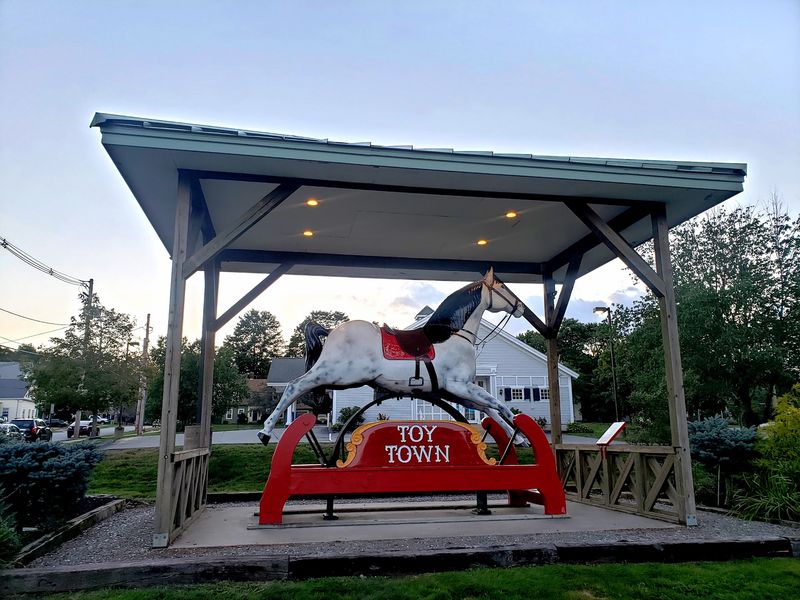
Winchendon became known as “Toy Town” because of its thriving toy manufacturing industry, and Clyde serves as the town’s larger-than-life mascot. This enormous wooden rocking horse stands four times bigger than the original toy it’s based on, a popular product made by local toy companies over a century ago.
Protected under a covered pavilion near the intersection of Routes 12 and 202, Clyde has welcomed visitors since the early 1900s, though he’s been rebuilt and restored several times over the decades. The craftsmanship showcases traditional woodworking skills that made the town’s toy industry successful.
Unlike many roadside attractions that feel like tourist traps, Clyde represents genuine local history and community identity. The town’s toy-making heritage, while not as dominant as it once was, still resonates through this charming landmark.
Families especially enjoy stopping for photos with Clyde during summer road trips through central Massachusetts. The horse’s friendly face and impressive size make it instantly appealing to children who love the idea of a toy big enough to see from the highway, turning it into one of the state’s most distinctive and endearing roadside treasures.
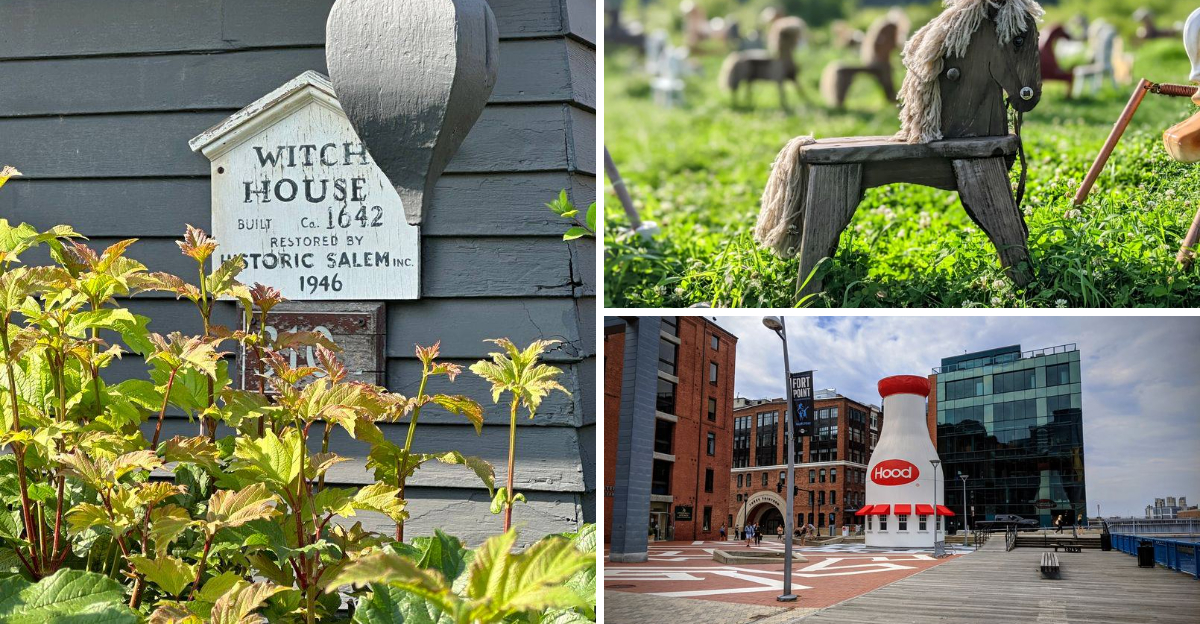
The Witch House (Salem)
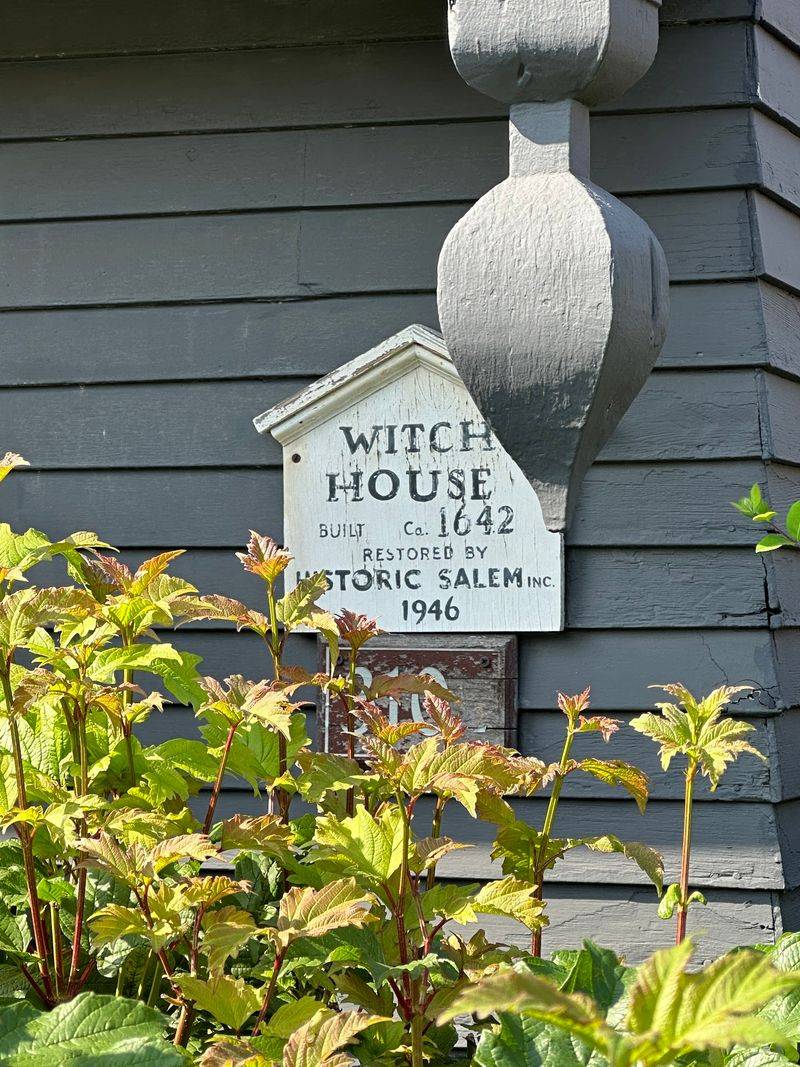
Built around 1675, this dark wooden house carries the distinction of being the only surviving structure with direct connections to the Salem Witch Trials of 1692. Judge Jonathan Corwin lived here and conducted preliminary examinations of accused witches in these very rooms, making it one of America’s most historically significant buildings.
The distinctive colonial architecture, with its steep gables and overhanging second story, represents classic 17th-century New England construction. While Salem has many witch-themed attractions, this one offers authentic history rather than Halloween entertainment.
Walking through the restored rooms gives visitors a genuine sense of daily life during that dark period.
Period furnishings and interpretive displays help explain both the witch trials and typical colonial household practices. The house stands as a sobering reminder of mass hysteria’s dangers while showcasing architectural preservation at its finest.
Salem gets crowded in October, but summer visits offer a more relaxed experience with shorter lines and easier parking. The house draws visitors year-round who want to understand this tragic chapter in American history through the actual spaces where it unfolded, making it both a roadside attraction and an essential educational destination.