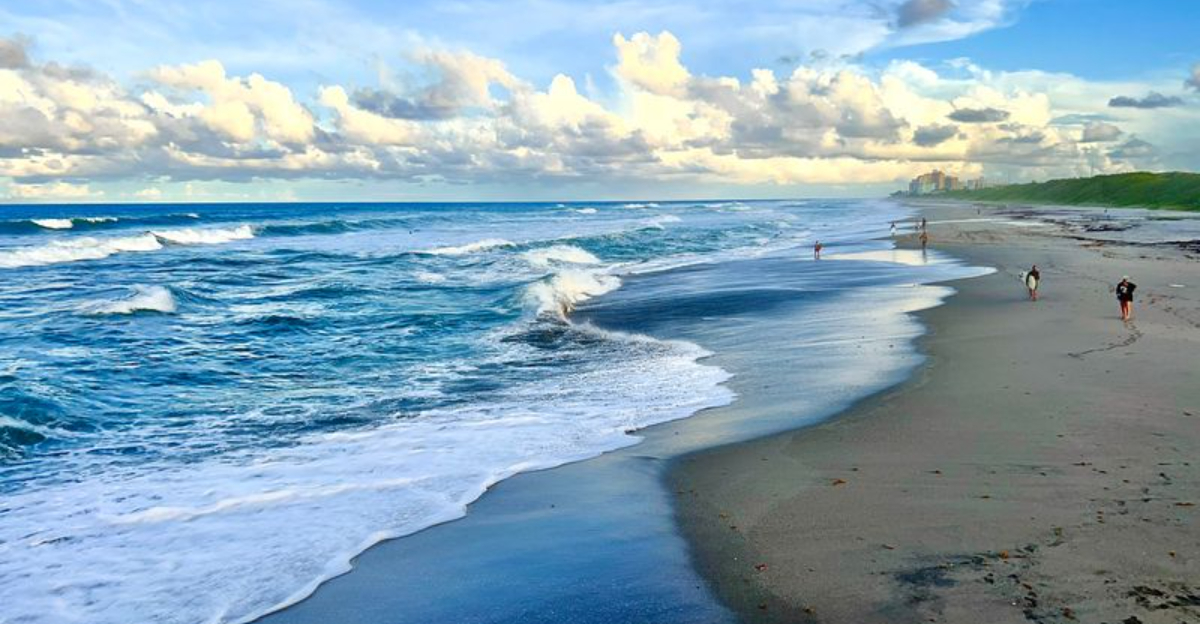
A Florida beach can look completely peaceful from the shoreline, with bright skies, warm sand, and gentle waves rolling in. But beneath that beautiful surface, changing currents, sudden drop-offs, and powerful water movement can create conditions that deserve attention.
Florida beaches attract millions of visitors with their clear views, coastal wildlife, and unforgettable ocean scenery. From Atlantic stretches shaped by strong waves to Gulf shores influenced by shifting conditions, these destinations offer incredible experiences while reminding visitors that the ocean always deserves respect.
Understanding the risks does not take away from the beauty—it helps people enjoy it more. A little awareness can turn a beach day into a safer and more memorable adventure for everyone.
Discover 12 Florida beaches where knowing the water, watching conditions, and respecting the ocean could make all the difference.
Where the inlet keeps changing the rules – New Smyrna Beach
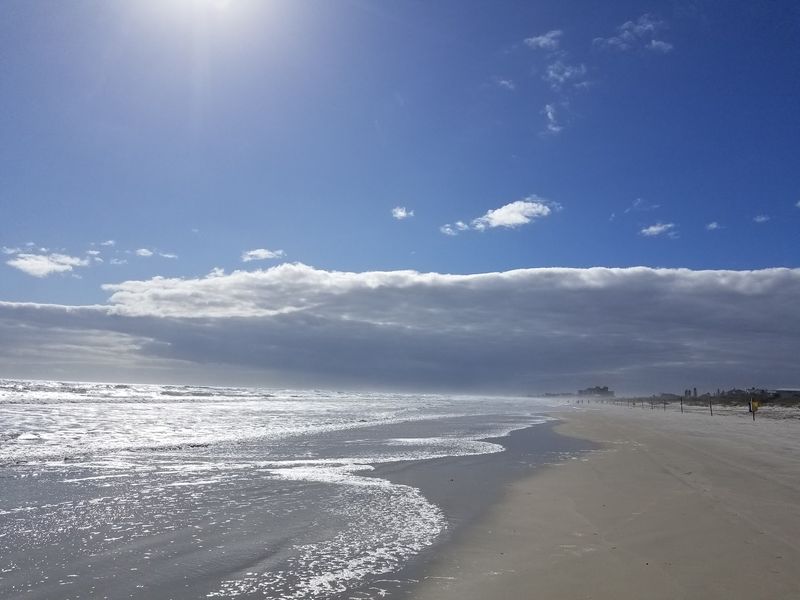
Morning light can make the shoreline look almost friendly, with rolling waves and surfers already chasing the next set. Yet the water here has a restless mood, shaped by currents that shift fast and pull harder than many first-time visitors expect.
At New Smyrna Beach, the area near Ponce de Leon Inlet is known for strong flow, rough surf, and frequent rescues. People also talk about shark encounters, but everyday swimmers are more often challenged by rip currents, choppy water, and overconfidence.
A smarter beach day starts with small choices. Swim near lifeguards, keep kids close, and avoid the inlet zone when the water looks active.
If caught in a rip current, stay calm, float, and swim parallel to shore.
Afterward, dry off and grab fish tacos along Flagler Avenue. The beach is beautiful, but it asks for attention, not assumptions.
A quiet boardwalk, a busy tide – Smyrna Dunes Park Beach
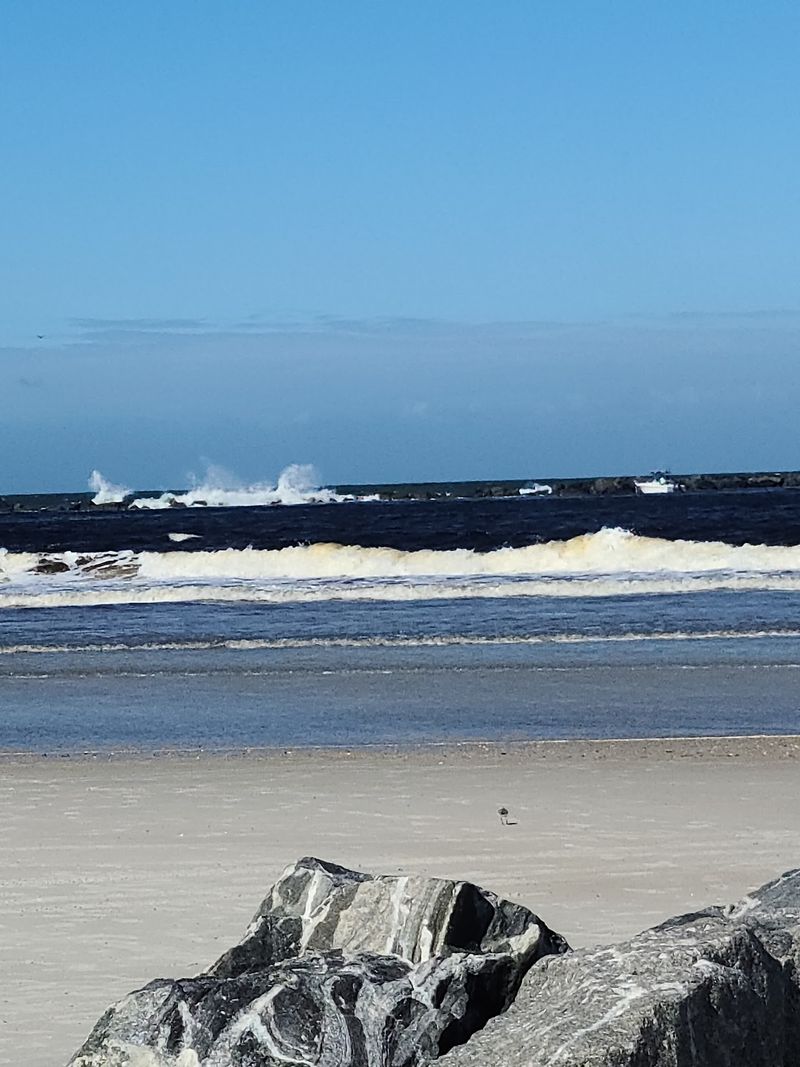
From the boardwalk, everything looks peaceful. Dunes rise softly, the breeze smells clean, and the meeting of river and ocean seems almost gentle from a distance.
That calm first impression can fool people into forgetting how quickly moving water changes near an inlet.
Smyrna Dunes Park sits where several waterways come together, and that mix creates complicated currents and shifting conditions. One stretch may look safe while another nearby pulls strongly, especially when tides are changing and boats are moving through the area.
The best way to enjoy this spot is to treat it like a place for watching first and swimming second. Check posted warnings, notice how the water moves around sandbars, and stay far from areas where currents funnel between open channels.
Bring binoculars for birdwatching and pause for the sweeping views. Around Smyrna Dunes Park, patience often leads to a better day than rushing into the surf.
Near the jetty, the water means business – Ponce Inlet Beach
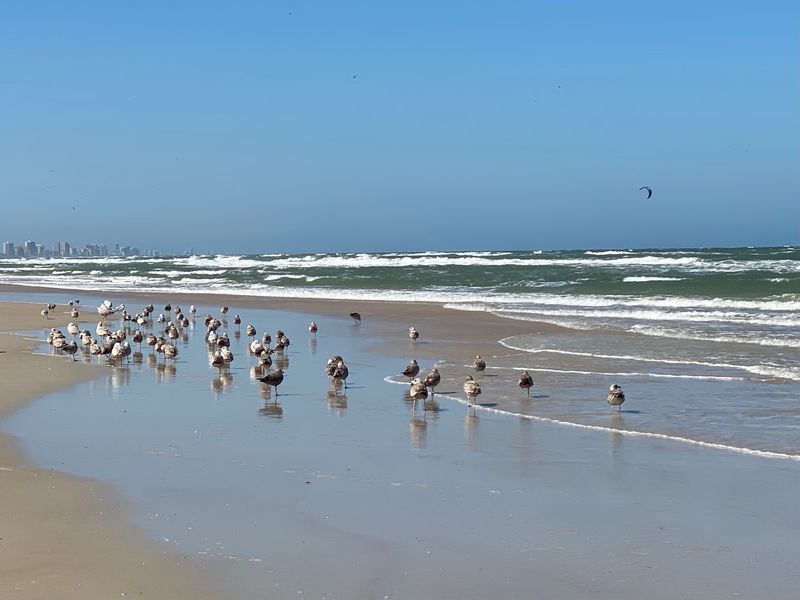
Something about a jetty makes people curious. They walk closer for a better view, watch waves wrap around the rocks, and forget that the same moving water creating that drama can become dangerous in seconds.
Ponce Inlet Beach is a striking place, especially near the jetty areas where tidal flow gets concentrated. Water speeds up around inlets, and swimmers who wander too close may meet currents that feel stronger than expected, even on a bright and breezy afternoon.
Respect here looks simple, but it matters. Keep a healthy distance from the rocks, never assume still-looking patches are harmless, and skip swimming near the inlet mouth.
Shoes help on rough surfaces, and kids need close watching when exploring nearby.
If you want a reward after the caution, the views are excellent. Boats slide past, seabirds circle overhead, and the Ponce setting feels unforgettable when enjoyed from a safe place on shore.
When the current steals the spotlight – Sebastian Inlet State Park Beach
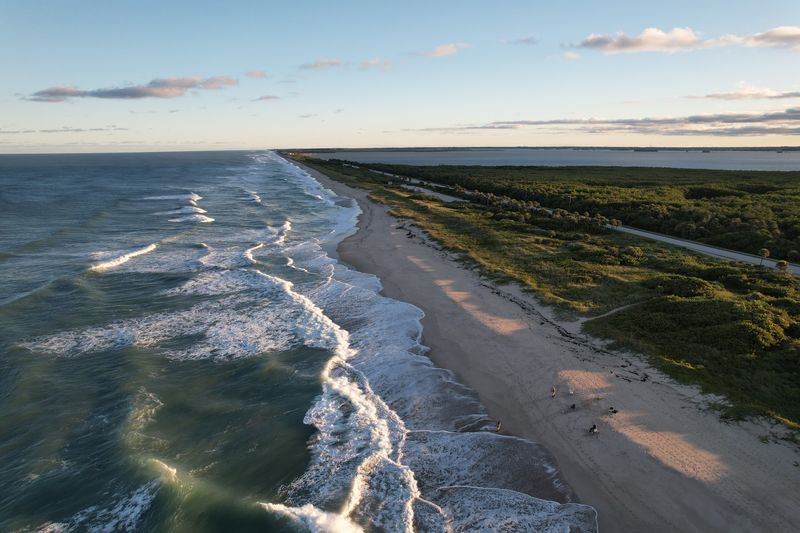
The scene feels electric before anyone even touches the water. Fishermen line the rocks, surfers scan the sets, and the inlet churns with a kind of energy that looks exciting from shore and demanding up close.
Sebastian Inlet State Park is famous for strong tidal movement, and that power is exactly why visitors need care here. Inlets and jetties can create current-heavy zones that pull fast, especially when tides are running hard or waves stack against the flow.
A wise visit starts with reading the beach like locals do. Watch where the water races, avoid swimming near jetty edges, and do not chase floating gear into moving channels.
Even strong swimmers can lose control when current and surf combine.
There is plenty to love without taking risks. The catwalk views are memorable, the fishing culture is part of the charm, and the whole place feels alive when you give the ocean room to lead.
Beside the pier, looks can mislead – Juno Beach
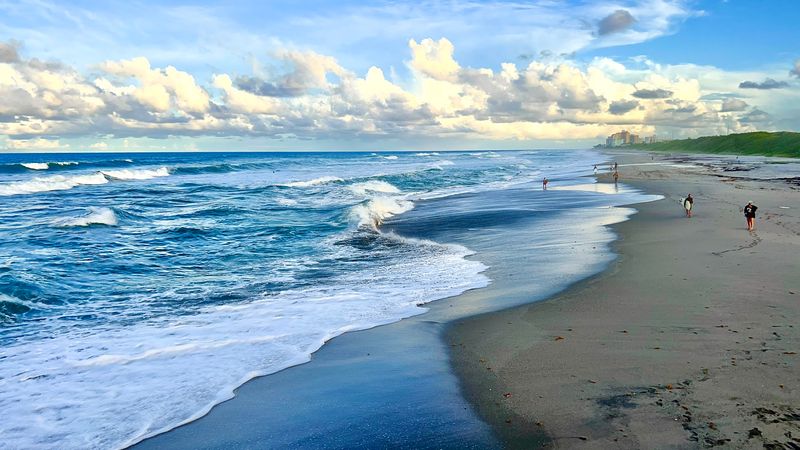
At first glance, the beach seems made for an easy afternoon. The sand is bright, the pier stretches neatly into the Atlantic, and the water can look inviting enough to make people hurry past the safety signs.
Juno Beach has a beauty that hides its rougher side. Currents can build near the pier and nearby channels, and changing conditions may turn a simple swim into a struggle if visitors drift too far from guarded areas.
One of the smartest habits here is slowing down before entering the water. Check the flags, ask a lifeguard how conditions look that day, and keep extra distance from the pier structure where movement and undertow can feel stronger.
After a cautious swim, the setting gives back in quieter ways. Sea grapes rustle along the edge of the sand, anglers cast from Juno Beach Pier, and the whole shoreline feels best when approached with steady judgment.
A beautiful shoreline with a serious streak – Jupiter Beach
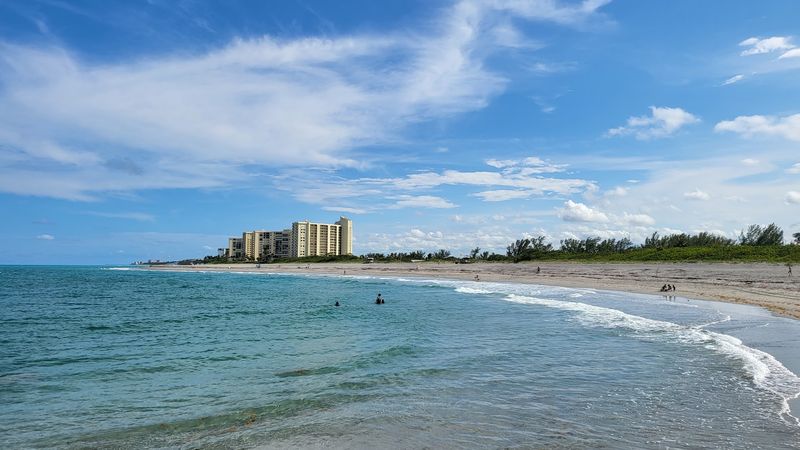
Salt hangs in the air, the sand feels warm under bare feet, and the shoreline seems open and welcoming. Then the surf shifts, a stronger line of water rolls in, and the beach shows that beauty and caution often live together.
Jupiter Beach can change quickly because of coastal currents, storm-driven surf, and the influence of nearby inlets. What begins as playful wave action may become tiring water, especially for children, visitors unused to Atlantic conditions, or anyone swimming alone.
The safest approach is a humble one. Stay near guarded sections, avoid deeper water when the surf grows rough, and pay attention to how fast you drift from your starting spot.
Drifting is often the first clue that stronger movement is building.
Later, the area rewards slower moments. You might spot shorebirds in the wrack line or grab something cold after walking near Jupiter Beach Park.
The ocean here is memorable precisely because it asks for respect first.
Sunshine, space, and a pull beneath it – Haulover Beach
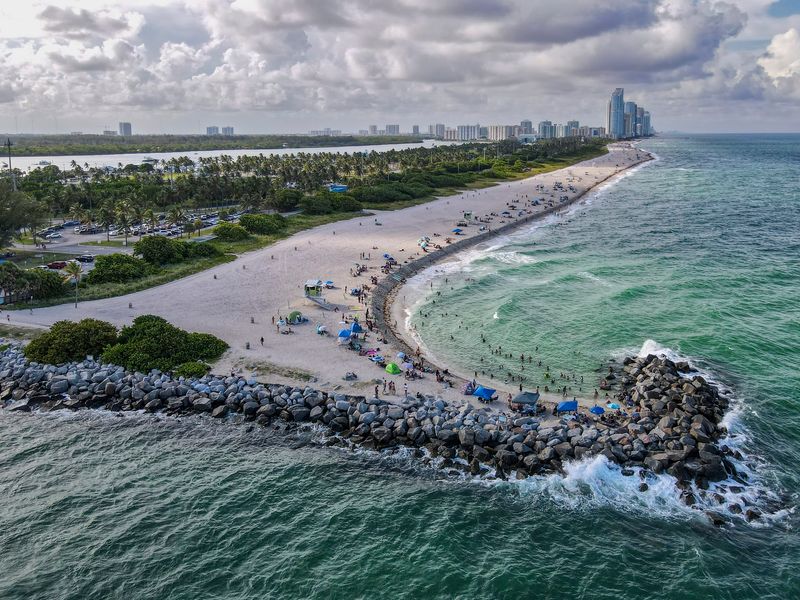
Wide sand and bright sky can create a false sense of ease. People spread out, settle into the day, and often miss the clues that the water nearby is moving with more force than the relaxed beach scene suggests.
Haulover Beach sits close to Haulover Inlet, where strong currents and jetty effects can create dangerous swimming conditions. Areas near inlets often behave differently from the rest of the shoreline, and a few steps in the wrong direction can mean rougher water fast.
Respecting this beach means choosing your spot carefully. Swim far from the inlet and rocks, keep an eye on posted flags, and leave the hero moves behind if the water starts tugging at your legs.
Backing out early is always the better story.
On calmer moments, the long ocean view is striking and the beach feels full of local rhythm. Haulover Beach rewards visitors who notice the details before they rush toward the waves.
At the city edge, the ocean moves differently – South Pointe Park Beach
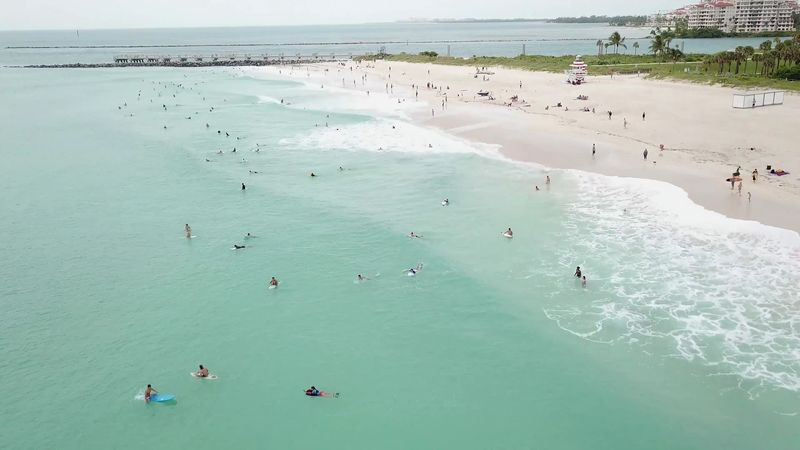
Few places mix postcard beauty and working water quite like this corner of Miami Beach. One minute you are watching a cruise ship glide by, and the next you notice how sharply the sea changes color near the channel.
South Pointe Park Beach sits beside Government Cut, a busy shipping channel where currents and deeper water can create real hazards. The setting feels polished and lively, but the ocean here responds to traffic, depth, and movement in ways casual swimmers may not expect.
A good visit depends on staying alert to location, not just weather. Keep out of areas closest to the channel, follow lifeguard guidance, and avoid treating the shoreline near the rocks like a calm cove.
It is not one.
The walkways, pier views, and passing boats make the area worth lingering over. Seen from dry sand or the path at South Pointe, the water tells a fascinating story without asking you to test it.
More than a postcard strip – Fort Lauderdale Beach
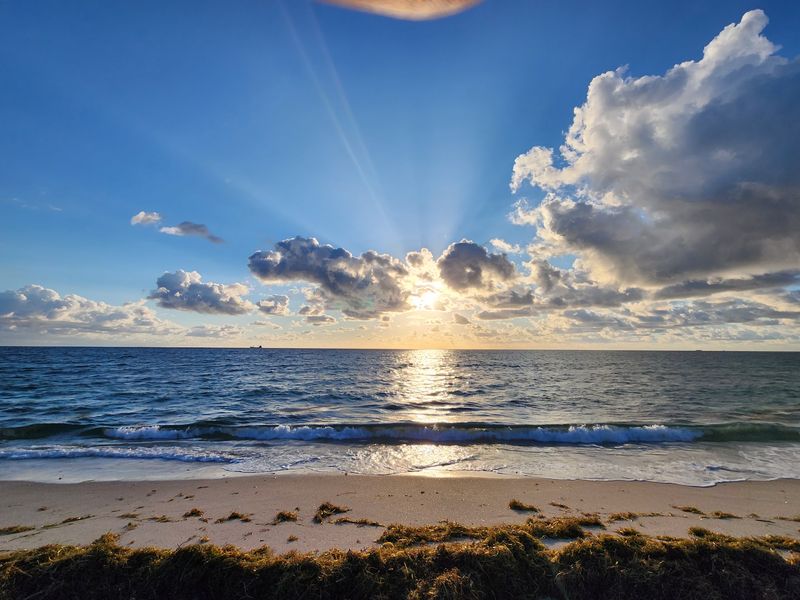
There is a polished shine to this beach, from the neat promenade to the rows of hotels facing the water. Still, beyond that polished front, the Atlantic keeps its own schedule, especially when wind, storms, and boat traffic shape the day.
Fort Lauderdale Beach can face offshore currents, rough surf during changing weather, and added complications from nearby boating activity. Visitors sometimes focus on the lively strip and underestimate how quickly ocean conditions can become tiring or risky, even close to shore.
One helpful habit is checking the flags before setting up your towel. If conditions look rough, keep swims short, stay where lifeguards can see you, and remember that floating toys drift faster than people can chase them.
When the water settles, the beach offers a classic South Florida scene. Early walkers, sea breeze, and cafés along Seabreeze Boulevard give Fort Lauderdale Beach its energy, but wise choices are what keep the day easy.
Calm-looking water can still surprise you – Hollywood Beach
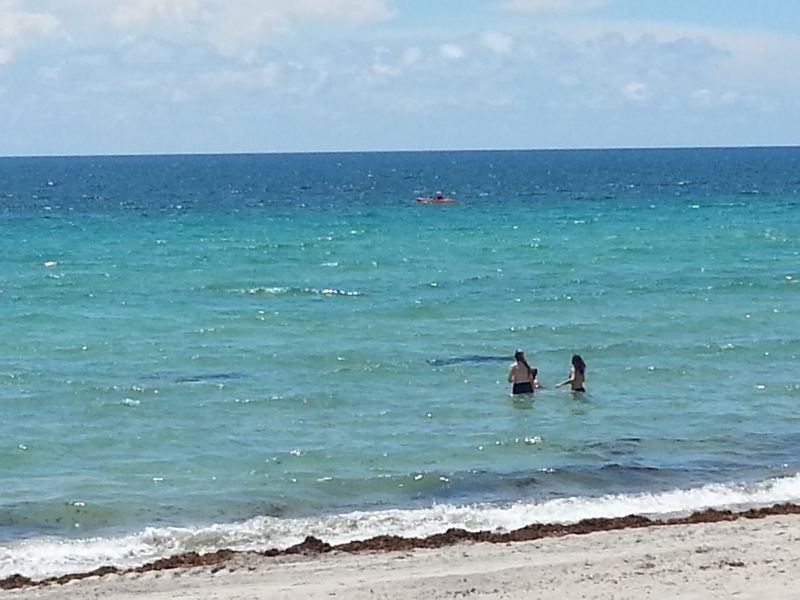
Some beaches look so easy that people lower their guard without realizing it. The shoreline seems smooth, the waves may stay low, and the whole scene feels more like a long exhale than a place where danger could sneak in.
Hollywood Beach often gives that impression, especially near the Broadwalk where the mood is casual and social. But open Atlantic beaches can produce rip currents even when the surface appears manageable, and dangerous swimming zones do not always announce themselves with drama.
The best protection is paying attention before the fun begins. Look for warning flags, note where lifeguards are posted, and avoid entering water where fewer people are swimming.
If you feel a steady pull away from shore, stop fighting straight in and move parallel instead.
Back on land, the Broadwalk brings its own pleasures, from bike rides to quick snacks. Hollywood Beach is lovely, but it favors visitors who stay observant and a little humble.
Remote beauty with fewer second chances – St. George Island State Park Beach
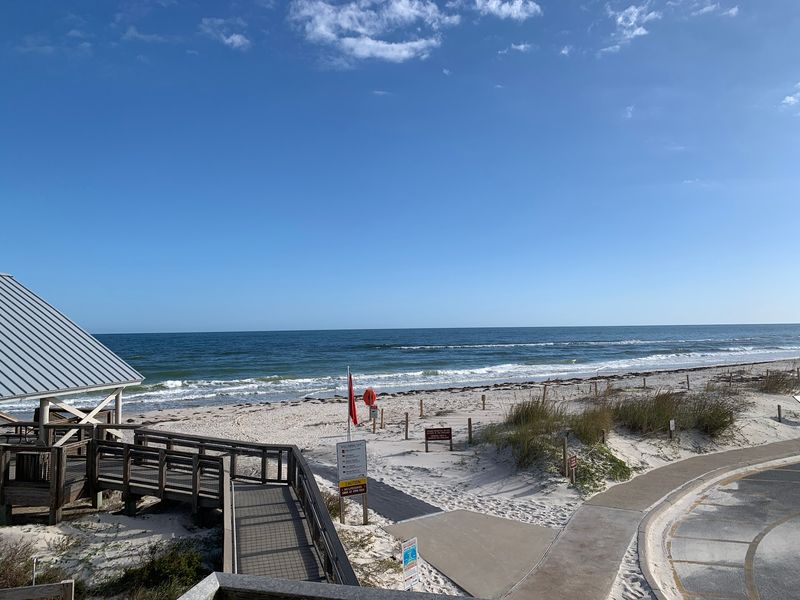
Silence can be one of the most beautiful sounds at a beach. Out here, the shoreline feels open, raw, and wonderfully far from crowds, which also means visitors need to bring more judgment because help is not always close.
St. George Island State Park Beach has a remote Gulf setting with risks that include rip currents, storm-driven surf, and fewer nearby emergency resources. That combination changes the way a smart visitor should think about every swim, especially when conditions look unsettled.
Respecting the ocean here means planning ahead. Check weather before arriving, bring water and shade, avoid swimming alone, and stay conservative if the surf feels stronger than expected.
Remote beaches reward caution because mistakes take longer to fix.
The payoff is a stretch of coast that feels wonderfully untouched. Dunes, birds, and long empty views give St. George Island a quiet power, but the best experiences come from treating isolation as part of the responsibility.
Peaceful at first glance, powerful in motion – Pensacola Beach
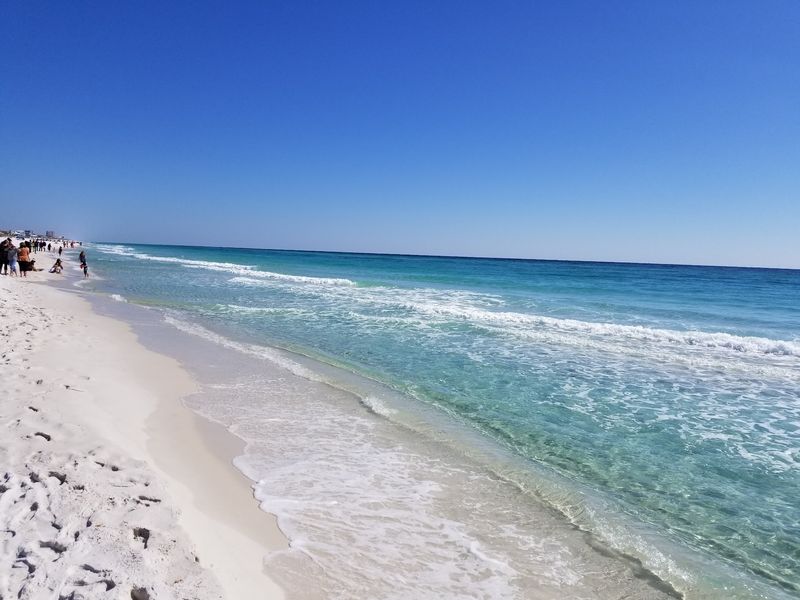
Emerald water and pale sand can make the Gulf seem almost gentle enough to trust right away. Many visitors arrive ready to relax, not realizing that some of the strongest currents show up on days that still look beautiful from the towel line.
Pensacola Beach can experience powerful rip currents, especially near passes and during tropical weather. The danger is often in the contrast, because the water may appear peaceful while hidden channels of moving water pull swimmers away from where they entered.
One smart rule here is to let conditions decide the activity. If flags are elevated, spend more time walking the shore, collecting shells, or watching the waves instead of pushing into deeper water.
Children should stay within easy reach, even when the surf looks small.
When treated with care, Pensacola Beach feels unforgettable. The color of the water, the long shoreline, and fresh seafood nearby make the visit rich without requiring anyone to challenge the sea.