
A museum visit can surprise you when you least expect it. One moment you are walking through a quiet gallery, and the next you are standing beside towering machines, watching river creatures swim, or discovering artwork created from unexpected materials.
Across Iowa, museums offer experiences that go far beyond traditional exhibits. These unique destinations bring the state’s history, creativity, science, and culture to life through hands-on displays, unusual collections, and stories that connect with visitors of all ages.
From massive transportation exhibits to fascinating local discoveries, Iowa museums prove that learning can be memorable and fun.
The best museum trips are often the ones that leave you talking about them afterward. Explore 10 Iowa museums that surprised us, sparked curiosity, and turned an ordinary day out into an experience worth remembering.
Matchstick Marvels Museum
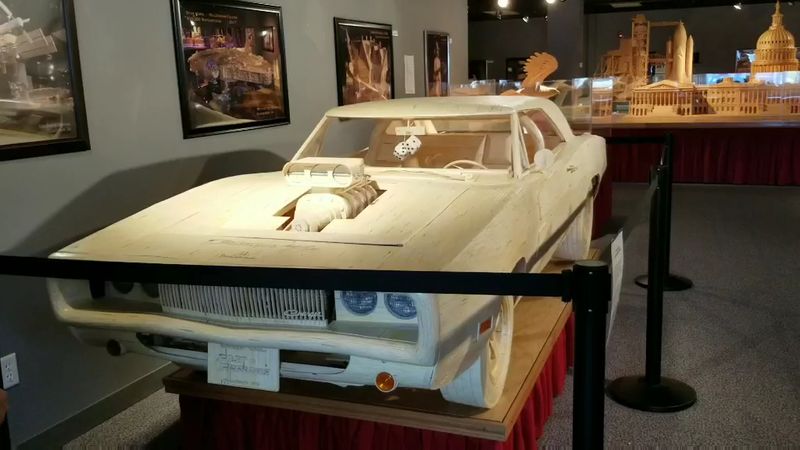
At first glance, it seems impossible that tiny wooden sticks could turn into something so huge and exact. Then you step closer, notice the careful lines and scale, and suddenly the whole room feels a little magical.
Gladbrook is home to the Matchstick Marvels Museum, where giant creations made from ordinary matchsticks steal the show. Some pieces resemble famous buildings, while others recreate scenes with so much detail that you start hunting for small touches.
The patience behind the work is almost as impressive as the size.
Even people who do not usually seek out craft museums tend to get pulled in here. The displays reward slow looking, especially if you enjoy figuring out how things were built.
Before leaving town, grab a snack on Main Street and let your brain catch up with what your eyes just saw.
Grotto of the Redemption
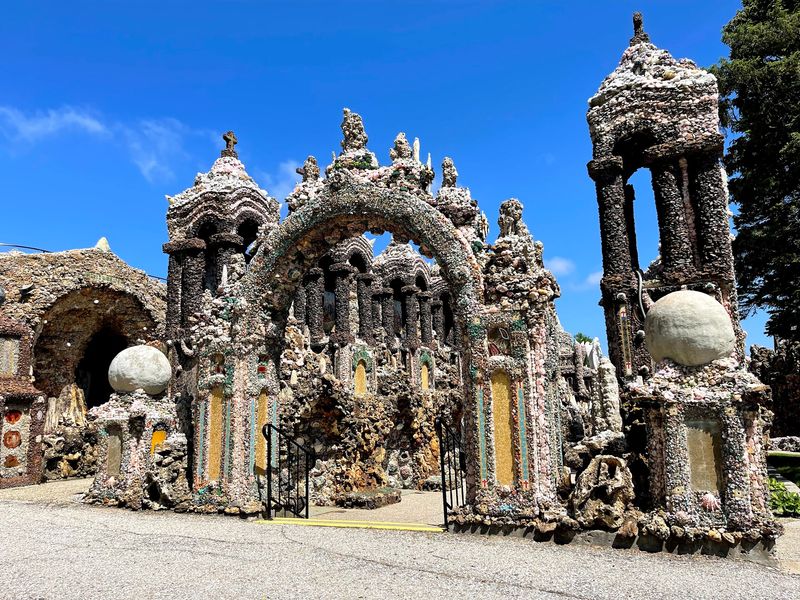
Sunlight hits the stones here in a way that makes everything shimmer a little. What could have been a quiet stop turns into a long, slow walk, because every corner reveals another pattern, color, or tiny carved detail.
In West Bend, the Grotto of the Redemption is part art environment, part spiritual landmark, and part feat of determination. Built with minerals, shells, fossils, and gemstones, it stretches larger than many visitors expect.
Photos help, but they do not quite capture how layered and textured the spaces feel in person.
Go with comfortable shoes and a little patience, since this is not a place to rush through. Looking closely is half the experience.
Whether you come for religious history, unusual craftsmanship, or simple curiosity, the site leaves a strong impression and gives small-town Iowa a surprisingly grand sense of wonder.
Plymouth Historical Museum
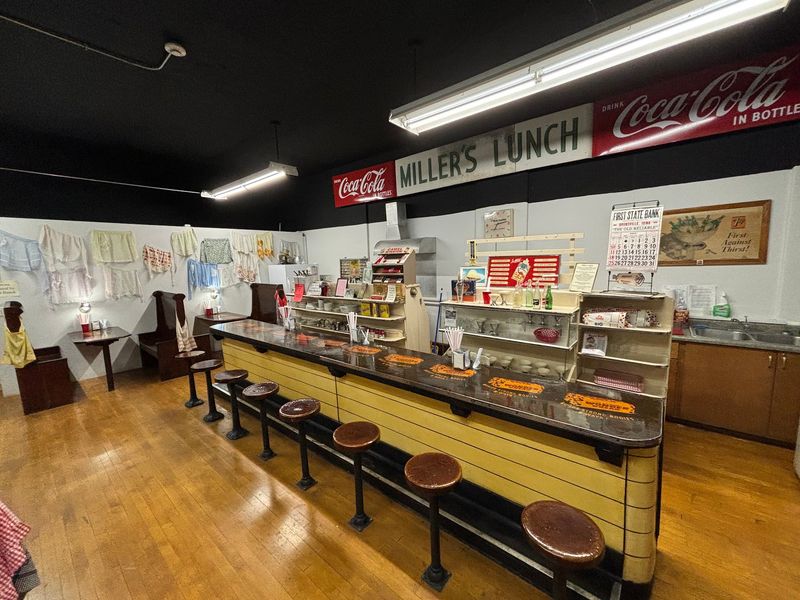
Some museums win you over with flash, but others do it with stories that feel close enough to touch. A wagon, a tool, or an old photograph can suddenly make everyday Iowa history feel vivid and personal.
That is the charm of the Plymouth Historical Museum in Le Mars. Its collections cover settlement, farming, transportation, and local life without feeling dry or overpacked.
Instead of skimming labels, you find yourself piecing together how families worked, traveled, and built a community over time.
The visit pairs well with the town’s famous ice cream identity, which adds a cheerful local note to the day. If you enjoy places that connect big history to ordinary people, this museum does that especially well.
It may look modest from the outside, yet the galleries carry a depth that surprises visitors who expected a brief stop.
Iowa Gold Star Museum

Silence tends to settle over visitors a few minutes after they enter. The reason is simple: behind the uniforms, medals, and vehicles are personal stories, and those stories carry real weight.
The Iowa Gold Star Museum in Johnston focuses on military service through the lives of Iowans. Exhibits include artifacts, photographs, and letters that make broad history feel human and close.
Rather than presenting war as distant fact, the museum shows what service meant to families, hometowns, and everyday people.
Give yourself time to read the smaller details, because they often leave the deepest mark. A handwritten note or worn piece of gear can say more than a large display ever could.
For students, families, and anyone trying to understand sacrifice in a fuller way, this museum offers a steady, thoughtful experience that stays with you long after the visit ends.
National Mississippi River Museum & Aquarium

The first surprise is how quickly the place shifts from history lesson to full-on adventure. One moment you are peering at river fish gliding through clear tanks, and the next you are studying boats, engines, and tools that shaped life along the water.
In Dubuque, the National Mississippi River Museum & Aquarium feels more like several attractions gathered under one roof. Kids usually crowd around the touch exhibits, while adults slow down near the shipping displays and stories about river trade.
Outside, the view toward the Mississippi adds a sense of place you cannot fake.
Plan enough time, because rushing would miss the fun of wandering. Between live animals, hands-on stations, and old river equipment, the museum makes the region easier to understand.
Afterward, a walk along nearby streets and riverfront paths helps the whole visit settle in nicely.
Living History Farms
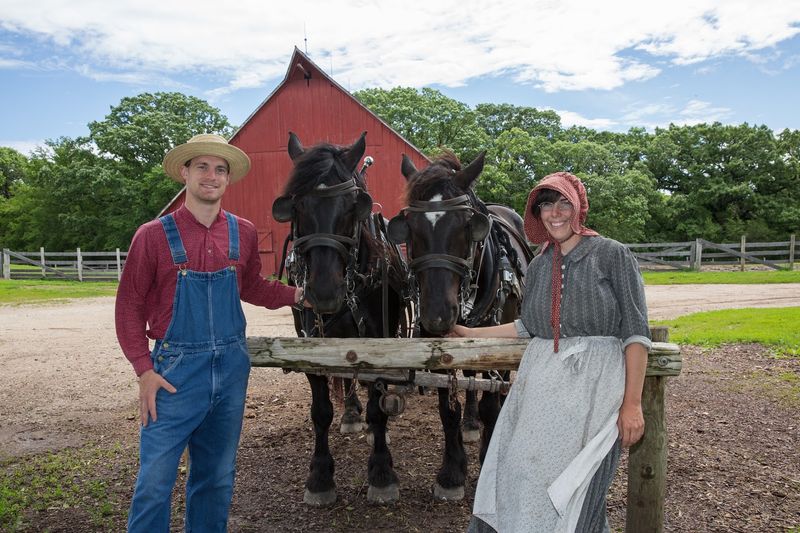
Fresh air, dirt paths, and the smell of wood smoke give this place a different rhythm from a normal museum. Instead of staring at the past through glass, you walk straight into it and hear it creak under your feet.
Living History Farms in Urbandale recreates Iowa communities with farm sites, historic buildings, and costumed interpreters who actually work the spaces. Watching chores, tools, and cooking methods in action makes the lessons stick much better than reading a sign.
The setting feels especially lively when gardens are growing and animals are nearby.
Wear shoes you do not mind using, because exploring here means covering real ground. Families often like the hands-on feeling, but adults usually get just as caught up in the details.
By the end, daily life from long ago seems less distant, and the state’s agricultural roots become easier to picture in ordinary, human terms.
John Deere Tractor & Engine Museum

Even people who know nothing about farming tend to stop and stare when they see the size of the machines here. Metal, paint, and polished parts fill the rooms with a kind of industrial drama that feels strangely fun.
In Waterloo, the John Deere Tractor & Engine Museum tells the story of farming technology through equipment that is both massive and beautifully designed. Interactive displays help explain how tractors and engines changed work in the field.
For many visitors, the surprise comes from realizing how much engineering, problem-solving, and history sit behind a familiar brand.
Children often head straight for the hands-on features, while older guests may linger by the restored models. The museum is easy to enjoy even without technical knowledge.
Pair it with other Waterloo stops, and you get a fuller picture of how industry and agriculture grew together in Iowa over the years.
Brucemore

There is a quiet kind of drama in walking up to a large old estate and realizing real families once argued, celebrated, and planned their lives inside. Grand rooms can feel distant, yet the personal stories here keep the experience warm.
Brucemore in Cedar Rapids blends mansion tour, local history, and garden stroll in a way that never feels stiff. Guided visits bring out details about the families who lived there and the influence they had on the city.
Outside, the grounds offer shady paths and a slower pace that balances the formal interiors.
It helps to go when you are ready to listen as much as look. Furnishings, architecture, and family history all work together, turning the house into something more than a pretty building.
If you enjoy seeing how private lives connect with public history, Brucemore handles that mix with unusual grace and charm.
African American Museum of Iowa
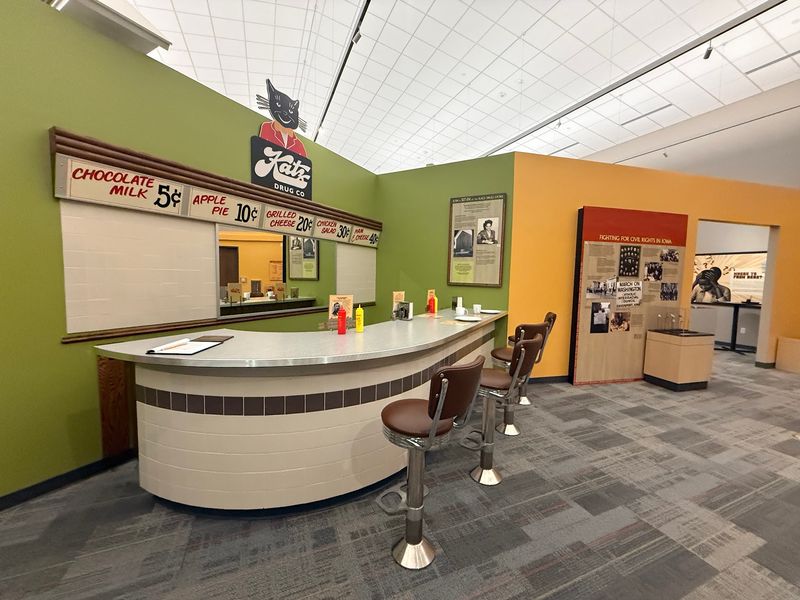
Some museum visits sharpen your view of a whole state. By the time you finish here, Iowa feels larger, more complex, and more connected to national history than many visitors first assume.
The African American Museum of Iowa in Cedar Rapids explores more than 400 years of Black history in the state through exhibits that are clear, moving, and deeply informative. Photographs, objects, and personal stories help show how communities were built, challenged, and changed over time.
The result is both educational and deeply human.
This is a strong stop for anyone who wants history presented with care and relevance. Teachers, families, and curious travelers can all find points that stay in mind.
Nearby NewBo and downtown spots make it easy to build a fuller day in Cedar Rapids, but the museum itself provides the kind of perspective that can quietly reshape how a place is understood.
Iowa 80 Trucking Museum
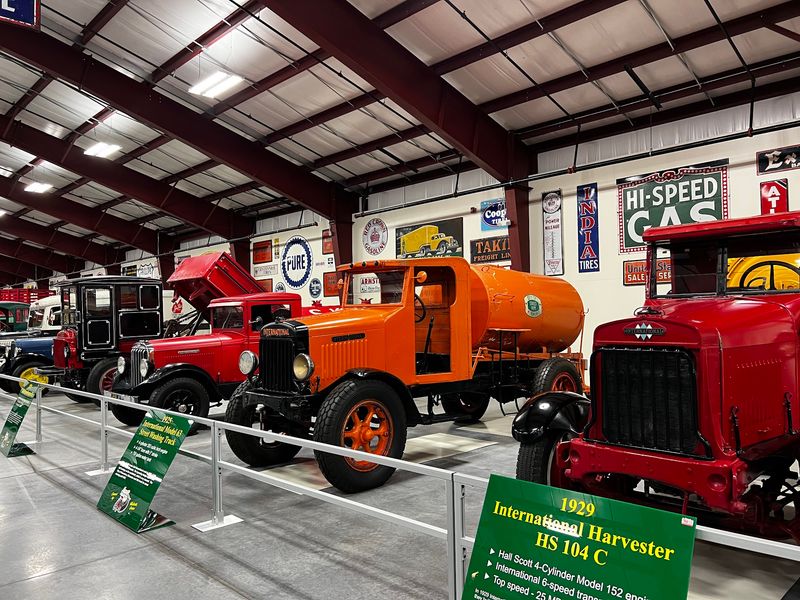
Chrome, giant wheels, and old highway signs give this place a road-trip energy the moment you walk in. What sounds like a niche stop quickly becomes fascinating, especially once you notice how trucking helped shape everyday American life.
Beside the famous truck stop in Walcott, the Iowa 80 Trucking Museum displays restored trucks and memorabilia that trace decades of movement across the country. The vehicles are the stars, but the real fun comes from seeing design changes, driver culture, and the tools that kept goods rolling.
It feels mechanical, historical, and oddly nostalgic all at once.
Even a short visit can be memorable, though transportation fans could stay much longer. Try pairing the museum with a meal nearby and watch the modern trucks outside for a neat contrast.
You leave with a better sense of the people and machines behind the roads most of us take for granted.