The best day trips are the ones that keep replaying in your mind after you return home. A quiet gallery, a fascinating artifact, or a story shared by a museum guide can transform a simple afternoon into a memory you want to revisit.
Connecticut museums offer exactly that kind of experience, bringing history, art, science, and local stories together in places that feel both educational and personal. From historic homes and maritime collections to creative exhibits that invite curiosity, these destinations make it easy to slow down and discover something new.
A museum visit in Connecticut is not just about what you see—it is about the moments, details, and stories you carry with you afterward. Explore 12 Connecticut museums that turned ordinary day trips into meaningful experiences worth remembering.
Mashantucket Pequot Museum & Research Center

The first surprise is how quiet it feels, almost like the building is asking you to slow down before you step into another time. Shadows, sounds, and full-scale settings make the experience feel closer to a journey than a normal museum stop.
Later, you realize you are inside the Mashantucket Pequot Museum & Research Center in Mashantucket, where the story of the Mashantucket Pequot Tribal Nation unfolds with unusual depth. A recreated village, glacial landscape, and films give shape to history in a way that sticks.
Kids often remember the lifelike scenes, while adults tend to linger over the harder parts of the past.
Plan enough time, because rushing would miss the point here. Bring water, read the exhibit notes carefully, and take breaks between galleries.
Afterward, the wooded area outside feels different too, as if the land itself has started speaking more clearly.
Connecticut River Museum
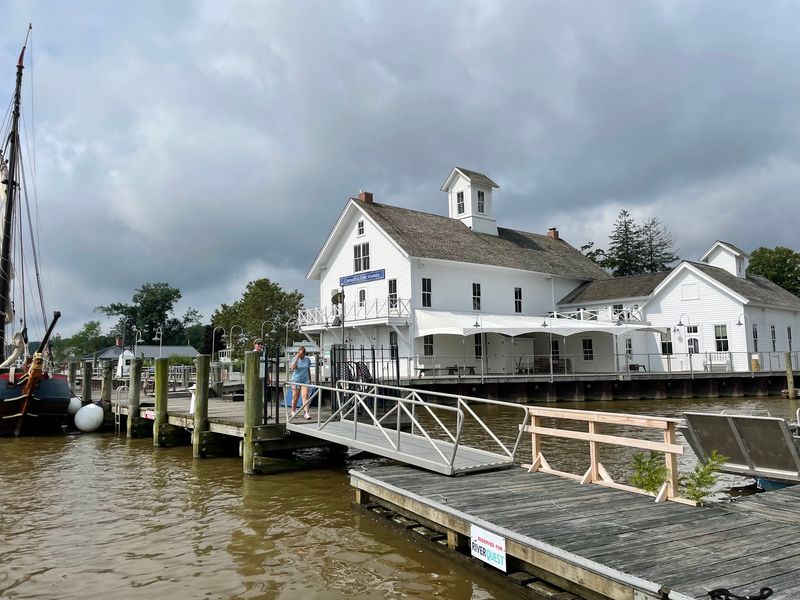
Salt air, creaking docks, and the slow shine of water give this stop its mood before you even open the door. It feels less like checking off a museum and more like wandering into an old river town with stories still floating nearby.
That setting is part of what makes the Connecticut River Museum in Essex memorable. Inside, exhibits trace shipbuilding, trade, and the people who depended on the river every day.
The windows keep pulling your eyes back outside, where boats and changing light turn history into something you can still picture living.
Walk Main Street before or after your visit, and grab lunch near the water if you can. The museum is not huge, which helps on a day trip, but the experience feels layered.
You leave with facts, yes, though the river view is often what stays in your mind longest.
The Carousel Museum
Bright paint, old music, and carved horses with proud expressions create the kind of joy people usually expect from fairs, not museums. For a moment, grown-ups look as curious as kids, which tells you a lot about the place.
Inside The Carousel Museum in Bristol, the real magic is in the details. You notice hand-painted saddles, glass jewels, and the careful shaping of wooden manes.
What seems playful at first slowly turns into a lesson in craft, design, and the way entertainment once carried real artistry.
Take your time circling each animal instead of rushing to the next room. If a restoration area is open, it adds another layer, showing how much work goes into bringing these pieces back to life.
Pair the visit with a simple lunch in town, and the whole outing starts to feel like a small, cheerful break from regular life.
Vintage Radio and Communications Museum of Connecticut
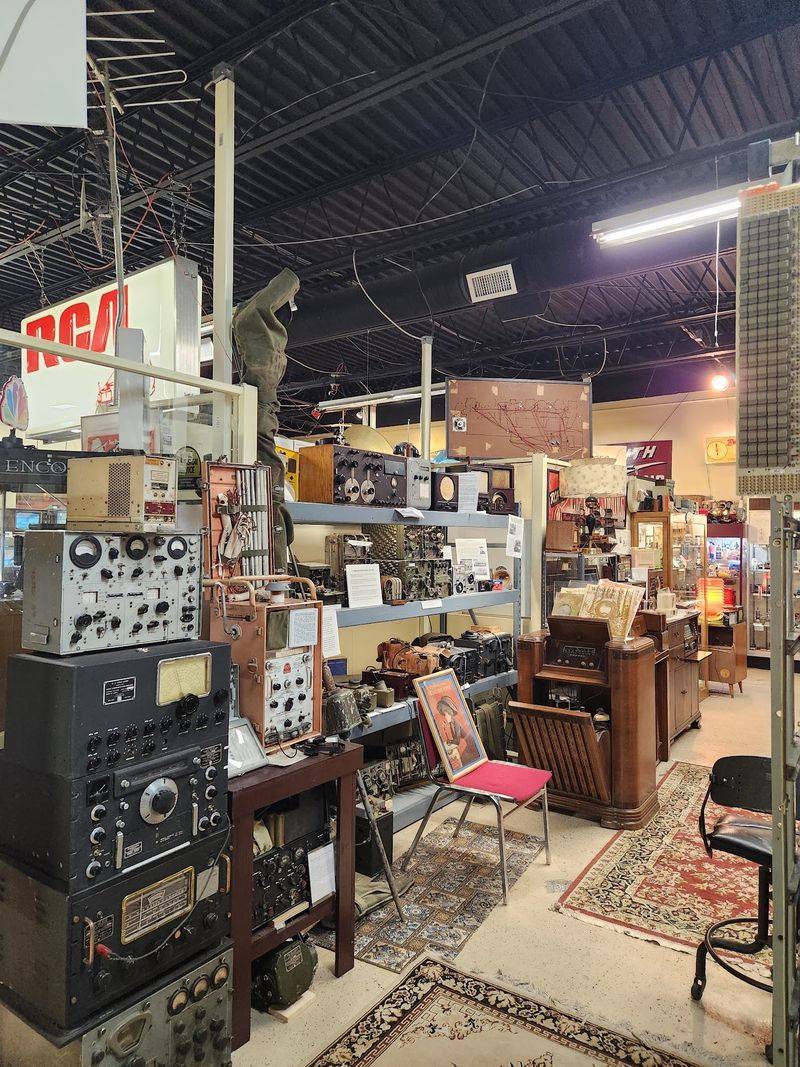
There is something oddly moving about hearing old machines once carried voices across towns, oceans, and living rooms. Knobs, dials, and polished wood cabinets can pull up memories even if you never grew up using them.
That feeling comes alive at the Vintage Radio and Communications Museum of Connecticut in Windsor. The collection covers radios, televisions, military sets, telephones, and broadcast tools that changed how people connected.
Instead of treating old tech like junk, the exhibits show how each device once felt exciting, modern, and full of possibility.
Ask questions if volunteers are around, because their stories can be the best part of the visit. You may hear how families gathered around a radio for news or how early TV transformed evenings at home.
It is a smart stop for mixed ages too, since grandparents, parents, and kids all find different points of connection while walking through the galleries.
American Clock & Watch Museum
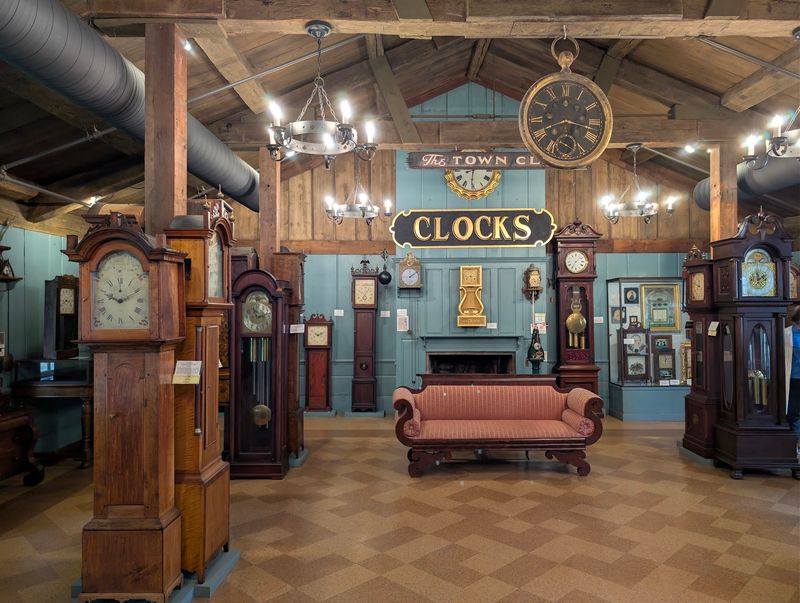
Ticking fills the air in a way that feels both peaceful and a little strange. After a few minutes, you start noticing time not as numbers on a phone, but as something built by hand, gear by gear.
At the American Clock & Watch Museum in Bristol, ordinary objects become surprisingly personal. Tall case clocks stand like furniture with opinions, while tiny watches reveal astonishing detail.
The displays show how Connecticut helped shape the clock industry, and that local link gives the collection extra weight.
Even visitors who think they are not interested in clocks usually find one piece that stops them. Look closely at painted faces, delicate keys, and unusual cases, because the craftsmanship is where the charm lives.
This is a good rainy-day choice, especially if you enjoy quiet spaces and slower pacing. By the end, you may leave checking your watch with a little more respect than before.
New Britain Museum of American Art
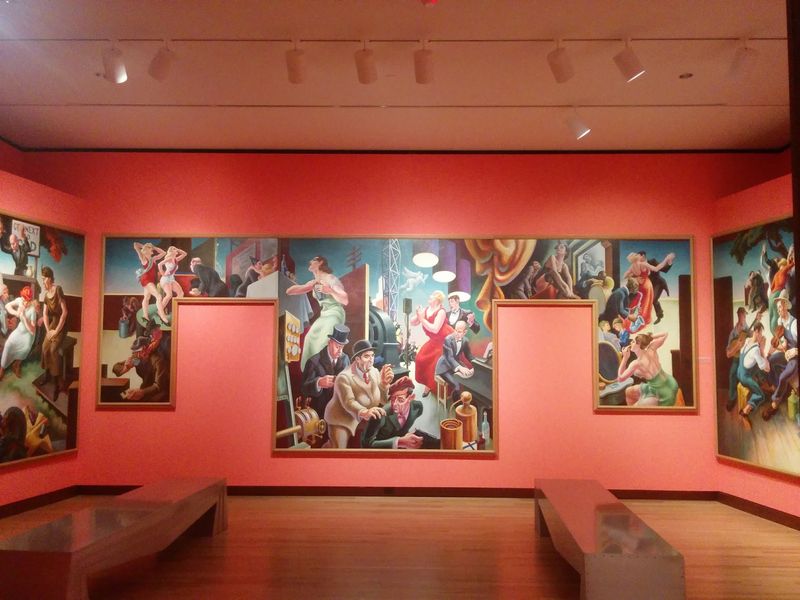
Some places do not need noise to make an impression. A few well-lit rooms, strong paintings, and enough quiet to notice your own reactions can change the pace of an entire day.
That is the mood inside the New Britain Museum of American Art in New Britain. The collection spans many periods, so one gallery may feel bold and modern while another feels reflective and familiar.
You can move from landscapes to portraits to sculpture and start seeing how American life has been pictured in different ways over time.
Go when you want a thoughtful stop rather than a rushed outing. Sit on a bench for a minute instead of walking nonstop, because some works reveal more after a second look.
Nearby coffee or lunch can round out the trip nicely, but the museum itself often becomes the center of the day. It leaves many visitors carrying one image in their heads all the way home.
Barker Character Comic and Cartoon Museum

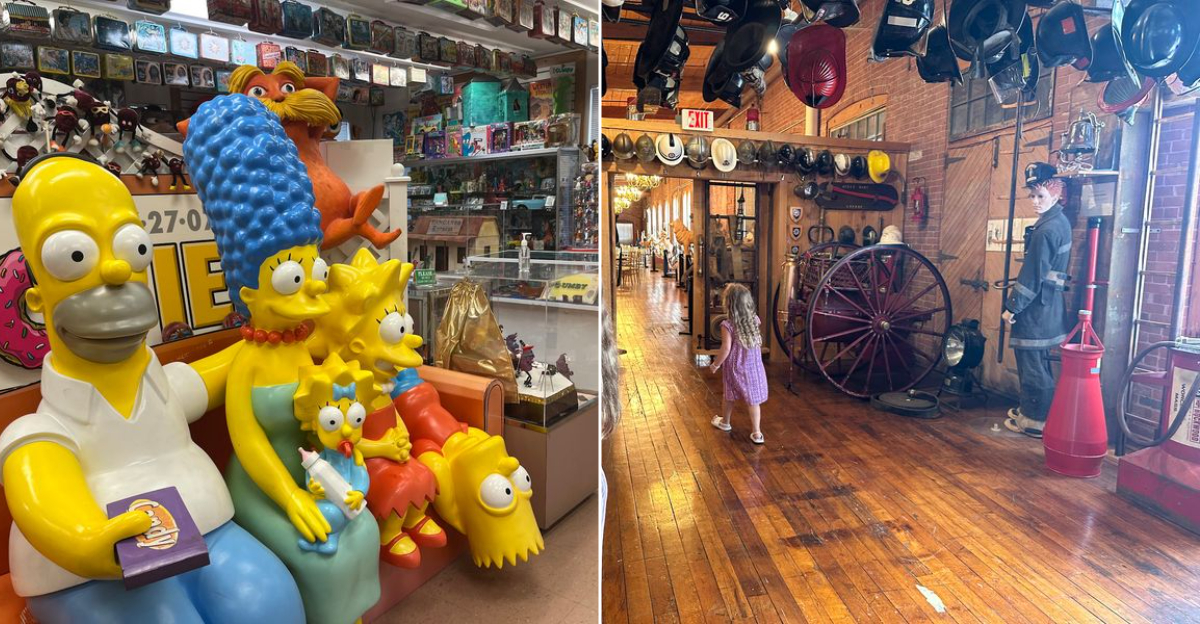
Laughter tends to arrive early here, sometimes before people even realize why. A familiar face from a comic strip or cartoon can unlock childhood memories in seconds, and suddenly the room feels lighter.
That playful energy defines the Barker Character Comic and Cartoon Museum in Cheshire. Shelves and displays celebrate animation, comics, toys, and pop culture characters that shaped different generations.
One person may light up over classic newspaper cartoons, while someone else heads straight for a favorite TV icon from Saturday mornings.
The fun part is comparing memories with whoever you came with. Parents, grandparents, and kids often point to different items, turning the visit into a conversation instead of a lecture.
Keep your phone handy for photos, because the bright displays make great snapshots. It is not a huge, formal experience, and that works in its favor.
The museum feels personal, cheerful, and a little offbeat, like stumbling across a shared memory you did not expect to find in Connecticut.
Shore Line Trolley Museum
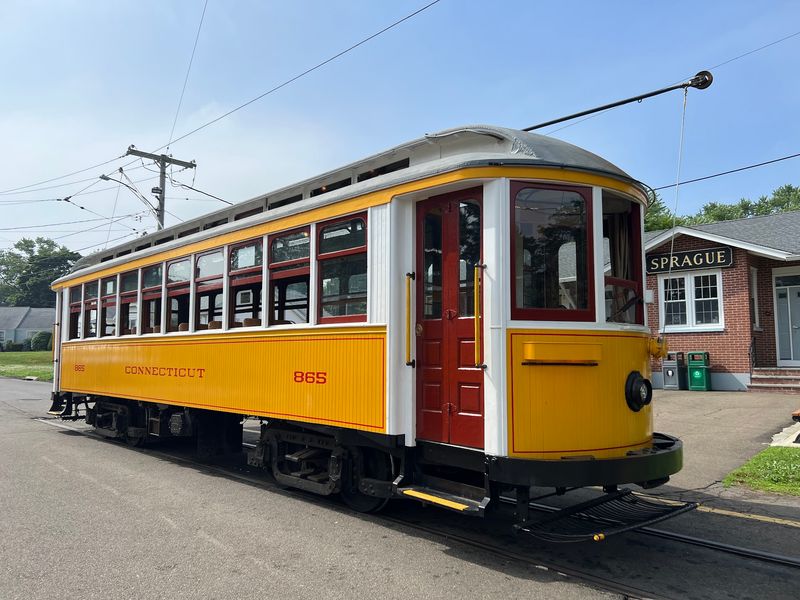
The clang of a trolley bell has a way of making the past feel close enough to touch. Instead of staring at transportation history from behind glass, you can hear it, board it, and feel the ride begin.
That hands-on quality makes the Shore Line Trolley Museum in East Haven stand out. Historic streetcars line the property, and the preserved tracks add real motion to the story.
Riding through the short route gives visitors a better sense of how everyday travel once felt, from the wooden interiors to the rhythm of the wheels.
Families usually enjoy the experience, but rail fans and local history lovers get a lot from it too. Wear comfortable shoes for walking around the cars and grounds, and check operating times before heading out.
Pair the museum with a shoreline meal later in the day, and the trip gains an easy coastal rhythm. It is the kind of outing that feels simple while you are doing it, then unexpectedly vivid later.
Lock Museum of America
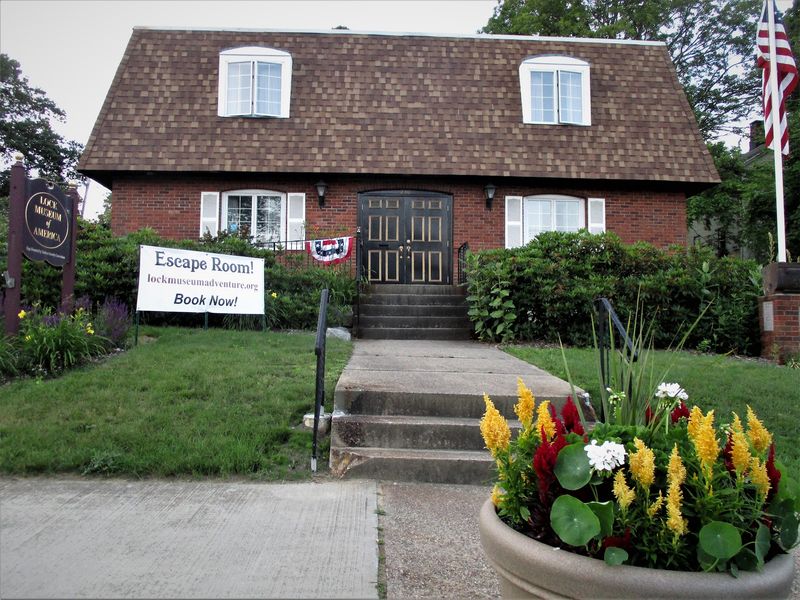
A wall of keys might not sound thrilling until you see one that looks like it belongs in a castle and another small enough for a diary. Then the whole subject opens up, part puzzle, part history, part design.
The Lock Museum of America in Terryville turns a humble object into a surprisingly rich story. Thousands of locks, keys, and security devices show how people protected homes, businesses, and secrets across different eras.
Some pieces are elegant, some practical, and some wonderfully strange, which keeps the visit from ever feeling dry.
Give yourself time to look closely, because the smallest items often carry the most character. The museum works especially well for curious travelers who enjoy finding hidden gems away from bigger tourist crowds.
Nearby small-town streets add to the sense that you have discovered something under the radar. By the end, even the key ring in your pocket may seem a little less ordinary than it did that morning.
Eric Sloane Museum
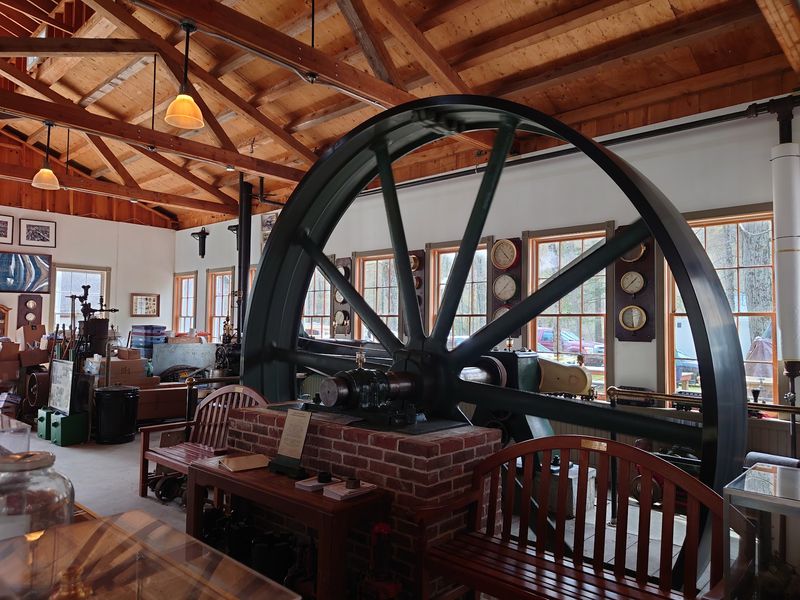
Weathered tools, quiet fields, and old New England craftsmanship create a mood that feels steady from the start. You do not have to know anything about Eric Sloane to feel drawn into the world he cared about.
At the Eric Sloane Museum in Kent, everyday objects from rural life become the center of the story. Sloane was an artist and writer, and the museum reflects his deep attention to handmade skill, barns, tools, and changing American landscapes.
The setting adds a lot, especially if you pair your visit with the nearby covered bridge and scenic roads.
This stop works best when you let the slower pace guide you. Read the labels, notice the worn wood and iron, and imagine the labor once tied to each object.
The museum is not flashy, and that is part of its strength. It leaves many visitors with a calmer feeling, as if they briefly stepped into an earlier Connecticut that still had plenty to teach.
New England Air Museum
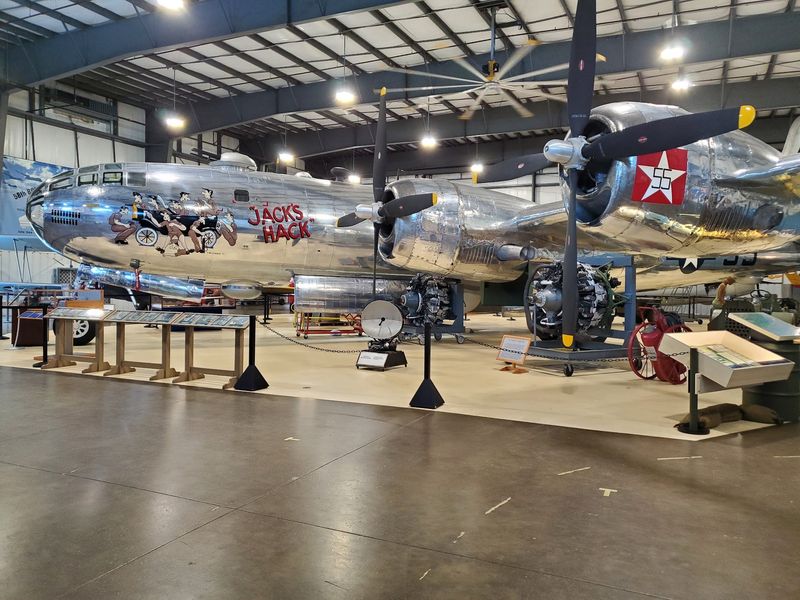
Looking up is part of the experience here. The scale of the aircraft changes your sense of space almost right away, and even people who know little about aviation tend to stop speaking for a second.
That feeling carries through the New England Air Museum in Windsor Locks, where hangars hold aircraft from different eras and missions. Sleek jets, older prop planes, and detailed exhibits tell stories about engineering, military history, and the dream of flight itself.
Walking beneath the wings gives the visit a physical impact books and videos cannot match.
Plan for more time than you think, especially if anyone in your group likes machines, history, or photography. The museum is near Bradley International Airport, which adds another layer when you spot planes overhead outside.
Bring curiosity, not expertise, because you do not need special knowledge to enjoy it. Big objects, human ambition, and a clear sense of wonder do most of the work for you.
Mattatuck Museum
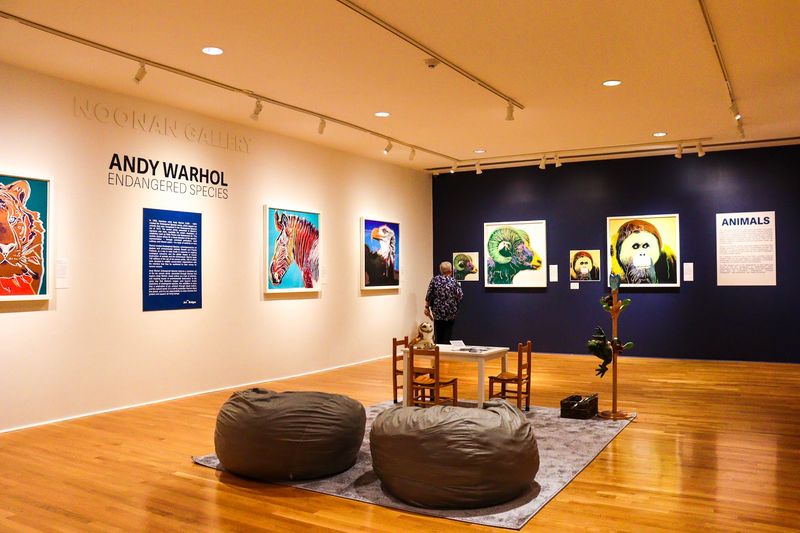
Sometimes the strongest travel memories come from a place that helps a town make sense. Art on one wall, local history in the next room, and suddenly the streets outside feel more connected than they did an hour earlier.
That is what the Mattatuck Museum does so well in downtown Waterbury. Its mix of American art and regional history gives visitors both beauty and context, making the area feel personal instead of unfamiliar.
One gallery might focus on painting, while another explains the industries and communities that shaped the city and nearby towns.
It is a smart stop if you like museums that tell a fuller story rather than sticking to one subject. After your visit, walk downtown and notice what details stand out differently, from architecture to public spaces.
The museum helps frame those sights in a more meaningful way. It may not be the loudest attraction on a road trip, but it often becomes one of the most grounding and rewarding.