Pennsylvania is full of museums that make learning feel like an adventure instead of homework.
One stop might put you face to face with a giant dinosaur, while another could show you a bright pop art painting or a towering old train.
These places help tell the story of science, art, history, travel, and everyday life across the state.
If you want fresh ideas for family trips, school break outings, or a fun weekend drive, this list is a great place to start.
We picked museums in big cities and smaller towns, so there is a mix of famous stops and surprising finds.
Some are hands-on, some are quiet and thoughtful, and all of them offer something memorable.
Bring your curiosity, wear comfortable shoes, and get ready to see why these museums became some of our favorite discoveries in Pennsylvania.
You may leave with a new question, a new favorite artist, or a new road trip plan.
1. The Franklin Institute – Philadelphia
A giant heart you can walk through is a pretty great way to begin a museum visit.
At The Franklin Institute in Philadelphia, science feels active, loud, and exciting instead of distant or hard to understand.
Kids and adults can test ideas with their own hands, which makes the lessons stick better.
The museum is on Benjamin Franklin Parkway, so it fits nicely into a day of city sightseeing.
Popular stops include the planetarium, the train exhibit, and displays about space, physics, and the human body.
If you are visiting on a busy weekend, arriving early helps you enjoy interactive stations before the biggest crowds roll in.
What makes this place special is how it turns big topics into simple experiences.
A moving machine, a glowing circuit, or a step inside a heart can explain more than a long textbook page.
That makes it especially useful for curious students who like to learn by doing.
Pack a little extra time for special exhibits and an IMAX show.
Comfortable shoes are a smart idea because there is plenty to explore.
By the end, science usually feels less scary and much more fun.
2. Philadelphia Museum of Art – Philadelphia
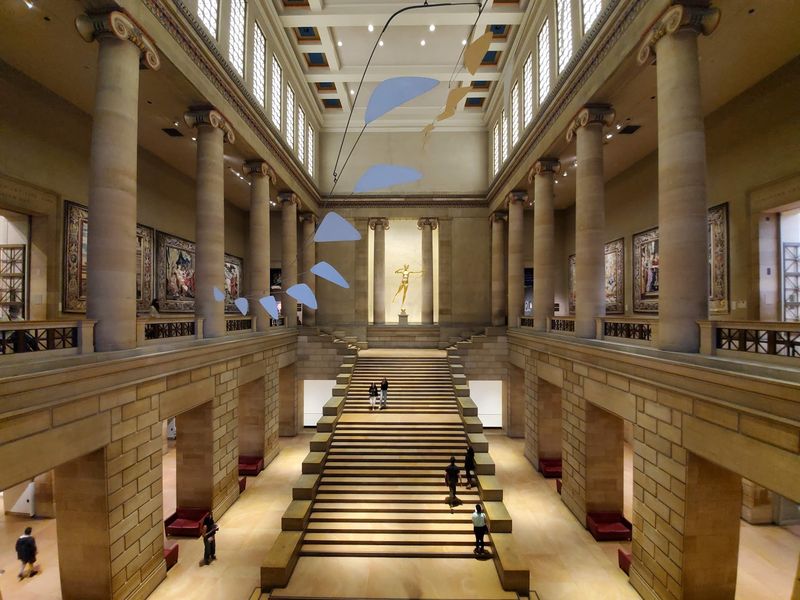
Some museums impress you before you even walk inside, and this is one of them.
The Philadelphia Museum of Art rises above the city with famous steps, wide views, and galleries packed with work from many times and places.
It feels grand, but it is still welcoming if you are new to art museums.
Located at the end of the Benjamin Franklin Parkway, the museum is easy to pair with other Philadelphia landmarks.
Inside, you can move from armor and Asian art to American paintings and modern design in a single visit.
That variety keeps the experience lively because every room changes the mood.
A smart plan is to choose a few sections instead of trying to see everything at once.
Looking slowly often leads to better discoveries than rushing past hundreds of pieces.
Even younger visitors can enjoy searching for favorite colors, strange details, or stories hidden in paintings.
The building itself is part of the fun, with long hallways, quiet corners, and dramatic spaces.
Bring a phone for photos outside, especially near the steps.
You may arrive expecting famous art and leave talking about one surprising room you almost skipped.
3. Carnegie Museum of Natural History – Pittsburgh
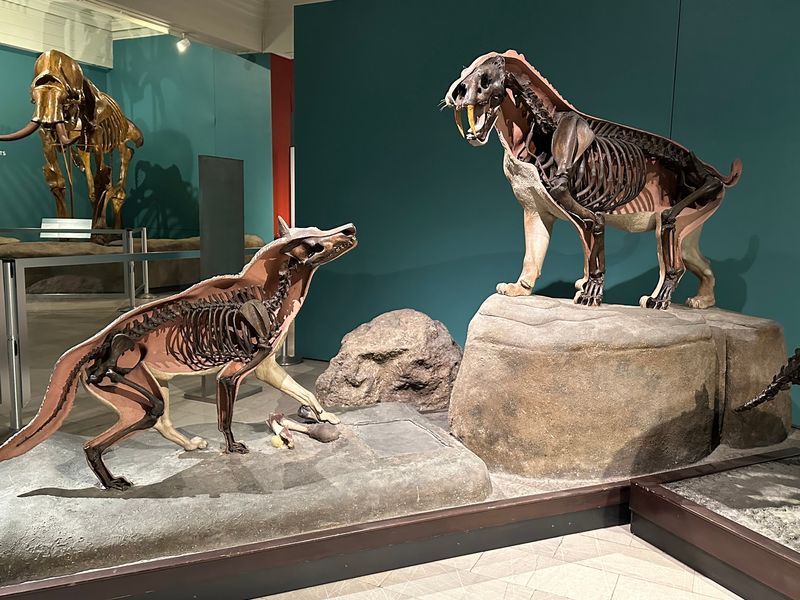
The first sight of those huge dinosaur skeletons can stop you in your tracks.
At the Carnegie Museum of Natural History in Pittsburgh, ancient life feels close enough to study, sketch, and imagine.
Few places make deep time feel so real so quickly.
The museum sits in the Oakland neighborhood, near other major Pittsburgh attractions.
Its dinosaur halls are famous, but there is much more to see, including gems, ancient cultures, wildlife displays, and exhibits about life in Pennsylvania long ago.
That mix gives visitors plenty of ways to connect with science and history.
Families often do best when they let curiosity lead the route.
One child may race toward fossils, while another gets pulled toward sparkling minerals or animal dioramas.
Because the exhibits are strong in different ways, each person can build a favorite memory without following the same path.
If you have time, pause to read how scientists study bones, rocks, and old environments.
Those details show that museums are not just storage spaces.
They are active places of research, and that idea can inspire young visitors who dream about discovery, fieldwork, or solving mysteries from the distant past.
4. The Andy Warhol Museum – Pittsburgh
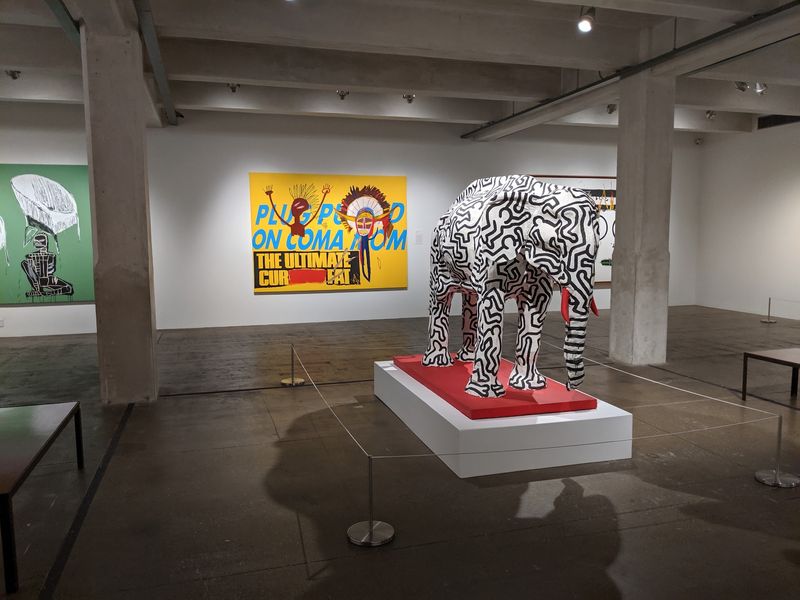
Bright colors, repeating faces, and a playful mood give this museum instant energy.
The Andy Warhol Museum in Pittsburgh explores the life and work of one of the most talked about American artists.
Even visitors who think they do not know Warhol often recognize his style right away.
You will find the museum on the North Shore, close to downtown Pittsburgh.
The galleries cover more than famous images, showing films, drawings, photographs, and personal materials that reveal how Warhol worked and thought.
That wider view helps visitors see him as more than a maker of bold pop art.
A good visit here starts with openness.
Some pieces feel funny, some feel strange, and some may seem simple until you spend an extra minute with them.
That is part of the point, because Warhol liked questions about fame, advertising, and what people notice every day.
Teens and older kids may enjoy this museum especially because it connects art to media and celebrity culture.
Look for ways ordinary objects become memorable through color and repetition.
You may leave seeing soup cans, magazines, and screens around you in a completely different way.
5. National Civil War Museum – Harrisburg
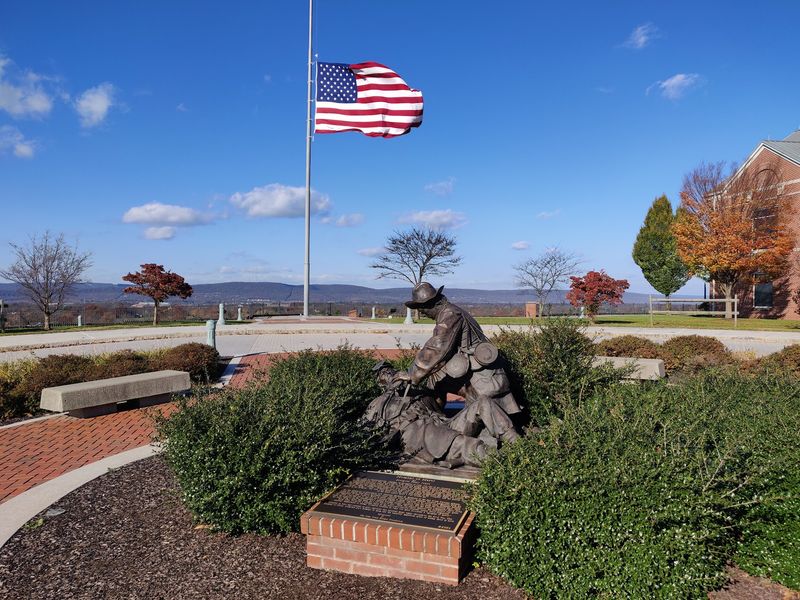
History feels heavier when you stand near real uniforms, letters, and battlefield items.
The National Civil War Museum in Harrisburg tells the story of the Civil War with care, showing different perspectives from both sides of the conflict.
That balanced approach gives visitors more to think about than dates alone.
The museum is set in Reservoir Park, above the city, which adds a calm setting to a serious topic.
Inside, exhibits explain causes of the war, military life, slavery, leadership, medicine, and the difficult years that followed.
Each section helps visitors understand how national events changed ordinary people forever.
Older children and teens often get the most from this museum when they take time to read personal stories.
A short diary note or a damaged object can make the past feel immediate in a way a classroom chart cannot.
That emotional link turns facts into lasting understanding.
Plan for a slower visit here because the material asks for attention.
If you are traveling with family, talking afterward can help everyone process what they saw.
The museum offers a meaningful stop for anyone who wants a clearer picture of American history and its lasting impact.
6. Railroad Museum of Pennsylvania – Strasburg
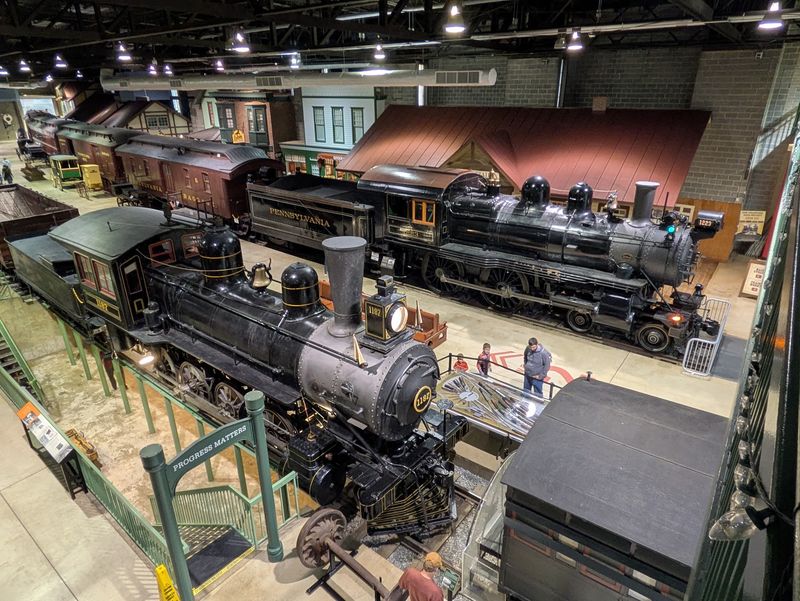
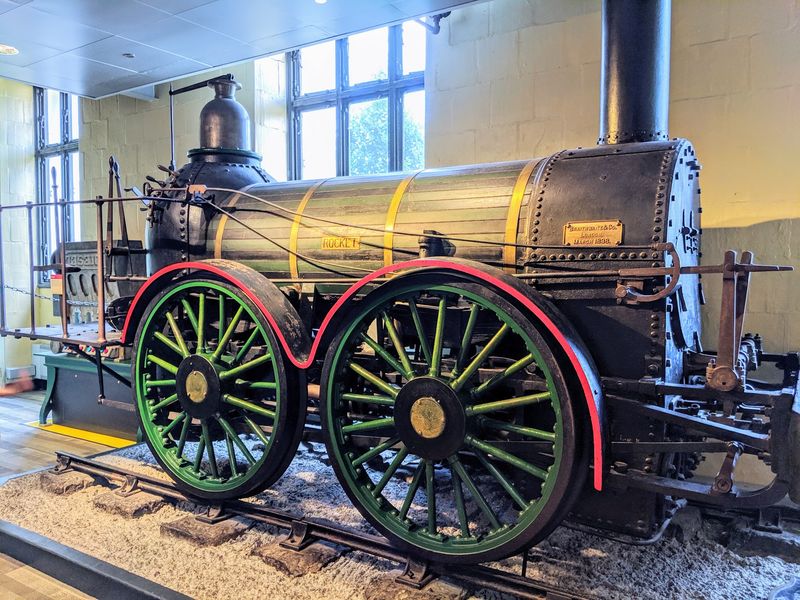
Few museum visits begin with something as impressive as a giant steam locomotive towering overhead.
At the Railroad Museum of Pennsylvania in Strasburg, trains are the stars, and they bring American travel and industry to life.
The size alone makes a strong first impression.
Strasburg sits in Lancaster County, an area already known for railroad history.
Inside the museum, visitors can see beautifully restored engines, passenger cars, mail cars, and exhibits explaining how railroads shaped towns, jobs, and long distance travel.
The collection feels both mechanical and deeply human.
Children usually notice the wheels, whistles, and shiny metal first.
Soon after, many start asking bigger questions about where the trains went, who rode them, and how people built tracks across such long distances.
That jump from wonder to curiosity is where the museum really shines.
Try pairing your visit with nearby train attractions if you want a full railroad themed day.
Photos turn out especially well because the equipment is so large and dramatic.
Anyone interested in engineering, history, or road trip nostalgia will find plenty to admire in this memorable Strasburg stop.
7. Mercer Museum – Doylestown
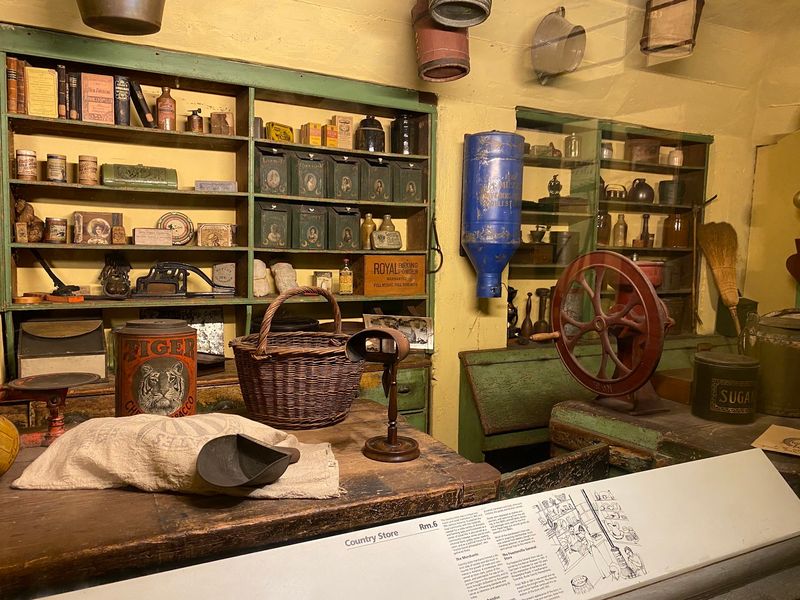
Walking into Mercer Museum feels a bit like stepping inside a giant cabinet of curiosities.
High walls filled with tools, wagons, and everyday objects create an unforgettable scene in Doylestown.
It is unusual, crowded in the best way, and full of small details that reward careful looking.
The museum was created by Henry Chapman Mercer and focuses on early American material culture.
That means you see how people worked, cooked, traveled, and built things before modern technology changed daily life.
The displays can spark great conversations about how much effort simple tasks once required.
Located in Bucks County, Mercer Museum works well as part of a day trip with other Doylestown attractions.
Kids may enjoy hunting for odd items, while adults often get pulled into memories of family tools, crafts, or old household routines.
Because the collection covers so many parts of life, every visitor notices something different.
Take your time looking up as well as around.
Some of the most surprising objects hang overhead in the central space.
If you like museums with personality, strange charm, and strong local history, Mercer Museum offers one of Pennsylvania’s most distinctive experiences.
8. Brandywine Museum of Art – Chadds Ford
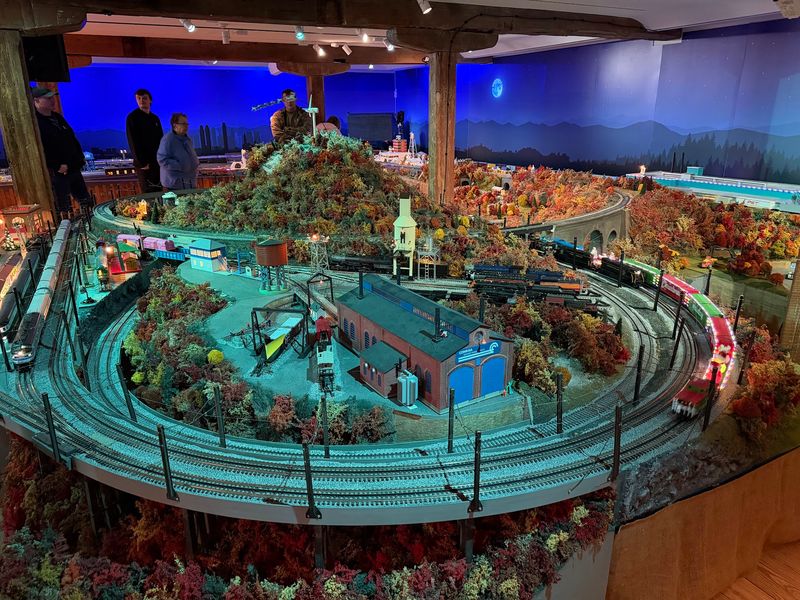
A quieter kind of magic waits in Chadds Ford, where art and landscape meet beautifully.
The Brandywine Museum of Art is known for American art, especially works connected to the Wyeth family, and its setting adds to the calm experience.
It feels thoughtful without feeling stiff.
The museum stands near the Brandywine Creek in a restored mill building.
That location gives the visit a strong sense of place, since the surrounding countryside shaped many of the paintings inside.
Looking at local scenes while standing near the real landscape creates a satisfying connection.
Visitors do not need expert art knowledge to enjoy this museum.
A simple approach works well: notice the light, the mood, and the tiny details that make a room, field, or face feel alive.
Many pieces seem quiet at first, then grow more interesting the longer you look.
This stop works especially well for people who want a slower pace after busier attractions.
Seasonal views outside can make the trip even better, so check the time of year before you go.
Brandywine offers a refreshing mix of regional pride, artistic skill, and peaceful surroundings.
9. AACA Museum, Inc. – Hershey
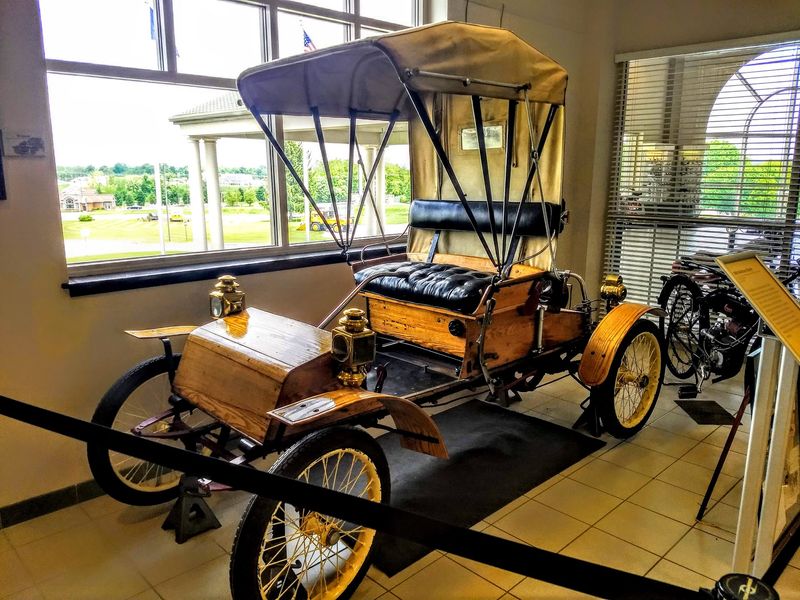
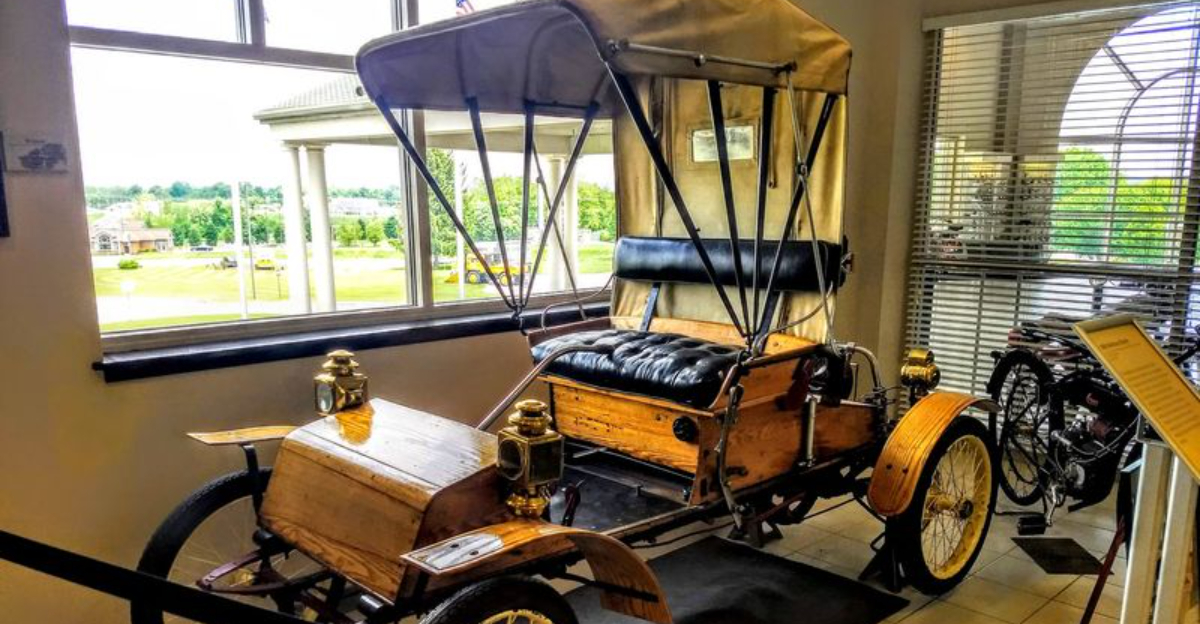
Chrome, tail fins, and bold old colors can make even non car fans stop and stare.
AACA Museum, Inc. in Hershey celebrates transportation history with style, showing how vehicles changed American life over many decades.
The displays feel polished, fun, and surprisingly personal.
Hershey is already a popular destination, so adding this museum to a trip is easy.
Inside, you may see classic cars, buses, motorcycles, and special exhibits that connect driving culture to family travel, design, and local history.
The collection has enough variety to keep the visit from feeling repetitive.
One smart way to explore is to compare vehicles from different eras.
Look at how seats, dashboards, headlights, and shapes changed as technology and taste moved forward.
That kind of close viewing turns a simple walk through shiny cars into a lesson about design and daily life.
Many visitors come expecting speed and horsepower, then end up noticing craftsmanship and memory instead.
A family station wagon or old delivery truck can tell as much about the past as a flashy sports car.
For a lively stop in central Pennsylvania, this museum delivers charm on every floor.
10. Erie Maritime Museum – Erie
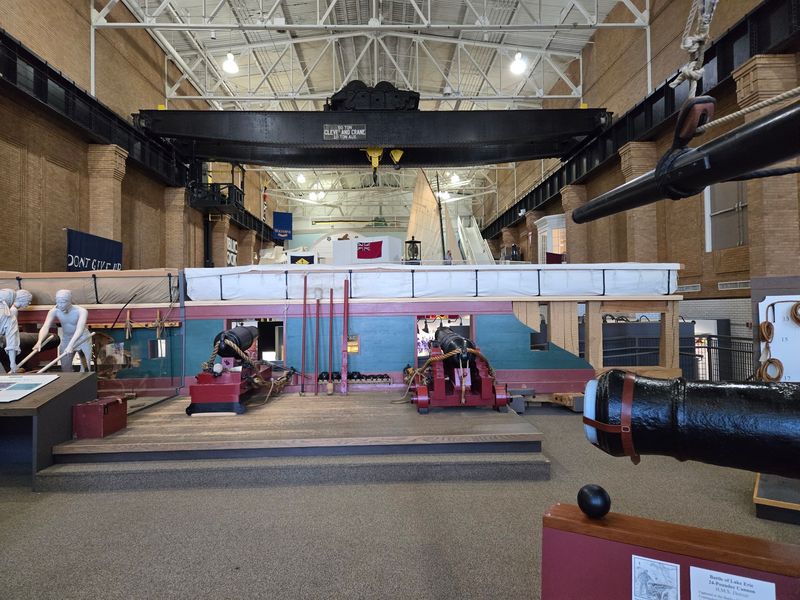
Lake history has its own flavor, and this museum captures it well.
The Erie Maritime Museum in Erie introduces visitors to the region’s naval past, shipbuilding traditions, and the important role of Presque Isle Bay.
It offers a fresh angle on Pennsylvania history that many travelers do not expect.
Located near the waterfront, the museum connects strongly to the place around it.
Exhibits often highlight the War of 1812 and the story of Commodore Oliver Hazard Perry, along with details about life on the Great Lakes.
Seeing that history in Erie makes the lessons feel grounded and real.
If the weather is nice, pairing museum time with a walk outside can deepen the visit.
Looking at the water after learning about ships, storms, and strategy helps the stories land more clearly.
That blend of indoor learning and outdoor context gives the museum extra power.
Younger visitors may enjoy the ship details, while adults often appreciate the broader regional story.
Either way, it is a rewarding stop for anyone curious about trade, defense, or lake communities.
Erie Maritime Museum proves Pennsylvania history reaches far beyond farms, factories, and battlefields.
11. Everhart Museum – Scranton
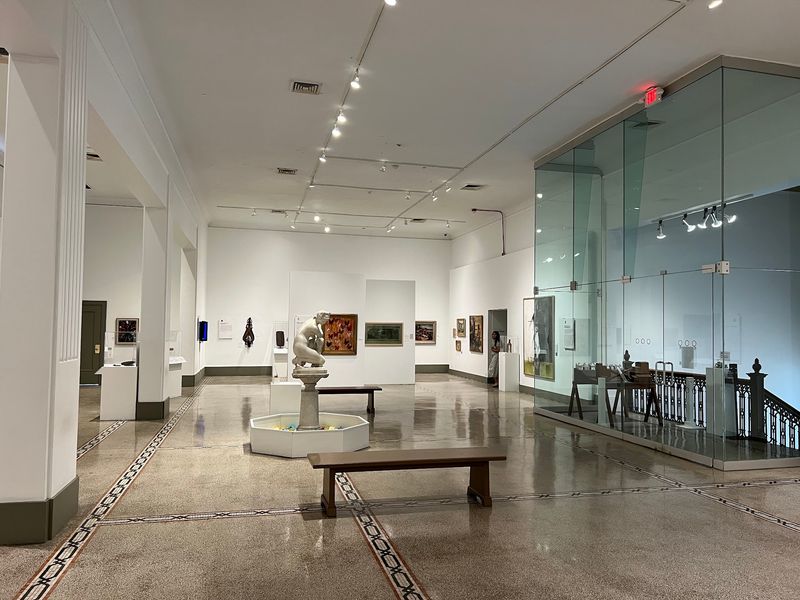
Not every memorable museum is huge, and Everhart Museum in Scranton proves that point nicely.
Its mix of art, natural history, and science gives the place a curious, local spirit that feels easy to enjoy.
You can sense its community roots while still finding plenty to explore.
The museum sits in Nay Aug Park, which makes it a pleasant stop during a wider day out in Scranton.
Inside, exhibits can range from birds and fossils to regional art and changing shows, so each visit may offer something a little different.
That variety keeps the experience fresh for repeat visitors.
Smaller museums often invite slower looking, and that is a strength here.
Instead of rushing through huge halls, you can notice individual objects, read labels carefully, and talk about what catches your eye.
That pace works especially well for families with mixed interests.
Everhart is a smart choice for travelers who like places with personality rather than nonstop spectacle.
Its location in a park adds breathing room before or after the galleries.
For a museum day that feels relaxed, educational, and rooted in northeastern Pennsylvania, this Scranton stop is a rewarding surprise.