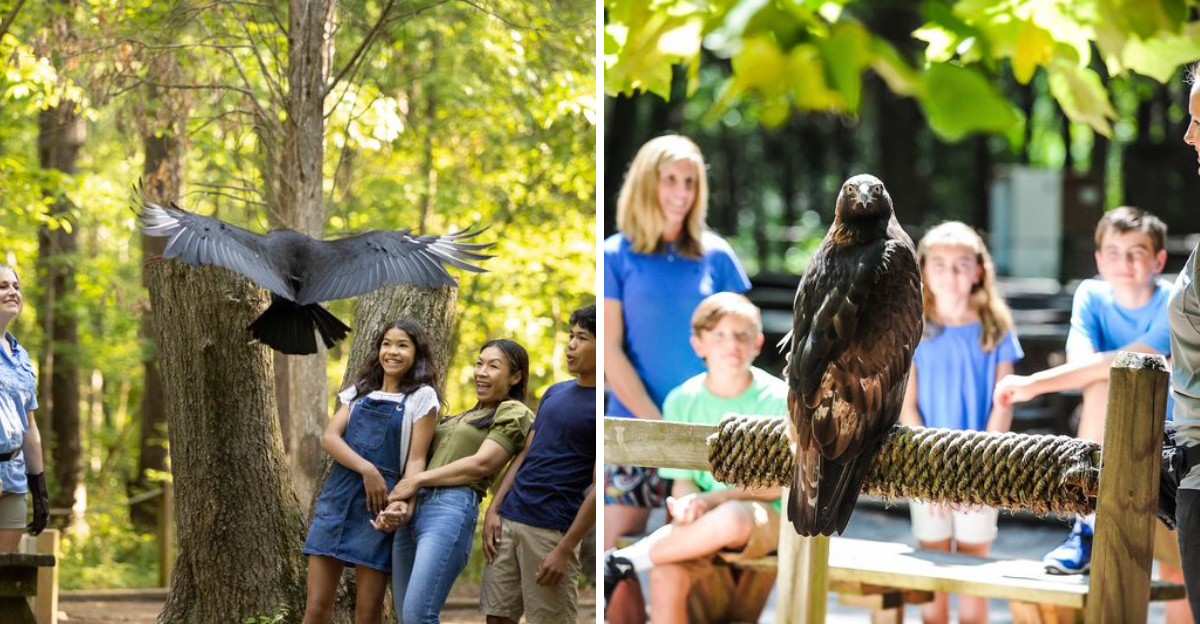
One peaceful forest walk can bring you face-to-face with majestic eagles, watchful owls, and lightning-fast falcons—all in a single unforgettable afternoon.
Just outside Charlotte, the Carolina Raptor Center offers an experience that feels part nature hike, part wildlife adventure, and completely unlike a typical zoo.
Towering trees line the quiet trail as rescued birds of prey wait just a few steps away. Every stop introduces another remarkable survivor with a story of rescue, recovery, and a second chance, making each encounter feel personal and meaningful.
The 57-acre setting invites you to slow down, breathe in the fresh woodland air, and appreciate some of North America’s most fascinating hunters from a respectful distance.
It’s peaceful, inspiring, and filled with moments you’ll want to capture.
If you’re searching for a North Carolina destination that blends beautiful scenery with unforgettable wildlife encounters, this hidden gem belongs at the top of your list. Every turn reveals another reason to fall in love with these magnificent birds.
A Hidden Wildlife Escape Inside Latta Nature Preserve
Tucked inside the sprawling Latta Nature Preserve, the Carolina Raptor Center feels like discovering a secret garden dedicated entirely to winged hunters. The 57-acre facility sits surrounded by towering hardwoods and native pines, creating a serene atmosphere that makes you forget you’re just minutes from North Carolina’s largest city.
Walking the trails here feels completely different from visiting typical wildlife attractions. Birds call from the canopy overhead while soft forest sounds replace traffic noise.
The location was deliberately chosen to provide rescued raptors with a natural environment similar to their wild habitats.
Visitors often comment that the peaceful setting enhances their entire experience. Children can explore safely along well-maintained paths while adults appreciate the tranquil escape from daily stress.
The combination of conservation work and nature immersion creates something truly special that keeps families returning season after season.
This hidden gem proves that meaningful wildlife encounters don’t require traveling to distant locations. Sometimes the most remarkable experiences wait just around the corner in our own communities.
Meet Rescued Eagles With Incredible Survival Stories
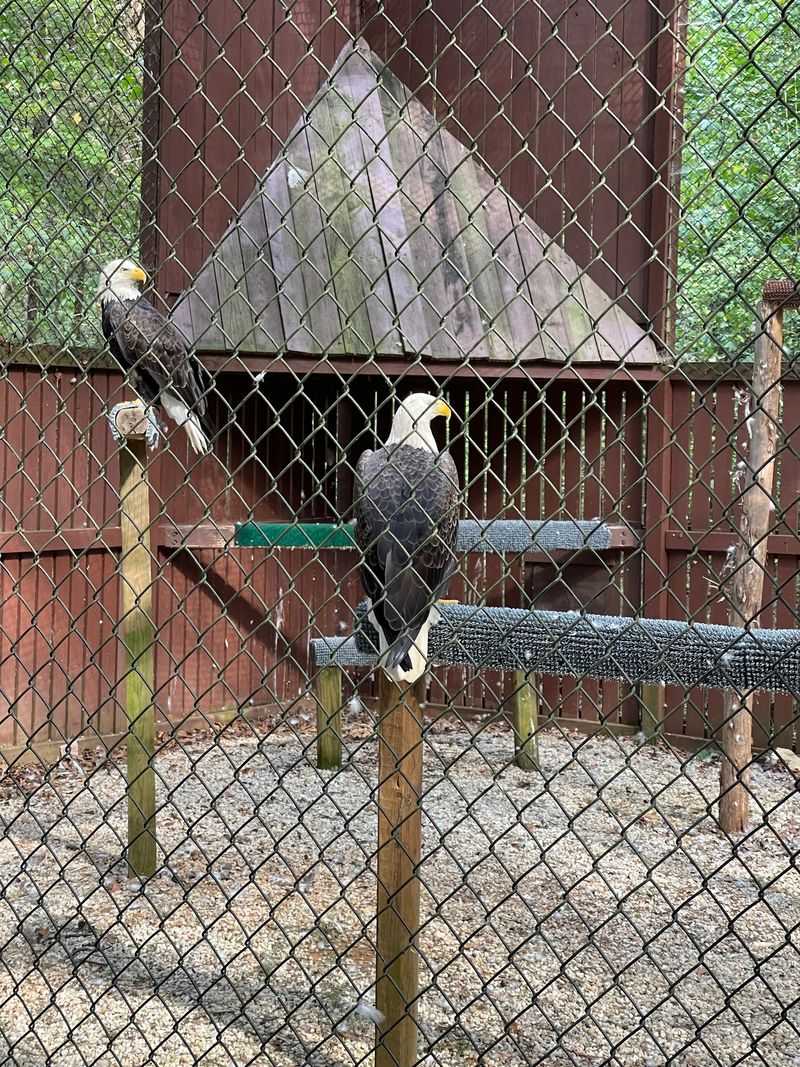
Every eagle at the center arrived with a dramatic backstory that transformed them from wild hunters into conservation ambassadors. Some survived collisions with vehicles or power lines, while others suffered gunshot wounds or poisoning.
Each bird that couldn’t return to the wild now helps teach visitors why protecting raptors matters.
Bald eagles naturally command attention with their striking white heads and fierce yellow eyes. Getting to observe these national symbols up close creates powerful moments that photos can’t quite capture.
Many birds have visible signs of their injuries, making their survival stories even more compelling when staff members share details during presentations.
The center houses both bald eagles and occasionally golden eagles, giving visitors chances to compare these magnificent species. Their powerful talons and massive wingspans demonstrate why eagles rule as apex predators across North America.
Children especially connect with hearing individual bird names and learning their unique personalities.
These rescued raptors serve a purpose beyond their own survival. They inspire future generations to care about wildlife conservation and environmental protection.
Owls That Rule The Forest
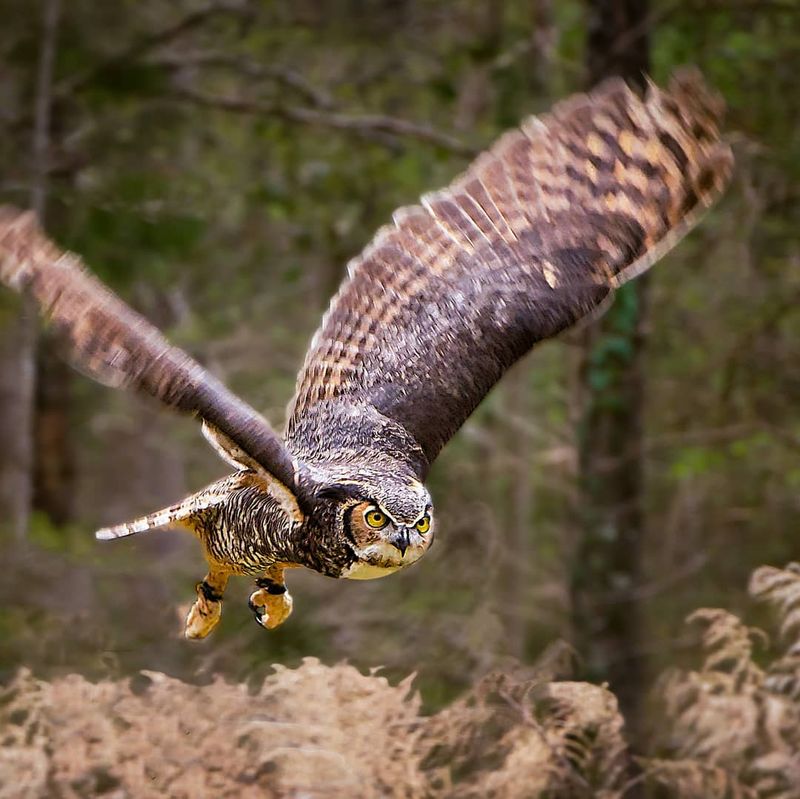
Silent wings and piercing stares make owls the most mysterious residents along the Raptor Trail. The center showcases multiple owl species, from familiar barred owls with their haunting calls to massive Eurasian eagle owls that seem almost mythical in size.
Visitors frequently spend extra time at owl enclosures, mesmerized by their rotating heads and unblinking gazes.
Specialized feathers allow owls to fly without making a sound, giving them serious advantages when hunting small mammals at night. Their enormous eyes can’t move in their sockets, which explains that famous head-turning ability that rotates up to 270 degrees.
These adaptations make owls perfectly designed for their nocturnal hunting lifestyle.
Different owl species demonstrate fascinating variety in size and appearance. Tiny screech owls fit in your hand while great horned owls stand nearly two feet tall.
Each species evolved unique hunting strategies based on their preferred prey and habitat.
Kids love learning owl facts and trying to mimic their various calls. The birds’ expressive faces and seemingly wise expressions create instant connections with people of all ages.
Falcons, Hawks, And Other Master Hunters
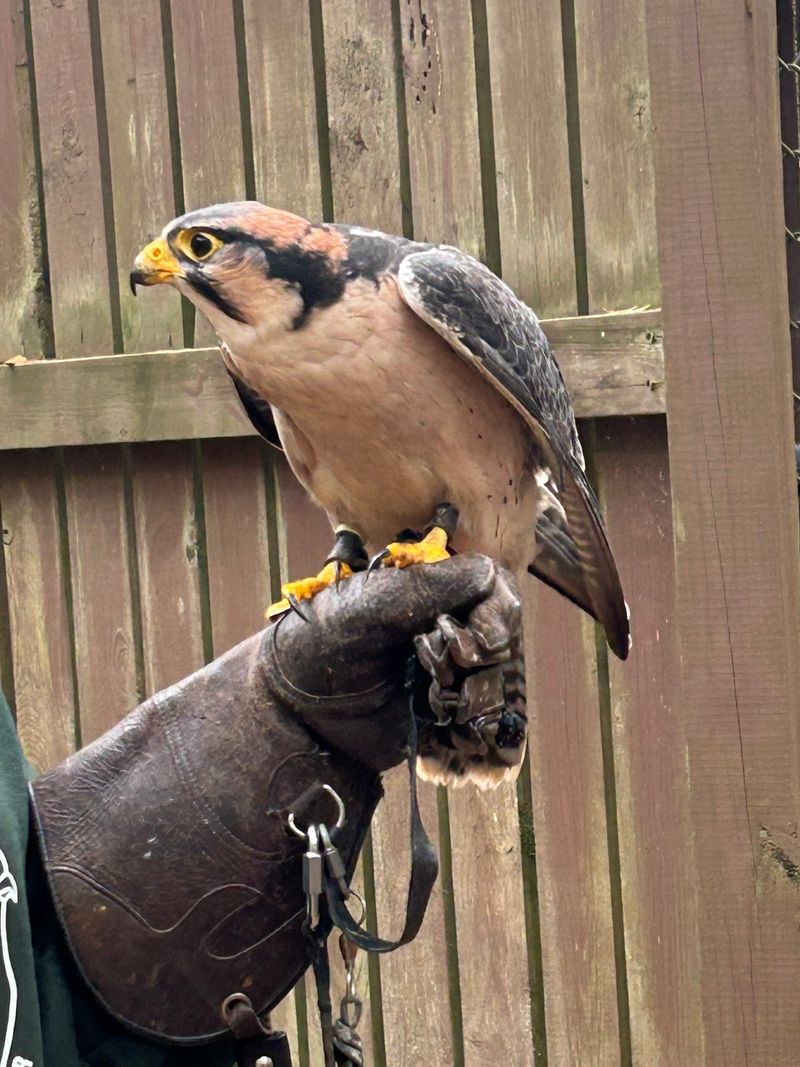
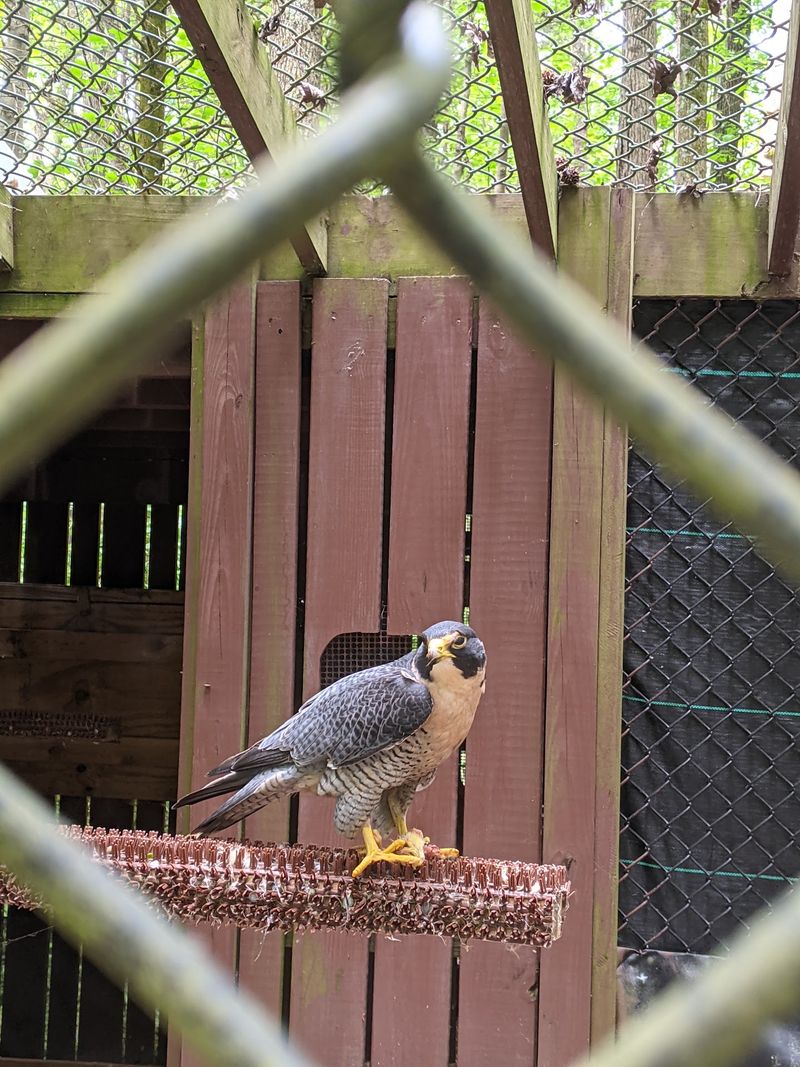
Beyond eagles and owls, the trail introduces visitors to an impressive diversity of daytime hunters that showcase nature’s incredible variety. Peregrine falcons demonstrate speed records that make them the fastest animals on Earth when diving for prey.
Red-tailed hawks display the broad wings and keen eyesight that make them successful hunters across diverse habitats.
Turkey vultures might not win beauty contests, but they perform essential cleanup work in ecosystems by consuming carrion. Their bald heads stay cleaner while feeding, and their incredible sense of smell helps locate food from miles away.
Even less glamorous species teach important lessons about ecological balance and interdependence.
The center’s collection includes kites, harriers, and other specialized raptors that many visitors never knew existed. Learning about hunting techniques reveals how different wing shapes, beak structures, and talon designs help each species capture specific types of prey.
These adaptations developed over millions of years through natural selection.
Watching these powerful birds up close helps people appreciate the remarkable diversity of raptors thriving across North America when given adequate protection and habitat.
A Scenic Forest Trail That’s Easy For Most Visitors

The three-quarter-mile Raptor Trail winds gently through shaded forest, making it accessible for most fitness levels without requiring hiking experience. Families with young children, older adults, and visitors with mobility considerations can typically complete the loop comfortably.
The well-maintained path stays relatively level throughout, though sturdy walking shoes help on natural surfaces.
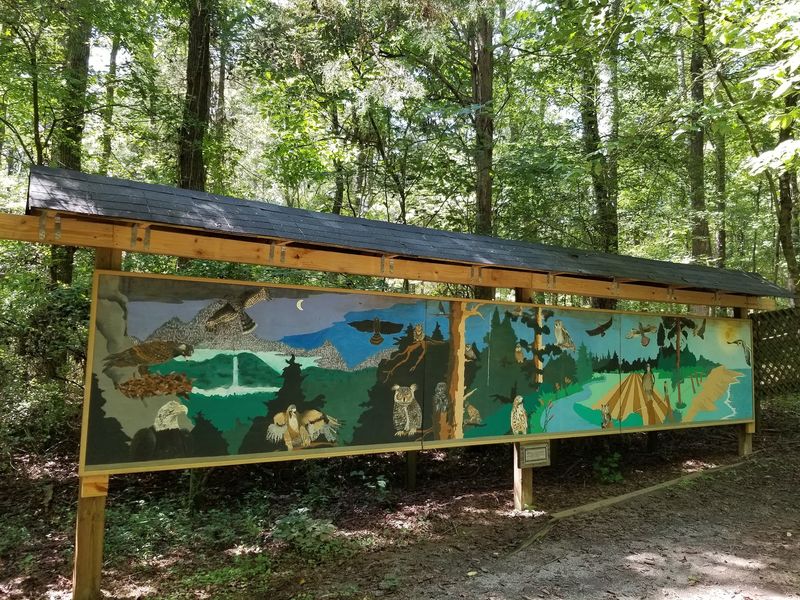
Tall trees provide welcome shade during warm months, while interpretive signs along the route share fascinating raptor facts and conservation information. The layout allows visitors to move at their own pace, spending extra time with favorite species or quickly viewing the entire collection.
Benches placed at intervals offer rest spots and excellent observation points for photography. The trail design brings visitors remarkably close to bird enclosures while maintaining safe distances that protect both people and raptors.
Most guests complete their walk in 45 minutes to an hour, though bird enthusiasts often linger much longer.
The natural setting enhances the entire experience beyond what indoor facilities could provide. Forest sounds, fresh air, and dappled sunlight filtering through leaves create an immersive environment that feels authentic and peaceful throughout every season.
Daily Programs Bring Raptors To Life
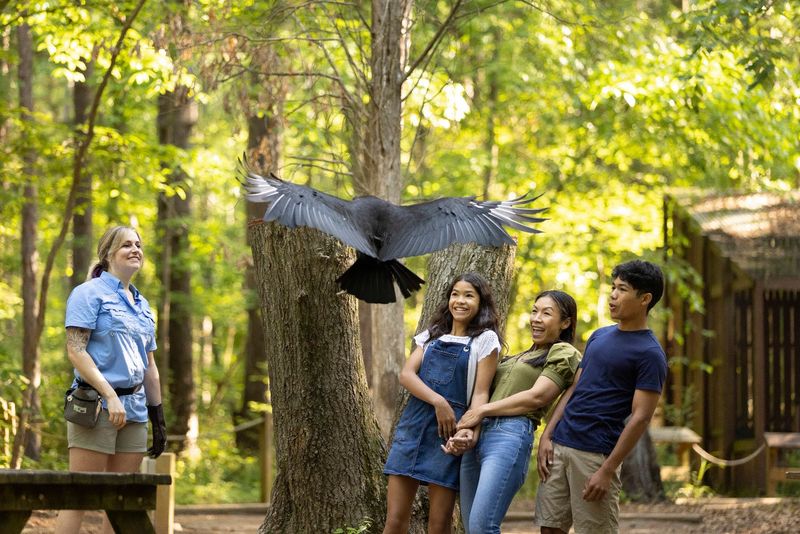
Admission includes access to scheduled keeper talks and educational presentations that transform casual visits into deeper learning experiences. Knowledgeable staff members share fascinating details about raptor behavior, biology, and the conservation challenges these birds face in modern environments.
Many programs feature live bird demonstrations that allow closer observation than trail viewing alone provides.
Presentation topics change regularly, covering themes like migration patterns, hunting adaptations, and individual bird personalities. Staff members answer visitor questions and often share behind-the-scenes stories about rehabilitation efforts.
These interactive programs particularly engage children who might otherwise rush through exhibits.
The schedule typically includes multiple daily programs, though timing varies seasonally. Checking the website before visiting helps families plan arrivals to catch their preferred presentations.
Many visitors structure their entire visit around program schedules to maximize educational opportunities.
These talks reveal information that interpretive signs can’t convey, adding significant value beyond self-guided exploration. Hearing trained educators explain complex ecological concepts in accessible language helps visitors of all ages understand why protecting raptors matters for healthy ecosystems and human communities.
Why The Carolina Raptor Center Is Unlike A Traditional Zoo
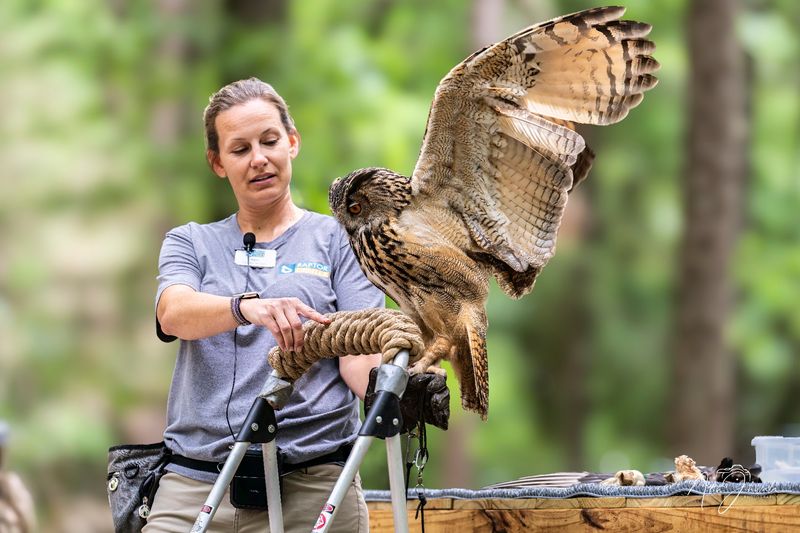
Traditional zoos collect animals for public viewing, but the Carolina Raptor Center exists primarily for wildlife rehabilitation, conservation research, and environmental education. This fundamental difference shapes every aspect of how the facility operates.
The nonprofit organization measures success by birds released back to the wild rather than attendance numbers or entertainment value.
Every resident bird arrived needing help rather than being purchased or bred for exhibition. Their presence serves the higher purpose of educating visitors about threats facing wild raptor populations.
The center reinvests resources into expanding rehabilitation capacity and conservation programs rather than creating flashy attractions.
This mission-driven approach creates a more authentic and meaningful experience for visitors seeking genuine wildlife connections. The focus remains on bird welfare and conservation impact rather than entertainment spectacle.
Staff members emphasize individual animal stories and ecological relationships over showmanship.
Understanding this distinction helps visitors appreciate why they’re supporting important conservation work with their admission fees. The center functions as a wildlife hospital that happens to offer public education rather than a zoo that happens to help some animals.
The Peaceful Atmosphere Makes Every Visit Memorable
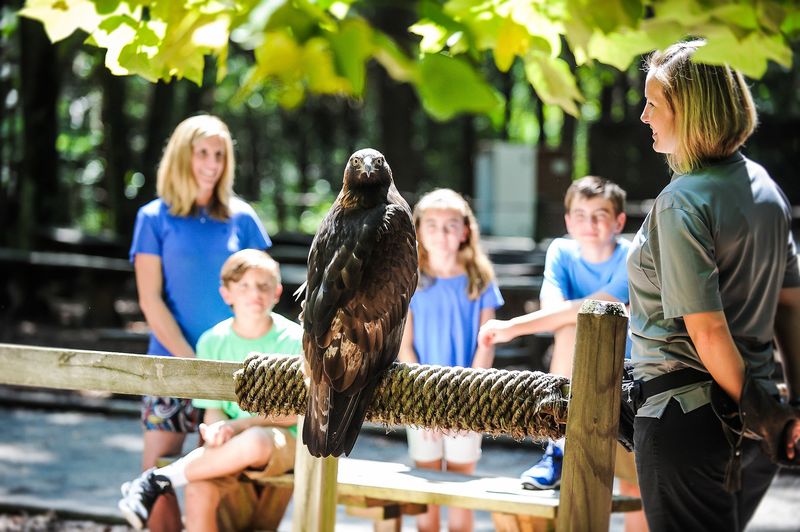
Something special happens when mighty predators meet tranquil forest setting. Visitors consistently describe their experiences using words like peaceful, calming, and rejuvenating rather than exciting or thrilling.
The combination of magnificent birds and serene woodland creates an atmosphere perfect for slowing down and truly observing.
Photographers appreciate the natural lighting and unrushed environment that allows careful composition and patience. Families enjoy exploring together without crowds, noise, or overwhelming stimulation.
Nature lovers find the forest setting itself as rewarding as the raptor encounters, especially during spring wildflower season or autumn color displays.
The center’s smaller scale compared to major attractions becomes an advantage rather than a limitation. Intimate settings foster deeper connections and contemplation that massive facilities rarely provide.
Many visitors report feeling refreshed and reconnected with nature after their woodland walks.
This peaceful quality makes the center ideal for anyone seeking outdoor experiences that restore rather than exhaust. The combination of wildlife wonder and forest tranquility offers something increasingly rare in our busy, screen-dominated world.
People leave feeling inspired and grateful for the experience.
What To Know Before You Go
Planning ahead ensures the best possible visit to this special wildlife destination. The center sits at 6000 Sample Road in Huntersville, North Carolina, nestled inside Latta Nature Preserve just north of Charlotte.
Free parking makes arrival convenient, though weekend mornings sometimes fill quickly during peak seasons.
The Raptor Trail typically operates daily from 10:00 a.m. to 4:00 p.m., though hours occasionally vary for holidays or special events. Most visitors spend 45 minutes to an hour exploring, though bird enthusiasts often linger longer.
Purchasing tickets online before arrival can save time, especially during busy periods.
Comfortable walking shoes work better than sandals on natural trail surfaces. Weather-appropriate clothing matters since the wooded path offers shade but limited shelter during rain.
Bringing cameras or binoculars enhances bird watching, though even phone cameras capture memorable shots.
Checking the daily program schedule online helps visitors time their arrival to catch educational presentations. Following posted guidelines protects both visitors and resident birds while ensuring everyone enjoys positive experiences.
The center’s staff welcomes questions and genuinely loves sharing their passion for raptor conservation with curious guests.