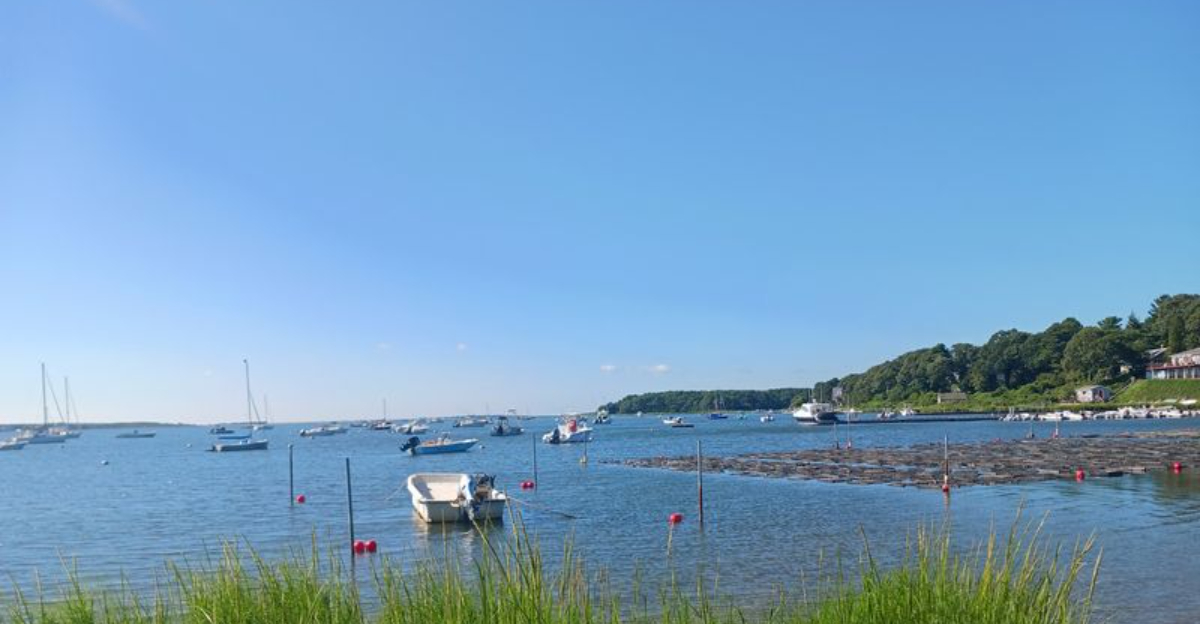
Most Cape Cod trips come with busy roads, packed beaches, and long lines for parking, but Waquoit Bay holds a quieter surprise.
Inside Waquoit Bay National Estuarine Research Reserve in East Falmouth, Washburn Island feels wild and peaceful, with ten simple campsites that you can reach only by kayak, canoe, or boat.
That small detail changes everything, because getting there feels like part of the adventure and makes the island seem far away from everyday life.
If you like salt air, simple camping, and places that still feel mostly untouched, this little corner of Massachusetts is worth knowing about, especially since the reserve also offers trails, bay views, wildlife, and helpful staff who can make your visit easier and more meaningful for families, first-time paddlers, and anyone curious about a rare overnight stay on the water near the busy villages and beaches of Cape Cod in summer.
A rare undeveloped island stay
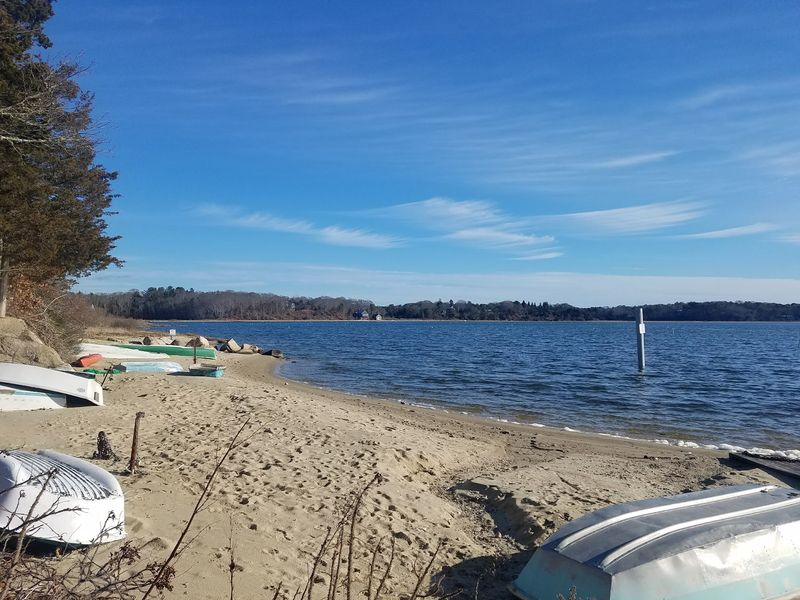
Some places feel special the second your paddle touches shore, and Washburn Island has that kind of pull.
Part of Waquoit Bay National Estuarine Research Reserve, it offers a kind of Cape Cod experience that feels older, quieter, and far less crowded than the usual summer scene.
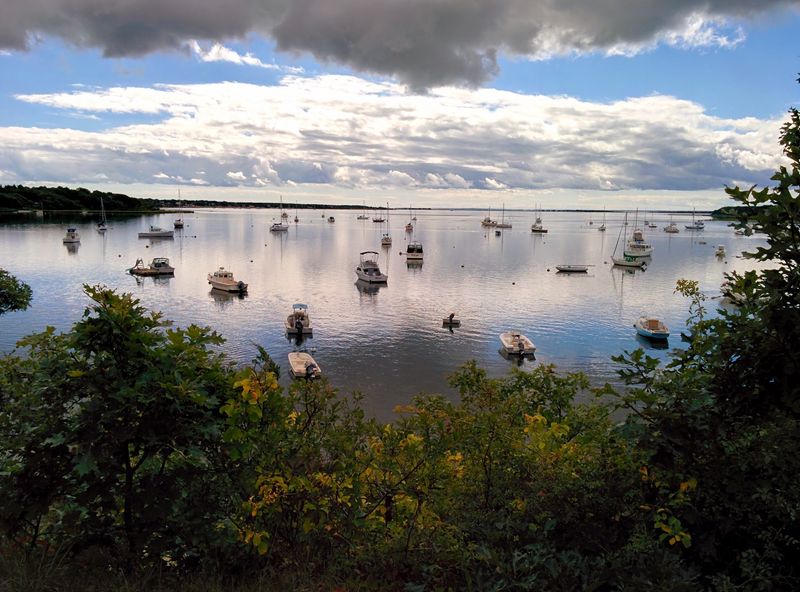
Instead of stores, traffic, and tightly packed rentals, you get woods, shoreline, open sky, and the steady sound of water moving through the bay.
The island stays mostly undeveloped, so campers should expect a simple outdoor trip rather than a resort-style escape.
Waquoit Bay National Estuarine Research Reserve is based at 131 Waquoit Hwy in East Falmouth, Massachusetts, and the reserve protects marshes, barrier beaches, trails, and bay habitat across a broad coastal landscape.
Washburn Island sits within that protected setting, which is one reason the place feels so carefully preserved.
Bring a mindset ready for basics, because the charm comes from what is missing.
Fewer buildings, fewer distractions, and no road access make the island feel like a real retreat, which is exactly why many visitors remember it long after the trip ends.
Ten campsites make it feel limited and special
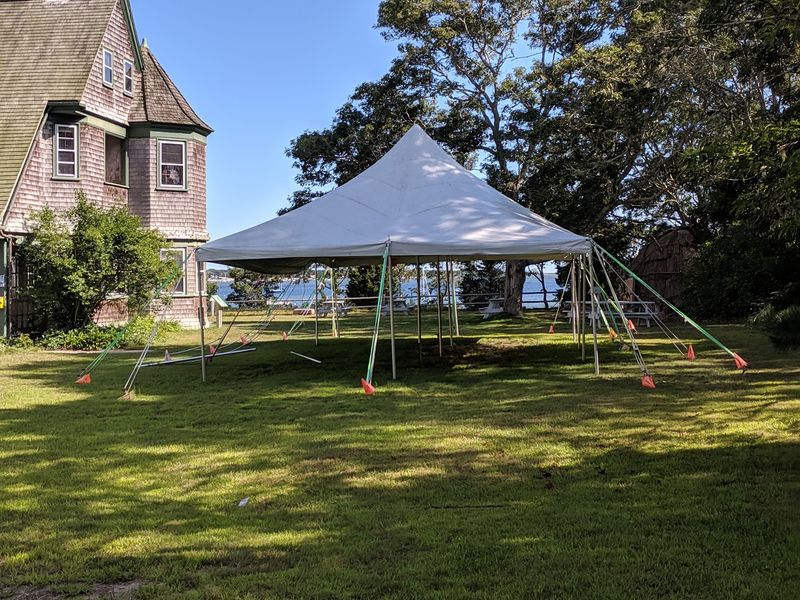
A small number can make a place feel even more memorable, and that is true here.
Washburn Island has just ten campsites, which gives the whole trip a tucked-away feeling that is hard to find on busy Cape Cod.
Because there are only ten spots, planning ahead matters.
Campers should look into current reservation rules, seasonal details, and any site information before they pack, since limited space means last-minute plans may not work out.
Having fewer campsites also changes the mood once you arrive.
The island does not feel packed, noisy, or overbuilt, and that lighter footprint helps protect the natural setting that makes Waquoit Bay National Estuarine Research Reserve so valuable.
For families or first-time island campers, the limited number can actually be comforting.
You are not walking into a giant campground with rows of people and nonstop activity, but into a smaller, calmer setup where the scenery takes center stage and the overnight stay feels more personal, more peaceful, and easier to enjoy at a slower pace.
Kayak access turns the trip into an adventure
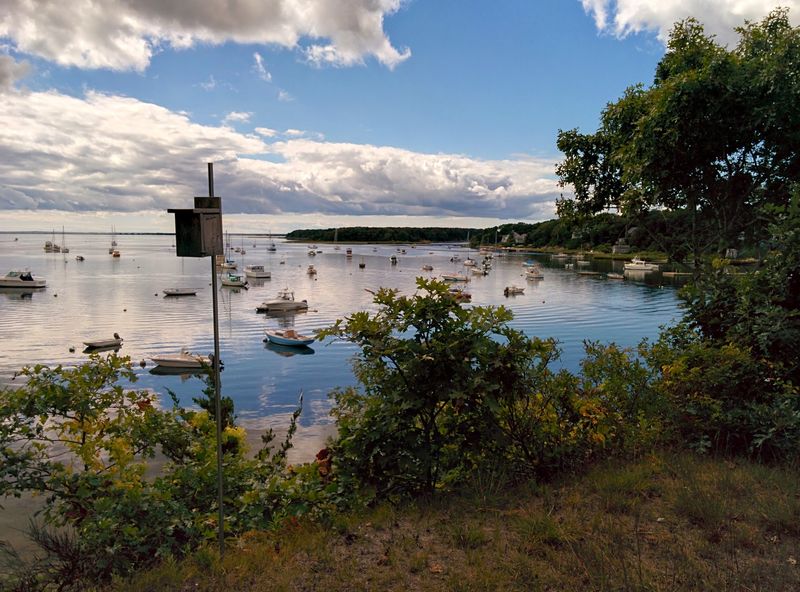
The fun starts before the tent goes up, because reaching the island by kayak makes the journey part of the story.
Paddling across the water adds a sense of effort and reward that you simply do not get when a campsite sits beside a parking lot.
Kayak campers need to pack light, keep gear dry, and secure everything well before launching.
Dry bags, extra straps, a tide-aware plan, and a close look at weather conditions can make the ride safer and much less stressful.
Waquoit Bay can look gentle, but open water, wind, and changing conditions still deserve respect.
Beginners should choose calm weather, avoid overloading boats, and consider asking local staff or experienced paddlers about the most practical approach.
That paddle in also shapes the mood of the whole trip.
By the time you land on Washburn Island, the reserve already feels bigger, quieter, and more alive, and even a short crossing can help visitors notice birds, marsh edges, and the shifting colors of the bay in a way that driving never could.
Canoe campers get a classic New England feel
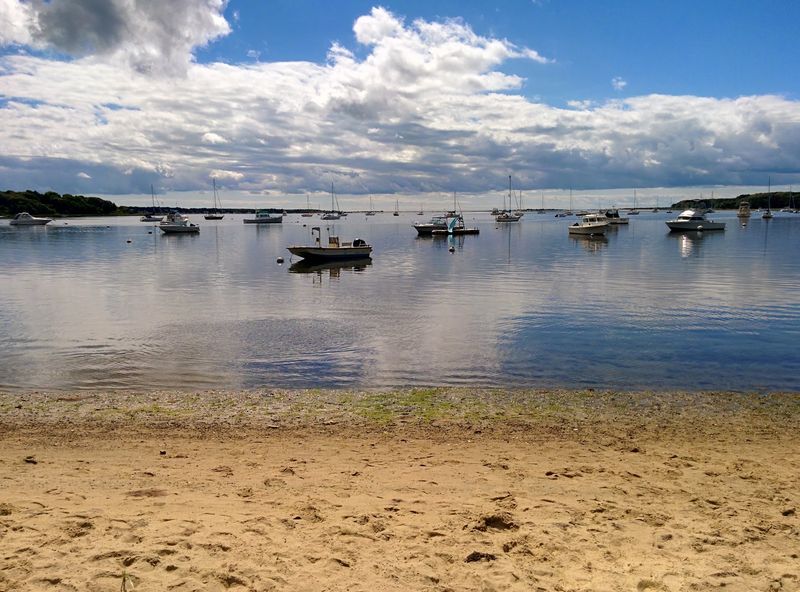
Few things feel more timeless than loading a canoe with sleeping bags, snacks, and a tent for a short island crossing.
For visitors who enjoy a slower rhythm, canoe access gives Washburn Island an old-school outdoor spirit that fits the reserve beautifully.
Canoes can carry plenty of gear, but balance matters a lot.
Heavy items should stay low and centered, loose equipment should be tied down, and everyone should wear a life jacket from launch to landing.
Because canoes sit differently in the water than kayaks, wind can become a bigger factor.
Choosing a calm day, paddling with a partner who has some experience, and keeping the route simple can help turn the trip into a smooth outing instead of a tiring struggle.
There is also something especially memorable about gliding into camp by canoe at sunset.
As the shoreline gets closer, Waquoit Bay National Estuarine Research Reserve feels less like a map location and more like a living place, full of marsh grass, quiet water, and the kind of simple beauty that makes a one-night stay feel much bigger.
Boat access offers the easiest route for some visitors
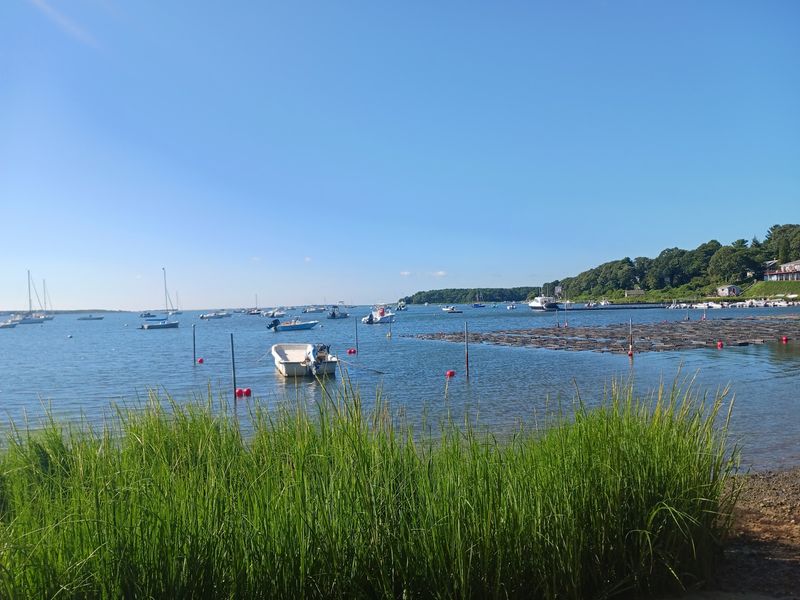
Not everyone wants to paddle a load of camping gear across the bay, and boat access gives some visitors a more practical option.
Being able to arrive by small boat opens the island to campers who want the same remote feeling with less physical strain.
Even with a boat, the trip still needs planning.
Check local regulations, tides, weather, landing conditions, and gear weight before heading out, since safe arrival matters much more than speed.
Using a boat does not take away the island magic.
You still approach Washburn Island from the water, watch the shoreline come into focus, and step onto a campsite that feels separated from roads, shops, and the normal rush of Cape Cod.
That water-only arrival is the key detail.
Whether you come under paddle power or by small boat, the lack of direct road access gives Waquoit Bay National Estuarine Research Reserve a different kind of camping experience, one that feels sheltered, self-contained, and refreshingly disconnected, while still being close to East Falmouth and the rest of the upper Cape when your trip is over.
The reserve adds more than just a campsite

An overnight stay on Washburn Island gets even better because the larger reserve offers plenty to explore before or after camp.
Waquoit Bay National Estuarine Research Reserve is not just a launch point, but a rich coastal area with trails, exhibits, wildlife, and views that help visitors understand the bay.
The reserve sits at 131 Waquoit Hwy, East Falmouth, MA 02536, and it is generally open daily from 10 AM to 4 PM.
Visitors also note welcoming staff, kid-friendly learning spaces, short nature walks, and impressive osprey viewing around the property.
That mix of education and scenery can make a camping trip feel fuller without making it complicated.
You can spend part of the day learning about estuaries, fish, marshes, and local history, then head out toward the island with a better sense of the place around you.
Families especially may appreciate that balance.
A child who sees tanks, signs, trails, or a live osprey camera at the reserve may become much more excited about sleeping on a nearby island, and that added curiosity often turns a simple overnight trip into a real memory.
Wildlife and estuary scenery shape the whole experience
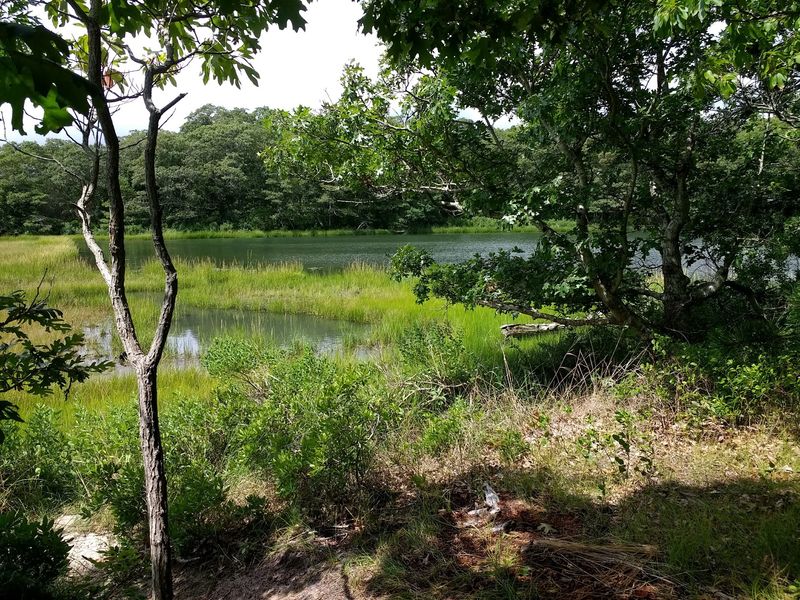
Wake up here, and the first thing you may notice is not noise but movement.
Birds cross the sky, marsh grass shifts in the breeze, and the changing light over the water reminds you that camping in an estuary feels different from camping inland.
Waquoit Bay National Estuarine Research Reserve protects more than campsites.
Its broader landscape includes marshlands, barrier beaches, trails, and coastal waters, creating habitat for wildlife and giving visitors a front-row seat to a living shoreline.
Osprey are a favorite sight for many guests, and reserve visitors often mention them with real excitement.
Watching birds hunt, circle, or perch can turn a quiet stretch of time into the highlight of the trip, especially for kids who do not often see wildlife this close.
Campers should remember that beautiful places stay beautiful when visitors act carefully.
Pack out trash, store food securely, keep noise low, and avoid disturbing animals or sensitive shoreline areas, because the reward of staying on a water-access island inside the reserve comes with a shared job to treat the bay with respect from start to finish.
Good planning makes the island trip smoother
A little preparation can be the difference between a relaxing island night and a tiring scramble.
Because Washburn Island campsites are only reachable by kayak, canoe, or boat, every item you bring needs a purpose and a safe way to travel.
Start with the basics first.
Dry bags, water, simple meals, weather-ready layers, sun protection, bug spray, lights, and a fully charged phone all help, while bulky extras quickly become annoying when you have to load and unload them from a small craft.
It also helps to check reserve information before you go.
Waquoit Bay National Estuarine Research Reserve has a website and staff phone line, and those resources can help with hours, access details, current conditions, and rules that may affect your visit.
Smart timing matters too.
Aim for calm weather, give yourself extra daylight for landing and setting up camp, and tell someone your plan before you leave, because even a short crossing deserves real care.
When the logistics are handled well, the island can feel less like a challenge and more like the peaceful reward you came to enjoy.
Why this hidden overnight feels so different from typical Cape Cod
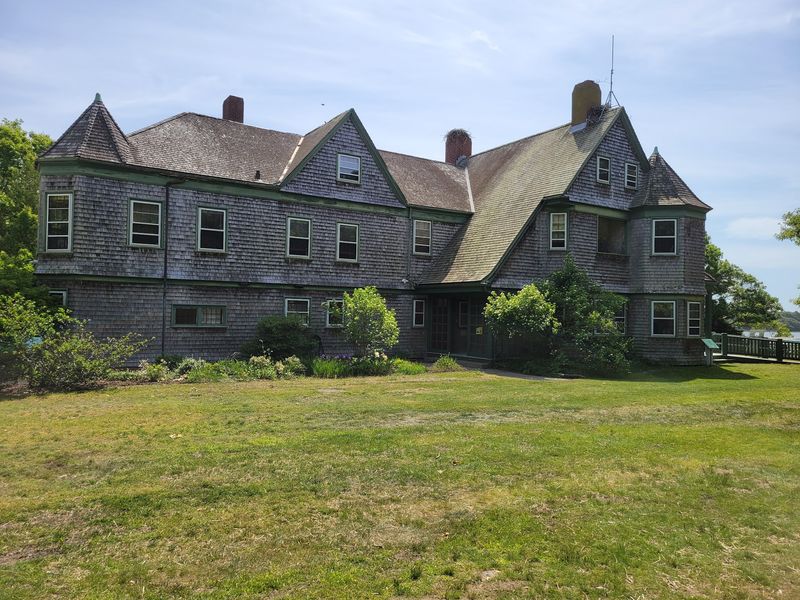
Cape Cod is famous for beaches and vacation bustle, yet this overnight experience tells a quieter story.
Camping on Washburn Island feels different because the trip asks you to slow down, cross the water, and settle into a place that still holds a strong sense of separation.
You are not stepping out of a car and into a crowded campground.
You are arriving by kayak, canoe, or boat at one of ten campsites inside Waquoit Bay National Estuarine Research Reserve, and that alone changes the pace, the mood, and the kind of memories people take home.
There is a satisfying simplicity to the whole experience.
Meals feel more earned, sunsets seem bigger, and even small tasks like unloading gear or finding a flat spot for a tent become part of the adventure instead of chores.
For travelers who want something beyond the usual summer routine, this is the real draw.
Washburn Island offers a modest, water-linked escape in East Falmouth, where nature, effort, and quiet all work together, giving Massachusetts visitors a camping story that feels unusual, grounded, and surprisingly hard to forget once they head back to shore.