America’s story begins on this very patch of Virginia soil. Few places let you step into history quite like Historic Jamestowne, where the first permanent English colony took root in 1607.
Every path, brick, and artifact brings you closer to the people who faced an uncertain future and changed the course of a nation.
This isn’t a recreated village or a Hollywood-style attraction. It’s the real site where archaeologists still uncover remarkable discoveries, giving visitors a rare chance to witness history being revealed piece by piece.
Stand where the original fort once stood, explore centuries-old church ruins, and see objects that passed through colonial hands more than 400 years ago.
The stories of survival, hardship, and determination feel far more powerful when you’re standing where they happened.
Whether you’re fascinated by early America or simply love places with unforgettable stories, Historic Jamestowne delivers an experience that stays with you long after you leave Virginia.
The Birthplace of English America
Standing at Historic Jamestowne feels different from visiting other historical attractions because this location truly changed the course of world history. When 104 English settlers arrived on May 13, 1607, they established the first permanent English colony in North America.
Their success, despite incredible hardships, opened the door for English culture, language, and government systems that shaped American society.
Few places in America can claim such a profound impact on the nation’s development. The democratic traditions, legal systems, and representative government that Americans take for granted today have roots stretching back to this small riverside settlement.
The colony survived starvation, disease, conflicts with Indigenous peoples, and internal struggles that could have ended the English presence in North America forever.
Historic Jamestowne preserves these crucial beginnings. Visitors gain perspective on how fragile early colonial life was and how determination changed history.
Walking this ground connects you directly to America’s English colonial origins in ways few other places can offer.
Where the Original Fort Once Stood
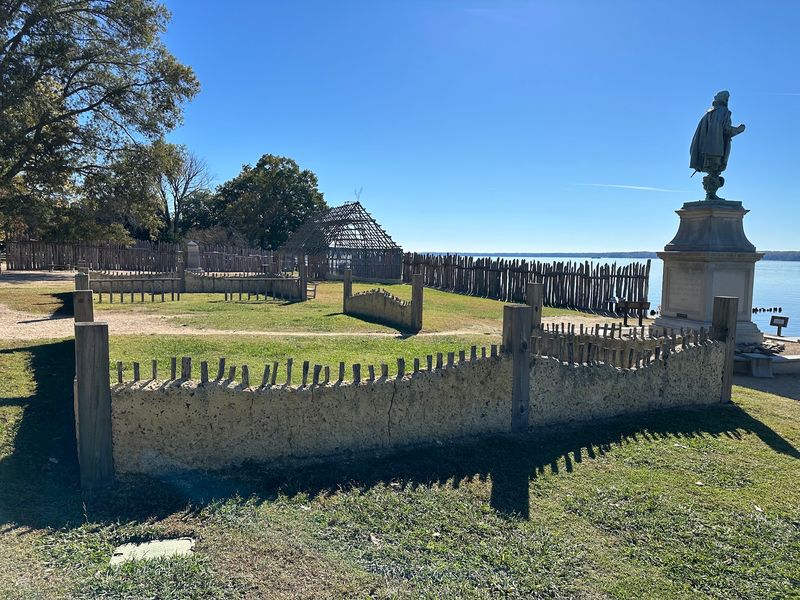
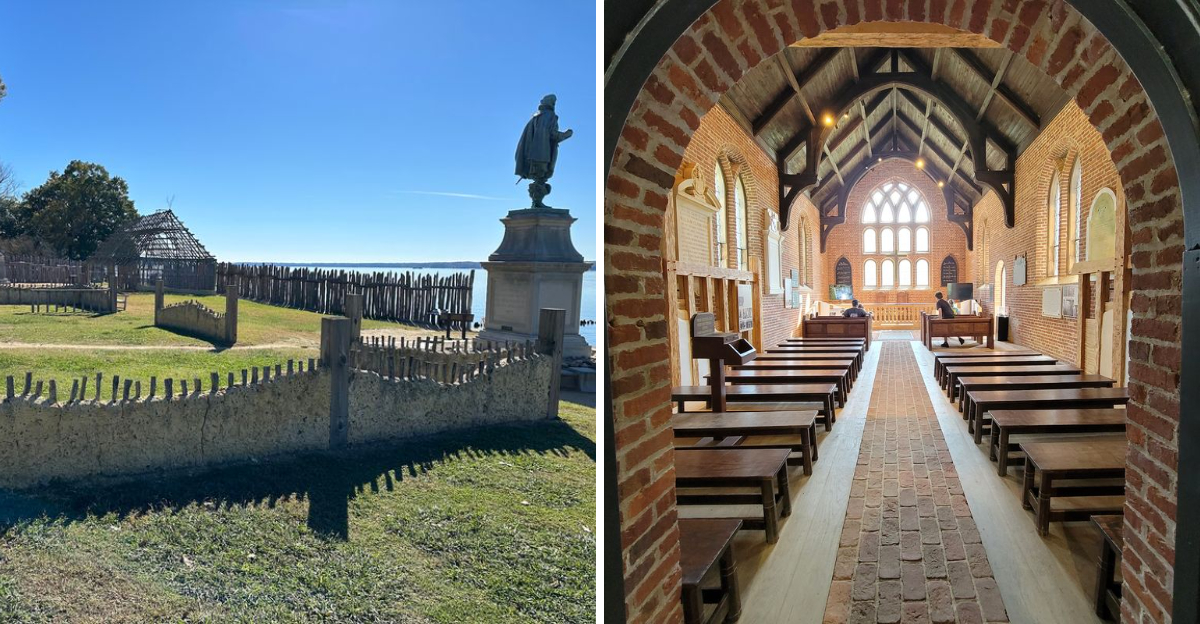
For decades, historians believed the original James Fort had washed into the James River and disappeared forever. That changed in 1994 when archaeologists discovered the fort’s remains still buried on Jamestown Island.
Today, visitors walk among the actual foundations where colonists lived, worked, and fought to survive their first desperate years in the New World.
The triangular fort covered about an acre and featured three bulwarks at each corner for defense. Seeing the layout helps visitors understand how colonists organized their settlement and defended against attacks.
Archaeological markers outline building locations, showing where structures like the storehouse, church, and living quarters once stood within the protective walls.
Standing here creates a powerful connection to the past. You occupy the same space where Captain John Smith walked, where Pocahontas visited, and where colonists faced their darkest hours during the Starving Time.
The authentic setting makes history tangible rather than abstract, bringing colonial struggles into sharp focus for modern visitors.
Active Archaeological Excavations
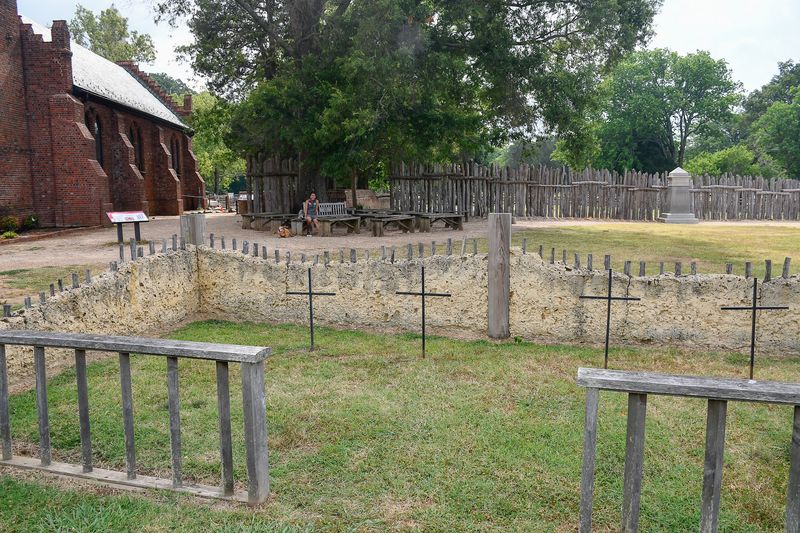
History isn’t finished revealing its secrets at Jamestowne. Active excavations continue throughout the year as archaeologists carefully uncover new artifacts and structures from beneath four centuries of accumulated soil.
Since systematic excavations began in 1994, the Jamestown Rediscovery project has recovered over four million artifacts from the colonial period, dramatically expanding our understanding of early American life.
Visitors often watch archaeologists working in real time, carefully brushing dirt from pottery fragments, tools, weapons, or building remains. Observing this process transforms history from something in books to an ongoing investigation.
Archaeologists frequently pause to explain their work, discuss recent discoveries, and answer questions from curious observers.
The excavations reveal surprising details about colonial life. Artifacts show what colonists ate, how they dressed, what tools they used, and how they interacted with Indigenous peoples.
Each discovery adds another piece to the puzzle of understanding how these early settlers survived and eventually thrived in an unfamiliar land thousands of miles from home.
The Archaearium Museum
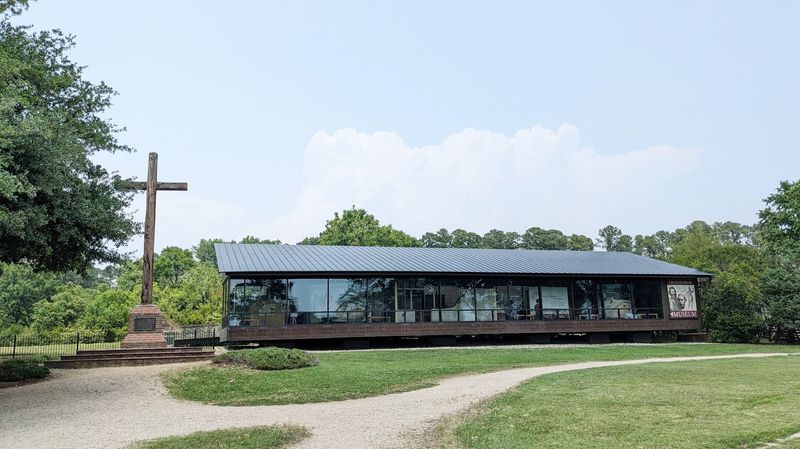
Walking into the Archaearium feels like entering a time capsule from 1607. This striking museum houses thousands of artifacts recovered from the James Fort excavations, offering an intimate look at colonial life through objects colonists actually used.
Glass cases display everything from delicate glass beads and ceramic dishes to armor, muskets, and surgical instruments that tell stories of daily survival.
Personal items reveal the human side of colonization. A boy’s shoes, a woman’s jewelry, gaming pieces, and tobacco pipes show that colonists sought moments of normalcy amid harsh conditions.
Weapons and armor illustrate constant security concerns, while farming tools and pottery demonstrate efforts to establish permanent settlement rather than temporary occupation.
The museum’s centerpiece displays the remains of four individuals buried near the fort, along with scientific analysis revealing their identities, ages, and causes of death. These discoveries, combined with thousands of artifacts, transform abstract historical figures into real people who experienced fear, hope, hunger, and determination during America’s challenging colonial beginnings.
The Memorial Church and Historic Church Tower
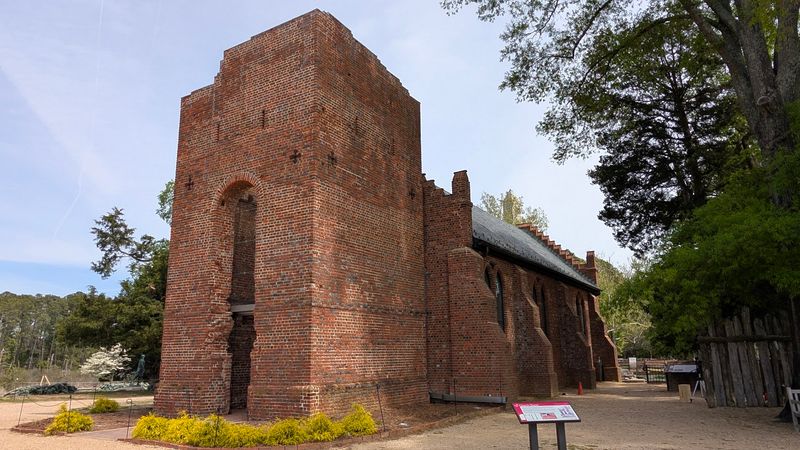
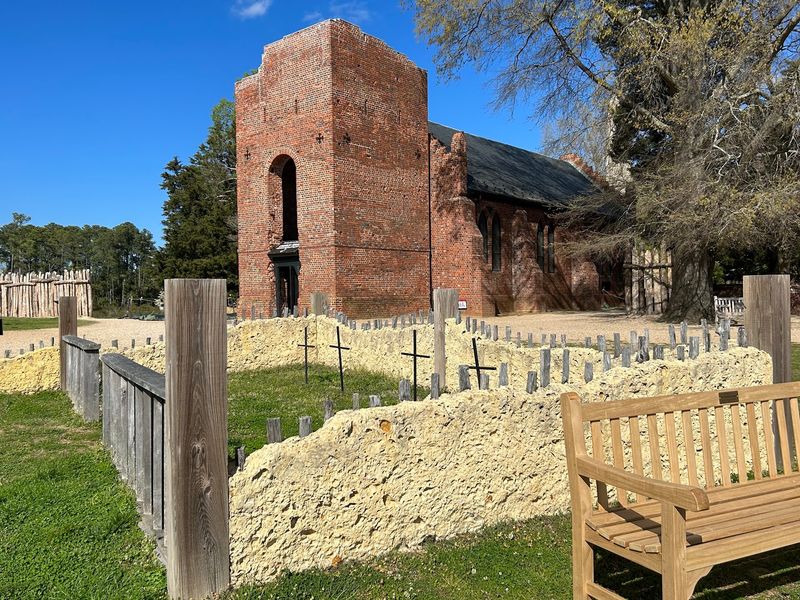
One structure at Jamestowne has witnessed over 380 years of American history. The brick church tower, built around 1639, stands as the only visible seventeenth-century structure remaining on Jamestown Island.
Its weathered bricks and simple architecture represent colonial craftsmanship while serving as a powerful symbol of the settlement’s endurance through centuries of change.
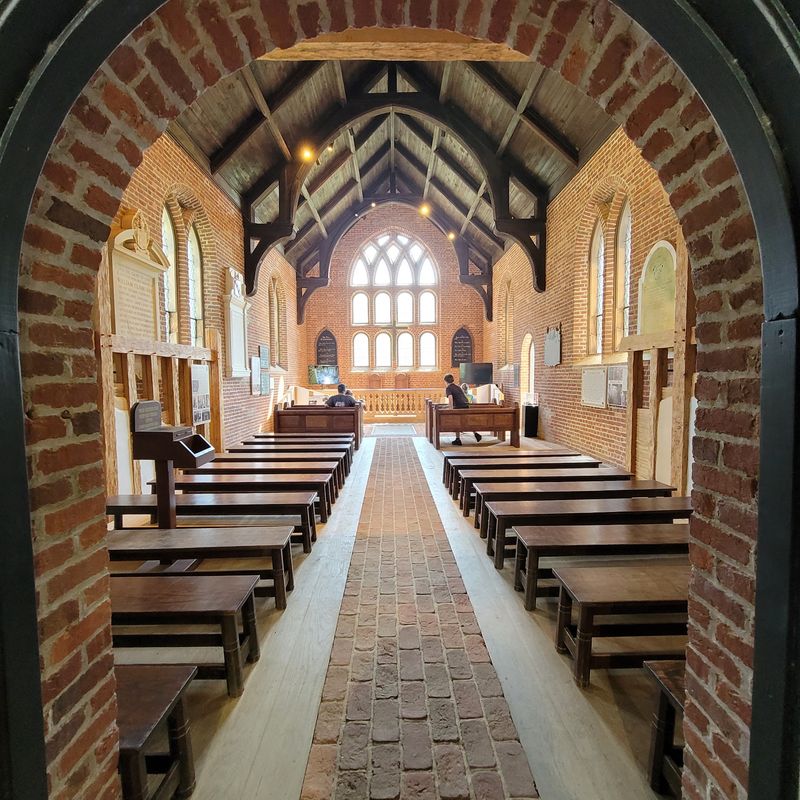
The Memorial Church, constructed in 1907 to commemorate the colony’s 300th anniversary, was built over the foundations of Jamestown’s original churches. Archaeological evidence revealed several churches stood on this spot, including the building where Pocahontas married John Rolfe in 1614.
Important colonial leaders, including Sir George Yeardley, rest in graves beneath and around the church.
Visitors stepping inside experience remarkable history. This sacred ground witnessed the colony’s first representative assembly in 1619, establishing democratic government traditions.
The quiet interior invites reflection on how faith helped colonists endure unimaginable hardships.
Standing here connects you to pivotal moments that shaped American religious freedom and governmental principles still valued today.
Stories of Captain John Smith and Pocahontas
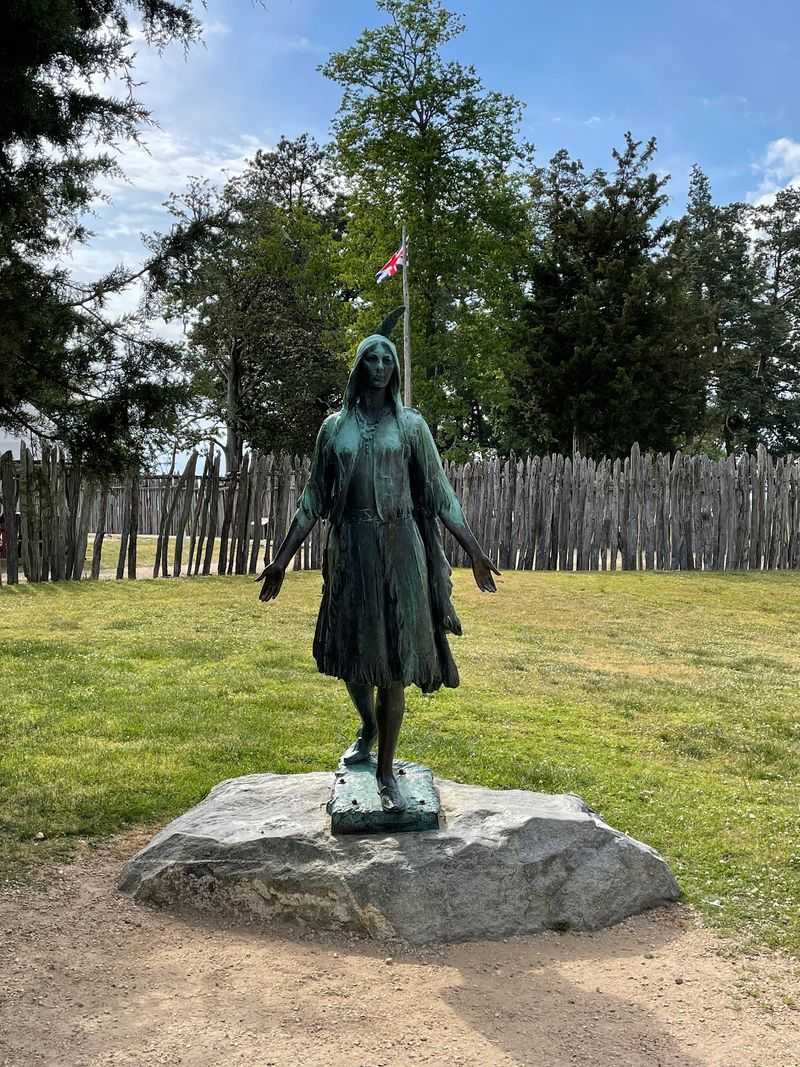
Everyone knows the Disney version, but the real stories of Captain John Smith, Pocahontas, and other Jamestowne figures prove far more complex and fascinating than popular legends suggest. Historic Jamestowne separates historical facts from romantic fiction, presenting evidence-based accounts of relationships between English colonists and the Powhatan people who already inhabited Virginia.
Captain John Smith’s leadership during the colony’s early years proved crucial to survival, though his famous rescue by Pocahontas likely never happened as he described. Pocahontas, whose real name was Matoaka, was about ten years old during Smith’s time at Jamestown.
She later married colonist John Rolfe in a political alliance that brought temporary peace between cultures.
Understanding these real relationships reveals the complicated nature of colonial encounters. Indigenous peoples helped colonists survive, taught them agricultural techniques, and engaged in trade.
Yet cultural misunderstandings, competition for resources, and English expansion led to devastating conflicts.
Jamestowne’s interpretive programs present these difficult histories honestly, acknowledging both cooperation and conflict that defined early colonial America.
Walking the Island’s Scenic Trails
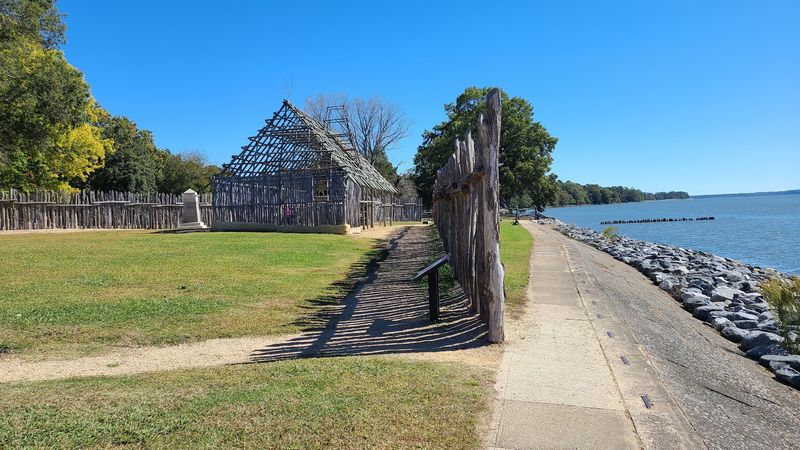
Beyond the archaeological sites, Jamestown Island offers surprisingly peaceful natural landscapes that transport visitors back to the environment colonists encountered. Several miles of walking trails wind through forests, marshes, and along the James River shoreline, providing glimpses of the wilderness that surrounded the tiny fort in 1607.
The trails showcase diverse ecosystems including tidal wetlands where herons hunt, hardwood forests sheltering deer and songbirds, and riverside overlooks offering stunning water views. Walking these paths helps visitors appreciate both the natural resources that sustained colonists and the isolation they must have felt in unfamiliar territory.
The landscape looks remarkably similar to what early settlers experienced over four centuries ago.
Spring and fall bring particularly beautiful conditions with migrating birds, wildflowers, and comfortable temperatures perfect for exploration. The quiet surroundings contrast sharply with the dramatic human stories that unfolded here.
Taking time to walk these trails adds depth to any Jamestowne visit, connecting natural history with human struggles and achievements in meaningful ways.
Living History, Ranger Programs, and Special Events
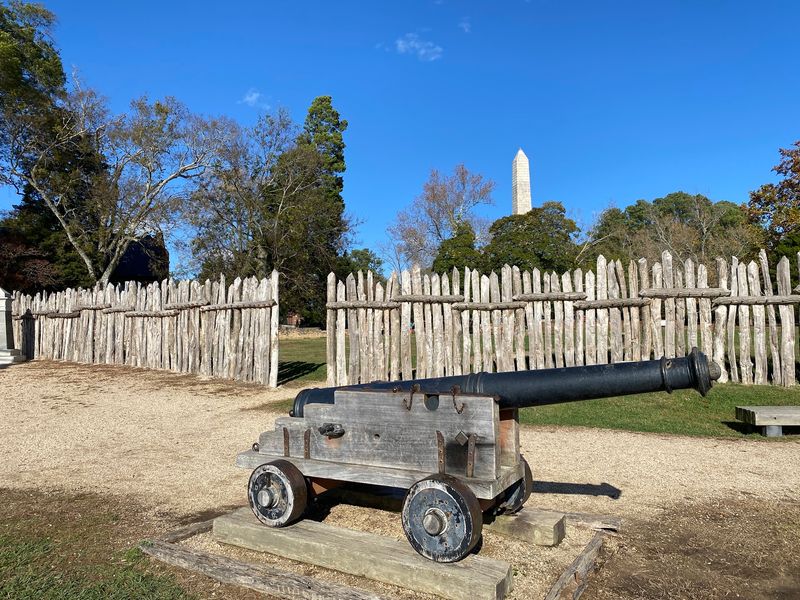
History comes alive at Jamestowne through engaging programs that transform historical facts into memorable experiences. National Park Service rangers lead daily talks covering topics from archaeological discoveries to colonial survival strategies, while living history interpreters demonstrate seventeenth-century skills like blacksmithing, cooking, and military tactics.
These programs help visitors understand how colonists actually lived rather than just when events happened.
Archaeology demonstrations prove especially popular. Staff members explain excavation techniques, artifact identification, and conservation methods while showing real objects recently unearthed from colonial layers.
Visitors gain appreciation for the painstaking work required to recover and interpret historical evidence buried for centuries.
Special events throughout the year commemorate significant anniversaries and seasonal colonial traditions. Jamestown Day in May celebrates the colony’s founding with extended programs and activities.
Summer programs target young visitors with hands-on activities teaching colonial crafts and games.
These events, included with regular admission, add educational value while making history accessible and engaging for all ages.
Why Historic Jamestowne Belongs on Every History Lover’s Bucket List
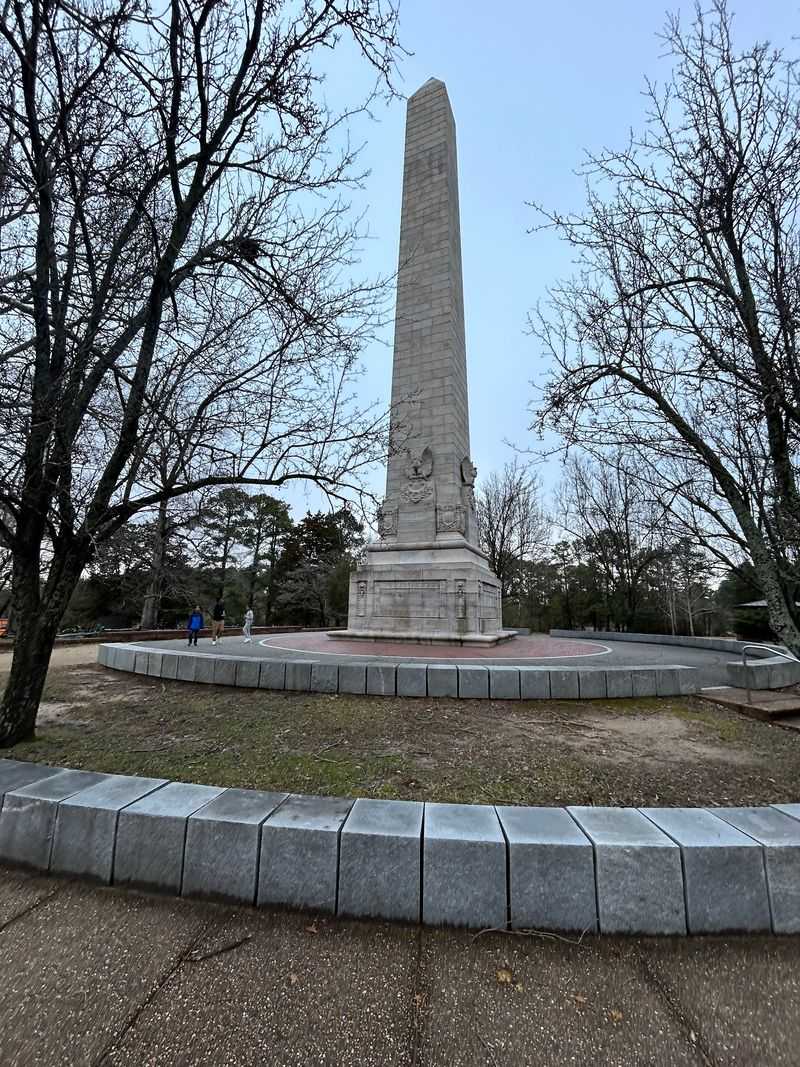
What distinguishes Historic Jamestowne from other colonial attractions is authenticity. You’re not visiting a recreation or replica but standing on the actual ground where America’s first permanent English colony struggled, survived, and ultimately succeeded.
The artifacts in museums weren’t made as educational props but were owned and used by real colonists whose decisions shaped a nation.
The ongoing archaeological work adds another unique dimension. Unlike static historical sites, Jamestowne continues revealing new information that changes our understanding of colonial life.
Witnessing archaeologists uncover objects untouched for four centuries creates excitement impossible to replicate elsewhere. Each visit might reveal different discoveries than the last.
The combination of authentic location, continuing excavations, expert interpretation, and beautiful natural settings creates an unmatched historical experience. Serious history enthusiasts recognize that understanding American origins requires visiting where those origins actually occurred.
Jamestowne offers that rare opportunity to connect directly with the beginning of English America, making it essential for anyone passionate about understanding how the United States began.
What To Know Before You Go
Before visiting Historic Jamestowne, keep these practical tips in mind to make the most of your experience. Address: 1368 Colonial National Historical Parkway, Jamestown, VA 23081.
The site sits on Jamestown Island, about 10 miles from Colonial Williamsburg.
Hours: Open daily from 9:00 a.m. to 5:00 p.m. The entrance gate is open 8:45 a.m. to 4:30 p.m.
Closed on Thanksgiving Day, Christmas Day, and New Year’s Day. Admission: Historic Jamestowne requires separate admission fees for the National Park Service area and the Jamestown Rediscovery archaeological site.
Adults typically pay $15 per section, while discounted or free admission is available for children depending on the area visited.
Plan on spending 3 to 5 hours exploring the archaeological site, Archaearium Museum, Memorial Church, walking trails, and ranger programs. Spring and fall offer the most comfortable weather, while arriving early helps avoid crowds and summer heat.
Wear comfortable walking shoes, bring sunscreen, insect repellent, water, and weather-appropriate clothing since much of the visit takes place outdoors.