You don’t need a passport to wander through one of the world’s most remarkable gardens.
Hidden in Raleigh, the JC Raulston Arboretum packs plants from more than 50 countries into just 10 beautiful acres, creating a destination that feels far bigger than its footprint.
The best part? You can enjoy every path, bloom, and shady corner without spending a dime.
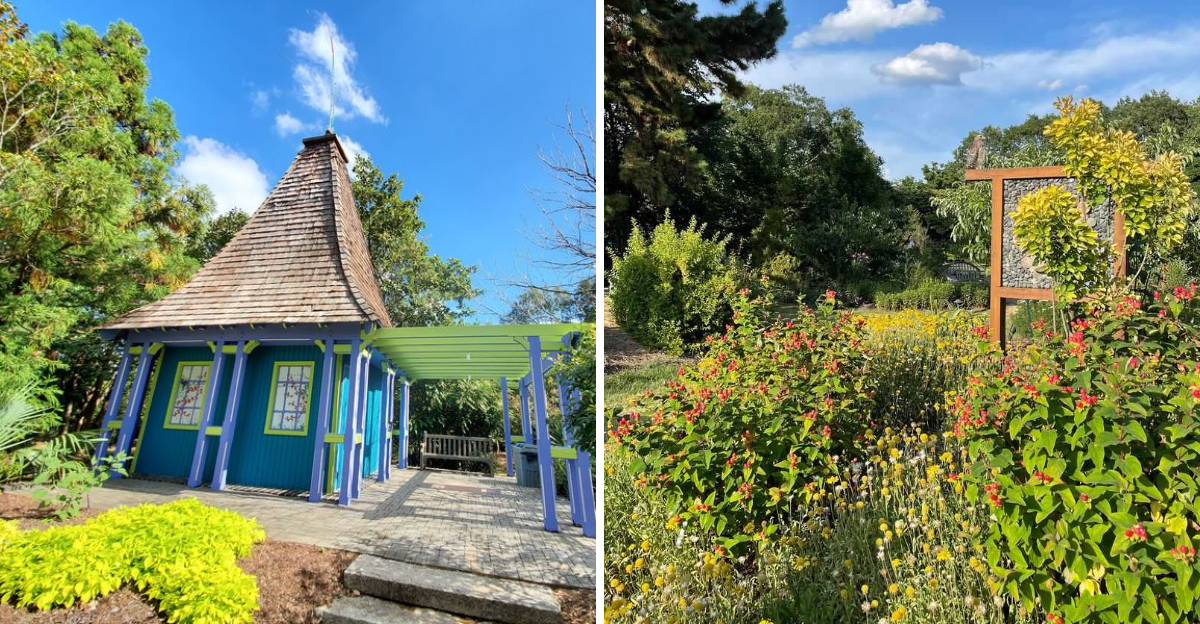
Every turn reveals something different, from colorful flowers and towering trees to rare shrubs you may never have seen before. One moment you’re strolling through a peaceful Japanese garden, the next you’re surrounded by tropical-looking plants that seem completely out of place in North Carolina.
The gardens never stay the same for long.
Spring bursts with blossoms, summer fills the beds with rich color, autumn paints the trees in brilliant shades, and winter uncovers surprising textures and evergreen beauty.
Whether you love gardening, photography, or simply finding quiet places to recharge, this Raleigh treasure delivers a memorable visit that feels like a trip around the world without ever leaving North Carolina.
A World of Plants in Just 10 Acres
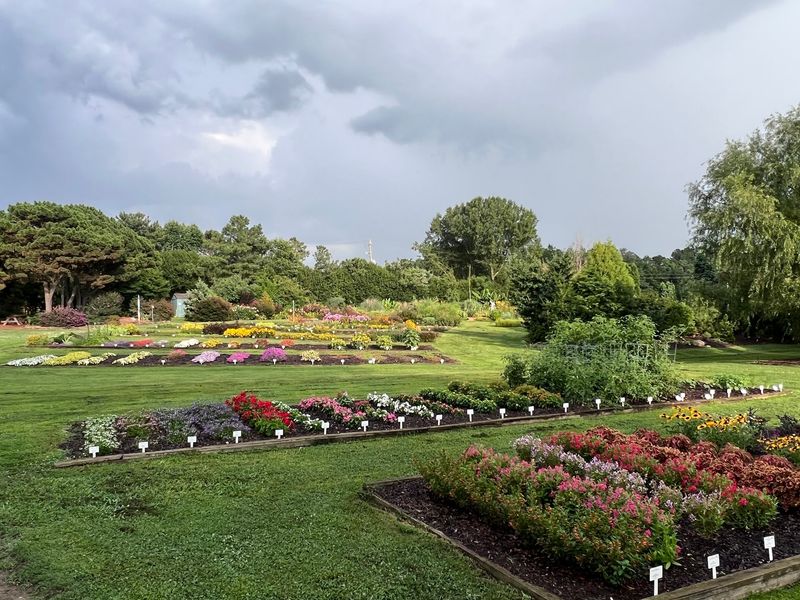
Imagine traveling from the mountains of Asia to the gardens of Europe without ever leaving North Carolina. At this compact arboretum, that journey becomes reality as you wander through collections showcasing botanical treasures from across the globe.
Plants native to Australia grow alongside specimens from South America, creating unexpected combinations that somehow work perfectly together. European perennials share space with Asian shrubs, while rare finds from Africa dot the landscape.
The careful arrangement makes every corner feel like a new destination.
What makes this place truly special is how much diversity fits into such a small area. Most visitors can’t believe the entire collection occupies just 10 acres.
The thoughtful design maximizes every square foot, creating distinct garden rooms that feel spacious despite the compact footprint.
Walking the pathways feels less like touring a single garden and more like hopping between continents. Each turn reveals something completely different from what you just saw moments before.
More Than 6,000 Different Plant Varieties
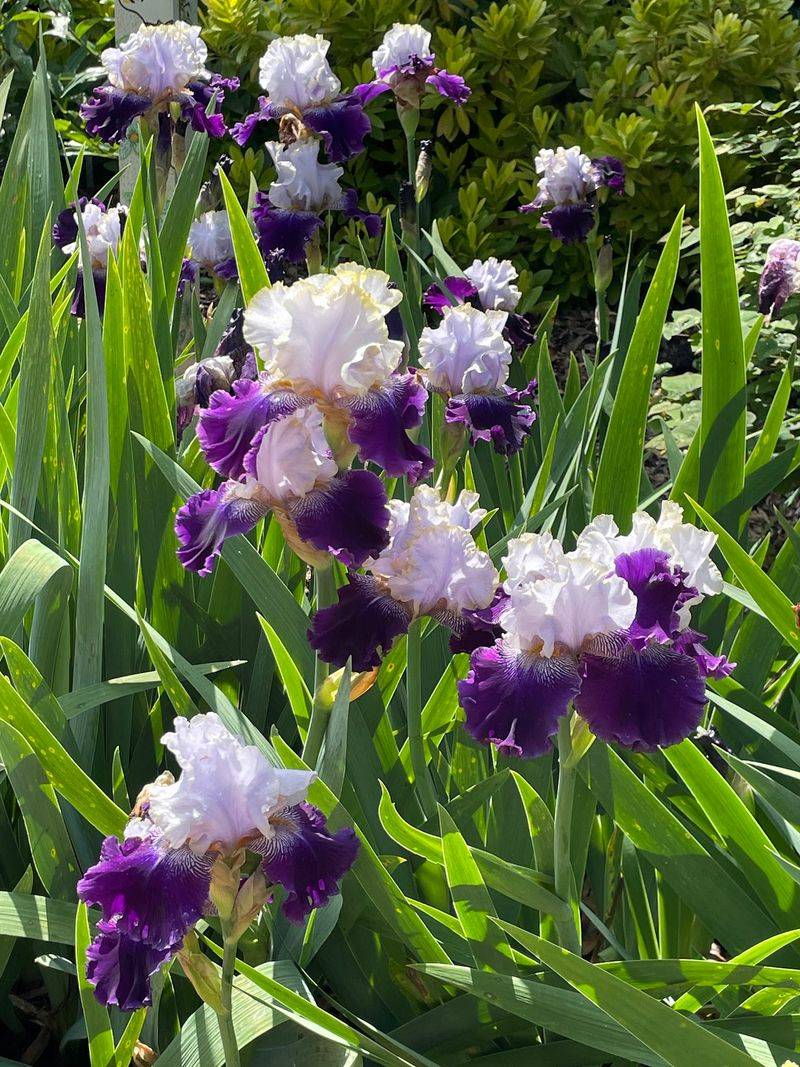
Plant collectors dream about places like this. The living collection includes over 6,000 different varieties of trees, shrubs, flowers, vines, bulbs, and perennials.
That number represents years of careful selection and cultivation by dedicated horticulturists.
Many specimens here are exceptionally rare, meaning you won’t find them at your local garden center or even most public gardens. Some varieties come from plant-hunting expeditions to remote corners of the world.
Others represent experimental hybrids being tested for the first time in southeastern conditions.
The collection constantly evolves as new plants arrive and get evaluated. Staff members work year-round adding interesting discoveries and removing plants that don’t perform well.
This ongoing process ensures visitors always encounter something fresh and unexpected.
Serious gardeners often visit multiple times per season, notebooks in hand, discovering new favorites they never knew existed. Even casual visitors appreciate the incredible variety, though they might not realize just how unusual some specimens truly are.
The Stunning Japanese Garden
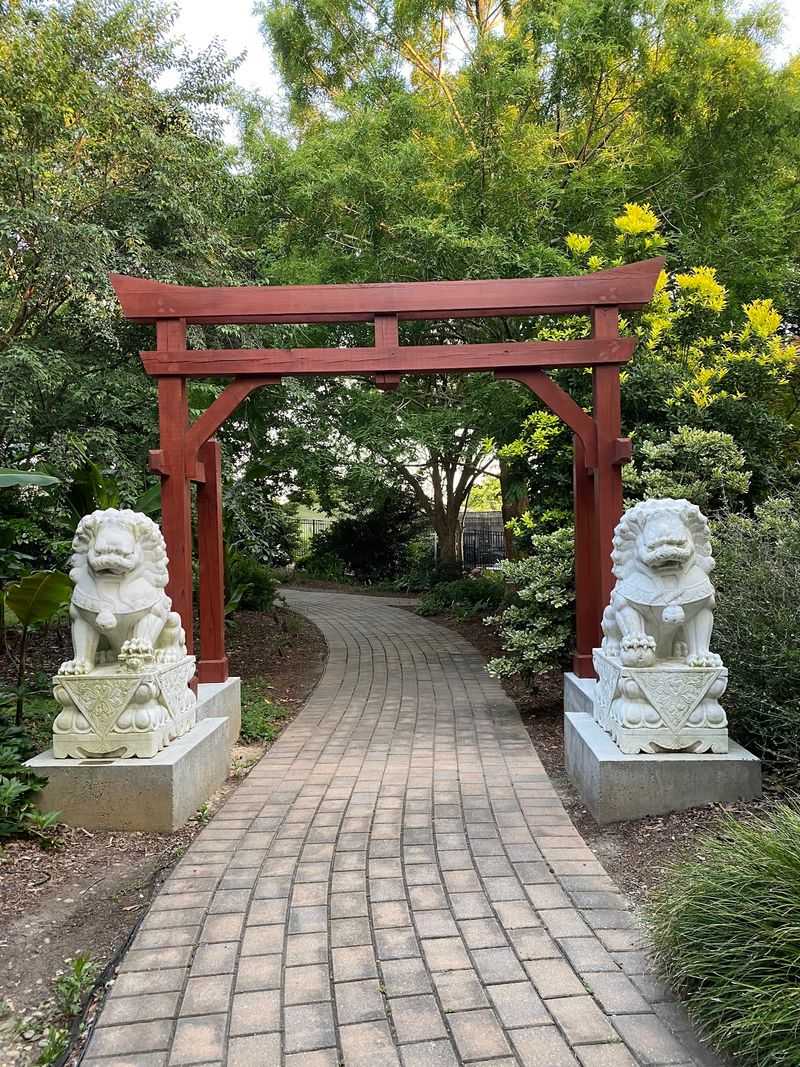
Step through the entrance and the busy world disappears completely. Traditional Japanese landscaping principles guide every element here, from the placement of stones to the pruning of specific plants.
Careful attention to balance and harmony creates an atmosphere of pure tranquility.
Authentic design elements include thoughtfully arranged rocks, winding paths that encourage slow contemplation, and plants selected for their seasonal interest and symbolic meaning. Nothing feels random or accidental.
Every detail serves a purpose in creating the overall peaceful experience.
Visitors often comment on how this garden feels worlds away from the surrounding city. The sound of rustling bamboo and the sight of perfectly shaped evergreens transport you mentally to another place entirely.
Benches positioned throughout invite you to sit and simply breathe.
Photographers love capturing the changing seasons here, from spring blooms to fall colors to winter’s stark beauty. The garden looks completely different depending on when you visit, yet maintains its calming presence year-round.
The Beautiful White Garden
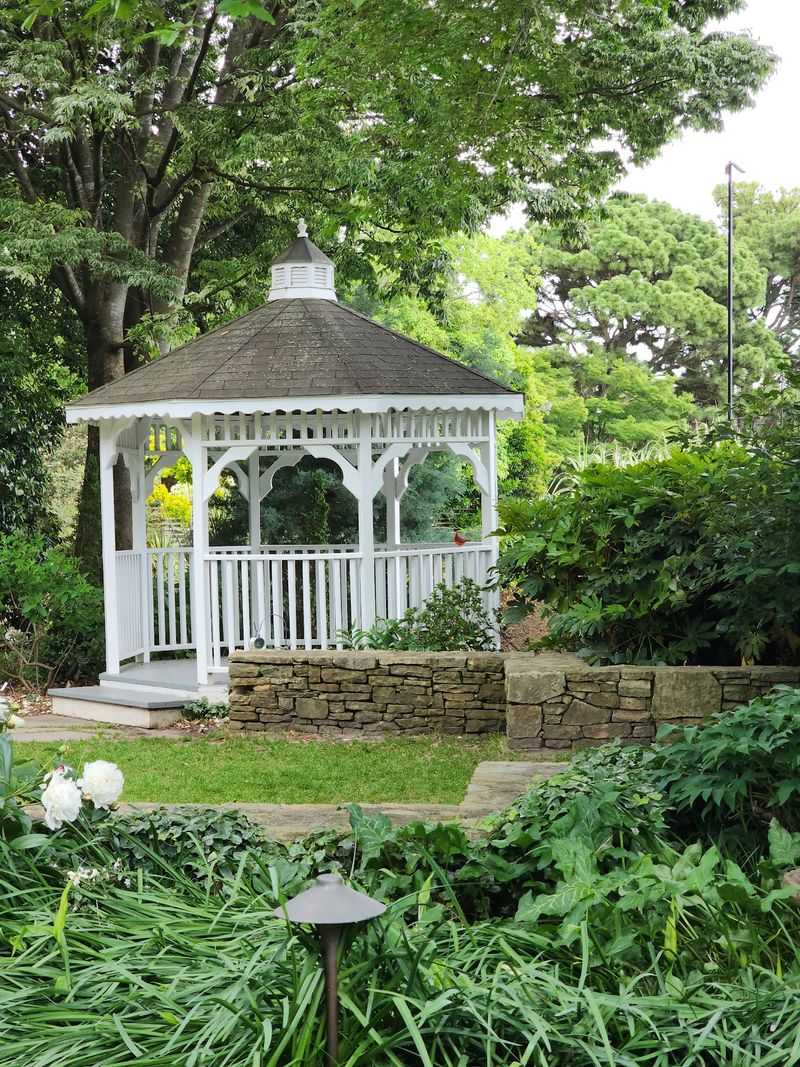
Elegance takes center stage in this sophisticated space where white flowers and silver foliage create a stunning monochromatic display. The design proves that limiting your color palette actually amplifies visual impact rather than diminishing it.
Different shades of white and silver blend together beautifully throughout the seasons. Creamy blooms contrast with pure white petals, while silvery leaves add texture and depth.
Soft greens provide just enough backdrop to make the whites truly pop.
Wedding photographers absolutely adore this garden for engagement sessions and bridal portraits. The neutral palette creates timeless images that never look dated.
Natural light filters through in ways that make everything glow, especially during golden hour.
Beyond photography, many visitors simply find the space incredibly soothing. There’s something calming about the restraint and refinement of a single-color garden.
The effect feels formal yet inviting, sophisticated but not stuffy. Spring and summer bring the most blooms, though the garden maintains its elegant character even in winter.
Award-Winning Rose Garden
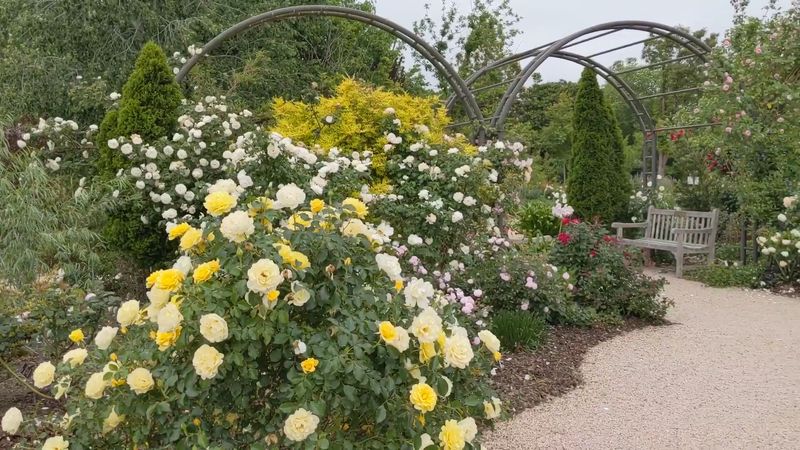
Fragrance hits you before you even enter the Finley-Nottingham Rose Garden. Hundreds of roses bloom here throughout the growing season, filling the air with their distinctive perfume.
The collection has earned recognition for its quality and diversity.
Every color imaginable appears somewhere in these beds, from deep crimsons to soft peaches, sunny yellows to delicate pinks. Climbing roses scramble up supports while shrub roses form magnificent specimens.
Hybrid teas show off their classic form next to old garden varieties with ruffled petals.
Peak bloom typically occurs in late spring, but well-chosen varieties ensure color continues through summer and into fall. Deadheading and proper care keep the plants looking fresh and producing new flowers.
The garden demonstrates what roses can achieve with proper selection and maintenance.
Beginners often feel inspired to try growing roses after seeing how beautifully they perform here. Experienced rose growers come to evaluate new varieties and observe how different cultivars handle North Carolina’s climate and conditions.
Seasonal Color That Changes All Year
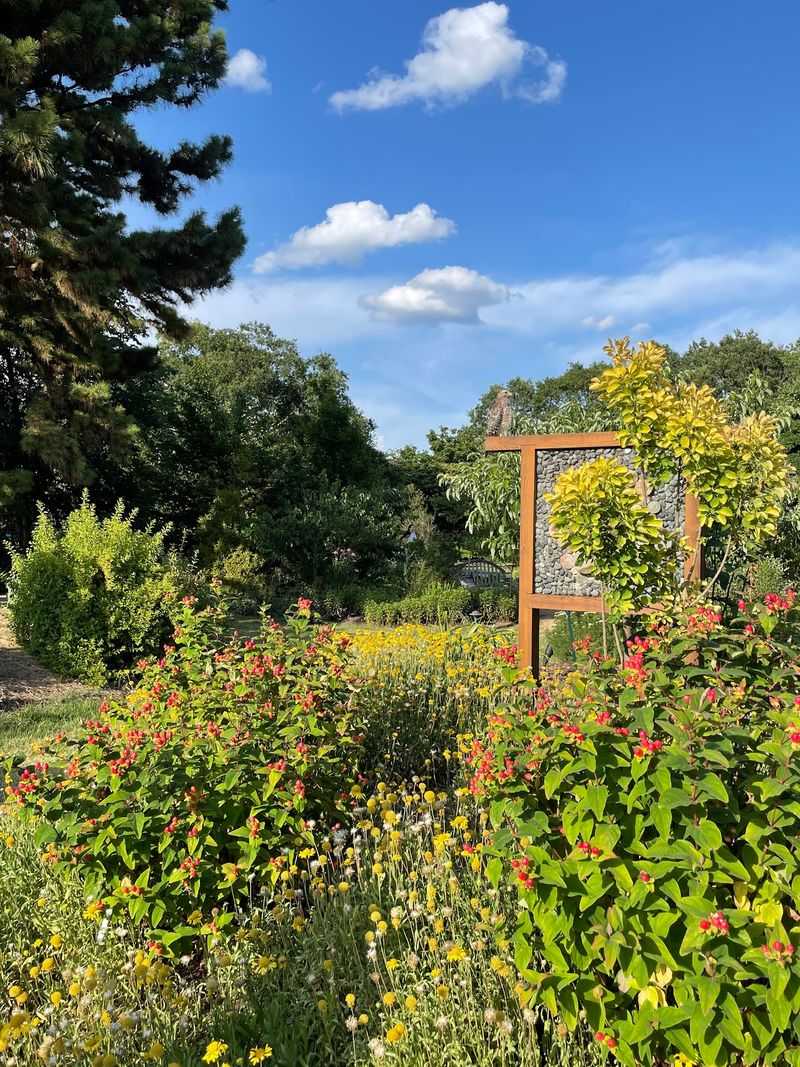
Visit in March and you’ll see one garden. Return in July and discover something completely different.
The rotating seasonal displays ensure no two visits ever feel quite the same, making repeat trips worthwhile throughout the calendar year.
Spring explodes with flowering bulbs, blooming trees, and fresh green growth emerging everywhere. Daffodils give way to tulips, then azaleas and dogwoods take over.
Summer shifts the focus to colorful perennial borders, tropical-looking foliage, and heat-loving annuals that thrive in North Carolina summers.
Fall might be the most spectacular season, when maples blaze red and gold, ornamental grasses glow bronze, and late-blooming asters add purple accents. Even winter offers plenty to see, with evergreen conifers, colorful bark, persistent berries, and architectural seed heads that look beautiful covered in frost.
Smart plant selection makes this year-round interest possible. Staff members carefully choose varieties that peak at different times, ensuring something always looks good no matter when you visit.
Rare Trees and Nationally Accredited Collections
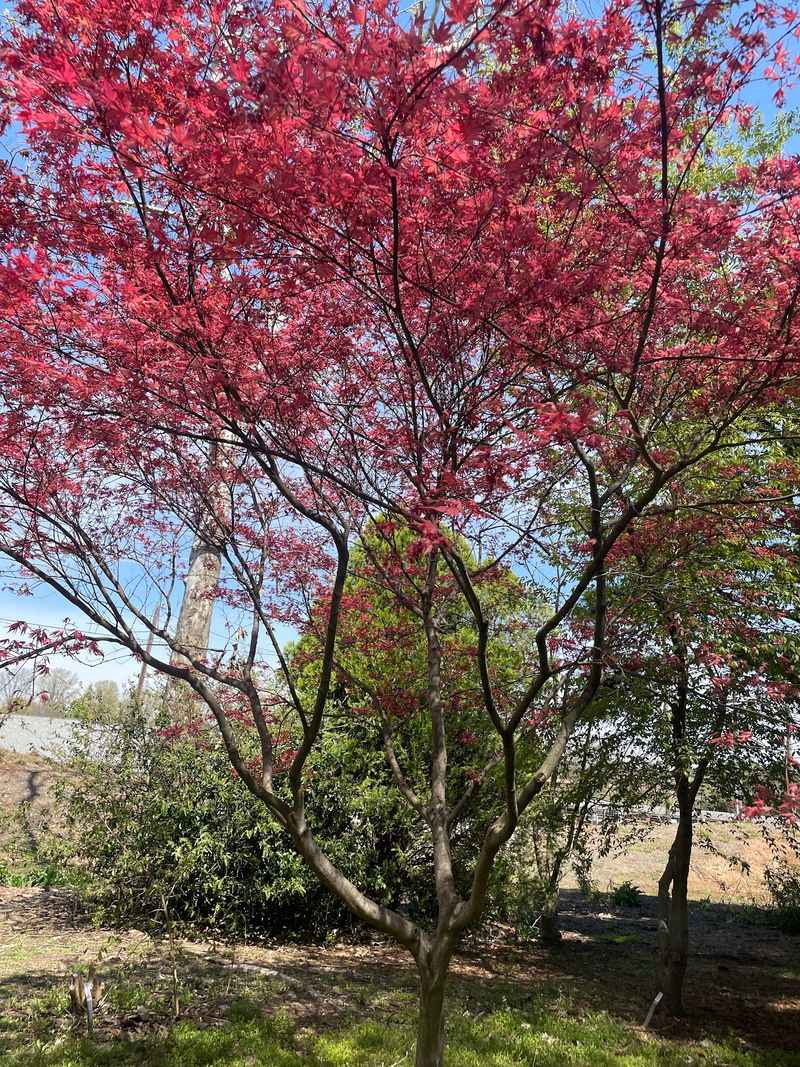
Tree enthusiasts travel from across the country to see the nationally accredited collections housed here. The magnolia collection alone draws experts and admirers who want to study rare species and unusual cultivars.
Redbud varieties showcase diversity most people never knew existed.
Beyond the recognized collections, exceptional specimen trees dot the landscape. Uncommon conifers with weeping forms or golden needles catch your eye.
Japanese maples display leaf shapes and colors you won’t see anywhere else. Holly varieties demonstrate incredible range in leaf texture, berry color, and growth habit.
These aren’t just pretty trees planted randomly. Each serves an educational purpose, showing visitors what’s possible in southeastern landscapes.
Name tags identify specimens and often include origin information, helping gardeners learn about plants suited to similar growing conditions.
Serious plant people often spend hours examining individual trees, taking photos of bark patterns, studying branching structures, and noting performance characteristics. Casual visitors simply enjoy the beauty without realizing they’re walking through some of the finest tree collections in the nation.
A Living Research Garden at NC State University
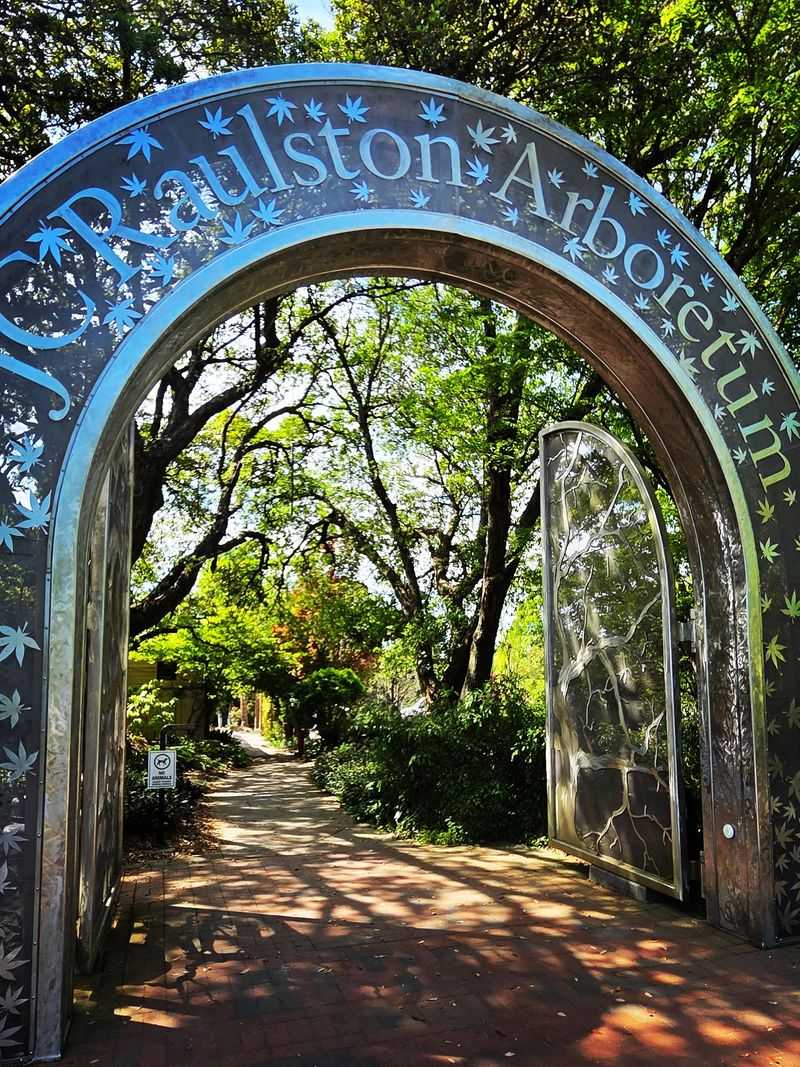
Beauty serves a purpose beyond simple enjoyment here. As an active research facility connected to NC State University, the arboretum functions as a living laboratory where plants get rigorously evaluated for performance in southeastern climates.
Researchers test which varieties handle North Carolina’s hot summers, occasional droughts, winter temperature swings, and humid conditions. Not every plant survives the trials.
Those that thrive earn recommendations for home gardeners, while poor performers get eliminated from further consideration.
Students learn hands-on skills working alongside professional horticulturists. They gain practical experience with plant identification, propagation techniques, garden maintenance, and landscape design principles.
This real-world training produces knowledgeable graduates who understand plants deeply.
The research benefits everyone who gardens in the Southeast. Homeowners unknowingly rely on years of testing conducted here when they choose plants recommended for their region.
What looks like a beautiful public garden actually represents decades of scientific observation and careful documentation that advances horticultural knowledge.
Plant Sales, Garden Events, and Educational Programs
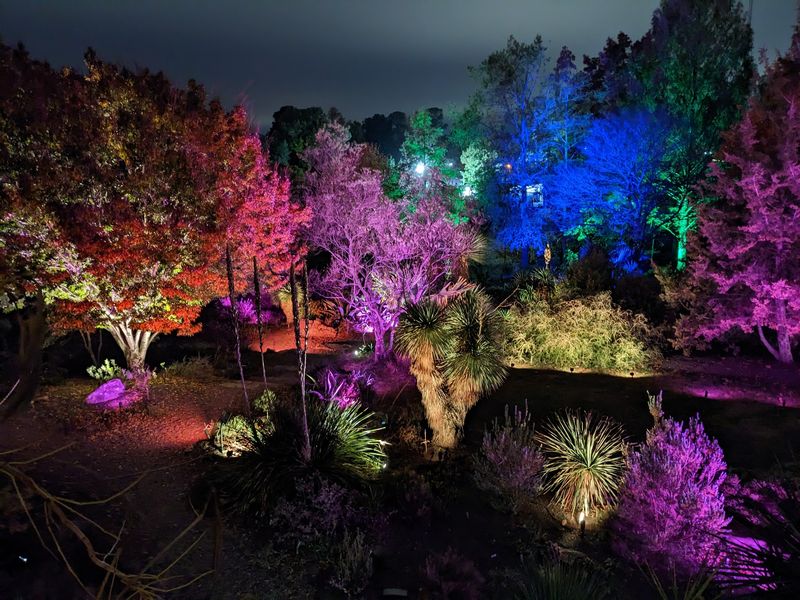
Twice yearly, plant lovers descend on the arboretum for legendary plant sales featuring rare varieties you simply cannot find elsewhere. Spring and fall sales offer unusual perennials, hard-to-source shrubs, and experimental plants fresh from the research trials.
Serious collectors arrive early and bring wagons.
Beyond shopping opportunities, a full calendar of events keeps gardeners engaged year-round. Educational workshops cover everything from pruning techniques to native plant selection.
Guided tours led by knowledgeable staff reveal hidden gems and share fascinating plant stories. Seasonal celebrations mark important gardening milestones.
Classes serve all skill levels, from absolute beginners learning basic concepts to experienced gardeners tackling advanced topics. Instructors share practical, research-based information that actually works in local conditions.
Small class sizes allow for questions and personalized attention.
Annual events like the winter symposium attract speakers from across the country, while monthly programs provide regular learning opportunities. The community of passionate gardeners who gather here creates connections that extend beyond the garden gates.
Everything You Need to Know Before Visiting
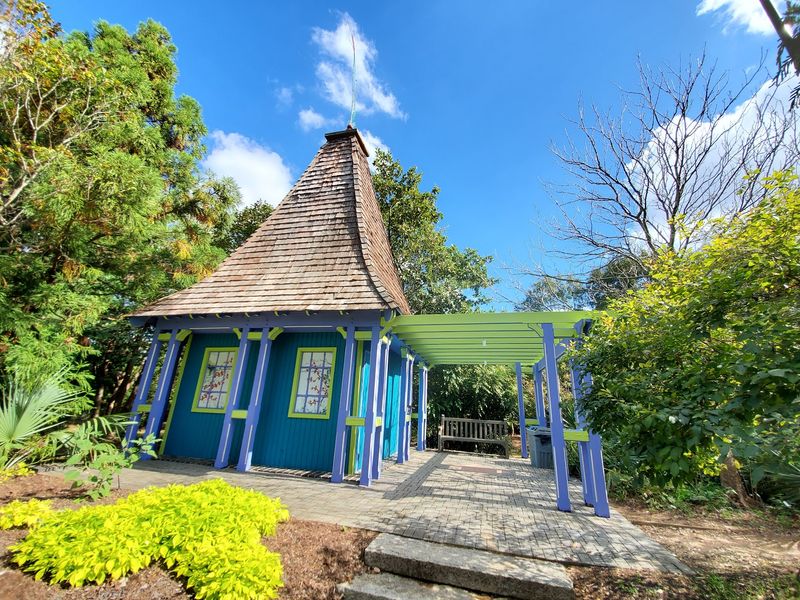
Planning your first visit takes just minutes. The arboretum offers free admission every day of the year, making it accessible to everyone regardless of budget.
Located on NC State University’s campus at the Ruby McSwain Education Center, 4415 Beryl Road, Raleigh, NC 27606, it’s easy to find with ample free parking available.
Well-maintained walking paths connect all garden areas, with many sections offering accessible routes for wheelchairs and strollers. Most visitors spend one to two hours exploring, though plant enthusiasts often linger much longer.
Comfortable shoes are recommended since you’ll want to wander extensively.
Spring and fall generally offer peak interest with moderate temperatures and maximum blooms, but every season reveals something special. Bring your camera because photo opportunities appear around every corner.
The visitor center provides maps, restrooms, and helpful staff who answer questions.
First-time visitors should start with a walk around the perimeter to get oriented, then explore individual garden rooms that catch their interest. Families enjoy the peaceful atmosphere and educational value, while serious gardeners bring notebooks to record plant names and observations.