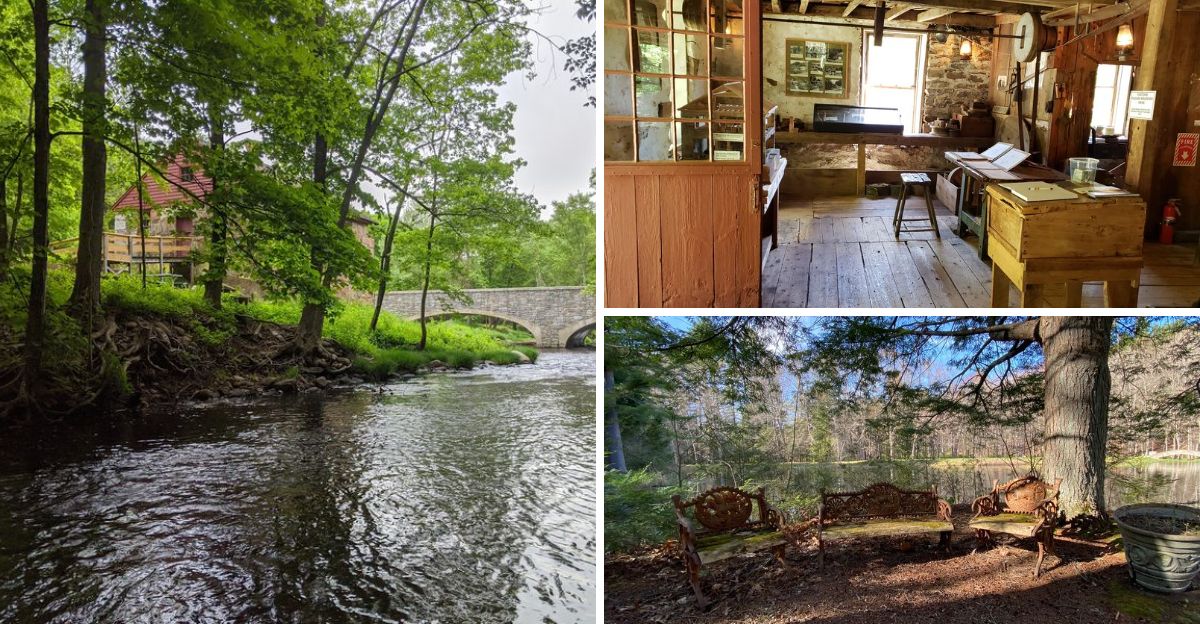
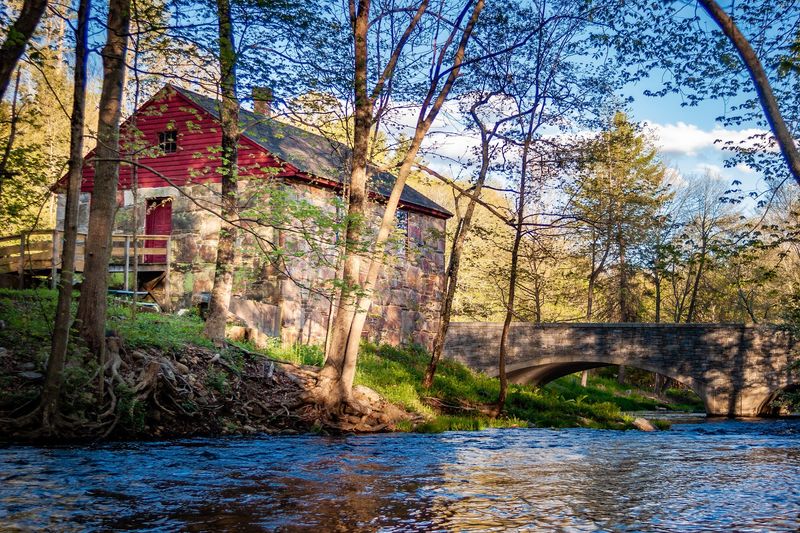
Time seems to stand still the moment you hear the river and see this old stone mill rising from the trees.
Gurleyville Grist Mill isn’t just a beautiful piece of Connecticut history—it feels like a doorway into another century, where rushing water powered everyday life and every turn of a wheel mattered.
Step inside, and you’re surrounded by towering wooden gears, weathered millstones, and stories passed down through generations. It’s easy to picture farmers arriving with sacks of grain while the steady rhythm of the machinery echoed through the building.
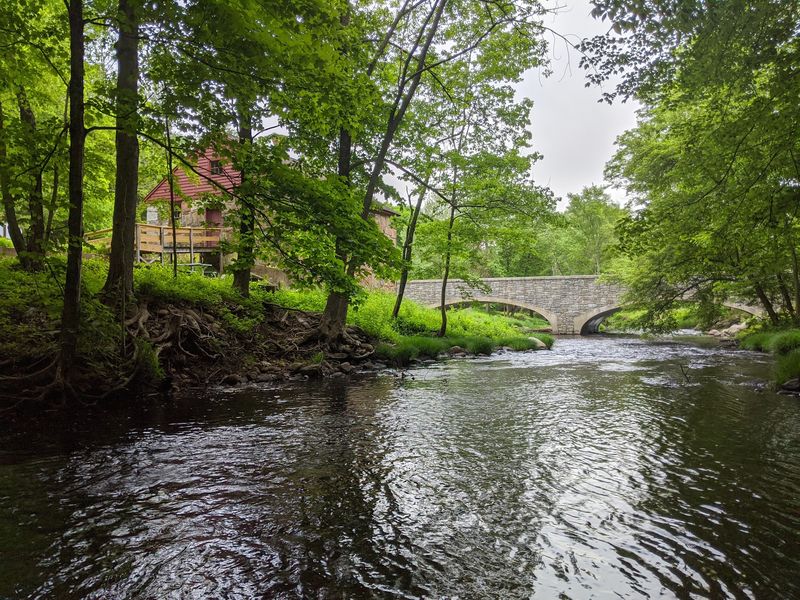
The peaceful setting beside the Fenton River makes the experience even more memorable.
You can wander the grounds, soak in the scenery, and discover how one small mill played a big part in the community for generations.
If you love hidden historic places that still feel authentic, this is one stop that deserves a place on your Connecticut travel list.
A Hidden Historic Treasure Along the Fenton River
Tucked away along a quiet stretch of Stonemill Road, this remarkable structure feels like a secret only locals know about. The moment you arrive, the sound of the Fenton River immediately sets a peaceful mood that makes the rest of the modern world fade away.
Massive stone walls rise from the riverbank, weathered but dignified after nearly two centuries of standing guard.
Walking up to the mill building, you can’t help but notice how perfectly it fits into the landscape. The river bends gracefully around the property, creating a natural frame that photographers absolutely love.
Tall trees shade the area during summer, while the rushing water provides a constant, soothing soundtrack.
What strikes visitors most is the genuine authenticity of the place. Unlike reconstructed sites or overly polished museums, this mill retains its working character.
The stone foundation, wooden beams, and riverside location all combine to create an experience that genuinely feels like stepping through a doorway into 1830s Connecticut.
Nearly Three Centuries of Milling History
The story begins way back in 1723 when the first sawmill appeared on this very spot. Imagine how different Connecticut looked then, with vast forests and settlements just beginning to spread across the landscape.
By around 1750, someone had the bright idea to add a grist mill, recognizing that local farmers desperately needed somewhere to grind their grain into flour.
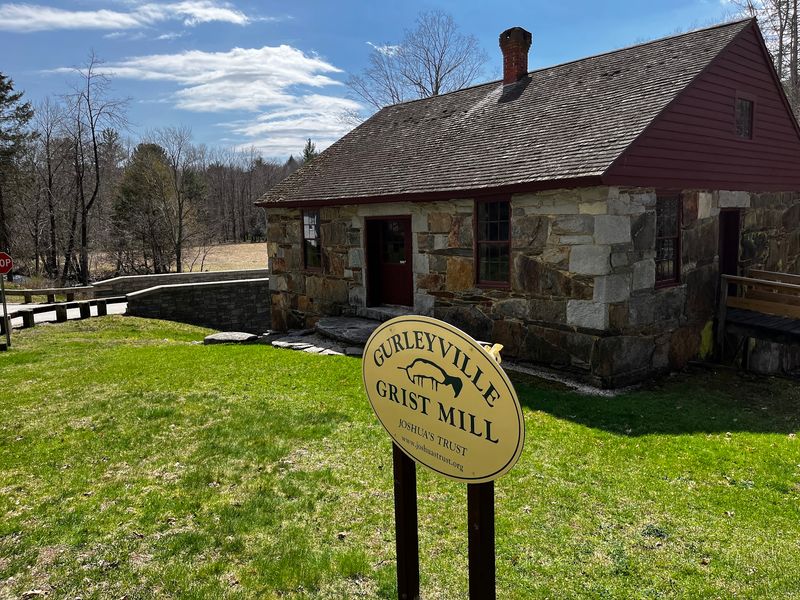
Fast forward to the 1830s, when ambitious builders constructed the impressive stone structure that still stands today. This wasn’t just any upgrade.
They built it to last, using massive stones hauled from nearby quarries and assembling machinery that would serve the community for generations.
The mill kept grinding grain for local families right up until 1941, when modern milling finally made these small operations obsolete. That’s over two centuries of continuous service to the Storrs community.
Think about all the farmers who brought their harvests here, all the conversations held while waiting for grain to be ground, all the history these walls witnessed through wars, depressions, and changing times.
Connecticut’s Only Surviving Stone Grist Mill
Here’s something that made my jaw drop when I learned it: this is literally the only stone grist mill left standing in all of Connecticut. While wooden mills were common throughout New England, stone construction was reserved for mills meant to endure serious wear and tear.
Most have either crumbled away or been demolished over the decades.
The builders chose stone for good reason. Grain milling produces constant vibration from heavy machinery, and wood structures eventually shake themselves apart.
Stone, however, absorbs and distributes these forces, which explains why Gurleyville outlasted all its competitors.
Architectural historians consider it one of Connecticut’s most significant industrial buildings precisely because of this rarity. The craftsmanship visible in the stonework demonstrates skills that have largely disappeared from modern construction.
Each stone was carefully selected, shaped, and positioned to create walls that would support tons of machinery while withstanding spring floods and harsh New England winters. Standing before it, you’re looking at genuine American industrial heritage that future generations might never see replicated anywhere else.
Original Machinery That Still Fills the Building
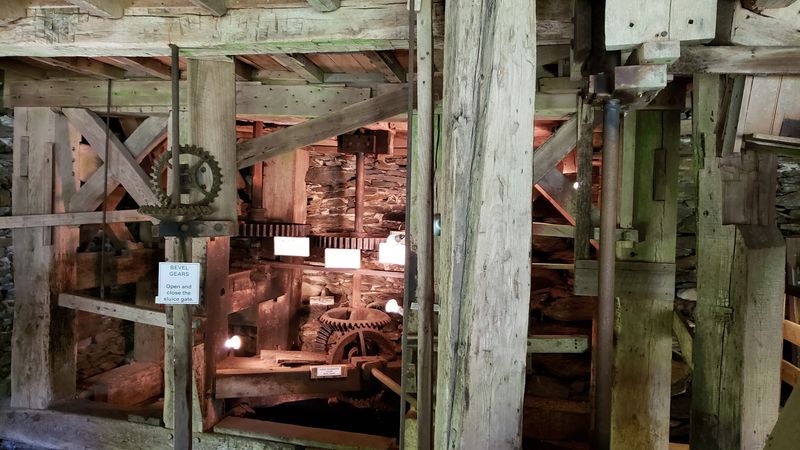
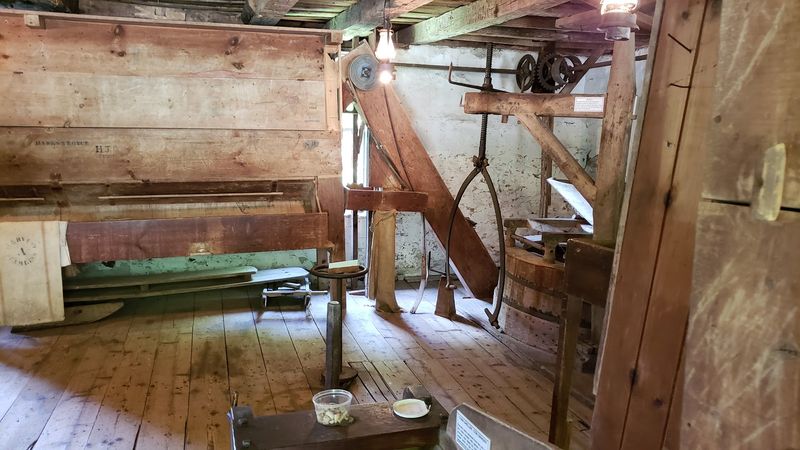
Step inside and prepare to be amazed by what greets you. The entire building remains packed with the original milling equipment, positioned exactly where it operated when the last miller shut down operations in 1941.
Massive millstones sit ready to grind, their surfaces worn smooth from crushing countless bushels of corn and wheat.
Wooden gears, some as large as wagon wheels, connect to iron shafts running throughout the building. These transferred power from the waterwheel to every piece of equipment.
Leather belts, chain drives, and wooden conveyors show how grain moved through different processing stages, from raw kernels arriving upstairs to finished flour being bagged on the ground floor.
The flour bolter particularly fascinates visitors. This cylindrical screen rotated to separate fine flour from coarser bran, a crucial step that determined product quality.
Tour guides often point out the ingenious simplicity of these mechanisms, designed when replacement parts had to be crafted by hand. Everything here tells the story of practical problem-solving by people who understood mechanics, materials, and the absolute necessity of keeping their equipment running.
See How Water Powered the Entire Operation
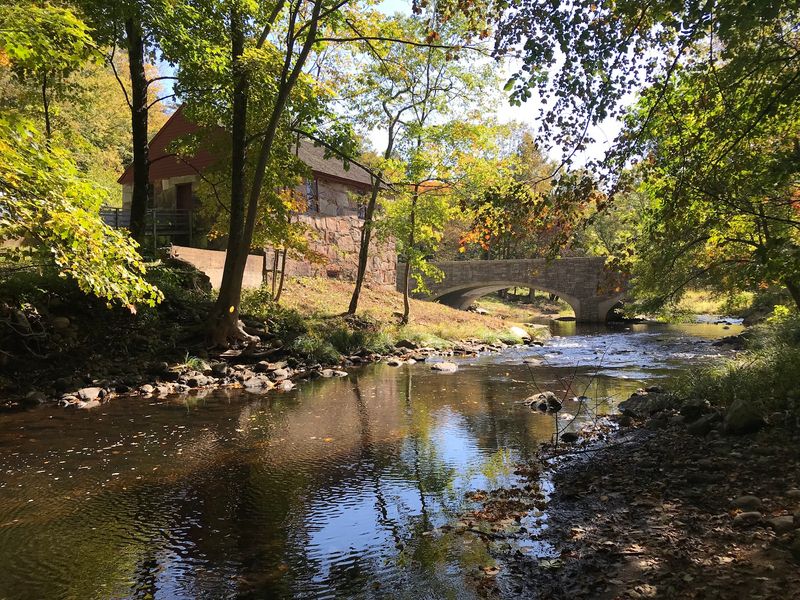
Before electricity transformed industry, water provided the muscle for American manufacturing. The Fenton River’s steady flow made this location perfect for milling operations.
Water diverted from upstream flowed into a carefully constructed millrace, gaining speed as it approached the waterwheel.
The waterwheel itself served as the mill’s engine, converting falling water’s energy into rotational power. As water hit the wheel’s buckets, gravity pulled it downward, forcing the wheel to turn.
This rotation transferred through the main shaft into the building, where gears and pulleys distributed power to every machine.
Understanding this system helps visitors appreciate the engineering knowledge required to run a successful mill. Millers had to manage water flow rates, maintain wheel balance, and adjust machinery tension constantly.
Too little water meant insufficient power; too much could damage equipment or cause flooding. Tour guides explain these challenges wonderfully, often pointing out original control mechanisms that regulated water flow.
You’ll leave with genuine respect for the cleverness of pre-industrial engineering and the skill required to harness nature’s power reliably day after day.
The Wilbur Cross Connection
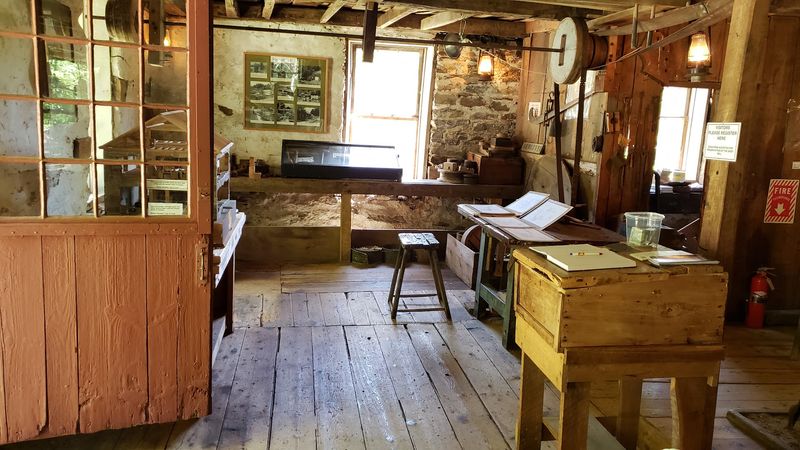
Connecticut history buffs will recognize the name Wilbur Lucius Cross immediately. He served as Connecticut’s governor from 1931 to 1939, guiding the state through some of the Great Depression’s darkest years.
But long before entering politics, his family operated this very mill, grinding grain for Storrs-area farmers.
Cross was born in 1862 in a house that still stands near the mill property. Growing up surrounded by the sounds of rushing water and grinding stones undoubtedly shaped his character and work ethic.
He went on to become a Yale professor and distinguished public servant, but his roots remained firmly planted in this small Connecticut community.
The Merritt Parkway’s Wilbur Cross Parkway section honors his contributions to Connecticut’s highway system. Knowing he once lived steps from this mill adds personal dimension to the visit.
You’re not just touring an anonymous industrial building; you’re walking where a future governor spent his childhood, perhaps even helping with mill operations. This human connection makes history feel immediate rather than distant, reminding us that important people often come from humble, hardworking beginnings.
More Than Just a Mill: Explore the Surroundings
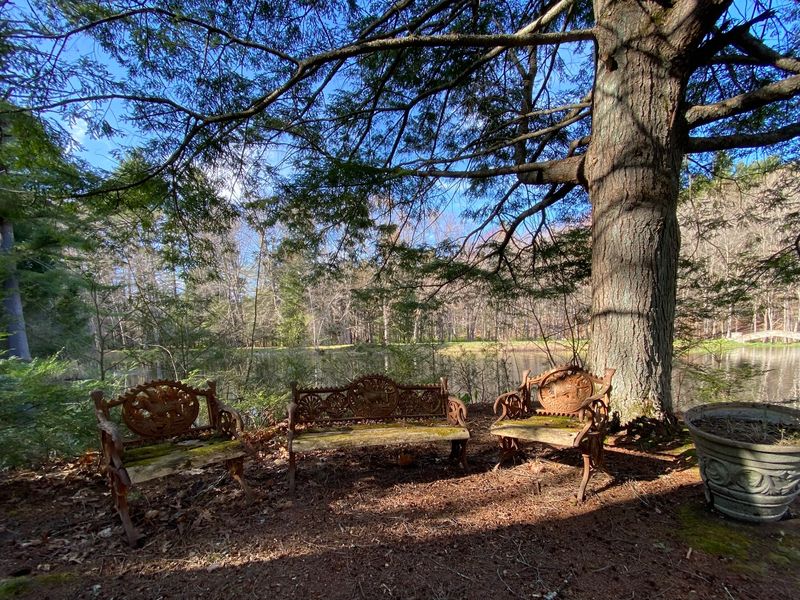
Smart visitors arrive early and plan to explore beyond the mill itself. The entire area offers wonderful opportunities for nature lovers and history enthusiasts alike.
The Fenton River flows through pristine conservation land managed by Joshua’s Trust, a local organization dedicated to preserving natural habitats and historical sites.
Hikers can follow the blue-blazed Nipmuck Trail as it passes directly through the property. This well-maintained path connects to larger trail systems, offering everything from quick riverside strolls to serious backcountry adventures.
Along the way, you’ll discover stone remnants from earlier mill sites, silent testaments to the area’s long industrial history.
Birdwatchers bring binoculars to spot species attracted to river habitats, while photographers chase perfect light filtering through the forest canopy. Spring brings rushing water and emerging wildflowers; autumn transforms the landscape into a spectacular display of New England fall colors.
The peaceful setting encourages lingering, so pack a picnic and plan to spend the afternoon. Between the mill tours, trail walking, and riverside relaxation, you’ll find this historic site offers far more than most visitors initially expect.
Why Visiting Feels Like Traveling Back in Time
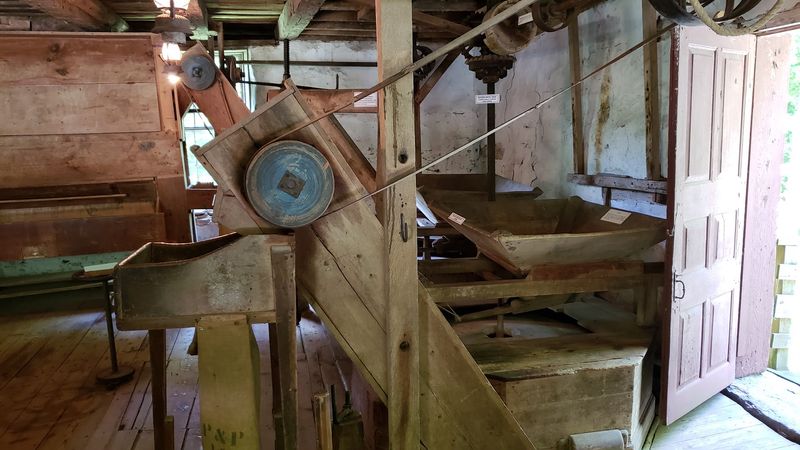
Something magical happens when you step through the mill’s doorway during a guided tour. The modern world genuinely seems to disappear, replaced by an authentic glimpse into 19th-century Connecticut life.
Unlike many museums where everything sits behind glass or ropes, here you’re standing in actual working space, surrounded by tools and machinery positioned exactly as they were decades ago.
The stone walls create a cool, quiet atmosphere that amplifies this time-travel sensation. Sunlight filters through old windows, casting shadows across worn floorboards and dusty equipment.
The Fenton River’s constant murmur reminds you that water power once drove everything here, connecting you to an era when renewable energy wasn’t trendy but simply necessary.
Tour guides share stories passed down through generations, bringing personalities and daily routines back to life. You’ll hear about farmers arriving with wagon loads of grain, children playing by the river while waiting, and the miller’s constant adjustments to keep everything running smoothly.
These human details transform cold machinery into lived experience, helping visitors understand not just how the mill worked, but why it mattered so deeply to the surrounding community.
Visitor Information and Planning Your Trip
Planning your visit is straightforward, though seasonal hours mean timing matters. The mill opens mid-May through mid-October, operating Sundays from 1:00 PM to 5:00 PM.
Special events and appointments offer additional opportunities, so checking ahead pays off. You’ll find the mill at 129 Stonemill Road in the Storrs-Mansfield area.
Admission operates on donations, making this an incredibly affordable family outing. Guided tours run throughout open hours, providing context that dramatically enhances the experience.
Free parking right on site eliminates downtown hassles. Budget roughly 45 to 90 minutes for a thorough visit, though trail enthusiasts often stay longer.
Important accessibility note: this is a genuine historic building with original uneven floors and stairs, so mobility-challenged visitors may find some areas difficult. Families love the interactive model and hands-on learning opportunities.
Photographers should bring cameras for both interior machinery shots and exterior riverside scenes. Nearby attractions include the broader Gurleyville Historic District and various Joshua’s Trust preserves.
Call (860) 429-9023 for current information, special event schedules, or group tour arrangements before making the trip.