Somewhere between a quiet hiking trail and a full-on adventure, John Bryan State Park occupies a category all its own in the Ohio outdoors scene.
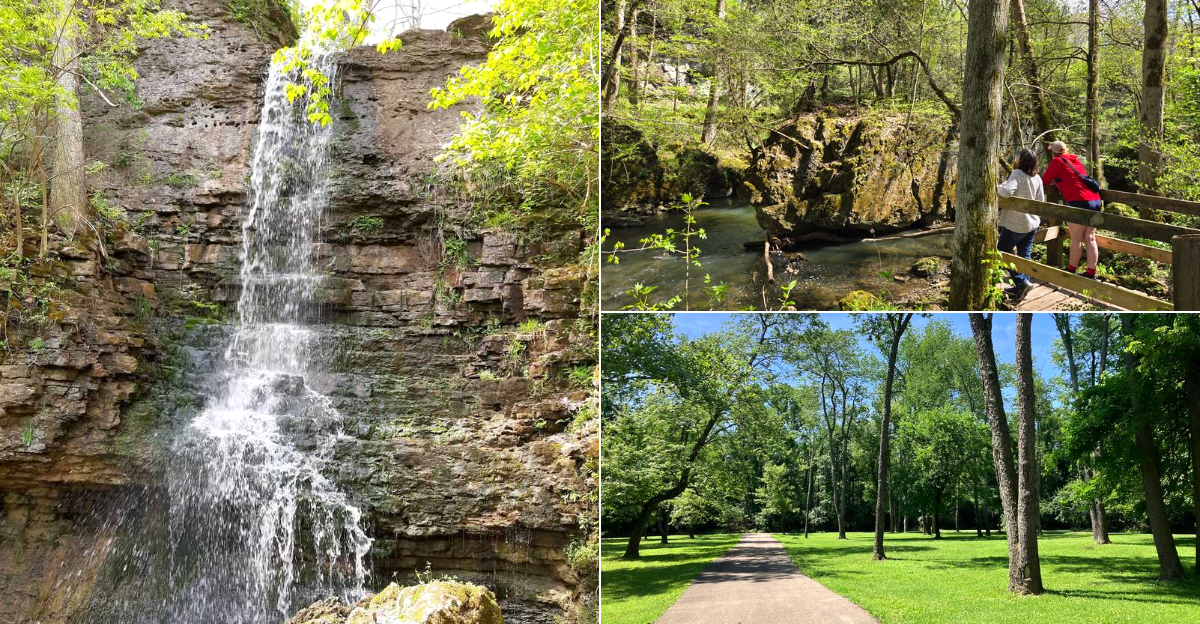
The Little Miami River carves through ancient dolomite and limestone here, creating a gorge that feels dramatically out of place in the rolling Midwest landscape.
For climbers, the cliffs reaching up to 35 feet offer a rare chance to practice on natural rock without leaving the state.
Even if you never touch a harness, the trails through Clifton Gorge and along the river are among the most visually striking in all of Ohio.
John Bryan State Park is proof that Ohio’s natural beauty doesn’t ask for much attention, but absolutely rewards those who seek it out.
1. Limestone Walls That Steal the Show
Some parks impress you slowly, but the cliffs here grab your attention right away.
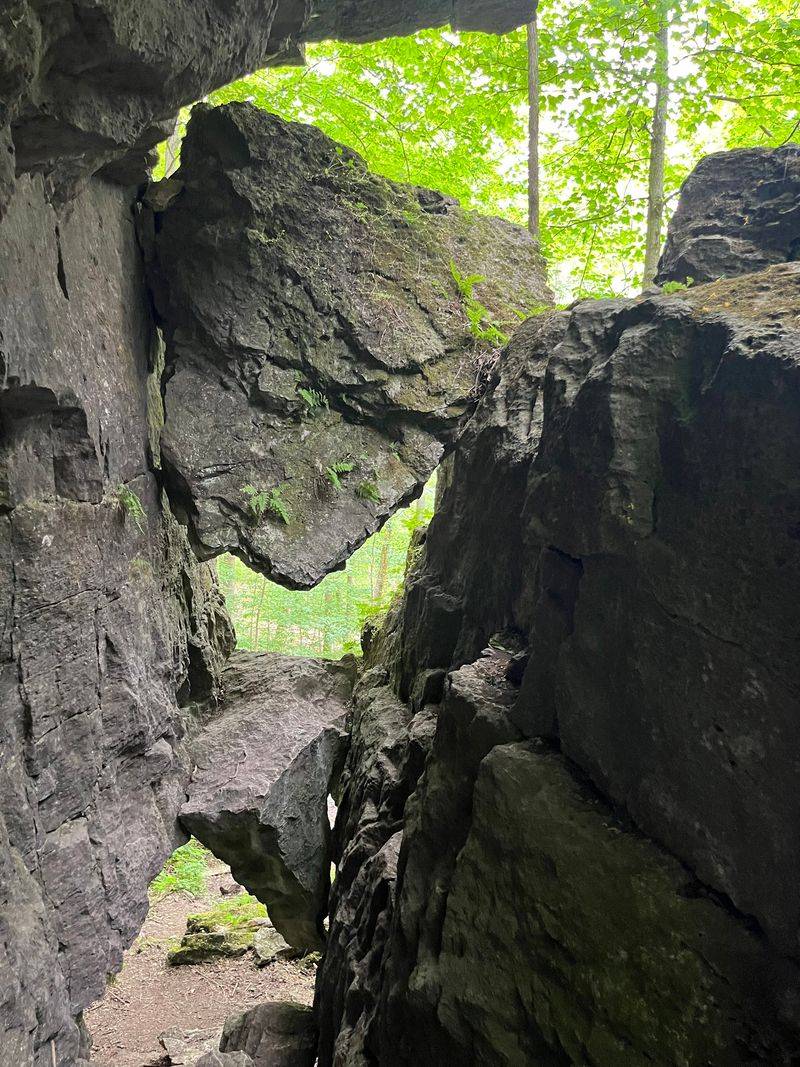
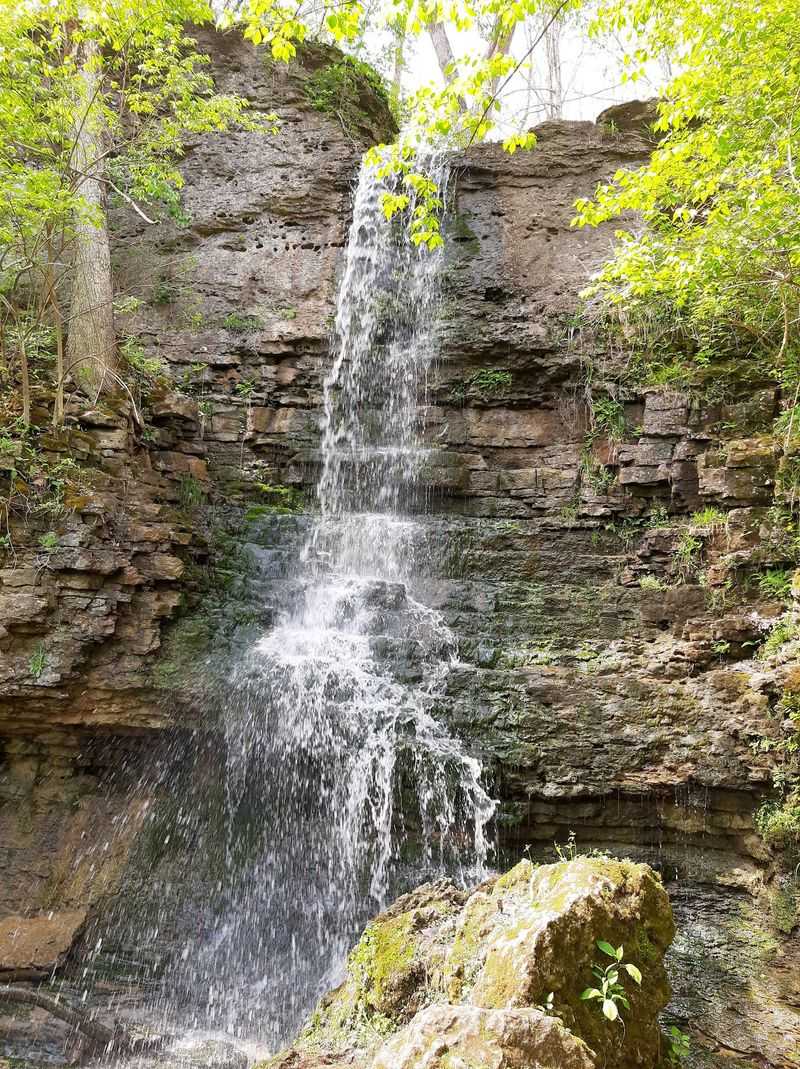
Layers of pale limestone rise above the gorge and give the landscape a rugged look that feels rare in Ohio.
Many visitors come expecting a pleasant walk and end up talking most about the rock walls.
Those cliffs reach about 35 feet in places, creating a dramatic backdrop for hiking, photos, and climbing.
Water and time carved the stone into the shapes people see today.
That long natural process is part of what makes the park feel both scenic and geologically interesting.
Morning light can make the cliffs look soft and golden, while late afternoon often brings stronger contrast and deeper shadows.
Either time is great for pictures.
Good shoes matter here because trails near rocky areas can be uneven, muddy after rain, or covered with roots.
Watch your footing and stay on marked paths.
Families with kids should pause often and enjoy the views instead of rushing from spot to spot.
Seeing the cliffs from both above and below gives a fuller sense of their height.
If you enjoy natural landmarks that feel memorable without needing a long drive into the mountains, these limestone walls make a strong case for visiting this park soon.
2. Where Rock Climbing Feels Like a Real Adventure
A little thrill can turn an ordinary park day into a story you tell for weeks.
Rock climbing is one of the standout activities here, and it is not something people expect from many Ohio state parks.
The designated climbing area lets visitors experience the limestone cliffs in a hands on way.
Beginners should remember that climbing outdoors is different from climbing at an indoor gym.
Natural rock changes from spot to spot, and weather can affect grip.
Going with an experienced partner or local climbing group is a smart first step.
Bring a helmet, check your gear carefully, and follow park rules before starting.
Safety matters more than speed.
Even if you do not plan to climb high, watching others move up the rock can be exciting.
It also helps visitors understand why the cliffs are such a big draw.
Cooler months or mild mornings are often more comfortable for active climbing than hot afternoons.
After rain, conditions may be slick, so patience pays off.
For adventurous travelers, the chance to climb real limestone in a scenic Ohio setting makes the visit feel bigger than a simple hike.
It is one of the clearest reasons this park stands apart from many others in the state today.
3. A National Scenic River Runs Through It
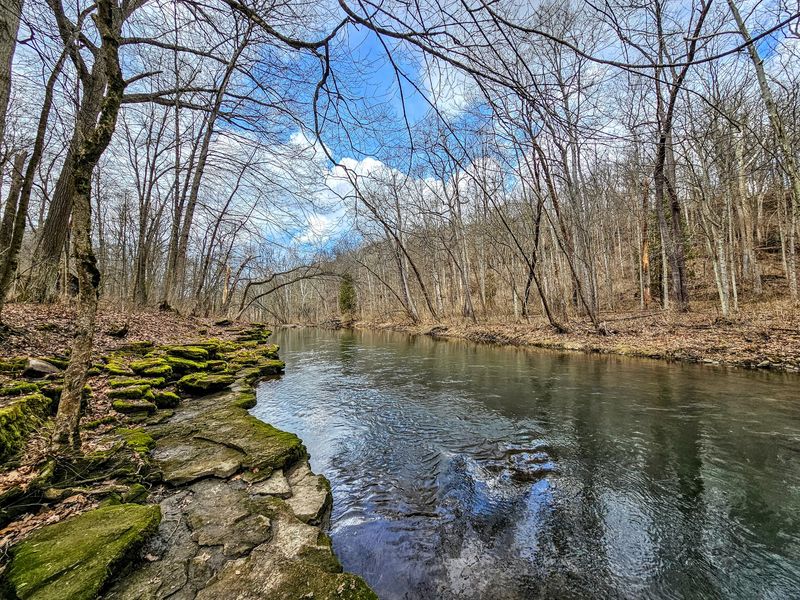
Flowing water changes the whole mood of a park, and the river here does exactly that.
The Little Miami River is part of the National Scenic River system, which means it is recognized for its natural beauty and value.
That status adds something special to every hike near the water.
Instead of a still pond or small creek, visitors get a lively river with rapids, sparkling stretches, and changing views around bends.
It also explains how the gorge and cliffs developed over time.
You may hear the river before you see it, especially on quiet trails under the trees.
That sound makes the park feel peaceful, even when other visitors are nearby.
Fishing is allowed in some areas, which gives people another reason to slow down and stay awhile.
Swimming and wading are not allowed, so plan to enjoy the water from the shore or overlook.
That rule helps protect both visitors and the river setting.
Binoculars can make the experience better by helping you spot birds moving along the corridor.
A small snack break beside a legal access point also adds to the outing.
Few features connect the title of this park adventure better than the river itself, because it shapes the scenery, the trails, and the entire feeling of the visit.
4. Gorge Trails With Big Payoff Views
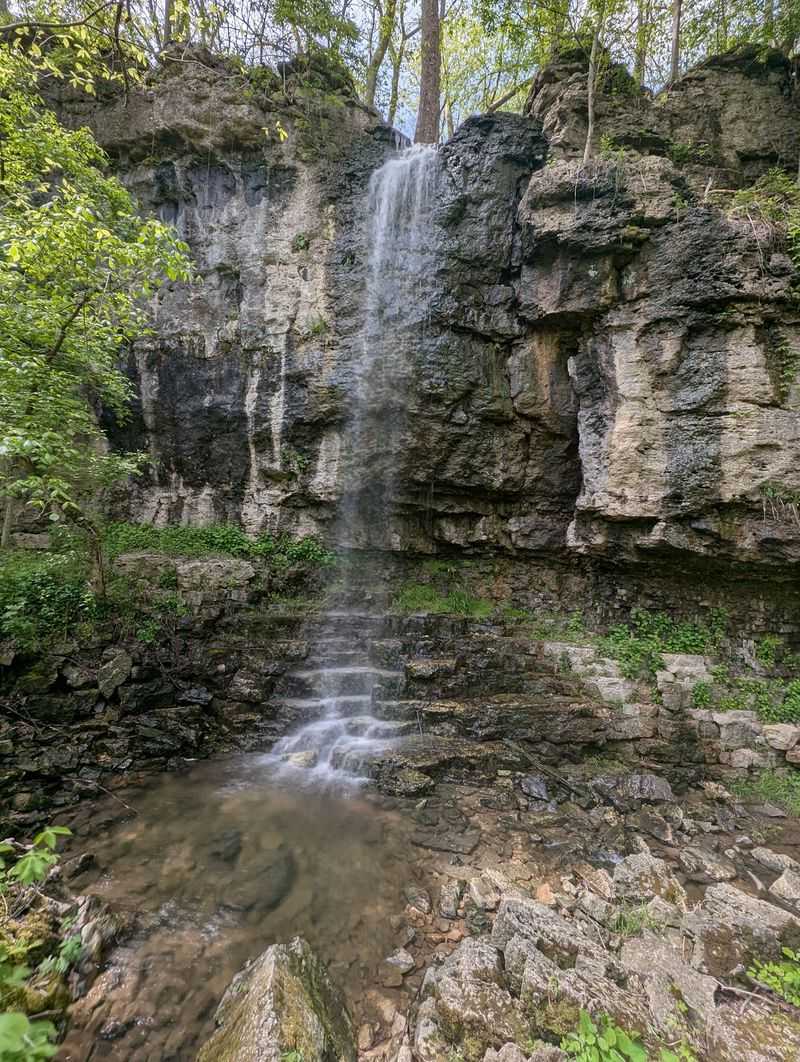
Not every trail needs to be long to feel rewarding, especially when the scenery keeps changing.
The gorge trails here are a great example, offering river views, cliff looks, and shaded forest in one outing.
Some paths are easier, while others feel more moderate because of hills, rocks, and roots.
That mix helps the park appeal to both casual walkers and people who want a more active hike.
One smart plan is to pick a rim trail first, then add a lower route if everyone still has energy.
Seeing the gorge from different heights makes the landscape more interesting.
After rain, muddy spots can show up quickly, so traction matters.
Trekking poles may help if you do not love uneven ground.
Keep your phone charged, but do not count on strong signal everywhere in the park.
Downloading a map before arrival is a helpful move.
Frequent pauses are worth it because many of the best moments happen when sunlight hits the river or cliffs just right.
Even kids often stay engaged when the trail keeps revealing new things.
For travelers who want beautiful hiking without driving to a faraway mountain state, the gorge routes here offer a satisfying taste of real terrain close to home in Ohio.
5. Yellow Springs Makes the Trip Even Better
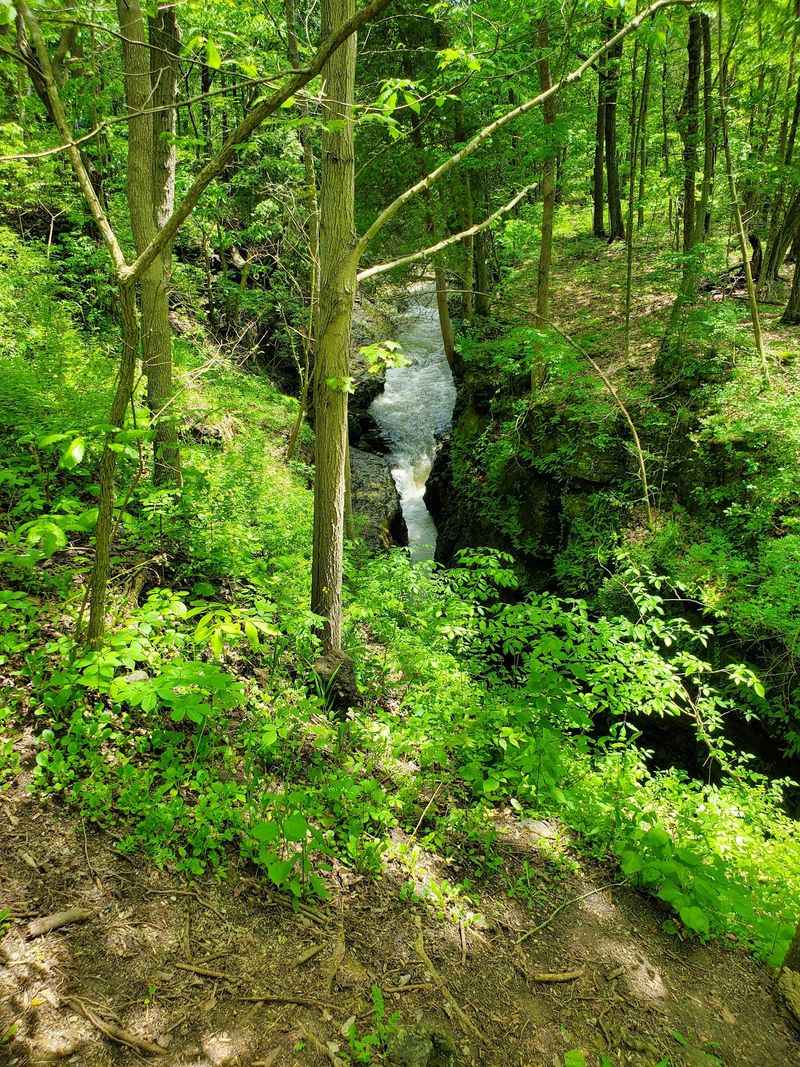
Half the fun of a park visit can come from what surrounds it.
John Bryan State Park, 3790 OH-370, Yellow Springs, OH 45387 sits close to a town that gives the whole outing extra personality.
That matters for travelers who like nature and a simple place to eat, shop, or unwind afterward.
Yellow Springs is known for its creative local spirit, making it a nice match for a day spent outdoors.
You can hike the trails, admire the cliffs, and then head into town for a relaxed meal or snack.
It feels like getting two experiences in one trip.
Because the park is popular, arriving earlier in the day can help with parking and trail crowd levels.
That timing also leaves room for a town stop later.
Weekend visitors should bring patience, especially during peak seasons when good weather draws more people.
A flexible plan usually works best.
If you are visiting from outside the area, pack a small cooler, extra water, and a change of shoes for the car.
Muddy trails and town sidewalks are a messy combination.
The location adds real value here, since the park delivers the adventure while nearby Yellow Springs gives the day a friendly finish that many visitors remember almost as much as the hike itself.
6. Camping That Keeps You Close to the Action
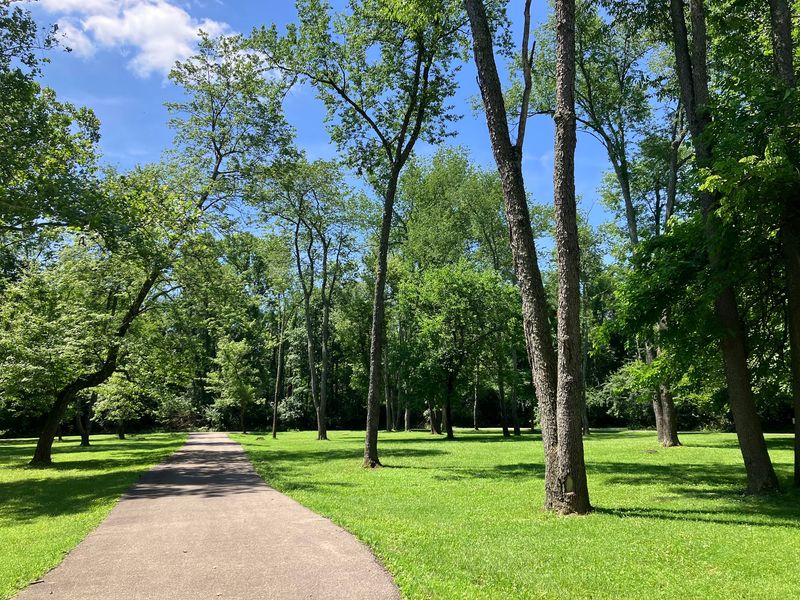
Sleeping near the trails changes the pace of a park visit in the best way.
Camping here lets people start early, stay later, and enjoy the quiet hours that day visitors often miss.
That extra time can make the river, cliffs, and woods feel even more memorable.
Visitors have praised the campground for being clean, pleasant, and well kept.
For families, that can make a huge difference when planning a weekend outdoors.
Being able to return to camp after a hike instead of driving home right away adds comfort and flexibility.
Restrooms and basic facilities are important details, and reviews suggest the park does a solid job maintaining them.
That practical side matters more than many people admit.
Campers should still prepare for changing weather, because conditions can shift quickly in Ohio.
Pack layers, rain gear, and dry socks.
It also helps to bring easy meals and plenty of water so you are not scrambling after dark.
A flashlight or headlamp is another simple must have.
If your ideal trip includes campfire time, morning birdsong, and quick access to scenic trails, staying overnight turns a short visit into a fuller experience.
It gives the park room to unfold at a calmer pace, which is often when its beauty stands out most.
7. More Than a Hike for Families and Groups
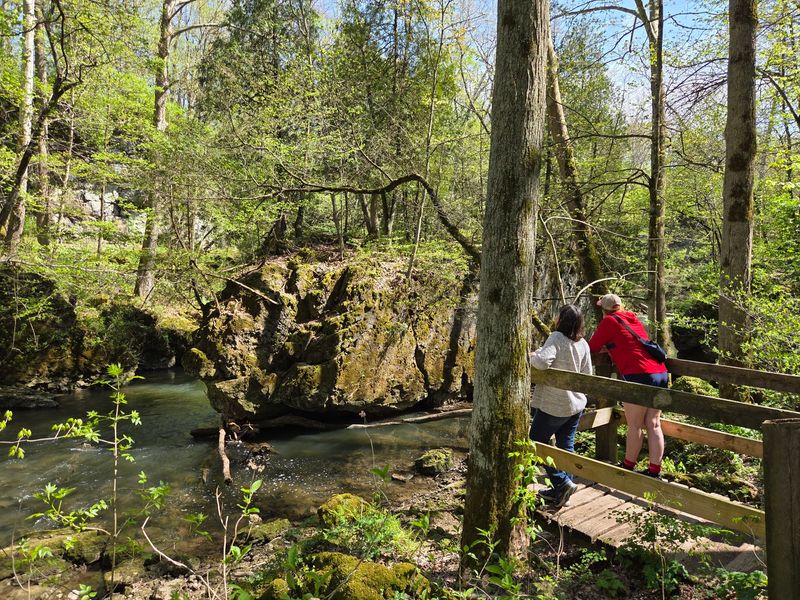
Some parks work best for expert hikers, while others welcome almost everyone in the car.
This one has that broader appeal, thanks to features that go beyond steep trails and cliff views.
Families can mix a nature walk with a playground stop, picnic time, or a short scenic drive through the park.
That variety helps when younger kids or mixed age groups need options.
One person may want a tougher hike while another just wants a peaceful walk near the trees.
Here, both plans can fit into the same day.
Dog owners also appreciate parks that allow leashed pets in many areas.
Just pay attention to posted signs, since preserve sections can have different rules.
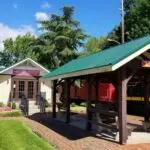
Picnic shelters and open green spaces make it easier to slow things down between activities.
You do not have to treat the visit like a race.
A slower pace often works best, especially if your group wants to notice deer, wildflowers, or birds along the way.
Even simple moments can become the highlight.
For school breaks, weekend outings, or low stress group trips, the park offers enough choices to keep people engaged without feeling overbuilt.
That balance of nature and convenience is a big reason so many visitors want to come back again.
8. Smart Tips Before You Go
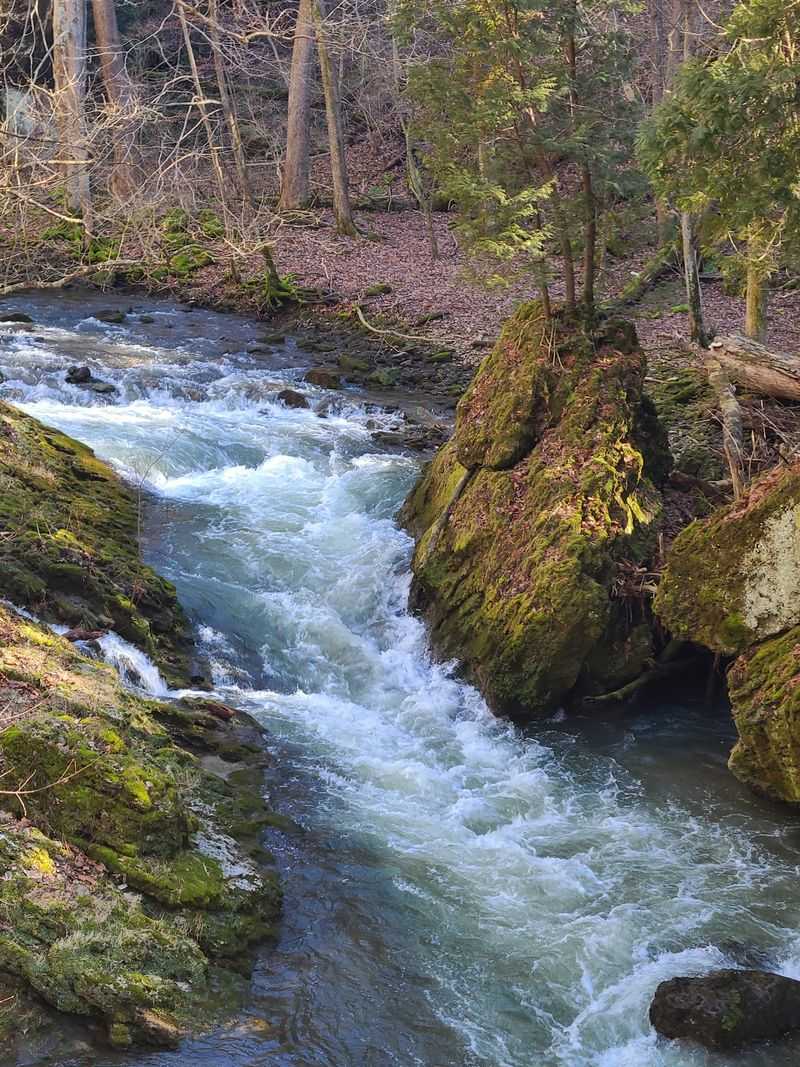
A little planning can turn a good park day into a smooth and memorable one.
Before visiting, check trail conditions and weather, especially if recent rain has made paths muddy or slippery.
That simple habit can help you choose the right shoes and avoid surprises.
Sturdy hiking footwear is one of the smartest things to bring because roots, rocks, and elevation changes show up on many trails.
Flip flops are a bad match here.
Pack water, snacks, sunscreen, and a light first aid kit, even for a shorter outing.
Small items feel much bigger once you are deep into a hike.
If you hope to photograph cliffs or river scenes, softer morning or evening light often looks best.
Midday can still be beautiful, but shadows may be stronger.
Visitors should also remember that no swimming or wading means the water is for viewing, fishing, and scenery rather than cooling off.
Respecting that rule helps protect everyone.
Most of all, give yourself enough time to wander a bit.
The park rewards curious visitors who stop at overlooks, notice the rock layers, and listen to the river instead of hurrying through a checklist.
That slower style usually leads to the best memories by the end of the day.