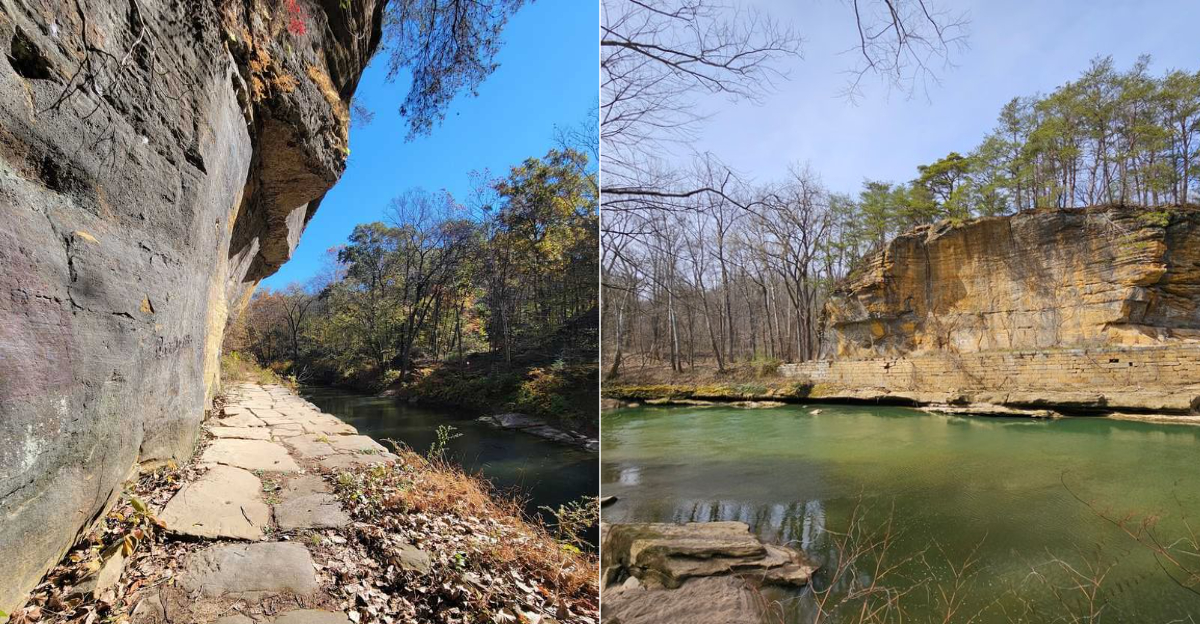
Towering sandstone walls rise beside a quiet paved trail, creating a landscape that feels far removed from what many people expect to find in central Ohio. With every step, the cliffs, river, and forest come together in a setting that is both peaceful and unforgettable.
At Blackhand Gorge State Nature Preserve, visitors can follow an easy paved trail through one of Ohio’s most striking natural areas. The path winds alongside the Licking River beneath towering rock formations, where birdsong echoes off the cliffs and changing light reveals new textures in the ancient sandstone.
The preserve offers a rare combination of dramatic scenery and easy access, making it welcoming for families, casual walkers, and seasoned outdoor enthusiasts alike. From the fascinating geology to the quiet beauty of the river corridor, there is much more to discover as this remarkable Ohio landscape unfolds.
A Smooth Paved Trail That Hugs the Riverbank
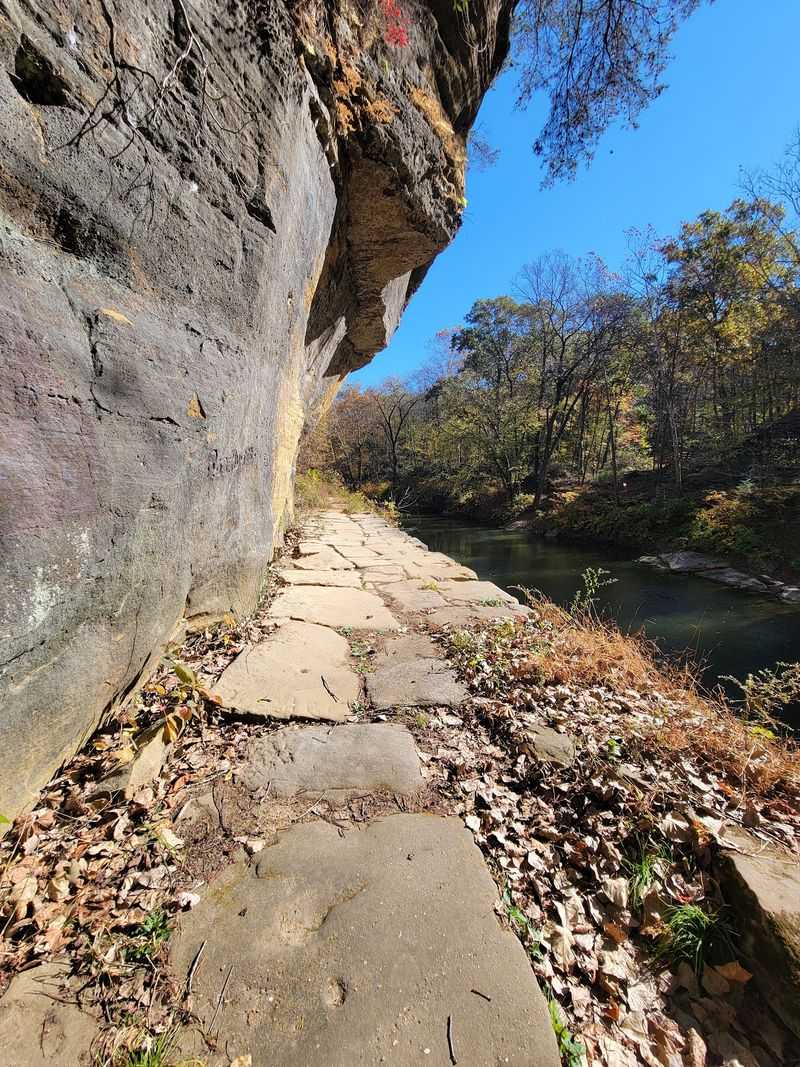
Picture yourself gliding along a perfectly smooth path with water rushing on one side and towering cliffs rising on the other. The main trail at this preserve stretches over four miles along the Licking River, offering one of the most scenic paved pathways in the region.
Bikers love how the gentle terrain makes for an easy ride, while walkers appreciate the shade from dense forest cover overhead. The path stays mostly flat with barely any incline, perfect for families with strollers or anyone who prefers a relaxed outdoor experience.
You can walk as little or as much as you want since multiple access points let you customize your adventure.
Blackhand Gorge State Nature Preserve welcomes visitors daily from 6 AM to 8 PM. Most people spend two to three hours exploring, though you could easily make a full day of it.
The entire route is well-maintained year-round, making it accessible even during Ohio’s unpredictable weather seasons.
Crumbling Locks That Once Moved Boats Uphill
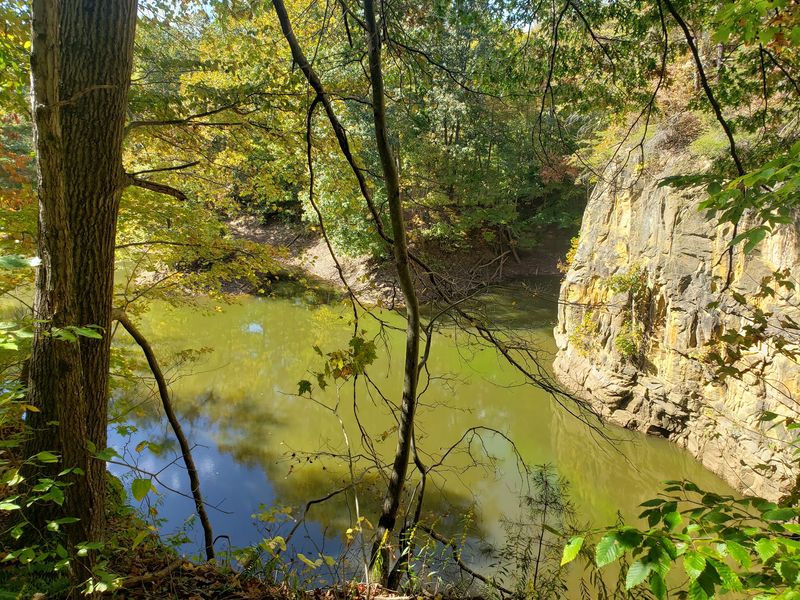
Massive stone walls rise from the earth like something from an archaeological dig. Canal Lock 16 sits quietly beside the trail, its purpose mysterious to modern eyes until you imagine water filling these chambers, lifting boats up or down the landscape.
These hand-cut blocks have stood here since the 1820s.
You can actually walk down into the lock itself, following a subtle path on the left side for easier access. The steep stone walls tower overhead once you’re inside, giving you a boat captain’s perspective from nearly two centuries ago.
Teenagers particularly enjoy exploring this feature, often taking creative photos from different angles.
The preserve sits at 2200 Gratiot Rd SE in Heath, making it easily accessible from the Columbus or Newark areas. Historical markers explain how the Ohio & Erie Canal transformed commerce across the state.
This lock represents just one piece of an engineering marvel that connected Lake Erie to the Ohio River.
Sandstone Giants Rising From the Forest Floor
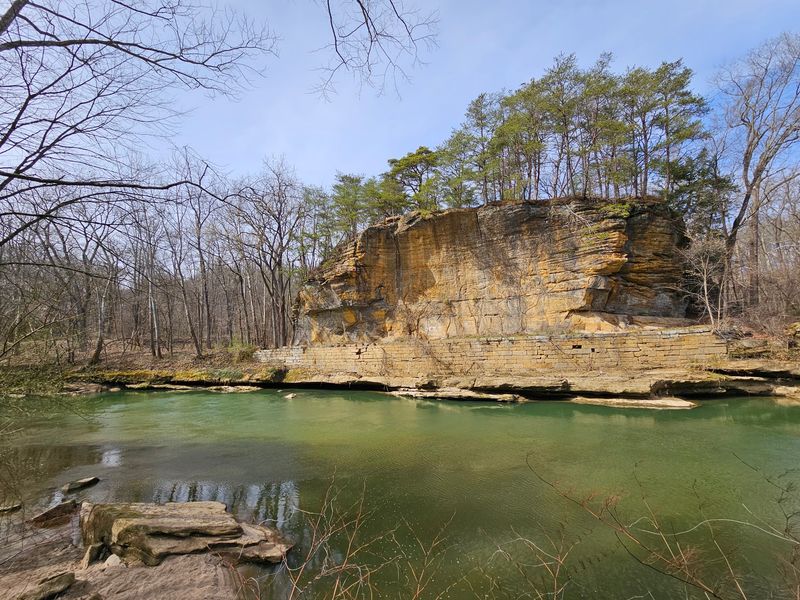
Craning your neck upward still doesn’t capture the full height of these ancient rock formations. The same Blackhand sandstone that created the famous Hocking Hills appears here in equally dramatic fashion, carved by thousands of years of river erosion.
Geologists visit specifically to study the exposed layers of stone.
The cliffs create a natural amphitheater effect along certain sections of trail. Birds nest in crevices high above, while moss and ferns cling to shaded ledges lower down.
Photographers time their visits for early morning or late afternoon when angled sunlight brings out the rich golden and rust colors in the stone.
Several viewing spots along the paved trail offer unobstructed views of the tallest formations. The gorge earned its name from a large hand-shaped petroglyph that once adorned these rocks, though quarrying operations destroyed that specific feature.
Today’s visitors still marvel at the raw power of geology on display throughout the preserve.
A Secret Waterfall Worth the Muddy Detour
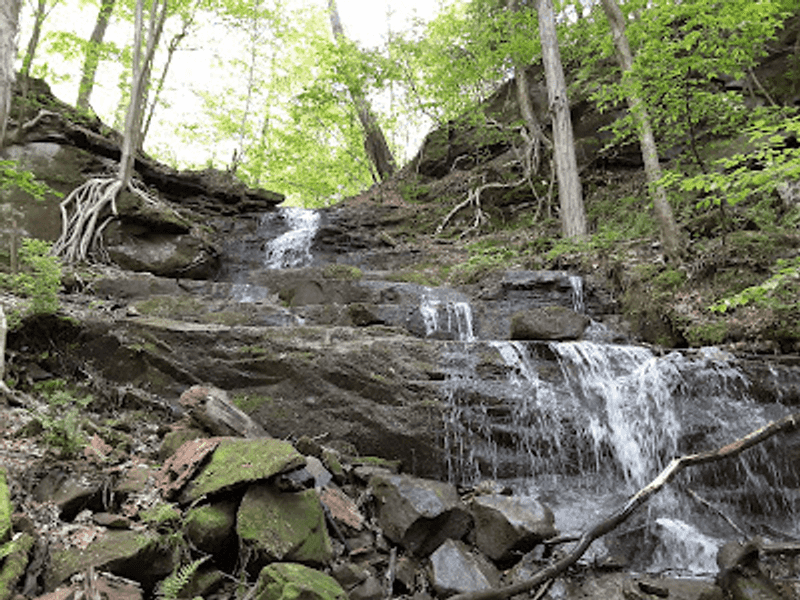
Not all treasures reveal themselves easily. About a tenth of a mile past the railway tunnel, a cut log marks an unmarked path heading north into the woods.
This rough trail leads to a seasonal waterfall that locals guard like a cherished secret.
Fair warning: this isn’t your typical manicured nature walk. Poison ivy grows along the narrow deer path, and recent visitors report the falls weren’t flowing despite recent rains.
The terrain gets muddy and overgrown, requiring careful footing and long pants. Water shoes won’t help here like they do at the river access points.
Adventurous hikers who make the journey find a peaceful spot worth the effort when conditions align. Spring typically offers the best viewing as snowmelt and April showers keep water flowing.
Some visitors get lost searching for this feature, so if you’re uncertain, ask locals at the preserve or skip it in favor of easier attractions along the main trail.
A Sandy River Beach Made for Families
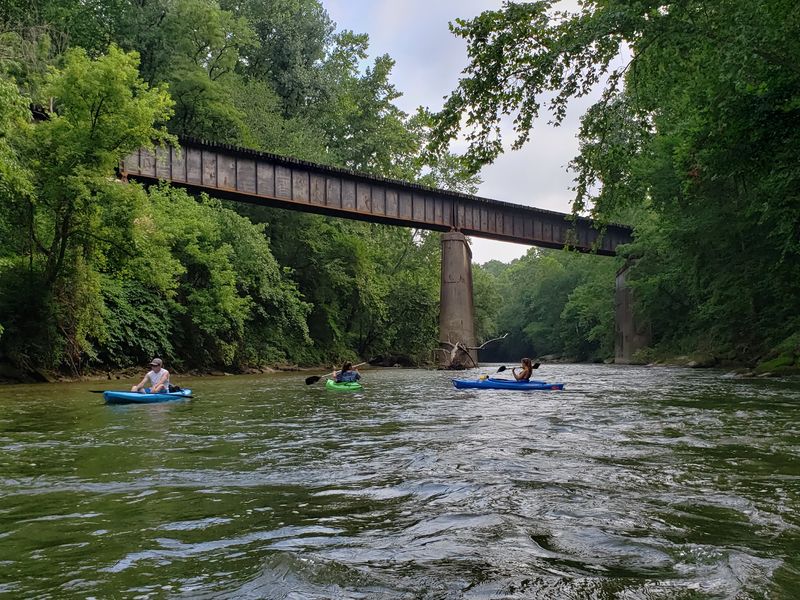
Tiny hands clutch smooth river stones while parents relax on a natural sandbar that feels like a hidden oasis. The Licking River creates several beach-like areas perfect for wading and rock hunting, accessible via small paths branching off the main trail.
Kids spend hours searching for fossils and interesting specimens.
Smart families bring water shoes since the riverbed varies from sandy patches to rocky sections. The water runs shallow enough for safe splashing during summer months.
Many visitors don’t realize this opportunity exists until they spot others enjoying the water, so come prepared with swim clothes or at least shoes that can get wet.
Park at the Licking River Access lot for easiest reach to these swimming spots. Kayakers frequently paddle past, adding to the recreational atmosphere.
The sandy beach area proves especially popular on hot weekends, though arriving early ensures you’ll find a good spot before crowds gather after lunch.
Rugged Rim Trails for Serious Explorers
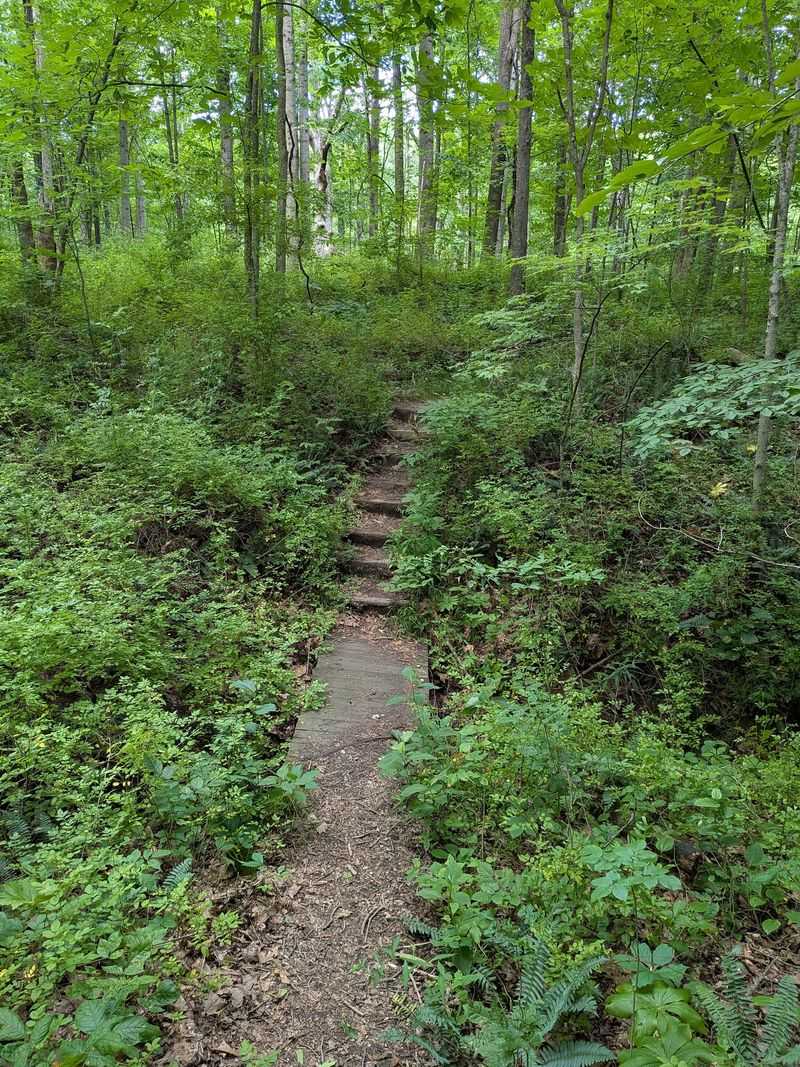
Leaving the smooth pavement behind feels like entering a completely different preserve. The Quarry Rim and Marie Hickey trails branch left off the main path, offering rugged hiking through terrain that tests your balance and rewards your effort with stunning gorge views.
Red arrows guide you through the wilderness.
These unpaved routes feature exposed roots, loose rocks, and steep sections that can turn treacherous after rain. Regular sneakers work but proper hiking boots provide better traction and ankle support.
The trails wind along the gorge edge, occasionally opening to dramatic overlooks that simply don’t exist from the paved path below.
Far fewer people venture onto these challenging trails, creating opportunities for solitude and wildlife encounters. Hikers report seeing deer in small groups, especially during early morning visits on weekdays.
The Marie Hickey and Oak Knob trails particularly appeal to visitors seeking a more authentic wilderness experience beyond the tourist-friendly main route.
Wildlife Encounters in Every Season
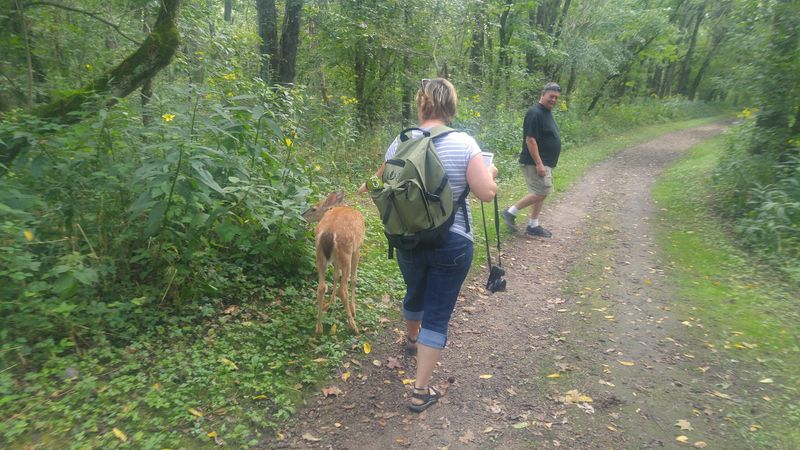
Something rustles in the underbrush, then three deer emerge onto the trail just yards ahead. Wildlife sightings happen so frequently at this preserve that regular visitors plan their trips around animal activity patterns.
Early birds consistently report the best encounters before human foot traffic increases.
The protected status of this nature preserve creates sanctuary for countless species. Bird songs provide a constant soundtrack, from cheerful chickadees to hammering woodpeckers.
Patient observers spot everything from turtles sunning on river logs to great blue herons fishing in shallow pools. One visitor even documented seeing nine deer during a single weekday morning hike.
The diverse habitat supports this biodiversity, from dense forest canopy to riverside meadows and rocky cliff ecosystems. Bring binoculars if you’re serious about wildlife watching.
The preserve’s location at 2200 Gratiot Rd SE positions it within a larger network of conservation lands that allow animals to thrive and move freely through protected corridors.
A Historic Cattle Tunnel Built for Farming
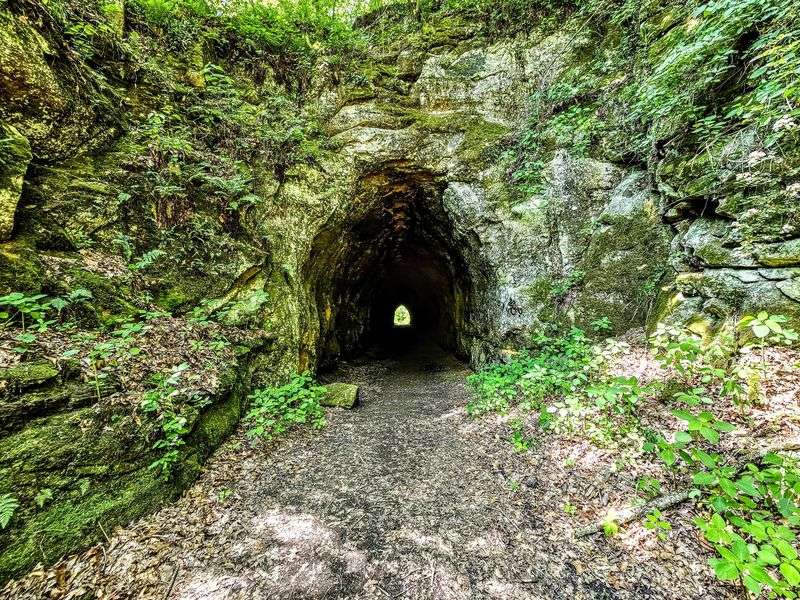
Kids vanish into a mysterious concrete passage that once served a completely practical purpose. This wide cement structure allowed farmers to move cattle safely under the trolley railway without disrupting train service.
Today it’s become an unexpected playground feature that children find irresistible.
The tunnel sits right along the main trail, impossible to miss when you cross the large cement slab. Most adults walk across without a second thought, but young explorers immediately recognize the adventure potential.
Teenagers enjoy testing the acoustics, discovering how voices echo through the passage.
This feature represents clever engineering from an era when railways and farmland coexisted more commonly than today. Local historians appreciate these preserved structures that tell stories about daily life in rural Ohio over a century ago.
Located at Blackhand Gorge State Nature Preserve near Heath, the tunnel offers a hands-on history lesson that beats any textbook description of agricultural infrastructure.
Spring Wildflowers That Transform the Forest
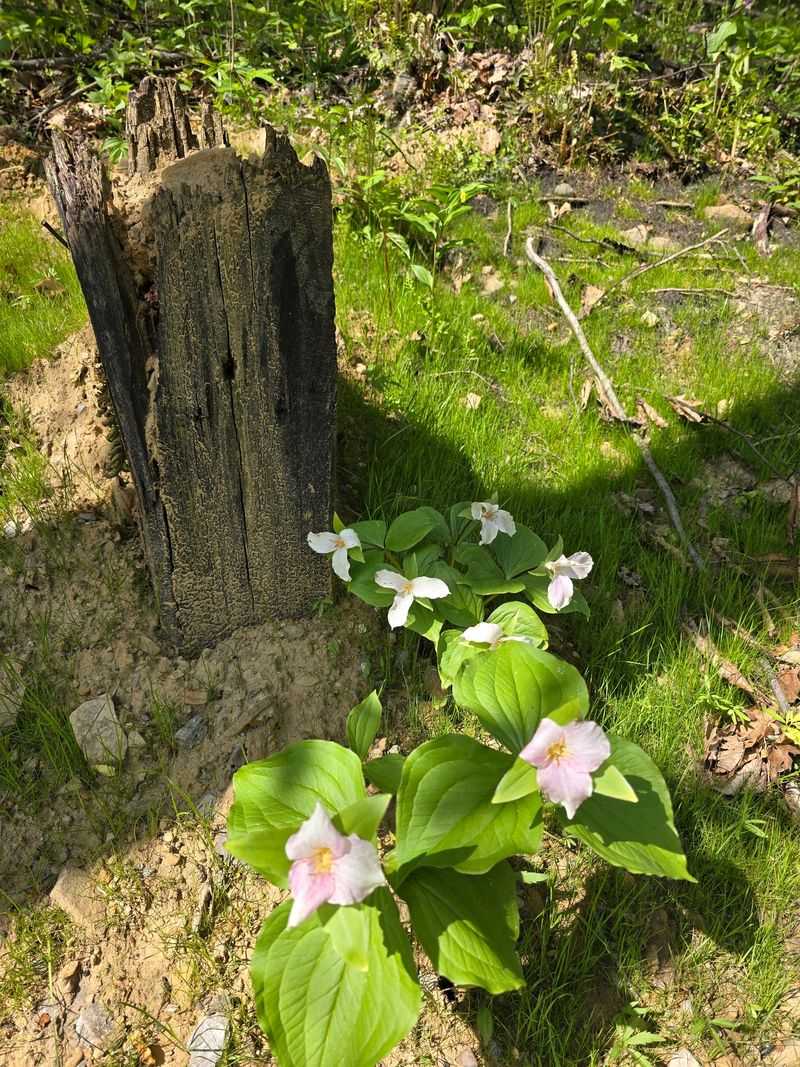
The forest floor erupts into color like someone scattered thousands of delicate stars across the ground. Spring brings spectacular wildflower displays that transform ordinary woodland into botanical wonderland.
White and pink trillium bloom in abundance, their three-petaled faces turning toward filtered sunlight.
Dogwood trees add another layer of beauty with their distinctive white and pink blooms creating a flowering canopy overhead. Timing your visit for peak bloom, typically late April through early May, rewards you with one of Ohio’s finest natural shows.
Photographers arrive early to capture morning light illuminating the delicate petals.
The preserve’s protected status allows these native plants to flourish without threat from development or over-collection. Walking the trails during wildflower season feels like strolling through a living botanical garden where nature arranges its own displays.
Even visitors who come primarily for the rock formations and river views find themselves stopping repeatedly to admire the surprising diversity of blooming plants throughout the preserve.