Florida often gets reduced to sand, surf, and theme parks, but some of its most memorable places sit far from the shoreline spotlight.
Across the state, historic downtowns hold brick streets, old hotels, local shops, river views, and stories that reach back hundreds of years.
Walking through them is an easy way to see a different side of Florida, one filled with culture, architecture, and small-town charm that still feels alive today.
If you are ready to trade flip-flops for walking shoes, these downtown districts offer tasty food, fun stops, and plenty of reasons to slow down, look around, and discover how much history is packed into the Sunshine State beyond the beach.
1. St. Augustine Historic District – St. Augustine
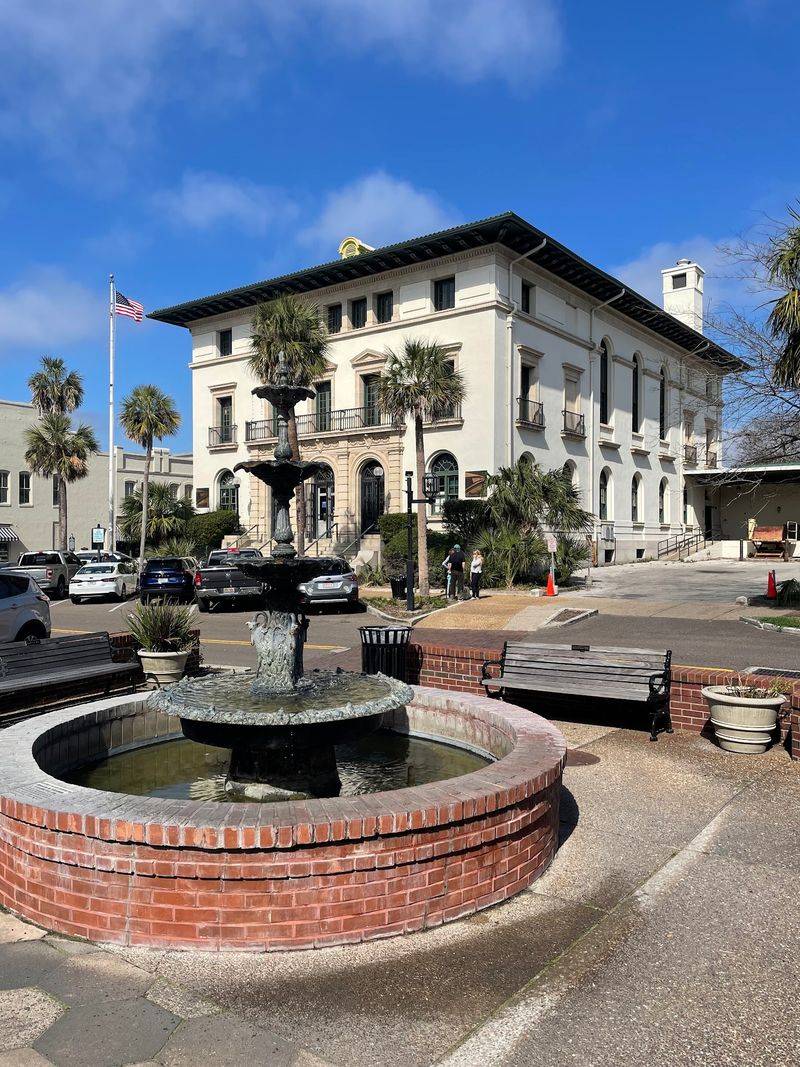
Cobblestones, old walls, and salty air make St. Augustine feel like a living history book.
Founded in 1565, it is widely known as the oldest continuously occupied European-established city in the United States.
That long past shows up everywhere, from the Castillo de San Marcos nearby to the narrow lanes lined with shops and cafes.
Walking is the best plan here because the district rewards slow travel.
St. George Street is packed with places to snack, browse gifts, and duck into cool courtyards when the day gets hot.
Early morning or late afternoon usually feels most comfortable, and those hours also help you avoid some of the biggest crowds.
History lovers should add Flagler College, once the grand Ponce de Leon Hotel, to the list.
Families can mix museums with treats, since bakeries, ice cream spots, and casual restaurants sit close together.
Bring comfortable shoes, look up at the balconies, and give yourself extra time, because this downtown turns even a short stroll into a rich, surprising adventure full of stories, color, and unforgettable Florida character.
2. Fernandina Beach Historic District – Fernandina Beach
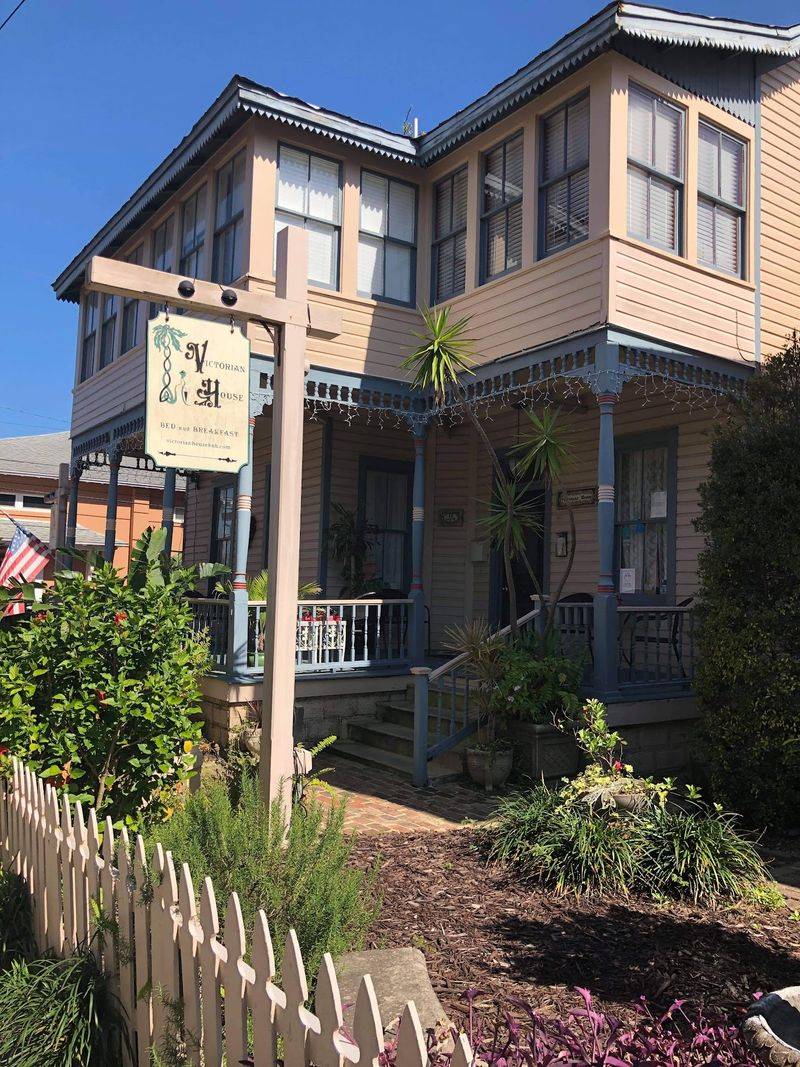
At first glance, Fernandina Beach looks like a postcard from another century with a sea breeze added in.
Its historic district on Amelia Island features Victorian-era buildings, bright storefronts, and a downtown that rises and falls gently along Centre Street.
The setting feels polished but relaxed, which makes it easy for first-time visitors to settle in fast.
Local shops, seafood restaurants, and dessert spots fill the streets, so browsing and eating can happen in the same easy loop.
Architecture fans should watch for ornate details on old buildings that reflect the town’s boom years in the 1800s.
If you like mixing history with scenery, head toward the waterfront after your walk for views of boats and marshland.
Weekdays tend to feel quieter, while festivals bring extra energy and music to the area.
Parking can be easier if you leave the busiest blocks and walk in, since the district is very manageable on foot.
Plan time for the Amelia Island Museum of History or a carriage tour, then end with sunset nearby, because few Florida downtowns blend old-fashioned charm, coastal personality, and everyday friendliness quite this smoothly for curious travelers.
3. Mount Dora Historic Downtown – Mount Dora
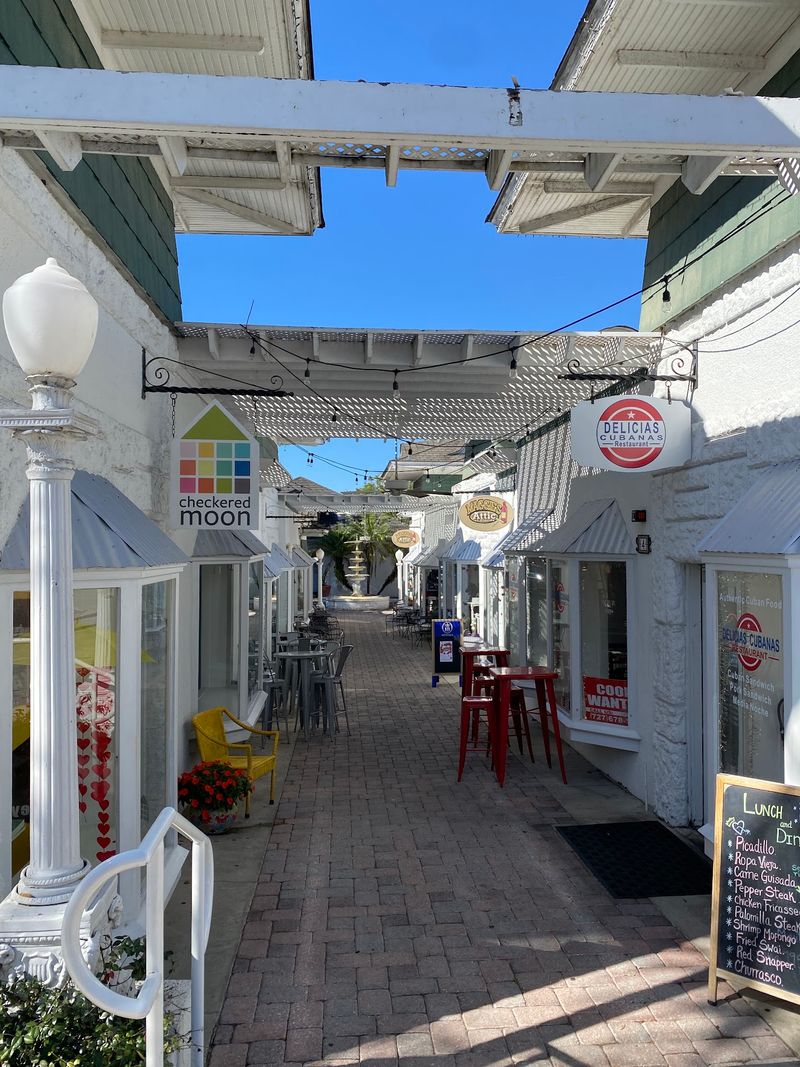
Antique signs, brick streets, and shady sidewalks give Mount Dora a cheerful old-town mood right away.
Set in Central Florida near Lake Dora, this downtown is famous for its cozy scale and its strong love for festivals, art, and vintage shopping.
The whole area feels made for wandering without a strict plan.
Shoppers usually come ready to hunt for antiques, home decor, books, and quirky gifts.
Food is easy to find too, with cafes, bakeries, and casual restaurants tucked into historic buildings that add extra character to every stop.
If you visit during one of the town’s big events, expect busy sidewalks, lively booths, and a more festive pace.
On calmer days, the lakefront offers a nice break from browsing.
A short stroll toward the water can give you fresh air, boat views, and a chance to slow down before heading back to the shops.
Wear comfortable shoes for the hills, check the event calendar before you go, and leave room in your schedule for surprises, because Mount Dora shines brightest when you let its mix of nostalgia, local creativity, and easygoing charm lead the day naturally.
4. Micanopy Historic District – Micanopy
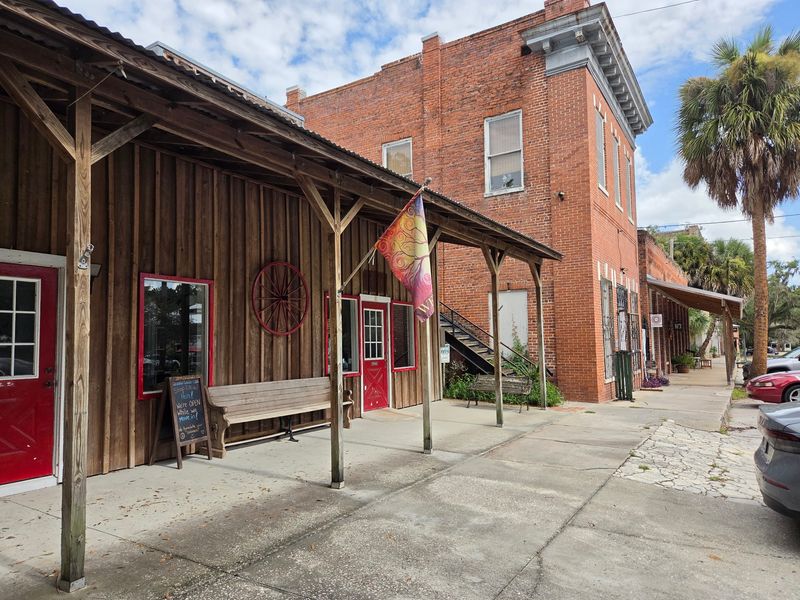
Micanopy moves at a slower rhythm, and that is exactly why people remember it.
Often called one of Florida’s oldest inland towns, it has a small historic district where oak trees, old homes, and antique stores create a deeply rooted sense of place.
Nothing here feels rushed, polished, or overbuilt.
The downtown is compact, so it works best for visitors who enjoy browsing rather than racing from one attraction to the next.
You can spend a relaxed afternoon looking through antiques, stepping into local galleries, or pausing for lunch in a charming spot with a porch.
Because the streets are quiet, even a simple walk feels restorative.
History fans may recognize the town from films and books, but its real appeal is the lived-in atmosphere.
Nearby natural areas, including Paynes Prairie Preserve State Park, make it easy to pair a downtown visit with wildlife watching or a scenic drive.
Bring cash for smaller shops, keep your camera ready for the giant oaks, and go in with patient curiosity, because Micanopy rewards people who notice details, enjoy stories, and appreciate Florida far away from modern noise and crowded tourist strips.
5. Apalachicola Historic District – Apalachicola
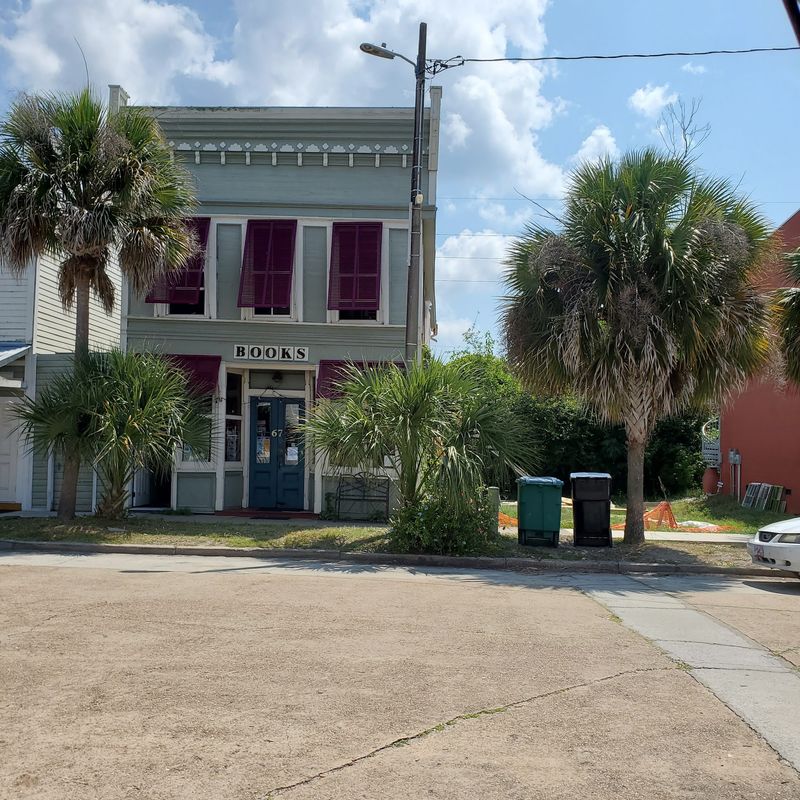
Apalachicola carries itself with the quiet confidence of a town that knows its own story.
Located in the Florida Panhandle along the Apalachicola River, its historic district reflects a long past tied to shipping, seafood, and Gulf trade.
Old brick buildings and broad streets give the downtown a sturdy, weathered look that feels honest.
Seafood is a major reason people come, and local restaurants often make oysters the star.
Between meals, visitors can explore boutiques, art galleries, and museums that explain how the town grew during the nineteenth century.
The pace stays relaxed, which makes it easy to chat with shop owners or linger over a waterfront view.
Rain gear can be smart in warmer months, and comfortable sandals help if you plan to walk from downtown toward the water.
The John Gorrie Museum State Park adds a thoughtful stop for anyone curious about early refrigeration history.
Try to stay until evening if you can, because the softer light suits the old buildings beautifully, and Apalachicola’s mix of working-town grit, preserved architecture, and excellent food creates a Florida downtown experience that feels refreshing, grounded, and wonderfully real.
6. Tarpon Springs Historic Downtown – Tarpon Springs
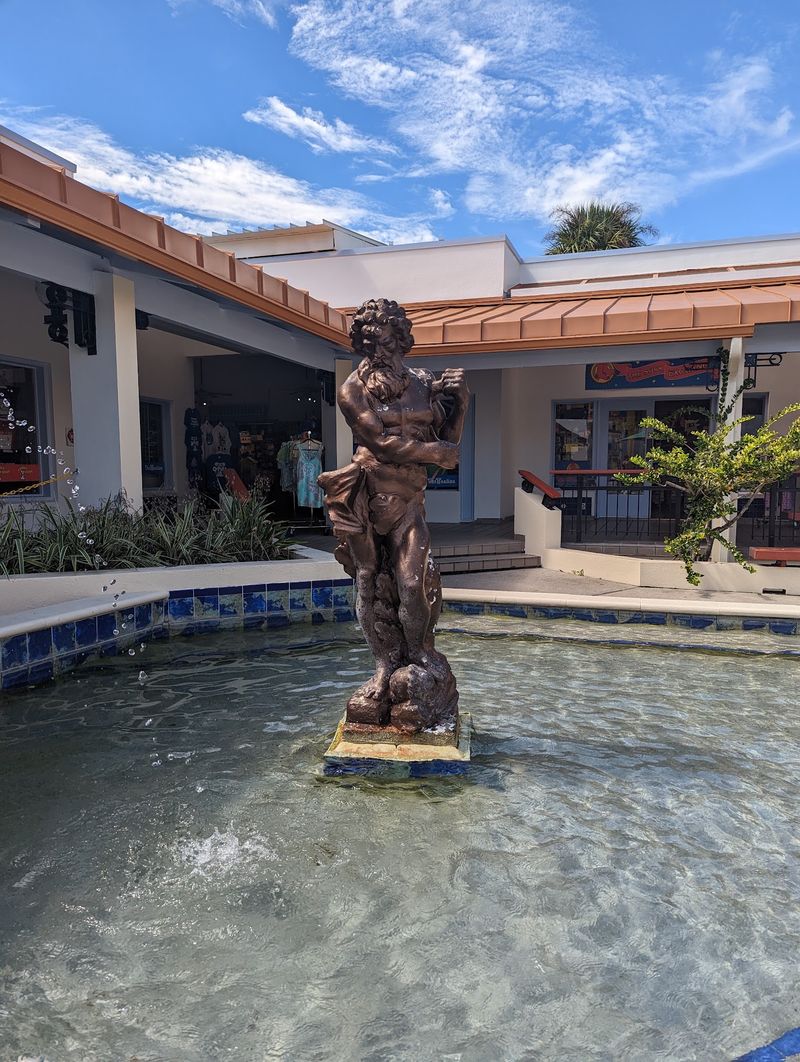
Few Florida downtowns surprise visitors faster than Tarpon Springs, where Greek culture shapes the whole experience.
The historic core sits inland from the famous sponge docks, and together they tell the story of a community built by sponge diving and immigrant traditions.
That heritage still shows up in food, faith, festivals, and everyday street life.
A visit here should include more than one flavor stop.
Greek bakeries, coffee shops, and family restaurants serve pastries, gyros, and sweets that turn a simple walk into a mini food tour.
Shoppers can also browse boutiques and specialty stores, then head toward the waterfront to connect the downtown with the sponge industry that helped define the city.
Timing matters if you want the fullest experience.
Religious celebrations and cultural events bring extra color, while quieter weekdays make it easier to appreciate the buildings and local details at your own speed.
Pair downtown exploring with a stop at the Tarpon Springs Heritage Museum, and do not skip dessert, because this district blends Florida history with Greek identity in a way that feels lively, flavorful, and unlike anywhere else in the state for travelers seeking something memorable.
7. DeLand Historic Downtown – DeLand
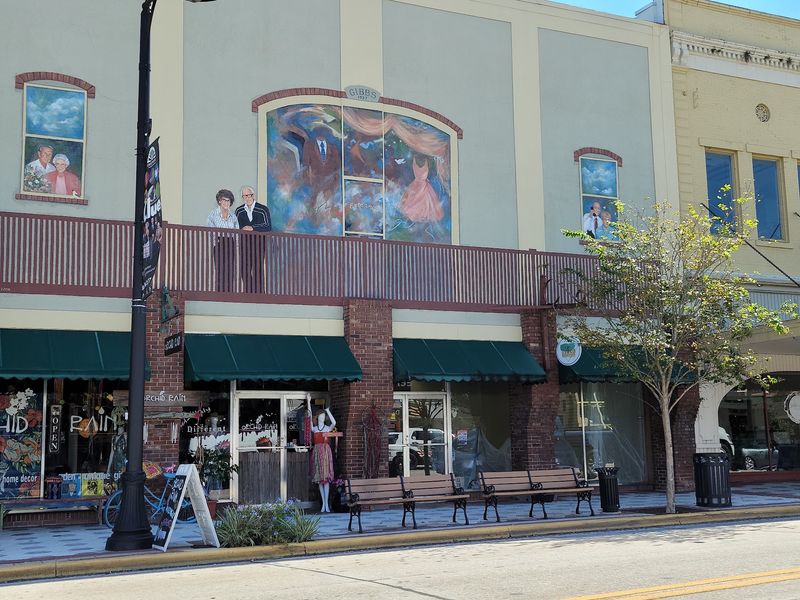
DeLand feels upbeat from the moment you reach its walkable center.
Known for a handsome downtown and a strong local arts scene, this Central Florida city mixes restored architecture with independent businesses that give the area real personality.
You get history here, but you also get energy and everyday life.
Main Street is the natural starting point.
Coffee shops, bookstores, boutiques, and restaurants line the blocks, making it easy to build a visit around whatever sounds fun that day.
Murals and public art add color, while nearby cultural spots help explain why DeLand has become such a favorite for weekend wanderers.
One smart stop is the Museum of Art – DeLand, which has earned national attention despite the city’s modest size.
Another good choice is simply sitting outside with lunch and watching the downtown move around you, because the place has a friendly rhythm that is easy to enjoy.
Check for live events before visiting, arrive hungry, and allow time for a little aimless exploring, since DeLand works best when you let its mix of creativity, history, and neighborhood warmth shape the day instead of following a tight schedule from one stop to the next.
8. Pensacola Historic Downtown – Pensacola
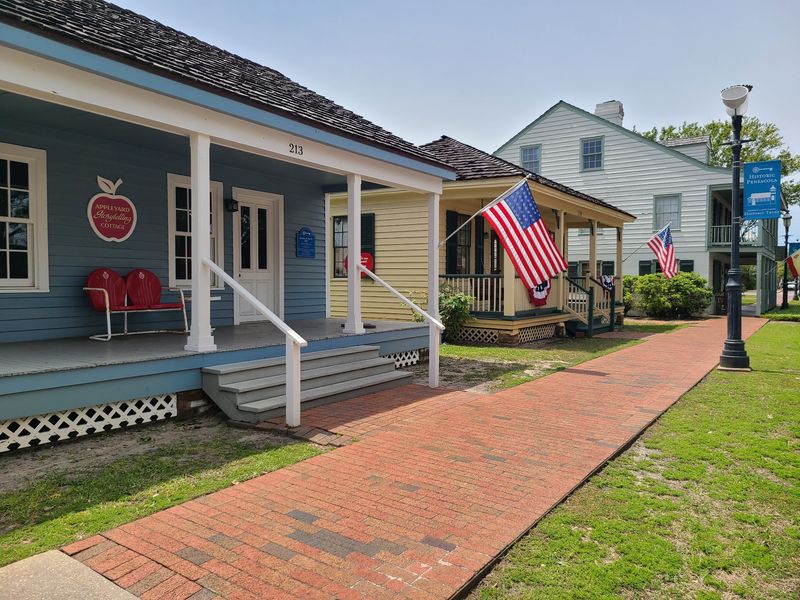
Pensacola brings big history to a downtown that still feels easy to explore.
As one of the earliest European settlement areas in the United States, the city layers Spanish, French, British, and American influences into streets that now hold restaurants, galleries, and historic landmarks.
That blend gives the area a richer texture than many visitors expect.
Palafox Street is the spine of the district and a smart place to begin.
The blocks offer shops, cafes, and restored buildings that make casual strolling pleasant even if you know little about the city’s past.
A few turns away, Plaza Ferdinand VII and the Historic Pensacola Village add museums and preserved structures that help bring the timeline to life.
The district works well for both short visits and full-day outings.
You can focus on architecture, stop for local food, or combine downtown time with nearby bayfront views for a broader look at the city.
Try morning for cooler walking weather, wear shoes that handle brick and pavement, and keep your camera ready, because Pensacola’s downtown pairs deep historical roots with modern city energy in a way that feels polished, educational, and genuinely enjoyable for travelers of many ages and interests.
9. Cedar Key Historic Downtown – Cedar Key
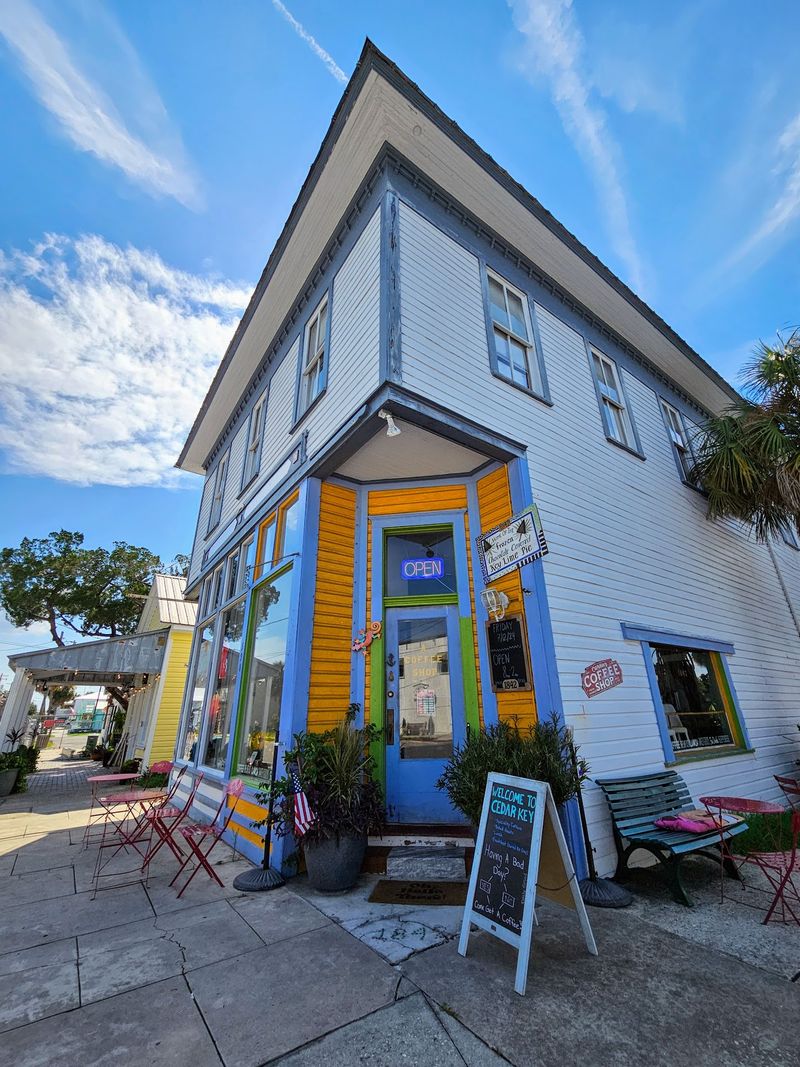
Cedar Key feels like old Florida decided not to hurry for anyone.
This small island city on the Gulf has a historic downtown where weathered buildings, seafood spots, and art galleries sit close to the water.
The mood is casual, salty, and proudly a little rough around the edges.
Visitors often come for the atmosphere as much as the attractions.
You can wander short blocks, browse local art, watch boats, and settle into a meal that highlights clams and other seafood tied to the region.
Nothing needs to be rushed, and that is part of the town’s charm.
Because Cedar Key is compact, it works well as a day trip, but staying overnight lets you enjoy the quieter evening side of town.
Sunset can be especially beautiful, with soft light reflecting off the Gulf and the simple downtown taking on an even calmer feel.
Bring insect spray in warmer seasons, check weather conditions before crossing over, and keep plans flexible, because Cedar Key is less about checking off sights and more about sinking into a historic waterfront setting that feels creative, independent, and delightfully disconnected from Florida’s busier destinations and louder coastal scenes.
10. Bartow Downtown Historic District – Bartow
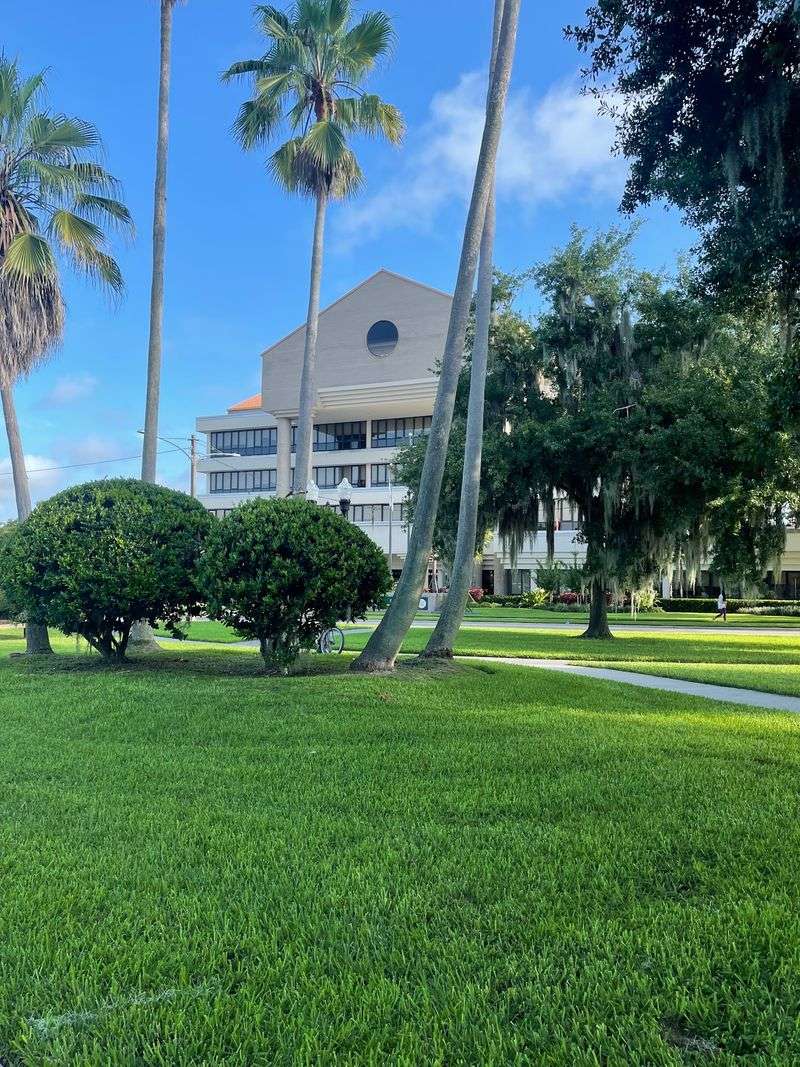
Bartow may not grab the same attention as Florida’s resort towns, yet its downtown has real staying power.
Located in Polk County, the Bartow Downtown Historic District features early twentieth-century commercial buildings, a notable courthouse area, and streets that reflect the city’s long role as a regional center.
The result is practical, handsome, and pleasantly unshowy.
Architecture fans will notice masonry details, old facades, and a layout that still serves local life rather than just tourism.
That makes the area feel authentic, especially when you step into a longtime shop or pause near public buildings that anchor the district.
It is the kind of place where history feels woven into ordinary routines.
To get the most from a visit, pair your walk with a little background reading on Bartow’s railroad and phosphate history.
That context helps small details make sense and gives the downtown more depth than a quick pass might reveal.
Go during cooler hours, look beyond the main corners, and talk with local business owners when possible, because Bartow rewards steady attention with a grounded view of inland Florida history, civic pride, and the enduring appeal of a downtown built for real community life over generations.