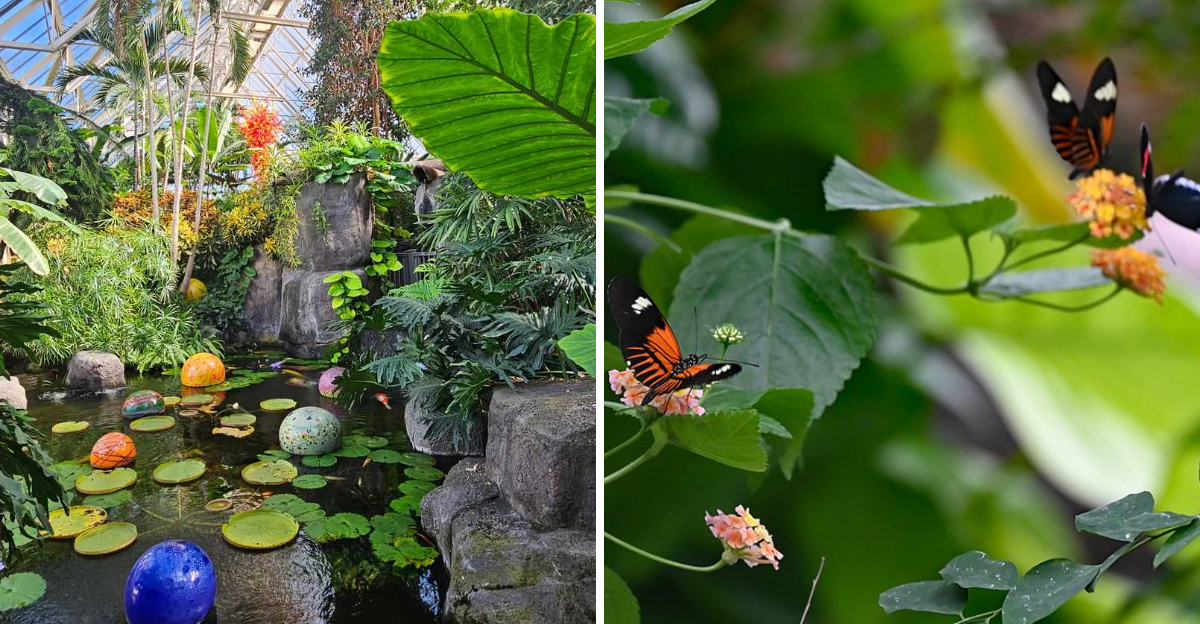
Ohio changed the butterfly experience forever with one breathtaking garden display.
In 1994, Franklin Park Conservatory and Botanical Gardens in Columbus opened the nation’s first seasonal butterfly exhibit, bringing tropical beauty and wonder under its glass roof.
What began as Butterfly Garden: Something Rare in the Air grew into Blooms & Butterflies, a magical escape where hundreds of butterflies drift among exotic plants and flowers.
Families have returned for generations to experience this unforgettable Columbus attraction, where nature comes alive and every visit feels like stepping into a hidden tropical paradise in Ohio.
The exhibit continues to capture hearts with its colorful displays, close encounters, and the simple joy of watching delicate butterflies soar through a world filled with flowers, sunlight, and discovery that inspire visitors of all ages yearly.
The Historic Butterfly Exhibit That Changed Conservatory Experiences Forever
Back in 1994, the Columbus conservatory took a bold creative leap that nobody had tried before. Franklin Park Conservatory launched Butterfly Garden: Something Rare in the Air, becoming the first conservatory in America to offer a seasonal butterfly display.
The idea seemed simple but revolutionary: combine living tropical butterflies with beautiful plants inside historic glass structures.
This wasn’t just about showing off pretty insects. The exhibit created an immersive experience where education, horticulture, and living creatures blended together seamlessly.
Guests could walk through tropical gardens while butterflies landed on flowers right beside them.
The success of that first season changed everything for botanical gardens nationwide. Now renamed Blooms & Butterflies, the exhibit continues attracting thousands of visitors each year.
What started as an experimental project became a beloved tradition that proved conservatories could offer much more than just plant displays.
Other institutions quickly followed Franklin Park’s example, creating their own butterfly exhibitions across the country.
How A Risky Idea Became A Columbus Tradition
After the massive AmeriFlora ’92 international horticultural exhibition ended, Franklin Park Conservatory faced a serious challenge. Visitor numbers dropped dramatically once that spectacular event concluded.
The staff needed something fresh and exciting to bring families back through the doors.
Someone suggested butterflies. It sounded risky since no other conservatory had attempted a seasonal butterfly experience before.
The investment required careful planning, specialized equipment, and partnerships with butterfly suppliers from tropical regions around the world.
That first season exceeded everyone’s wildest expectations. Thousands of curious visitors showed up to witness tropical butterflies fluttering through Ohio in the middle of winter.
Children pressed their noses against glass walls watching colorful wings in motion.
The gamble paid off spectacularly. What could have been a costly failure instead became the conservatory’s signature attraction.
Year after year, families returned to experience the magic again, turning a risky experiment into Columbus’s favorite seasonal tradition.
Inside Blooms & Butterflies: A Tropical World In Ohio
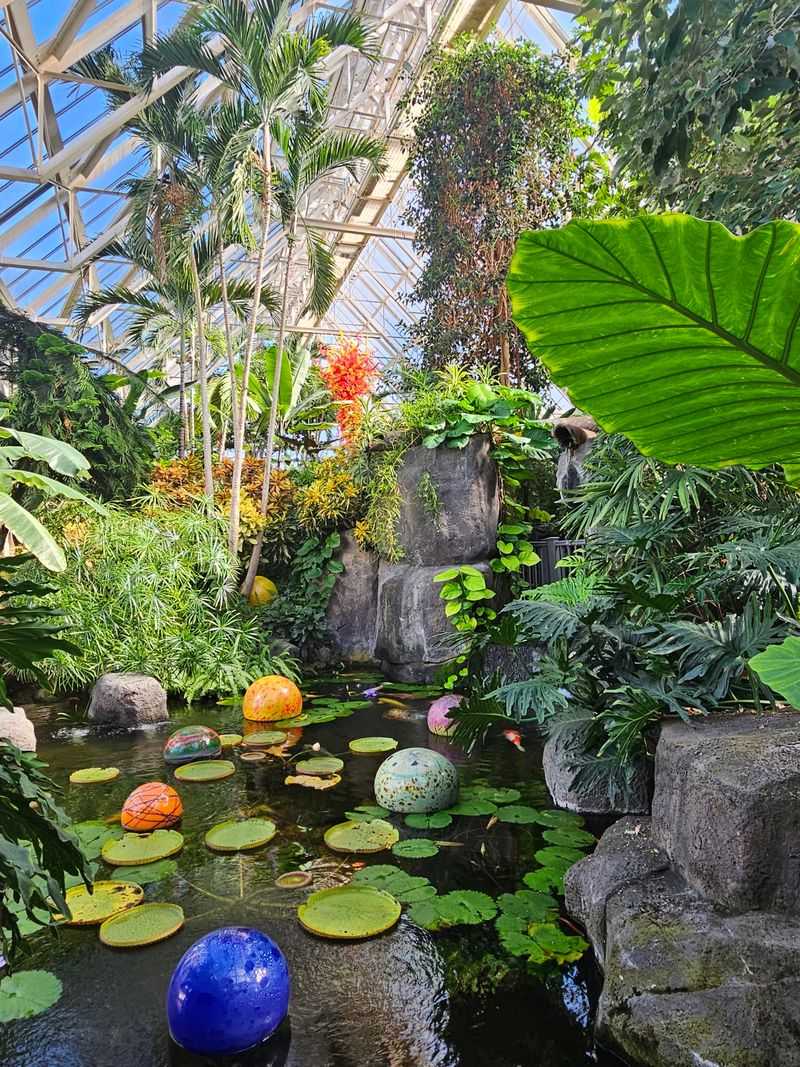
Walking into the Pacific Island Water Garden Biome feels like teleporting to a faraway rainforest. The temperature jumps immediately, wrapping visitors in warm, humid air that tropical butterflies need to survive.
Exotic plants tower overhead while colorful blooms carpet every corner of the carefully designed space.
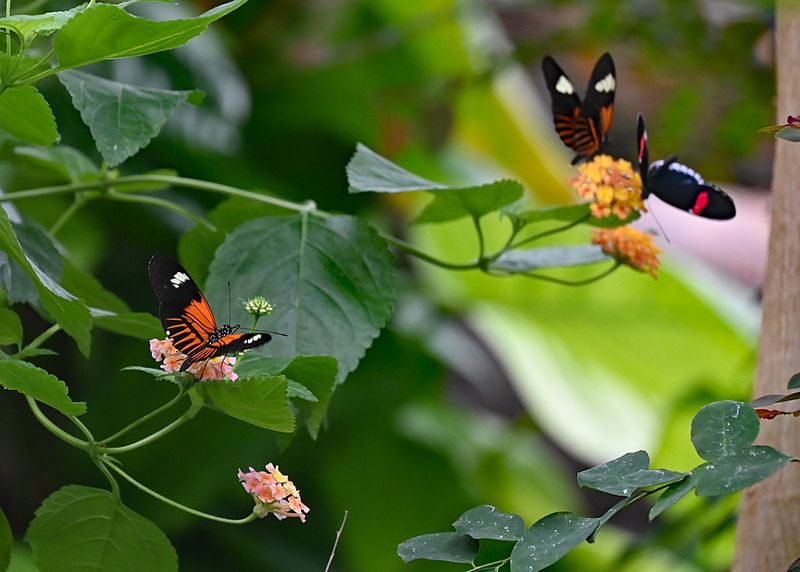
Free-flying butterflies drift past at eye level, sometimes landing on bright flowers to sip nectar. Blue Morphos flash their brilliant wings while Orange Barreds and Painted Ladies explore their temporary home.
The biome recreates precise tropical conditions with controlled temperature, humidity, and lighting systems.
Water features add soothing sounds throughout the exhibit. Streams trickle between plantings while creating the moisture levels these delicate creatures require.
Every element works together to support both butterfly health and visitor enjoyment.
Guests often spend over an hour wandering the pathways, discovering new butterfly species with each turn. The immersive environment makes it easy to forget you’re still in central Ohio during winter months.
The Metamorphosis Lab Lets Visitors Watch Butterflies Begin Life
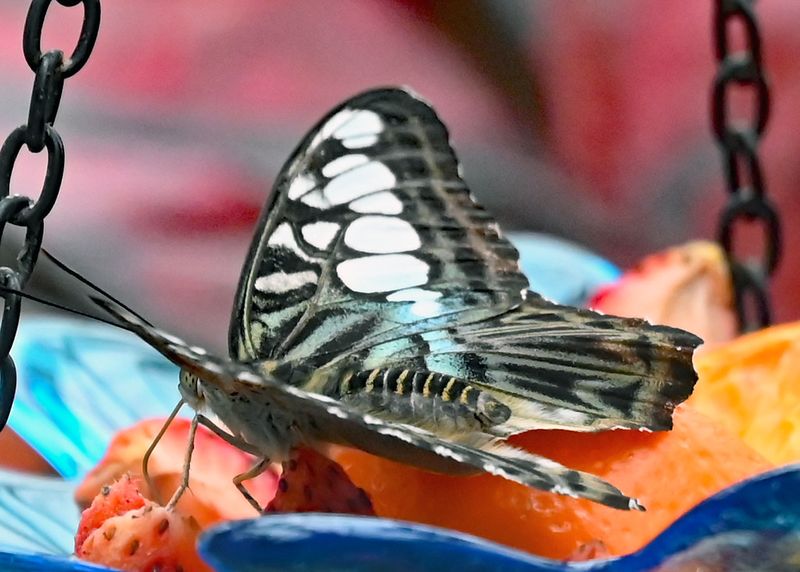
Hidden within the butterfly exhibit sits a fascinating science classroom without walls. The Metamorphosis Lab gives visitors a front-row seat to one of nature’s most incredible transformations.
Glass displays showcase chrysalises at various stages, some ready to split open any minute.
Lucky visitors might witness a butterfly actually emerging from its chrysalis. The wet, crumpled wings slowly expand and harden over the course of hours.
Staff members carefully monitor each chrysalis and gently move newly emerged butterflies into the main exhibit once they’re ready to fly.
Educational signs explain each stage of the butterfly life cycle in simple terms. Kids learn about eggs, caterpillars, pupae, and adult butterflies through colorful diagrams and real examples.
Touch screens offer interactive games and quizzes about butterfly biology.
This behind-the-scenes peek adds serious educational value to what could otherwise be just a pretty visual experience. Families leave understanding the complex journey butterflies take from egg to graceful flyer, making the magic even more meaningful.
Thousands Of Butterflies And Tropical Plants Create A Living Display
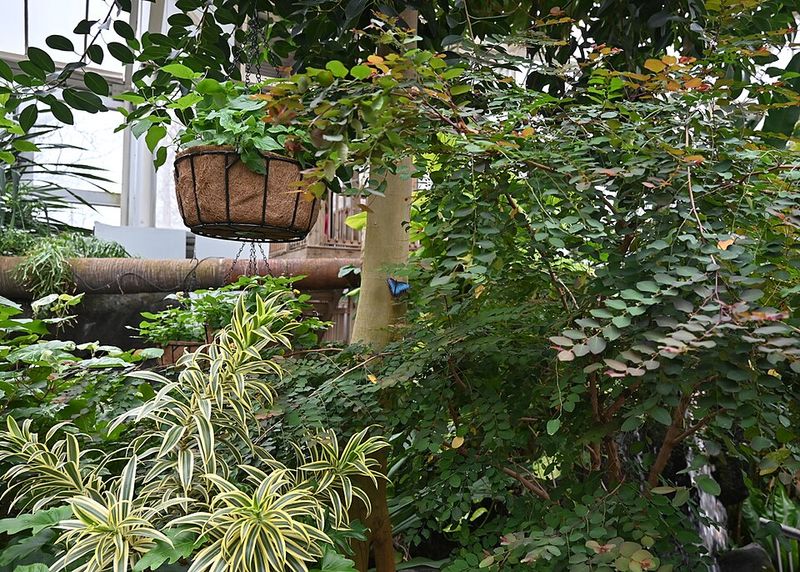
Creating the perfect butterfly habitat takes serious horticultural knowledge. Franklin Park Conservatory doesn’t just release butterflies into any old greenhouse.
The staff carefully selects tropical flowering plants that provide the nectar adult butterflies need for energy and survival.
Pentas, lantana, and passion flowers bloom throughout the exhibit space. These bright blossoms attract butterflies naturally while adding spectacular color to the display.
Host plants for caterpillars also fill the gardens, though eggs are typically raised in controlled environments off-site before butterflies arrive.
Over the exhibition’s run, thousands of individual butterflies participate. Species rotate based on seasonal availability and breeding success from butterfly farms in tropical countries.
The plant collection changes too, featuring different tropical specimens each year to keep the display fresh for repeat visitors.
This partnership between plants and pollinators demonstrates natural relationships visitors rarely get to observe up close. Watching a butterfly probe a flower for nectar reveals the intricate dance between species that keeps ecosystems healthy worldwide.
Why This Exhibit Was Different From Traditional Butterfly Houses
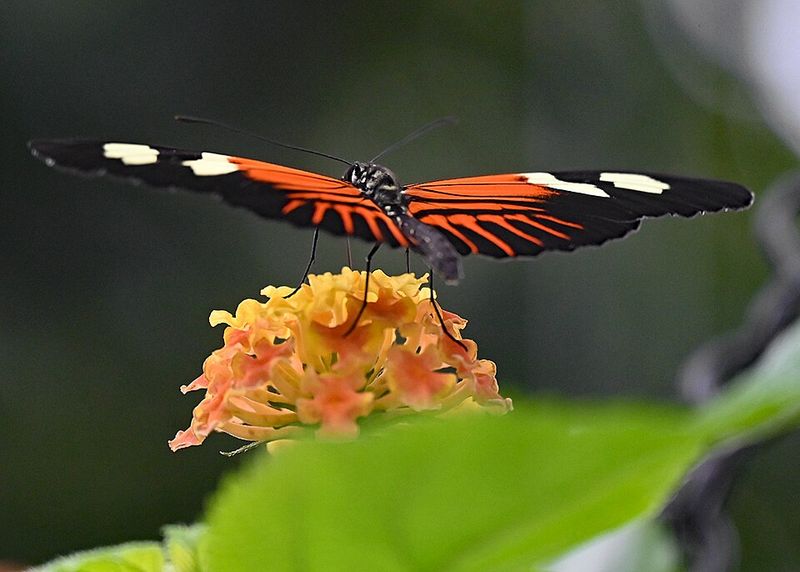
Most butterfly attractions operate year-round in standalone buildings designed specifically for insects. Franklin Park Conservatory chose a completely different path that set them apart from typical butterfly houses.
They integrated butterflies into existing botanical collections, creating a seasonal experience that celebrated both horticulture and entomology equally.
This approach offered several advantages. Visitors enjoyed a constantly changing experience rather than the same permanent display year after year.
The conservatory could rotate plant collections and butterfly species to match seasonal themes and availability.
The temporary nature also built anticipation and urgency. Families knew they had limited time to visit before the butterflies departed for the season.
This exclusivity drove attendance numbers higher than a permanent exhibit might achieve.
By blending conservation education, family discovery, and botanical beauty, Franklin Park created something unique. The model proved so successful that other conservatories adopted similar seasonal approaches rather than building separate permanent butterfly facilities.
Innovation sometimes means doing less, not more.
The Historic Glass Architecture Makes The Experience Even More Special
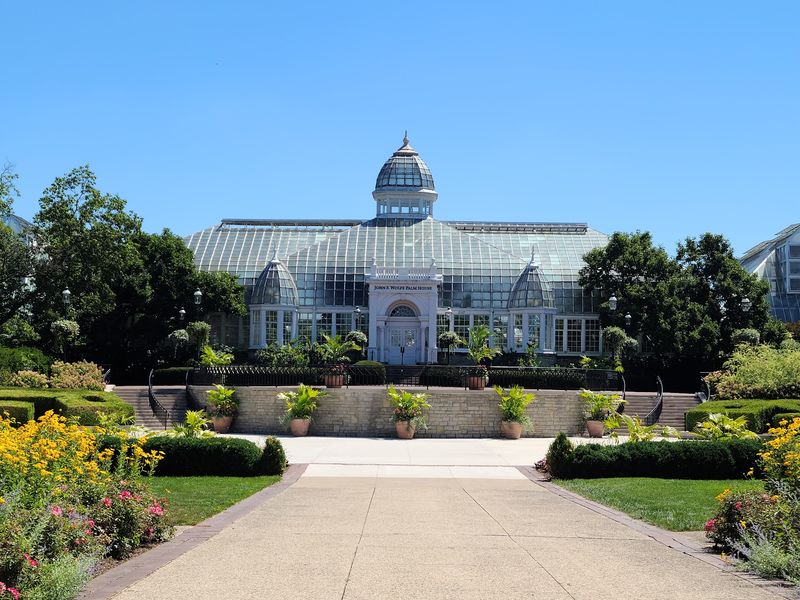
Stepping into the John F. Wolfe Palm House feels like traveling back to the Victorian era.
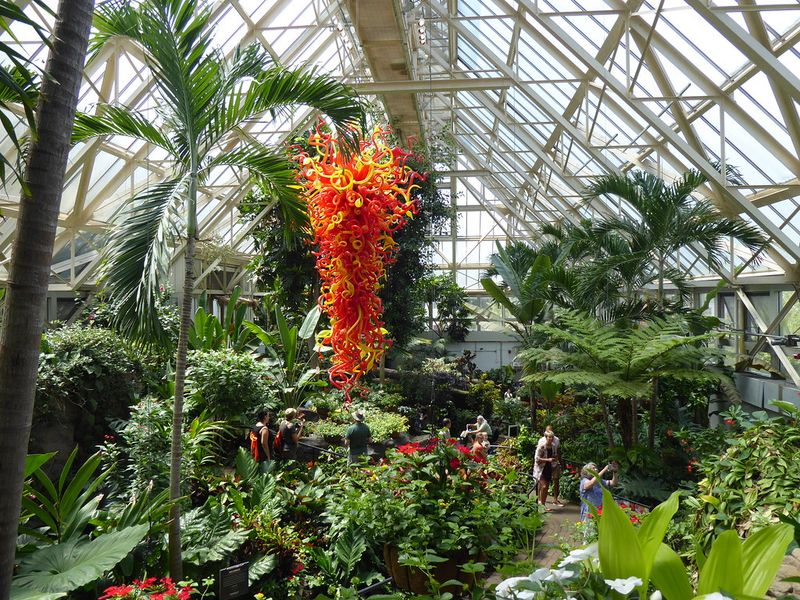
This stunning glass structure features the classic architecture that made 19th-century conservatories architectural marvels. Graceful curves, intricate ironwork, and walls of glass create an elegant backdrop for the butterfly experience.
The historic buildings add layers of interest beyond just the butterflies themselves. Visitors appreciate the craftsmanship and design while watching tropical insects float past century-old architectural details.
Sunlight filters through original glass panels, creating perfect lighting for photography and observation.
Modern additions blend respectfully with historic sections. Contemporary biomes feature updated climate control technology while maintaining the conservatory’s traditional aesthetic appeal.
The combination of old and new creates visual interest throughout the facility.
Few butterfly exhibits anywhere offer this kind of architectural significance. The buildings themselves earned recognition as important cultural landmarks worth preserving.
Experiencing rare tropical butterflies inside historic glass palaces elevates the entire visit into something genuinely special and memorable for all ages.
Beyond Butterflies: A Full Day Of Gardens, Art, And Nature
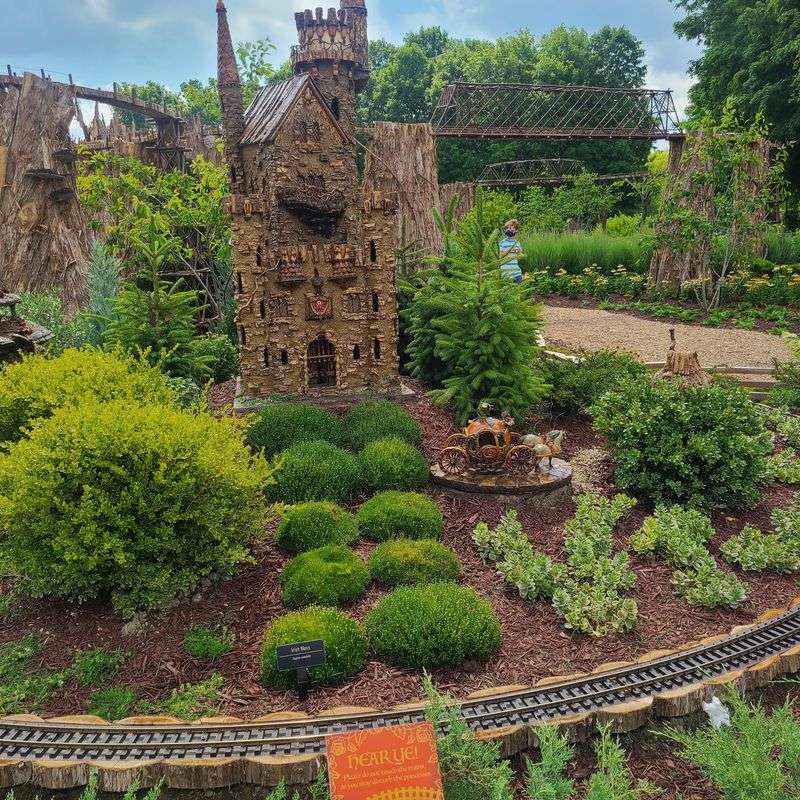
Smart visitors arrive early because butterflies represent just one slice of what Franklin Park Conservatory offers. The 40-acre campus includes outdoor gardens, rotating art installations, seasonal flower shows, and permanent botanical collections from around the world.
A full day barely covers everything available.
The Scotts Miracle-Gro Foundation Children’s Garden provides interactive nature play specifically designed for young explorers. Kids can splash in water features, climb through garden structures, and learn about plants through hands-on activities.
Parents love having dedicated spaces where children can burn energy safely.
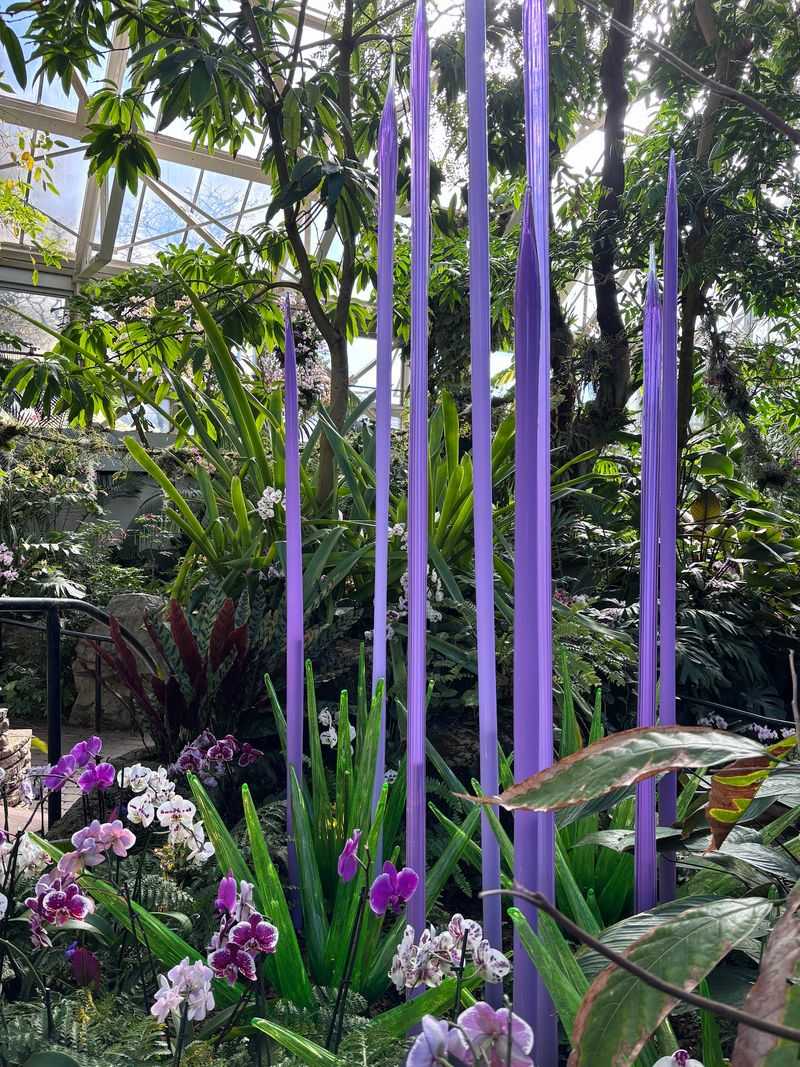
Art lovers discover major glass sculptures by Dale Chihuly permanently installed throughout the conservatory. These colorful works complement the natural beauty rather than competing with it.
Rotating exhibitions bring in contemporary artists working with botanical themes and natural materials.
Seasonal displays transform the conservatory throughout the year. Spring bulb shows, summer tropicals, fall mums, and winter poinsettias ensure something different blooms no matter when families visit.
The butterfly exhibit simply adds extra magic during its limited seasonal run.
Why Families Keep Returning To This Ohio Attraction
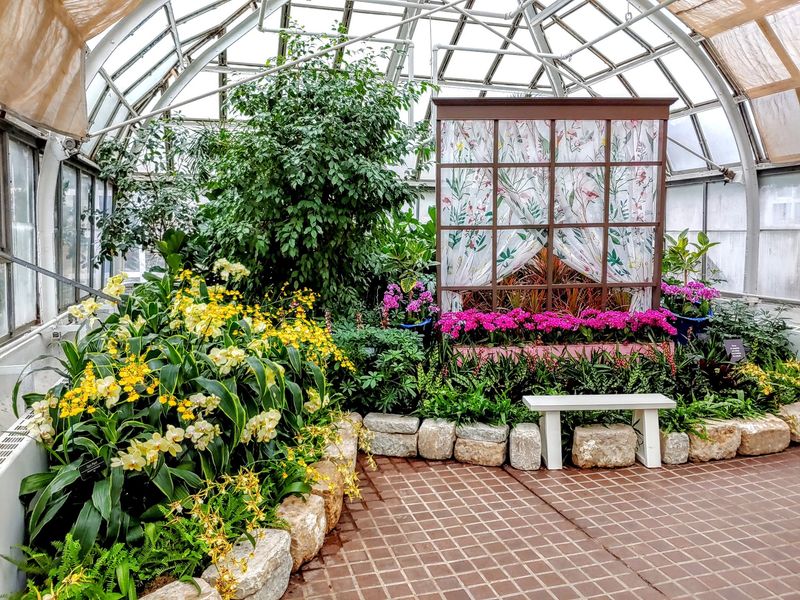
Some Columbus families have visited Blooms & Butterflies every single year since that first season in 1994. Grandparents who brought their children now return with grandchildren, creating multi-generational traditions around this unique attraction.
The magic never seems to fade no matter how many times they experience it.
Children especially love the possibility of butterflies landing on their clothes or hair. That gentle touch creates unforgettable moments that kids talk about for months afterward.
Parents snap countless photos trying to capture the perfect butterfly-on-shoulder shot for family albums.
The seasonal nature keeps the experience feeling fresh and special. Unlike permanent attractions that become too familiar, the limited-time butterfly display maintains its sense of occasion.
Families mark their calendars and plan visits around the exhibition dates each year.
Educational value matters to parents seeking meaningful outings beyond pure entertainment. Kids learn genuine science while having fun, making the trip feel worthwhile.
The combination of beauty, education, and rare opportunity explains why generations keep coming back to this pioneering Ohio attraction.
Visitor Information: Franklin Park Conservatory and Botanical Gardens
Franklin Park Conservatory and Botanical Gardens sits at 1777 East Broad Street in Columbus, Ohio 43203. The facility generally opens daily from 10 a.m. to 5 p.m., though hours may shift during special events and seasonal exhibitions.
Calling ahead at 614-715-8000 helps confirm current schedules and butterfly exhibit availability.
The main attraction remains Blooms & Butterflies, the seasonal exhibition featuring free-flying butterflies in the Pacific Island Water Garden Biome. This display typically runs during specific months, so checking dates before planning your trip prevents disappointment.
Free on-site parking makes arrival convenient for all visitors.
Wheelchair accessibility throughout the facility ensures everyone can enjoy the conservatory experience. Accessible pathways wind through both indoor exhibits and outdoor gardens, accommodating visitors with various mobility needs.
Restrooms and amenities meet accessibility standards as well.
Plan at least 2-3 hours for a complete visit. Arriving earlier in the day often means more active butterflies and smaller crowds.
Cameras are welcome, but resist touching butterflies or plants unless staff specifically permits it. Reserve tickets ahead during busy weekends and school vacation periods to guarantee entry.