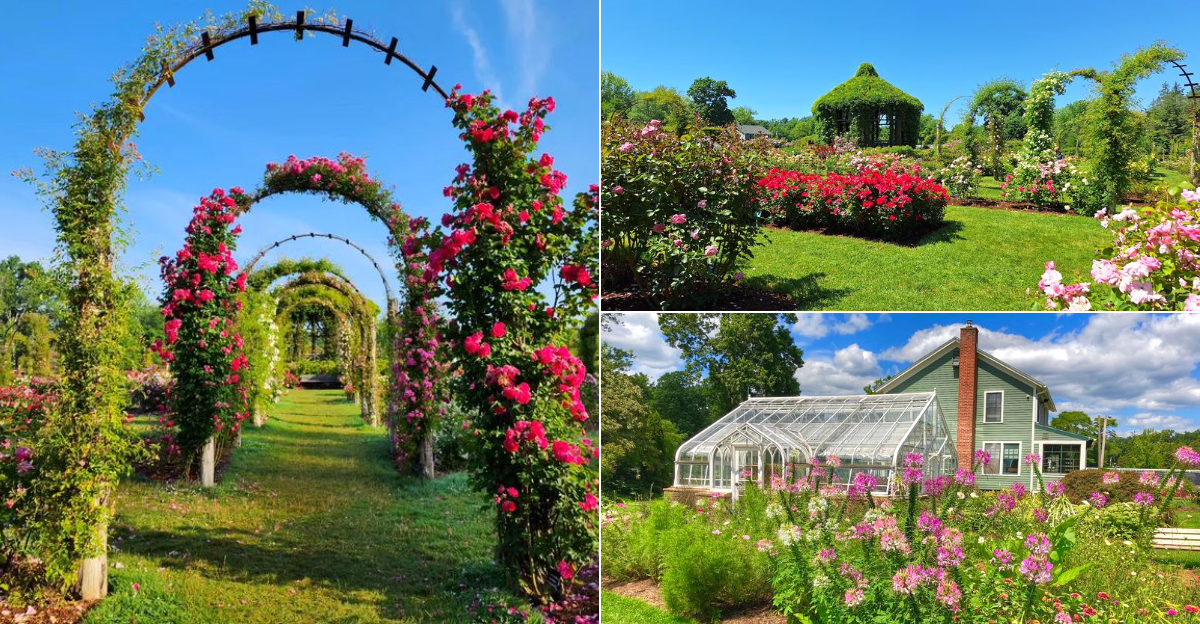
Before Disneyland, before Colonial Williamsburg, before most of the country’s beloved public gardens were even a sketch on paper, Hartford had Elizabeth Park.
Opened in 1904, the Elizabeth Park Rose Garden holds the distinction of being the first municipally owned rose garden in the United States, a title it has carried with quiet grace for over a century.
Today the garden covers more than 100 acres and contains around 15,000 rose bushes representing nearly 900 varieties, transforming into a rolling sea of color and scent every June.
Walking the paths here on a warm summer morning is one of those experiences that earns the word “magical” without any irony whatsoever.
Beyond the famous rose garden, the park also features perennial beds, a rock garden, greenhouse displays, and a pond that draws families and picnickers on weekends.
Why Being First Still Matters
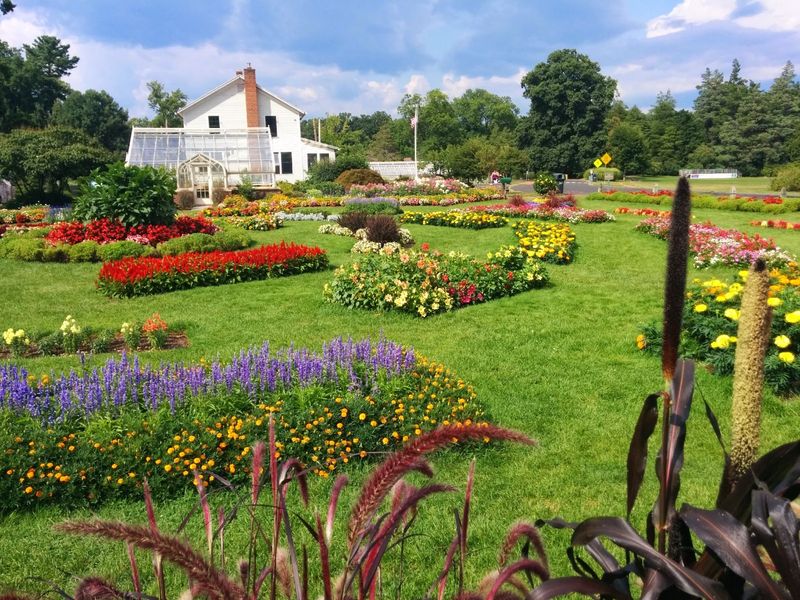
Before most city parks featured flower displays, one Connecticut garden opened its gates and showed visitors that roses belonged everywhere.
That early public mission helped make gardening feel less private, less fancy, and more welcoming for families, students, and travelers.
Being called America’s first public rose garden is not just a bragging point, because it changed how communities shared beauty.
Visitors still feel that openhearted idea today while walking paths, reading plant labels, and enjoying a place created for delight.
Instead of hiding behind estate walls, the roses became part of daily life, giving locals a landmark with civic spirit.
That matters now, especially when so many memorable places charge high entry fees or feel designed only for special occasions.
Here, the idea is simple, slow down, look closely, and remember that public spaces can also feel deeply treasured today.
Garden lovers may come for history first, yet many leave talking about access, community pride, and the joy of care.
Kids can learn something here too, because history stops feeling dusty when flowers, fragrance, and color make the lesson vivid.
Few places explain the country’s garden story so clearly, and that is why this landmark keeps winning new admirers yearly.
The Meaning of 1904
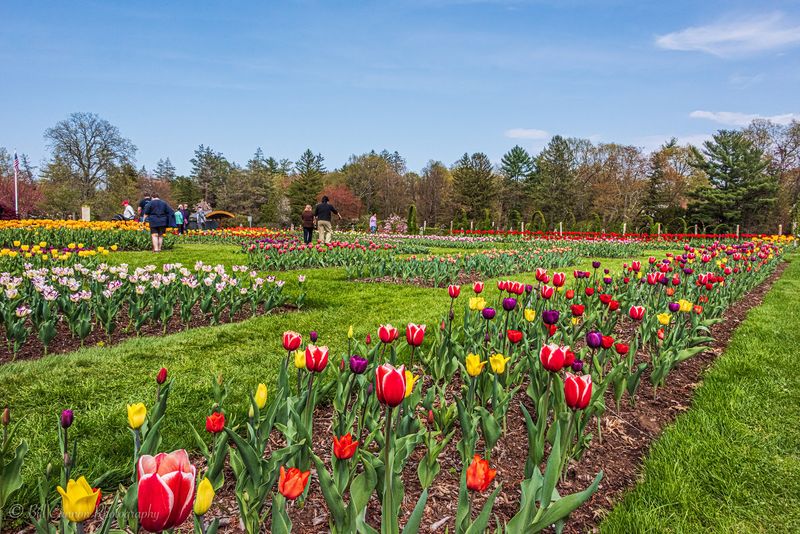
A date can seem small on paper, but 1904 marks the start of garden story that still feels alive today.
Back then, public parks were growing into places where beauty, rest, and learning could meet in the same afternoon together.
Planting a rose garden during that era took vision, patience, and confidence that people would return year after year gladly.
More than a century later, visitors prove that hope was justified every time they wander beds and pause under arches.
History here does not sit behind glass cases, because the oldest ideas keep blooming in fresh, colorful ways for visitors.
Imagine how many graduations, quiet walks, and family talks have happened since those first roses began shaping this living landmark.
Even people who know little about gardening can appreciate what 1904 represents, commitment strong enough to outlast trends and storms.
Older places sometimes feel distant, yet this one feels friendly because its purpose has stayed clear, useful, beautiful, and welcoming.
Looking at the garden now connects present visitors with strangers from long ago who wanted public beauty to last longer.
Few anniversaries feel as fragrant as this one, and that makes every blooming season seem like a celebration for everyone.
Best Time to Catch the Bloom
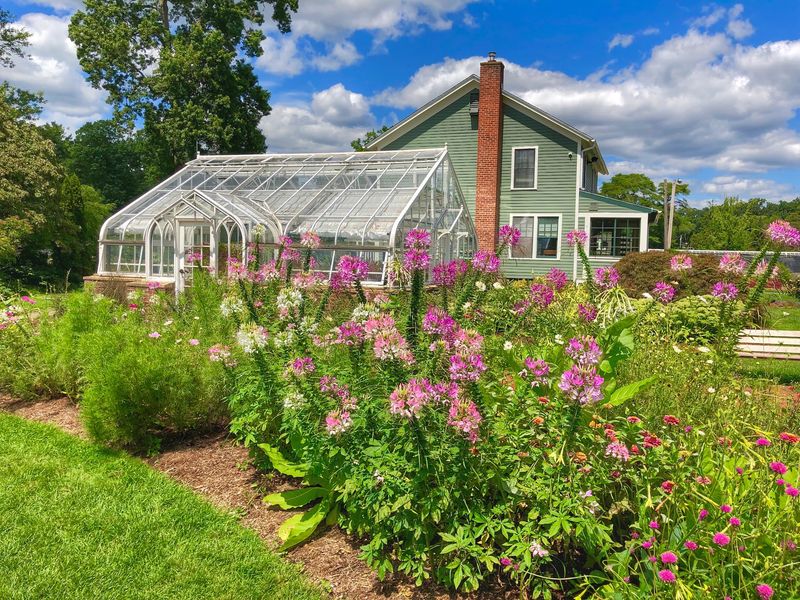
Timing can change everything, especially when a garden moves from green promise to a full show of color and scent.
Reviews and longtime fans often point to late May and June as the sweetest window for seeing the roses shine.
Early visits can still be lovely, because buds, peonies, tulips, and other plantings keep the grounds interesting for curious walkers.
Summer heat may thin some blooms, so checking weather and going sooner rather than later can make a real difference.
If you want the famous arches looking their fullest, aim for a cooler morning during peak bloom weeks each year.
Weekday trips can feel calmer, giving you more room for photos, slow walks, and time to read the labels comfortably.
Bring water, wear easy shoes, and plan to linger, because rushing through a rose garden misses half the experience entirely.
Clouds can actually help photographers by softening light, while sunset gives petals and pathways a warm, glowing look for pictures.
Even when the peak has passed, the garden often offers enough color and fragrance to reward the trip for visitors.
Smart planning does not make the visit less romantic, it simply helps you catch the garden at its happiest state.
Arches, Paths, and the Gazebo
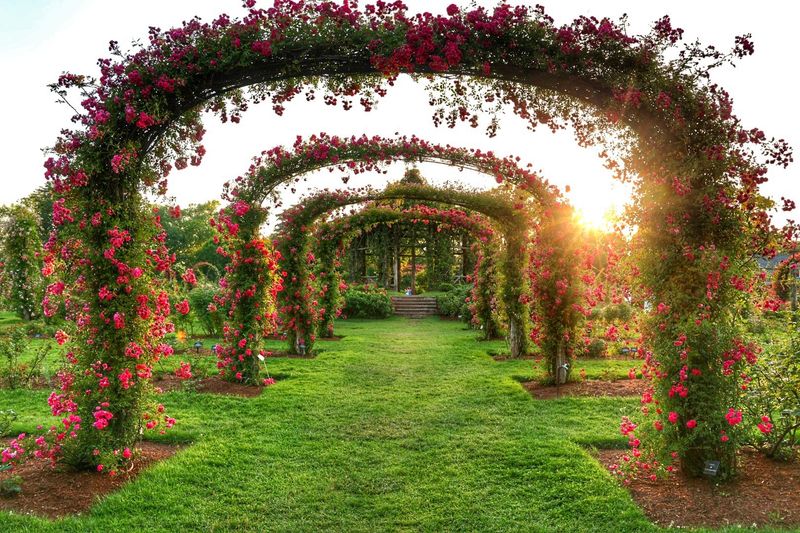
Some places ask for a camera before they ask for your attention, and the rose arches definitely do both well.
Curving overhead, they turn ordinary walking into a small event, the kind people remember long after the day ends softly.
Paths leading toward the central gazebo make the garden feel organized, graceful, and easy to explore without getting overwhelmed quickly.
That layout is one reason weddings, engagement shoots, and graduation pictures look so striking here throughout blooming season each year.
Benches tucked near the beds invite people to stop, breathe, and enjoy the fragrance instead of just passing through quickly.
Younger visitors often love the storybook feeling, while adults notice the careful design work that keeps every view balanced nicely.
Because the garden mixes structure and softness, it feels formal enough for ceremonies but relaxed enough for everyday wandering too.
A simple walk becomes more memorable when each turn frames flowers, lawn, sky, and people sharing special moments nearby together.
Even visitors without big plans often leave with dozens of photos, because the setting keeps offering new angles all day.
Beauty here is not accidental, it is arranged with care so the garden feels welcoming from every direction to visitors.
A Public Garden That Feels Truly Open
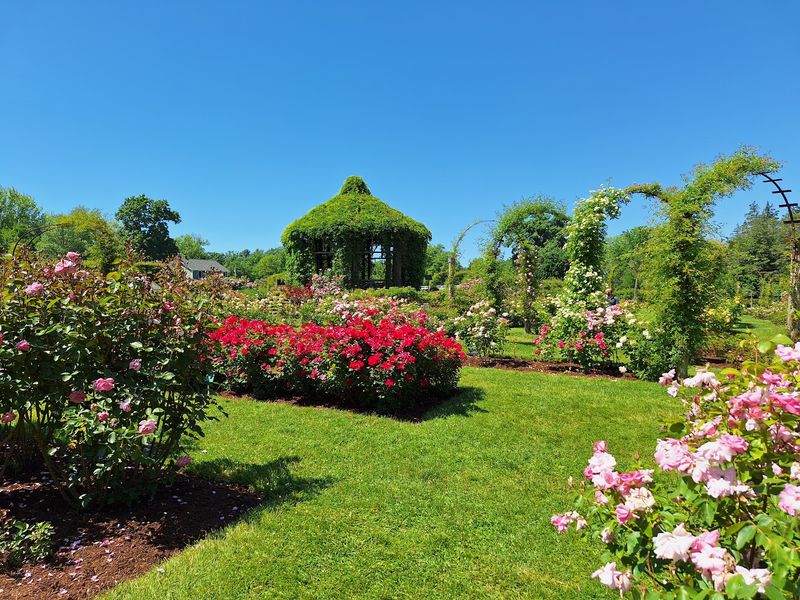
Plenty of famous gardens impress people, but not all of them feel easy to visit on an ordinary afternoon there.
One of the loveliest things here is that the experience is free, which changes who gets to enjoy it most.
Families can bring children, students can wander between plans, and older visitors can take their time without pressure or expense.
That kind of openness explains why the garden feels lively with runners, readers, picnickers, and people celebrating milestones all season.
Public spaces work best when many kinds of visitors can share them, and this garden proves that idea beautifully daily.
You do not need expert plant knowledge to enjoy the paths, scents, colors, or peaceful corners during a simple visit.
Community pride grows naturally in places that welcome everyone, especially when the grounds are cared for so lovingly year round.
Visitors can help keep that spirit strong by following signs, parking patiently, and leaving no trash behind after their visit.
Even a short stop can feel generous when beauty is shared without a ticket booth or membership card at all.
Free access does more than save money, it turns a historic garden into part of everyday community life for locals.
More Than Pretty Roses
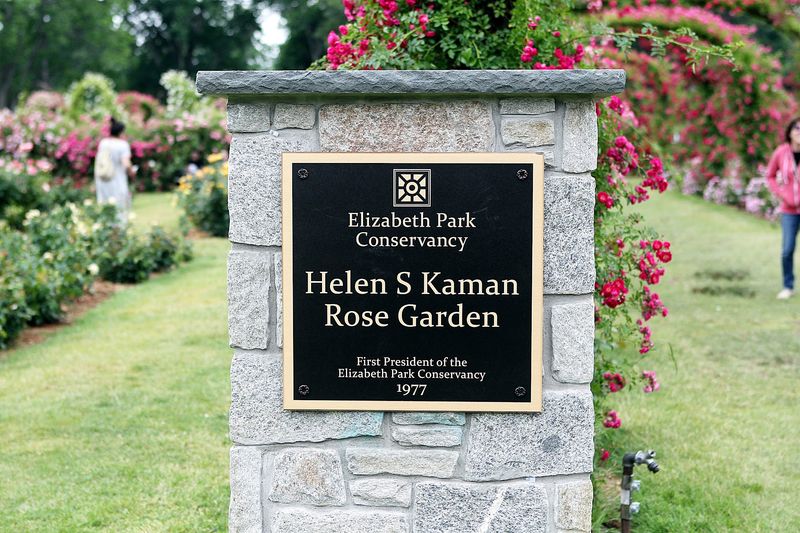
Plant labels might sound small, yet they quietly turn a pretty walk into a hands-on lesson about roses and breeding.
Curious visitors can compare colors, petal shapes, and names, then discover how many different rose forms exist in one place.
That educational side gives the garden extra value for kids, gardeners, photographers, and anyone who enjoys noticing details while walking.
Instead of seeing a blur of pink and red, you start recognizing personality from bush to bush along the paths.
Learning names also makes memories stick, because people remember what they understand better than what they only glimpse briefly outside.
Young visitors may leave wanting to plant something at home, which is a fine souvenir from any garden visit anywhere.
Adults pretending not to be plant nerds often end up reading labels too, especially once a favorite bloom appears nearby.
Because the information is built into the stroll, learning feels relaxed rather than formal or hard to follow for beginners.
Gardens can teach patience, observation, and curiosity, and this one does it without making anyone feel tested during the visit.
That mix of beauty and learning is a big reason people return with sharper eyes the next time they come.
Why People Keep Coming Back
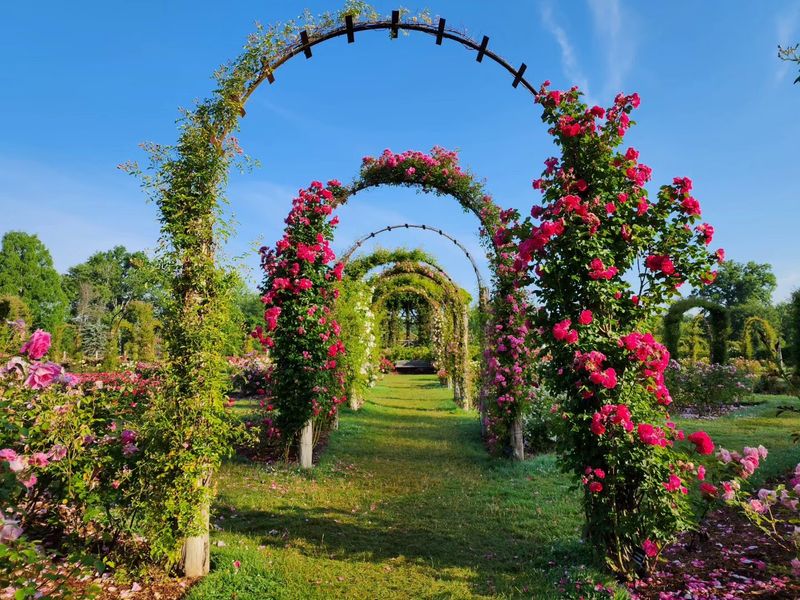
Quiet arrives in layers here, first through fragrance, then through color, and finally through the slower pace of walking there.
Even on busier days, the garden offers enough corners and benches for reading, talking, or simply sitting still awhile comfortably.
Families seem to find their own rhythm, with children spotting colors while adults enjoy shade, paths, and open lawns nearby.
Many reviews mention photos, but the best part is often the feeling behind them, calm, happy, and unhurried for once.
A garden that supports both celebration and rest is harder to create than it looks at first glance to visitors.
Some guests arrive for engagements or portraits, while others come to think, breathe deeply, and reset after stressful days alone.
That wide emotional range makes the garden feel useful in a human way, not just decorative to people every day.
You can pack a picnic, bring a book, or wander with no plan and still have a satisfying visit there.
Nature does some work here, but the welcoming mood also comes from thoughtful maintenance and clear signs throughout the grounds.
Few outings balance beauty, ease, and comfort as well as a walk through these roses for visitors of many ages.
Planning a Smooth Visit
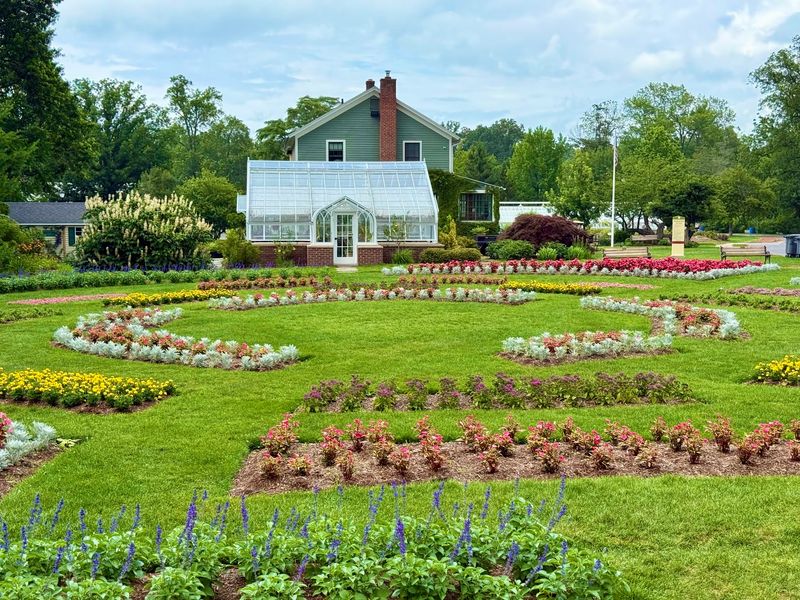
First-time visitors often expect a quick stop, then realize the grounds deserve more time than they planned for that day.
Elizabeth Park Rose Garden, 1561 Asylum Ave, Hartford, CT 06105, is open daily from 8 AM to 7 PM currently.
Because parking can look busy at first, following signs and doing a patient lap can save frustration for new arrivals.
Morning visits usually feel cooler, while evening light can be beautiful if you want softer photos and longer shadows outside.
Comfortable shoes help, since the best experience comes from strolling slowly rather than rushing straight to the most famous spots.
Bringing water, sunscreen, and a little patience makes the visit easier, especially during warm weekends and bloom peaks for everyone.
If you love details, keep your phone ready for labels, arches, and surprising flower combinations around each bend you take.
Restrooms, food, or extras may matter for longer outings, so checking the official website ahead can help quite a bit.
The park rewards slow planning, because a little preparation gives you more energy for the beauty itself once you arrive.
Leave extra room in your schedule if you can, since many visitors end up staying longer than expected there anyway.