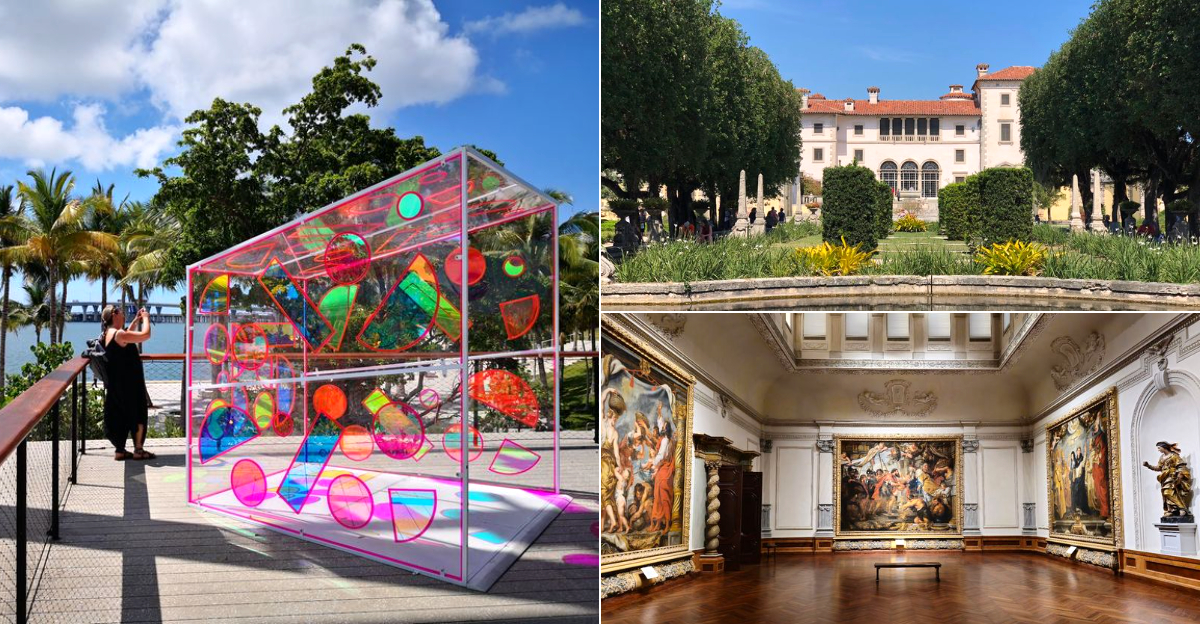
Florida earns its reputation as a beach destination, but the state’s museum scene is one of the most underrated cultural stories in the country.
From a Spanish Renaissance estate turned art museum in Sarasota to a gleaming waterfront gallery in Miami and a Japanese garden complex in Delray Beach, Florida’s biggest museums span almost every category and aesthetic imaginable.
Many visitors plan a quick stop and find themselves spending most of the day, the collections are simply too rich to rush through.
Whether you’re traveling with kids, planning a cultural weekend, or just looking for something beyond the beach, these museums are worth planning around.
1. Salvador Dalí Museum – St. Petersburg, Pinellas County
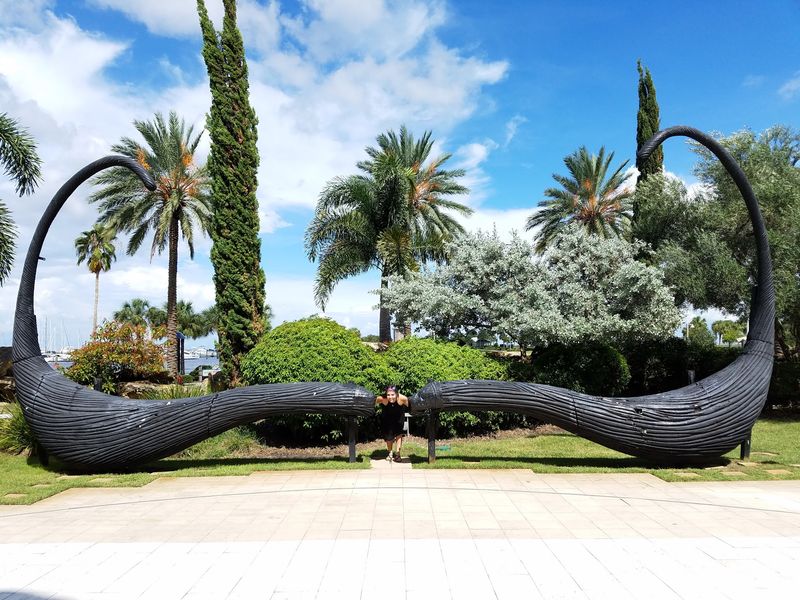
Even before you walk in, the building hints that normal rules will not guide the visit.
The Salvador Dalí Museum in St. Petersburg uses striking glass and curved shapes to prepare visitors for dreamlike art that keeps surprising them.
Dalí is known for melting clocks and strange images, but the museum gives a fuller picture of his skill.
Large paintings, sketches, and changing exhibits show how carefully he worked, how imaginative he was, and how his ideas shifted across different periods.
Some people worry that surreal art will feel too odd for a relaxed museum day.
Yet the galleries are arranged in a helpful way, so even first-time visitors can follow the artist’s life, notice repeated symbols, and enjoy the weirdness without feeling lost.
Plan a little extra time for the staircase, special exhibits, and waterfront area outside the museum.
What looks like a niche stop for art fans often becomes a highlight for all kinds of travelers, because the collection is big, focused, and unlike almost anything nearby.
2. Museum of Fine Arts St. Petersburg – St. Petersburg, Pinellas County
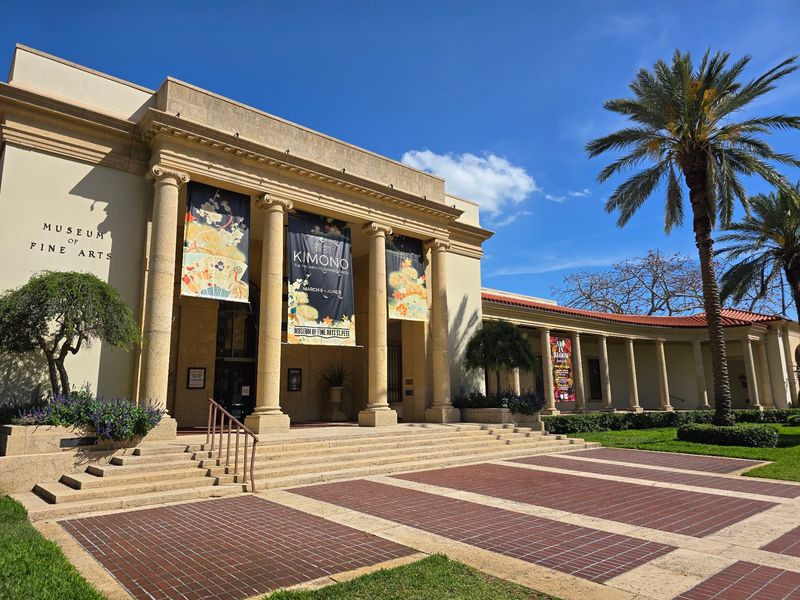
Not every large museum announces itself with giant size, and that is part of the surprise here.
The Museum of Fine Arts St. Petersburg feels manageable at first, then slowly reveals a broad collection that reaches across centuries and styles.
One room might hold ancient objects, while another brings you face to face with European painting or American works.
That variety keeps the visit lively, especially for mixed groups where one person loves history, another loves portraits, and someone else just wants beautiful things to notice.
The bayfront location adds to the appeal because it makes the outing feel easy and scenic from the start. After a walk outside, stepping into quiet galleries can feel refreshing, and the changing pace helps visitors stay engaged longer than they planned.
If you want a smoother visit, choose a few collection areas before arriving and leave space for surprises. Many travelers expect a quick hour indoors, but the museum rewards patient wandering, making it a smart stop for anyone who enjoys art without wanting a stiff atmosphere.
3. Florida Museum of Natural History – Gainesville, Alachua County
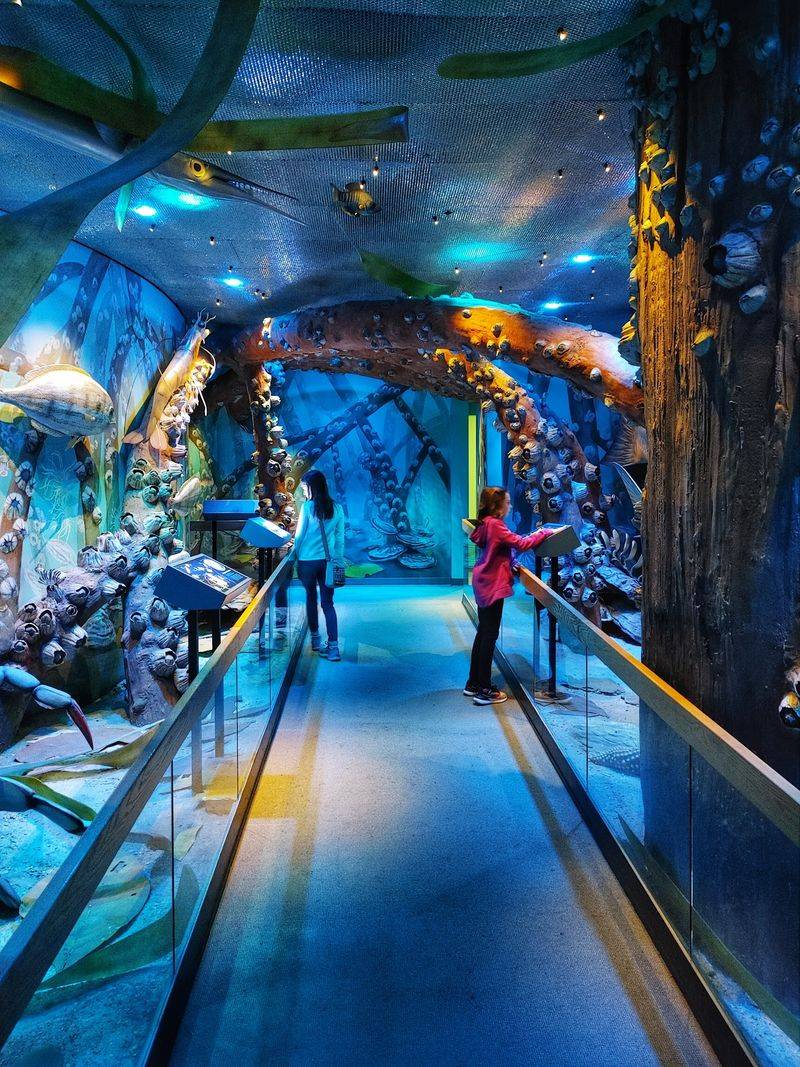
Kids usually spot the science displays first, but adults soon realize the museum covers much more ground than expected.
At the Florida Museum of Natural History in Gainesville, fossils, wildlife, people, and changing environments all connect in smart, clear ways.
Because it sits on the University of Florida campus, the museum has a strong learning feel without becoming hard to follow.
Exhibits on prehistoric life, Florida ecosystems, and Indigenous cultures help visitors understand how the state changed over time and why that history still matters.
Many families plan around the butterfly area, yet the indoor exhibits deserve just as much attention during the day.
Skeletons, mammoths, and giant ancient creatures make strong first impressions, while smaller displays reward slow reading and careful looking.
If you are visiting with children, build in snack breaks and let them choose one gallery to lead.
A short stop can grow fast here because every section answers one question and then sparks three more, which is exactly what a great natural history museum should do.
4. Pérez Art Museum Miami – Miami, Miami-Dade County
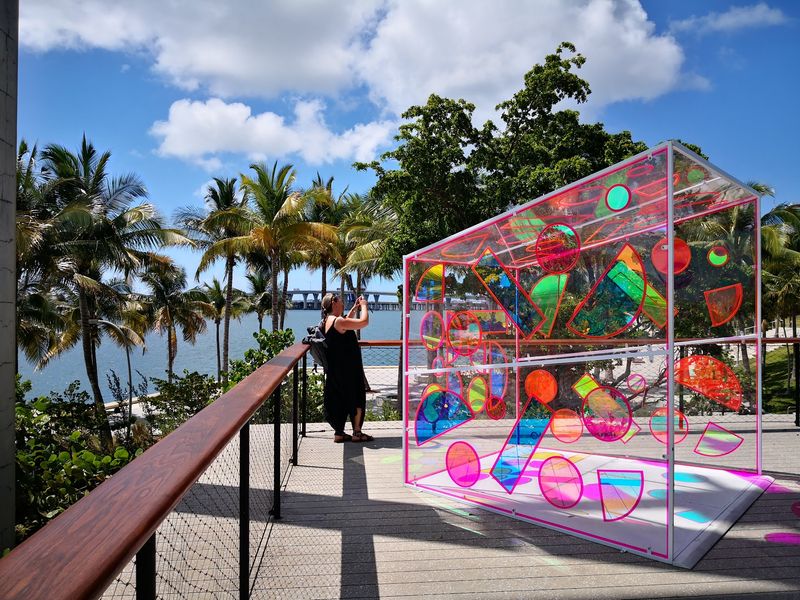
Right by the water, the building almost feels like part park, part gallery, and part lookout over Biscayne Bay. That calm, open setting draws people in, but Pérez Art Museum Miami in Miami keeps attention longer with bold works and thoughtful design.
Inside, the museum focuses on modern and contemporary art from the Americas and beyond, so the experience feels fresh instead of dusty.
Some pieces are colorful and playful, while others ask big questions about cities, identity, nature, migration, and the way people shape each other.
One helpful thing about this museum is how the outdoor terraces break up the visit in a relaxing way.
You can step outside, catch your breath, look at the water, and head back in ready for another floor without feeling museum fatigue.
Try visiting on a clear morning if you want softer light and easier photos around the hanging gardens.
Even readers who think contemporary art is confusing may leave impressed, because the setting, scale, and waterfront mood make the whole place feel welcoming.
5. Vizcaya Museum and Gardens – Miami, Miami-Dade County
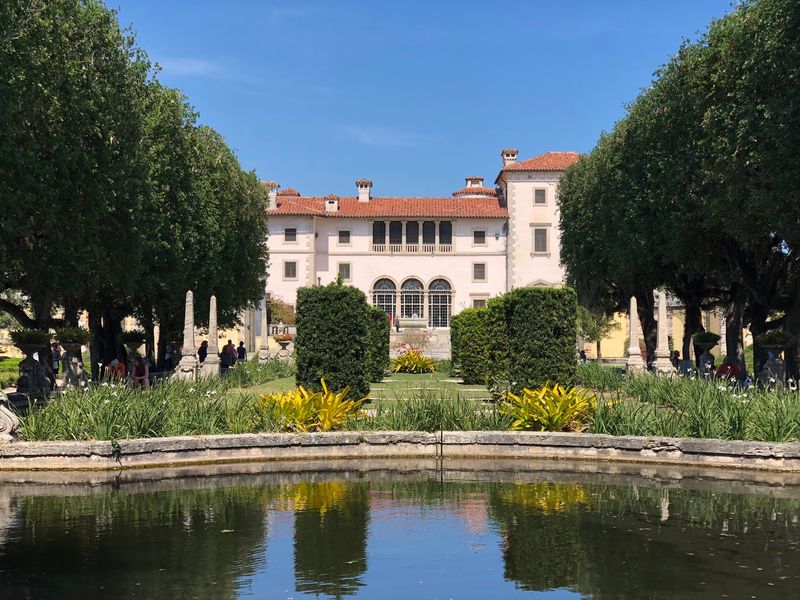
Stepping through the gates feels a little like entering a movie set where every path leads to another scene. Vizcaya Museum and Gardens in Miami starts with beauty, but its scale and detail are what turn a short stop into a slow wander.
The waterfront villa was built in the early twentieth century, and many rooms still carry a rich, carefully staged look.
Carved furniture, painted ceilings, and decorative objects show how wealth shaped the home, while the gardens reveal careful planning in every hedge, fountain, and turn.
Outdoor time matters here just as much as indoor touring, so weather can shape the whole experience. Bring water, comfortable shoes, and patience for photos, because nearly every corner invites people to pause, look closer, and notice another texture or viewpoint.
It also helps to read a little about the estate before visiting, since the background adds meaning to the luxury.
What seems like a mansion visit becomes something broader, part design lesson, part history stop, and part peaceful escape from the fast pace outside the gates.
6. Morikami Museum and Japanese Gardens – Delray Beach, Palm Beach County
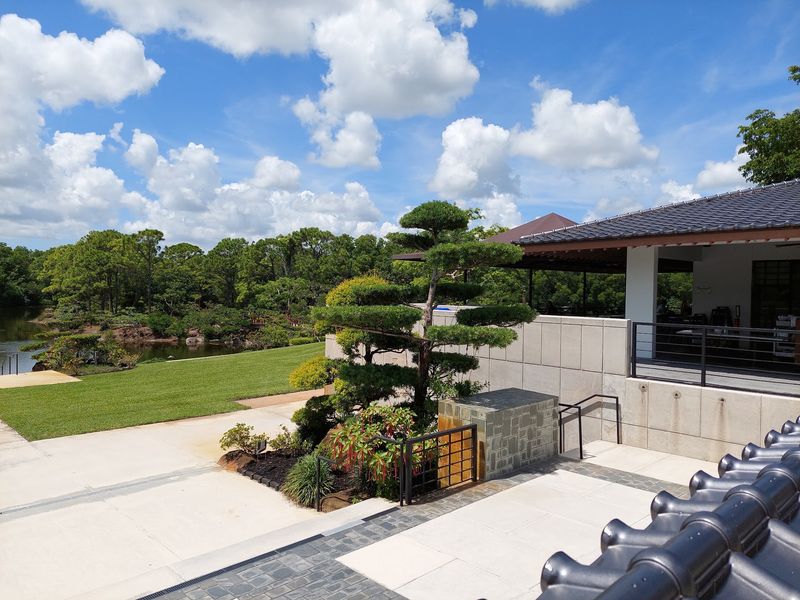
Quiet paths, still water, and careful garden design can slow people down almost without them noticing at all. Morikami Museum and Japanese Gardens in Delray Beach feels peaceful right away, yet the property is large enough to fill hours.
The museum tells the story of Japanese culture in Florida, including the Yamato Colony, which many visitors do not know about.
Inside galleries add historical context, while the outdoor gardens offer different moods, from reflective spaces to spots where children simply enjoy walking and looking.
Because the setting encourages slower movement, it works well for travelers who need a break from noisy attractions.
You can move between exhibits and trails at your own pace, making the visit feel flexible instead of packed with one long block of information.
Bring sun protection and plan for extra time if you enjoy photography, sketching, or quiet observation. People often arrive thinking they will glance through the museum and gardens in an hour, then stay much longer because the whole place invites attention, calm, and curiosity.
7. Ringling Museum of Art – Sarasota, Sarasota County
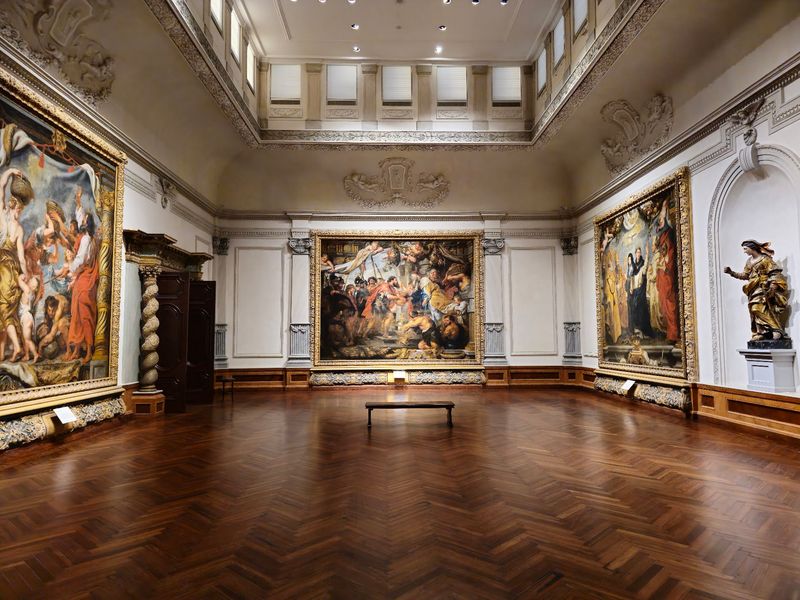
At first, the pink courtyard and palm trees can make the place feel like a graceful photo stop instead of a major museum campus.
Then the size starts to sink in, because The Ringling Museum of Art in Sarasota keeps opening into more galleries, more gardens, and more history.
Built from the vision of circus owner John Ringling, the property mixes fine art with grand architecture and a real sense of old Florida drama. European paintings fill room after room, and the Ca d Zan mansion adds another layer with water views, fancy ceilings, and stories about wealth, travel, and taste.
Families often like that the grounds offer space to walk, rest, and reset between indoor stops.
If you want to avoid feeling rushed, arrive early, wear comfortable shoes, and pick two or three must-see areas before exploring the rest.
The circus connection matters here too, so anyone curious about Florida culture gets more than an art lesson.
What seems like a quick visit turns into a fuller day because the museum feels like several attractions gathered in one remarkable place.
8. HistoryMiami Museum – Miami, Miami-Dade County
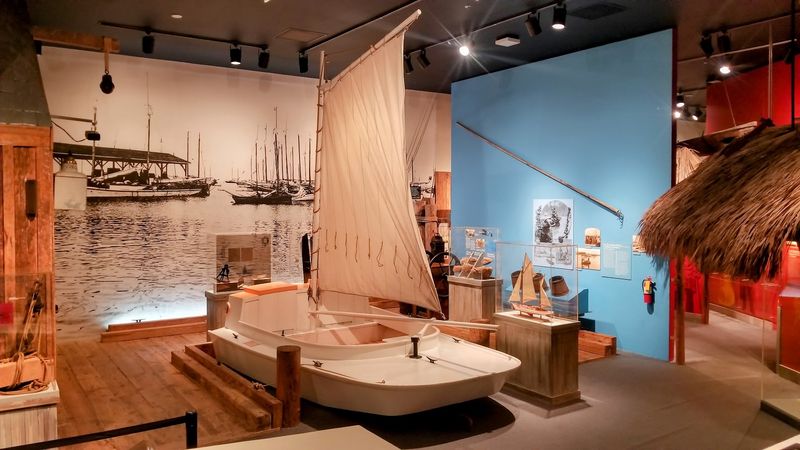
Big cities can feel hard to explain, especially when so many cultures, neighborhoods, and changes overlap in one place.
HistoryMiami Museum in Miami handles that challenge well by turning the city’s past into stories that feel personal, layered, and easy to follow.
Rather than focusing on one narrow subject, the museum moves through community life, transportation, immigration, politics, and daily change.
That broad view helps visitors understand how Miami became itself, not just as a tourist spot, but as a living city shaped by many voices.
Photos, objects, and clear labels make the experience approachable for teens, adults, and readers who do not love heavy history.
You can connect what you see inside to streets outside, which makes the museum especially useful early in a trip.
If you want context before exploring the rest of Miami, this is a smart place to spend extra time.
A quick walk-through rarely feels enough, because every exhibit adds another piece to the city’s fast-moving story and helps the wider region make much more sense.
9. Lightner Museum – St. Augustine, St. Johns County
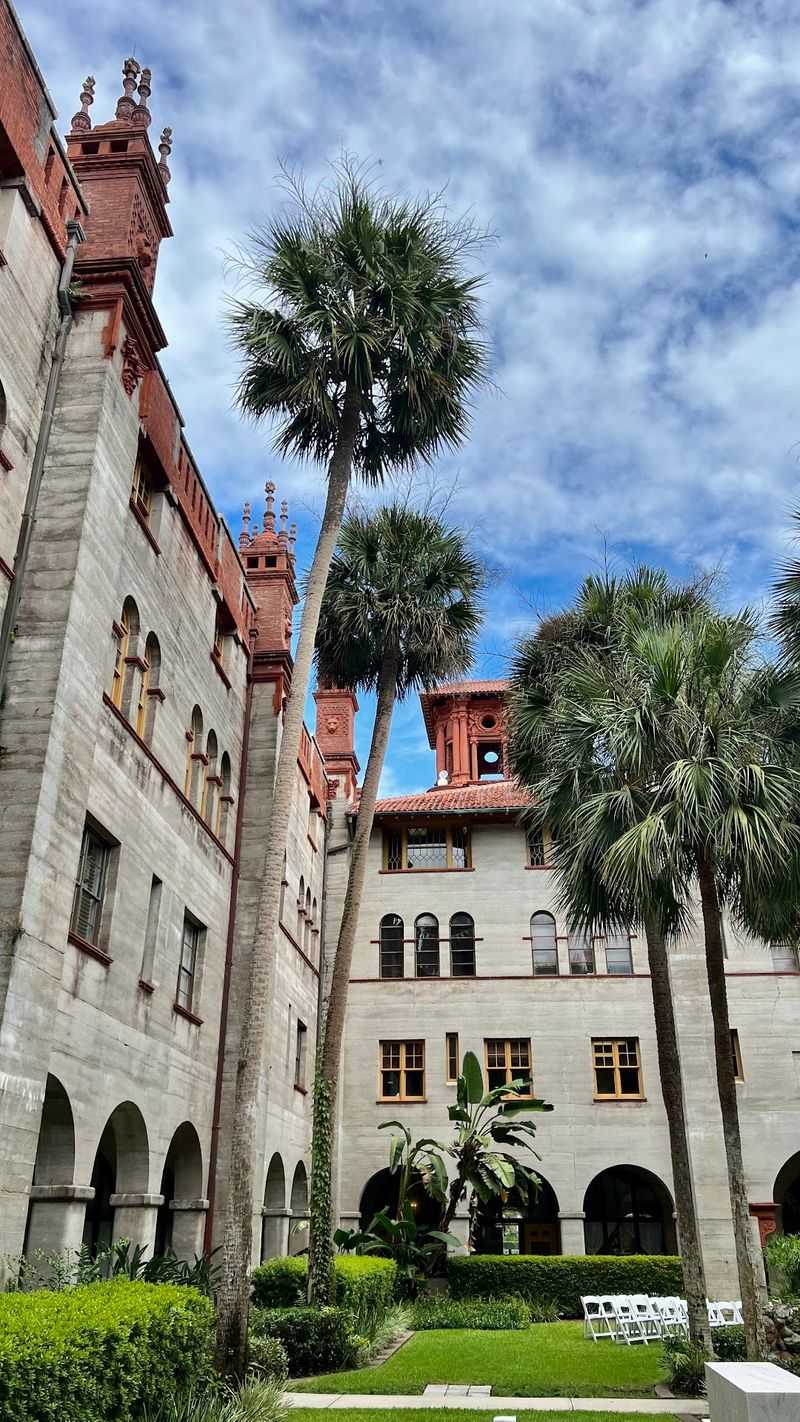
Old hotels have a way of making people imagine footsteps, music, and long-ago conversations hanging in the air.
The Lightner Museum in St. Augustine uses that mood beautifully, because the building itself is as memorable as the collections inside.
Set in the former Alcazar Hotel, the museum holds decorative arts, furniture, glass, and curious objects from another era.
Wide interior spaces, balconies, and historic details help visitors picture the Gilded Age, while the collection adds texture that a plain history lesson never could.
There is a slightly quirky quality here too, and that keeps the visit from feeling overly formal.
Instead of racing through, people often slow down to inspect small objects, look up at the architecture, and compare what wealthy leisure once looked like with modern travel.
Give yourself time to enjoy the building room by room, not just the labels near each display case.
What begins as a stop during a St. Augustine stroll can turn into one of the most distinctive museum experiences in Florida, especially for anyone who loves atmosphere.
10. Cummer Museum of Art and Gardens – Jacksonville, Duval County
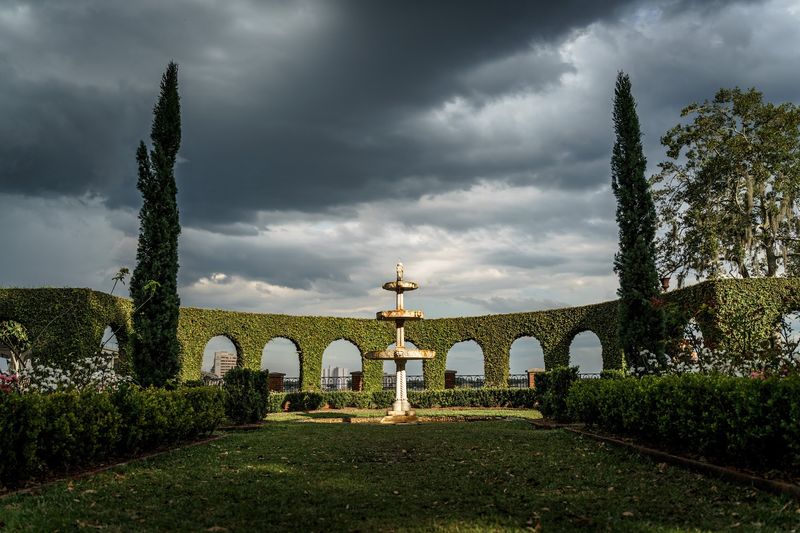
Some places win visitors over slowly, with quiet gardens and calm galleries instead of a loud first impression.
The Cummer Museum of Art and Gardens in Jacksonville does exactly that, offering beauty outdoors and thoughtful collections indoors.
Its art holdings span several periods, giving guests a mix of European, American, and more recent works to explore.
Yet many people remember the riverfront gardens just as strongly, because the outdoor spaces feel cared for, balanced, and deeply connected to the museum’s rhythm.
That mix makes the visit easy to shape around your mood, the weather, or the people with you.
One person can linger over paintings, another can recharge near the fountains, and families can switch between quiet looking and open-air strolling without losing interest.
Try not to rush through the gardens on your way to the next room, since they are part of the full experience. A short museum plan often changes here because the setting encourages people to slow down, notice small details, and stay longer than expected.