Florida holds plenty of wild places, but Saint Marks National Wildlife Refuge stands out because it feels both huge and deeply historic, stretching along 43 miles of Gulf Coast where marshes, pine woods, rivers, and open water meet.
Created in 1931, it is one of the oldest national wildlife refuges in the country, and that long story adds even more meaning to every boardwalk, bird sighting, and lighthouse view visitors enjoy today.
Families come here to spot alligators, photographers wait for glowing sunsets, and birders arrive with binoculars ready, hoping to catch a quick flash of wings over the salt marsh.
If you want a Florida trip that mixes nature, history, and easy adventure, keep reading and see why this coastal treasure deserves a top spot on your next outing list, whether you love quiet walks, fresh air, or simple road trips with unforgettable views at every turn and surprises.
A Refuge With Deep American History
Long before many protected lands were created, Saint Marks National Wildlife Refuge was already giving wild animals a safer place to rest, feed, and raise their young.
The refuge was established in 1931, which makes it one of the oldest national wildlife refuges in the United States and a special piece of conservation history.
That age matters because it shows how early people understood the value of saving coastal habitat.
Generations of visitors have come here to watch birds, enjoy the water, and learn how Florida’s natural areas support life far beyond what the eye can first see.
You will find Saint Marks National Wildlife Refuge at 1255 Lighthouse Rd, St Marks, FL 32355, United States, near the small coastal town of St. Marks in north Florida.
Its setting feels peaceful, but its story connects to a much bigger national effort to protect wildlife before development changed too much land.
History lovers and first time visitors can both appreciate what the refuge represents.
Bring a curious mind, stop at signs along the way, and notice how every trail, marsh, and lookout reflects decades of care, planning, science, and patient protection for future travelers.
Forty-Three Miles Of Gulf Coast Wonder
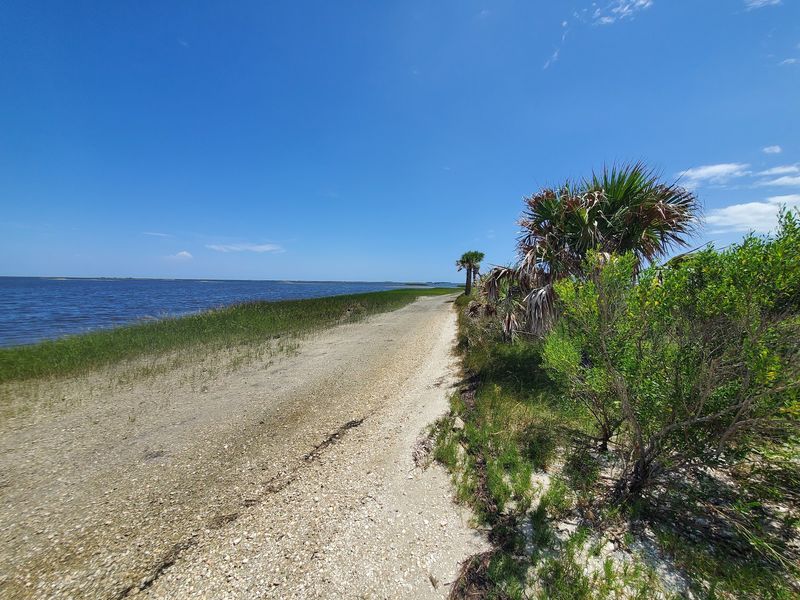
Big landscapes can make you feel small in the best possible way, and that is exactly what happens along the refuge’s 43 miles of Florida Gulf Coast.
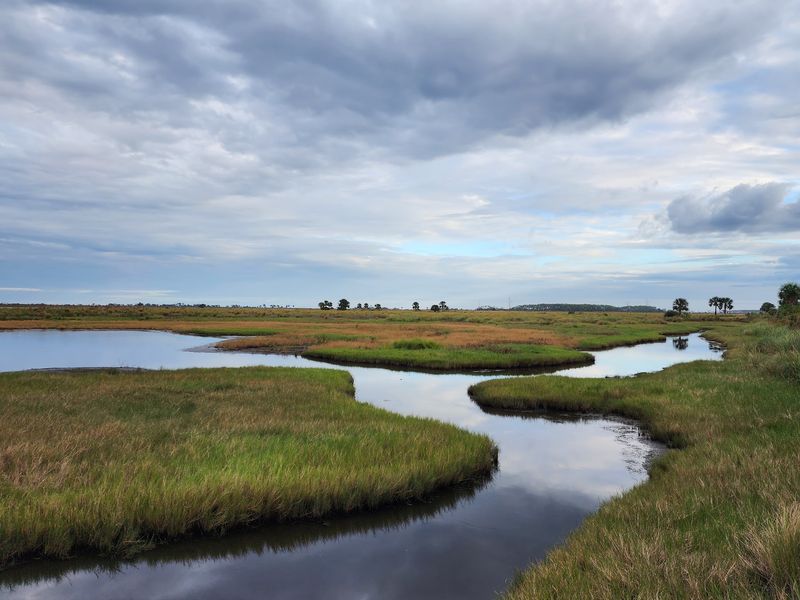
The shoreline here is not one single beach scene, but a changing mix of salt marsh, tidal creeks, mud flats, estuaries, and open water.
Such variety is a huge reason wildlife thrives here.
Different habitats support fish, crabs, shorebirds, wading birds, butterflies, and mammals, so one drive or walk can reveal a surprising number of living things in a short amount of time.
Saint Marks National Wildlife Refuge gives visitors access to one of north Florida’s most memorable coastal stretches.
Pack water, sun protection, and a camera, because the light across the marsh can shift quickly and create beautiful views from morning to evening.
The size of the coast also teaches an easy lesson about nature.
Healthy shorelines need room to breathe, flood, feed animals, and recover after storms, and this refuge still has that room in many places where wild Florida remains refreshingly open and alive.
The Lighthouse That Steals The Scene
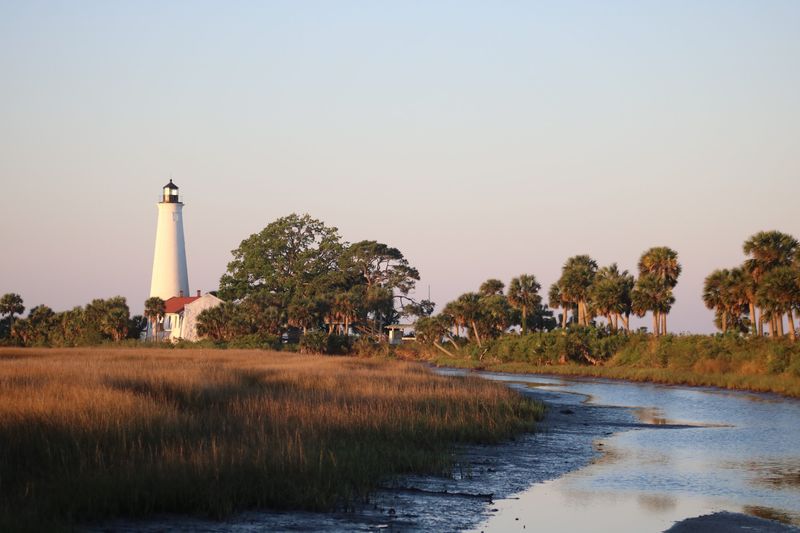
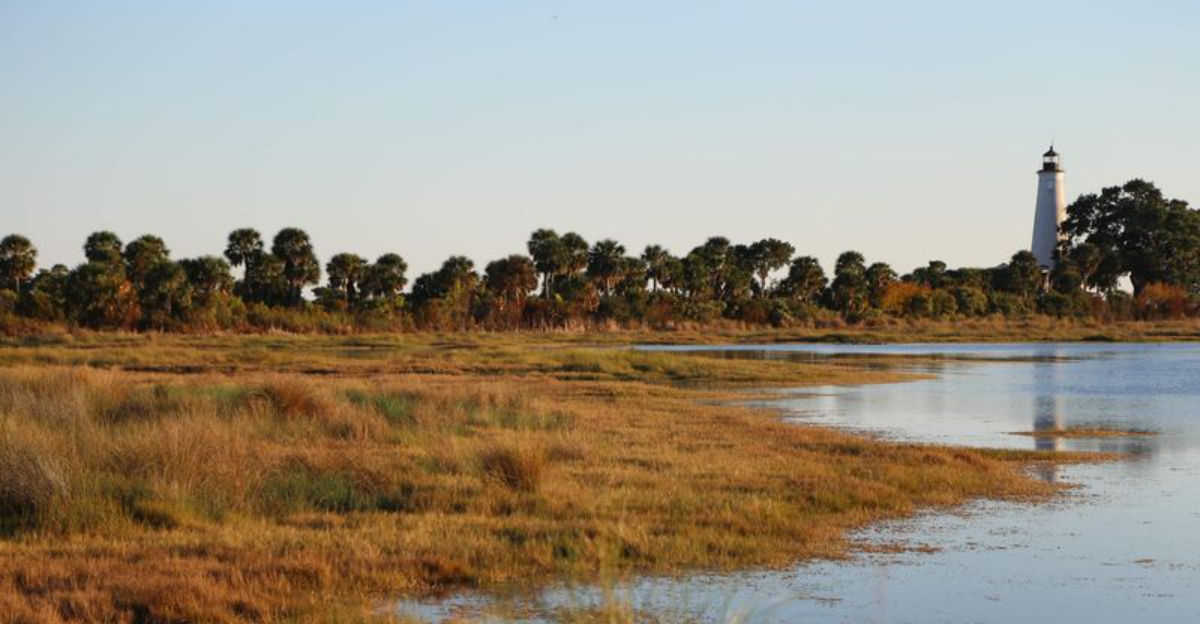
Nothing says classic coastal Florida quite like a lighthouse rising above the marsh, and the St. Marks Lighthouse is the image many visitors remember most.
Its bright, simple shape gives the refuge a strong sense of place and adds a human story to all the surrounding wild land.
Photos are popular here for good reason.
The lighthouse looks striking in clear daylight, but it becomes even more dramatic at sunrise or sunset when the sky turns pink, gold, or deep orange above the water and grasses.
Located within Saint Marks National Wildlife Refuge, this landmark makes an easy goal for a scenic drive.
Check current access rules before visiting, since wildlife management needs or weather conditions can sometimes affect where people may go.
Bring binoculars even if you mainly came for the view.
Birds often move through the area around the lighthouse, and you may spot herons, pelicans, or other species while enjoying one of the refuge’s most recognizable sights, all in one calm and memorable stop.
A Birdwatching Spot That Feels Electric
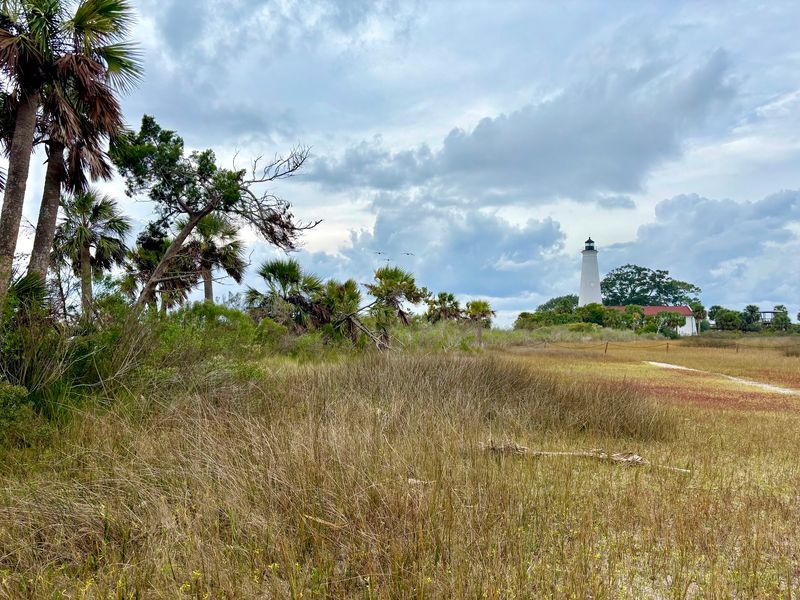
Sometimes the marsh suddenly comes alive with wings, calls, and movement, and that quick burst of action is a big reason birders love this refuge.
Saint Marks National Wildlife Refuge is known as one of Florida’s standout birdwatching areas, especially during migration and cooler months.
Many kinds of birds use the refuge, including ducks, wading birds, shorebirds, raptors, and songbirds.
A patient visitor might see bald eagles, roseate spoonbills, great egrets, or flocks lifting off together in a way that feels like the whole sky has started moving.
At Saint Marks National Wildlife Refuge, marshes, impoundments, and coastal habitats create rich feeding and resting areas.
Early morning often brings softer light, active birds, and cooler temperatures, which makes it a smart time for both beginners and serious photographers.
You do not need to be an expert to enjoy the show.
Bring a simple field guide or bird app, listen carefully, move slowly, and celebrate even small sightings, because learning one new bird on a visit can turn an ordinary outing into a real adventure.
Wildlife Sightings Beyond The Birds
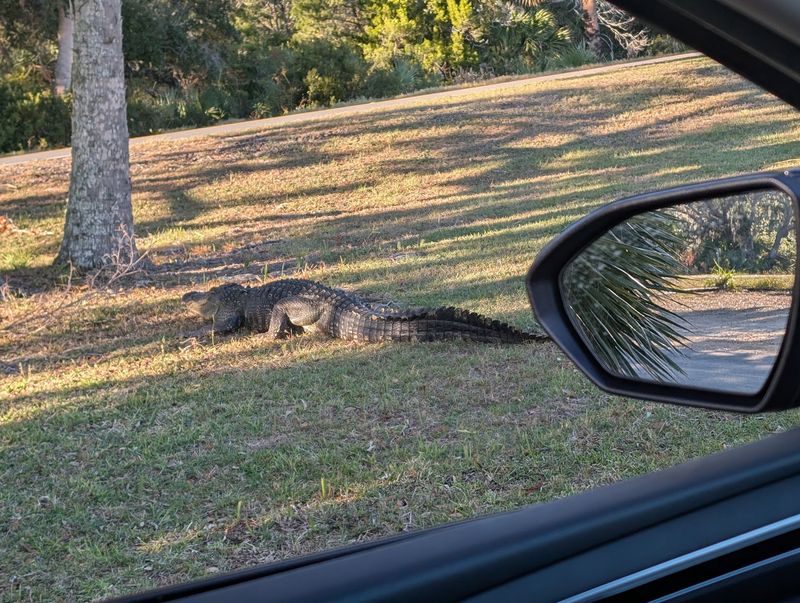
Birds may get most of the attention, yet they are only part of the story at Saint Marks National Wildlife Refuge.
Keep your eyes open and you may spot alligators gliding through water, white-tailed deer stepping from cover, or butterflies moving over flowers near the trail.
That mix keeps every visit interesting because the next sighting can happen almost anywhere.
One moment you are watching ripples in a pond, and the next you notice a turtle on a log or a bobcat slipping quietly through the distance.
Visitors heading to Saint Marks National Wildlife Refuge should remember that wild animals need space.
A zoom lens, binoculars, and calm behavior are much better than trying to get too close, and they usually lead to better viewing anyway.
Safety and respect go hand in hand here.
Stay on marked routes, never feed wildlife, and let the refuge surprise you on its own terms, because the best memories often come from quiet moments when an animal appears naturally and then disappears back into the landscape.
Scenic Roads, Trails, And Easy Outdoor Time
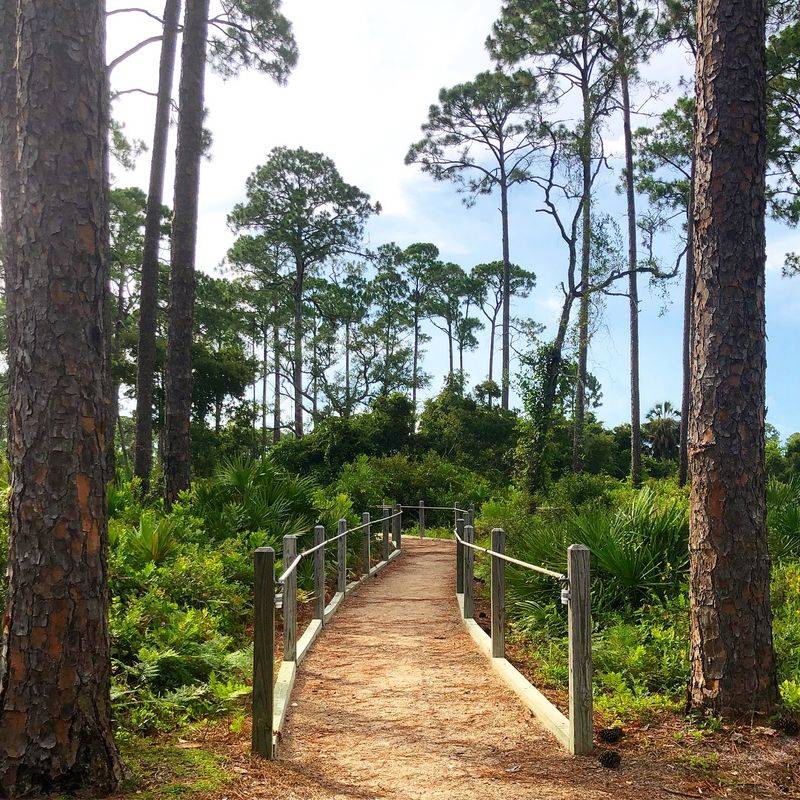
Not every great nature trip needs a hard hike, and that is one of the nicest things about this refuge.
Scenic roads, observation spots, and walking paths make it easy for many kinds of visitors to enjoy the landscape without needing expert outdoor skills.
The famous wildlife drive lets you cover more ground while still stopping for views and photos.
Trails and boardwalk areas offer a slower pace, which is helpful if you want to hear the wind in the grass, study tracks, or watch the water carefully.
At Saint Marks National Wildlife Refuge, planning a simple route can make the day smoother.
Wear comfortable shoes, carry bug spray, and allow extra time, because stopping often is part of the fun in a place filled with lookout points.
Families, solo travelers, and older visitors can all shape the trip to fit their energy level.
A short walk, a long drive with many pauses, or a half day of exploring can each feel rewarding when the scenery stays wide, peaceful, and packed with little discoveries.
Every Season Brings A Different Mood
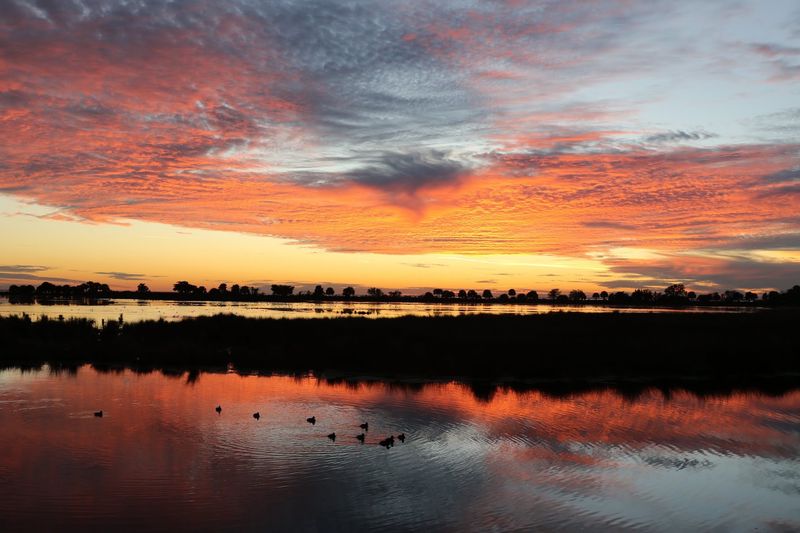
One clever reason people return to the refuge is simple: it never looks exactly the same twice.
Weather, tides, migration, and seasonal plant changes all shape what you will notice, so each visit can feel fresh even if you follow a familiar route.
Cooler months often bring strong bird activity and more comfortable temperatures for walking and driving.
Warmer seasons can feel lush and lively too, though summer visitors should expect heat, humidity, sudden rain, and insects that may encourage quicker stops and better planning.
Saint Marks National Wildlife Refuge rewards people who check conditions before heading out.
Sunrise can be magical for quiet scenery, while late afternoon often brings rich light that makes marsh grass, clouds, and water glow in photos.
A flexible attitude helps more than a packed schedule.
If one area seems still, move to another overlook, watch the sky, or wait a few extra minutes, because nature here often changes the script when you least expect it and turns patience into payoff.
Why This Refuge Still Matters Today
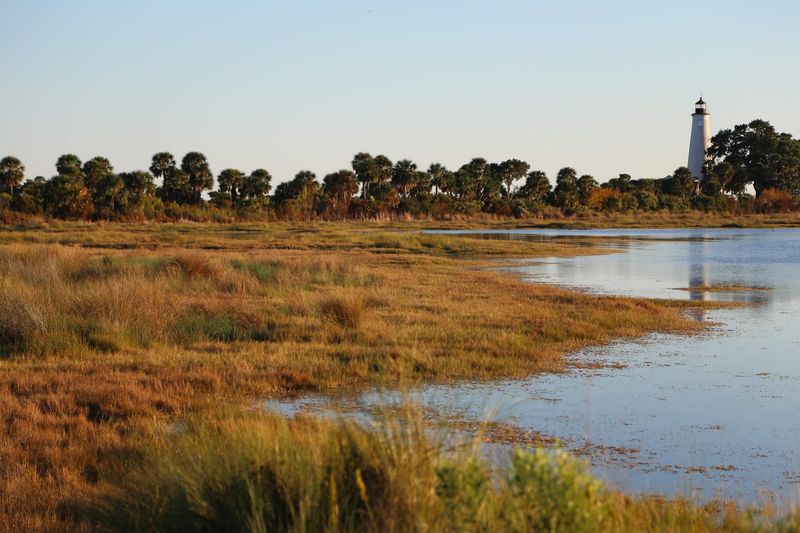
Behind every peaceful view at the refuge is a serious job that still matters today.
Protected land like this helps wildlife survive habitat loss, supports migration, protects coastal ecosystems, and gives people a chance to see what natural Florida can look like when it is cared for well.
The refuge is more than a nice place for a weekend drive.
Marshes filter water, coastal habitats shelter young fish, and open spaces give birds safe resting areas, which means the health of this landscape can affect life far beyond its boundaries.
Saint Marks National Wildlife Refuge also works as an outdoor classroom.
Kids can learn that conservation is not just a big word in a textbook, because they can actually see plants, animals, weather, and habitat working together in front of them.
Your visit can support that mission when you follow rules, leave no trash, and respect closed areas.
Enjoy the beauty, take plenty of photos, and remember that places like this stay special only when people treat them as living homes rather than simple scenery.