Picking up a paintbrush in New York can feel a little scary, but the right workshop can turn that fear into fun, helping beginners relax, try new colors, and enjoy learning without worrying about being perfect or already knowing what to do on the first day.
Good painting classes matter because they make art feel open to everyone, not just people who seem naturally talented, and they teach simple skills, patient habits, and creative confidence that can help at school, at work, or during quiet time at home.
From busy city studios to calm community spaces upstate, the workshops in this guide show how friendly teachers, clear lessons, and inspiring rooms can make painting feel exciting and easy, so explore these New York spots and choose one that makes you want to create this season.
1. The Art Studio NY – New York City
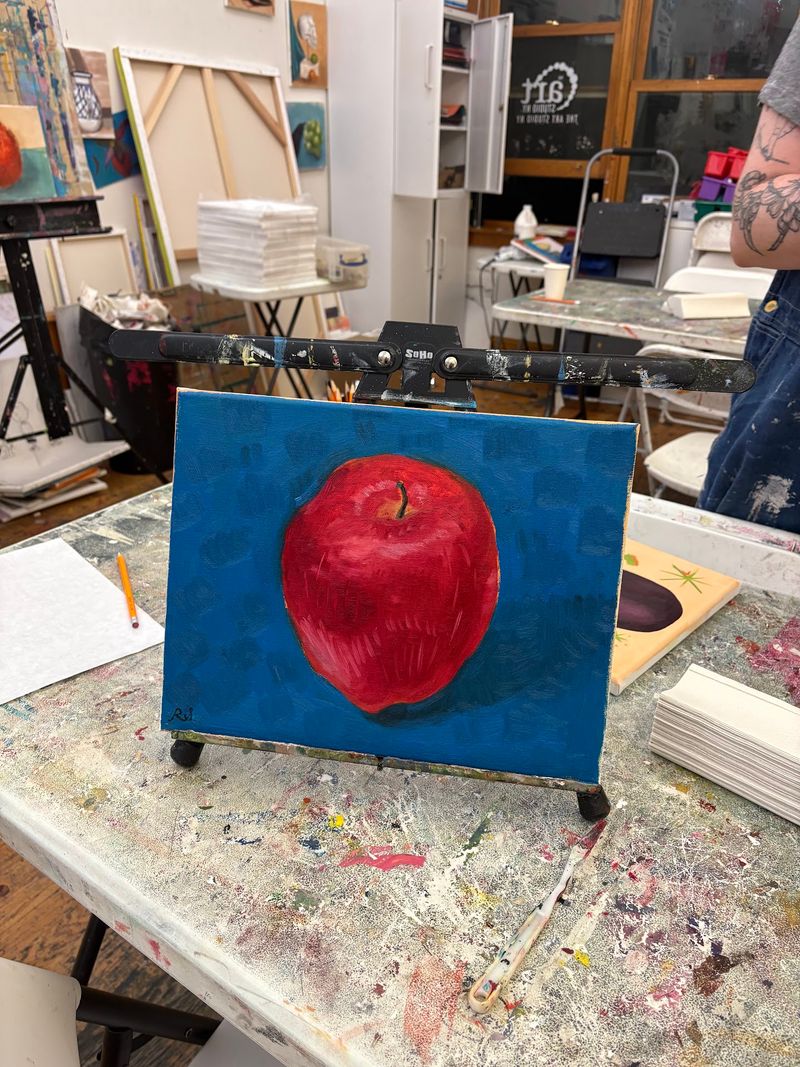
Some classes instantly calm your nerves, and this place does.
The Art Studio NY in Manhattan welcomes beginners without judgment.
Teachers explain color, brushwork, and composition using friendly, simple language.
Small groups make it easier to ask questions and relax.
You can try acrylics, watercolor, or mixed media basics here.
Another helpful perk is flexible scheduling for busy city lives.
Weeknight workshops fit around school, work, and family plans easily.
That means learning art feels possible, not like a puzzle.
Students often leave with finished paintings and stronger creative confidence.
Seeing real progress early can keep motivation high for months.
The studio atmosphere feels warm, bright, and thoughtfully encouraging throughout.
Music, conversation, and clear demos help lessons stay lively too.
If crowded museums inspire you, nearby galleries extend the experience.
Bring an apron, stay curious, and let perfection rest today.
Beginners who fear blank canvases often feel braver after sessions.
A patient instructor can change everything, especially on shaky starts.
Practice notes and simple tips make future painting time easier.
Friends also enjoy gift classes here for birthdays or celebrations.
That playful spirit helps art become a habit, not homework.
2. Painting Lounge – New York City
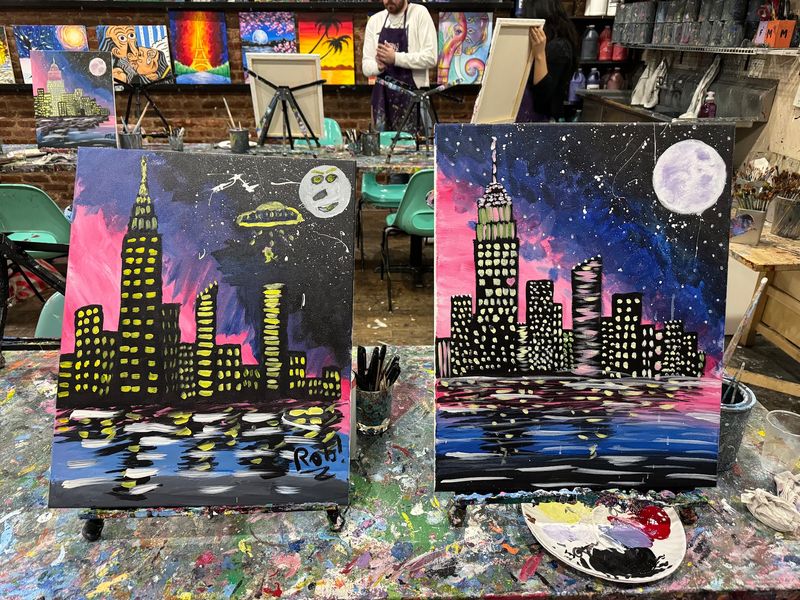
Paint splatters and laughter mix easily at Painting Lounge classes.
The New York City studio feels social, colorful, and upbeat.
Beginners like the relaxed mood because pressure stays surprisingly low.
Instructors guide each step while still leaving room for personality.
That balance makes finished paintings feel personal, not copied exactly.
Private events and group sessions add extra energy to learning.
You might come for fun, then discover real painting skills.
Acrylic classes often focus on bold color and clear techniques.
That helps new artists build confidence before trying trickier styles.
Many people enjoy bringing friends, which lowers first-day jitters nicely.
The staff also keeps materials organized, so setup feels easy.
Less fuss means more time actually mixing paint and experimenting.
If you learn best by doing, this workshop shines brightly.
Songs, conversation, and brushstrokes can turn class into celebration fast.
Even nervous beginners often loosen up before the paint dries.
Simple clothing works best because splashes become part of class.
Teachers celebrate effort, which makes mistakes feel less embarrassing overall.
That playful lesson can help creative habits grow outside class.
For city dwellers craving art and community, it fits beautifully.
3. One River School of Art + Design – Larchmont
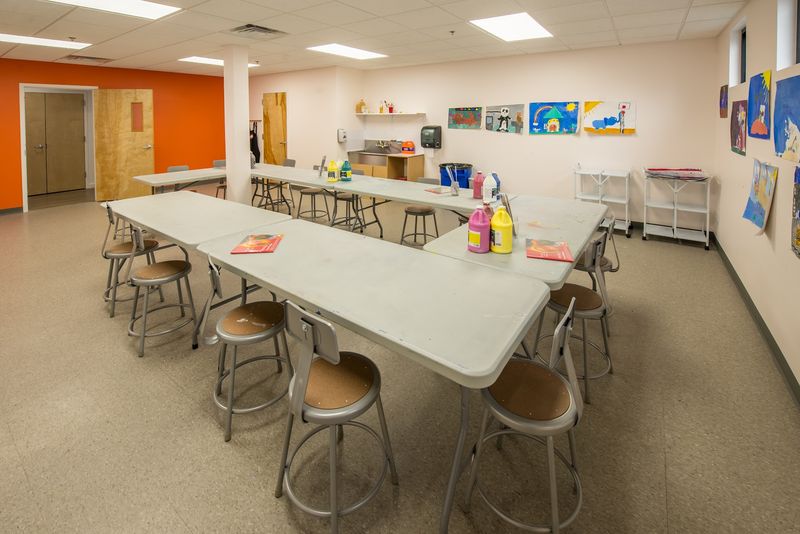
Fresh ideas seem to bounce off the walls in Larchmont.
One River School in Larchmont offers polished, modern painting classes.
The setting feels sleek, yet teachers keep lessons approachable daily.
Beginners get structure, while curious kids enjoy imaginative projects too.
That mix creates excitement without making art feel confusing ever.
Programs often connect creativity with design thinking and observation skills.
Students learn how choices in color change a painting’s mood.
Understanding that early makes future art experiments much less overwhelming.
Parents like the organized environment and clear communication from staff.
Adults appreciate classes that feel creative but still well planned.
The school also showcases student work, which boosts pride quickly.
Seeing your painting displayed can make practice feel deeply worthwhile.
Nearby village charm adds another pleasant layer to each visit.
A snack afterward can turn class night into a tradition.
Careful guidance helps shy artists open up at their pace.
Supplies are usually straightforward, so newcomers avoid shopping confusion easily.
That practical detail makes starting art feel simpler immediately too.
For learners who like clean spaces, Larchmont feels especially inviting.
Creativity and order meet nicely here, which many beginners appreciate.
4. One River School of Art + Design – Woodbury
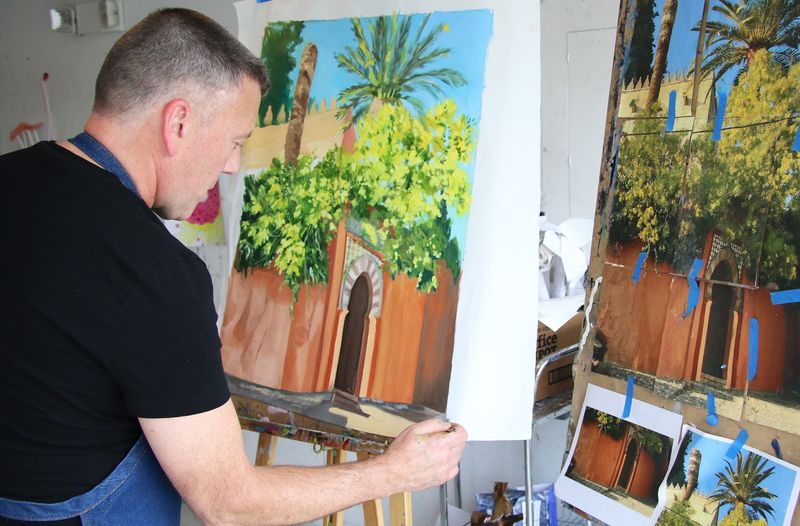
Some workshops feel like creative playgrounds, and Woodbury fits that.
One River School in Woodbury offers lively classes with polish.
Bright rooms and modern displays can spark ideas before painting.
Teachers break projects into clear stages that ease beginner worry.
You learn one piece at a time, not all-at-once here.
That pacing helps students stay curious instead of frustrated easily.
Families often like how welcoming the program feels across ages.
A teen, parent, or adult beginner can all belong comfortably.
Painting lessons may include color study, texture practice, and composition.
Those basics build a strong base for future art goals.
Woodbury shoppers sometimes pair class with errands or dinner nearby.
That makes regular attendance easier for packed weekly schedules overall.
Another plus is seeing classmates solve problems in different ways.
Watching others experiment can unlock your own brave choices too.
Nobody needs perfect talent to enjoy progress in this studio.
Steady practice, kind feedback, and patience do most work here.
That message can be a huge relief for beginners everywhere.
Bring curiosity, wear old clothes, and expect pleasant surprises inside.
Woodbury makes painting feel manageable, cheerful, and refreshingly current today.
5. The Paint Place – New York City
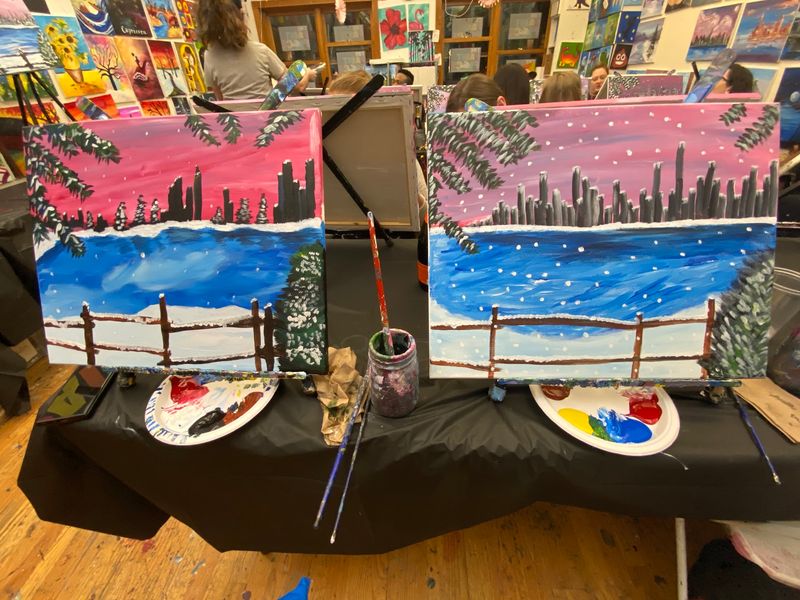
If paint nights sound fun, The Paint Place goes further.
Its New York City classes mix entertainment with useful instruction.
That combination helps beginners relax before technique even enters conversation.
Once everyone settles in, teachers explain steps with calm clarity.
You follow along, yet small choices can still feel personal.
The studio works well for friends, dates, and solo learners.
Different groups bring fresh energy, which keeps sessions lively always.
A beginner sitting alone often feels included within minutes there.
That social ease matters because embarrassment can block creativity fast.
Helpful instructors also share shortcuts for mixing colors and shapes.
Those little tips save time and reduce messy trial-and-error moments.
People with schedules often like completing artwork in one visit.
A finished canvas can inspire more practice at home later.
Location also matters, and Manhattan access makes planning easier overall.
You can fit a lesson between errands, dinner, or work.
That convenience removes one more excuse for delaying creativity again.
The cheerful vibe keeps the room moving without feeling chaotic.
Expect music, color, and plenty of encouraging human moments inside.
For many newcomers, that makes learning art feel wonderfully doable.
6. The Atelier at Flowerfield – St. James
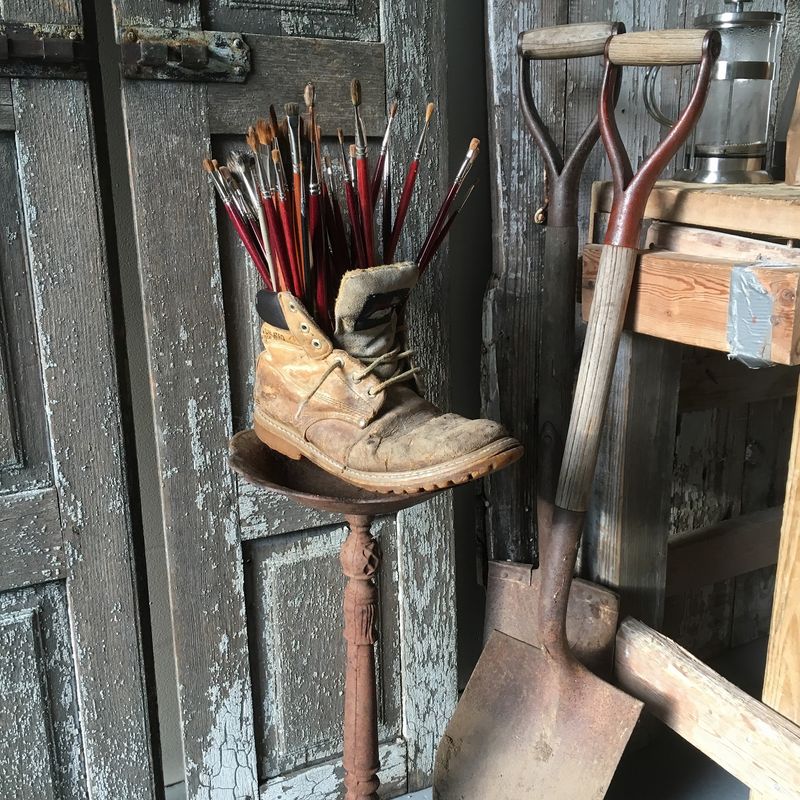
Quiet spaces can make brave painting choices easier to try.
The Atelier at Flowerfield in St. James offers that calm.
Its setting feels more reflective than noisy, which many love.
Teachers often focus on careful seeing, steady practice, and patience.
That approach suits learners who want depth, not quick distractions.
Class time can feel almost meditative once brushes start moving.
Students notice shadows, edges, and color shifts more clearly there.
Improving observation like that helps every painting become stronger later.
The Flowerfield campus also adds character to the whole experience.
Arriving a little early lets you settle before class begins.
That softer rhythm can help busy minds slow down kindly.
Beginners who dislike loud settings may feel especially comfortable here.
Lessons often reward attention, persistence, and a willingness to revise.
Those habits matter in art, school, and everyday problem solving.
A sketchbook can be useful for saving notes and ideas.
Returning home with observations written down extends the learning nicely.
Not every workshop needs noise to feel exciting and memorable.
Sometimes quiet confidence is the spark a new painter needs.
St. James offers that spark in a thoughtful, grounded way.
7. The Art Effect – Poughkeepsie
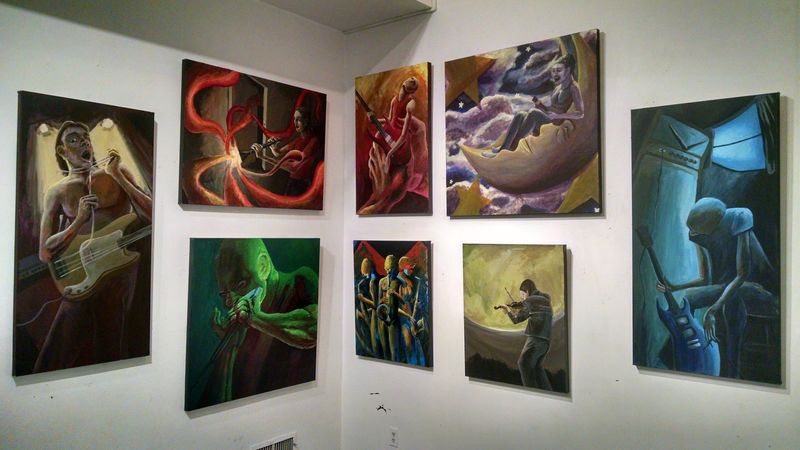
Young energy fills the room at The Art Effect daily.
In Poughkeepsie, the program feels creative, community-minded, and welcoming too.
Many learners like spaces where experimentation matters more than perfection.
That spirit can free beginners from fear very quickly there.
Projects often encourage storytelling, self-expression, and bold personal choices daily.
Because of that, paintings can feel meaningful right away personally.
Teachers support growth while respecting each student’s unique voice fully.
That balance helps art feel less like a strict formula.
Community programs make the workshop feel connected to real life.
Seeing art matter beyond class can boost motivation for beginners.
Families often appreciate youth opportunities alongside skill-building experiences for growth.
Older students can gain confidence that carries into school projects.
The atmosphere feels active, hopeful, and ready for fresh ideas.
Even one session might wake up a sleepy creative side.
Bring curiosity and clothes that can handle cheerful splashes well.
Questions are welcome, which helps hesitant painters speak up sooner.
That openness can be just as valuable as technique lessons.
Poughkeepsie learners looking for purpose often connect strongly here fast.
Art feels exciting when your own story has room inside.
8. The Buffalo AKG Art Museum – Buffalo
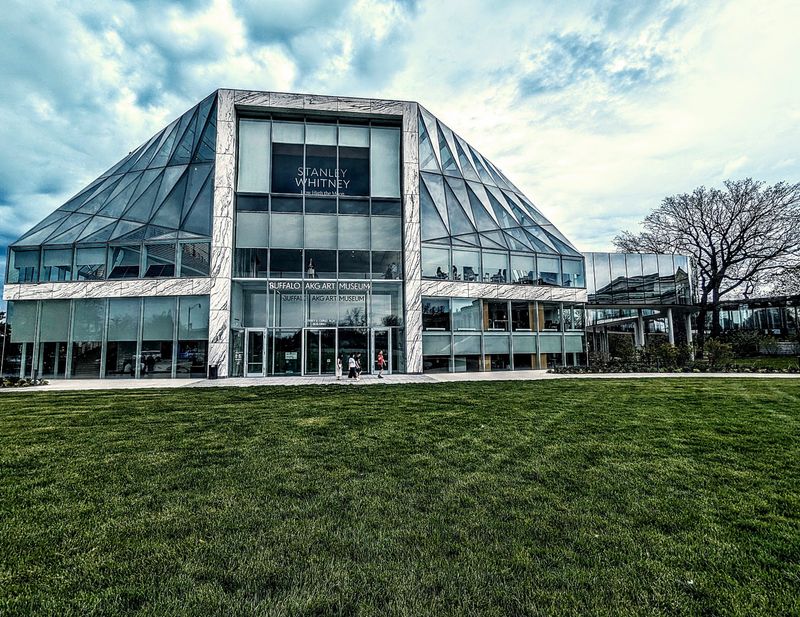
Learning inside a museum can make painting feel instantly bigger.
The Buffalo AKG Art Museum offers that inspiring museum setting.
Surrounded by art, beginners often feel curious instead of intimidated.
Classes can connect what you see with what you paint.
That turns observation into a practical skill, not abstract theory.
Museum educators often explain techniques through real artworks nearby first.
Seeing brushwork up close can teach lessons books cannot match.
Color choices, composition, and texture become easier to notice there.
That awareness can strengthen your own paintings almost immediately afterward.
Buffalo also benefits from a strong local arts culture nearby.
A workshop visit can lead to more gallery exploration later.
For motivated beginners, that creates a rich learning loop quickly.
The museum setting may feel especially exciting for visual learners.
Ideas are everywhere, so inspiration rarely runs out completely here.
Comfortable shoes help, since museum days can involve walking around.
A notebook is smart for saving sketches and favorite details.
That habit makes each class more memorable and useful later.
Buffalo’s workshop option feels thoughtful, cultured, and deeply energizing overall.
Art becomes easier when great examples stand right beside you.
9. The Art Students League of New York – New York City
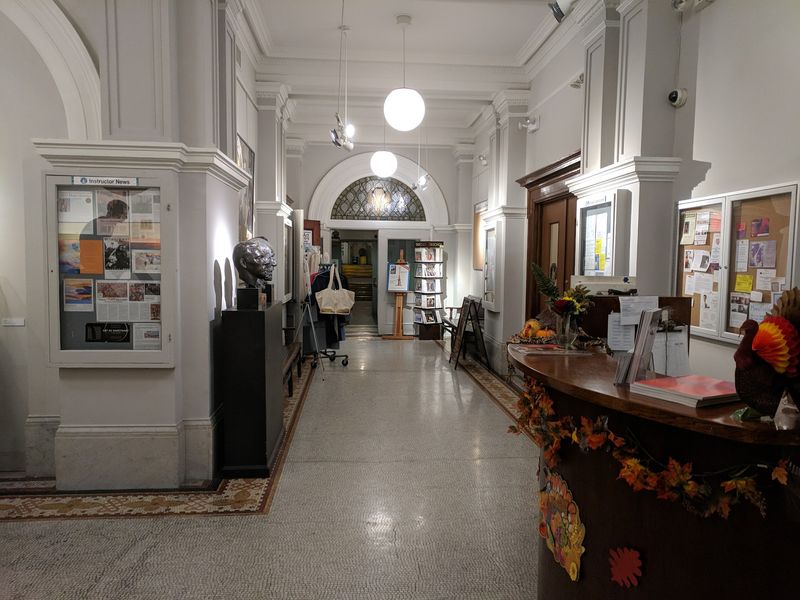
History hangs in the air at the Art Students League.
In New York City, its reputation can feel thrilling immediately.
Even so, many classes remain welcoming for serious beginners today.
You sense tradition there, yet learning still stays deeply human.
Strong instruction helps students focus on seeing, drawing, and paint.
That foundation matters because painting improves faster with solid basics.
Classes often attract dedicated learners, which can raise your effort.
Working around focused classmates may push you to practice more.
The school’s long history reminds students that growth takes time.
That message can comfort beginners who expect instant perfection too.
Model sessions, critiques, and studio habits offer real discipline daily.
Still, discipline here can feel inspiring rather than stiff somehow.
Packing a sketchbook helps you capture ideas before class begins.
Looking at other students’ work can teach surprising lessons quickly.
The Manhattan location places you near galleries and art bookstores.
That bigger art world can keep motivation strong between sessions.
Beginners who want seriousness without coldness often value this place.
Its legacy feels impressive, but progress still starts one brushstroke.
That simple truth makes the famous school feel reachable today.
10. Saratoga Arts – Saratoga Springs
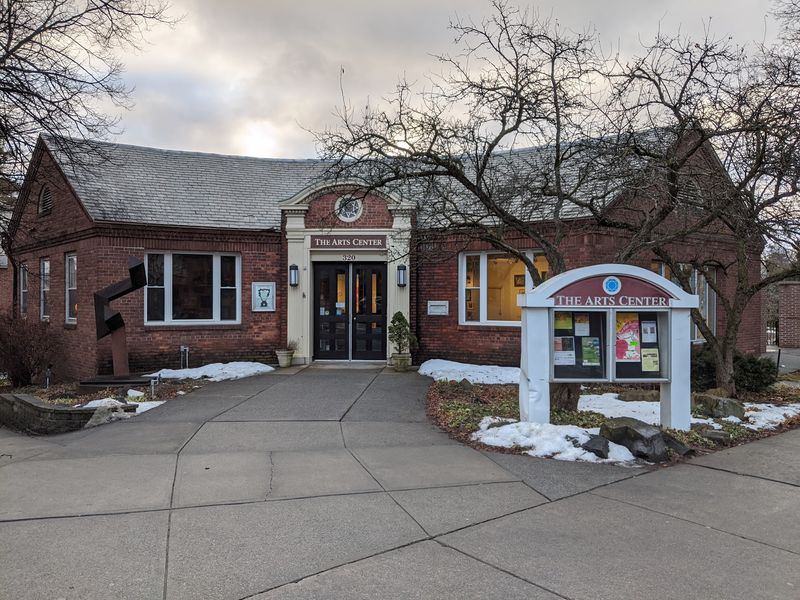
Community spirit gives Saratoga Arts a friendly, open-door feeling daily.
In Saratoga Springs, workshops often feel welcoming from the start.
That matters because first impressions can shape beginner confidence quickly.
Teachers usually aim for clear guidance without making class heavy.
The result feels accessible, cheerful, and useful for regular people.
Local arts centers often create a nice sense of belonging.
You are not only learning skills, you are joining community.
That can make returning each week much easier and happier.
Saratoga Arts may also offer programs for different ages nearby.
Families often appreciate options that grow with changing interests well.
Beginners benefit when a workshop feels steady instead of flashy.
A calmer environment can make room for brave experimentation too.
The town itself adds charm, which can brighten class days.
Grab coffee nearby, then head in ready to paint something.
Simple routines like that help creative practice feel sustainable long-term.
Helpful feedback and shared progress keep motivation alive over time.
Nobody needs fancy goals to enjoy painting in this setting.
Sometimes a welcoming room is the biggest breakthrough of all.
Saratoga Arts makes learning feel local, bright, and manageable daily.