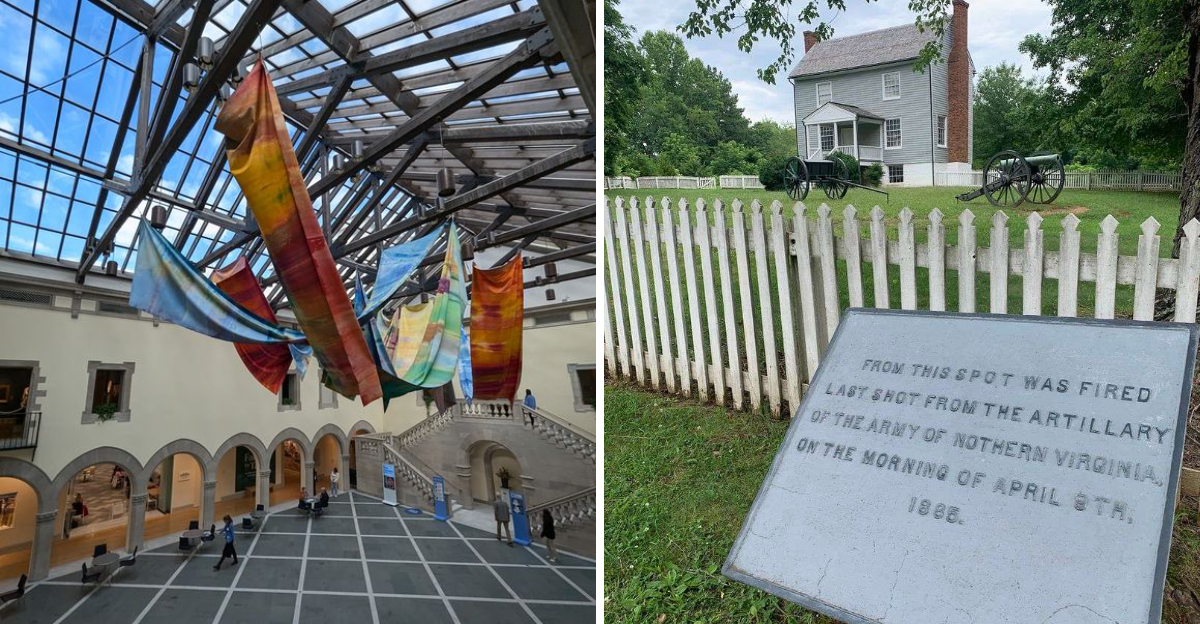
Virginia proves that some of the state’s greatest adventures come with a $0 price tag.
You don’t need expensive tickets to stand beneath towering trees, wander through world-class museums, or soak in stories that shaped America.
One day you could be strolling a peaceful garden filled with blooming flowers. The next, you’re walking across a Civil War battlefield, watching rushing waterfalls, or admiring priceless works of art without reaching for your wallet.
That’s the magic of the Old Dominion. Every corner offers a fresh surprise, whether you’re planning a family outing, a spontaneous road trip, or a quiet afternoon surrounded by nature and history.
These 12 free attractions deliver unforgettable moments, stunning scenery, and fascinating discoveries while keeping your budget completely intact.
Pack your camera, lace up your walking shoes, and get ready to see just how much Virginia has to offer for absolutely nothing.
Hahn Horticulture Garden (Blacksburg)
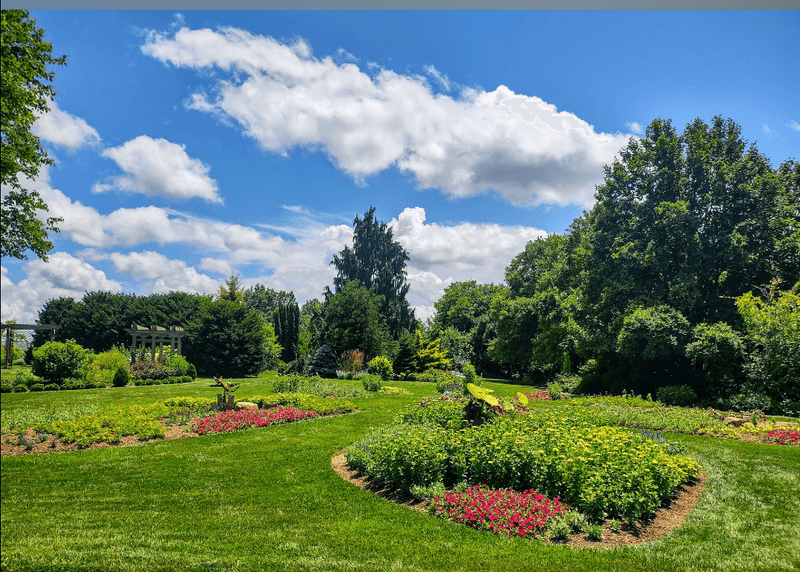
Tucked away on Virginia Tech’s campus, this six-acre wonderland bursts with color during every season. Students and visitors alike find themselves drawn to its winding pathways that connect themed garden beds, trickling water features, and impressive collections of native Virginia plants.
Spring brings waves of tulips and daffodils, while summer showcases vibrant perennials and ornamental grasses. Fall transforms the space into a tapestry of golden and crimson foliage, and even winter reveals elegant tree structures and evergreen beauty.
Benches scattered throughout invite you to pause and soak in the peaceful atmosphere.
As a teaching garden, it serves Virginia Tech’s horticulture students while remaining open to everyone free of charge. Families enjoy picnicking on the lawns, photographers capture stunning seasonal shots, and nature lovers identify plants using the helpful labels.
The garden proves that world-class botanical experiences don’t require expensive tickets or long road trips to fancy estates.
Virginia Museum of Fine Arts (Richmond)
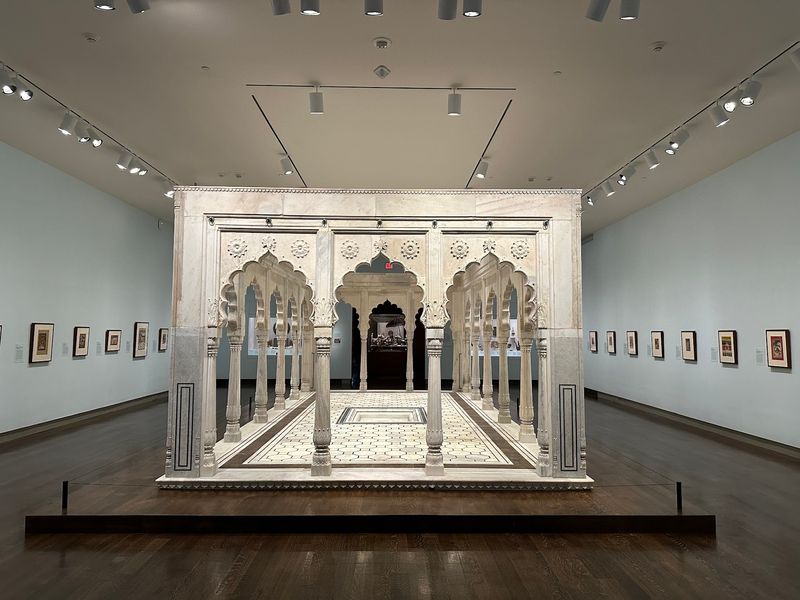
Walk into one of the nation’s top art museums without reaching for your wallet. With over 50,000 artworks spanning 5,000 years of human creativity, this Richmond treasure rivals paid museums in major cities.
Ancient Egyptian mummies stand near Renaissance paintings, while modern sculptures share space with exquisite decorative arts.
Every gallery tells a different story. You might spend an hour admiring French Impressionist works, then wander into rooms filled with Art Nouveau jewelry or contemporary photography.
The museum’s collection of Fabergé eggs dazzles visitors with intricate craftsmanship, while African and South Asian galleries offer perspectives often missing from other institutions.
Special exhibitions rotate regularly, always free with general admission. The building itself impresses with soaring ceilings, natural light, and thoughtful design that enhances rather than overwhelms the art.
Whether you’re an art history buff or just curious, plan to spend several hours here. The cafe provides reasonably priced refreshments when you need a break from all that beauty.
Arlington National Cemetery (Arlington)
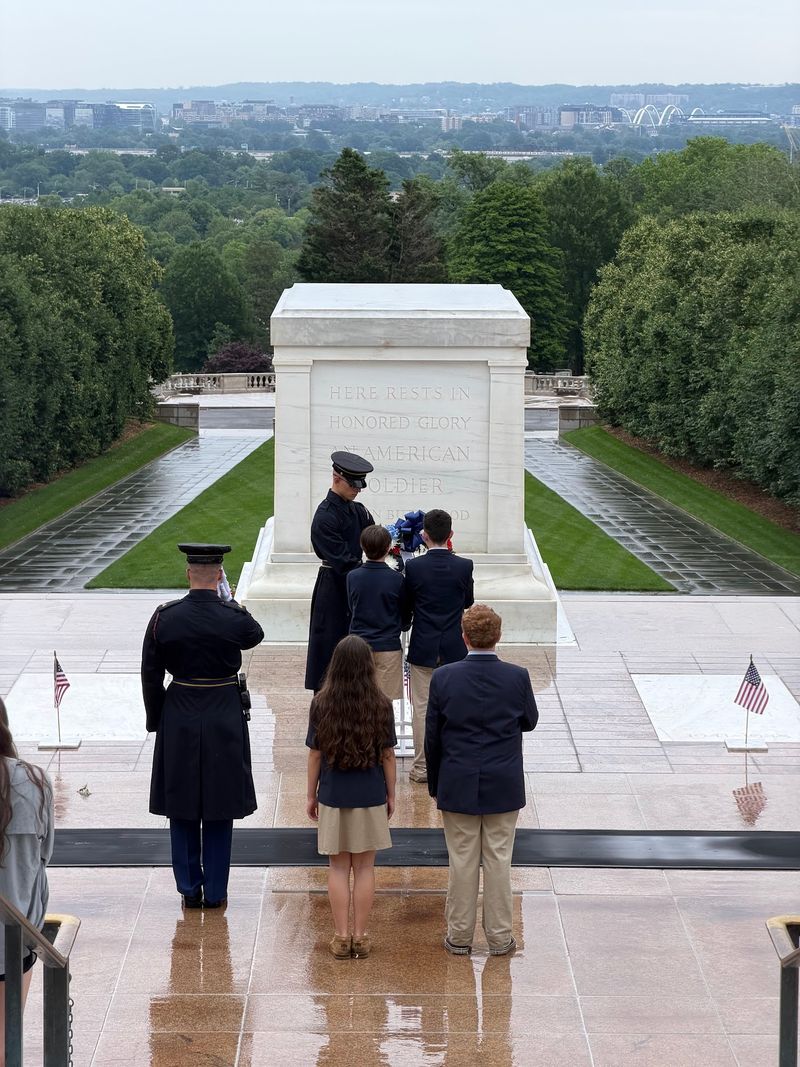
Few places in America carry the weight of history quite like these hallowed grounds. More than 400,000 service members and their families rest here among rolling hills dotted with white marble headstones that stretch as far as the eye can see.
Walking these paths connects you to generations who served the nation.
The Changing of the Guard ceremony at the Tomb of the Unknown Soldier happens every hour in winter and every half hour in warmer months. Watching the precision and dedication of the sentinels never fails to move visitors.
Arlington House, Robert E. Lee’s former home overlooking the cemetery, offers another layer of Civil War history.
President Kennedy’s eternal flame flickers nearby, and Section 60 honors recent veterans from Iraq and Afghanistan. Families often leave mementos at gravesites, creating touching displays of remembrance.
The Women in Military Service for America Memorial recognizes often-overlooked contributions. Free tram tours help cover the vast 639 acres, though many prefer walking to fully absorb the solemnity.
Virginia State Capitol (Richmond)
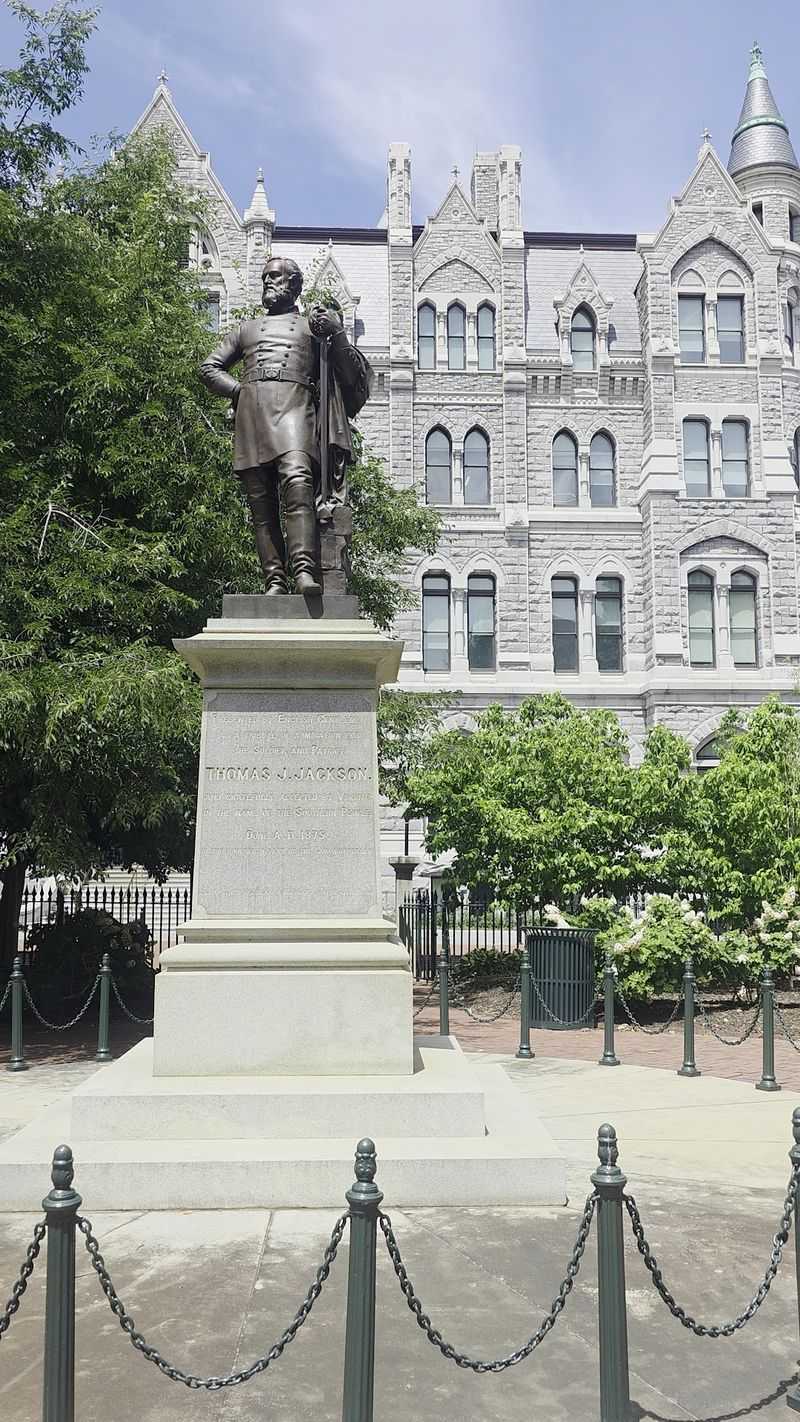
Thomas Jefferson designed this architectural gem back in 1788, and it remains one of the oldest working capitol buildings in the United States. The striking neoclassical structure sits proudly on Capitol Square, surrounded by monuments and manicured lawns that make you feel transported to ancient Rome.
Free guided tours reveal fascinating stories about Virginia’s role in shaping American democracy.
Inside, the central rotunda houses the only statue of George Washington modeled from life. Jean-Antoine Houdon created this masterpiece while Washington himself posed for measurements.
The Old House Chamber witnessed crucial debates about states’ rights and Civil War decisions that changed the nation forever.
Walking through the legislative chambers shows government in action when the General Assembly meets. Even during off-seasons, knowledgeable guides explain Virginia’s political heritage with enthusiasm.
The grounds outside feature memorials to various historical figures, and the Executive Mansion next door occasionally offers tours. Capitol Square becomes especially beautiful during spring when dogwoods and azaleas bloom, creating perfect photo opportunities around this living piece of American history.
Appomattox Court House National Historical Park (Appomattox)
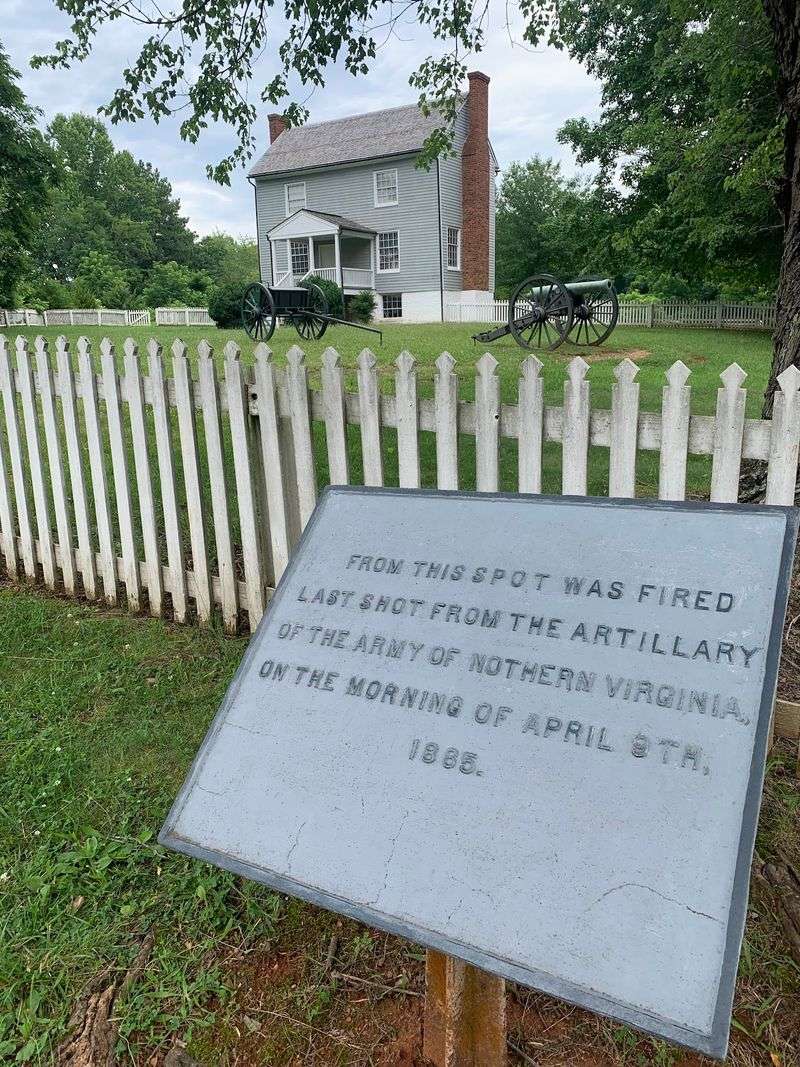
History changed forever in this quiet village on April 9, 1865. General Robert E.
Lee surrendered to Ulysses S. Grant here, effectively ending the Civil War and beginning the long process of reuniting a fractured nation.
Today, the National Park Service has restored the village to look much as it did during that momentous meeting.
You can wander freely among reconstructed homes, stores, and public buildings that tell stories of ordinary people caught in extraordinary times. The McLean House, where the surrender took place, stands as a powerful symbol of reconciliation.
Park rangers offer interpretive programs that help visitors understand the complex emotions and decisions of that historic day.
Walking trails connect various sites across the park, letting you explore at your own pace. Bring a picnic to enjoy on the grounds while imagining soldiers finally putting down their weapons after four years of brutal conflict.
The visitor center provides context through exhibits and a short film. Admission remains free year-round, making this essential American history accessible to everyone willing to make the journey.
Richmond Canal Walk (Richmond)
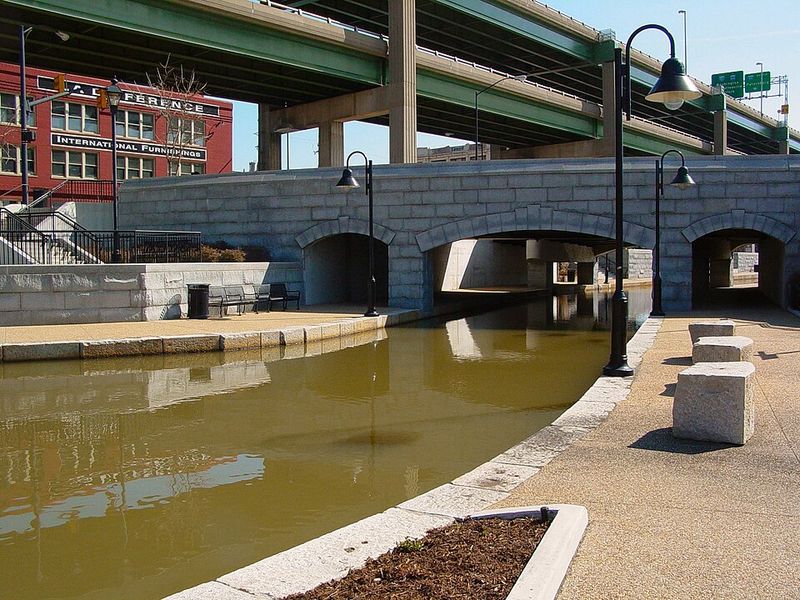
Something magical happens when you follow the water through downtown Richmond. This scenic pathway traces the historic canal system that once powered the city’s economy, now transformed into a relaxing destination where history meets modern urban renewal.
Murals and sculptures pop up at every turn, giving the walk an open-air gallery feel.
Start near the Tredegar Iron Works, where cannons for the Confederacy were forged, and wind your way past locks that raised and lowered canal boats in the 1800s. Interpretive signs explain how the canal competed with railroads for dominance in American transportation.
The path crosses charming pedestrian bridges and passes under historic railroad trestles still in use today.
Views of the James River and Richmond’s skyline create perfect backdrops for photos or just peaceful contemplation. Street performers and food vendors often set up along popular sections, adding energy to your stroll.
The walk connects multiple neighborhoods, making it easy to explore restaurants and shops along the way. Whether you cover the entire route or just a favorite section, this free attraction showcases Richmond’s successful blend of preservation and progress.
The State Arboretum of Virginia (Boyce)
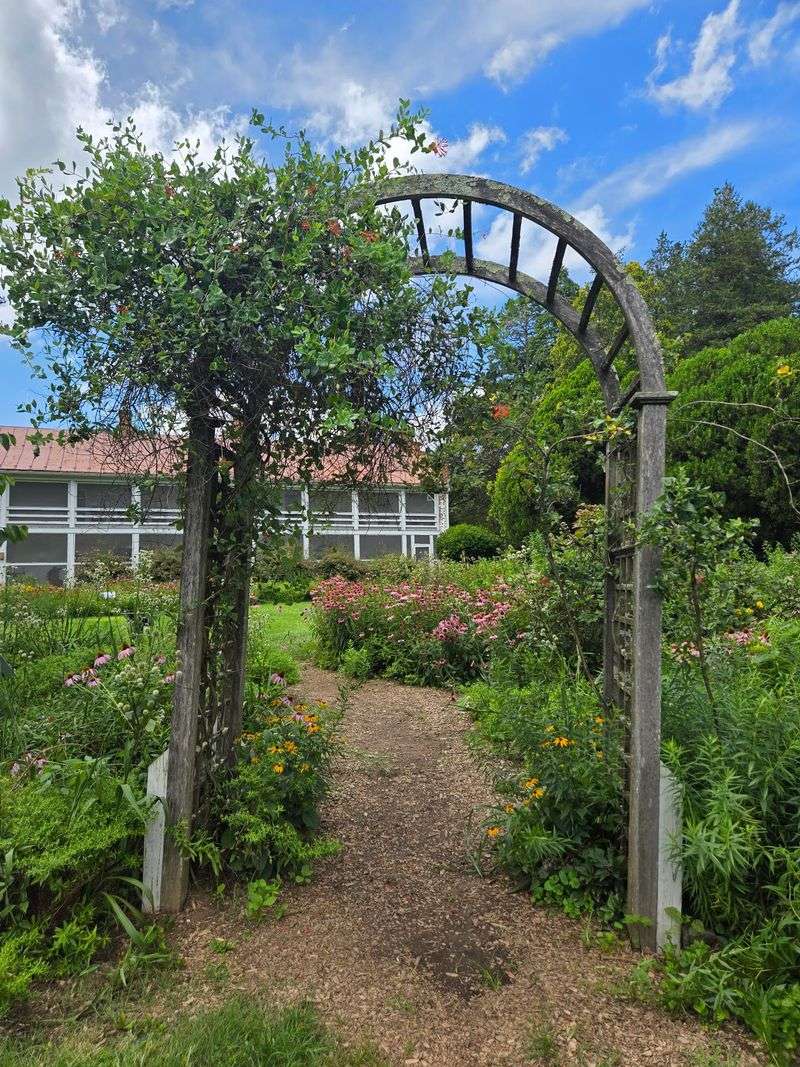
Over 170 acres of botanical wonder await in the Shenandoah Valley at Blandy Experimental Farm. This isn’t your typical manicured garden with rigid pathways and roped-off areas.
Instead, you’ll find a more natural approach where native woodlands blend seamlessly with cultivated collections, creating an atmosphere that feels both wild and intentional.
The tree collection ranks among America’s finest, with specimens from six continents representing hundreds of species. Ginkgos turn brilliant gold in autumn, while magnolias perfume spring air with their enormous blooms.
Walking trails meander through different habitats, from shady forest floors carpeted with wildflowers to sunny meadows buzzing with pollinators.
Researchers use this living laboratory to study plant adaptation and ecology, but their work never interferes with public enjoyment. Families picnic under ancient trees, birdwatchers seek migrating warblers, and plant enthusiasts study the labeled specimens.
The boxwood collection alone spans four acres, while the native plant trail teaches identification skills. Open dawn to dusk every day, this arboretum offers year-round beauty without ever charging admission, proving Virginia values both science and public access to nature.
Manassas National Battlefield Park (Manassas)
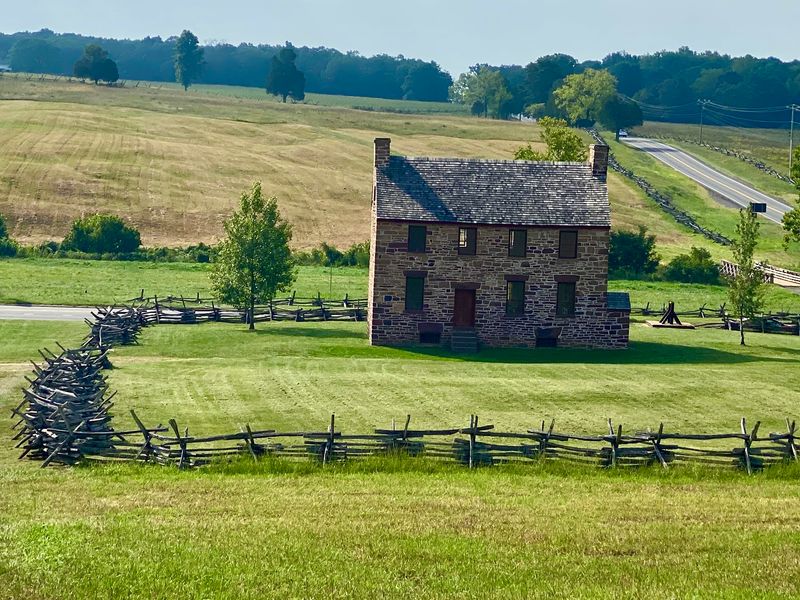
Stand where two major Civil War battles raged across the same ground. First and Second Manassas (called Bull Run by Union forces) shocked both sides with the reality that this conflict would be long and devastating.
Today, the preserved battlefield lets you walk in the footsteps of soldiers while contemplating the human cost of war.
Miles of trails wind across gently rolling terrain where 26,000 casualties fell during the two battles. Interpretive markers explain troop movements and key moments, helping you visualize the chaos that once consumed these now-peaceful fields.
The Henry Hill Visitor Center provides essential context through exhibits and a powerful film narrated by those who experienced the battles.
Rangers lead free walking tours and talks throughout the year, bringing history alive with detailed accounts and artifacts. The Stone House, used as a field hospital, still stands along the historic Warrenton Turnpike.
During summer weekends, living history demonstrations show camp life and military drills. Families often bring kites to fly on the open fields, creating a poignant contrast between today’s leisure and yesterday’s tragedy.
No entrance fee makes this nationally significant site accessible to all.
Chrysler Museum of Art (Norfolk)
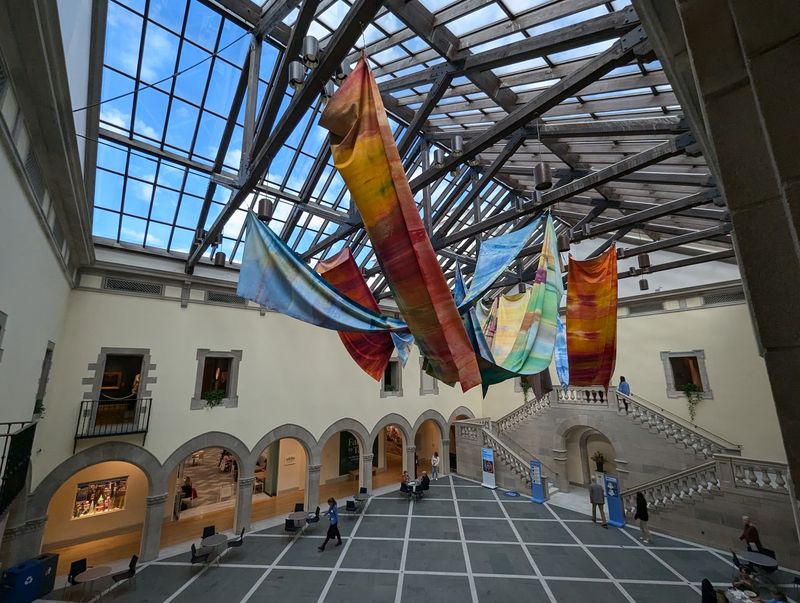
Norfolk’s cultural crown jewel houses one of the Southeast’s most impressive art collections, and the best part? Walking through its doors costs absolutely nothing.
From the moment you enter, the quality and breadth of the collection becomes obvious. This isn’t a small regional museum trying to compete; it’s a world-class institution that happens to be free.
The glass collection deserves special mention as one of America’s finest, spanning 3,000 years from ancient Rome to contemporary studio artists. Watching light play through delicate vessels and bold sculptures mesmerizes visitors of all ages.
European paintings include works by Renoir, Gauguin, and other masters, while the American collection traces the nation’s artistic evolution.
Ancient Egyptian, Greek, and Roman artifacts connect you to civilizations thousands of years old. Contemporary galleries showcase cutting-edge creativity that challenges and inspires.
The museum’s manageable size means you can see everything without exhausting yourself, unlike overwhelming mega-museums that require multiple visits. Rotating exhibitions keep things fresh for repeat visitors.
Located in Norfolk’s revitalized downtown, the Chrysler combines perfectly with walks along the waterfront or meals at nearby restaurants for a complete cultural day out.
Steven F. Udvar-Hazy Center (Chantilly)

Prepare to have your jaw drop. This massive Smithsonian facility near Dulles Airport houses aircraft and spacecraft too large for the National Air and Space Museum on the National Mall.
The Space Shuttle Discovery, which flew 39 missions and orbited Earth 5,830 times, dominates the center like a magnificent bird that finally came home to roost.
Walking underneath Discovery’s heat-scarred belly puts space exploration in visceral perspective. Nearby, the SR-71 Blackbird still looks impossibly fast despite decades of retirement.
The sleek Concorde represents supersonic passenger flight’s brief golden age. Hundreds of other aircraft hang from the ceiling or rest on the floor, creating an aviation enthusiast’s paradise.
The Enola Gay, controversial for dropping the first atomic bomb, generates thoughtful reflection about war’s moral complexities. Vintage biplanes show how far aviation has advanced in barely a century.
Free docent tours provide insider details about specific aircraft and the people who flew them. Admission costs nothing, though parking requires a fee before late afternoon.
The building’s sheer scale and the collection’s significance make this one of Virginia’s most impressive free attractions, even with that parking charge.
The Fralin Museum of Art at the University of Virginia (Charlottesville)
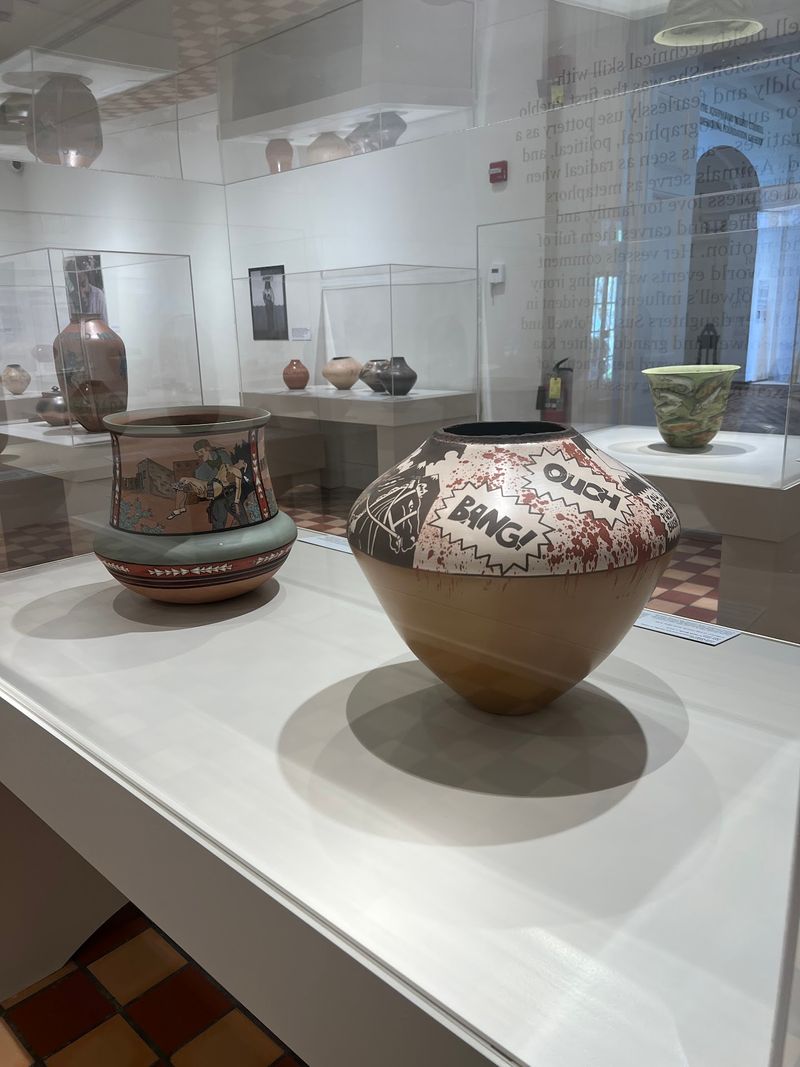
University museums sometimes surprise visitors with the quality of their collections, and the Fralin proves that point beautifully. This gem on UVA’s campus punches well above its weight, offering rotating exhibitions alongside a permanent collection that spans continents and centuries.
The intimate scale actually works in its favor, creating a relaxed viewing experience without the overwhelming crowds found at larger institutions.
American art from the colonial period through contemporary times traces the nation’s visual culture evolution. European galleries feature Old Masters and Impressionist works that would feel at home in any major museum.
The African art collection brings perspectives often underrepresented in American museums, while Asian galleries showcase everything from ancient ceramics to modern prints.
Photography exhibitions rotate regularly, highlighting both historical importance and cutting-edge contemporary work. The museum frequently partners with UVA’s academic departments for themed shows that dig deep into specific topics or time periods.
Student docents often lead free tours, bringing youthful enthusiasm to their explanations. Located near Charlottesville’s downtown mall, the Fralin combines perfectly with exploring Thomas Jefferson’s Monticello nearby or enjoying the city’s excellent restaurant scene.
Free admission makes culture accessible to students and visitors alike.
Edith J. Carrier Arboretum (Harrisonburg)
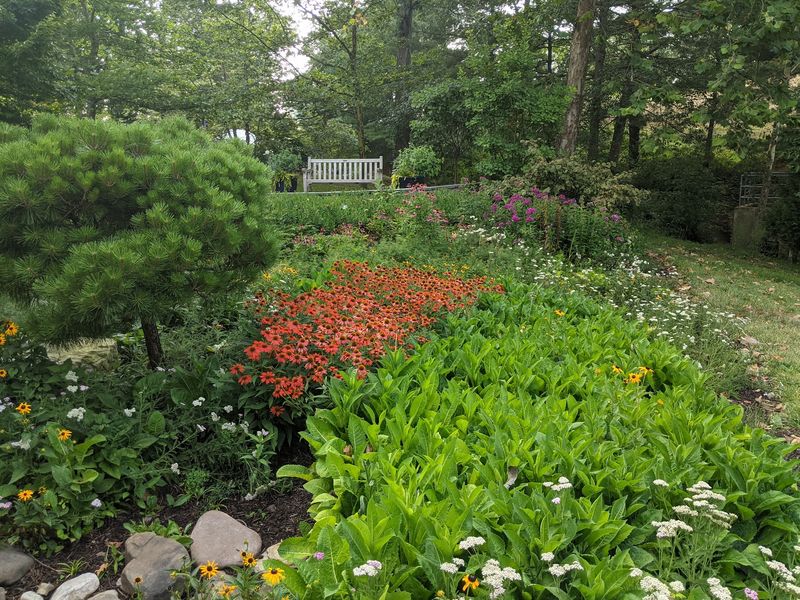
Escape campus bustle without leaving James Madison University’s grounds. This 125-acre woodland sanctuary proves that the best classrooms don’t always have four walls and a chalkboard.
Winding trails guide you through distinct habitats that showcase Shenandoah Valley ecosystems, from shady oak-hickory forests to sunny wildflower meadows that explode with color each spring.
Native plant collections teach identification skills while demonstrating sustainable landscaping alternatives to water-hungry lawns. Birds flock here during migration seasons, making the arboretum a favorite among birdwatchers who log impressive species lists.
Students studying biology, ecology, or simply needing stress relief between exams find peace among the trees.
Unlike formal botanical gardens with rigid layouts, Carrier Arboretum maintains a more natural feel that encourages exploration and discovery. Small bridges cross streams, benches invite contemplation, and interpretive signs provide just enough information without overwhelming.
The changing seasons create distinct experiences throughout the year, from spring wildflower blooms to fall foliage displays. Always free and open daily from dawn to dusk, this hidden treasure offers Harrisonburg residents and visitors a quick nature fix.
JMU deserves credit for maintaining this green space and sharing it freely with the community.