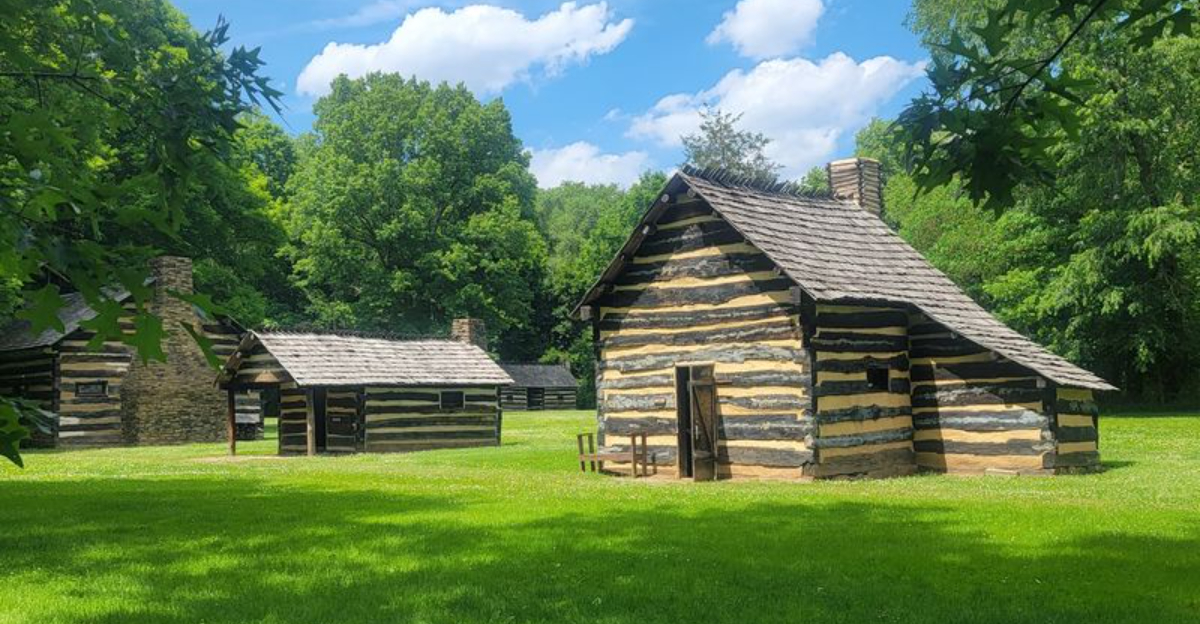
Ohio history can feel far away until you step into Schoenbrunn Village in New Philadelphia and see cabins, paths, and a whole community story come back to life.
Founded in 1772, this was the first organized settlement in what became Ohio, and today the rebuilt village helps visitors picture how Moravian missionaries and Delaware residents lived, learned, worshiped, and worked together.
The site turns big textbook ideas like settlement, cooperation, faith, and frontier survival into real places you can walk through, while the museum adds objects, stories, and context that make the past easier to understand.
If you like hidden gems, family trips, or living history that feels calm on the surface but full of meaning underneath, Schoenbrunn Village offers a memorable chance to slow down, look closely, and meet one of Ohio’s earliest chapters face to face without needing a huge budget or a full weekend.
Where Ohio’s First Settlement Began
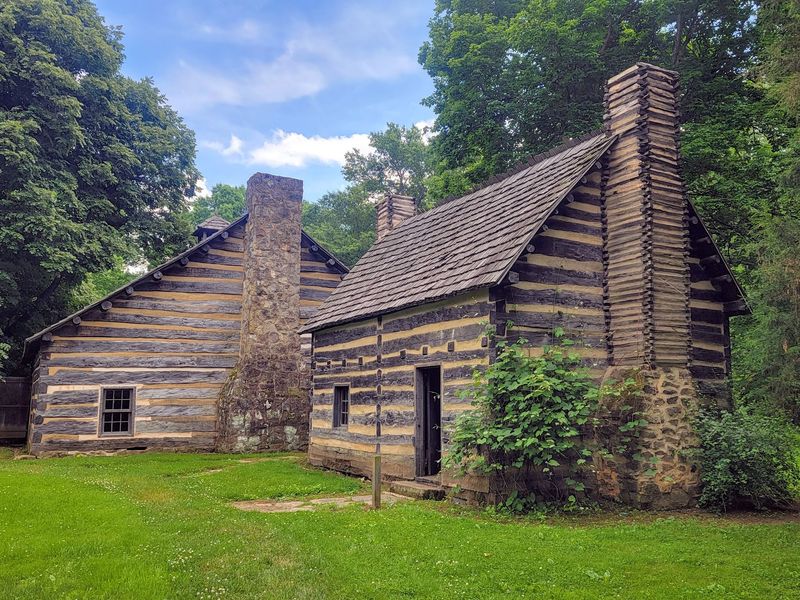
Long before Ohio became a state, a bold experiment in community began here.
Schoenbrunn Village was founded in 1772 by Moravian missionaries and Delaware people, making it the first organized settlement in what became Ohio.
That fact alone gives every path and cabin extra meaning for visitors today.
Walking the grounds helps history feel less distant and more personal.
Instead of reading a date in a textbook, you stand where families cooked, prayed, learned, and worked together.
The village was rebuilt to honor that early settlement, so each stop connects modern guests with a place that once shaped frontier life.
Kids often notice how different daily life looked without cars, screens, or electricity.
Adults often leave thinking about cooperation, faith, and survival.
Reviews also praise the knowledgeable staff, who explain how Native and European stories met here in ways many people never learned in school.
Find Schoenbrunn Village at 1984 E High Ave in New Philadelphia, Ohio, just a short drive from the expressway.
Bring walking shoes, give yourself time, and start with curiosity.
The site feels calm, but the story behind it is anything but small at first glance.
Inside the 1772 Mission Cabins
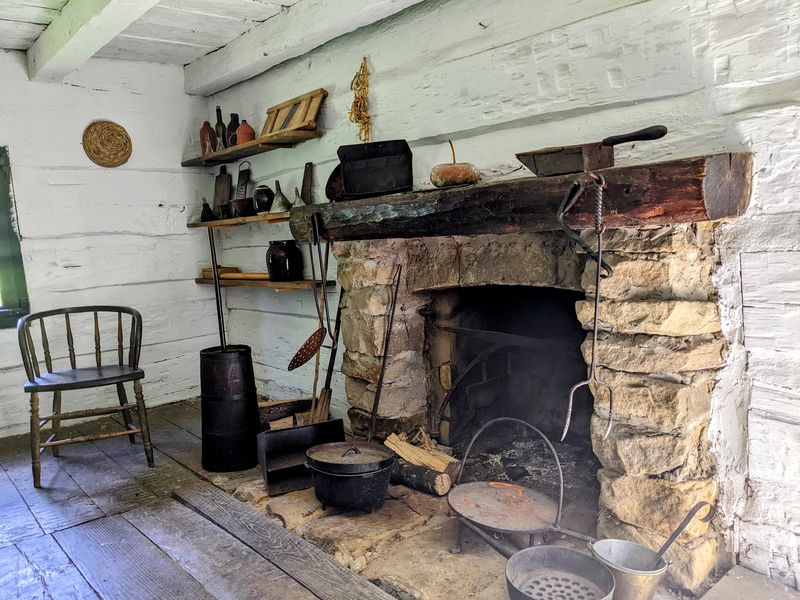
From the outside, the log cabins look simple, but they tell rich stories.
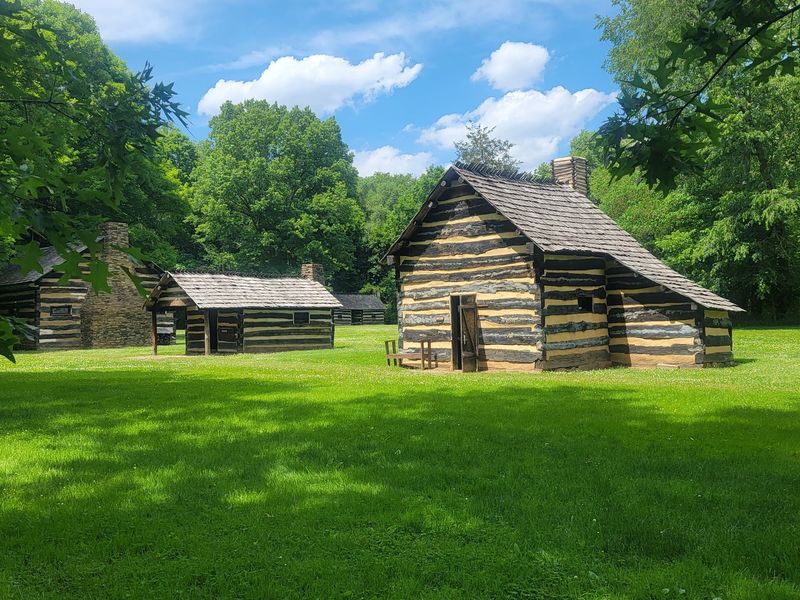
Recreated homes at Schoenbrunn Village help visitors picture how mission families lived in 1772, using hand tools, rough timber, and careful planning.
Stepping inside can make a big historical idea feel suddenly close.
Each cabin shows something about daily routine, from sleeping spaces to cooking areas and handmade furniture.
You may notice how little room people needed and how wisely they used every corner.
That practical design teaches a useful lesson about making do with what you have.
Because many cabins are open to enter, the village feels more hands-on than a typical museum hallway.
Reviews often mention how fun it is to meander from house to house at your own pace.
Families with curious kids should slow down, look closely, and ask staff questions.
Wear comfortable shoes because the walk crosses open grass and paths.
A camera helps too, since the cabins look especially striking against the wide sky and quiet landscape during late afternoon light on clear days.
A Walk That Teaches as You Go
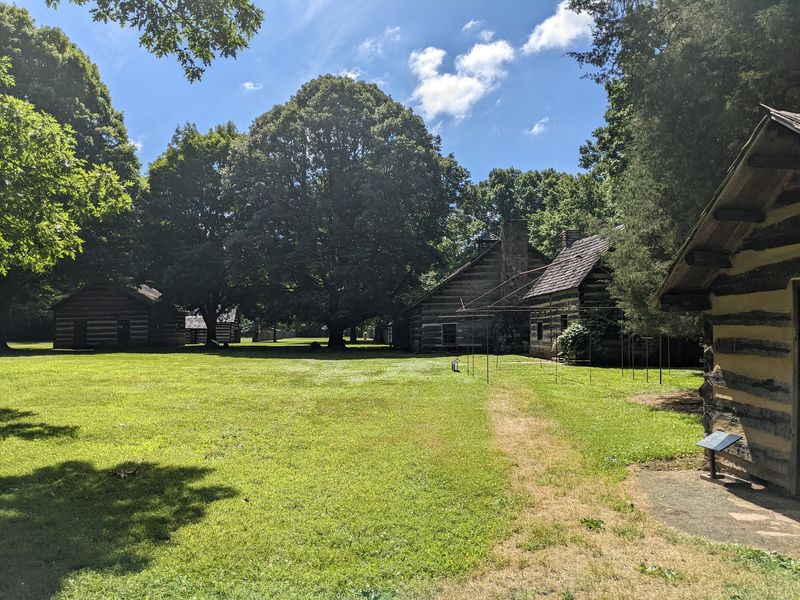
Footsteps become part of the story at Schoenbrunn Village.
The layout encourages a real walk through history, not a quick glance from one room.
Open fields, cabin clusters, and quiet space between buildings give you time to imagine the sounds, chores, and conversations of an early settlement.
Unlike crowded attractions, this place rewards a slower pace.
Pause at each doorway, study the map, and let the village unfold in order.
That simple habit helps kids stay engaged and helps adults notice patterns in how the community was planned.
Many visitors enjoy the self-guided feel, while others prefer asking staff for extra background.
Reviews say the introductory video gives helpful context before you head outside.
Starting there can make the walk smoother because you will recognize names, dates, and key events once you reach the cabins.
Most of the route is easy to follow.
Still, the path includes grassy areas, so prepare for weather and uneven ground.
Water, sunscreen, and a little extra time can turn a simple stop into a memorable afternoon for many first timers easily.
The Museum That Rebuilds the Story
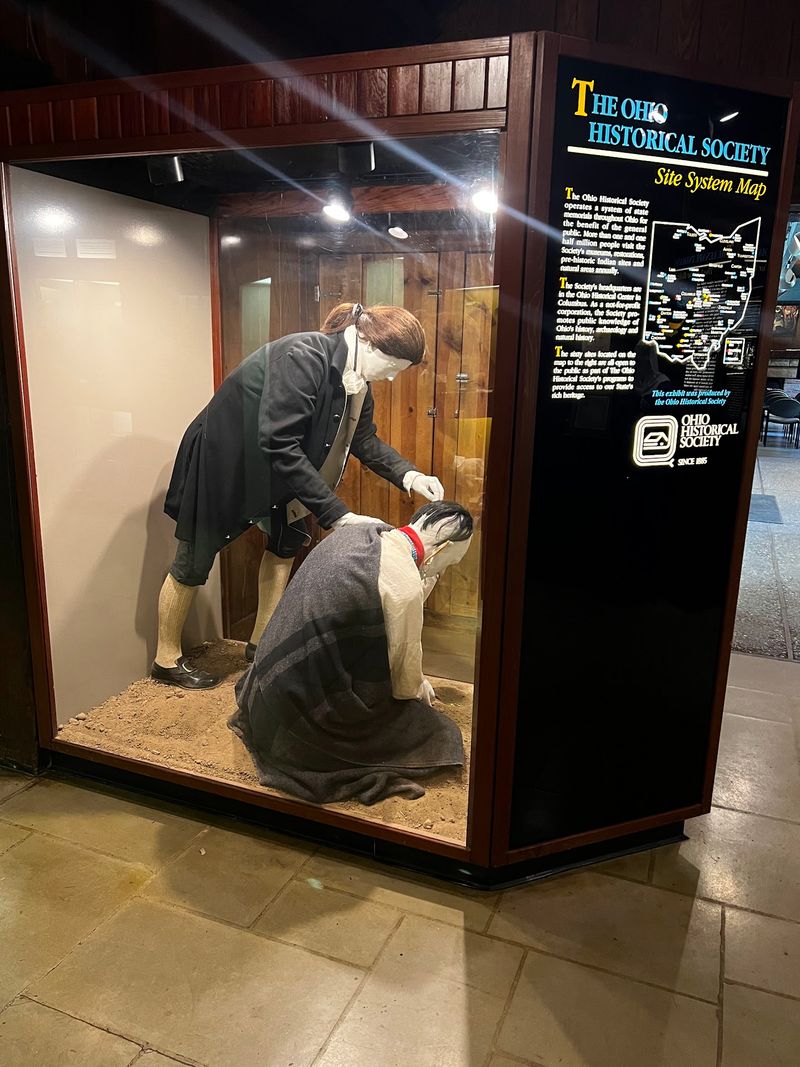
Rain or shine, the museum building adds depth to the outdoor village.
Inside, Schoenbrunn Village offers exhibits, artifacts, and an introductory video that help the cabins make sense.
Visitors often say those first ten minutes give the whole site a stronger heartbeat.
Instead of tossing facts at you, the displays build a clear picture of the people who lived here.
You learn about faith, education, trade, and the meeting of Native and European cultures.
That background makes the outdoor walk feel connected rather than random.
Several reviews mention friendly staff, clean restrooms, and a gift shop that rounds out the visit.
If you are bringing younger kids, start inside so they have a story to follow once they reach the cabins.
Museum stops also offer a nice break on hot, windy, or chilly days.
Check hours before you go, since the site is closed Monday and Tuesday and usually closes at 5 PM.
A quick look at the website can help you catch special programs and seasonal events during summer fall and holiday weekends.
Church and School on the Frontier
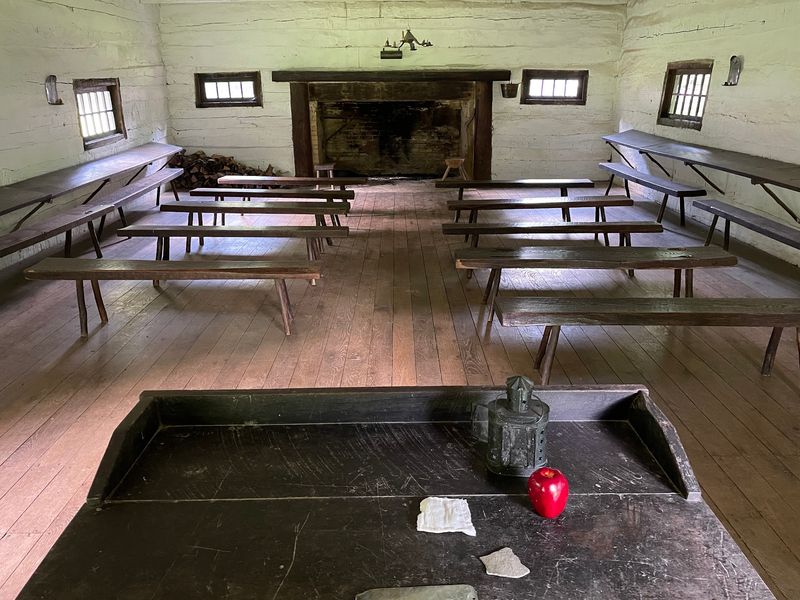
A small frontier village once did something surprisingly forward-looking here.
Schoenbrunn included Ohio’s first church and school, and the story still lands with force when you see the reconstructed buildings.
Learning mattered in this community, and both boys and girls were taught, which stands out even today.
The church helps visitors understand the mission side of the settlement.
The schoolhouse shows that daily life was not only about survival, but also about ideas, rules, and shared values.
Together, those spaces reveal a village that cared about minds as much as meals and shelter.
Families can use these stops to ask smart questions.
What subjects were taught?
How did worship shape community life?
Reviews often mention how guides and reenactors explain the village with warmth, making big history easier for younger visitors to grasp.
Try visiting earlier in the day when energy is high and the grounds feel quiet.
Reading signs carefully and comparing the buildings can turn a quick look into a meaningful lesson about community, fairness, and hope on the early Ohio frontier too.
The Graveyard That Keeps Memory Close
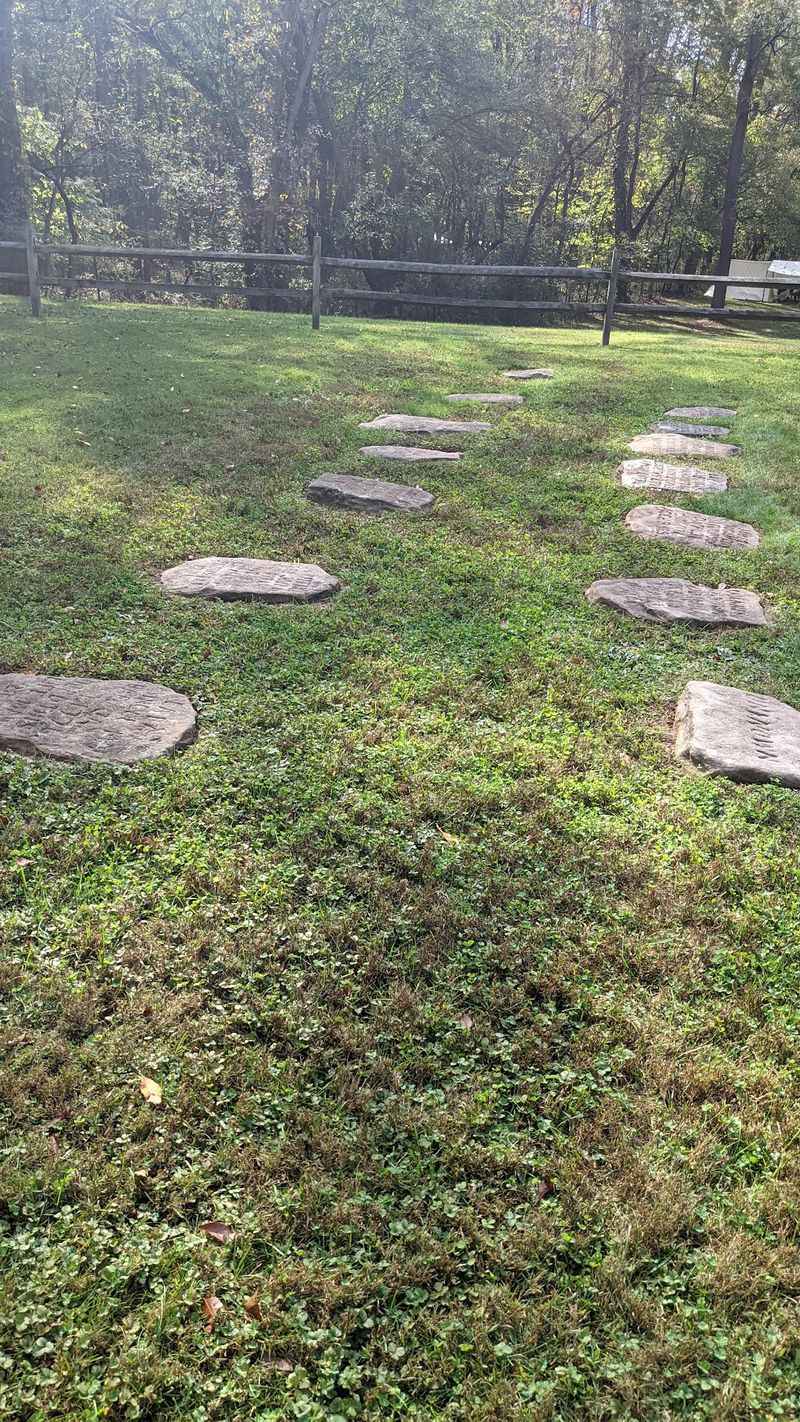
Some of the quietest ground at Schoenbrunn Village may stay with you the longest.
The original graveyard reminds visitors that this was not a pretend town but a real community where people loved, struggled, and mourned.
Even a short stop there can change the tone of your visit.
Old cemeteries ask us to slow down.
Names, dates, and weathered stones turn history into human experience, especially for kids who usually meet the past through pictures alone.
If lettering is hard to read, use the site map and signs to understand what you are seeing.
Many travelers say the cemetery adds a humble feeling to the walk.
It balances the charm of cabins with a deeper truth about illness, danger, and loss on the frontier.
That emotional honesty is one reason the village feels memorable rather than staged.
Keep voices low, stay on marked areas, and treat the space respectfully.
A thoughtful pause here can help visitors appreciate the courage it took to build a settlement in 1772 on land that still feels deeply peaceful today.
Lantern Tours and Living History Nights
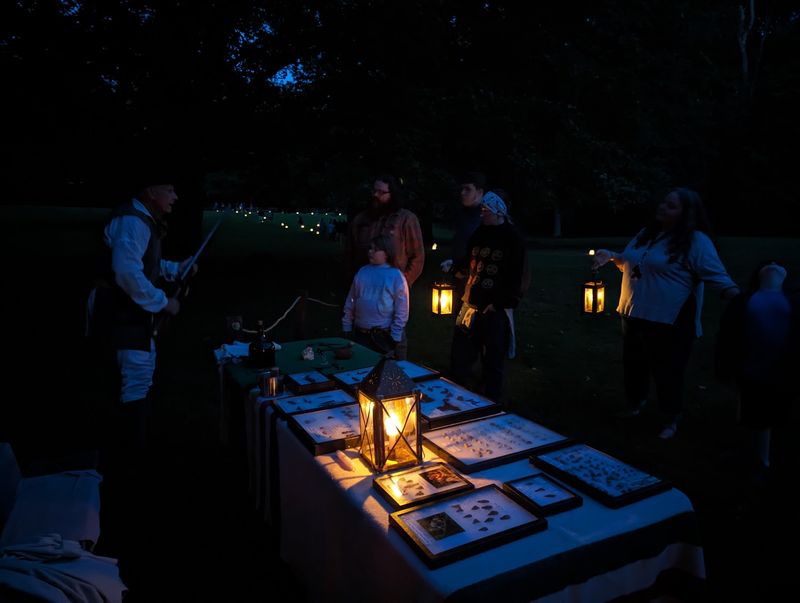
When the sun drops, Schoenbrunn Village can feel almost theatrical.
Special events like lantern tours and living history programs give the site extra energy, letting visitors hear stories, meet reenactors, and picture village life with more color.
Reviews often call these experiences memorable for good reason.
Live interpretation helps details stick.
A person in period clothing describing chores, trade, worship, or cooking can turn scattered facts into a scene your family will actually remember later.
Kids especially respond when history becomes something they can watch, hear, and sometimes even taste.
Event days may also include festivals, demonstrations, or seasonal programs that add variety to a repeat visit.
If you have already walked the village once, coming back for a lantern evening can show the same cabins in a totally different mood.
Check the calendar before driving over.
Because special events can draw a crowd, arrive early and dress for the weather.
Calling ahead or visiting the official website is a smart way to confirm times, tickets, and any updated plans for weekends, holidays, or popular fall nights.
Planning Your Visit to Schoenbrunn Village
Every hidden gem needs a game plan, and Schoenbrunn Village rewards a little preparation.
With a 4.7 star rating from hundreds of reviews, the site has earned strong trust from visitors who like history, quiet scenery, and thoughtful staff.
Planning well helps you enjoy more and rush less.
The museum is generally open Wednesday through Saturday from 10 AM to 5 PM and Sunday from 12 PM to 5 PM.
It is closed Monday and Tuesday, so double-check before heading out.
Calling 330-808-4815 can help if weather or special events make you unsure.
Bring walking shoes, water, and clothes that fit the forecast because much of the experience happens outdoors.
Restrooms, parking, and the visitor center make the stop easier for families.
Some guests mention picnic areas too, which can turn a history outing into a relaxed afternoon.
You will find Schoenbrunn Village at 1984 E High Ave, New Philadelphia, Ohio.
If you love early American stories, give yourself enough time for the video, museum, cabins, and quiet reflection.
A visit here is not flashy, but it is thoughtful, unusual, and well worth making room for on any Ohio trip.