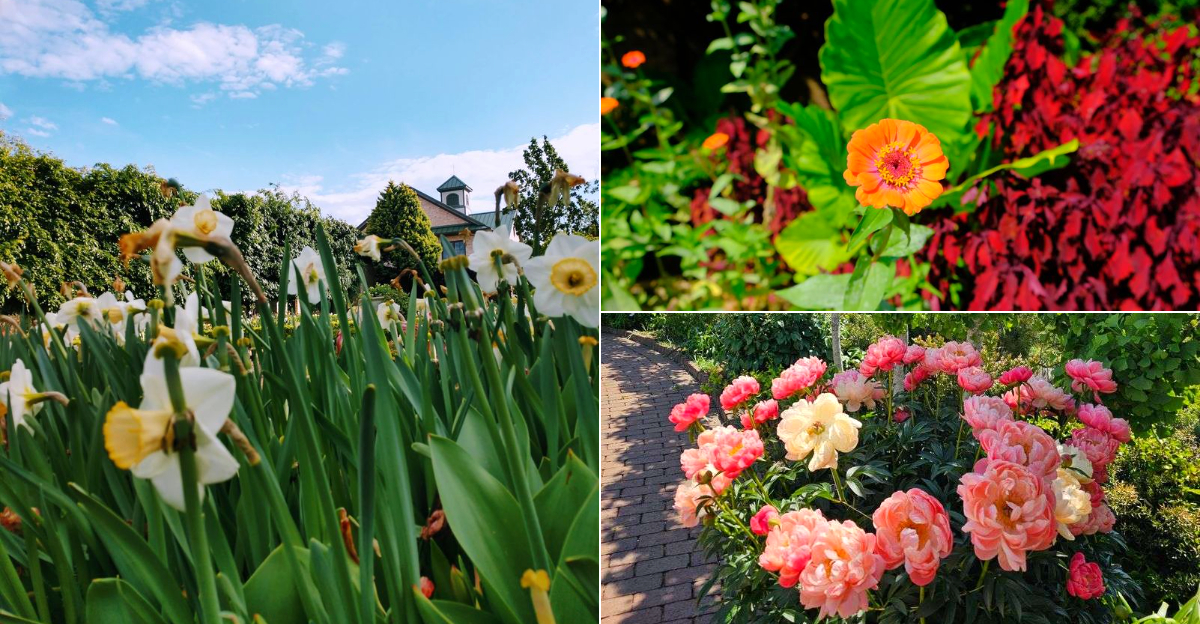
Some botanical gardens aim to impress with sheer scale, but the ones that truly stay with you are the ones that feel curated, intimate, and full of intention.
In the heart of Kernersville, North Carolina, the Paul J Ciener Botanical Garden does exactly that, packing more than 25 distinct garden rooms into just six carefully considered acres.
Each room has its own personality, from sun-drenched perennial borders to shaded woodland retreats, making every turn through the paths feel like entering a new world.
The garden is free to visit and open year-round, which makes it one of the most accessible horticultural gems in the entire Piedmont Triad region.
Whether you visit in spring bloom, summer fullness, or the quiet of autumn, this is a garden that rewards repeated visits.
Small Footprint, Big Sense of Discovery

Big adventures do not always need huge maps, and this garden proves a smaller footprint can still feel layered and exciting from path to path.
Winding walks, tucked benches, and changing views make the grounds seem larger because every turn reveals another scene instead of one long, open stretch ahead.
Visitors who like easy outings can cover the space without rushing, yet plant lovers will still find detail to slow down, look closer, and linger.
That balance matters for families, grandparents, and travelers who want beauty without a tiring trek, especially on warm afternoons when shorter walks feel much nicer.
A compact garden also rewards repeat visits since blooming trees, fresh annuals, and shifting light can make the route feel different from month to month.
People often expect famous gardens to spread for miles, but careful design can create richness through smart borders, framed views, and closely linked spaces nearby.
Bring comfortable shoes, a phone for photos, and a little patience, because the best moments here often appear when you pause instead of hurrying past.
What stays with many guests is the feeling of getting more than expected, which is a lovely surprise in a place that looks modest outside.
More Than 25 Rooms, More Than One Mood
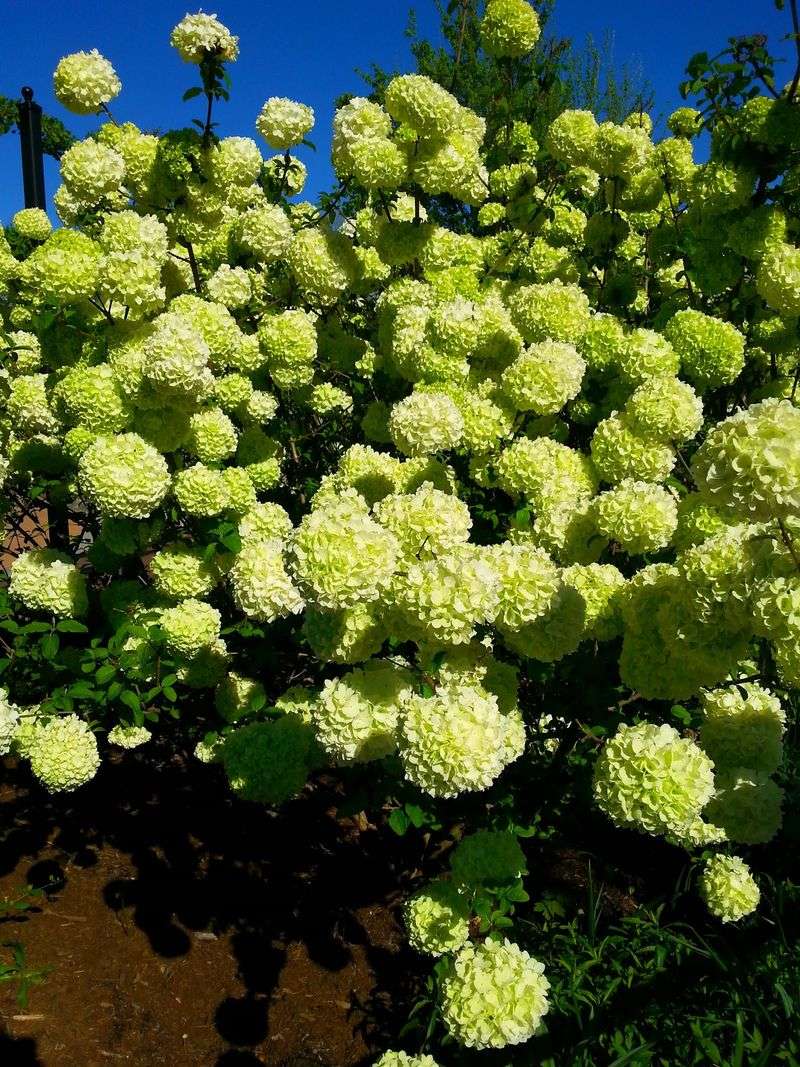
One minute feels formal and tidy, then the next feels loose and playful, which is exactly why the many garden rooms keep attention awake longer.
Instead of blending into a single blur, each area carries its own mood through plant choices, path shapes, water features, textures, and color plans there.
That variety helps beginners notice differences they might miss elsewhere, like how a quiet corner with ferns feels cooler than a bright bed nearby outside.
Kids can treat the layout like a treasure hunt, while adults can compare styles and pick favorite spots for reading, sketching, or peaceful conversation later.
Garden rooms also make photography easier since backgrounds stay organized and each frame feels intentional rather than crowded by too many details all around you.
Because the spaces are linked, you can move between moods quickly and learn how designers use transitions to guide feelings without any spoken explanation there.
Look for labels, edges, and focal points if you want ideas for home landscaping, because small changes often create the biggest shift in character there.
By the end of a visit, the count matters less than the experience of stepping through many outdoor rooms that feel like chapters in spring.
Styled Spaces That Teach by Example
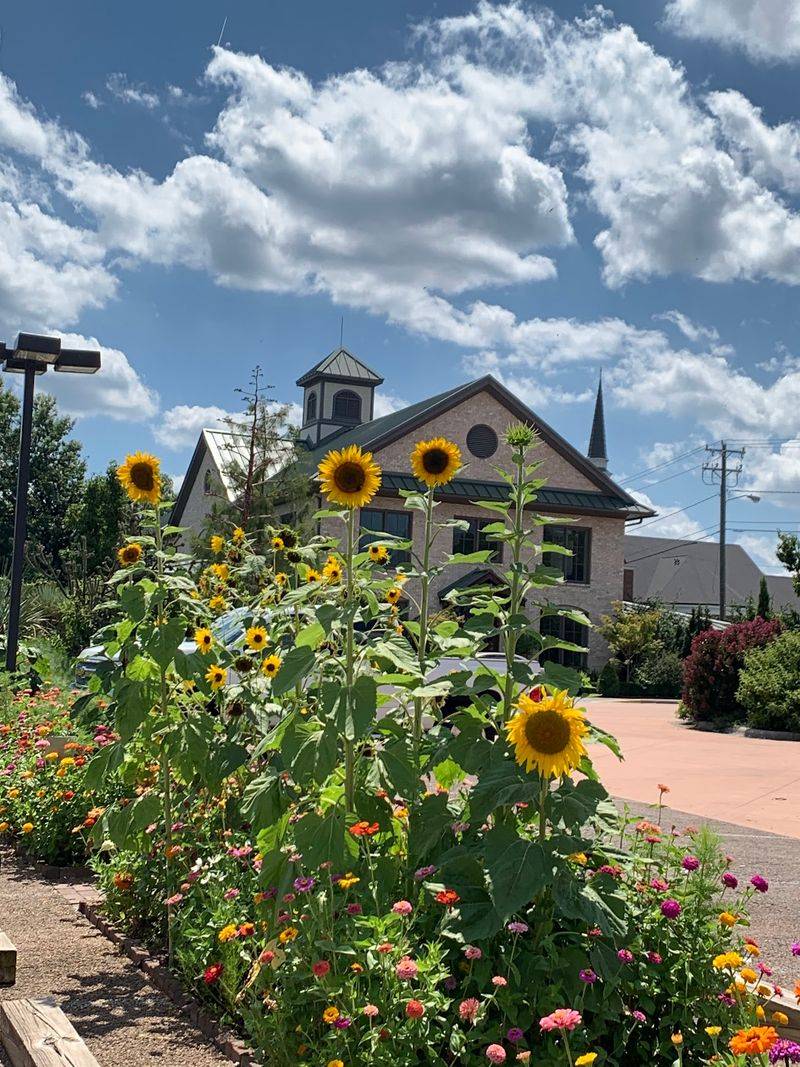
Personality is the secret ingredient here, because the garden does not settle for a single look when it can show many design voices to visitors.
Some spaces feel elegant and balanced, while others lean toward surprise, softness, or drama, giving guests a chance to notice what styles speak most clearly.
That styling is more than decoration, since plant shape, leaf size, and color rhythm can affect mood just like furniture and paint indoors at home.
Anyone planning a yard can borrow ideas without copying everything, perhaps using one bold specimen, one curved path, or one carefully framed seating area outside.
Even people who know little about horticulture can sense the difference between calm order and cheerful abundance, which makes the lessons easy to remember later.
Try taking photos of textures, not just flowers, because bark, stone, hedges, and water often explain a room’s style better than blossoms in person too.
A place with distinct styling invites return trips, since favorite areas may change as seasons shift or as visitors grow into new tastes over time.
Rather than feeling repetitive, the overall effect is lively and memorable, like walking through a magazine where every page offers another outdoor idea to borrow.
A Garden for More Than One Season
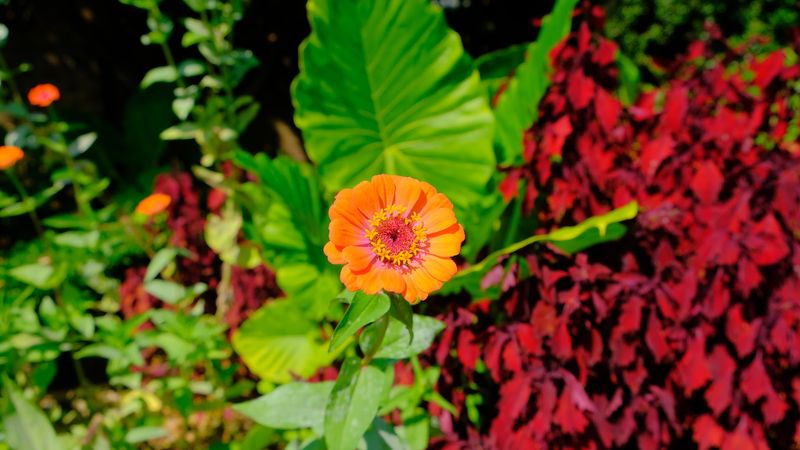
Winter does not empty the experience, because structure, evergreens, bark, and seasonal displays can keep the grounds interesting long after summer petals fade from view.
Spring usually draws flower fans first, yet cooler months have their own charm, especially when fewer crowds make quiet corners feel even calmer to visit.
Holiday events have also brought extra attention, with creative lighted blooms made from recycled plastic showing how gardens can mix art, craft, and plants beautifully.
If you want the fullest color, check bloom calendars or social posts before going, since timing matters for tulips, daffodils, annuals, and roses in particular.
Reviews show that some guests arrive during maintenance periods, so flexible expectations help, especially when gardens are living places that always keep changing with weather.
Photographers may prefer morning light in warm seasons and late afternoon in cooler months, when shadows add shape and temperatures feel easier for slow walks.
Families can use repeat visits as a fun science lesson, comparing leaves, seed heads, and pollinators while seeing how the same beds change through seasons.
The best plan is simple, come curious, bring water, and remember that a garden’s beauty often comes from timing, patience, and returning again for more.
Comforts That Make the Visit Easier
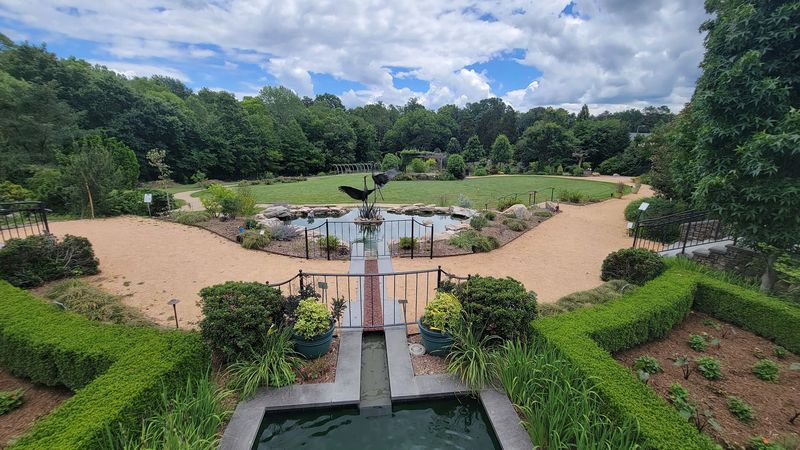
Sometimes the little comforts shape a visit as much as the flowers, and friendly staff can turn a short walk into a warm memory easily.
Clean restrooms, a cool indoor stop, and a gift shop with simple keepsakes matter more than people expect, especially on hot or rainy days there.
Several visitors mention helpful employees, which can make first timers feel welcome when they need directions, seasonal tips, or event information before walking around outside.
The visitor center also gives the property a polished feel, showing that public gardens work best when beauty and practical support grow together for guests.
If you travel with children or older relatives, plan a brief indoor break so everyone can reset before heading out for another loop through beds.
Shoppers who enjoy garden inspired gifts may find postcards, decor, or small souvenirs, and even a quick browse can extend the outing after the walk.
Because the grounds are not huge, support spaces feel especially useful, helping visitors pace the experience instead of treating it like a rushed errand trip.
A well run welcome area quietly tells guests they are valued, and that sense of care can make the whole garden feel brighter from arrival.
Paths, Benches, and Planning Ahead
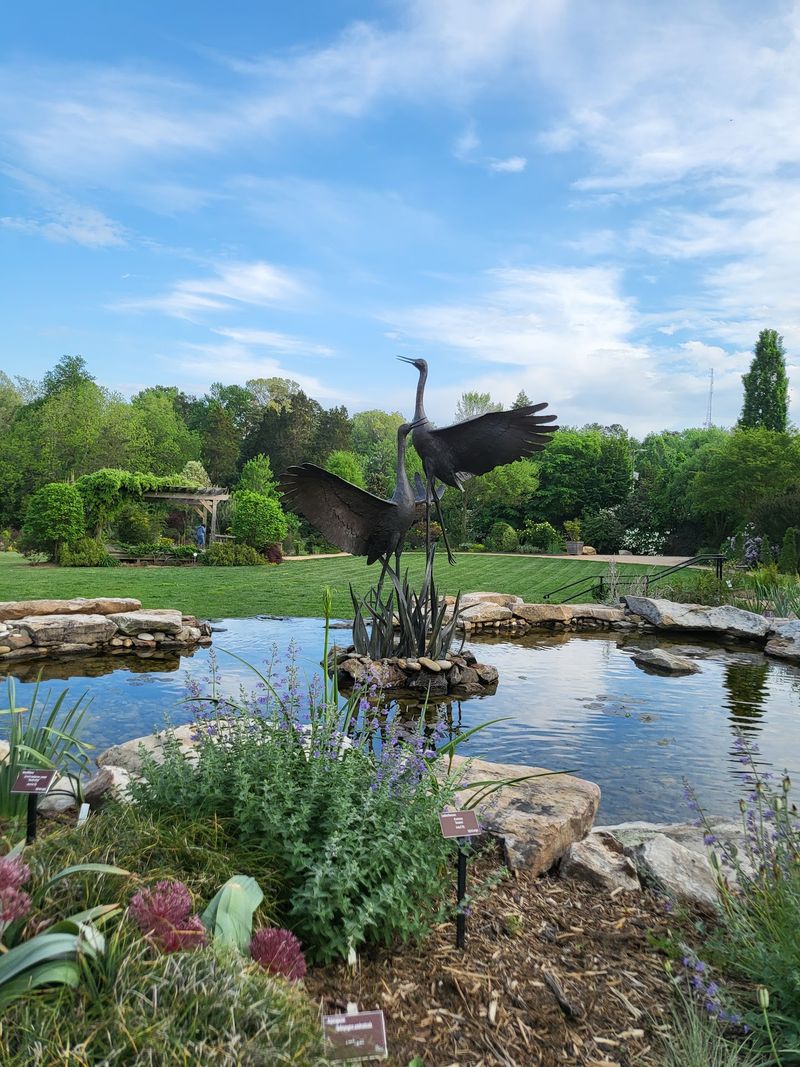
Beauty feels better when more people can enjoy it, so path surfaces and seating matter just as much as rare plants or bright color choices.
Some reviews praise benches and easy parking, while others note cedar chip trails that can be harder for strollers or wheelchairs to manage smoothly there.
That mix suggests a smart plan, enjoy the more accessible zones first, then decide whether uneven areas fit your group and energy for the day.
Anyone visiting with mobility needs should call ahead for current conditions, because maintenance work and seasonal changes can affect routes and entrances quite a bit.
A shorter site can still be rewarding when it offers rest spots, clear sightlines, and enough highlights close together to reduce strain during longer walks.
Families pushing strollers may want to pack lightly and move slowly, especially after rain, when natural surfaces can feel softer or less steady under wheels.
Thoughtful accessibility is not just about ramps, it is about helping every visitor relax enough to notice birdsong, fragrance, and detail along the way too.
Even with a few limitations, planning ahead can turn a good visit into a smoother one, and smoother visits often feel more welcoming for everyone.
A Place for Events, Photos, and Community Life
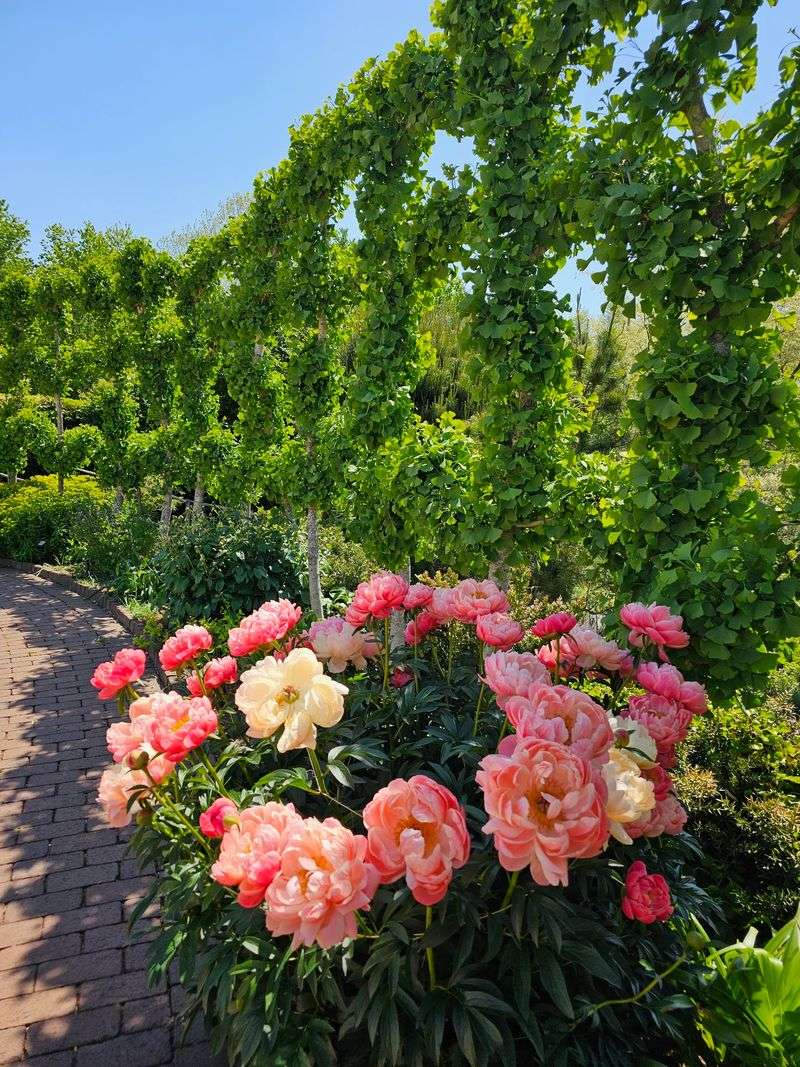
Gardens often shine brightest when people use them, and this one doubles as a backdrop for gatherings, photos, and seasonal community traditions through the year.
Reviews point to weddings, parties, and holiday displays, showing that the grounds can feel festive as well as peaceful on ordinary days for many guests.
That flexibility matters because public gardens survive best when they invite different kinds of visitors, from plant nerds to families seeking photos and fresh air.
Event goers may discover the plant collections by accident, which is a wonderful way to build support for green spaces without formal lessons or pressure.
If you prefer a quieter walk, visit outside major event times and check schedules online so your trip matches the mood you want most today.
Holiday blooms made from recycled bottles add a crafty twist, reminding visitors that botanical spaces can celebrate creativity alongside science and conservation for all ages.
Photographers and event planners may especially appreciate the changing scenes, since styled rooms offer ready made settings without needing long travel for great results today.
When a garden becomes part of local life, it gains stories, and stories help places stay loved, funded, and visited again by neighbors and travelers.
Easy to Reach, Easy to Enjoy
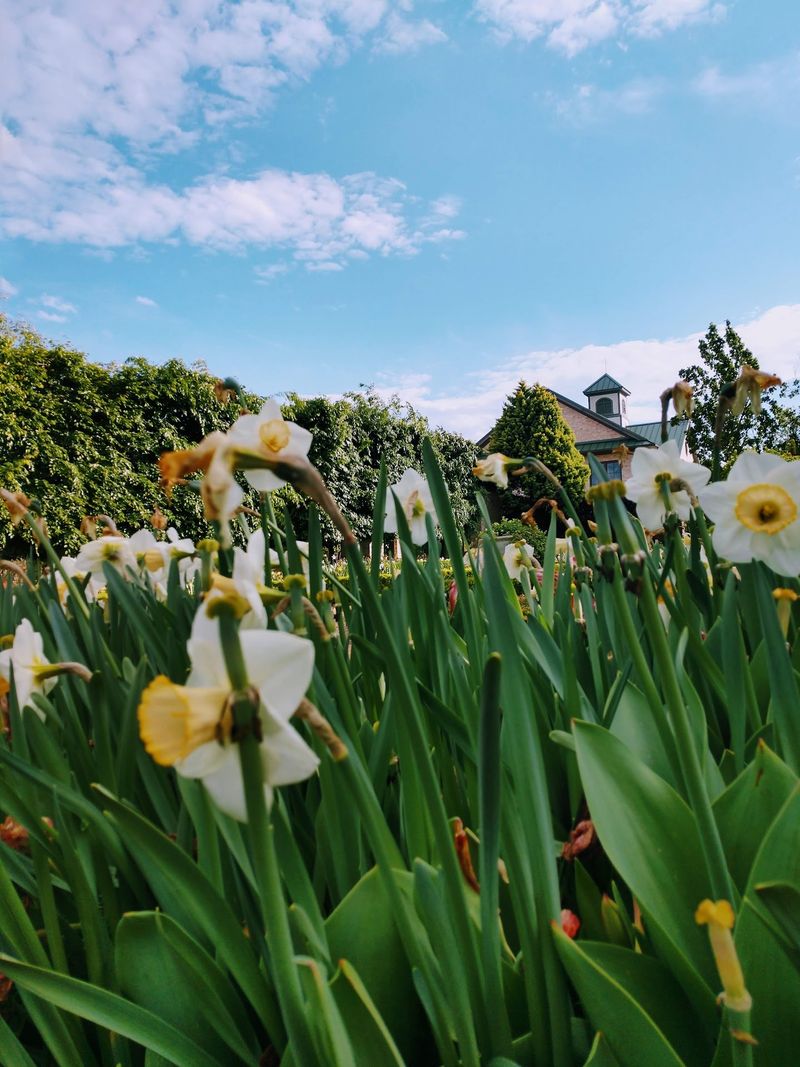
Tucked near downtown streets and everyday errands, a calm green world appears where many people would least expect such careful design to unfold so beautifully.
Paul J Ciener Botanical Garden, 215 S Main St, Kernersville, NC 27284, offers an easy stop for locals, road trippers, and first time garden visitors.
Because it sits close to town activity, the visit can pair nicely with lunch, coffee, or a simple afternoon walk without major planning before arrival.
Drivers usually appreciate the straightforward parking, and people coming off nearby roads may find it easier to fit into busy travel days without stress there.
Admission is often free for regular daytime visits, which makes the garden a friendly choice for budget minded families seeking beauty nearby without spending much.
A quick trip can last thirty minutes, yet slower visitors may want extra time for photos, benches, labels, and small seasonal surprises along the way.
Before you go, check the website or call ahead for hours, events, and current conditions, especially if restrooms or shop access matter that particular day.
For many guests, the charm comes from convenience meeting beauty, proving a manageable stop can still deliver inspiration, calm, and memorable color for your day.