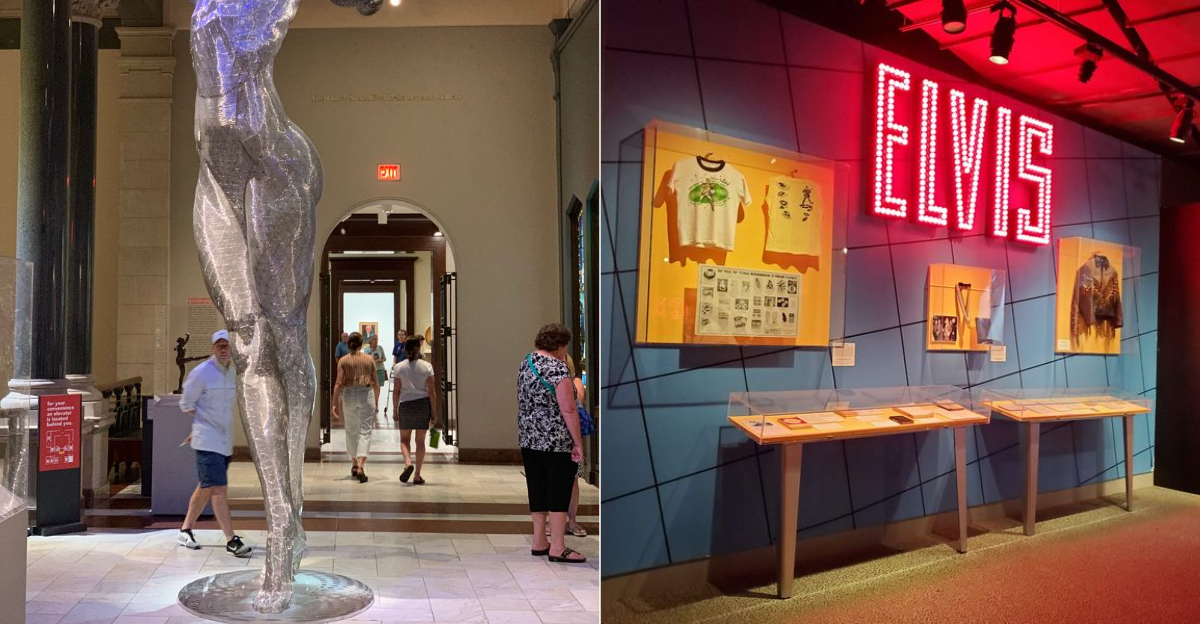
You can walk into an Ohio museum in the morning and still find yourself discovering new rooms when the afternoon arrives. One gallery might put you face-to-face with a masterpiece, while the next could bring you beneath the wings of a historic aircraft, into a world of science, or deep into Ohio’s past.
The biggest museums in Ohio make that kind of day possible. Their expansive collections and varied exhibits give families, curious kids, and lifelong learners plenty to explore without feeling like they’ve seen everything in a single visit.
You can linger over a favorite display, follow a fascinating story, or simply wander until something unexpected catches your eye.
That variety is what makes these museums worth returning to, even after you’ve been there before. From art and aviation to science, music, and history, here are 10 of Ohio’s biggest museums to put on your list.
The Cleveland Museum of Art
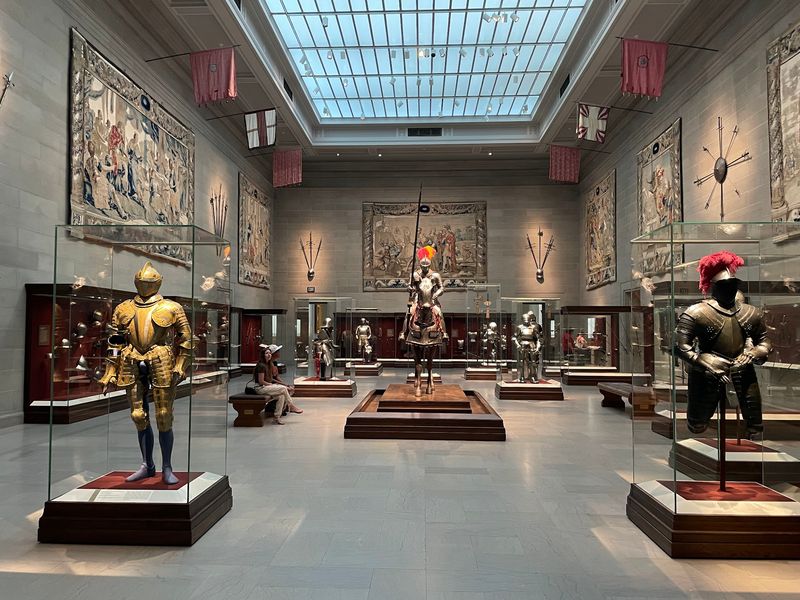
Quiet footsteps, high ceilings, and rooms that seem to keep going set the mood before you even choose a direction. A visit here feels less like checking off exhibits and more like wandering through many centuries at your own pace.
Later, you realize you are inside The Cleveland Museum of Art, one of the state’s true giants. Ancient Egyptian pieces, bright Asian art, and famous European paintings all share the same campus, which makes every turn feel different from the last.
Because general admission is free, there is less pressure to race through everything in one day. You can pause in front of armor, then head outside to Wade Lagoon, or stop for lunch at the museum cafe before returning to modern galleries.
That easy rhythm is part of the charm. One trip can be about masterpieces, while the next can focus on a single wing you missed completely.
Toledo Museum of Art
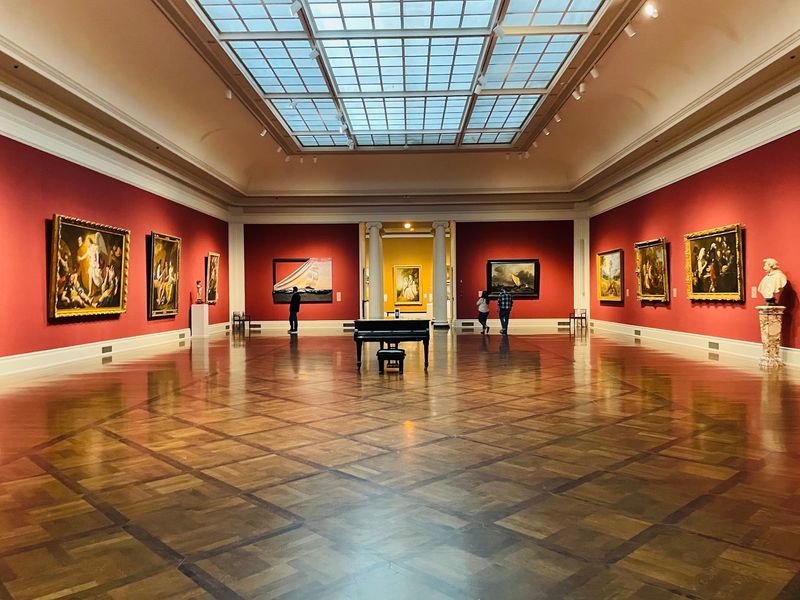
Light behaves differently here. It glows through glass, bounces off marble, and makes even a short hallway feel dramatic, which is part of the fun from the moment you arrive on the museum campus.
Only after a few minutes does the full scale of the Toledo Museum of Art really sink in. The main building offers painting, sculpture, and decorative arts, while the Glass Pavilion adds another whole experience with shimmering works that feel almost alive.
Families often like that the visit can shift moods during the day. One hour might be spent studying bold colors in a quiet gallery, and the next might include watching glass art or grabbing a snack before heading back out.
That variety makes repeat visits easy to imagine. You are not seeing just one museum in a simple, straight line, but a place with different textures, buildings, and surprises waiting on another afternoon.
National Museum of the U.S. Air Force

Few places make people tilt their heads back this often. Giant aircraft hang overhead, long hangars stretch into the distance, and the scale alone can make you stop talking for a second.
That feeling hits hard at the National Museum of the U.S. Air Force in Dayton.
Early military planes, Cold War machines, and modern aircraft line enormous galleries, creating the kind of museum day where comfortable shoes suddenly feel like an excellent decision.
Kids usually lock onto the biggest planes first, while adults linger over the stories behind them. Signs, uniforms, and historic details help explain how flight changed over time, and each section has its own pace and atmosphere.
Because there is so much ground to cover, no one really sees it all in one pass. A return trip lets you slow down, notice details in the restoration work, and spend extra time with the aircraft that stayed in your mind.
Cleveland Museum of Natural History
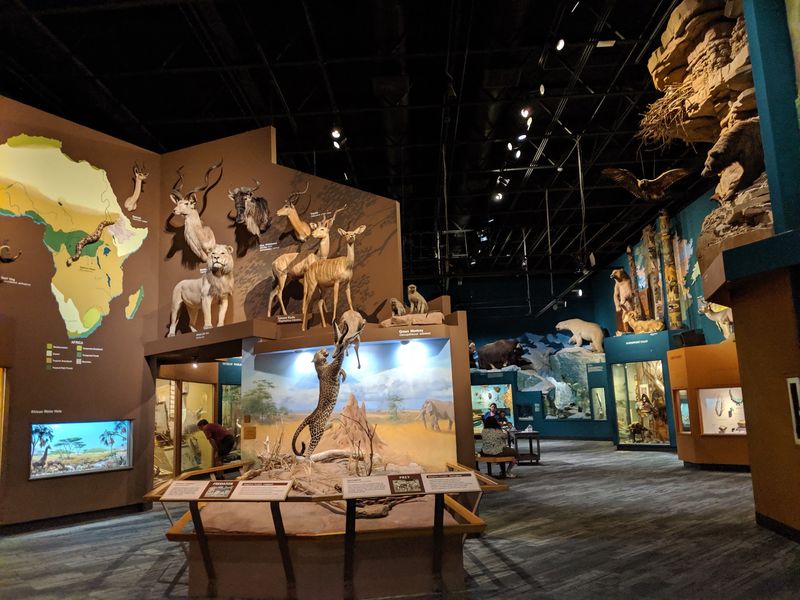
Sometimes a museum visit starts with a simple plan and turns into hours of looking up, reading signs, and circling back for one more display. Natural history has that effect, especially when the building itself feels fresh and full of motion.
In Cleveland, the Cleveland Museum of Natural History now spreads across dramatically expanded spaces that make the experience feel bigger at every step. Dinosaurs, Ohio wildlife, earth science, and astronomy all share the spotlight, so the day never gets stuck in one subject.
One family member might head straight for fossils, while another wants the planetarium first. Outdoor visitor areas also give everyone a chance to reset between galleries, which helps on longer visits with younger kids.
That mix of indoor wonder and open space is useful when planning a return. You can focus on prehistoric life one time, then come back later for stars, ecosystems, and the corners you rushed past earlier.
Cincinnati Museum Center
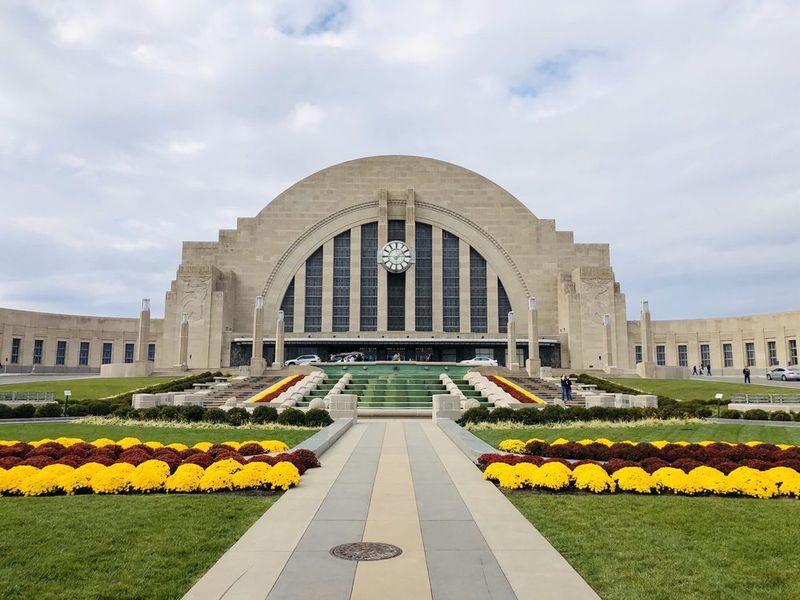
The building alone can stop you in your tracks. With its huge Art Deco design, sweeping spaces, and famous rotunda, it feels like stepping into a train station from another era and then discovering an entire world inside.
That world is the Cincinnati Museum Center at Union Terminal, where several museum experiences live under one roof. History, science, and children’s learning all share the same landmark, so each part of the day can feel like a new trip.
Parents often appreciate how easy it is to split time based on age and interest. One group can explore hands-on exhibits while another studies local history, then everyone can meet up again without leaving the complex.
It is the kind of place that works differently every time you visit. Some trips are about the architecture and big public spaces, while others are shaped by one exhibit, one child, or one rainy afternoon in Cincinnati.
Center of Science and Industry
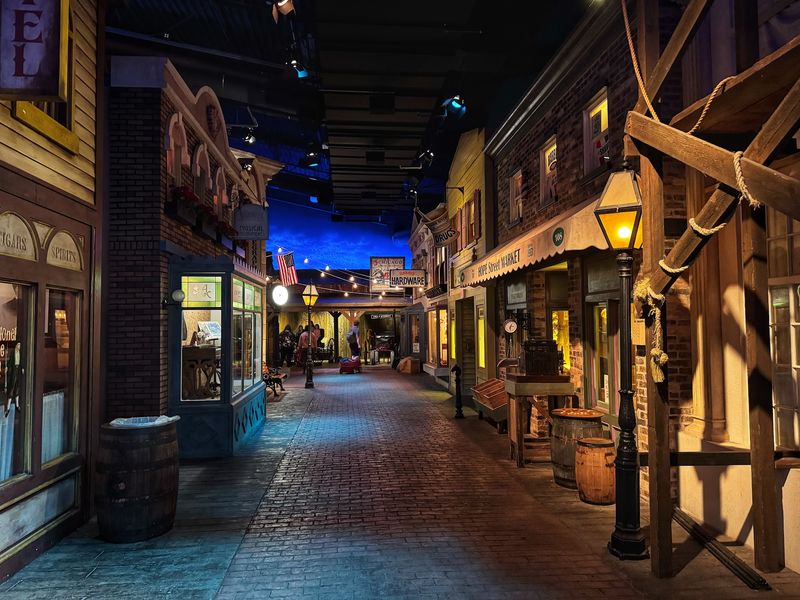
Buttons to press, experiments to try, and rooms filled with motion give this place a lively energy right away. Instead of standing back and looking, visitors are pulled into the action almost as soon as they walk through the doors.
That spirit defines COSI in Columbus, one of Ohio’s biggest hands-on museums. Science, space, technology, and the human body all appear in ways that feel playful without losing the learning, which is why adults often get just as involved as kids.
A full day can move fast here. You might spend the morning building, testing, or solving things, break for lunch downtown, then return for another round because one gallery leads naturally into the next.
Repeat visits make sense because interactive museums change with the people exploring them. A child who loved gadgets one year may care more about biology later, and the museum still has enough range to feel exciting all over again.
Columbus Museum of Art

Some museums feel best when you slow your breathing and let your eyes adjust. Color, texture, and quiet space take over little by little, which makes the visit feel calm even when the galleries are full.
That mood fits the Columbus Museum of Art, where older works and newer ideas sit comfortably together. The Ross Building and the Margaret M.
Walter Wing give the museum different personalities, so moving through the collection feels varied instead of uniform.
One room may offer classic European paintings, while another brings in modern energy and fresh shapes. If you need a break, the cafe and nearby green spaces help turn the visit into an easy afternoon rather than a rushed checklist.
Because the collection spans so much time and style, return visits tend to reveal something new. A piece you barely noticed before can become your favorite simply because you had more time to stand still and look.
Rock & Roll Hall of Fame
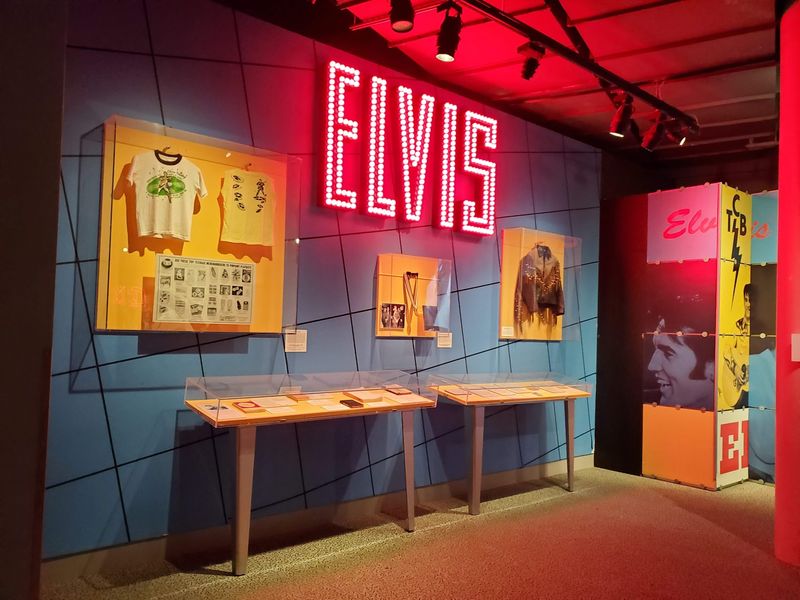
You can almost hear the soundtrack before entering. Bright displays, stage outfits, handwritten notes, and famous instruments create the feeling that music history is not locked away at all, but still buzzing around the room.
In Cleveland, the Rock and Roll Hall of Fame uses that energy well. Its lakefront building holds exhibits on artists, recordings, fashion, and cultural change, making the museum feel bigger than a simple collection of celebrity memorabilia.
One visitor may head straight for iconic guitars, while another spends extra time with video clips and stories about how songs shaped entire decades. The views near Lake Erie also give the day a strong sense of place beyond the galleries.
People return because music is personal, and no two trips feel the same. One visit might revolve around a favorite band, while the next opens up a whole new section of artists, eras, and sounds you were not expecting.
Cincinnati Art Museum
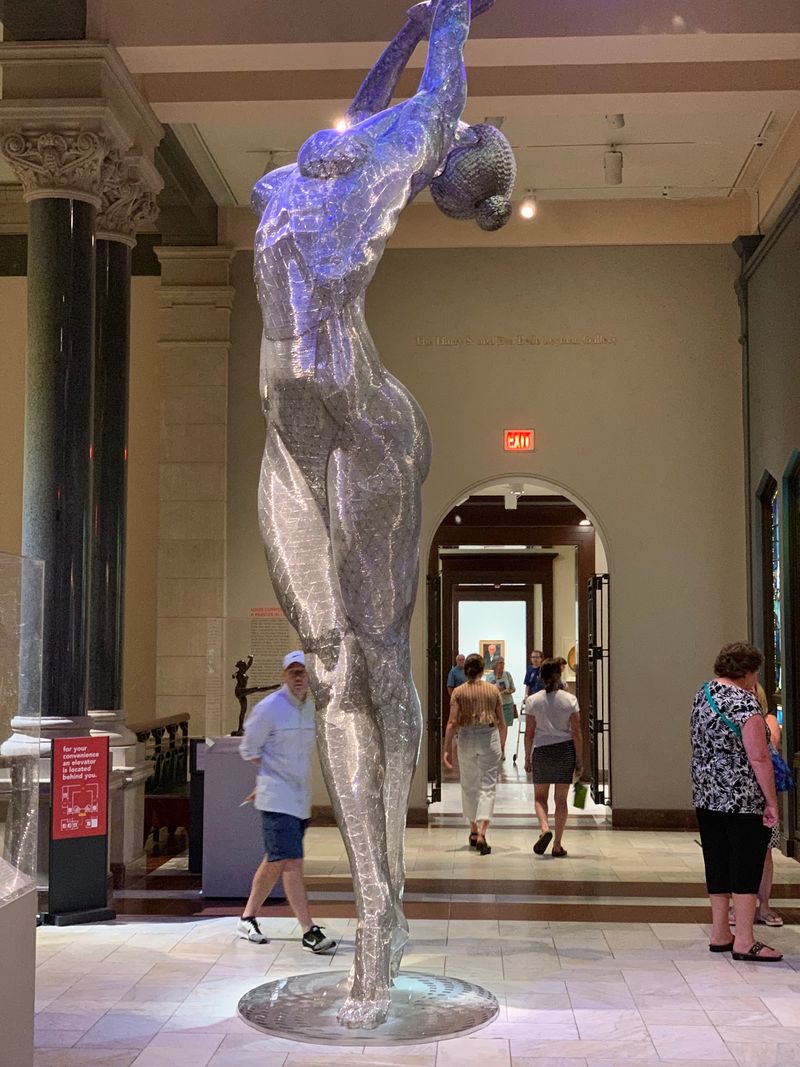
Set near the green hills of Eden Park, this museum feels gracious before you even enter. The approach is calm, the building has real presence, and the setting gives the day a softer pace than a busy downtown attraction.
Inside the Cincinnati Art Museum, that calm opens into a collection with remarkable range. Art from thousands of years sits across galleries that can take you from ancient objects to bold modern works in the span of one visit.
Free general admission makes it easier to explore without pressure. You can spend an hour with one section, take in the park views outside, and then return for another wing when your attention feels fresh again.
That freedom is part of why the museum stays memorable. Instead of trying to conquer everything at once, visitors can build a relationship with the place over time, discovering different rooms, artists, and moods each time they come back.
The Dayton Art Institute
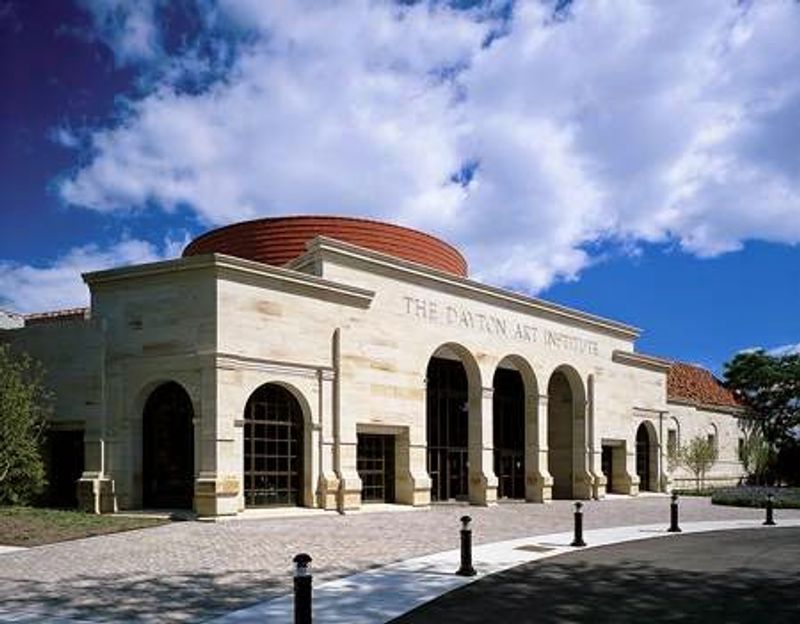
Perched above the city with a stately building and broad steps, this museum has a classic kind of drama. Even before seeing a single artwork, you get the sense that the visit is meant to feel special and a little timeless.
Once inside The Dayton Art Institute, the size of the collection becomes the real story. More than 28,000 works span thousands of years, moving through African, Asian, American, European, ancient, and contemporary art with steady confidence.
Because the museum mixes a landmark setting with so much variety, it works for different moods. Some days call for careful looking in quiet galleries, while other visits are more about the building itself and the city views outside.
That balance keeps people coming back. You may remember one striking object from a first trip, then return later and realize entire sections barely registered because there was simply too much to absorb in one afternoon.