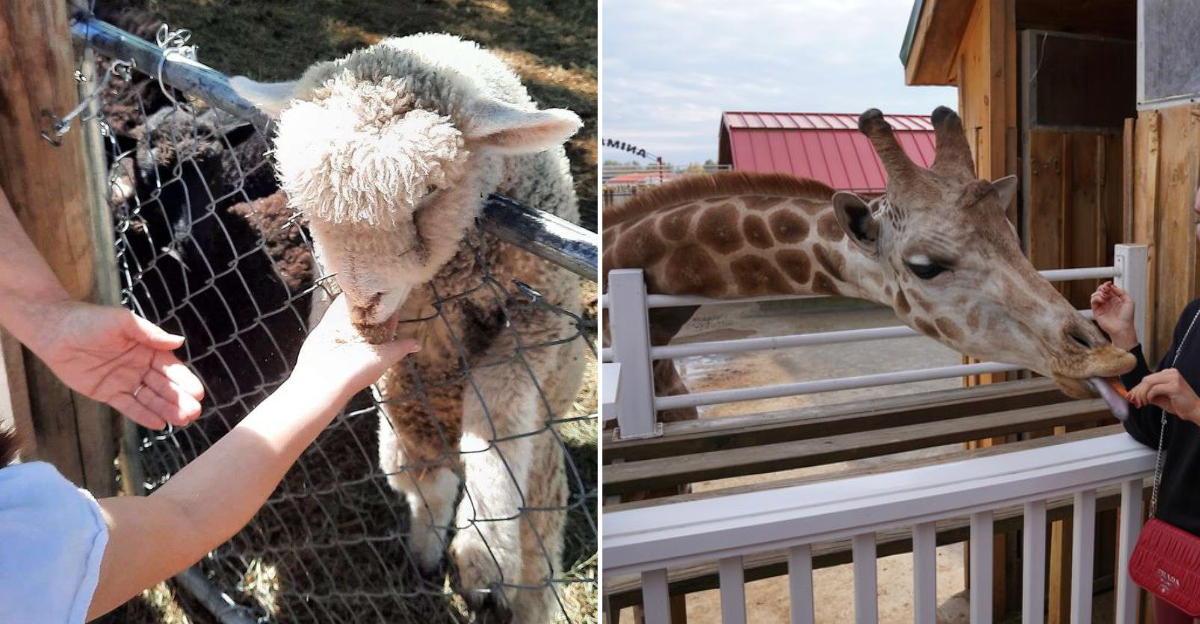
A goat tugging gently at your sleeve for another treat can teach you something no classroom quite can. Around New York, animal farms and sanctuaries invite visitors to get close to friendly creatures, offering moments when learning becomes hands-on, curious, and surprisingly personal.
You might feel a soft muzzle reach for a handful of feed, watch a rescued animal settle into a quiet corner, or listen as a keeper explains how an animal came to the sanctuary and what it needs to thrive. Some New York farms are lively places filled with families and eager animals, while sanctuaries offer a more reflective look at rescue, care, and rehabilitation.
These visits make wonderful outings because the memories come from doing, not simply looking. From playful encounters to meaningful lessons about animal welfare, these 12 New York farms and sanctuaries offer plenty to discover.
Animal Farm Petting Zoo
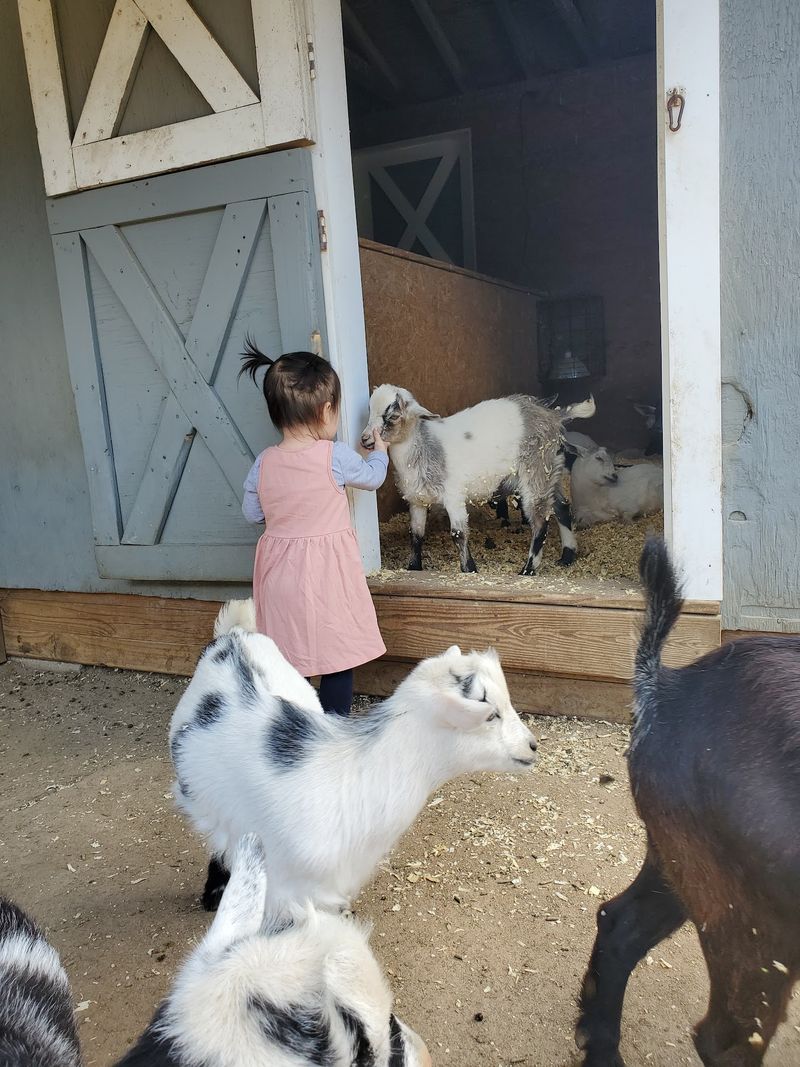
The first thing you notice is the happy noise: goats bleating, kids laughing, and feed cups rattling like tiny drums. A visit here feels active right away, because animals lean over fences with the kind of confidence that says they know snacks are coming.
At Animal Farm Petting Zoo in Manorville, many of the residents are rescues, which gives the experience a little more heart. Visitors can hand-feed animals with approved feed, and younger guests often remember the bottle-feeding station for baby pigs, goats, or sheep.
Staff members explain why outside food is not allowed and how different animals need different diets.
Between the pony rides, shaded paths, and close-up encounters, the day moves easily without feeling rushed. It is the kind of place where fun and animal care sit side by side, and kids leave knowing a little more than when they arrived.
White Post Farms of Melville
Bright colors seem to pop everywhere here, from the feed buckets to the bird feathers to the painted farm signs. The whole place carries that cheerful fair-day feeling, only with more animal noses reaching toward your hands.
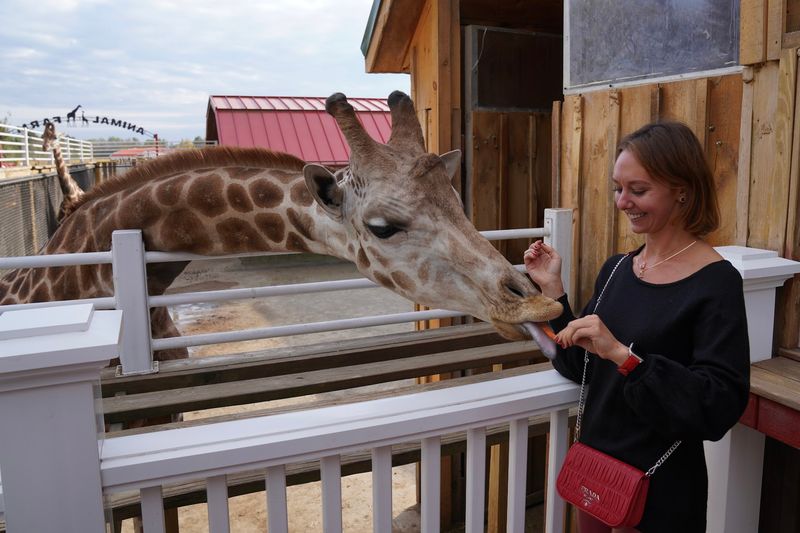
White Post Farms in Melville turns feeding time into a full outing instead of a quick stop. Guests can meet goats and sheep in the petting areas, then wander toward aviaries where birds add even more motion and sound.
Some families plan ahead for the giraffe experience, which gives the visit a surprising twist that feels very different from a standard farm day.
There is a lot to look at, so comfortable shoes help, especially if you want to see everything without rushing. What stands out most is how many ways the farm invites curiosity, whether a child is asking why a goat’s eyes look unusual or watching how different animals eat in different ways.
Muscoot Farm
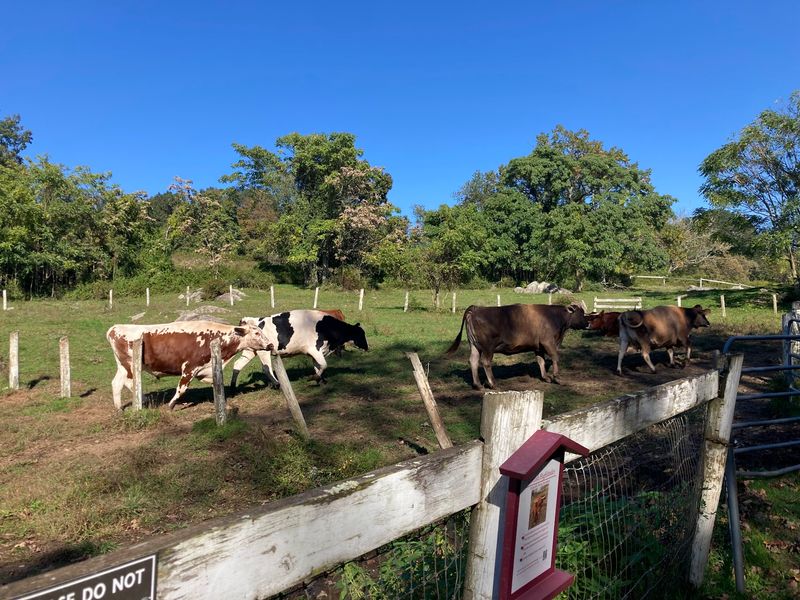
Morning air feels cooler on a real working farm, and that changes the whole experience. Instead of only watching from a path, visitors get a better sense of the rhythm behind the barns, fences, and fields.
Muscoot Farm in Katonah spreads across a wide landscape with historic buildings, livestock, and trails that make the property feel more like a small world than a simple attraction. The best learning happens during programs like Morning Farm Chores, where participants help feed animals and hear how their diets, bedding, and daily care are managed.
Seeing the work up close makes the animals feel less like characters and more like living creatures with routines.
There is also room here to slow down after the hands-on part. A walk past the Farm Museum or through the open acreage gives families time to connect what they learned with what farm life used to look like, and still does in some ways today.
Benner’s Farm
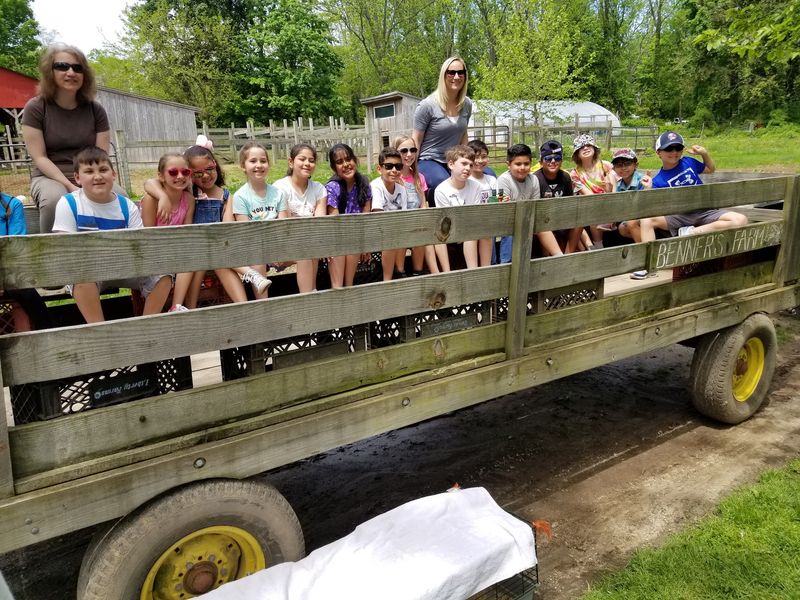
Old barns and uneven paths can make a farm feel more memorable than polished walkways ever could. There is a lived-in quality here that reminds visitors agriculture is not just an exhibit, but a way of life built from chores, seasons, and patience.
Benner’s Farm in Setauket has that earthy, traditional feel, with barnyard animals and a setting that feels tied to Long Island’s older farming story. Instead of overwhelming visitors with too much, it offers a smaller-scale experience where kids can pay attention to simple things, like the texture of hay, the sound of chickens scratching, or the smell of feed near the pens.
That closeness often leads to better questions and better learning.
Planning ahead is smart, since activity options can shift with the season or event calendar. Families who enjoy places with character, not just entertainment, may find this farm especially rewarding because it gives animal encounters a more grounded and everyday feeling.
Green Meadows Farm New York
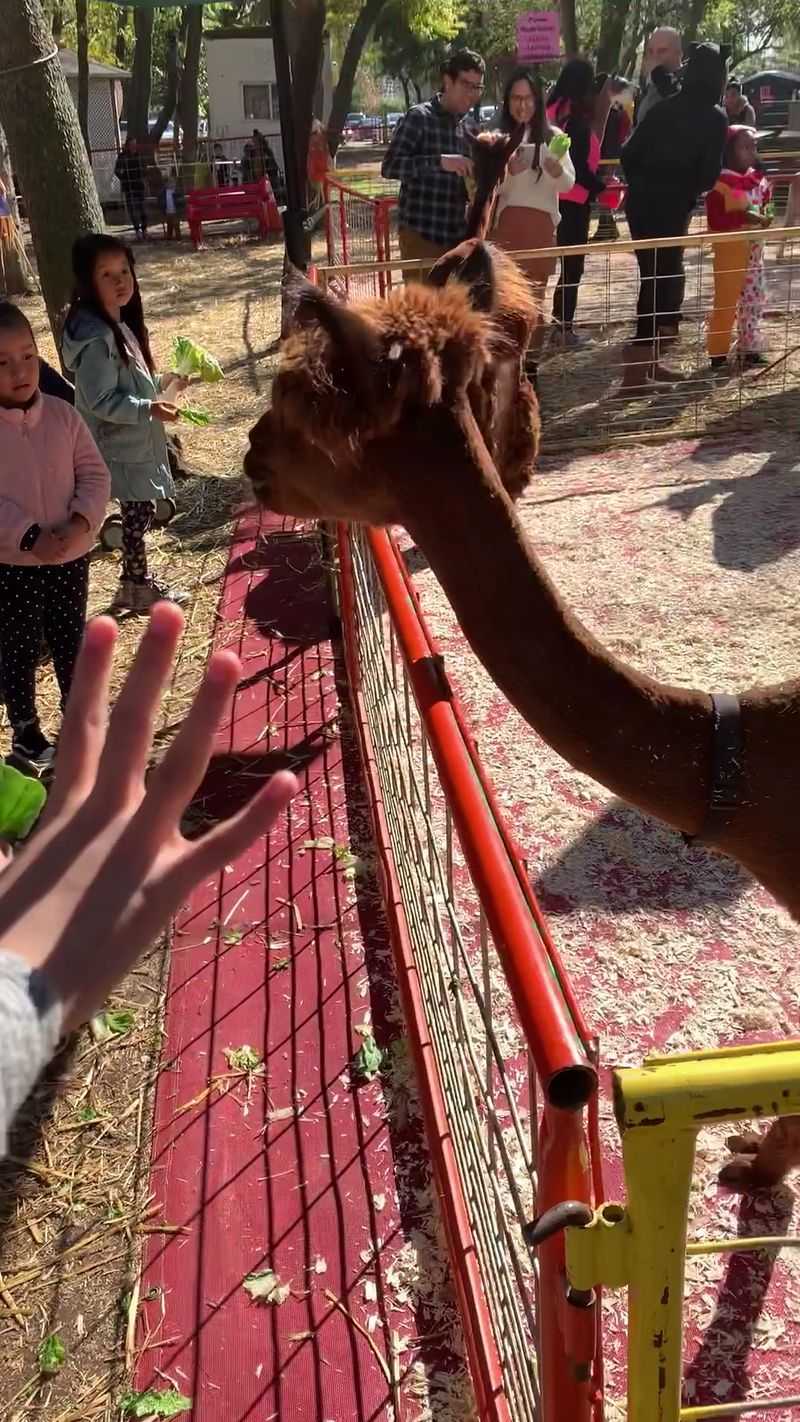
It feels a little strange, in the best possible way, to find a farm mood tucked into the city. One minute there is traffic and neighborhood bustle, and the next there are hoofbeats, straw, and children reaching out with feed.
Green Meadows Farm in Bayside gives New Yorkers a chance to have an animal-centered outing without driving far into the countryside. That contrast is part of its charm.
Families can meet farm animals up close and enjoy the rare pleasure of seeing kids trade screens and sidewalks for hay bales and curious noses. The setting also opens up useful conversations about where food comes from and how animals are raised and cared for.
Because it is in the city, the visit feels easy to fit into a regular weekend. For children who have never spent much time around livestock, that first close look can be surprisingly memorable, especially when they realize farms are not just distant places on school posters.
Frederick Farm Goat Rescue and Sanctuary
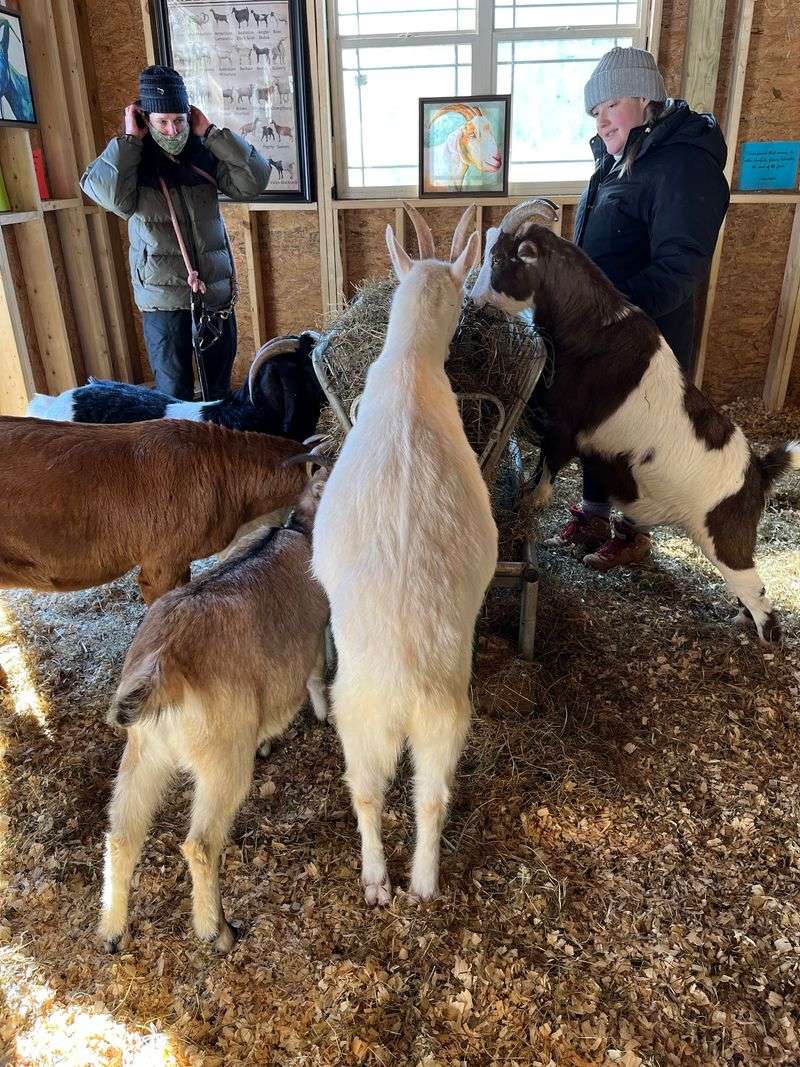
Some goats race over with comic energy, while others hang back and study you first. That mix of mischief and sweetness gives the visit a very personal feel, especially when each animal seems to arrive with a different mood and story.
Frederick Farm Goat Rescue and Sanctuary in Napanoch focuses on rescued goats, and that mission shapes the whole experience. Guests can feed favorite treats, offer scratches, and learn why certain goats ended up needing a new home.
On some visits, the herd joins a walk across the property, turning a simple meet-and-greet into something more like shared company on a quiet hillside.
Listening to each goat’s background changes the way children see farm animals. They stop being a group and become individuals with habits, quirks, and needs.
The mountain setting adds calm, and the learning comes naturally, almost by accident, because care, rescue, and respect are built into every part of the visit.
West Maple Farm
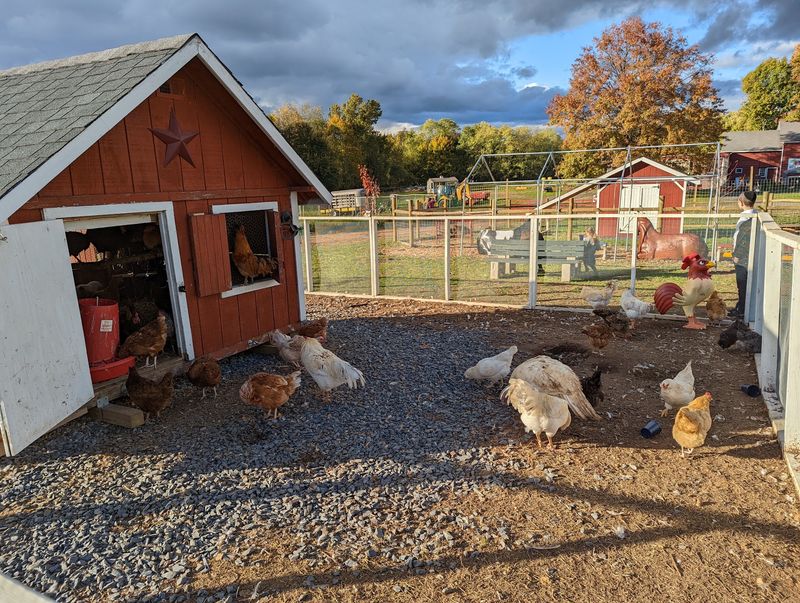
Not every farm visit needs to feel rough around the edges. Sometimes it is nice to have a tidy place where animals, learning, and family activities fit together in a way that feels easy to follow.
West Maple Farm in Monsey offers a petting zoo with a wide mix of animals, including alpacas, cows, goats, sheep, donkeys, rabbits, and even peacocks adding flashes of color. Feed is available as an add-on, and the educational signs help children connect the fun of feeding with simple facts about what each animal is like.
That balance keeps the outing lively without losing its learning value.
If your group likes variety, the extra activities matter here. A guided hayride changes the pace, and the honeybee tour adds another layer for curious kids who want more than animal encounters.
By the end, the day feels broad and satisfying, with plenty of chances to notice something unexpected.
Animal Interactions
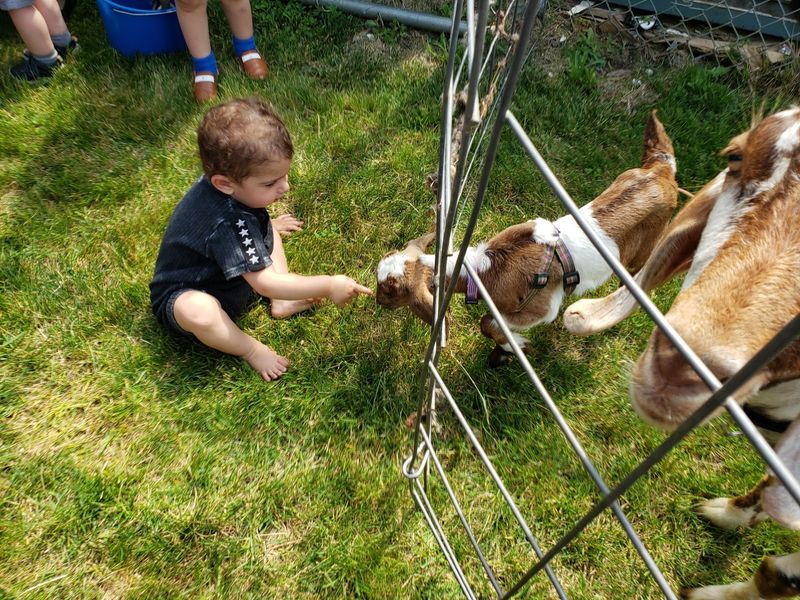
Small groups can change everything. Without crowds pushing past, people pay more attention to the sounds, textures, and little moments, like a sheep leaning into a brush or a goat trying to inspect your shoelaces.
Animal Interactions in West Nyack is built around that kind of close, guided experience. Tours are by appointment, which helps the visit feel personal rather than rushed.
Guests may pet, feed, brush, and sometimes hold a range of animals, from barnyard favorites to reptiles and unusual species. Going into designated enclosures makes the learning feel immediate, because you are inside the space instead of looking from the edge.
The goat yoga option adds a playful side, but the deeper value is educational. Children often remember the facts better when they are learned through touch and laughter.
For families who want conversation, not just sightseeing, this place offers a focused experience with real human guidance at the center.
Buffalo Bend Animal Sanctuary
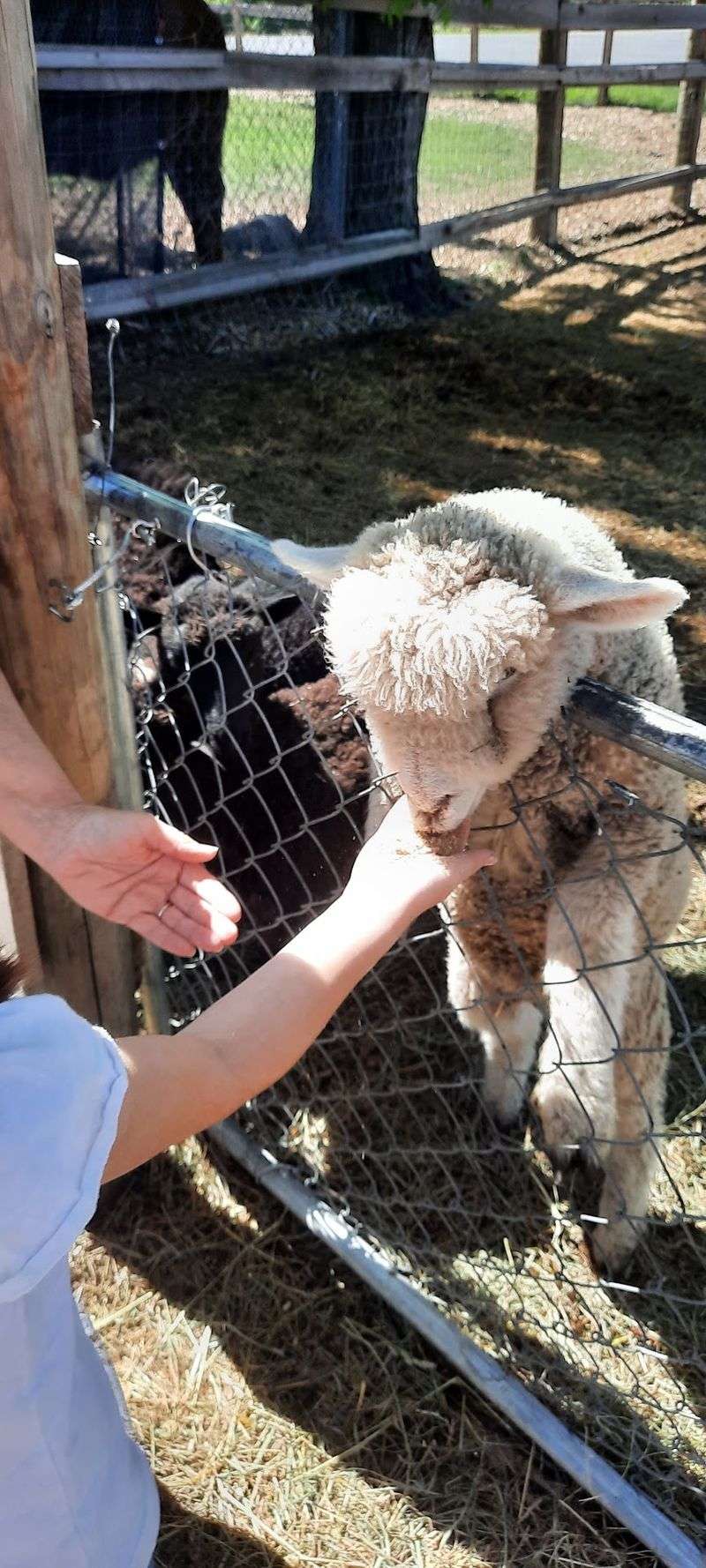
Quiet can be its own kind of lesson. At a sanctuary, the mood often feels softer than a busy petting zoo, and that slower pace gives people time to notice an animal’s expression, body language, and comfort level.
Buffalo Bend Animal Sanctuary near Skaneateles offers the kind of setting where rescue stories matter as much as the animals themselves. In the Finger Lakes region, surrounded by open countryside, visitors can step into a space shaped by second chances rather than spectacle.
When feeding opportunities are available, they tend to feel thoughtful and guided, fitting the sanctuary’s more careful approach to animal well-being.
That difference can be valuable for older kids especially. Instead of treating the outing like entertainment alone, families can talk about neglect, recovery, and what a safe home means for animals that have already been through a lot.
The experience may be quieter, but it lingers longer because of that emotional depth.
TevaLand Sanctuary Farm
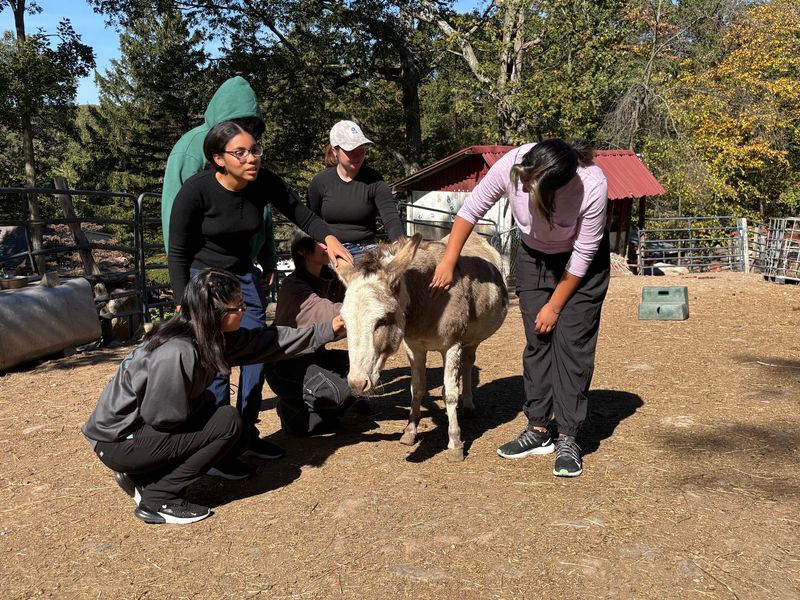
Forest edges and farm sounds make an unusual pair, and that contrast gives the property a special mood. The setting feels both sheltered and open, as if the animals and the landscape are sharing the same quiet rhythm.
TevaLand Sanctuary Farm in Hillburn sits in the Ramapo Mountains, where its work blends rescued farm animals with nature education. Visitors come not only to meet animals, but to understand the connections between habitat, care, and compassionate living.
Hands-on moments can feel especially meaningful here because they happen in a place shaped by healing and environmental awareness, not just recreation.
Bring curiosity, and bring time to listen. The stories behind the animals add depth, while the natural setting makes it easier for children to notice how living things depend on one another.
A visit can spark bigger conversations about kindness, responsibility, and the ways people shape the world around both wild and domestic animals every day.
Safe Haven Farm Sanctuary
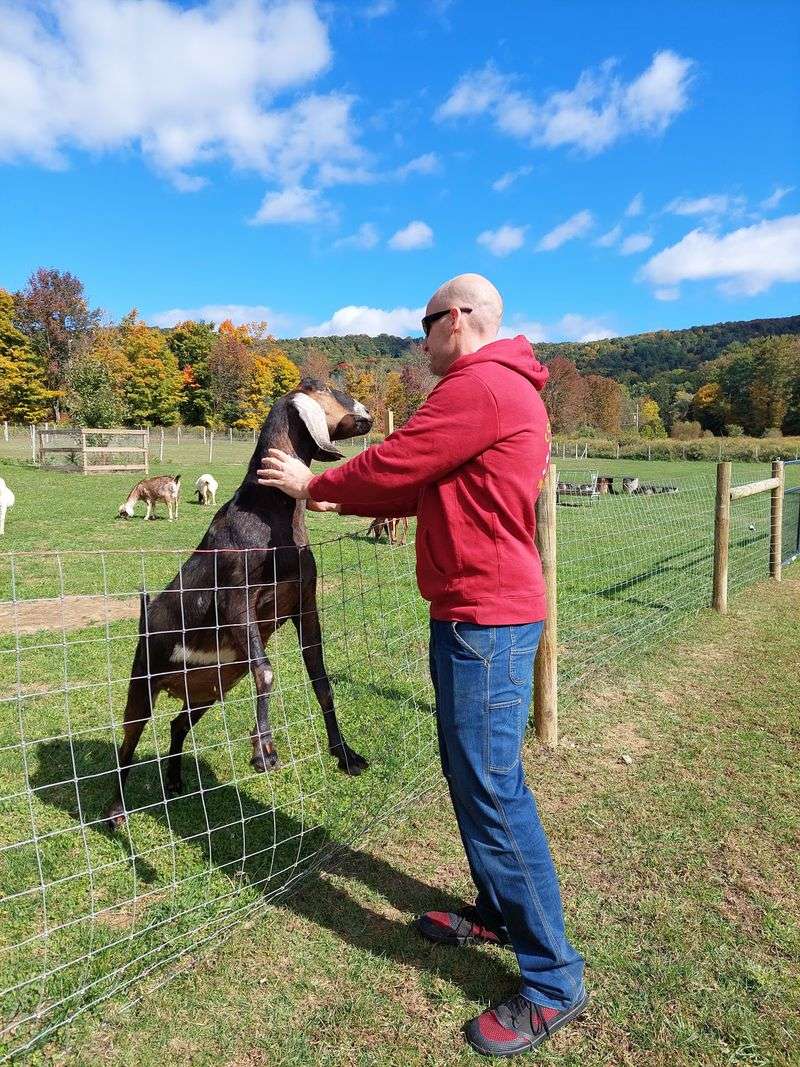
Some places feel less like attractions and more like visits with purpose. The pace is usually slower, the groups are smaller, and the animals seem to matter as individuals first, not as part of a lineup.
Safe Haven Farm Sanctuary in Poughquag offers that more intimate kind of experience. As a nonprofit home for rescued farm animals, it gives visitors a closer look at what daily care really means, from clean spaces and proper diets to patience with animals that may have come from difficult situations.
When public interactions are available, the learning often grows from conversation rather than signs or staged presentations.
That personal approach can be powerful for families. Children often ask better questions when they are not overwhelmed, and adults may leave thinking differently about the lives behind familiar barnyard animals.
It is a good choice for people who prefer thoughtful visits, where feeding and meeting animals become part of a larger lesson about refuge, recovery, and trust.
Ladue Alpacas
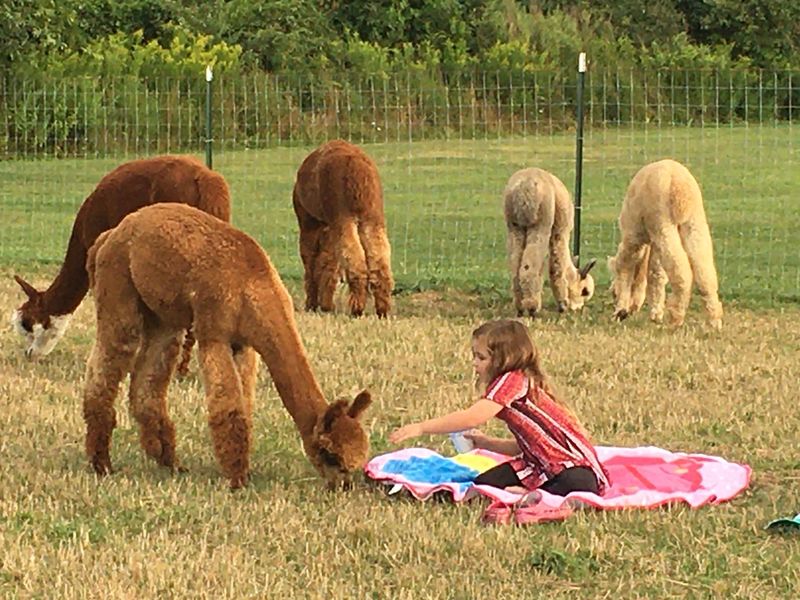
Few farm moments are as funny as watching an alpaca study you with a serious face and a fluffy haircut. Then it steps closer, takes a treat with careful lips, and suddenly everyone is smiling.
Ladue Alpacas in Brockport makes that close contact the center of the visit. Appointments bring guests right into the pasture, where feeding the alpacas happens face to face instead of from behind a fence.
Along the way, visitors learn what makes alpacas different from similar animals and why their fleece is valued for warmth, softness, and light weight. The setting stays calm, which helps children focus on the animals themselves.
It is smart to wear shoes that can handle grass and a little mud. The reward is an experience that feels immersive without being complicated.
By the end, even people who came mainly for cute photos usually leave talking about fiber, farming, and the odd little charm of alpacas.