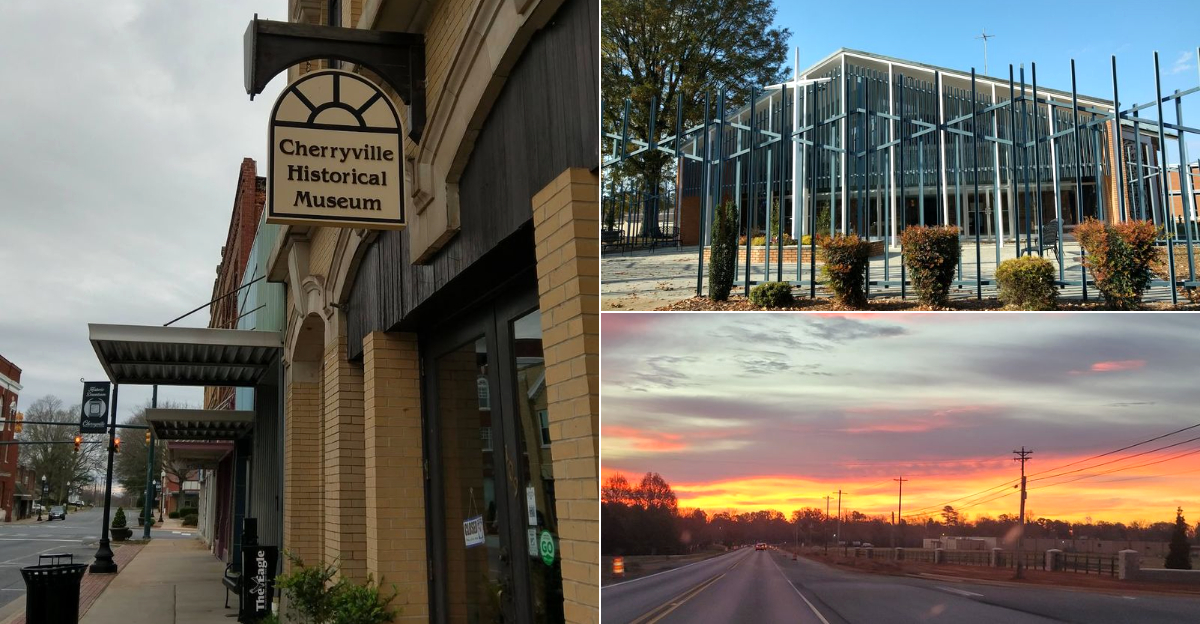
Some towns wear their pace proudly, no rush, no pressure, just a life that moves at a speed most people have long forgotten is possible.
Cherryville sits in the western Piedmont of North Carolina, small enough that you know most of your neighbors but large enough to have everything you actually need day to day.
Rent under $700 isn’t an outlier here, it’s simply the going rate for a community that hasn’t been discovered by the kind of demand that drives prices skyward.
The town holds onto its traditions with real conviction, including the New Year’s Shooting, a practice that dates back to the 1700s and still draws crowds each January.
For anyone looking to trade noise and expense for something steadier and more affordable, Cherryville presents a case that’s genuinely difficult to argue with.
A Rhythm That Feels Human
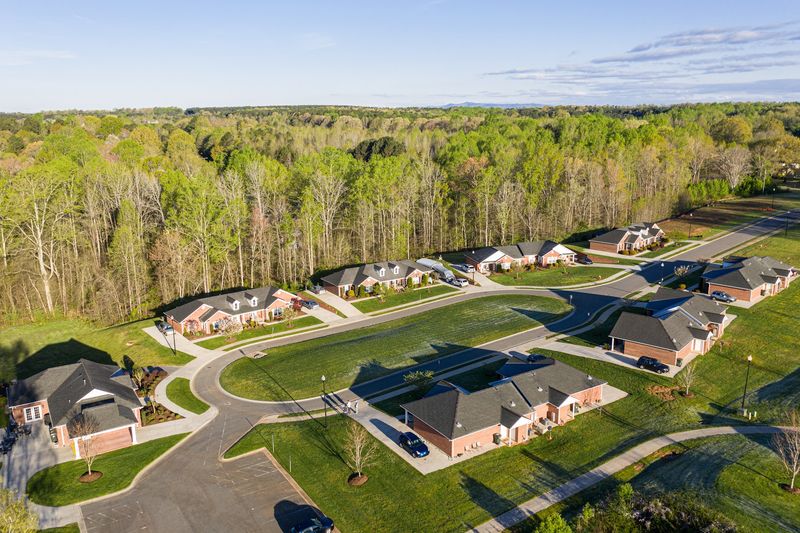
Mornings feel unhurried here, where porch lights click off slowly and neighbors wave before work or school begins each day.
That easy rhythm shapes daily life, making errands less stressful and giving families more time for dinners, hobbies, and rest.
In Cherryville, North Carolina, a population near six thousand helps keep the town familiar without making it empty or dull.
People often know the cashier, the barber, and the librarian, which adds comfort to routines that might feel rushed elsewhere.
For newcomers, that means settling in can happen faster because small conversations at stores and parks naturally turn into connections.
Weekends do not need complex plans either, since simple pleasures like coffee runs, yard work, and local games feel enough.
The pace can especially help retirees, remote workers, and parents who want breathing room instead of a nonstop daily race.
Anyone seeking calm should visit on a normal weekday, when quiet streets reveal more about the town than festivals do.
A slower place is not for everybody, but many people find that a lighter schedule improves mood, sleep, and spending.
That combination of calm, familiarity, and everyday ease explains why the town keeps attracting people who are tired of hustle.
Rent That Still Leaves Room To Breathe
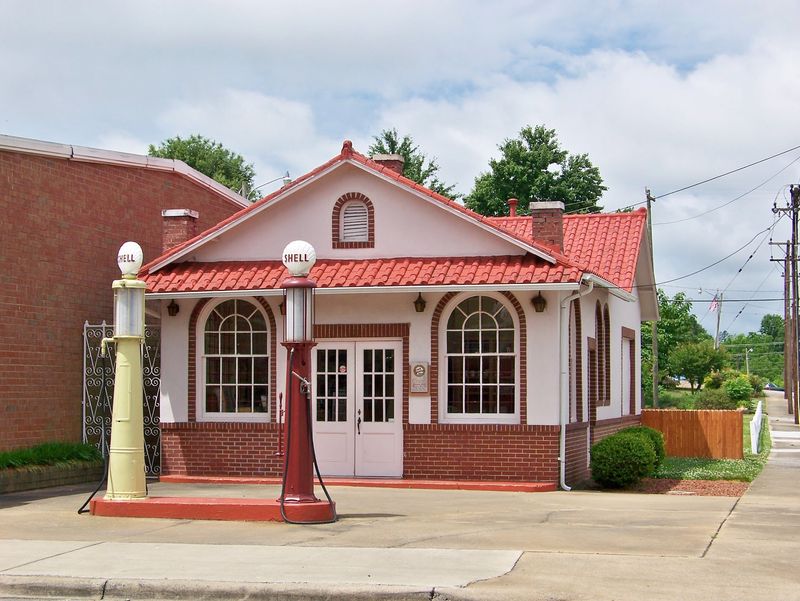
Housing costs can decide whether life feels manageable, and lower rent often creates space for savings, fun, and fewer worries.
One reason people notice this town is that some rentals can still come in under seven hundred dollars monthly here.
That number matters because it can leave room in a budget for groceries, car insurance, medical bills, and emergencies.
Rent prices always change, so shoppers should compare current listings, ask about utilities, and check lease terms before signing anything.
Older apartments, duplexes, and modest single-family homes may offer the best chance of finding lower monthly costs without luxury extras.
A smart move is calling local property managers directly, since small-town openings are not always posted on big rental websites.
Living below your means can reduce stress fast, especially when repairs, gas, or school costs suddenly show up unannounced later.
Even if you need patience, the search can pay off because a lower rent bill changes the whole month ahead.
For people leaving expensive cities, that difference may feel almost unreal, yet it can make simple goals much easier today.
Affordable housing alone does not solve everything, but it gives breathing room that many households have been missing for years.
Short Drives, Fewer Headaches
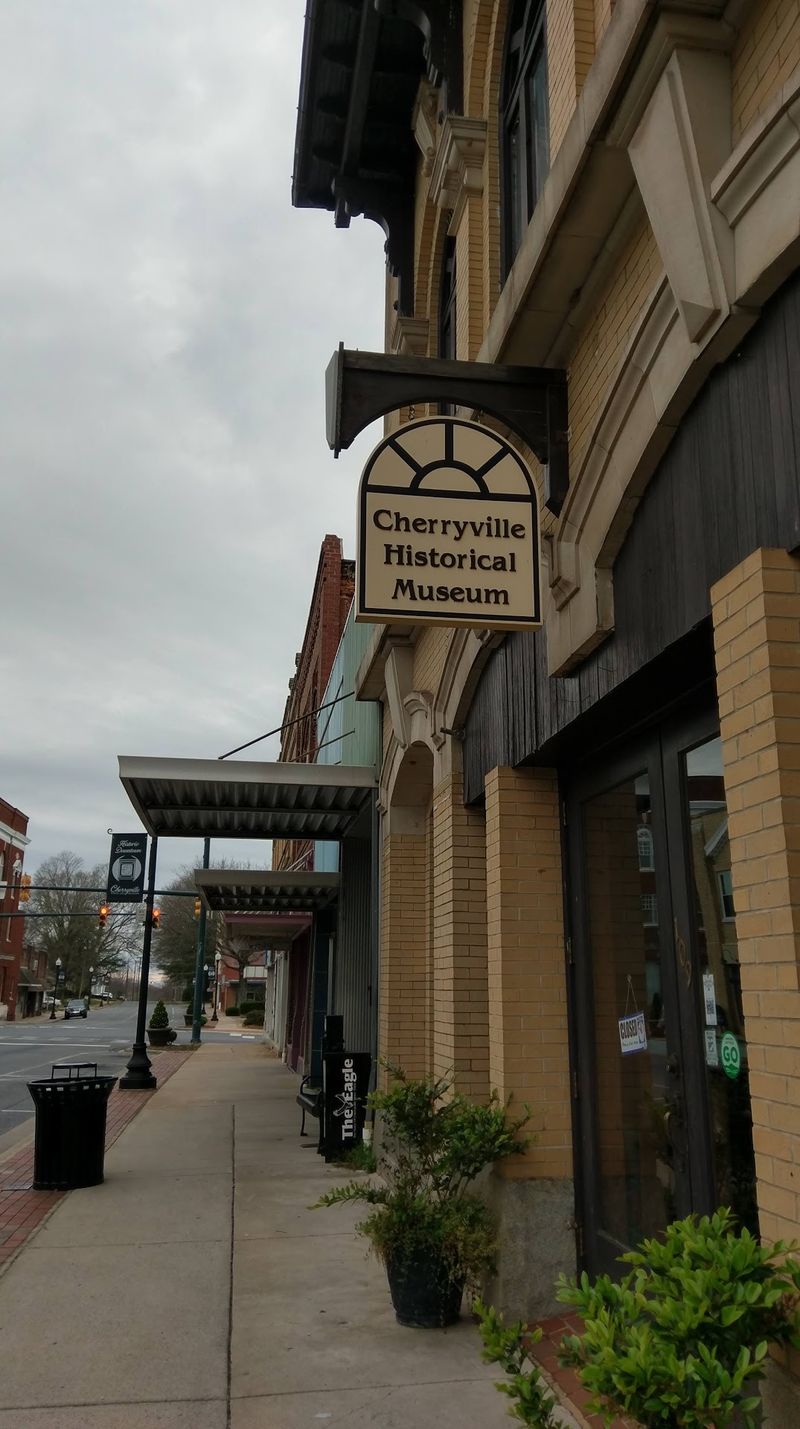
A ten-minute drive can feel like a gift when you are used to long lights, packed roads, and daily frustration.
Around town, shorter trips make errands easier, whether you need groceries, a haircut, a pharmacy stop, or school pickup quickly.
Less traffic also means less gas burned sitting still, which can help stretch a budget already helped by lower rent.
People who work nearby often gain extra minutes each day, and those minutes add up for meals, walks, or sleep.
Parents may like how simpler routes reduce the chaos of juggling drop-offs, appointments, practices, and quick store runs after school.
New residents should still test drives at different times, because even quiet places have busier stretches around popular hours sometimes.
Parking tends to be simpler too, and that small detail can make doctor visits, shopping, and local events feel lighter.
Walking short blocks downtown can replace some car trips, especially when the weather is mild and schedules are relaxed there.
Anyone craving constant nightlife may want more action, but many residents enjoy not planning each day around traffic jams anymore.
Small-town convenience is easy to overlook, yet it becomes valuable fast once you realize how much time it returns weekly.
Traditions That Keep Life Interesting
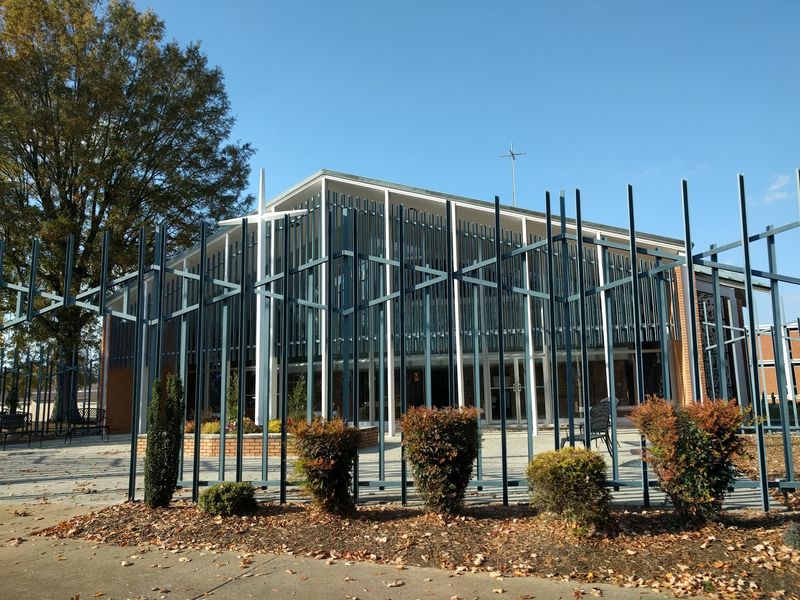
Quirky traditions can make a place memorable, and local customs here give the calendar a sense of personality and pride.
One of the best known events is the New Year’s Shooters celebration, tied to the area’s German heritage roots locally today.
People gather, chants are heard, and muskets are fired ceremonially, creating a start to the year you probably will remember.
That kind of tradition reminds residents that small towns often keep stories alive in ways bigger places cannot as easily.
Community events also help newcomers meet people without awkward introductions, because everyone is already there for the same reason anyway.
Watching local traditions before choosing a move can tell you a lot about whether a town feels welcoming or closed.
Festivals, school sports, and holiday gatherings may not seem huge, yet they often shape daily belonging more than amenities do.
Families with children may appreciate places where public traditions create shared memories and give kids a stronger sense of home.
Even adults who prefer quiet living often enjoy having one or two yearly events that everyone looks forward to nearby.
A town with character tends to stick in your mind, and that can matter when deciding where to build routines.
Easy Outdoor Time Without Big Costs

Sometimes the biggest luxury is not expensive entertainment, but an easy place to breathe after work or on weekends nearby.
Open spaces, neighborhood streets, and nearby parks give residents simple ways to move their bodies without spending much money regularly.
That matters in lower-cost towns because free or cheap recreation helps keep the whole lifestyle affordable, not just the rent.
A calm evening walk can replace pricey outings, while bike rides or playground visits make family time feel fuller together.
People considering a move should look beyond famous attractions and pay attention to everyday outdoor access close to home first.
When green spaces are nearby, healthy habits become easier because they fit into ordinary schedules instead of special plans only.
Even sitting on a bench downtown or chatting outside a ball field can provide the kind of reset people miss.
Seasonal weather in North Carolina usually allows plenty of outdoor time, which adds another layer of everyday comfort here often.
Anyone moving from a dense city may be surprised by how pleasant simple outdoor routines can feel in quieter places.
Affordable living works better when recreation does not demand tickets, reservations, or long drives for a little fun each week.
A Main Street With Real Use
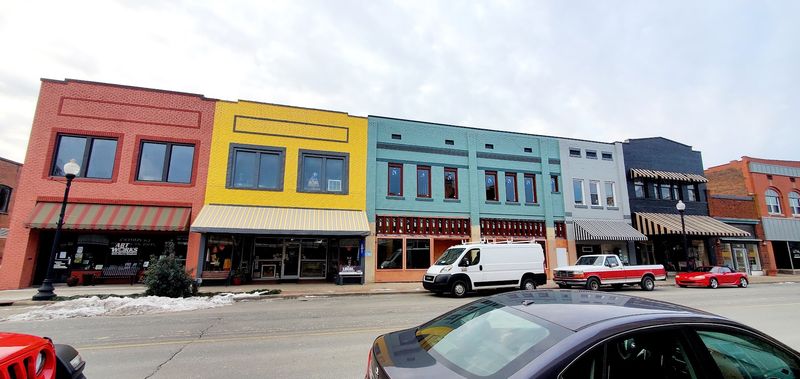
A downtown with familiar faces can turn routine errands into small social moments that make a week feel warmer overall.
Local businesses often anchor daily life, from coffee stops and diners to barber shops, pharmacies, and hardware stores nearby too.
That kind of street activity supports convenience, but it also builds trust because people remember names and preferences easily there.
A smaller downtown will not have every chain, so newcomers should decide which stores they need regularly most first.
Still, many residents enjoy trading endless options for quicker trips, easier parking, and shops that feel personal every day there.
Checking business hours before moving is wise, since small towns sometimes close earlier than people from cities expect most nights.
Farmers markets, seasonal events, and storefront decorations can also make ordinary shopping feel more cheerful and connected for residents too.
People who work from home may especially value a pleasant downtown, because it offers easy breaks without major expense nearby.
Even one strong main street can shape how a town feels, giving it identity beyond cheap housing alone to newcomers.
For many movers, that mix of usefulness and friendliness is a real part of what easy living means to them.
A Weekly Budget That Feels More Realistic

Low rent helps most when the rest of daily spending also stays reasonable, predictable, and easier to control for families.
Smaller towns can support that goal through shorter drives, simpler entertainment, and less pressure to keep up appearances constantly there.
A relaxed social scene may save money because fun often looks like ball games, cookouts, or porch visits instead sometimes.
That does not mean every cost is low, so shoppers should still compare groceries, internet plans, and insurance rates carefully.
People on fixed incomes often benefit most from places where one surprise bill does not wreck the whole month completely.
Budget planning works best when you estimate utilities, transportation, and healthcare alongside rent instead of focusing on one number alone.
Saving even a small amount each month can build confidence, especially for renters trying to escape paycheck-to-paycheck pressure gradually too.
Newcomers should ask locals about common expenses, since hometown knowledge often reveals deals that online research misses completely sometimes still.
When a town supports a realistic budget, people can think beyond survival and start planning better goals for their future.
That shift from constant stress to steadier control is a big reason slower places appeal to many households today greatly.
Who Will Feel At Home Here
Not every town fits every person, yet some people instantly recognize when a quieter place matches their pace best today.
Remote workers may enjoy lower housing costs, while retirees may appreciate calm streets and easier daily routines more fully there.
Young families might like having extra room in the budget for school needs, sports fees, and growing kids later on.
People chasing nonstop entertainment may feel limited, so honest self-checks matter before packing boxes or signing leases anywhere new first.
The smartest approach is spending a full day there, visiting stores, driving neighborhoods, and noticing how time feels naturally around.
Listen for quiet, watch how people greet one another, and decide whether that atmosphere feels comforting or slow to you.
Lower rent can open the door, but daily satisfaction comes from matching a place to your habits and values well.
For many readers, easy living means fewer financial shocks, less rushing, and more ordinary moments that actually feel good daily.
That picture is exactly why smaller towns remain appealing even when they do not promise flashy attractions or trends nearby.
Choosing a slower hometown is personal, but the reward can be a life that feels lighter and easier to carry.