Somewhere in the foothills of western North Carolina, there’s a place that operates entirely on a different set of rules than every town around it.
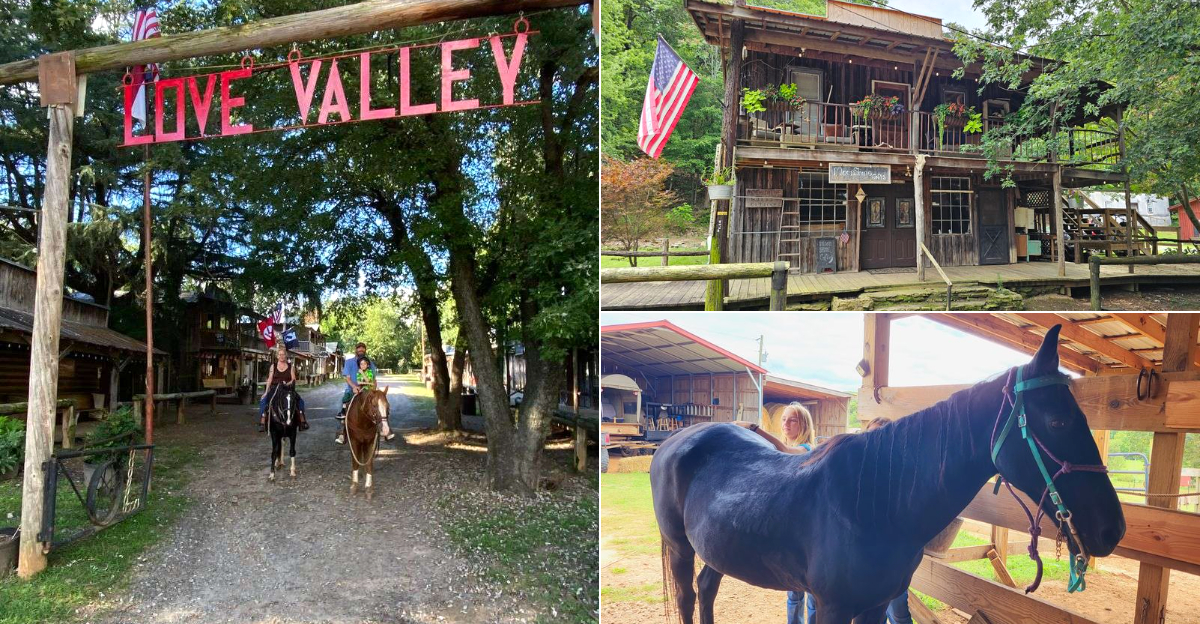
No cars are allowed within its limits, residents and visitors navigate by horseback, on foot, or by water, and that single constraint shapes everything about the community’s character.
Love Valley was founded in the 1950s by a man with a vision for an old-fashioned Western town, complete with saloons, hitching posts, and wide dirt streets that have never seen pavement.
The town has hosted enormous music events over the decades, including a legendary 1974 rock festival that drew tens of thousands of people to its hills.
Visitors are welcome to tie up their horses, walk the main street, and get a feel for a town that has genuinely never tried to be anything other than what it is.
A Town Built Without Traffic
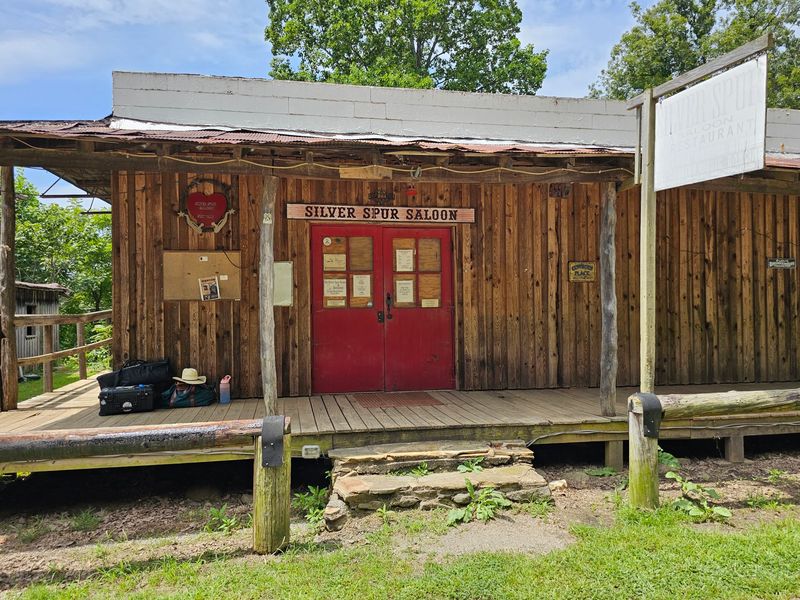
Dusty streets, wooden facades, and the sound of hoofbeats make visitors feel like they stepped into another century altogether here.
That unusual scene belongs to Love Valley, North Carolina, a western-style town where cars stay outside the main downtown area.
Founded in 1954 by Andy Barker, the community was planned as a horse-loving escape, and that idea still shapes it.
Because no regular traffic cuts through town, families can stroll calmly, hear conversations clearly, and notice details they usually miss.
Boardwalks, hitching posts, and rustic storefronts help the place feel playful, but the car-free rule also serves a practical purpose.
With fewer engines nearby, horses stay less nervous, pedestrians move safely, and the whole town keeps its unusual western character.
Visitors should park in designated areas, wear comfortable shoes, and expect a slower pace that rewards patience, curiosity, and fun.
Instead of rushing from stop to stop, you get to notice porch signs, friendly waves, and saddles waiting nearby outside.
For people tired of noise and crowded roads, the town offers a chance to experience travel in a gentler way.
That small choice to ban cars creates the big story people remember long after their boots leave the dusty street.
Walking Becomes the Main Event
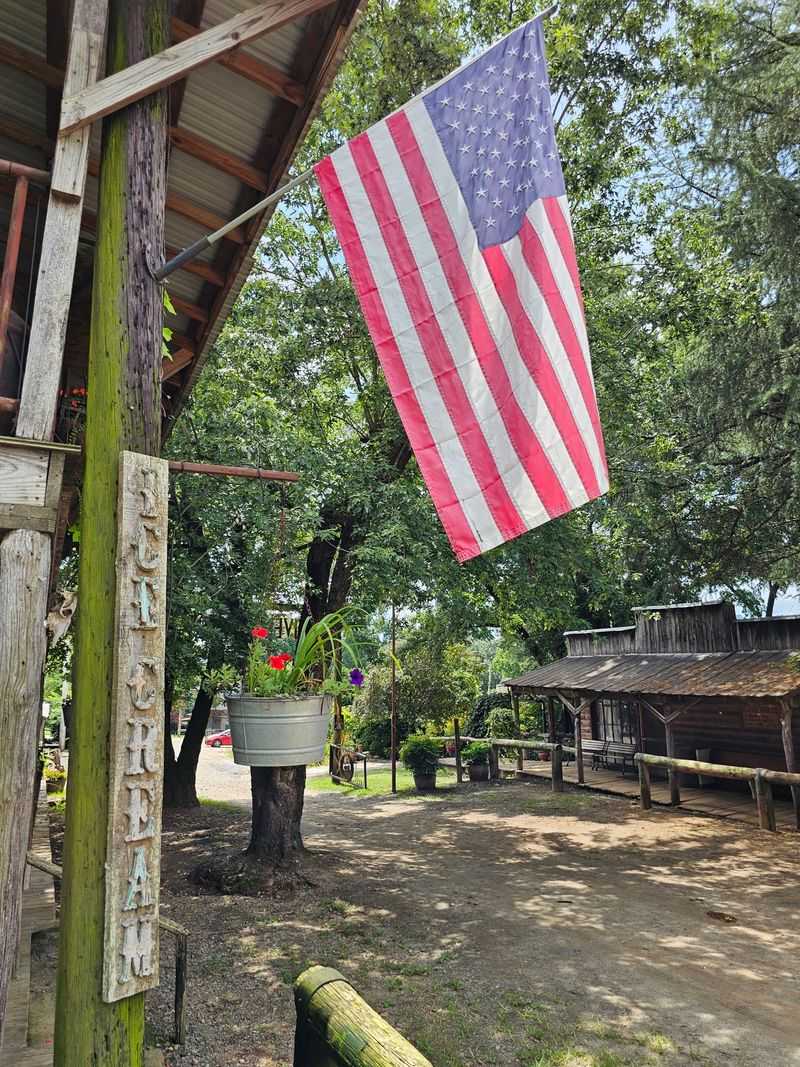
A trip here feels different right away because the journey between shops and cabins matters as much as arrival itself.
Without passing cars to dodge, walking becomes easy for most visitors, and the streets invite wandering instead of quick errands.
Kids can focus on wooden sidewalks and horses while adults enjoy taking photos, reading signs, and peeking into western-themed spots.
Good walking shoes help especially after rain, since country roads and gravel areas can feel uneven compared with city sidewalks.
Bring water in warm months, because slower strolling under the sun can wear people out before they even notice it.
Plenty of travelers find that walking lets them hear birds, laughter, and hoofbeats, which adds charm no windshield can offer.
Short distances also mean you can pause often whether for a snack, a chat, or a better view nearby today.
That freedom makes the visit feel less scheduled and more personal like exploring a movie set at your own pace.
People who usually hurry may be surprised by how relaxing it feels to simply walk until something interesting catches attention.
By the end, tired feet often come with happier memories because every step becomes part of the story you keep.
Horses Still Rule the Street
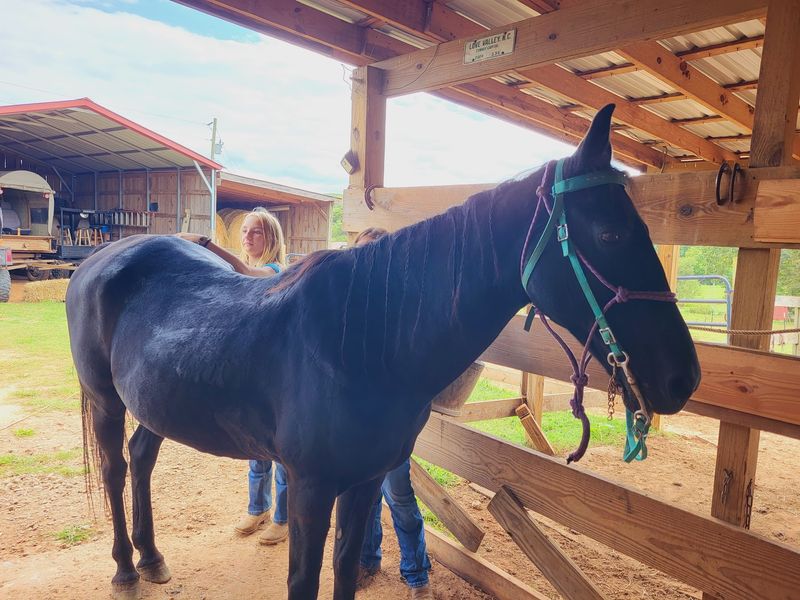
Hoofbeats echo louder than engines here, and that single sound changes the mood from modern rush to old-fashioned adventure instantly.
Many visitors arrive hoping to see saddled horses tied near shops, and they usually are not disappointed at all there.
The town welcomes horseback travel so riders move through streets in a way that feels natural, not like a show.
For beginners, watching from the side is perfectly fine, because seeing confident riders pass by can be exciting enough already.
Horse lovers should ask local businesses about trail rides or events, since opportunities can change with weather and weekends often.
A respectful attitude matters too, especially around animals, because sudden movements, loud noises, or feeding without permission can create problems.
Even people who never ride often leave impressed by how smoothly horses fit into daily life around town there today.
That living western spirit feels more genuine than theme parks, because real animals shape the rhythm of each day outside.
If you bring children, remind them to stay calm, keep space, and listen carefully to any rider instructions given nearby.
Seeing transportation handled by horses instead of cars is the kind of detail that turns a simple stop into legend.
Downtown Feels Like a Movie Set
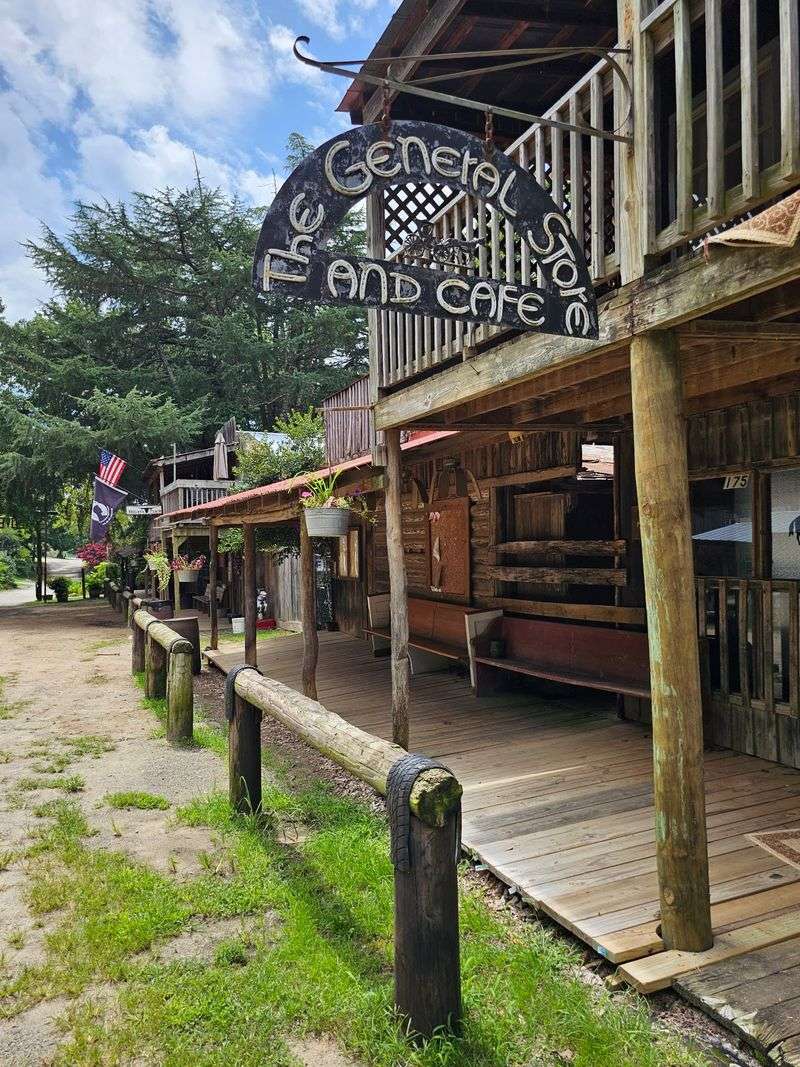
Wooden storefronts, wide porches, and weathered signs give the main streets a playful look that feels ready for cameras today.
Still, the charm works because people actually use the spaces, so the scene feels lived in, not fake at all.
Visitors often snap photos beside hitching posts, rustic fences, and saloon-style buildings that make everyday errands look theatrical somehow too.
Morning light is especially pretty for pictures, while late afternoon can add warm colors that suit the western mood well.
Because cars are absent nearby, photographers get cleaner shots without traffic signs, shiny bumpers, or busy lanes breaking the illusion.
Even if you are not picture-focused, walking through town can feel fun simply because the scenery tells a clear story.
Small details deserve attention, including old wood textures, porch rails, cowboy decor, and handmade touches near local businesses outside today.
That setting helps visitors imagine a slower era, which is harder to do when traffic and pavement dominate everything nearby.
A simple tip is to pause often, since the best views appear when you stop looking only ahead for once.
The town’s look is not just decoration, it is part of why the no-car idea feels believable and complete there.
Events Keep the Streets Busy
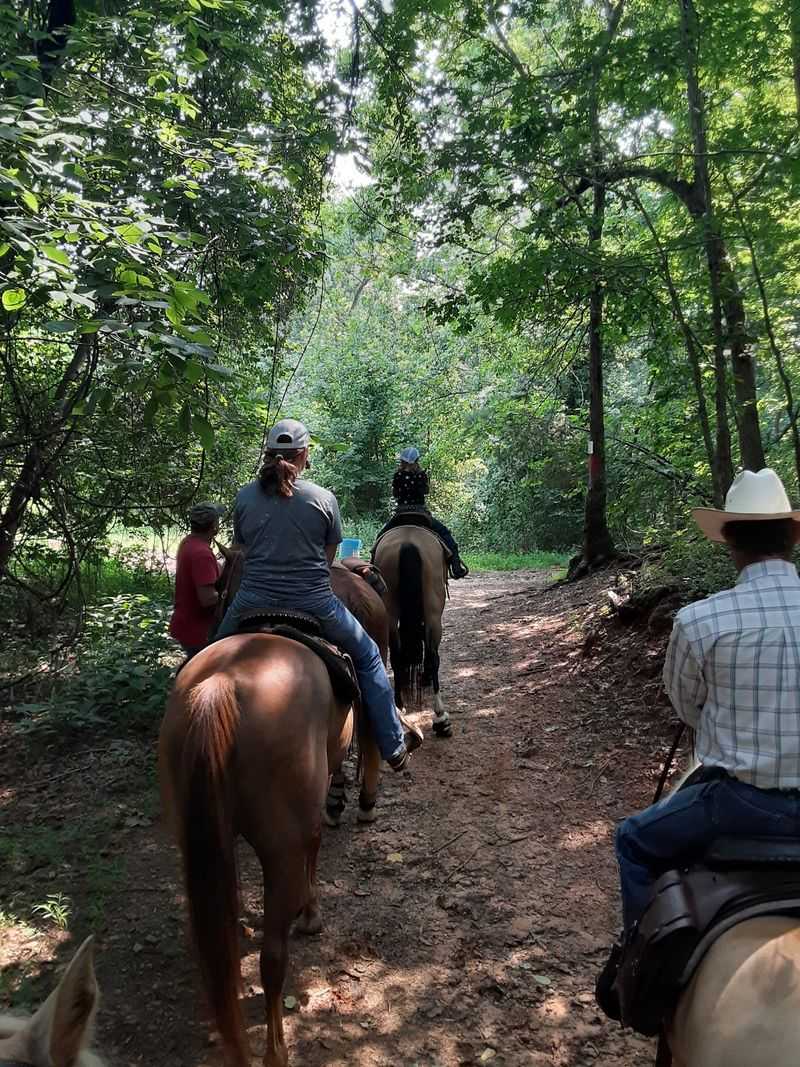
Quiet days have their own appeal, but festival weekends show how much energy a tiny place can suddenly hold well.
Horse shows, rodeos, and themed gatherings often draw people who enjoy western culture, community spirit, and unusual small-town fun together.
During busier times, the streets can feel lively with riders, boots on boardwalks, and families watching the action nearby happily.
Checking the town website before visiting is smart, because event dates, admission details, and schedules can change throughout the year.
Popular weekends may mean fuller parking areas and more foot traffic, so arriving early can make the day easier overall.
If you prefer calm over crowds, plan a weekday trip instead, when the same streets feel quieter and more open.
Families should bring sun protection and snacks during longer events, especially when children get caught up watching horses perform nearby.
Local celebrations matter because they keep the town from feeling frozen in time, showing it is a living community still.
Even a short visit during an event can give you stories about costumes, riders, and cheerful small-town surprises later too.
That mix of motion and tradition helps explain why people return, not only for photos, but for shared memories again.
Planning a Car-Free Visit Takes Thought
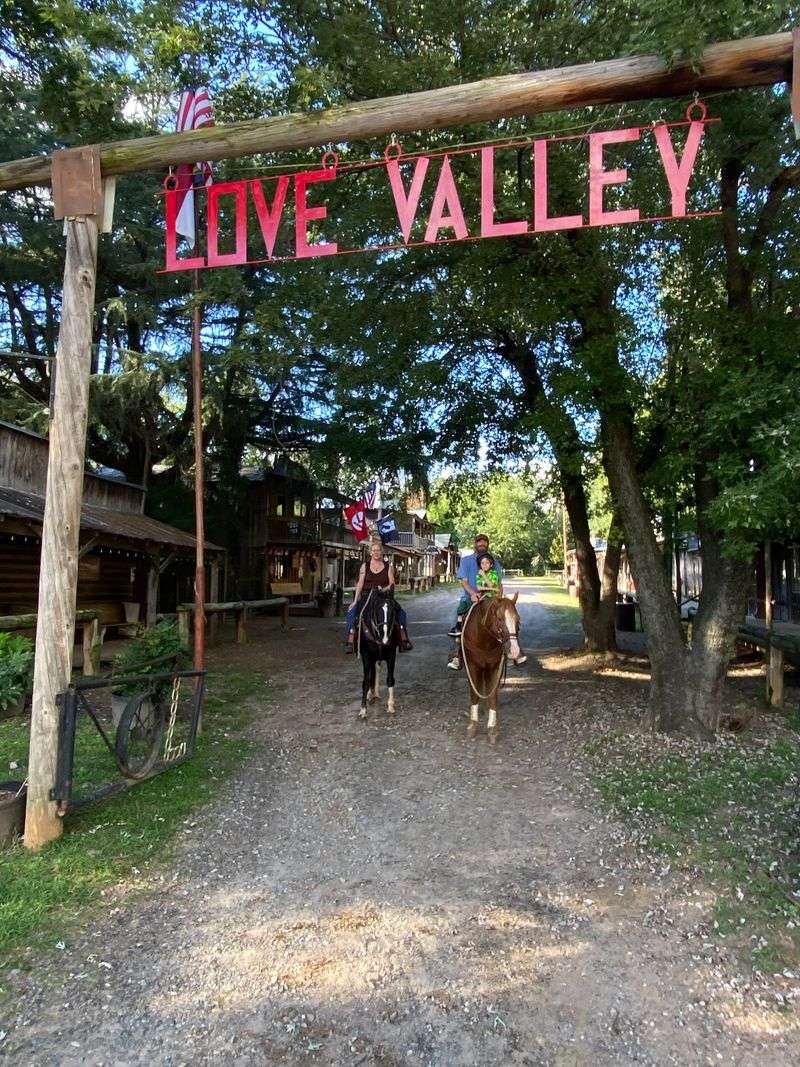
A little preparation makes the experience smoother, especially when a place works differently from the traffic-heavy towns most people know.
Since you will not drive right up to every doorway, pack only what you can comfortably carry across short walks.
Small bags, refillable water bottles, and weather-ready layers are useful choices, because conditions can shift during a long day outside.
Comfort matters more than style here, so boots, sneakers, or sturdy sandals usually work better than slippery dress shoes there.
Parking rules can vary during events, so reading posted signs and asking questions can save time and frustration later on.
People traveling with older relatives or toddlers should plan extra breaks, because slower movement can become tiring surprisingly fast there.
Rainy weather may bring mud or slick spots, which means careful footing is just as important as a good itinerary.
Phone service and payment options can change by business, so carrying basics like cash and charged batteries helps greatly sometimes.
Before you leave home, check hours online, since smaller towns may close earlier than visitors expect on regular days too.
Smart planning does not remove the adventure, it simply gives you more time to enjoy the unusual setting fully there.
Peace and Quiet Are Part of the Appeal
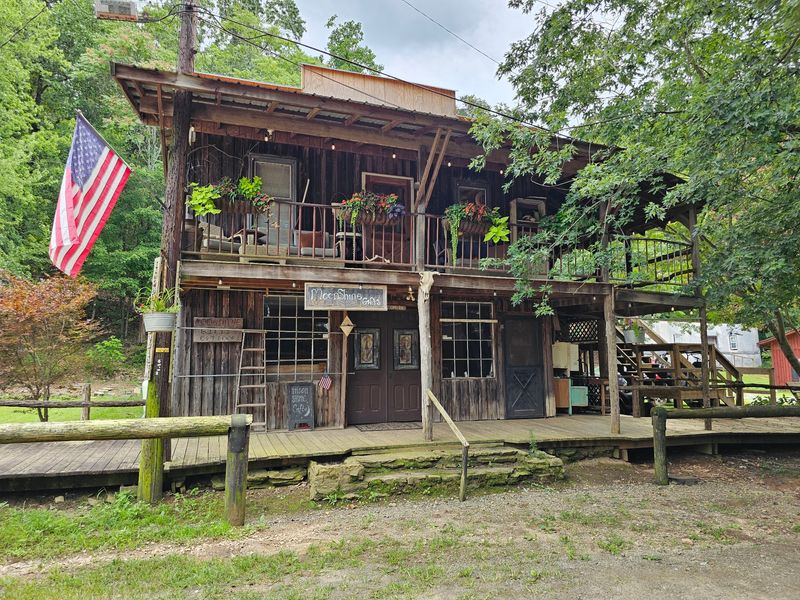
Silence has a way of feeling special when you are used to horns, engines, and nonstop background noise every day.
Here, calmer sounds often take over, including footsteps, porch talk, wind in trees, and horses moving nearby through town daily.
That softer atmosphere can help visitors slow down mentally, not just physically, which is harder in louder destinations for many.
Some travelers come for photos or curiosity, then realize the best part is simply how peaceful the day feels afterward.
Families with children may appreciate fewer fast-moving hazards, while adults enjoy conversations that do not compete with traffic noise nearby.
Even short visits can feel restful because the town encourages people to notice weather, woodsmoke, and simple routines around them.
If you want a break from screens, try keeping your phone tucked away for part of the walk there today.
Looking up more often helps you catch porch details, distant riders, and shifting light across the street with ease too.
The quiet is not empty or dull, because little sounds become more interesting when louder ones disappear from earshot entirely.
For many visitors, that peaceful feeling becomes the strongest reason to remember the town long after leaving it behind later.
A Tiny Population, A Big Story
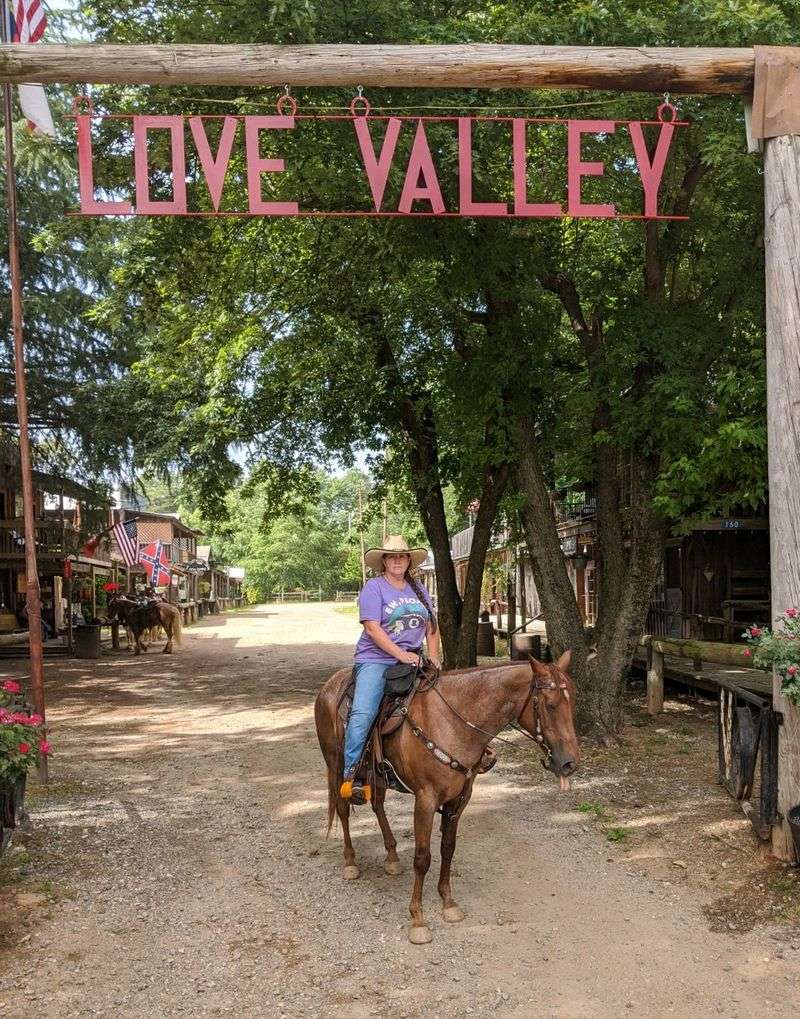
Small places often surprise people, especially when they hold an idea bold enough to stand out across a whole state.
With a population of 154 in the 2020 census, the town proves size does not control personality at all here.
People talk about it because the no-car rule is memorable, but the deeper appeal comes from character and consistency too.
Instead of trying to copy busy destinations, the community leans into its western identity and keeps the experience focused there.
That focus helps first-time visitors understand the place quickly, which is rare in tourist spots that feel scattered or confused.
A tiny population also means local choices matter, since maintaining such a distinct town style takes steady effort from residents.
Visitors can help by respecting property, following posted rules, and supporting businesses that keep the area welcoming for future guests.
Buying a snack, attending an event, or staying overnight can make a bigger difference here than expected for locals sometimes.
The story feels larger than the map suggests, because one unusual rule turns a short visit into conversation for others.
That is why such a small town keeps earning attention from travelers looking for something uncommon and genuinely memorable today.