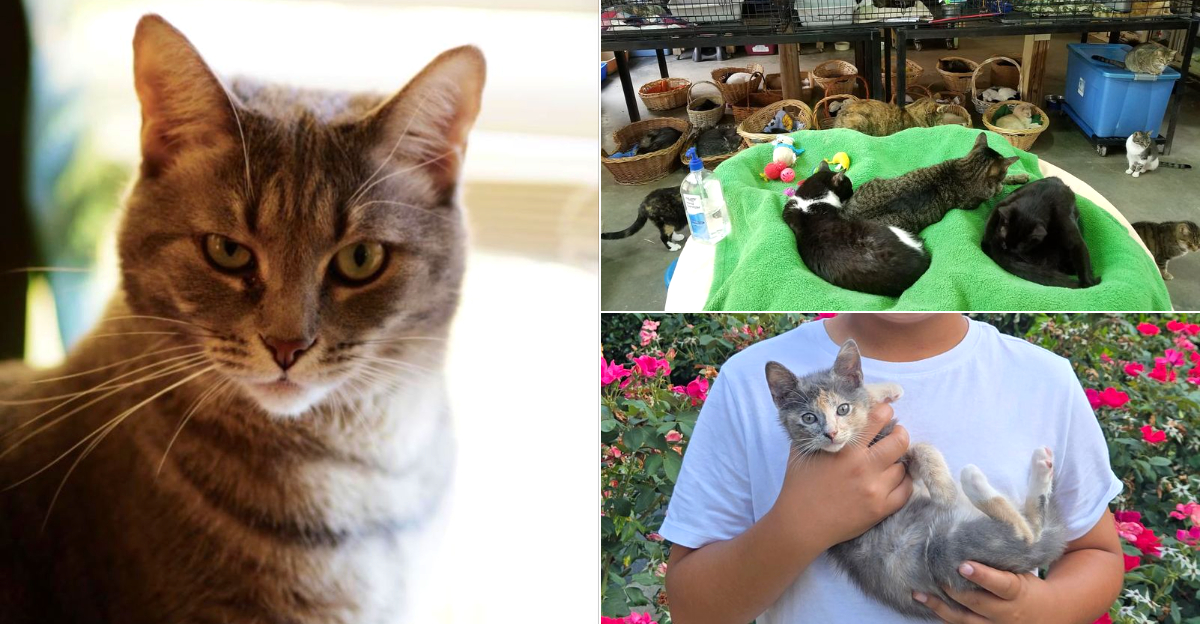
Tucked into the rolling hills of Chatham County, a 16-acre stretch of North Carolina land has become home to hundreds of rescued cats who roam freely through pine forests, meadows, and covered outdoor enclosures.
Unlike a traditional shelter where cats live in kennels, Goathouse Refuge operates on a free-roaming model that prioritizes the animals’ wellbeing and natural behavior above all else.
Visitors are welcome to walk the property, meet the cats up close, and spend time in a setting that feels less like a rescue operation and more like an open-air sanctuary.
The refuge takes in cats from all over the region, including those deemed unadoptable elsewhere, giving each one a permanent and peaceful home in Pittsboro.
Whether you’re a lifelong cat lover or simply looking for something unexpected to do in central North Carolina, Goathouse Refuge is worth the drive.
A Sanctuary That Feels Different
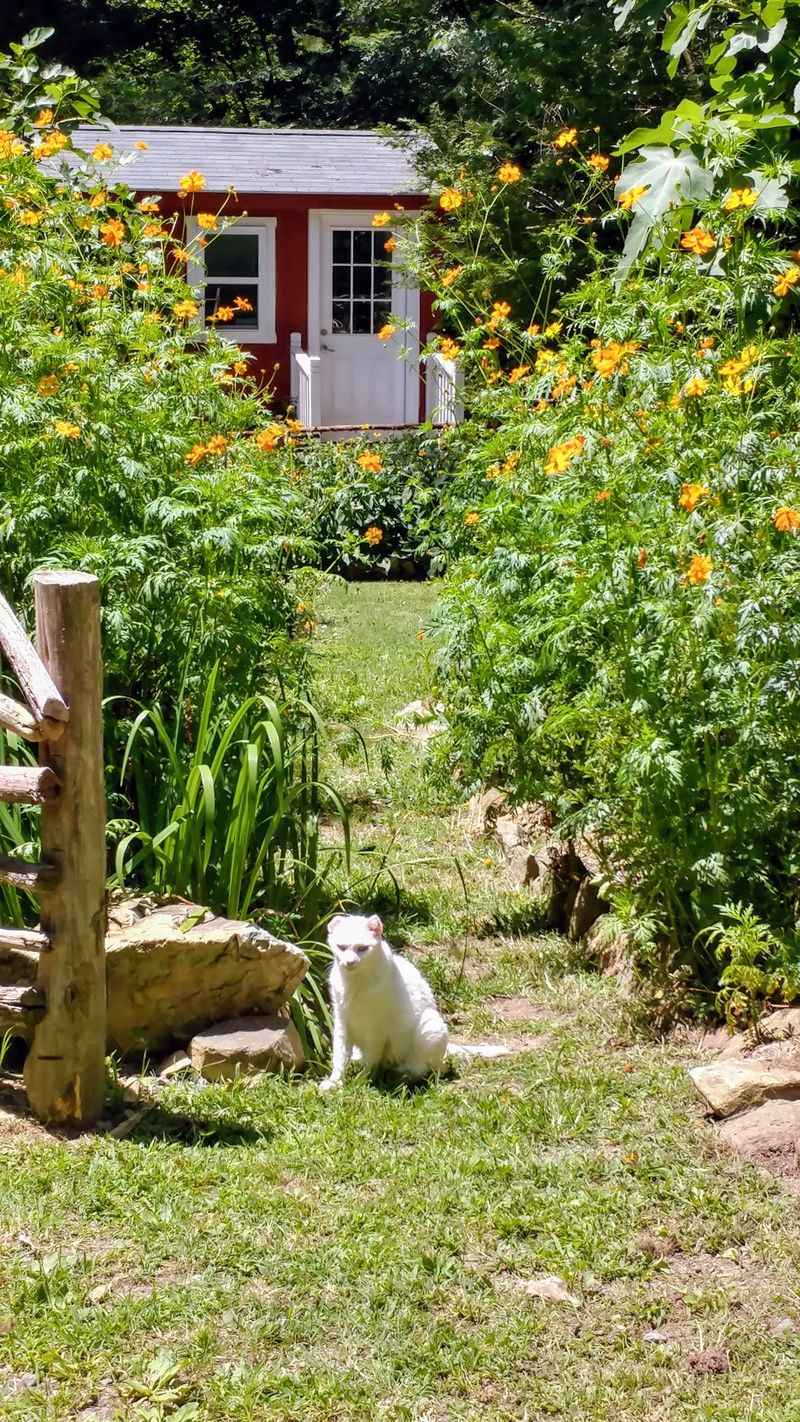
Quiet paths, shady trees, and watchful cats create a first impression that feels more like a retreat than a typical shelter.
Visitors often notice the calm mood before anything else, which helps explain why the refuge leaves such a strong memory.
At Goathouse Refuge, 405 Goathouse Rd, Pittsboro, NC, rescued cats live in a setting built around comfort, movement, and gentle contact.
That matters because many homeless cats arrive scared, stressed, or unsure of people after hard experiences.
A sanctuary model gives them time to settle in, find favorite spots, and show their real personalities at a safer pace.
Families thinking about adoption can learn a lot by watching how a cat acts in a relaxed place.
Instead of seeing only a nervous animal in a cage, visitors may meet playful, sleepy, curious, or affectionate companions.
Reviews often praise the beautiful grounds, kind volunteers, and the special feeling of sitting quietly among free moving cats.
Still, smart visitors should ask clear questions about health records, care routines, and adoption details before making final decisions.
Taking time to observe, listen, and ask helps people support the mission while choosing the best match for their home.
Hundreds Of Cats, Many Second Chances
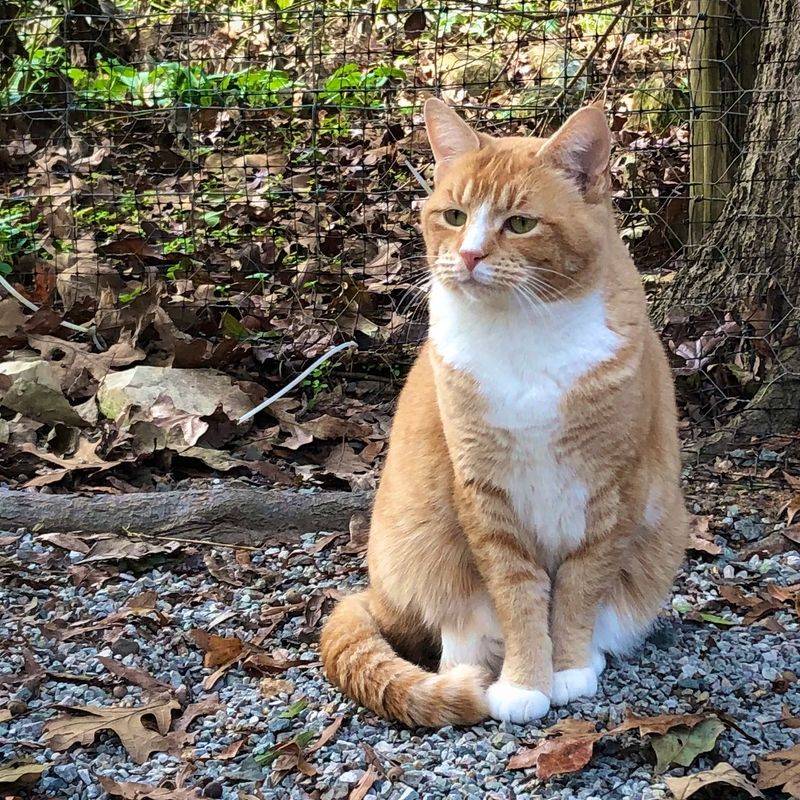
Seeing many cats in one place can feel surprising at first, especially for people used to smaller shelters or foster homes.
Here, the large population tells a bigger story about rescue needs, community effort, and how quickly abandoned animals can add up.
Hundreds of rescued cats have passed through the refuge, and many still depend on daily feeding, cleaning, and close observation.
That scale means every visit should come with patience, since staff and volunteers juggle many animals and many questions.
For readers, the big takeaway is simple: cat overpopulation is real, and places like this help reduce suffering.
Spay and neuter work, adoptions, foster help, and donations all make a direct difference for cats needing a safer future.
Reviews from adopters describe finding beloved pets there, sometimes after visiting more than once and getting to know individual cats.
Others mention communication can be slower than expected, which is useful to remember when planning an adoption timeline.
If you hope to bring home a cat, prepare questions early and stay flexible while the rescue manages many cases.
Even one adoption opens space, attention, and resources for another animal waiting for care, trust, and a fresh start.
Room To Roam Changes Everything
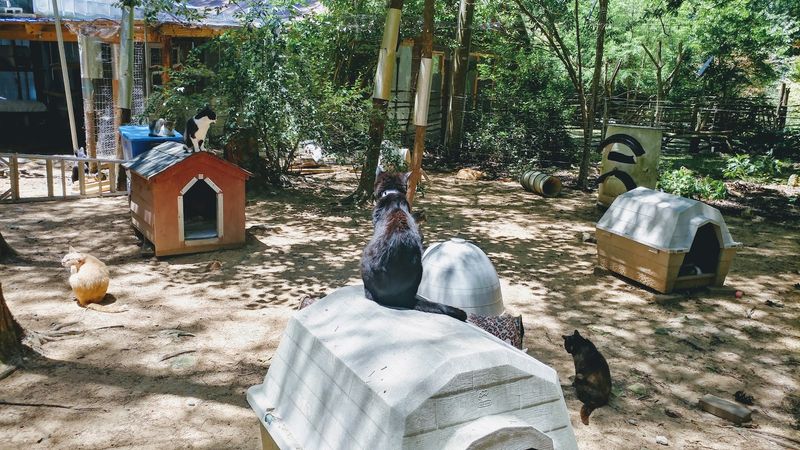
Freedom shows up in small ways, like a cat choosing sunshine, shade, a porch rail, or a quiet corner.
That choice can lower stress and help animals act more naturally than they might inside crowded rows of cages.
The refuge is known for a cage free style where many cats move between indoor and outdoor spaces during visiting hours.
For social cats, that can encourage play, exploration, and easier meetings with people who may someday adopt them.
For shy cats, having extra space means they can step back, hide briefly, and return when they feel ready.
Visitors should move slowly, respect body language, and let cats decide whether they want touch, company, or distance.
That simple habit makes the experience better for both sides and teaches children how animal trust is earned.
Reviews often mention the peaceful joy of sitting quietly while cats wander nearby, nap beside guests, or climb around.
Still, free roaming care requires strong routines, regular observation, and thoughtful safety planning to support many different personalities.
When done well, space becomes part of the healing process, helping rescued cats rebuild confidence one calm moment at time.
Sixteen Acres Of Breathing Room
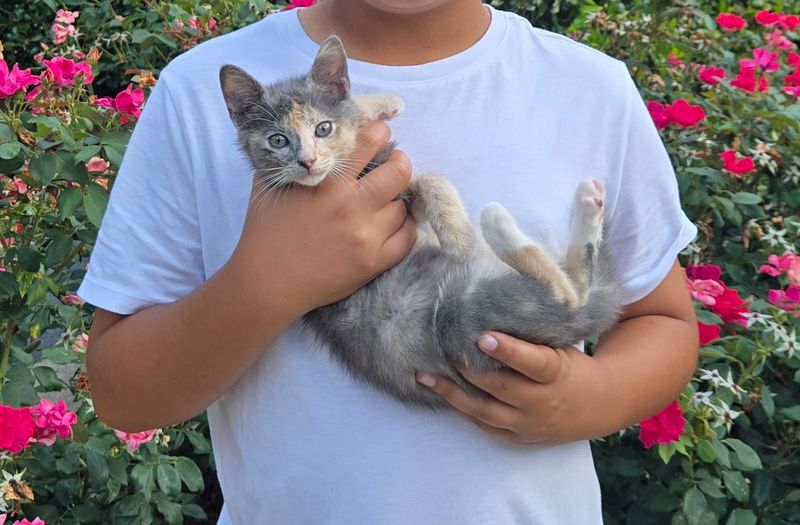
Wide open land gives the sanctuary a feeling that many city shelters simply cannot offer to stressed rescue animals.
Sixteen acres create breathing room for walking paths, cat areas, quiet corners, and a pace that feels less crowded.
That extra space helps visitors spread out too, making the experience calmer and easier for shy cats to handle.
Instead of one tight room, the grounds offer changing sights, sounds, and resting spots throughout a longer visit.
Nature also shapes the visit in pleasant ways, with trees, gardens, and outdoor seating adding beauty to rescue work.
People who feel overwhelmed in noisy buildings may find this kind of setting more relaxing and easier to explore.
Several reviews describe the refuge as peaceful, pretty, and almost meditative, especially for those wanting quiet time with animals.
That atmosphere can help guests slow down and notice which cats seek attention and which prefer space.
If you plan a trip, wear comfortable shoes, bring water, and allow enough time to walk and observe carefully.
The land is not just scenery, it supports the mission by giving rescued cats room to recover, socialize, and rest.
Adoption Happens At A Gentler Pace
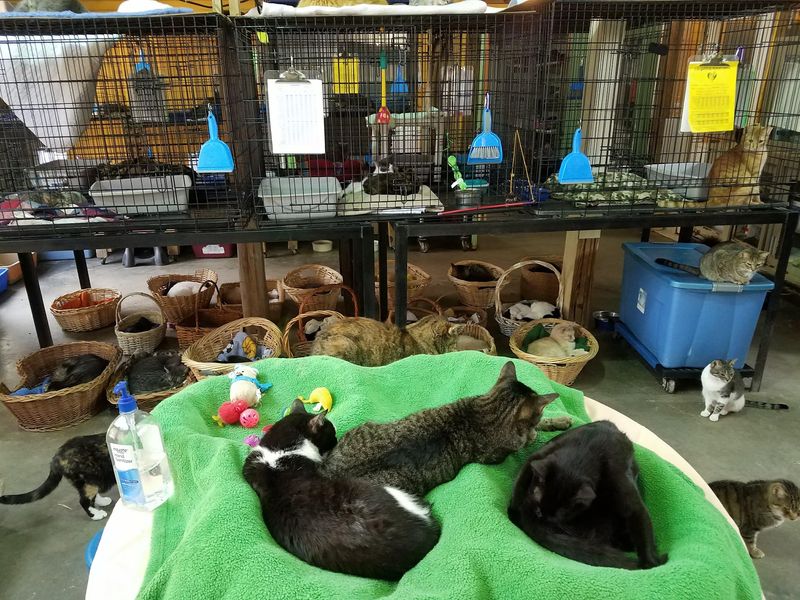
Some cats make their best first impression by climbing into a lap, while others win hearts after several quiet visits.
A relaxed sanctuary can make adoption feel less rushed because people see behavior unfold in a more natural way.
That slower pace may help adopters notice energy level, confidence, and social habits before bringing a cat home.
One cat may follow visitors everywhere, while another may prefer gentle company without much handling.
Reviews mention successful adoptions and grateful families, with several people returning again after falling in love with a cat.
Those stories show why patience matters when choosing a pet who should fit your home for many years.
Still, readers should balance warm feelings with careful planning by checking medical records, asking about treatment history, and confirming paperwork.
Some public reviews describe frustrating communication or health concerns, so clear questions are a wise part of the process.
Bring a list, take notes, and ask what support is available after adoption if new problems appear.
When preparation meets compassion, adoption becomes more than an emotional moment, it becomes a thoughtful commitment that protects everyone involved.
Volunteers Keep The Place Moving

Behind every peaceful visit, there is a lot of unseen work happening before guests arrive and after they leave.
Food bowls need filling, spaces need cleaning, records need updating, and each cat needs regular attention.
Volunteer powered rescues often depend on people giving time, money, transport help, and practical skills whenever they can.
That reality helps explain why some reviews praise kind staff while also noting delays in replies or paperwork.
When a place cares for many animals, even simple tasks can take longer than visitors first expect.
Knowing that can help supporters approach the refuge with patience and a willingness to help instead of only consume.
If you live nearby, ask about volunteer needs, donation lists, or ways to share adoptable cats with friends.
Even small help, like supplies or social media posts, can ease pressure on a rescue with limited resources.
Visitors should also remember that friendly conversations from volunteers often carry useful information about personalities, routines, and care needs.
The sanctuary experience works best when the public sees rescue work not as a show, but as a shared responsibility.
More Than Cats On The Grounds
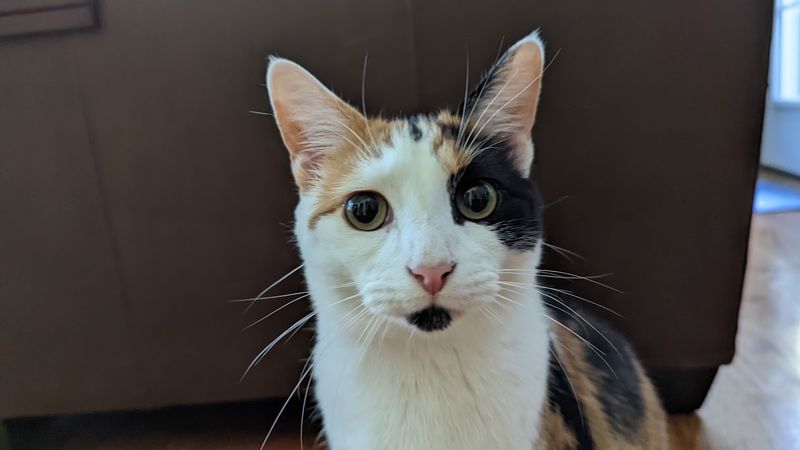
A visit here is not only about cats, because the property offers a wider animal rescue atmosphere with rural charm.
Guests often mention goats, gardens, and other friendly creatures that make the grounds feel lively and memorable.
That mix can help first time visitors relax, especially children or adults who want a gentle outdoor outing.
Instead of focusing only on adoption, some people simply enjoy the quiet walk and the chance to observe animals.
Reviews describe beautiful scenery, gift shop finds, and a calm weekend stop for people who love plants and pets.
Those extra touches matter because they invite community interest and may encourage donations from visitors not ready to adopt.
Even so, the cats remain the heart of the mission, so respectful behavior should guide every part of the visit.
Keep voices low, follow staff directions, and avoid chasing animals for photos or attention.
Families can use the trip as a chance to teach empathy, patience, and the idea that rescue spaces are homes first.
When people enjoy the property thoughtfully, the broader setting adds warmth without distracting from the serious work of animal care.
What To Know Before You Visit
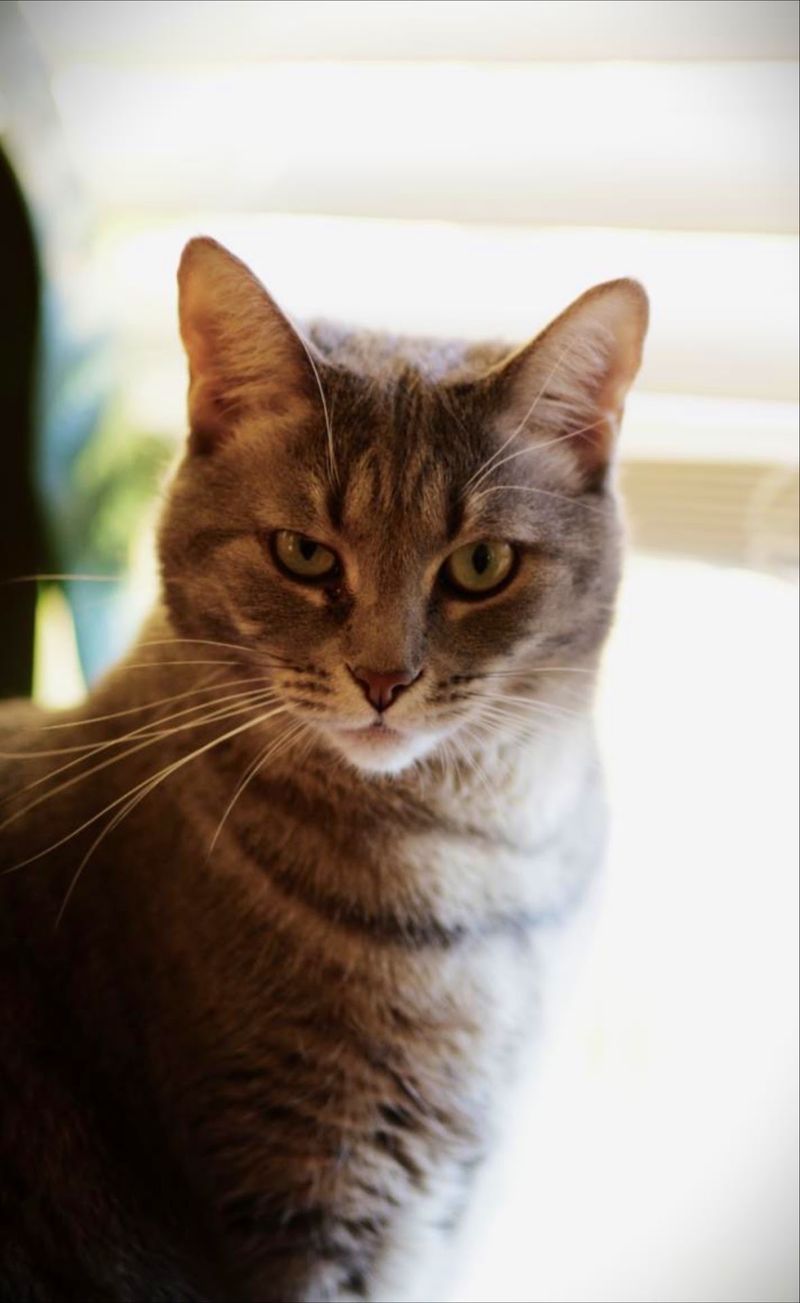
A little planning can make the visit smoother, especially since the refuge keeps limited public hours on select days.
Current posted hours show it is generally open Friday through Sunday from late morning into midafternoon.
Checking the website or calling ahead is smart, because rescue schedules can change with weather, staffing, or animal needs.
Wearing simple clothes and sturdy shoes helps when walking outdoor areas, gravel paths, and shaded spots.
Bring a calm attitude too, since many visitors come for a peaceful experience and some cats prefer soft voices.
If adoption is your goal, write down questions about health history, vaccinations, spay or neuter status, and follow up care.
That step matters because public reviews include both happy success stories and concerns about communication or medical details.
Balanced expectations help visitors appreciate the mission while still making careful, informed choices.
A donation, supply gift, or volunteer interest can also support the cats, even if you are not adopting today.
With good preparation, your trip becomes more meaningful, and the animals benefit from visitors who are thoughtful, patient, and informed.