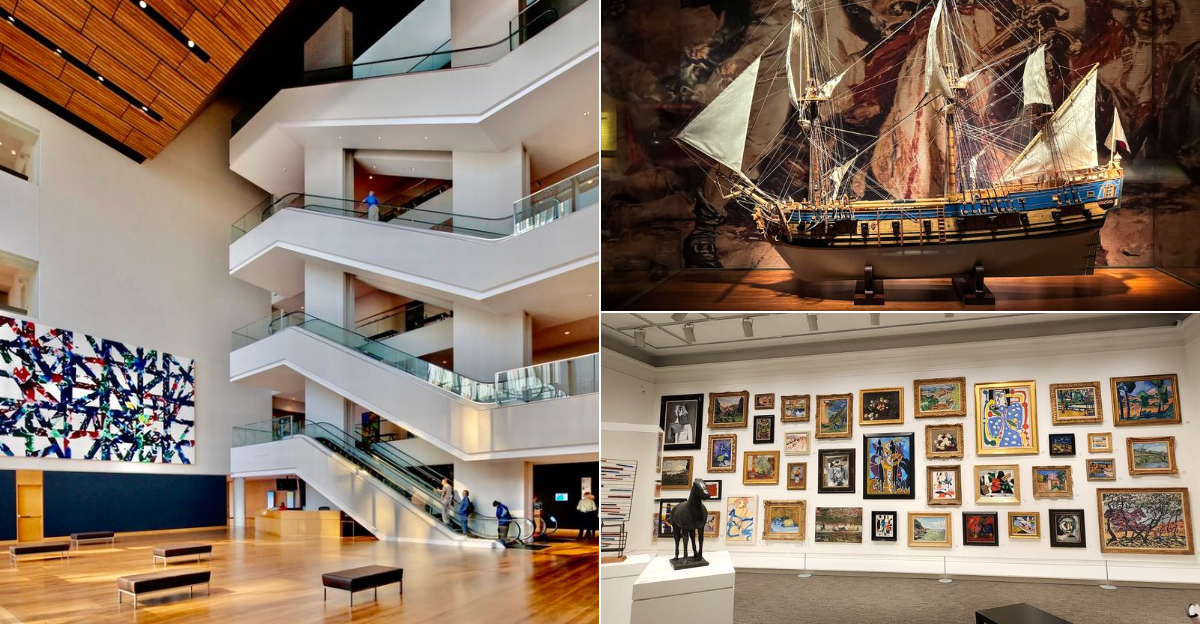
North Carolina’s museum scene is one of those pleasant surprises that catches visitors off guard in the best way.
The state has invested heavily in world-class institutions that cover everything from natural history and science to art, battleships, and Indigenous culture.
What’s most striking is the scale, these aren’t modest regional galleries but genuinely large, immersive spaces that reward multiple hours of exploration.
The variety is just as impressive: one afternoon you might stand inside a life-size dinosaur exhibit, and the next you’re walking the deck of a historic warship.
Each of these museums brings something distinct to the table, drawing on North Carolina’s geography, history, and creative community.
Here are ten massive North Carolina museums that turned out to be far more absorbing than we anticipated.
1. North Carolina Museum of Natural Sciences, Raleigh, Wake County
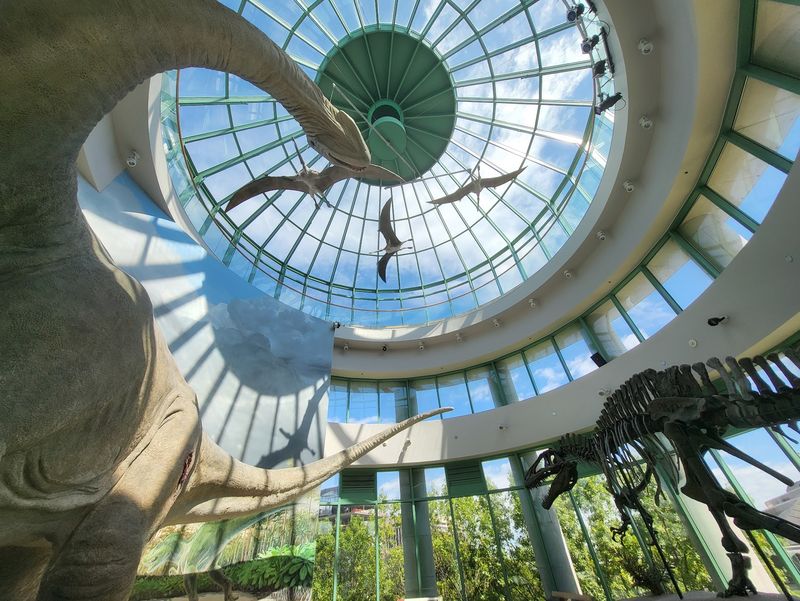
At first glance, the building seems like a quiet stop for school trips, but the energy inside quickly changes that idea.
Giant dinosaur skeletons, live animals, and hands on exhibits make the North Carolina Museum of Natural Sciences in Raleigh feel busy, curious, and surprisingly exciting for every age group.
Instead of racing through, take time on the upper floors where windows frame downtown and small displays explain big ideas clearly.
Kids usually love the butterfly room and the whale model, while adults notice how well the museum connects climate, habitats, health, and daily life across North Carolina for visitors.
Good planning helps here because the museum is large enough to fill several hours without feeling boring.
Wear comfortable shoes, check the daily schedule for talks or feedings, and visit the Discovery Room if younger children want something more active after reading labels and studying specimens closely for a while.
What surprises many people most is the mix of fun and real research happening under one roof.
Scientists work in visible labs nearby, so visitors can see that discovery is not only from the past, it is still happening today in Raleigh, Wake County, every single day for curious minds.
2. North Carolina Museum of Art, Raleigh, Wake County
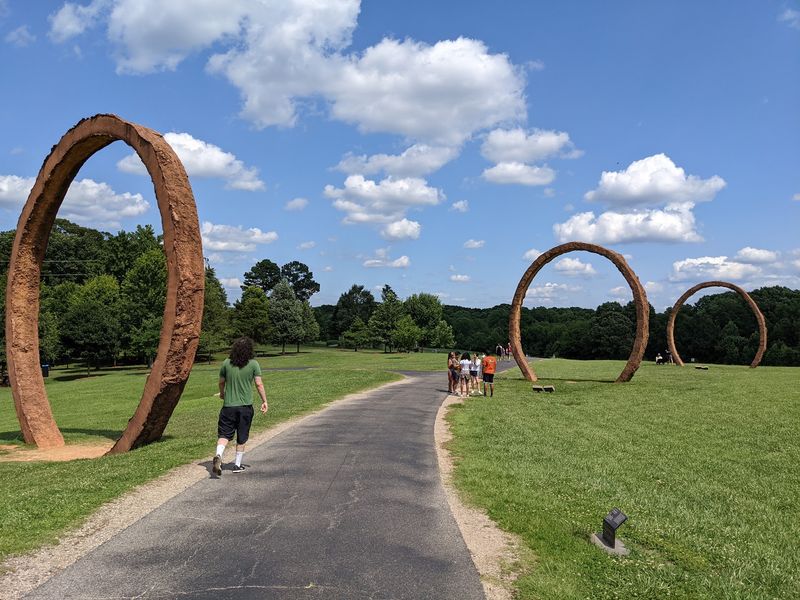
Some museums feel stiff, yet this one invites you to relax, wander, and look slowly at both art and landscape.
The North Carolina Museum of Art in Raleigh blends indoor galleries with outdoor trails, proving that a large museum can feel open, calm, and wonderfully welcoming to many new visitors.
A smart visit starts outside, where sculptures sit among fields, trees, and pathways that encourage easy conversation.
Inside, rooms move across centuries and styles, so beginners can compare old paintings, bold modern pieces, and handmade objects without feeling lost or talked down to by the labels and layout there.
Families should grab a map because the campus is bigger than many first timers expect.
Bring water for the park, choose a few galleries instead of everything, and watch for special exhibits that often turn one good trip into a reason to return soon with friends on another free afternoon.
What makes the place memorable is not only the collection, but the breathing room around it.
By the end, the North Carolina Museum of Art, Raleigh, Wake County, feels less like a checklist stop and more like a place you can actually enjoy thinking in for a long quiet time.
3. Discovery Place, Charlotte, Mecklenburg County
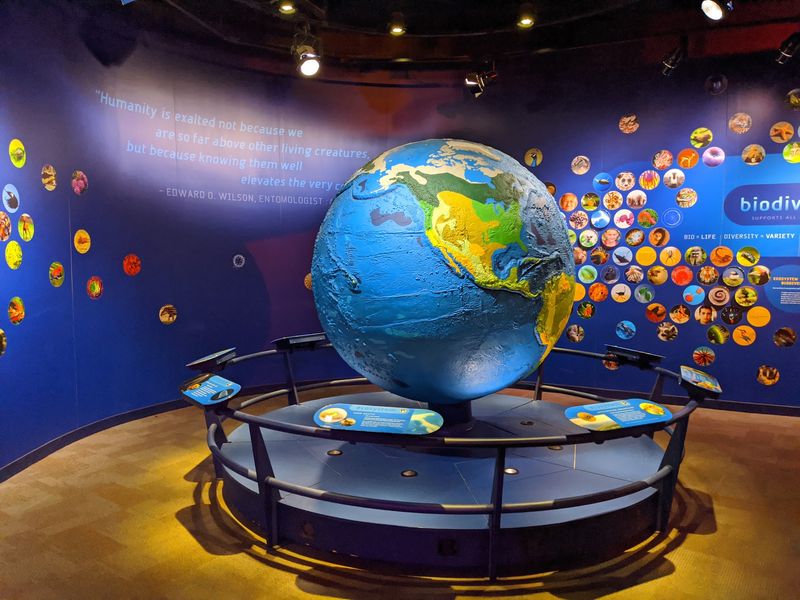
Bright colors, moving parts, and happy noise make this stop feel more like a playground for ideas.
Discovery Place in Charlotte turns science into something you can touch, test, and laugh with, which is why many families stay much longer than they planned during busy weekends and rainy afternoons there.
One room may focus on physics, while another lets kids meet animals or explore health and design.
Because the exhibits encourage experimenting instead of only reading signs, children often learn difficult concepts without realizing they are doing serious thinking the whole time while parents join in with real interest too.
If you visit with younger children, build in snack breaks and choose your must see zones early.
Crowds can rise fast on holidays, so buying tickets ahead helps, and the live demonstrations are worth timing your day around whenever possible because they add surprise energy to the entire visit experience.
The biggest surprise is how much variety fits into one building without feeling messy or confusing.
After exploring Discovery Place, Charlotte, Mecklenburg County, many visitors leave with better questions about how the world works, and that may be the most exciting souvenir of all for curious minds of every age.
4. North Carolina Museum of History, Raleigh, Wake County

History can sound dusty in a textbook, but it feels personal when real objects stand in front of you.
The North Carolina Museum of History in Raleigh uses clothing, tools, and stories to show how ordinary people helped shape the state across many generations through work, struggle, hope, change together.
Rather than rushing to famous names, spend time with the everyday items that reveal daily life.
Old kitchen pieces, military displays, sports moments, and civil rights exhibits help younger visitors understand that history is really about choices, challenges, and neighbors, not just dates on a classroom wall or worksheet page.
Families often appreciate the clear layout, which makes a large museum easier to handle in parts.
Start with the exhibits that match your interests, then check for temporary shows, since they can offer fresh reasons to visit again even if you have been before with friends or visiting relatives nearby.
One reason the museum sticks with people is its balance of pride and honesty.
By the time you leave the North Carolina Museum of History, Raleigh, Wake County, the past feels less distant, and the stories behind North Carolina feel more human and easier to remember for years after visiting.
5. Greensboro Science Center, Greensboro, Guilford County
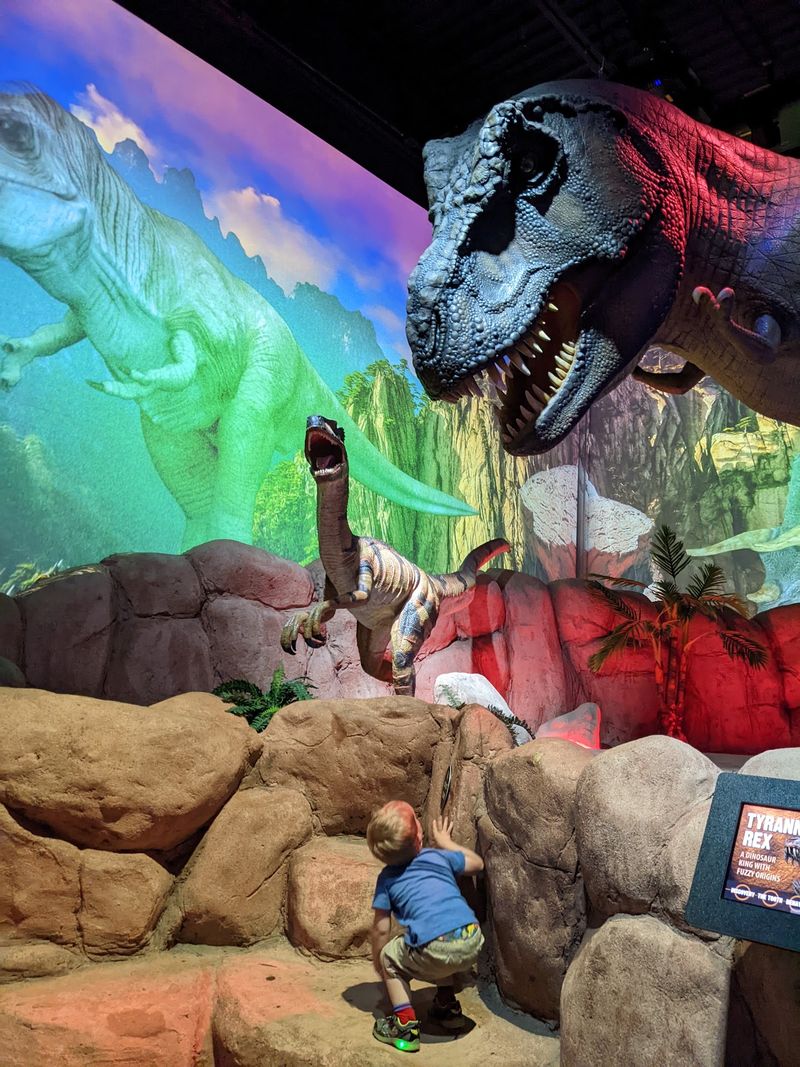
A day here can shift quickly from aquarium wonder to zoo fun to classic museum learning.
The Greensboro Science Center in Greensboro packs several experiences together, which makes it feel huge in the best way and keeps different ages interested without much effort from the first hour to closing time.
Kids may rush toward penguins or sharks first, while adults notice how smoothly the exhibits connect.
Marine life, reptiles, weather, and space displays sit close enough to keep energy up, so families can move between living animals and scientific ideas without losing momentum during one long afternoon indoors and outside.
Because the campus covers a lot, comfortable shoes and a rough plan will help.
Look at feeding schedules before you start, especially if animal encounters matter most, and save a little time for the treetop adventure area if your group wants extra action before everyone gets tired near sunset there.
The surprise comes from how neatly the place blends excitement with learning instead of forcing a choice.
After visiting the Greensboro Science Center, Greensboro, Guilford County, many people realize it works beautifully for mixed age groups, picky travelers, and anyone who gets bored easily during ordinary weekends or special trips.
6. USS North Carolina Battleship Memorial, Wilmington, New Hanover County

Steel halls, narrow ladders, and sleeping bunks make the past feel close in a serious way.
The USS North Carolina Battleship Memorial in Wilmington is not a quiet room of cases, but a huge ship where visitors can imagine daily life during wartime for sailors working under constant pressure there.
Walking through the engine rooms and deck spaces gives the visit a strong, memorable weight.
Young visitors often remember how cramped the quarters were, while adults think about the teamwork, fear, and discipline needed to keep such a massive vessel moving during long missions far from home at sea.
Anyone planning a stop should know the tour involves stairs, tight passages, and summer heat.
Bring water, wear shoes with grip, and move at your own pace, because reading station signs slowly helps the ship turn from a photo stop into a deeper experience for both kids and adults alike.
More than anything, the size of the ship changes how people understand military history.
By the end of a visit to the USS North Carolina Battleship Memorial, Wilmington, New Hanover County, service feels less abstract and more connected to real bodies, routines, and sacrifice for the nation they protected daily.
7. Museum of the Cherokee Indian, Cherokee, Swain County
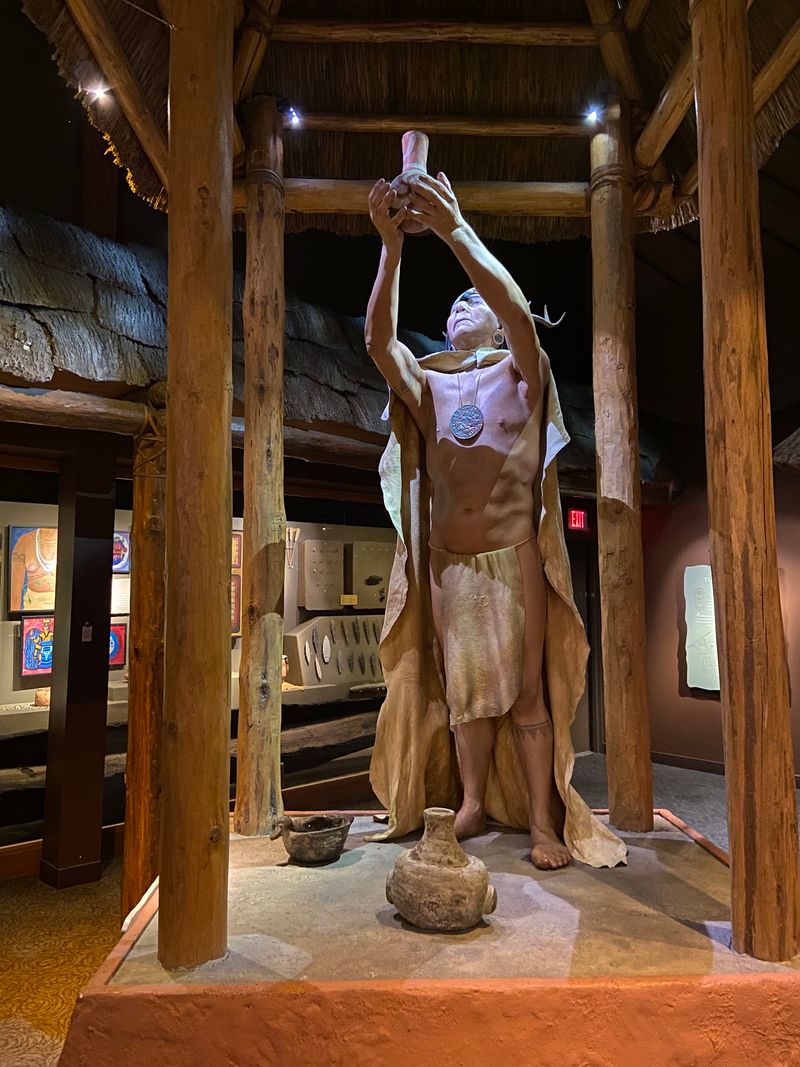
Some places teach by slowing you down, and that quiet power works beautifully here.
The Museum of the Cherokee Indian in Cherokee shares the history, beliefs, and resilience of the Cherokee people through thoughtful exhibits that encourage respect, listening, and careful attention to stories often missed in simple summaries elsewhere.
Instead of treating Native history as something frozen long ago, the museum gives it living context.
Artifacts, language pieces, maps, and timelines help visitors see forced removal, survival, and community strength as connected parts of a story that still matters in the present for families across western North Carolina today.
Take your time reading labels here, because the details add meaning that quick photos cannot capture.
Pair the visit with nearby cultural sites if possible, and be ready for serious moments that may lead to valuable family conversations about fairness, memory, and identity after you leave the galleries behind together.
What stays with many visitors is the museum’s honesty and dignity rather than flashy tricks.
After time at the Museum of the Cherokee Indian, Cherokee, Swain County, people often leave with a stronger sense that North Carolina’s story is wider, older, and more complicated than expected to most first timers.
8. Ackland Art Museum, Chapel Hill, Orange County
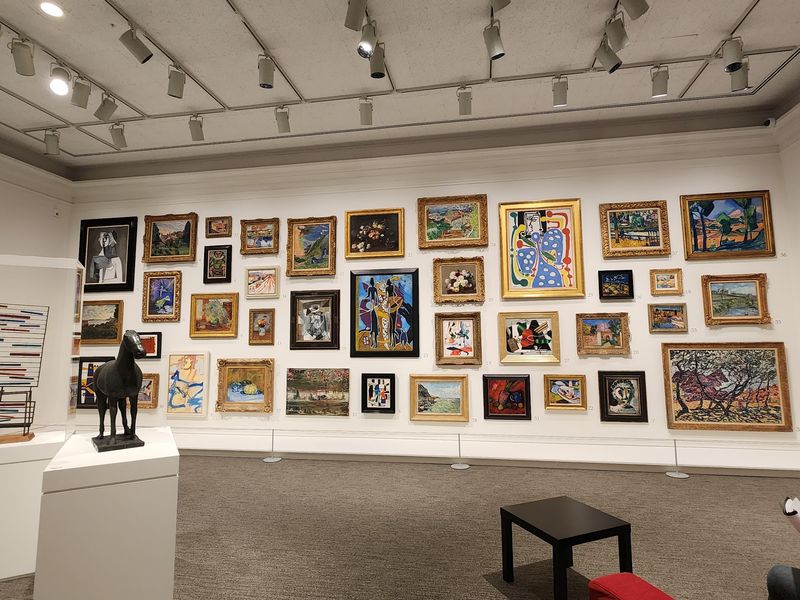
Tucked into a college town, this museum feels like a smart secret waiting behind an ordinary day.
The Ackland Art Museum in Chapel Hill surprises visitors with a broad collection, showing that a smaller footprint can still hold a world of ideas and styles for curious students, families, and travelers.
One gallery may offer ancient objects, while another features bold prints, portraits, or modern work.
That range helps beginners learn how art changes across time, and it gives returning visitors new angles to notice with every slow pass through the rooms on quiet afternoons between classes or weekend plans nearby.
Because the museum is manageable, it works well for people who feel overwhelmed by giant institutions.
Read a few labels closely, pick a favorite piece, and talk about why it stands out, since simple conversations often make art feel less intimidating and much more personal for younger first time visitors.
Its biggest strength is how approachable it feels without giving up depth or quality.
After visiting the Ackland Art Museum, Chapel Hill, Orange County, many people realize they do not need expert training to enjoy art, only time, attention, and a little curiosity to guide their eyes and questions forward.
9. Levine Museum of the New South, Charlotte, Mecklenburg County
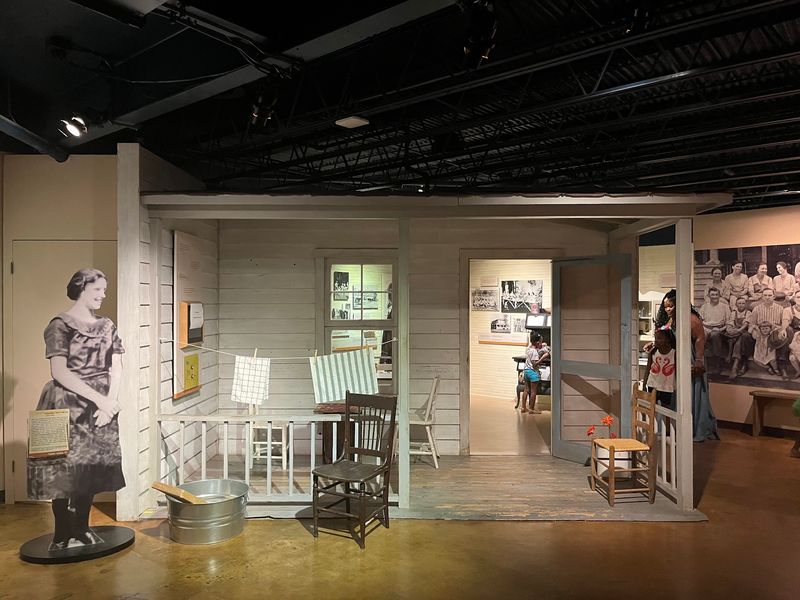
Few museums connect past and present as clearly as this one does for city life.
The Levine Museum of the New South in Charlotte explores the post Civil War South, helping visitors understand race, growth, migration, and change through stories that feel immediate to modern neighborhoods and daily choices now.
Interactive displays make difficult subjects easier to enter, even when the emotions are heavy.
Photos, recordings, and recreated spaces show how public policy shaped homes, schools, jobs, and transportation, giving younger visitors concrete examples instead of vague lessons about fairness and opportunity in the changing South over many decades there.
A good visit here starts with patience, because the museum asks people to think, not just look.
Go with someone willing to talk afterward, and do not skip reading the context panels, since they help personal stories connect to larger social changes that shaped Charlotte and the region deeply too.
What surprises many visitors is how relevant the exhibits feel long after the tour ends.
By leaving the Levine Museum of the New South, Charlotte, Mecklenburg County, people often see everyday streets, neighborhoods, and news stories with sharper understanding and more empathy for the people living beside them today there.
10. Mint Museum, Charlotte, Mecklenburg County
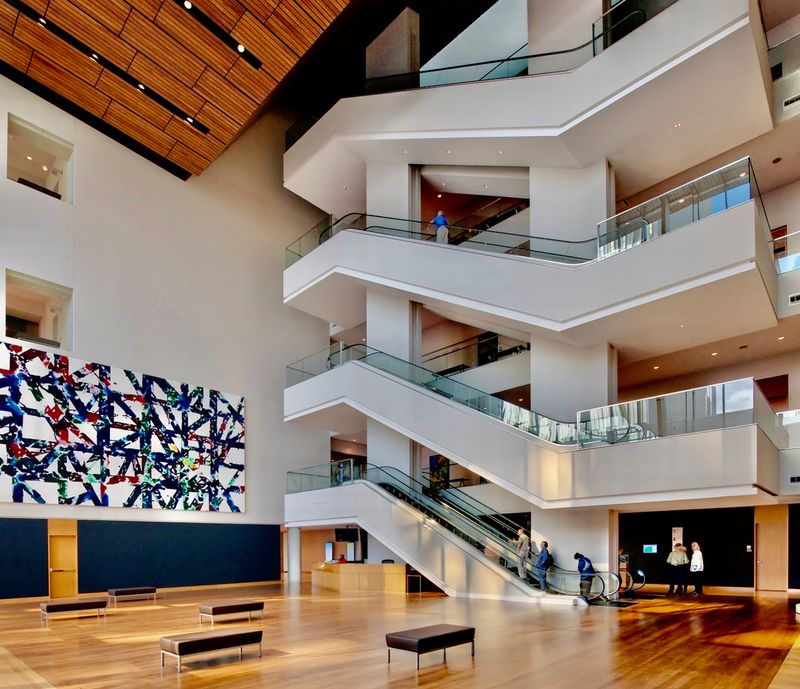
City views, polished galleries, and a wide mix of objects give this museum an impressive first feel.
The Mint Museum in Charlotte covers decorative arts, fashion, craft, and global works, so visitors can move from delicate design details to bold contemporary pieces without losing interest at either main location there.
Because the collection is so varied, almost everyone finds one section that clicks quickly.
Ceramics may grab one person, clothing another, and painting someone else, which makes the museum especially helpful for groups where tastes differ and attention spans do too during family outings, school breaks, or downtown visits together.
Start with the floors that match your mood instead of trying to conquer everything at once.
Use the museum map, check for rotating shows, and pause at the craft or design pieces, since they often surprise people who thought art museums were not for them before this visit changed that.
The lasting appeal comes from range, not just size, and that keeps curiosity alive.
After time at the Mint Museum, Charlotte, Mecklenburg County, visitors often remember one small object as much as the famous rooms, which says a lot about how thoughtfully the place is arranged for careful steady browsing.