Virginia’s coastline, tidal rivers, and barrier islands are home to some of the most historically significant lighthouses on the entire East Coast.
Each one tells a story, of sailors navigating dangerous shoals, of keepers maintaining the flame through storms and centuries, of communities that formed around the light.
What makes these lighthouses special is that so many of them are still standing, still accessible, and still breathtaking in person.
Whether you’re climbing the spiral stairs to a dizzying view or simply admiring the classic architecture from the waterside, the experience stays with you.
Here are ten of Virginia’s most stunning and storied historic lighthouses that are well worth adding to your travel list.
1. Cape Henry Lighthouse – Virginia Beach, Virginia Beach City,
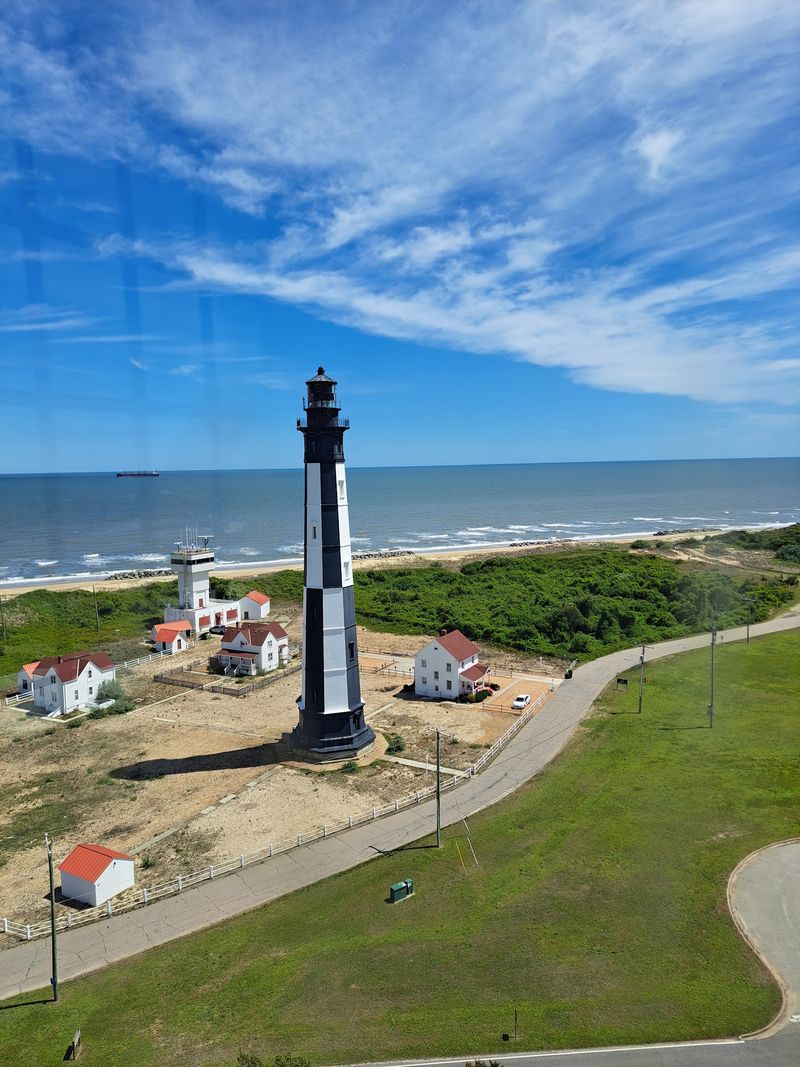
Morning light spills over dunes, and the salty breeze makes every step feel like a walk into Virginia’s coastal story.
Soon you reach Cape Henry Lighthouse in Virginia Beach, Virginia Beach City, where walls and ocean views reward the climb.
Built in 1792, it was the first federally funded lighthouse in the nation, giving it a place in American history.
The stairway feels narrow and a little dramatic, so wear good shoes, hold the rail, and take your time inside.
From the top, visitors can spot the Chesapeake Bay, the Atlantic Ocean, and busy military waters that shaped local life.
Nearby, the newer black and white lighthouse helps tell the full navigation story, even though the older tower steals attention.
Plan for security checks because the site sits on Joint Base Fort Story, and bring identification to make entry easier.
A small museum shop and helpful signs add context, making the visit better for kids, grandparents, and curious history fans.
Clear weather gives the best photos, especially near sunset, when the tower glows warmly and the horizon seems almost endless.
Anyone who loves big views and early American landmarks will leave with stronger respect for sailors, builders, and Virginia’s shoreline.
2. Assateague Lighthouse – Chincoteague, Accomack County,
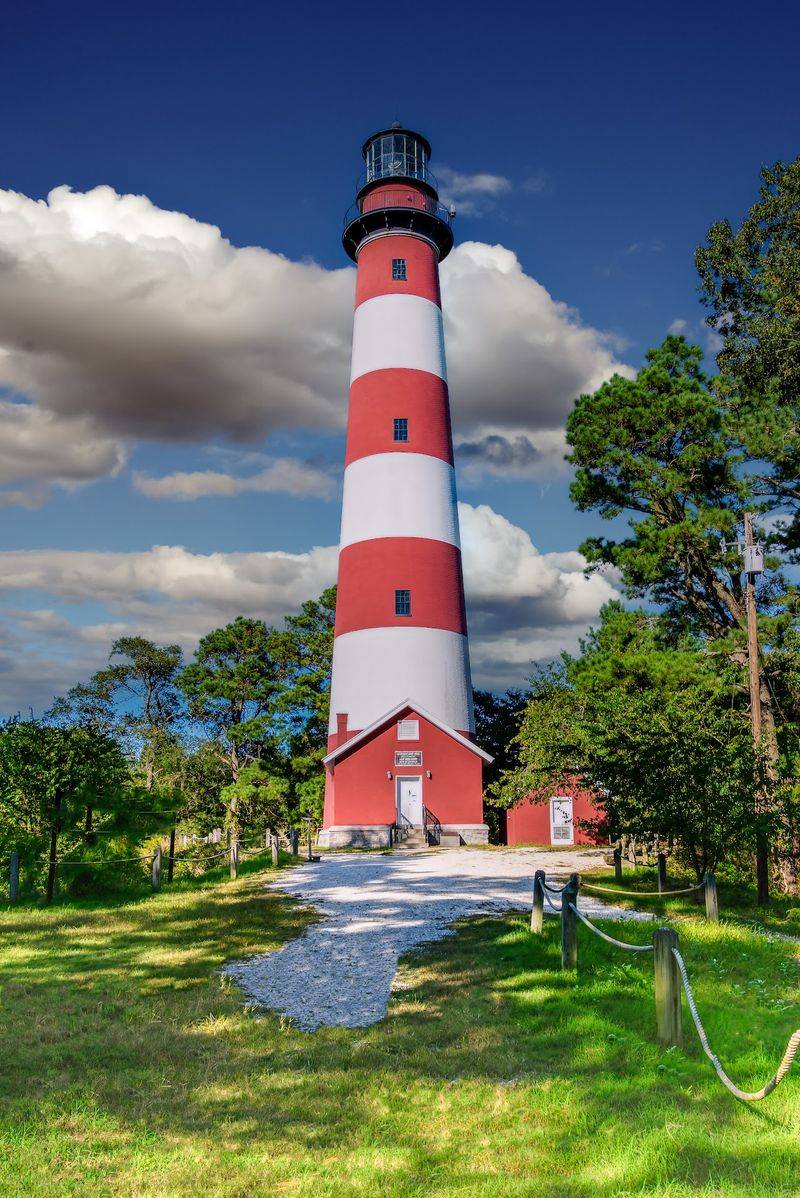
Wild ponies, marsh grass, and sea birds set the mood before the red and white Assateague Lighthouse comes into view.
Standing near Chincoteague, Accomack County, the tower belongs to the Chincoteague National Wildlife Refuge and feels wrapped by nature there.
Its striped design makes it one of Virginia’s most recognizable beacons, and the setting adds peaceful windswept drama for visitors.
Climbing opportunities can change, so check refuge updates before you go, especially during repairs, storms, or bird nesting seasons there.
Even from ground level, the views are wonderful, with marsh channels, pine woods, and open sky stretching in every direction.
Bring bug spray in warm months, plus water and sunscreen, because the refuge paths offer little shade during midday walks.
Families often pair the lighthouse stop with beach time, wildlife watching, and a visit to town for ice cream afterward.
The history here includes ship guidance, coastal storms, and constant change along barrier islands that never stay exactly the same.
Photographers love early morning, when soft light brightens the tower and birds cross the frame without crowds filling the scene.
A visit feels both adventurous and calm, which is a rare mix that helps Assateague stay memorable after vacation ends.
3. New Point Lighthouse – Cape Charles, Northampton County,
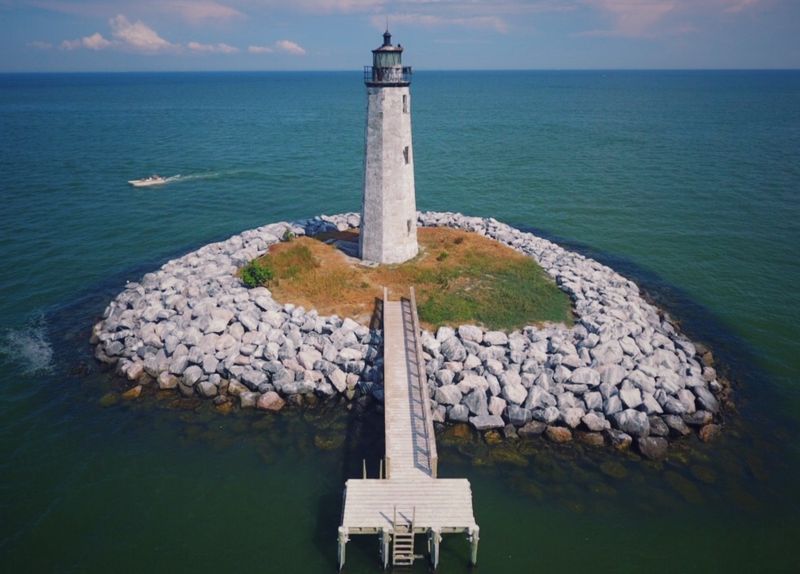
Out on the bay, where wide water and working boats share the horizon, a lonely tower tells a lighthouse tale.
That landmark is New Point Lighthouse in Cape Charles, Northampton County, standing offshore at the entrance to the Chesapeake Bay.
Unlike walk-up towers, this cast iron sentinel is usually admired from boat trips, ferries, or distant shoreline viewpoints nearby today.
Its hard to reach setting teaches an important lesson, because some Virginia lighthouses protected sailors from places people rarely visited.
Built in 1895, the structure replaced earlier lights and helped guide shipping through one of the East Coast’s busiest routes.
If you want the best look, book a local boat excursion and bring binoculars, since details show up over water.
Sunrise can be magical here, with soft colors reflecting across the bay while the lighthouse rises from waves like scenery.
Because access is limited, families should pair lighthouse viewing with Cape Charles beach time, shops, and the pleasant fishing pier.
The story feels a little mysterious, and that mystery is part of the charm for travelers who enjoy hidden landmarks.
Seeing it reminds visitors that not every historic place needs a gift shop to leave a strong impression on memory.
4. Old Point Comfort Lighthouse – Fort Monroe, Hampton City,
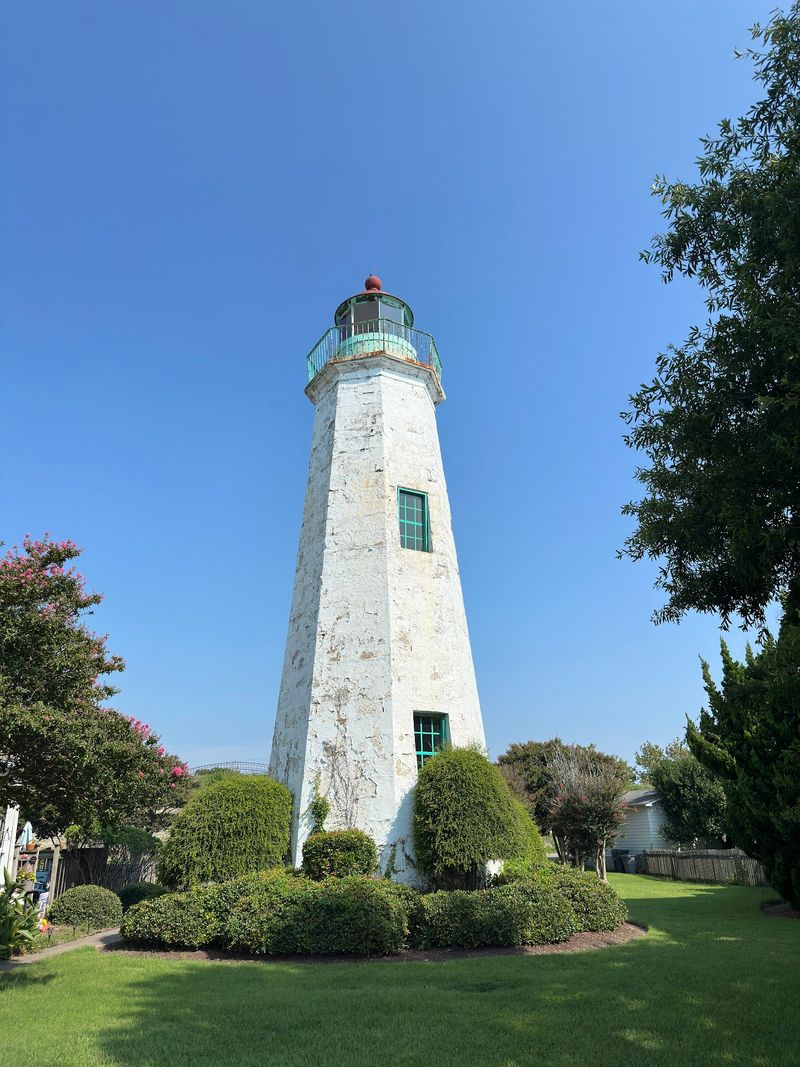
Sunset over stone walls and harbor water creates a calm scene before one of Virginia’s most charming lighthouse views appears.
Old Point Comfort Lighthouse in Fort Monroe, Hampton City, has watched the entrance to Hampton Roads since 1803 with patience.
Its low, handsome tower sits near historic fort buildings, making the whole area feel like an outdoor history book today.
Visitors cannot always climb inside, but the grounds around Fort Monroe are welcoming, walkable, and packed with meaningful stories nearby.
The lighthouse mattered during wars, trade growth, and daily naval traffic, so its history reaches far beyond pretty photographs alone.
A visit pairs well with the Casemate Museum, the beach, and long seawall walks where ships pass close by regularly.
Early evening is especially lovely, because warm light hits the old stone and the harbor starts to quiet down there.
Bring a camera with a wide lens if possible, since the fort, lighthouse, and water fit together beautifully in photos.
Kids often enjoy spotting boats while adults read markers, which helps everyone stay engaged without feeling stuck in place there.
Few sites blend military history, coastal scenery, and lighthouse charm as smoothly as this memorable corner of Hampton City today.
5. New Point Comfort Lighthouse – Mathews, Mathews County,
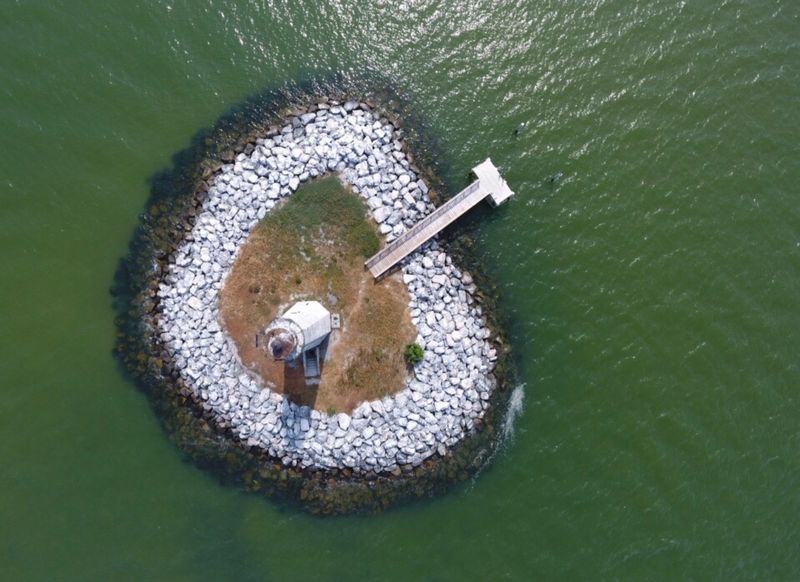
At high tide, the water seems to cradle this lighthouse, giving it a lonely beauty that feels almost storybook real.
New Point Comfort Lighthouse in Mathews, Mathews County, stands where Mobjack Bay meets the Chesapeake Bay for patient modern visitors.
Built in 1805, it is the third oldest standing lighthouse in Virginia, and its white tower looks timeless from shore.
Access usually means viewing from the beach and nearby grounds, not climbing, so pack binoculars for a better look outside.
A road once reached the light, but shoreline changes turned it into a more isolated landmark with extra character today.
The nearby New Point Comfort Nature Preserve adds trails, beachcombing, and birdwatching, which makes the outing feel full and relaxed.
Bring shoes you do not mind getting sandy, because the coastal setting invites wandering, exploring, and sitting quietly for awhile.
Storm stories, erosion, and changing waterlines give the site a thoughtful mood that many travelers find unforgettable during calm evening visits.
Sunrise is a smart time to visit, since colors on the bay can make even simple photos look special there.
People who like quieter destinations often treasure this stop, because it offers beauty without the buzz of bigger attractions nearby.
6. Chesapeake Lightship Museum – Norfolk, Norfolk City,
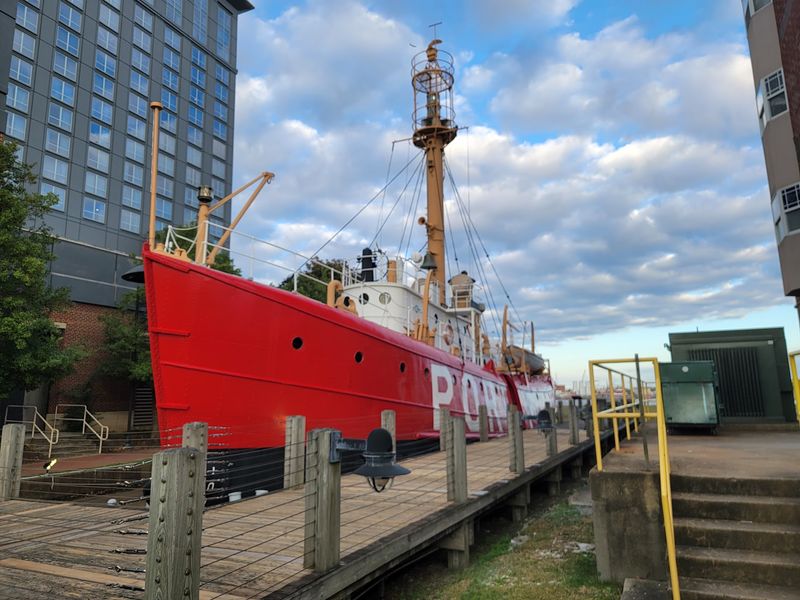
Not every lighthouse stands on land, and that surprise alone makes a lightship museum feel fresh and memorable for visitors.
At the Chesapeake Lightship Museum in Norfolk, Norfolk City, maritime history comes alive through a floating beacon story for families.
Before modern towers and electronics handled everything, lightships marked dangerous waters by staying anchored in key locations for passing sailors.
Walking the decks helps people imagine rough storms, cramped quarters, and long nights when crews protected ships they never met.
Museum displays often explain signals, lamps, daily chores, and repairs, which is useful for kids who like hands on learning.
Because space aboard can feel tight, comfortable shoes and slow steps make the visit easier for all ages during tours.
Ask guides about fog, whistle signals, and crew routines, since those details turn an old vessel into living history easily.
Rainy days work well here, making the museum a smart backup when beach weather along the coast refuses to cooperate.
The setting encourages respect for ordinary workers, because keeping lights burning demanded patience, teamwork, and plenty of courage from crews.
For anyone curious about seafaring life, this stop offers a less common but deeply rewarding piece of Virginia heritage today.
7. Wolf Trap Light – Mathews, Mathews County,
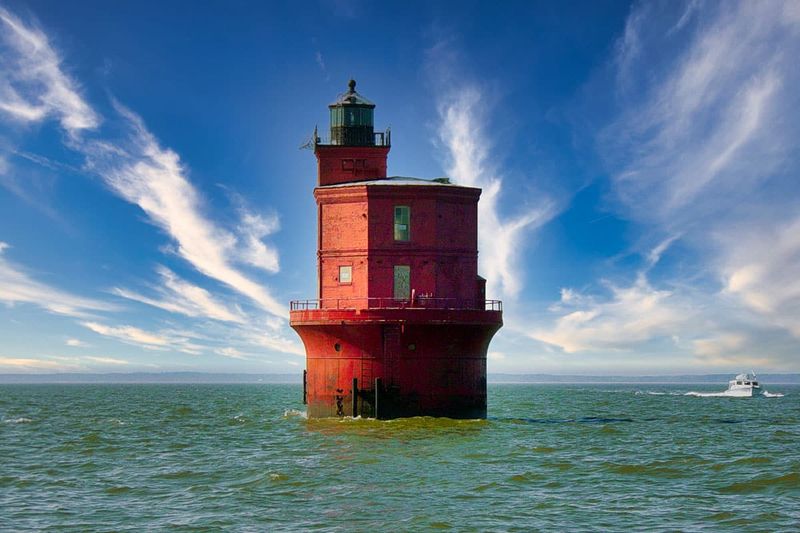
A dramatic name like Wolf Trap already sparks curiosity, and the story behind this bay lighthouse lives up to it.
Wolf Trap Light near Mathews, Mathews County, guarded a shoal in the Chesapeake Bay where navigation could turn tricky fast.
The original screw pile lighthouse faced storms, ice, and erosion, showing how hard the bay worked against human plans daily.
Although the historic structure is gone, replicas and exhibits help visitors picture its shape and understand its usefulness more clearly.
Boat tours, maritime museums, and local interpretation sites are the best ways to connect with the Wolf Trap history today.
If you enjoy engineering tales, pay attention to how screw pile foundations let builders work over soft underwater ground there.
Children often like imagining keepers surrounded by water, with supplies arriving by boat instead of a front porch route daily.
The mood feels a bit ghostly, which fits a lighthouse remembered through stories, models, and the stubborn memory of sailors.
Bring curiosity rather than expecting a tall climb, because the reward here is understanding a lost landmark, not conquering steps.
That unusual angle makes Wolf Trap Light especially appealing for readers, history buffs, and travelers who like overlooked places most.
8. Smith Island Light – Reedville, Northumberland County,
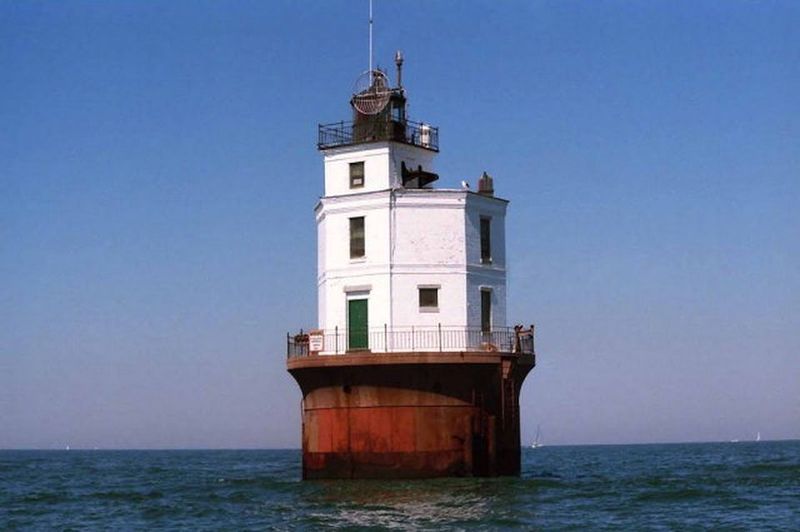
Far from busy highways, the bay feels bigger and older around this lighthouse, and that mood stays with visitors longer.
Known as Smith Island Light near Reedville, Northumberland County, the structure helped guide mariners through exposed Chesapeake waters safely home.
Remote settings like this show why lighthouse keepers needed patience, resourcefulness, and real comfort with quiet surroundings for long stretches.
Visitors usually learn about it through regional museums, boat trips, and shoreline interpretation rather than an easy stair climb today.
That may sound less exciting at first, yet the distance gives the lighthouse a rare feeling of authenticity for visitors.
Pack binoculars and check local tour options if you want better views, because water access changes the experience greatly here.
Birders often enjoy this area too, since open bay habitats can bring ospreys, gulls, and migrating species during cooler months.
Storm damage and shifting shorelines have shaped its history, reminding travelers that coastal landmarks must fight to survive through time.
The story works best for people who enjoy imagination, because you must picture daily life beyond what you can touch.
Once you understand that challenge, Smith Island Light becomes more than a dot on the horizon, it becomes personal somehow.
9. Windmill Point Lighthouse – White Stone, Lancaster County,
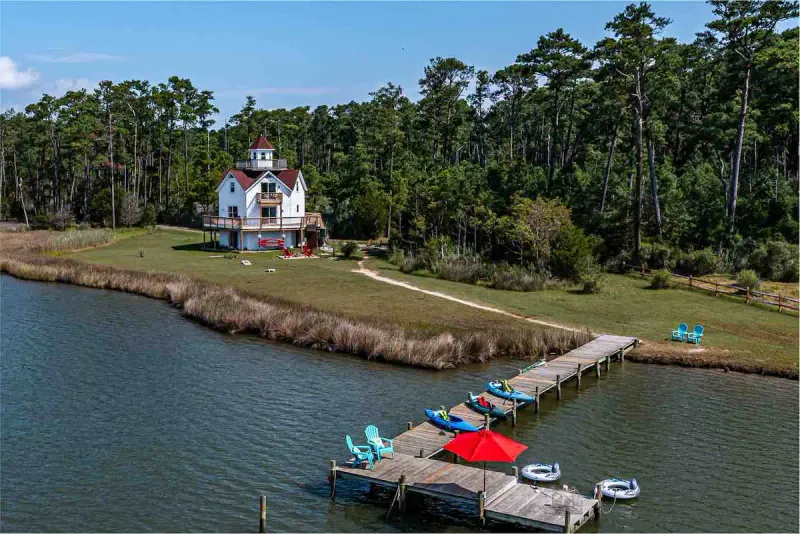
Where the Rappahannock River meets the bay, shifting light and broad water make every glance feel almost cinematic to visitors.
Windmill Point Lighthouse near White Stone, Lancaster County, has long warned mariners about dangerous shoals near the river mouth there.
The lighthouse seen today comes from a history of change, including different structures built as weather and needs evolved locally.
Because parts of its story involve offshore placement, visitors often connect with it through waterfront viewpoints and local exhibits nearby.
That arrangement works well for photographers, who can frame boats, marsh edges, and glowing skies around the landmark beautifully there.
If you are exploring the Northern Neck, pair the stop with seafood, small towns, and scenic backroad drives for fun.
History fans enjoy learning how keepers managed storms and isolation while protecting commercial traffic moving through regional waters daily there.
Summer sunsets can be excellent here, but bug spray helps if you linger near marshy areas after dusk for photos.
The name itself adds personality, hinting at old local geography and giving the site a memorable identity for travelers today.
Windmill Point rewards patient visitors with atmosphere, regional context, and views that feel shaped by working water all around it.
10. Roanoke Marshes Lighthouse – Manteo, Dare County,
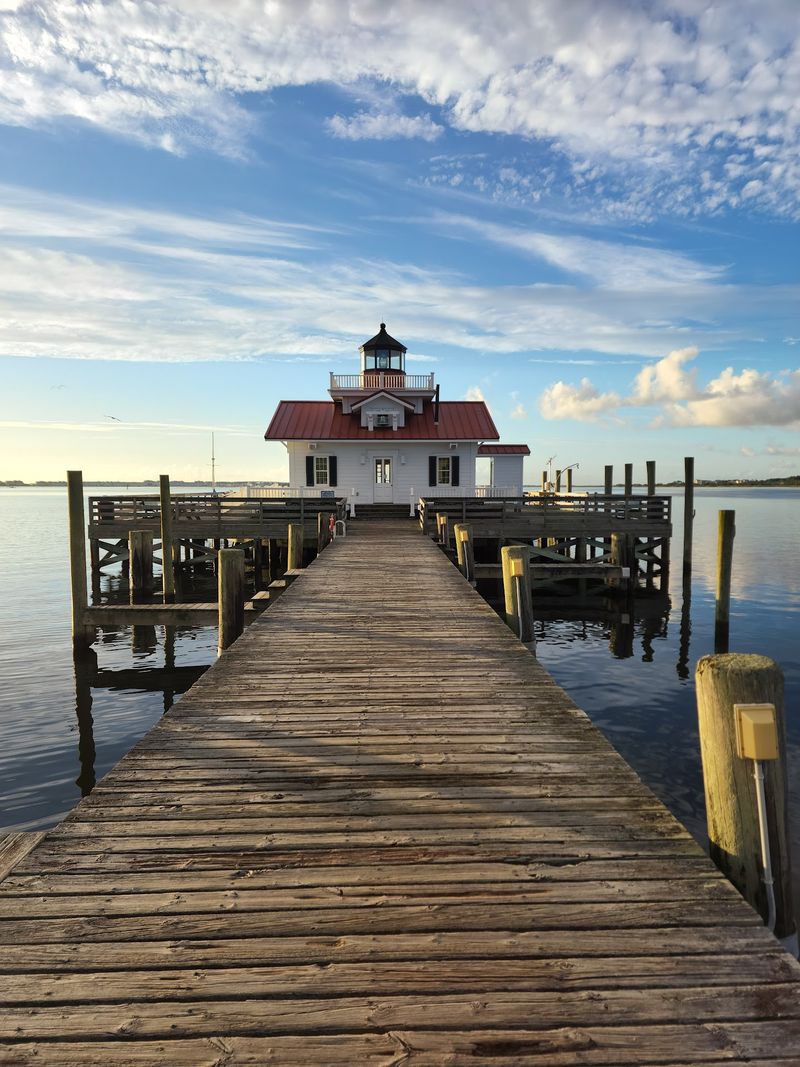
Bright red shutters and a cottage style profile make this lighthouse feel friendly, almost like a home standing over water.
Roanoke Marshes Lighthouse in Manteo, Dare County, charms visitors with a boardwalk setting and easy access for families walking nearby.
The current building is a careful replica, which helps preserve the look of a screw pile lighthouse without losing safety.
Inside, exhibits explain coastal navigation and local life, making the stop more educational than its small size suggests to newcomers.
Visitors like the relaxed downtown setting, because shops, snacks, and harbor views sit just steps from the entrance there daily.
A short visit works fine here, especially for kids who prefer quick discoveries over long climbs and crowded rooms today.
Morning light reflects nicely on the water, so photographers often find clean colors and soft shadows around the dock there.
The lighthouse also shows how communities rebuild and reinterpret history instead of letting beloved landmarks disappear completely from public memory.
Benches nearby make it easy to slow down, watch boats, and let the harbor scenery do some storytelling for visitors.
Even people who know little about lighthouses usually leave smiling, because the whole place feels welcoming and unfussy to all.