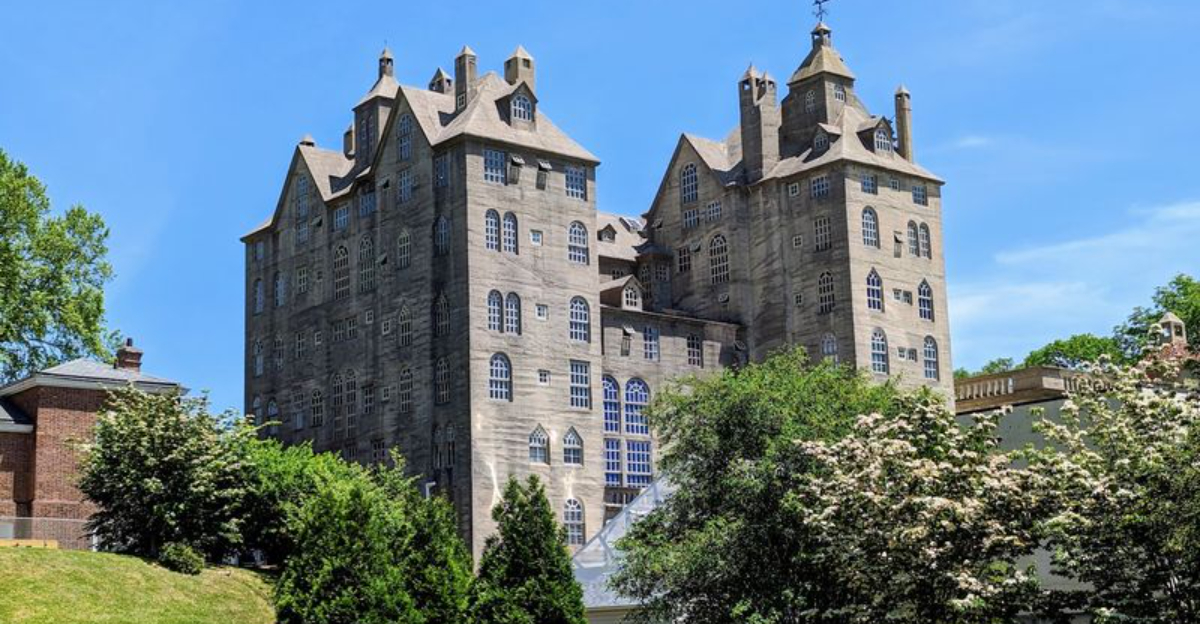
Pennsylvania has plenty of old buildings, but the Mercer Museum looks like it escaped from a storybook and then swallowed an entire town workshop.
Inside its tall concrete walls, visitors find tools, wagons, machines, kitchen gear, boats, baskets, and strange treasures stacked high above the floor.
The museum matters because it saves the everyday objects people used before factories changed daily life, showing how families worked, traveled, cooked, built, and survived.
Created by Henry Chapman Mercer, this place turns history into a giant treasure hunt where every balcony, stairway, and corner has something surprising.
It is fun, odd, smart, and a little dizzying in the best way.
Families can search for details, history fans can study old trades, and curious travelers can enjoy the wild design.
Bring comfortable shoes, charge your phone, and get ready to look up, down, and everywhere between.
This castle rewards curious eyes.
A Concrete Castle That Refuses To Act Ordinary
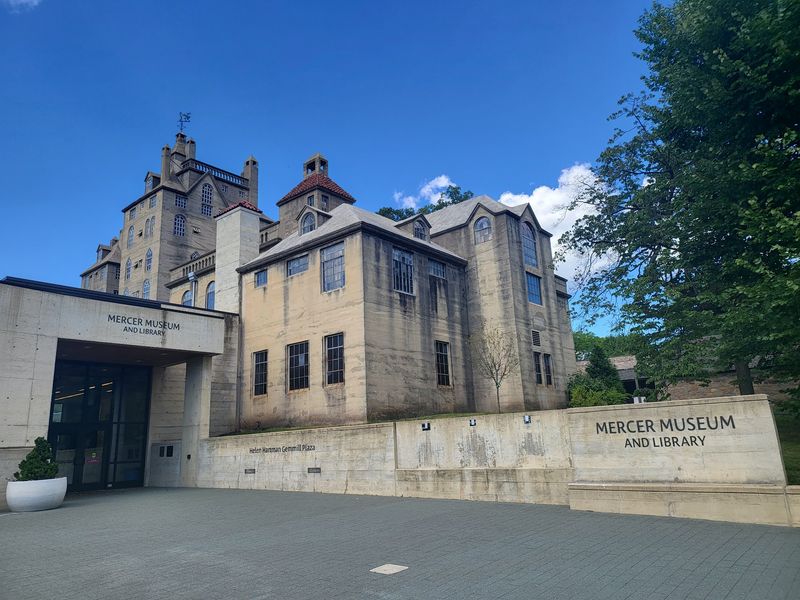
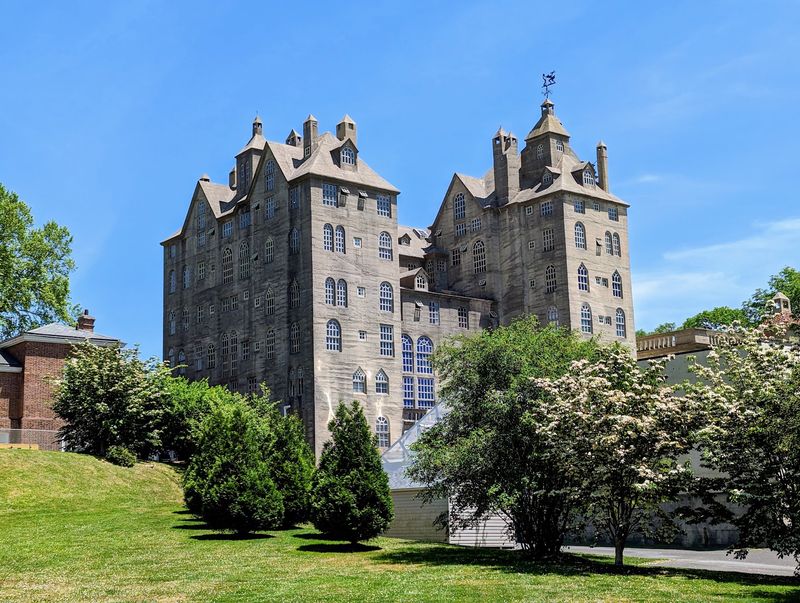
A gray castle in the middle of Bucks County is not trying to be cute or quiet.
Mercer Museum stands at 84 S Pine St, Doylestown, PA 18901, and its poured-concrete walls make it look strong enough to guard a kingdom of old tools.
Henry Chapman Mercer designed the building himself, and it opened in the early 1900s as a home for the objects he feared would disappear.
The museum is rated 4.8 stars by visitors, and many people say the building alone is worth the trip.
Look closely before you even walk inside.
The towers, odd shapes, and heavy surfaces show Mercer’s bold taste and his love of experiments.
Concrete was unusual for a museum like this, which makes the structure feel both medieval and modern.
Plan a few minutes outside for photos, then step in slowly.
The sudden change from quiet street to towering artifact maze is part of the fun, and it sets the mood for everything that follows inside.
The Great Hall Makes Visitors Look Up Fast
Your neck may get a workout before your feet do.
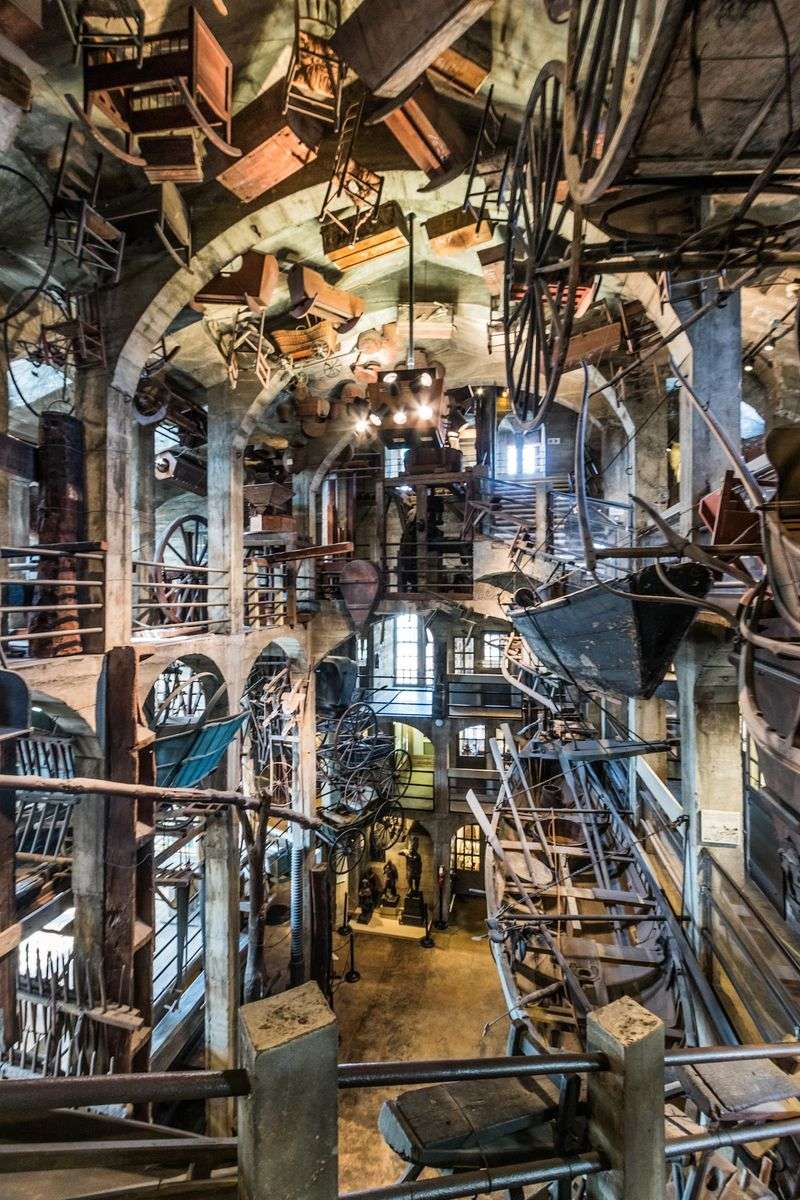
The Great Hall at Mercer Museum rises through the center of the building, and it feels like someone arranged a history lesson in midair.
Wagons, boats, tools, and household objects appear above, beside, and below you.
Some hang high over the open space, while others fill balconies and alcoves.
The view can feel overwhelming at first, so do not rush.
Pick one section, notice its theme, then move along.
Visitors often describe the first look upward as breathtaking, and that reaction makes sense.
The museum is not laid out like a flat row of glass cases.
Instead, it wraps around you.
Trades and daily tasks appear in layers, almost like a giant memory tower.
Kids may enjoy spotting large objects first, such as vehicles or farm equipment.
Adults may notice clever groupings by craft.
Take photos, but also pause without a screen.
The scale lands better when you simply stand still.
Thousands Of Everyday Objects Become The Main Event
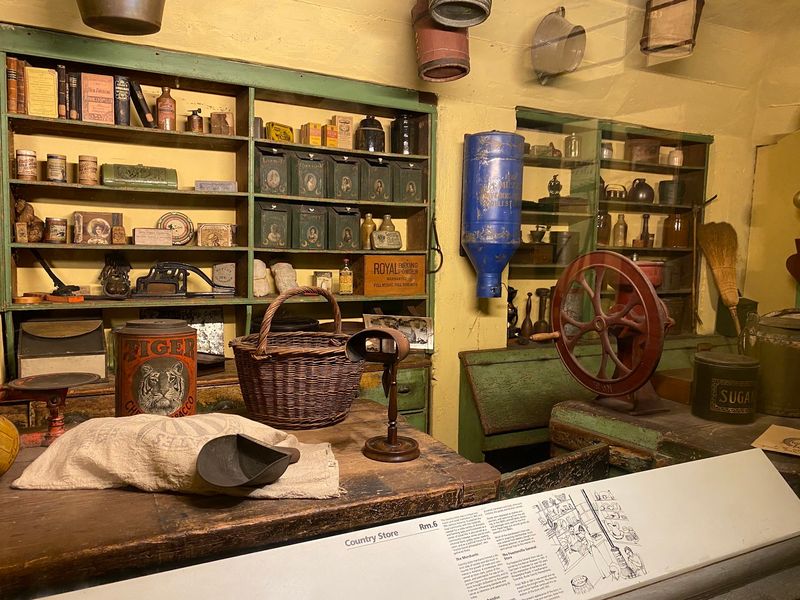
A washing tool can become strangely exciting when it hangs beside hundreds of neighbors from the past.
Mercer collected objects that many people once saw as junk.
That choice now feels brilliant.
Before the Industrial Revolution changed work, families relied on hand tools, simple machines, and skill passed from person to person.
The museum’s collection includes early American domestic tools, vehicles, and equipment used in ordinary life.
Sources often describe tens of thousands of artifacts tied to Mercer and the larger collection, while the core museum displays thousands of pre-industrial pieces.
That number sounds huge because it is.
Yet the magic comes from the small details.
A sugar nip, an oil lamp, a hand-driven washer, or a tobacco tool can show how much effort simple tasks required.
Read the labels when you can.
They name objects that modern visitors may not recognize.
If you visit with children, turn it into a guessing game.
Ask what each item did before reading the answer.
Wrong guesses often lead to the best laughs.
Old Trades Come Back To Life On Every Level
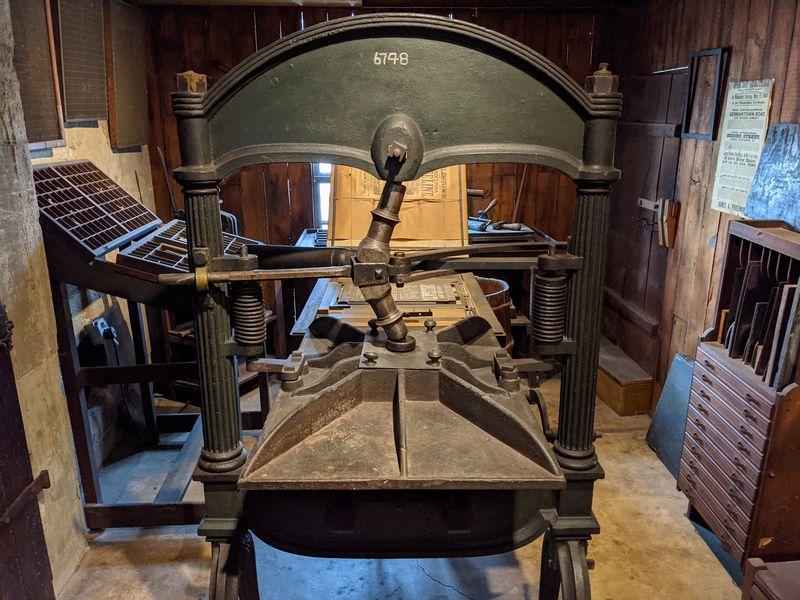
Hammer marks, wooden handles, and worn metal tell stories without raising their voices.
The museum organizes many artifacts by trade, which helps visitors understand how people made a living before power tools and factory lines took over.
You might see tools for blacksmiths, farmers, carpenters, wheelwrights, weavers, tinsmiths, and other workers who kept communities running.
The displays are tidy enough to follow, but they never feel boring.
Mercer had a collector’s eye, so each section feels packed with personality.
Give yourself at least two hours if you want more than a quick look.
Some visitors spend even longer because each level hides another craft, stairway, window, or surprise corner.
The trade sections also work well for families because they connect history to real jobs.
Ask younger visitors what tools people use today for the same task.
That simple question can turn a wall of old iron into a lively talk about change, invention, and hard work.
A Scavenger Hunt Spirit Keeps Kids Busy
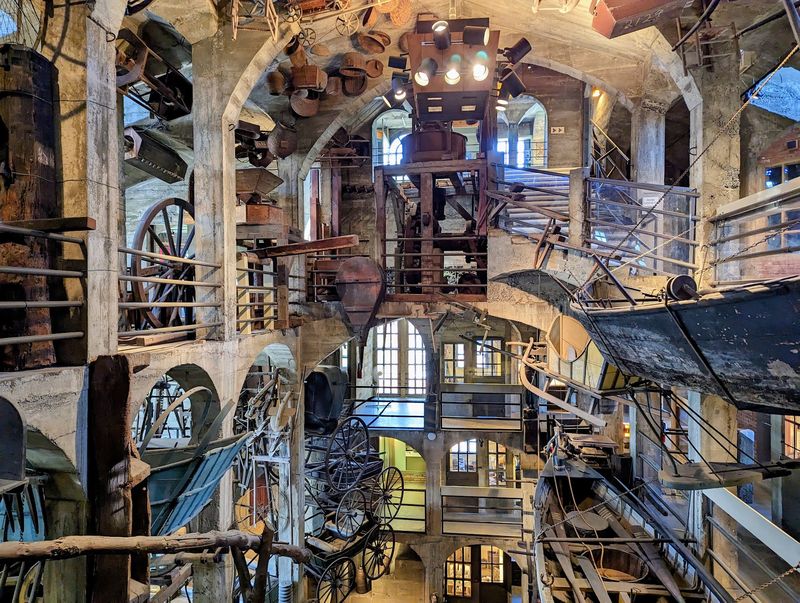
Small detectives have plenty to chase inside this tall museum.
Families often praise Mercer Museum because it gives children many things to spot, compare, and wonder about.
The building feels like a puzzle, with stairways, balconies, and rooms that reveal new views.
Some visitors mention scavenger hunts, and that style fits the place perfectly.
A child can search for a wagon wheel, a boat, a lamp, an animal shape, or the strangest tool in a case.
The goal does not need to be serious.
Interactive kid spaces and playful exhibits can help younger visitors reset between artifact-heavy areas.
That matters because the museum contains a lot to see.
Break the visit into mini-missions instead of trying to explain every object.
Count stairs, pick favorite tools, or find objects used for food, travel, and chores.
Bring water, check current accessibility updates before going, and remember that the historic castle section may feel warm in hot weather.
A relaxed pace makes the day happier for everyone.
The Building Is Part Museum, Part Maze
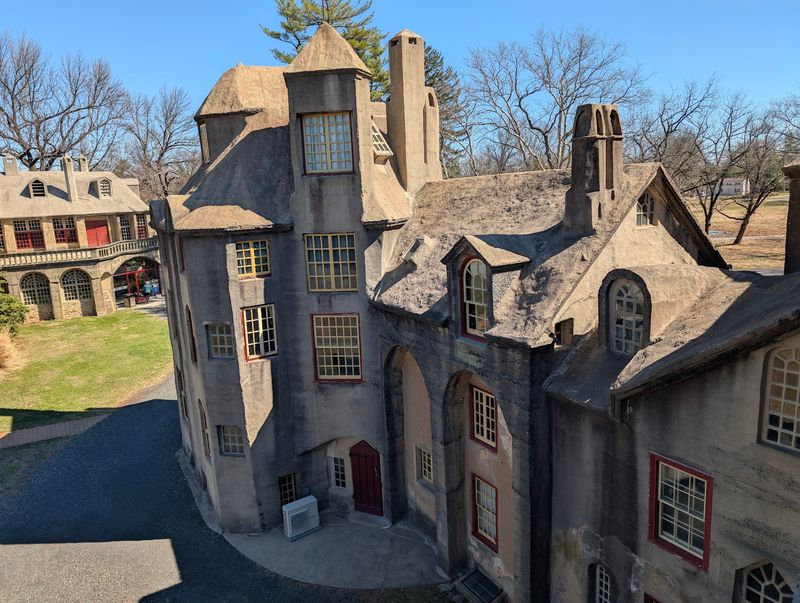
Getting turned around here can feel less like a mistake and more like a bonus scene.
Mercer Museum is famous not only for what it holds, but for how it holds it.
The central court, side rooms, balconies, stairs, and high ledges create a maze-like rhythm.
Visitors move through the building and see objects from many angles.
A wagon may catch your eye from below, then look different from a higher level.
Heavy items placed above your head add to the wonderfully strange feeling.
Because the layout is unusual, smart planning helps.
Wear shoes made for walking and stairs.
Check the museum website for ticket times, current exhibits, elevator status, and accessibility details before your visit.
The modern ground-floor wing includes helpful comforts such as restrooms, a shop, and climate-controlled spaces, while the historic portion can shift with outside temperatures.
Do not treat the map like a race.
Wandering slowly is the best way to notice odd corners and hidden displays.
Special Exhibits Add Fresh Reasons To Return
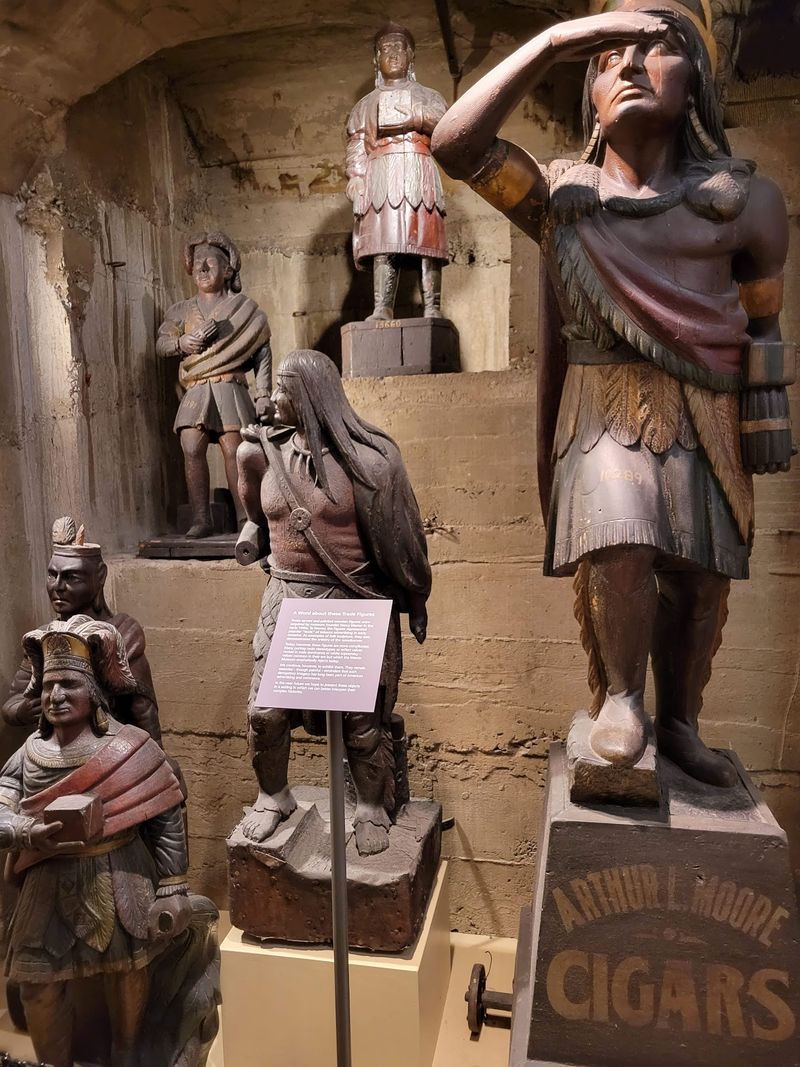
A return visit can feel different because the castle keeps changing its stories.
Along with the long-term collection, Mercer Museum hosts special exhibitions that give visitors a fresh reason to come back.
Recent visitor reviews mention The Doan Gang, a major exhibit about Revolutionary-era outlaws tied to Bucks County history.
People praised its lighting, staging, music, artifacts, and interactive features.
Exhibits like that help connect local stories to bigger moments in American history, making the museum more than a cabinet of old tools.
Before you go, check the official website for current exhibition dates and ticket details.
Some shows may be included with admission, while others may have special information worth reading ahead of time.
If your group includes both tool lovers and story lovers, start with the changing gallery, then explore the main castle.
That order can give everyone a clear narrative before the huge collection takes over.
Museum shops and staff tips can also point you toward details you might otherwise miss.
A Day Trip That Pairs History With Doylestown Charm
One museum can anchor a whole day if you plan it right.
Mercer Museum sits in Doylestown, a Bucks County town known for history, walkable streets, restaurants, shops, and other cultural stops.
Many visitors pair the museum with Fonthill Castle, Henry Mercer’s former home, located nearby.
Seeing both places helps explain Mercer’s personality.
The museum shows what he saved, while his home shows how boldly he lived and built.
If your schedule allows, set aside a half day or more.
The museum is generally open Tuesday through Sunday from 10 AM to 5 PM and closed on Monday, though hours can change.
Call +1 215-345-0210 or visit mercermuseum.org before making firm plans.
Buying timed tickets ahead can help on busy weekends or holidays.
Free parking is often mentioned by visitors, and local library passes or discounts may be available through certain programs.
After exploring six story-like levels of artifacts, give yourself time to rest, eat nearby, and talk about the strangest object everyone found.