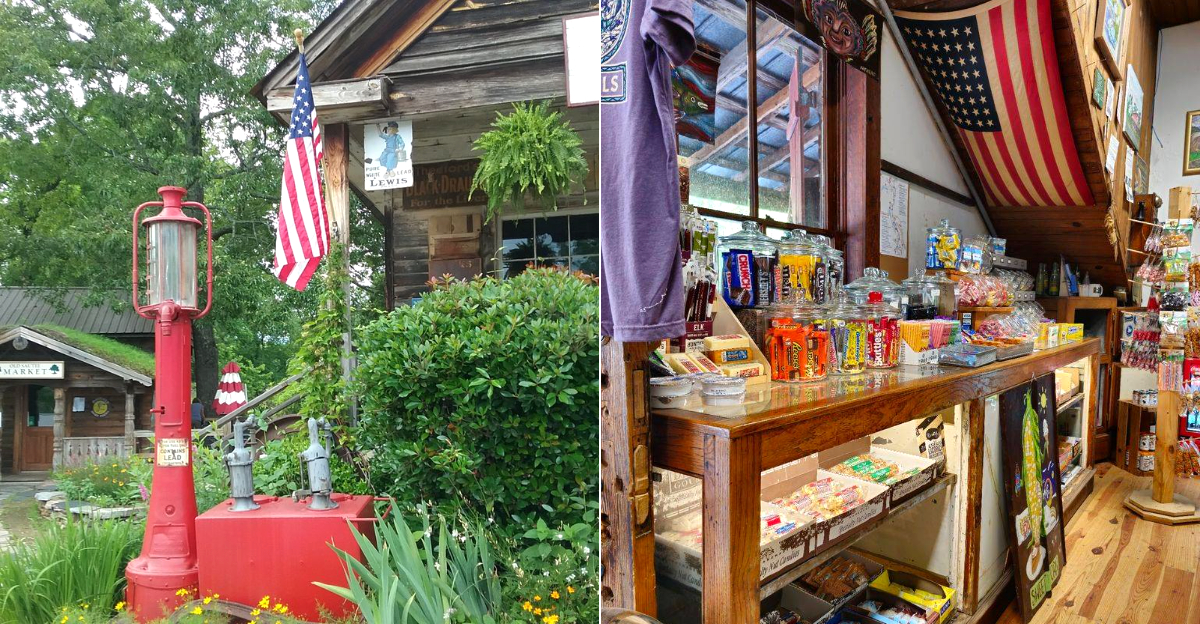
Deep in the Blue Ridge foothills of Georgia, there are places where time seems to move a little slower, and occasionally, it seems to have stopped altogether.
The Old Sautee Store in Sautee Nacoochee is one of those places, a general store that has been serving the community since 1872 and somehow still feels like it means it.
Walking through the front door is less like shopping and more like stepping into a photograph from another century, one where the shelves are still fully stocked.
Nearby, the Nacoochee Valley spreads out in all its pastoral beauty, making the store a natural stop on a day trip through this underrated corner of North Georgia.
If you find yourself heading toward Helen or Dahlonega and want something genuinely off the beaten path, this is a stop worth writing down.
Shelves That Hold Yesterday
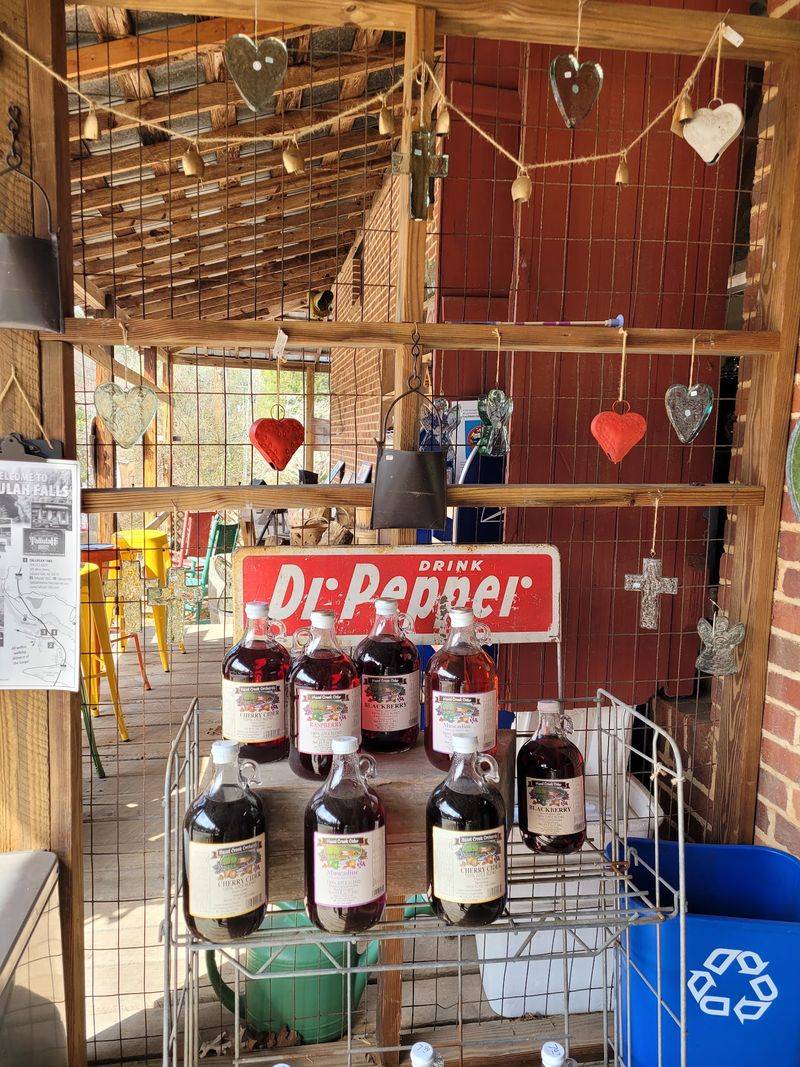
Dusty labels, glass jars, and stacked tins create the kind of scene that makes modern shopping feel loud and rushed.
Here, every shelf seems arranged by memory, not marketing, inviting visitors to slow down and notice everyday goods with wonder.
Wooden floors and close-packed displays suggest a time when stores served as gathering spots, not simply places to buy things.
Looking carefully helps, because older general stores often hide small treasures high above eye level or tucked beside familiar brands.
You may spot soaps, candies, or canned goods that your grandparents knew, and that simple discovery can spark easy conversation.
Photographs feel richer here when taken slowly, because faded packaging and warm light together tell a quiet story by themselves.
Families visiting mountain towns can use stops like this to teach kids how people shopped before giant chain stores appeared.
Even a quick walk through the aisles can remind adults that ordinary objects lasted longer and carried more meaning then.
If you enjoy history without museum ropes or glass cases, this kind of place offers direct path into the past.
That feeling, half memory and half surprise, is what makes the shelves seem frozen while the world around you races.
A Storefront Built for Slow Moments
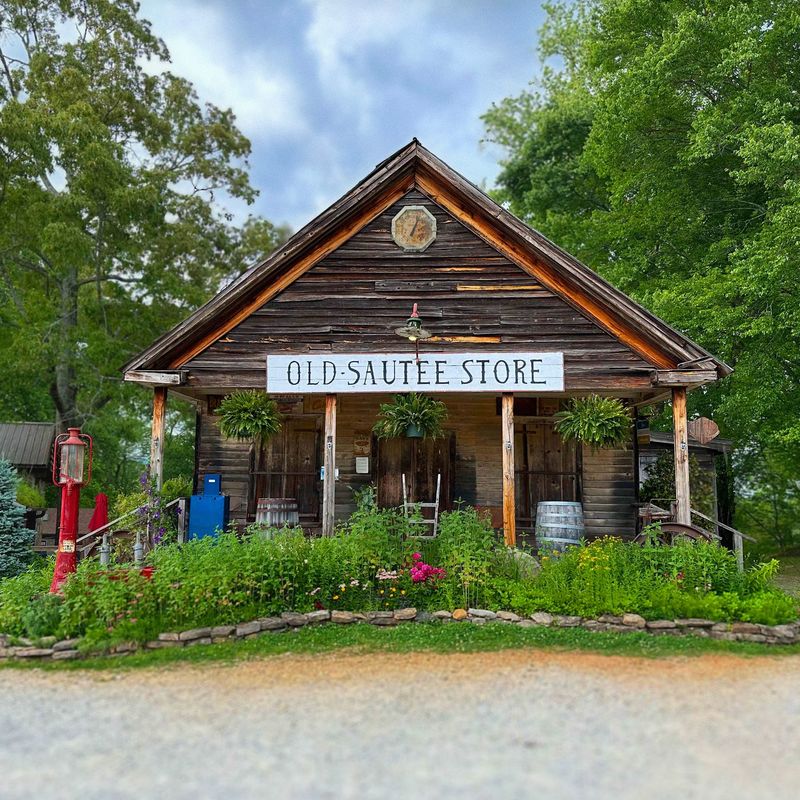
Before anyone steps inside, the porch, signs, and weathered boards set the mood, hinting that time moves differently here already.
A storefront like this does more than look pretty, because it prepares visitors to notice craftsmanship and patience in things.
Paint may fade, but that softness adds character, showing how age can deepen beauty instead of taking it away gently.
Many travelers rush toward mountain views, yet a historic shopfront deserves attention since first impressions often explain why places endure.
Stand back for a full look, then move closer, and you will see worn textures that new buildings rarely capture.
Children often understand it first, sensing that a creaky doorway and uneven boards feel more alive than polished entranceways today.
Even if you only stop for a snack, the exterior gives you a quick lesson in how buildings keep stories.
Local history feels less intimidating when it appears as sun-worn trim, old windows, and a porch built for neighbors chatting.
Visitors who pause outside usually carry that slower pace indoors, which makes the whole experience calmer and far more memorable.
Long before checkout, the front of the store has already done its job, welcoming people like an old friend warmly.
Pantry Goods with Mountain Roots
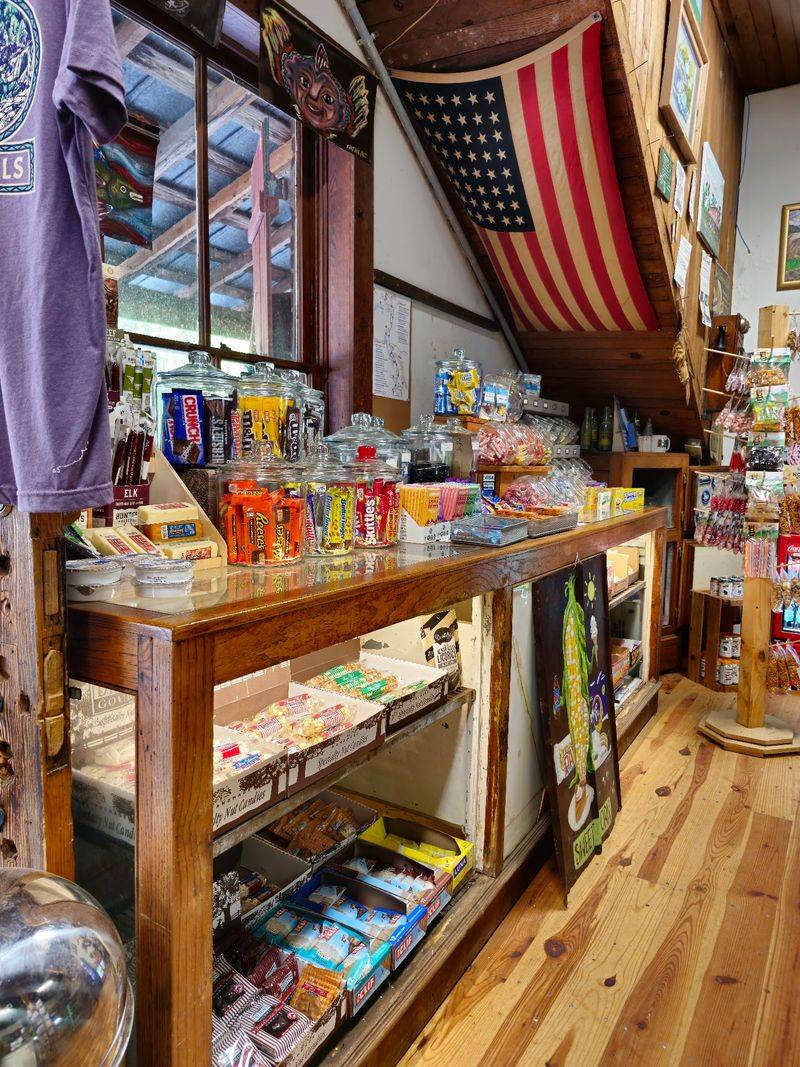
Nothing wakes up nostalgia faster than seeing candy sticks, jarred preserves, and pantry basics lined up in sturdy rows today.
Older stock tells a bigger story about regional taste, because general stores once carried what nearby families used every week.
Shelf-stable foods mattered in mountain communities, where weather, distance, and tight budgets shaped careful shopping habits for generations there daily.
Looking at labels can be surprisingly fun, since old designs used bright lettering and simple promises instead of endless slogans.
When possible, ask what items sell best, because longtime favorites often reveal which traditions still matter in the area most.
A bag of old-fashioned candy or a jar of jam can become more than a purchase, turning into a story.
Shoppers used to rely on stores like this for staples, treats, and news, all gathered under one dependable roof nearby.
That mix of useful and special still works today, which is why even small purchases can feel oddly satisfying there.
Readers planning a visit should leave room in their bags, because the most tempting souvenirs are often edible ones here.
Instead of rushing past the shelves, treat them like a menu of local habits, comfort foods, and remembered pleasures still.
Where Conversation Still Matters
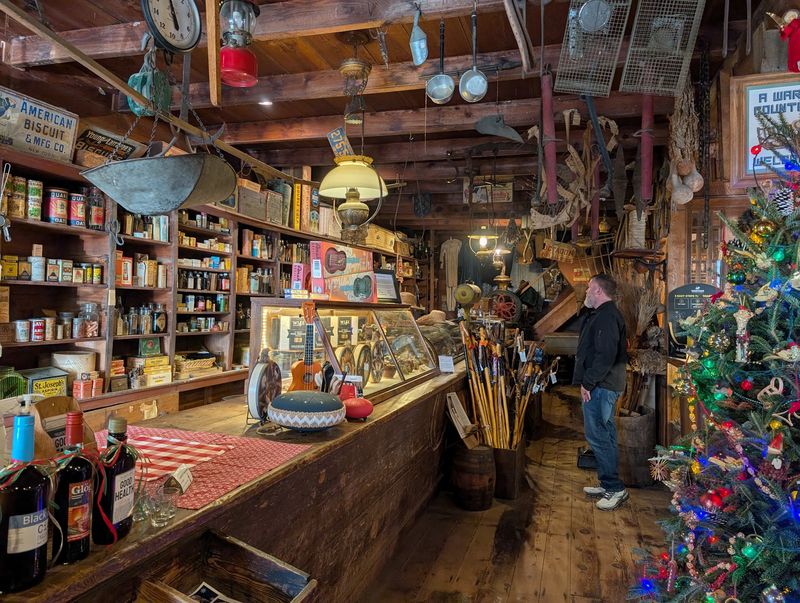
Some places sell merchandise, but the best old stores also trade in conversation, recognition, and the steady rhythm of community.
Neighbors once depended on general stores for mail, updates, recommendations, and a bit of company during ordinary errands each week.
That social role helps explain why historic shops feel warm, even to newcomers who have never visited before them here.
Listen closely and you may hear people swapping road tips, sharing family stories, or comparing favorite treats near checkout today.
For travelers, that easy chatter can be as memorable as any purchase, because it turns a stop into an experience.
Kids notice the difference too, especially when adults linger instead of grabbing items fast and walking back outside again quickly.
If you enjoy meeting locals respectfully, a small store offers better chances than busier attractions designed mainly for crowds today.
Simple politeness goes a long way here, so greet people, wait your turn, and keep the mood relaxed inside please.
Doing that makes the visit richer, and it honors the kind of neighborly culture that kept stores like this alive.
More than a backdrop, the gathering spirit remains one reason these shelves still feel connected to another era somehow today.
A Roadside Stop Worth Finding
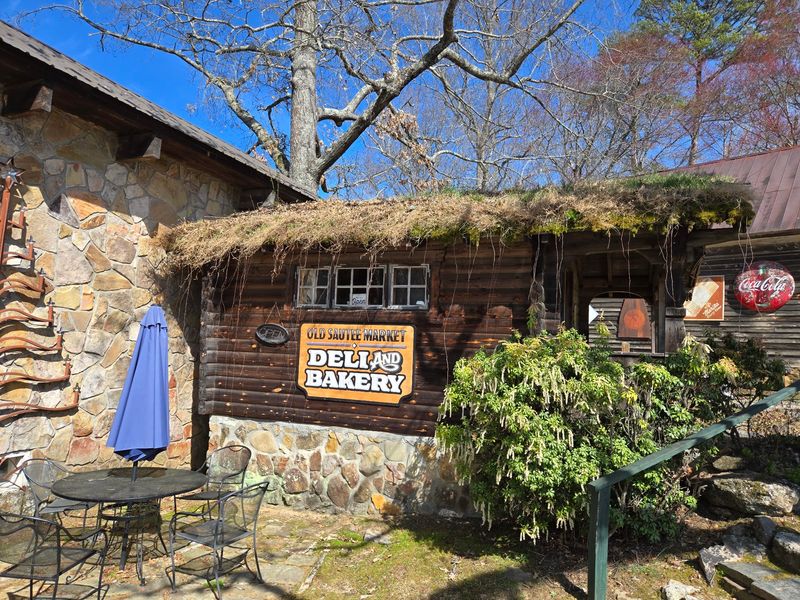
Around a bend in northeast Georgia, the past appears without fanfare, waiting beside the road where mountain travelers still pause.
The place is Old Sautee Store, 2317 GA-17, Sautee Nacoochee, GA, a historic stop that feels rooted in everyday life.
Mentioning the address matters because part of the charm comes from reaching it naturally, not stumbling onto a staged attraction.
Set among North Georgia scenery, the store rewards a slower drive, especially for readers who enjoy side roads and surprises.
The route itself helps build anticipation, making arrival feel earned in the best way, like finding a storybook setting unexpectedly.
Plan extra time instead of a rushed stop, since the surrounding area invites wandering, photos, and a little daydreaming too.
Weekend visitors may find more traffic nearby, so an earlier arrival can make parking easier and the visit calmer overall.
Because mountain weather changes quickly, comfortable shoes and a flexible plan can make the outing smoother for families there too.
A memorable general store feels special on its own, yet the setting around it adds another layer of appeal nicely.
By the time you leave, the road back seems newer somehow, because the store has quietly reset your sense slightly.
Little Details Tell Big Stories
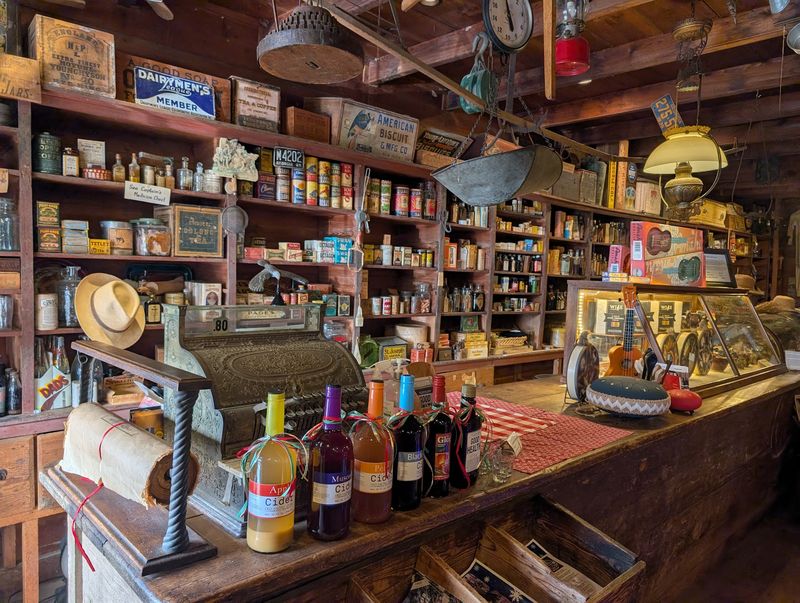
Tiny details often steal the show, from handwritten signs to worn counters that reveal years of elbows, coins, and waiting.
Objects like scoops, scales, jars, and stools can teach history faster than textbooks, because they show work in action clearly.
Instead of scanning quickly, choose one corner and study it, noticing how tools, packaging, and layout solved everyday problems once.
Children can turn that into a game by spotting the oldest-looking item, the brightest label, or the oddest container there.
Adults who love photography should watch for textures, since wood grain, chipped paint, and faded paper create strong close-up shots.
Even shoppers who are not history fans usually respond to craftsmanship, because careful details feel honest and easy to appreciate.
That honesty is part of what makes the store memorable, especially compared with spaces built for speed and sameness everywhere.
A slow, curious look can reveal more than a quick purchase, which is why repeat visits often feel rewarding too.
Readers who enjoy sketching or journaling may want a notebook, because little observations are easy to forget later there otherwise.
The more attention you give small things, the more the whole store seems to open like a time capsule slowly.
Why Children Remember It
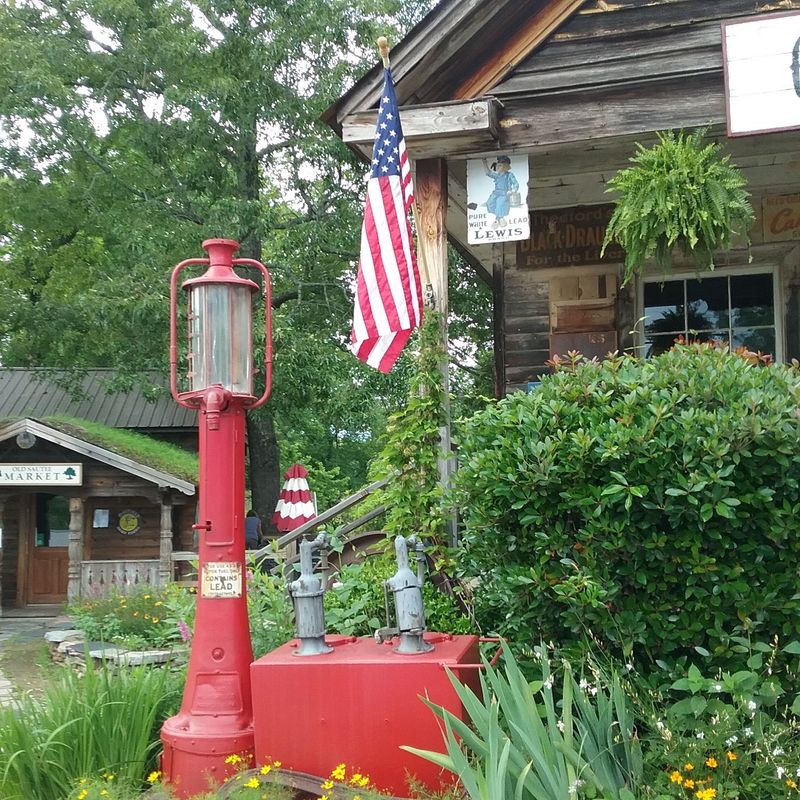
Young visitors often react with wide eyes, because a real old store feels more surprising than history lessons at school.
Candy jars, creaky floors, and unusual packages offer instant clues that shopping did not always look the same everywhere then.
Parents can use that curiosity to talk about family routines, old prices, and how people made careful choices daily then.
Because the setting is hands-on and easy to picture, children may remember more here than during formal tours later easily.
A simple scavenger hunt can keep them engaged, like finding a scale, a glass jar, or a faded sign inside.
Let kids ask questions freely, since wondering out loud turns the visit into a shared discovery instead of a lecture.
Snack breaks also help, especially if they try something old-fashioned that connects taste with the stories around them today there.
Not every child loves museums, but many enjoy stores because the experience feels active, colorful, and rooted in real life.
That makes a historic general store a smart family stop during road trips, rainy afternoons, or weekend drives nearby too.
Long after leaving, children may remember the mood first, and that memory can open the door to deeper interest later.
How to Make the Most of a Visit
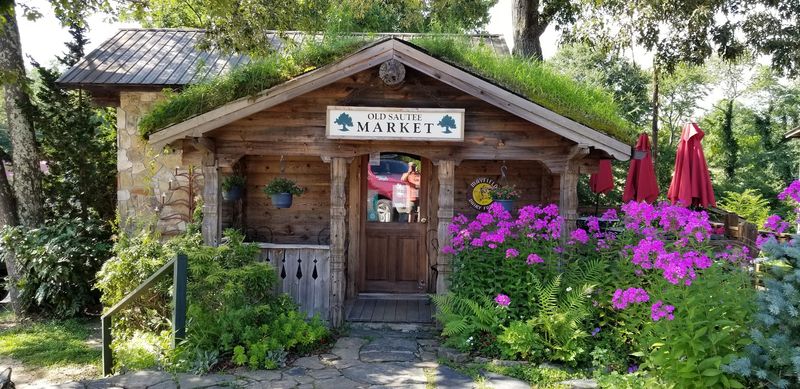
A better visit starts with slowing down, because places shaped by history reveal themselves gradually rather than all at once.
Go with enough time to browse twice, once for the big impression and again for small details you missed before.
Bring cash if possible, stay polite, and ask short questions, since busy small shops appreciate simple respectful curiosity most.
Photos can be wonderful, but always check first, especially when other visitors are shopping or private areas are nearby inside.
Comfortable shoes matter more than fancy outfits, since old floors, porches, and nearby walking spots reward practical choices best here.
If you buy something small, choose an item you will actually use, so the memory returns in daily life often.
Journalists, history fans, and casual travelers all benefit from taking notes, because names, smells, and favorite details fade quickly later.
Weather can change plans, so pair the stop with another nearby activity and keep expectations loose but cheerful anyway today.
The goal is not to race through a checklist, but to let the store set the pace naturally for you.
Handled that way, a simple visit becomes a richer memory, and the frozen-in-time feeling lasts much longer afterward for sure.