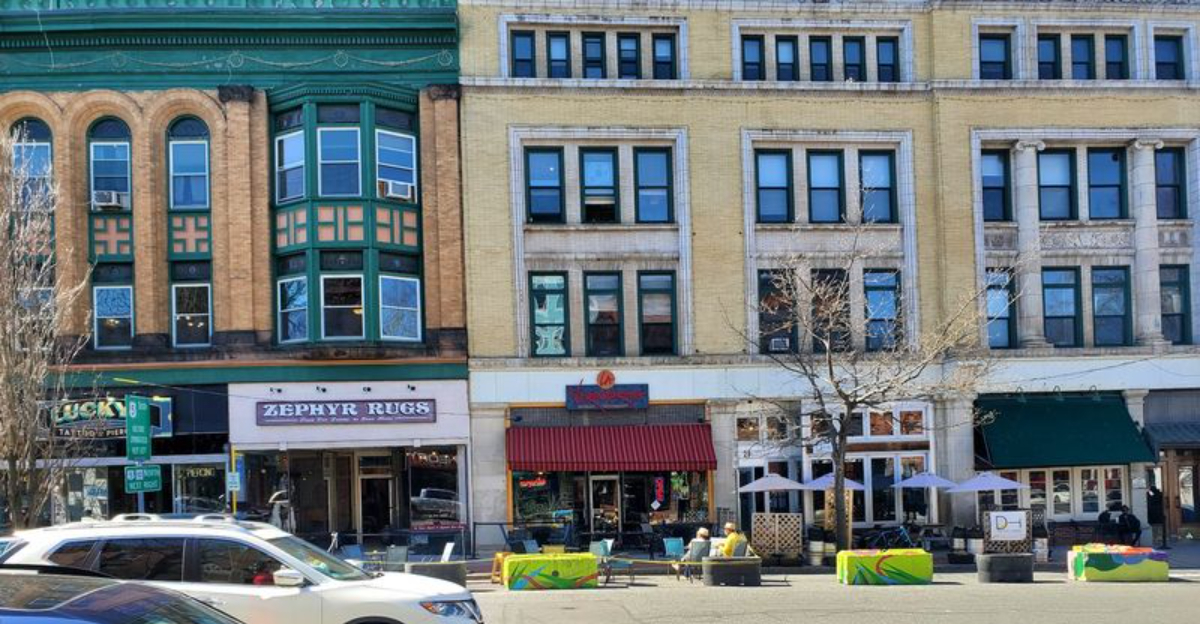
Exploring Massachusetts is a little like walking through the pages of a living history book, especially when you wander through its older downtowns.
I found charming communities where centuries-old buildings still frame the streets, local businesses fill historic storefronts, and everyday life carries on around landmarks that have witnessed generations come and go.
These downtowns aren’t frozen in time, either.
Alongside beautifully preserved architecture, you’ll find inviting cafés, independent shops, restaurants, galleries, and gathering places that give each community its own modern personality.
From classic New England villages surrounded by rolling countryside to coastal streets filled with maritime character, every stop offers something different to admire.
If you’re looking for a Massachusetts day trip that combines scenery, history, and local flavor, these 11 historic downtowns deserve a spot on your summer itinerary.
1. Stockbridge
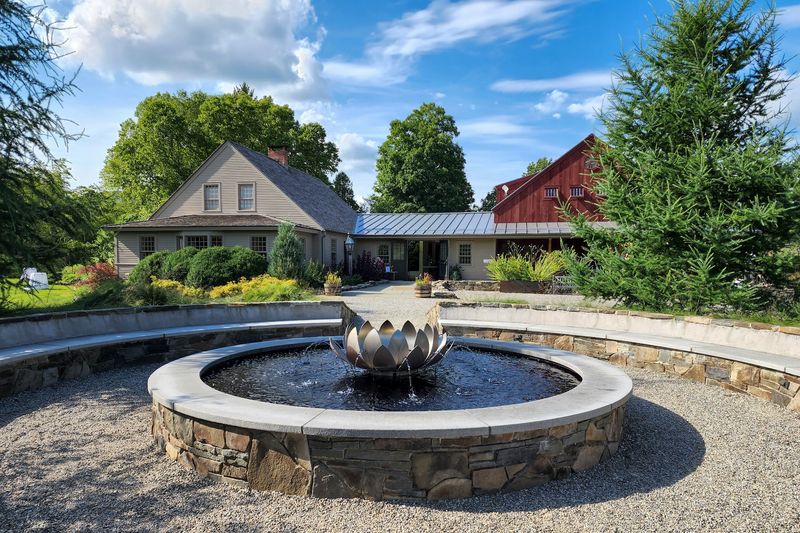
Norman Rockwell practically left a wink on Main Street in Stockbridge.
Tucked in the Berkshires of western Massachusetts, this small downtown feels like a painting that learned how to serve coffee.
The white church, tidy storefronts, and broad sidewalks make it easy to understand why Rockwell used local scenes in his famous work.
Start near the Red Lion Inn, a landmark that has welcomed travelers for generations.
From there, stroll slowly, because the best part of Stockbridge is not rushing.
You can browse small galleries, peek into gift shops, and enjoy the calm pace that big cities rarely offer.
History fans should visit the Mission House, which shares stories from the 1700s, including complicated parts of colonial life.
Art lovers can head to the Norman Rockwell Museum just outside downtown.
For a simple plan, arrive before lunch, park once, and walk.
Stockbridge rewards patience with porch views, old stone walls, friendly shopkeepers, and that rare feeling that time has politely stepped aside for you.
2. Concord
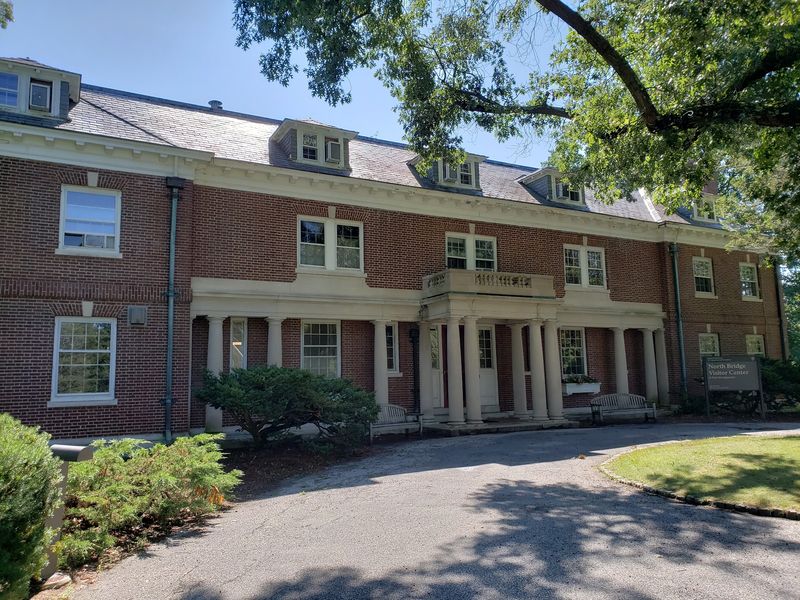
A musket shot once echoed near Concord, and the town still seems to listen.
Downtown Concord sits northwest of Boston and carries Revolutionary War history without feeling frozen in place.
Monument Square gives visitors a helpful starting point, with handsome buildings, local shops, and paths leading toward stories that changed the country.
Walk to the Old North Bridge, where colonial militia faced British troops in 1775.
The area is peaceful now, with fields, water, and birdsong, which makes the history feel even stronger.
Bring a light jacket if you visit in spring, since the breeze near the river can surprise you.
Concord also shines as a literary town.
Louisa May Alcott, Ralph Waldo Emerson, Henry David Thoreau, and Nathaniel Hawthorne all connect to the area.
Orchard House, where Alcott lived, is a favorite stop for readers of Little Women.
Leave time for the independent bookstores and cafes downtown.
Concord is best enjoyed with both a walking map and an open afternoon, because every corner seems to hold another chapter.
3. Newburyport
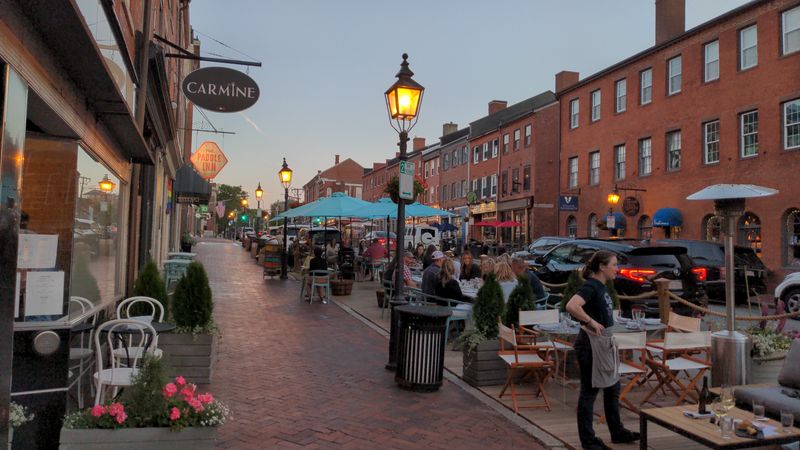
Salt air sneaks through Newburyport like it owns the sidewalks.
Set on the Merrimack River near the New Hampshire border, this downtown blends maritime history with a lively shopping scene.
Brick buildings, restored warehouses, and harbor views remind visitors that Newburyport was once a major shipbuilding and trading port.
Begin at Market Square, where streets branch toward boutiques, bakeries, and restaurants.
The waterfront boardwalk is close by, so you can switch from window-shopping to boat-watching in minutes.
If you like photos, late afternoon light on the river makes the brick facades glow.
Families can enjoy the Custom House Maritime Museum, which explains the city’s seafaring past in a clear, friendly way.
Bird lovers should consider a short drive to nearby Parker River National Wildlife Refuge on Plum Island.
Parking can fill quickly on warm weekends, so come early or use a public lot.
Newburyport works well as a day trip because it offers history, seafood, pretty views, and enough local energy to keep everyone awake.
4. Plymouth
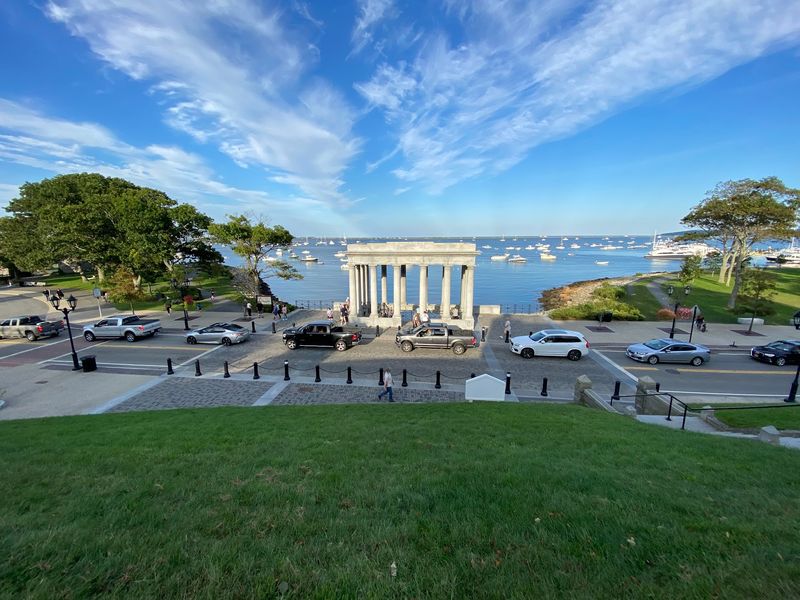
Plymouth carries a famous rock, but the town is much bigger than that one stone.
Located on the South Shore, downtown Plymouth mixes waterfront beauty with some of the best-known early colonial history in the United States.
The harbor area is a natural first stop, with views of boats, gulls, and the Mayflower II, a reproduction of the ship that brought English settlers in 1620.
Plymouth Rock sits under a granite pavilion nearby.
It is smaller than many visitors expect, which can be funny, but the story around it still matters.
Use that moment to talk about both Pilgrim history and the long history of the Wampanoag people, who lived here first.
Walk up into downtown for restaurants, candy shops, museums, and older buildings.
Pilgrim Hall Museum offers helpful context if you want more than a quick photo.
Try visiting outside peak summer hours if you prefer space.
Plymouth feels best when you can wander from harbor paths to side streets, then finish with chowder and a wide ocean view.
5. Northampton
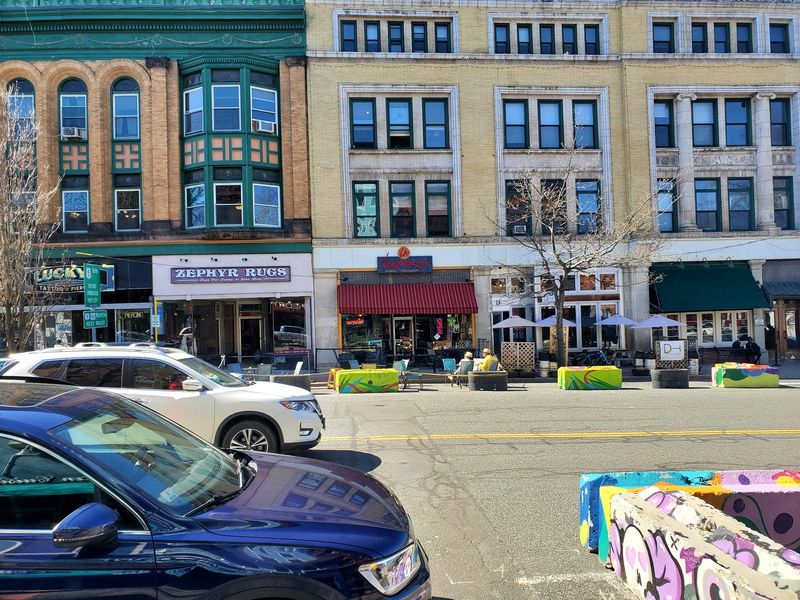
Northampton has the happy buzz of a town that always knows where the good music is playing.
In the Pioneer Valley of western Massachusetts, downtown Northampton is colorful, creative, and proudly independent.
Historic brick storefronts line Main Street, but the mood is modern and artsy, with bookstores, record shops, galleries, and cafes packed close together.
Smith College sits nearby, adding leafy paths, museums, and youthful energy.
The Smith College Museum of Art is an excellent stop if you want a smart indoor break.
Outside, the campus gardens and green spaces make a pleasant walk after lunch.
Northampton is also known for welcoming LGBTQ visitors and supporting local businesses.
You will find plenty of places to eat, from casual pizza to inventive farm-to-table menus.
Street performers sometimes add a soundtrack, especially on busy evenings.
Plan to park once and explore on foot, because downtown is compact and full of small surprises.
Northampton feels historic without being stiff, making it a great choice for travelers who want culture, personality, and a little sparkle.
6. Lenox
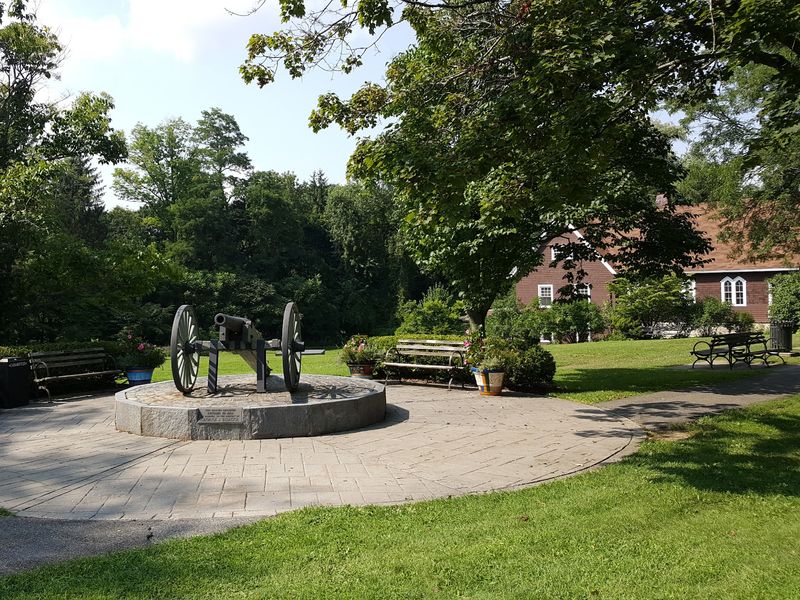
Lenox wears Berkshire elegance the way some people wear a favorite scarf.
This western Massachusetts town is polished, but not cold.
Its downtown has historic inns, small shops, galleries, and restaurants set among tree-lined streets.
The surrounding hills give Lenox a soft, scenic backdrop in every season.
Many visitors know Lenox because of Tanglewood, the summer home of the Boston Symphony Orchestra.
Even if you are not attending a concert, downtown makes a graceful base for exploring the area.
Grab breakfast, browse a bookstore, then head to nearby trails or historic estates.
The Mount, Edith Wharton’s former home, sits just outside the center and is worth the short trip.
Its gardens and rooms reveal the style of the writer who created them.
Ventfort Hall, another grand estate, adds more Gilded Age drama.
Lenox is ideal for a slower getaway, so do not overpack your schedule.
Let the town stretch out, with a good meal, a porch chair, and the feeling that beauty can be quiet and confident.
7. Essex
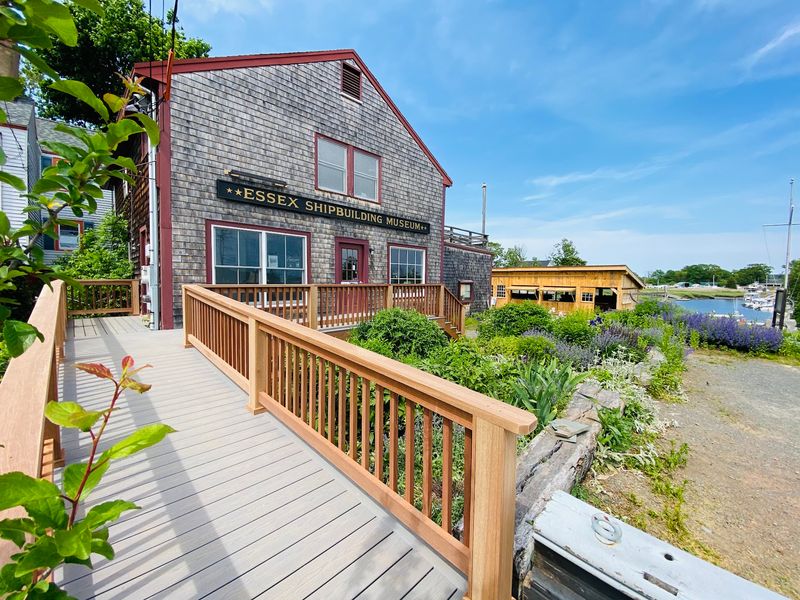
Clam shacks and antique signs make Essex feel like a treasure hunt with lunch included.
On the North Shore, this small town sits along the Essex River and has deep roots in wooden shipbuilding.
The downtown area is modest in size, but it is packed with personality, from old homes to antique stores that seem to hide one more odd lamp in every corner.
Essex became famous for building fishing schooners, and the Essex Shipbuilding Museum keeps that history alive.
Visitors can learn how skilled workers shaped timber into vessels that worked the Atlantic.
It is a great stop for kids who like hands-on history.
Food is another reason people come here.
Fried clams are a local legend, and several nearby spots serve them fresh and crispy.
If seafood is not your thing, the scenery still earns the trip.
Drive slowly through town, because marsh views appear between buildings like sudden postcards.
Essex pairs well with nearby Gloucester or Manchester-by-the-Sea, but it deserves its own unhurried stop.
8. Salem
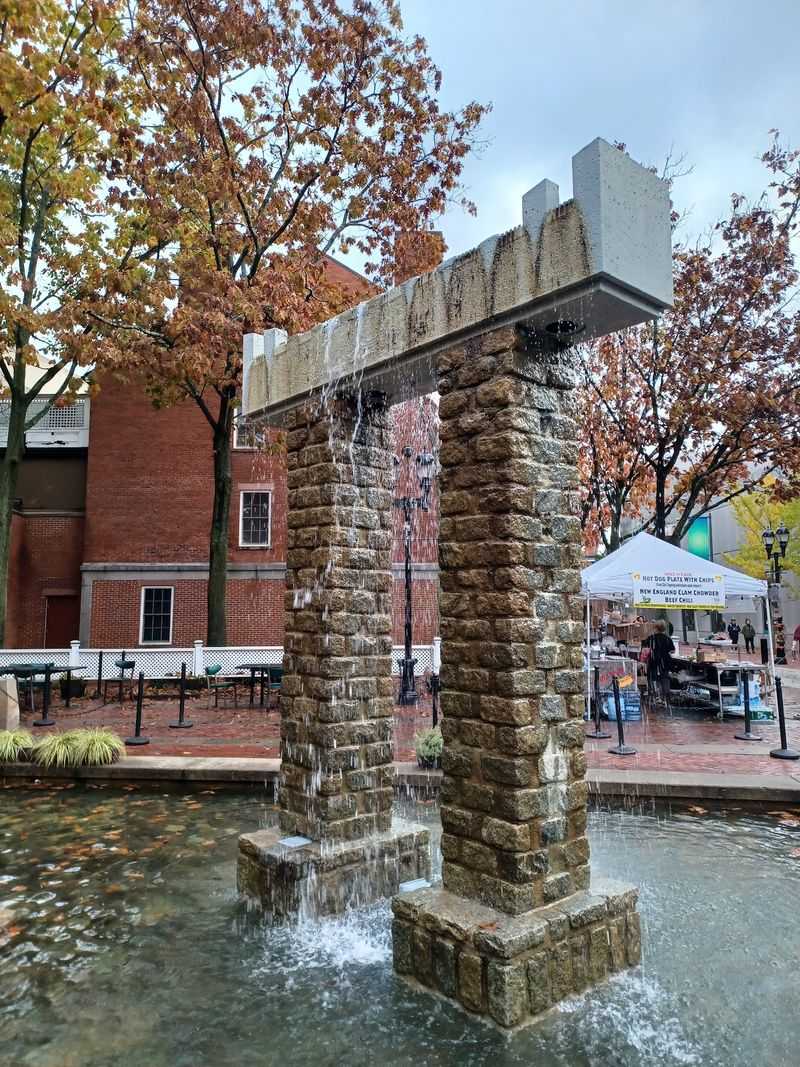
Salem knows how to be spooky, but its real magic is more layered than a Halloween costume.
Located on the North Shore, downtown Salem draws crowds for the 1692 witch trials, yet the city also has rich maritime history, strong museums, and a busy local scene.
Brick sidewalks lead to shops, cafes, historic houses, and waterfront paths.
The Salem Witch Trials Memorial is a quiet place to reflect on fear, injustice, and the people who suffered.
The Witch House, once home to Judge Jonathan Corwin, gives visitors a look at life during that period.
Go early in October, because crowds can be intense.
For a broader view, visit the Peabody Essex Museum.
Its art, global trade exhibits, and historic buildings show that Salem once connected to ports around the world.
The waterfront near Derby Wharf adds fresh air after indoor stops.
Use the commuter rail from Boston if you can, especially during fall events.
Salem is most rewarding when you balance the eerie fun with respectful history and seaside exploration.
9. West Brookfield
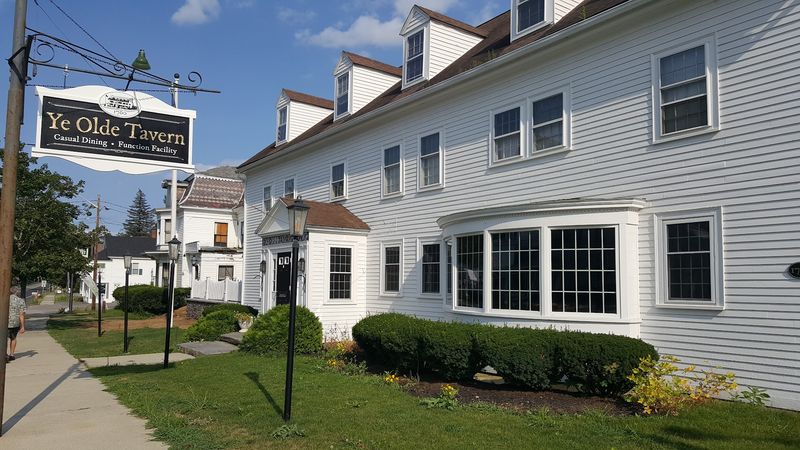
West Brookfield greets visitors with a town common so wide it seems made for picnics, parades, and daydreams.
Set in central Massachusetts, this quieter downtown offers a classic village feeling without the rush of bigger tourist stops.
The common anchors the center, surrounded by old homes, churches, and small businesses that give the town a steady, lived-in charm.
History here reaches back to colonial times, and the area played a role in early frontier settlement.
You can sense that past while walking near the common, where open space still shapes daily life.
Bring a camera in autumn, when the trees turn the green into a bright frame of red and gold.
West Brookfield works well for travelers who enjoy peaceful places.
There are no giant attractions shouting for attention, which is exactly the appeal.
Stop for a snack, read a marker, and notice the slower rhythm.
Pair it with a drive through nearby Quaboag Valley towns.
The reward is a softer kind of history, built from barns, meetinghouses, and neighbors waving from porches.
10. Clinton
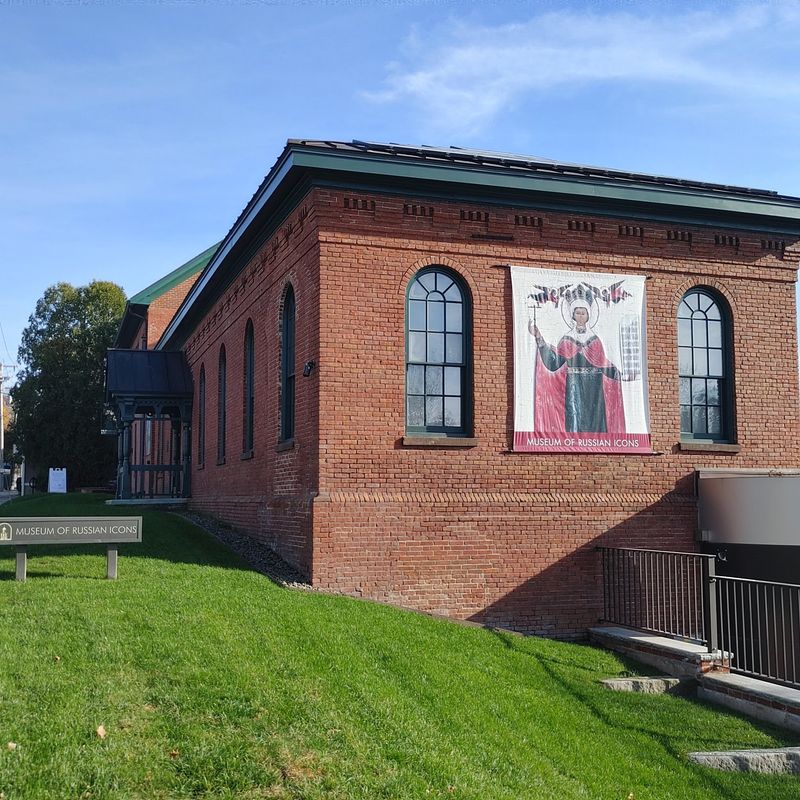
Clinton surprises people because its old mill bones come with an unexpected museum gem.
Located in central Massachusetts, downtown Clinton grew around industry, especially textile mills that shaped the town’s look and work life.
Brick buildings and sturdy storefronts still give the center a practical, hardworking character.
The Museum of Russian Icons is the standout stop.
It holds one of the largest collections of Russian icons outside Russia, and it sits right downtown.
Even visitors who know little about religious art often leave impressed by the colors, gold details, and quiet power of the pieces.
Nearby, the Wachusett Reservoir adds a big scenic bonus.
You cannot swim there, but walking and viewing areas offer peaceful water scenes and a look at a major drinking water source for the region.
The dam area is especially striking.
Clinton is a good choice if you like towns with grit and surprise.
Come for the museum, stay for the brick streetscape, and leave with a better sense of how industry, immigration, and art can share one downtown.
11. Winchester
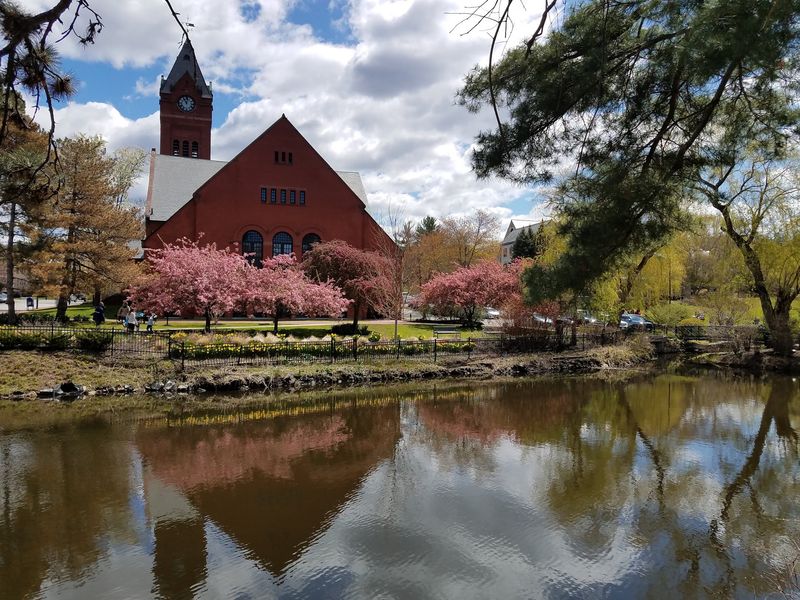
Winchester feels like someone placed a storybook village within easy reach of Boston.
Just north of the city, this downtown centers around handsome civic buildings, local shops, and the Aberjona River.
It has a polished suburban feel, but history still shows in the architecture, churches, and old meeting places.
The Winchester Town Hall and nearby common create a clear heart for the community.
From there, you can walk to cafes, bakeries, and small stores without needing a complicated plan.
The commuter rail makes visiting easier for travelers who would rather skip Boston-area driving.
Outdoor time is close by, too.
The Middlesex Fells Reservation borders Winchester and offers trails, rocky overlooks, and wooded paths.
After a morning hike, downtown is a comfortable place to refuel with coffee or lunch.
Winchester suits visitors who want charm without a long trip.
It may not shout about its past, but it speaks clearly through tidy streets, stone details, and a town center that still feels useful, friendly, and rooted in place.