History feels different when you can stand right where it happened.
Just outside Manassas, Virginia, Manassas National Battlefield Park lets you walk across the fields where two major Civil War battles shook the nation.
The hills, roads, and open ground still tell stories that no glass display can quite capture.
You can follow old battle routes, stand near historic landmarks, and picture soldiers moving across the very ground beneath your feet. Every turn brings another piece of the story to life.
Whether you are a Civil War buff or simply love exploring places with a powerful past, this park delivers an unforgettable look at history.
Grab your walking shoes and get ready to see the battlefield in a whole new way.
Walk the Ground Where the First Major Battle of the Civil War Began
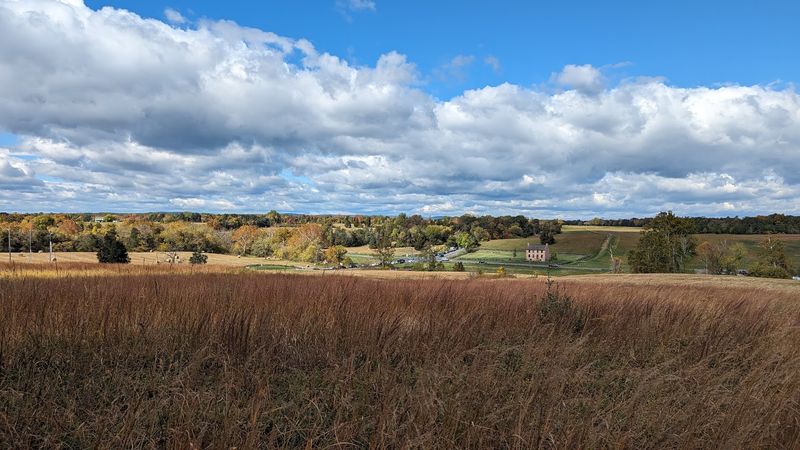
Picture thousands of soldiers, most of them brand new to war, crashing into each other across these very fields on July 21, 1861. That was First Manassas, the first big battle of the Civil War.
Standing here today, you get a feeling that a museum map simply cannot give you. The land stretches out in every direction, and suddenly the size of the fighting makes sense.
You can see how far the armies traveled and how easy it was for everything to turn into chaos.
Both sides expected a quick, almost easy victory. Instead, the day became long, confusing, and deadly, shocking the entire country into realizing this war would not end soon.
As you walk the terrain, try imagining the noise, smoke, and confusion swirling around green troops. Reading about it is one thing, but feeling the ground beneath your feet turns those old facts into something real and unforgettable.
Stand on Henry Hill, Where the Battle Reached Its Climactic Moments
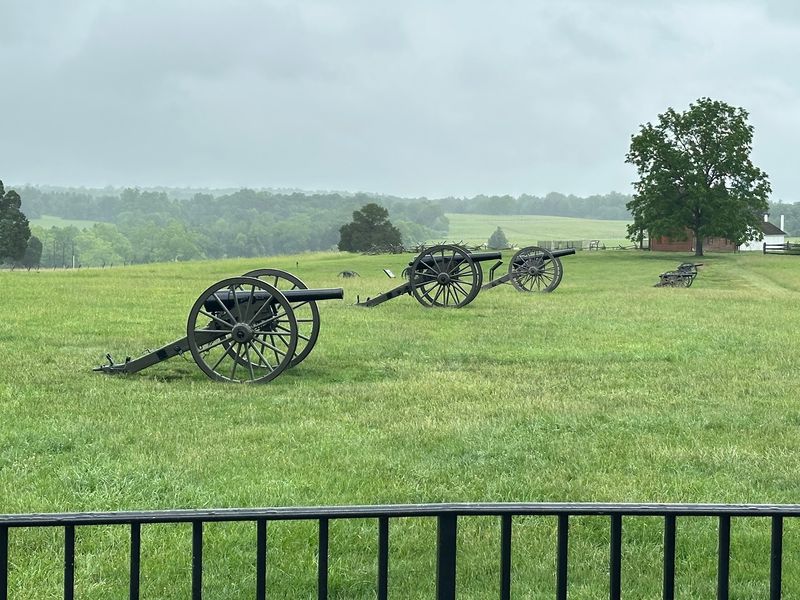
If there is one spot everybody should see, it is Henry Hill. This is where First Manassas reached its most intense and famous moments, and where a general earned the nickname “Stonewall” Jackson.
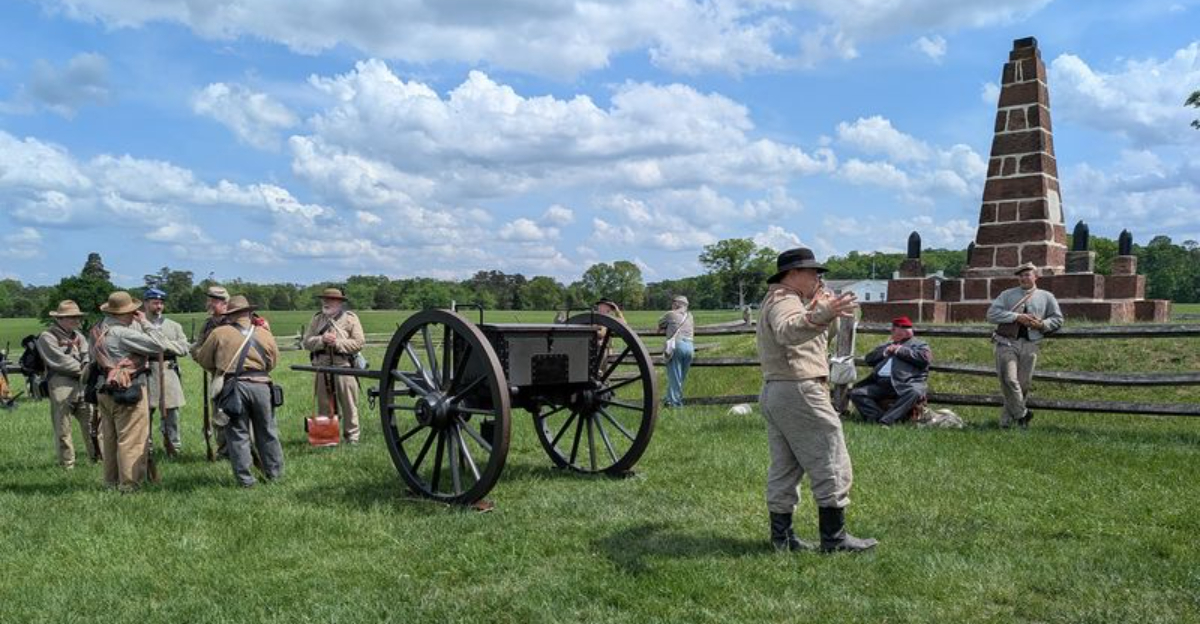
You will find artillery positions, the rebuilt Henry House, and the First Manassas Memorial scattered across the hilltop. The towering Stonewall Jackson monument shows him seated firmly on his horse, a reminder of how he held his line while others fell back.
A 1.1-mile loop trail guides you around the ground where some of the heaviest combat happened. It is an easy walk, and signs along the way explain what unfolded at each stop.
Take your time here, because this is the heart of the park. Starting your visit at the nearby Henry Hill Visitor Center makes the loop even more meaningful.
Standing quietly on the hill, you can almost hear the roar of cannons that once shook this peaceful ground.
Follow the First Shots at Stone Bridge and Bull Run
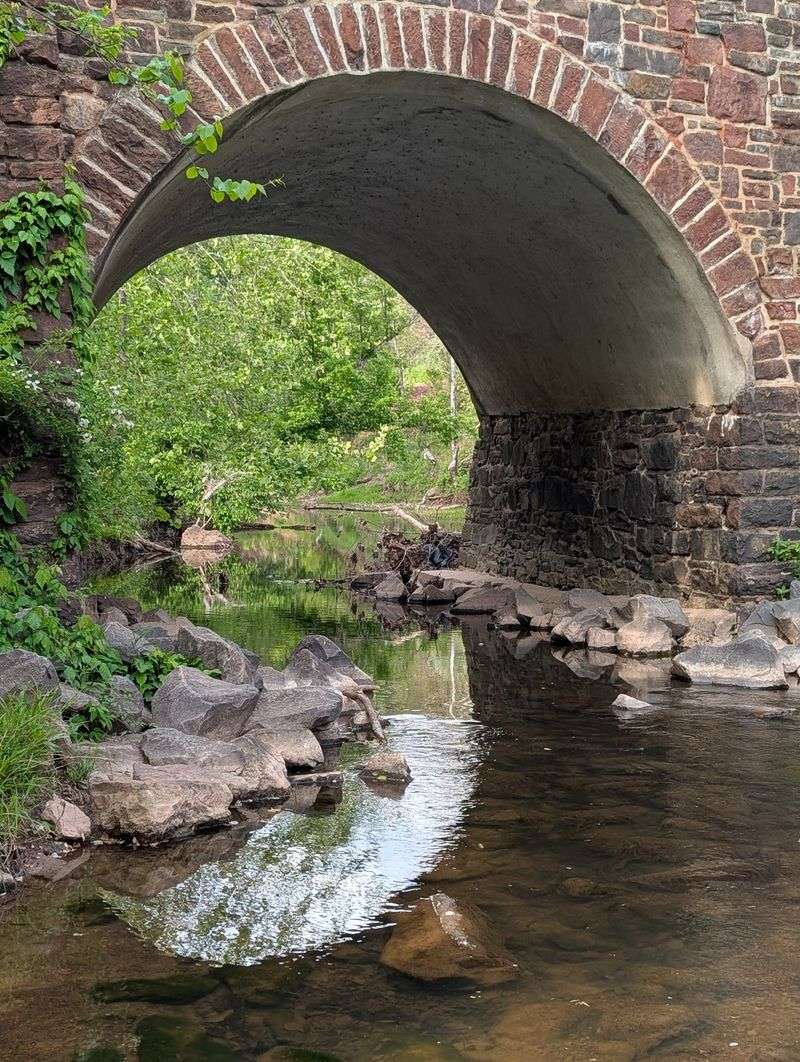
Ever wonder how the shape of the land can decide a battle? Stone Bridge is the perfect place to find out.
Here, the crossing over Bull Run helped set the stage for the opening of First Manassas.
The creek and the bridge controlled how armies could move, and controlling those crossings mattered enormously. Early shots rang out in this area as both sides tried to gain the upper hand.
A 1.3-mile trail called the Stone Bridge Trail follows Bull Run and lets you explore the ground tied to the battle’s very beginning. Trees, water, and quiet paths make this one of the more peaceful walks in the park.
It is easy to forget that such a calm spot once echoed with gunfire and shouting officers. Walking beside the slow-moving water, you start to understand why generals cared so much about rivers and bridges during the war.
Bring a camera, because the scenery here is genuinely beautiful.
Explore Matthews Hill and Imagine the Armies Moving Across the Fields
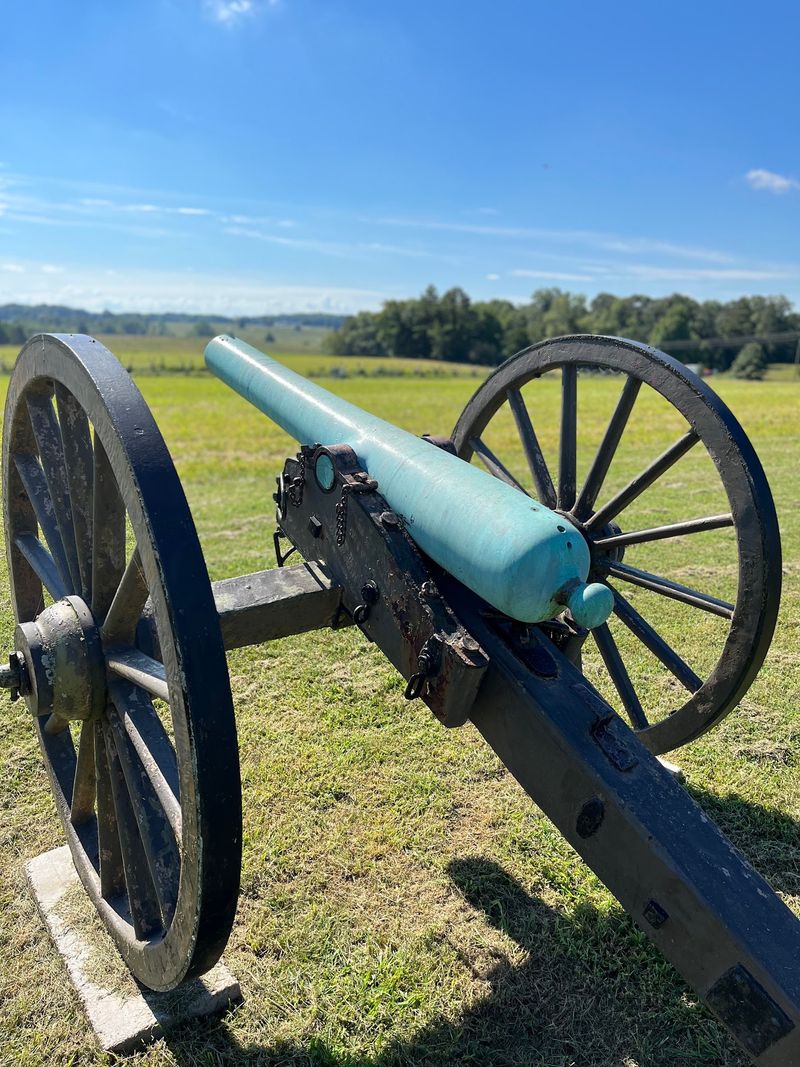
Morning is when everything kicked off at Matthews Hill on July 21, 1861. This is where the opening engagement of First Manassas took place, before the fighting shifted toward Henry Hill later in the day.
Because the land is so open, it becomes one of the best places in the park to picture troops marching and lines forming. You can almost trace where Union and Confederate soldiers advanced across the grass.
A one-mile trail crosses this ground, giving you a front-row view of how the early battle developed. Interpretive signs help connect what you see with what actually happened.
Standing in the middle of these fields, the openness feels striking. There was little cover for soldiers, which made the fighting especially dangerous.
Walking slowly and reading each marker turns the hillside into a living timeline. By the time you finish, the confusing rush of that morning starts to feel surprisingly clear and human.
Discover the Battlefield That Became a Hospital
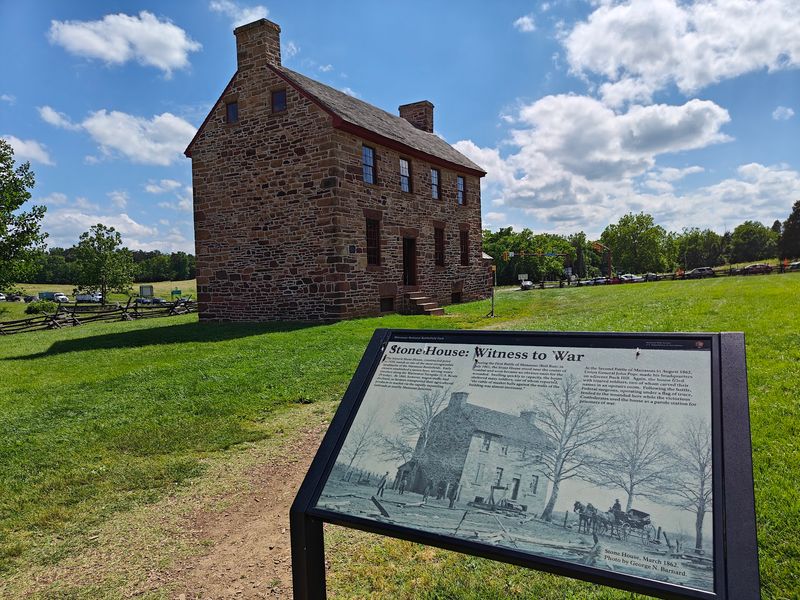
War is not only about soldiers charging and cannons firing. The Stone House reminds us of the painful human cost, because this building served as a Federal field hospital during both battles fought here.
Wounded men were carried inside, where surgeons worked quickly to save lives under terrible conditions. Some soldiers even carved their names into the floorboards while they waited for help.
Standing near this old structure, you begin to understand that a battlefield is also a place of suffering, fear, and mercy. Civilians who lived nearby found themselves caught right in the middle of the danger.
The house sits at an important crossroads, which is exactly why it played such a big role during the fighting. Its sturdy stone walls survived when so much around it did not.
Seasonal access can change, so check the park calendar before your trip. Visiting the Stone House adds emotional depth that facts and dates alone can never quite capture.
Trace the Opening Clash of Second Manassas at Brawner Farm
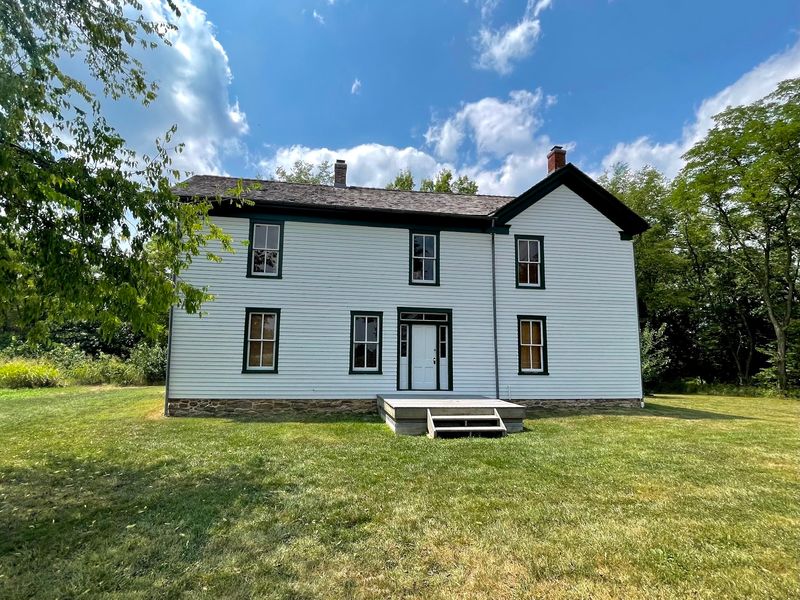
More than a year after the first battle, the armies returned to fight all over again. Brawner Farm marks the opening clash of Second Manassas on August 28, 1862.
Here, Stonewall Jackson’s men suddenly attacked passing Union troops, sparking fierce combat that lasted into the evening. The fighting was brutal, with both sides standing their ground at close range.
A trail winds across the historic land, following the opposing battle lines so you can see where the two armies faced off. The farmhouse itself now serves as an interpretive center when seasonal hours allow.
Because this spot launched the larger Second Manassas battle, it helps you understand how one sudden action can pull thousands of men into conflict. The quiet fields today make the violence of that evening hard to imagine.
Stop by the interpretive center if it is open, then walk the trail slowly. You will leave with a clearer picture of how the second great battle here truly began.
See the Unfinished Railroad That Became a Confederate Defensive Line
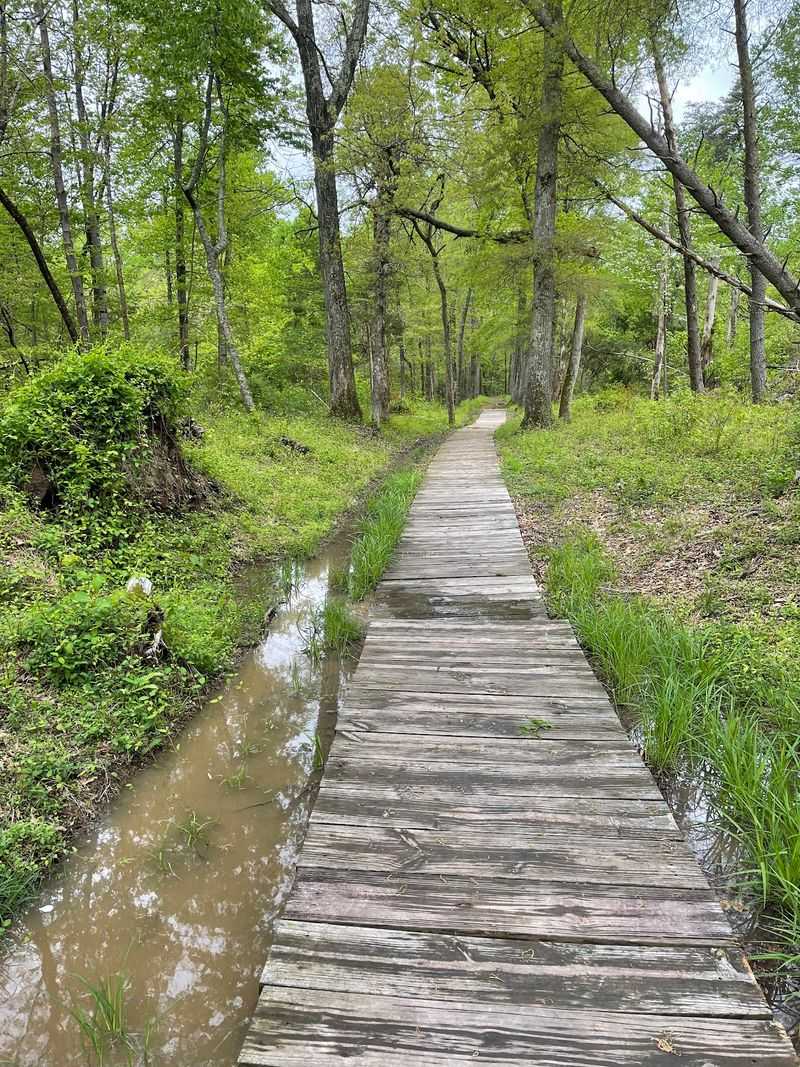
Here is something you would not expect on a battlefield: an unfinished railroad. Workers had started building it before the war, and then soldiers turned it into a weapon of a different kind.
During Second Manassas, Confederate forces under Stonewall Jackson used the railroad cut as a ready-made trench. The dug-out earth gave them natural protection while they fought.
Union troops attacked again and again along this ground, trying to break through the defensive line. The fighting grew so desperate that some soldiers reportedly threw rocks when they ran out of ammunition.
Walking the railroad cut today, you can clearly see why it made such a strong position. The raised banks and low path show exactly how the land helped defenders hold on.
It is one of the most striking features in the entire park. Standing in the cut, you get a real sense of how clever soldiers used whatever they found to survive and fight.
Stand at Chinn Ridge Where the Fighting Turned Desperate
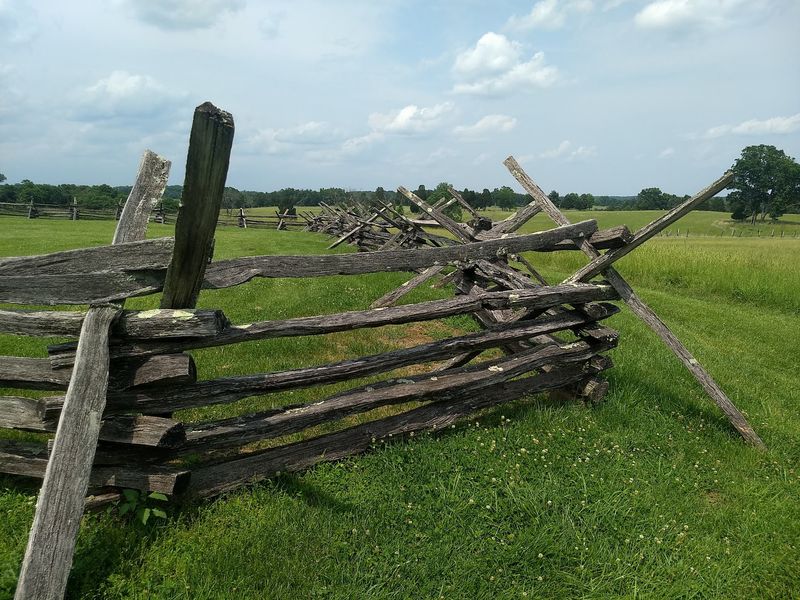
Late in the day on August 30, 1862, Chinn Ridge became the scene of frantic, desperate fighting. Union soldiers here were trying to slow down a massive Confederate counterattack sweeping across the field.
Their goal was to buy time so the rest of the army could retreat safely. Many gave their lives in those crucial minutes, holding the line against overwhelming numbers.
A short trail lets you walk across part of this important ground. Even though the path is not long, the story behind it is powerful.
Standing on the ridge, you can picture soldiers rushing to plug gaps while cannons roared and smoke filled the air. Their sacrifice helped prevent the retreat from turning into total disaster.
This stop shows how even a small piece of land can decide the fate of an entire army. Take a moment here to appreciate the bravery it took to stand firm when everything seemed to be falling apart.
Take the Self-Guided Drive Through Second Manassas
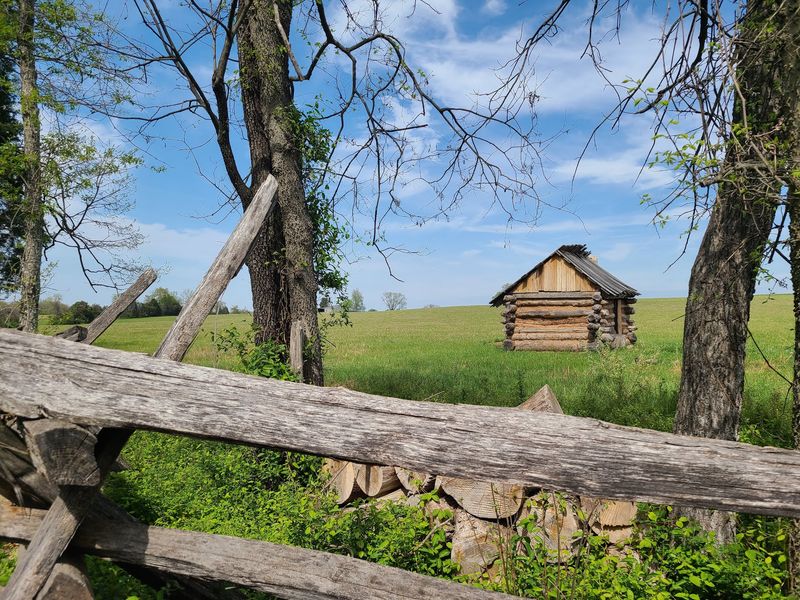
Because Second Manassas spread across so much land, walking every part of it would take ages. That is where the self-guided driving tour becomes your best friend.
This 12-stop route stretches about 20 miles and connects the most important sites of the battle. Along the way you will visit Brawner Farm, Deep Cut, Groveton, Chinn Ridge, Portici, and Stone Bridge.
Driving between stops helps you truly grasp how far apart the fighting reached. What looks close together on a map turns out to cover a huge amount of countryside.
Each stop includes signs and pull-offs where you can park, read, and picture the action. You can go at your own pace, spending more time at the places that interest you most.
It is one of the smartest ways to experience the sheer scale of the battle. Bring water, plan for a few hours, and enjoy watching the whole story unfold across the landscape.
What to Know Before You Go
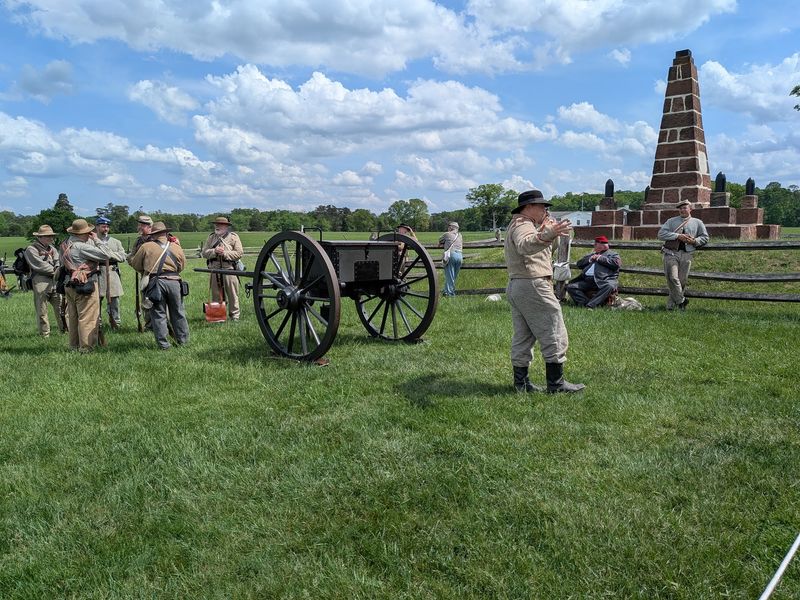
Set aside more time than you would for a normal museum trip, because this park is huge and spread out. The grounds are open daily from dawn until dusk.
The Henry Hill Visitor Center is currently open 9 a.m. to 5 p.m. daily, and its film runs hourly from 10 a.m. through 4 p.m. Best tip: start here, since the NPS recommends it as the perfect launching point for understanding the battlefield.
Admission is free with no timed entry required. You will find the park at 6511 Sudley Road, Manassas, VA 20109, and you can call 703-361-1339 with questions.
Parking is available at the visitor center and various battlefield stops, so be ready to drive between sections.
Wear sturdy shoes, carry plenty of water, and watch for ticks and shifting weather. Grab a trail map before hiking, and check current NPS accessibility details for buildings and trails.
Seasonal spots like the Stone House and Brawner Farm can vary, so review the park calendar first.