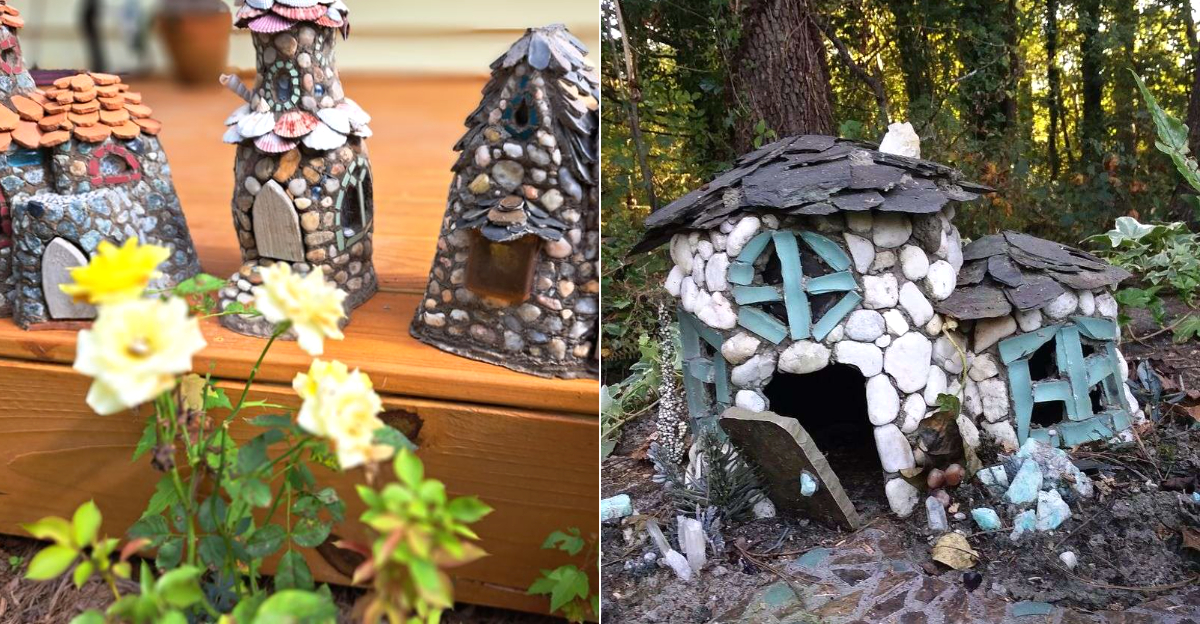
Tucked into the Blue Ridge foothills of Henderson County, Bullington Gardens is the kind of place that makes you slow down and look more carefully at the world around you.
Most visitors come for the horticultural displays and the peaceful walking paths, but those who wander further discover something unexpected, a whimsical fairy trail winding through the landscape.
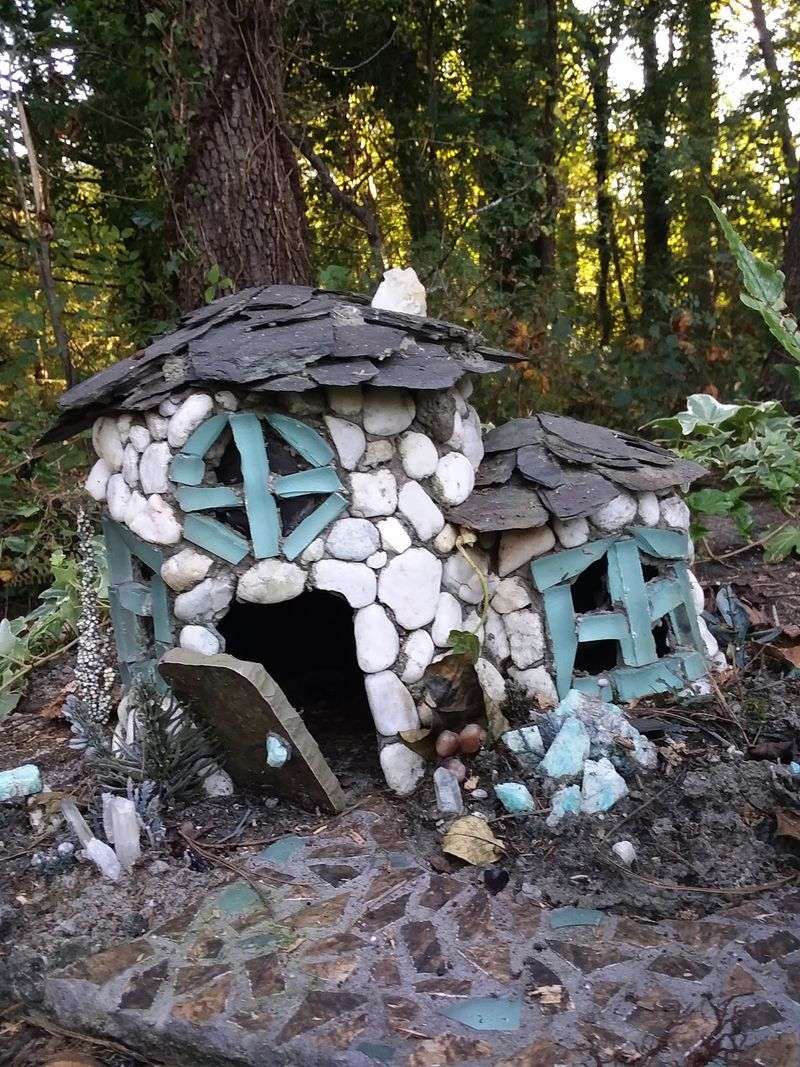
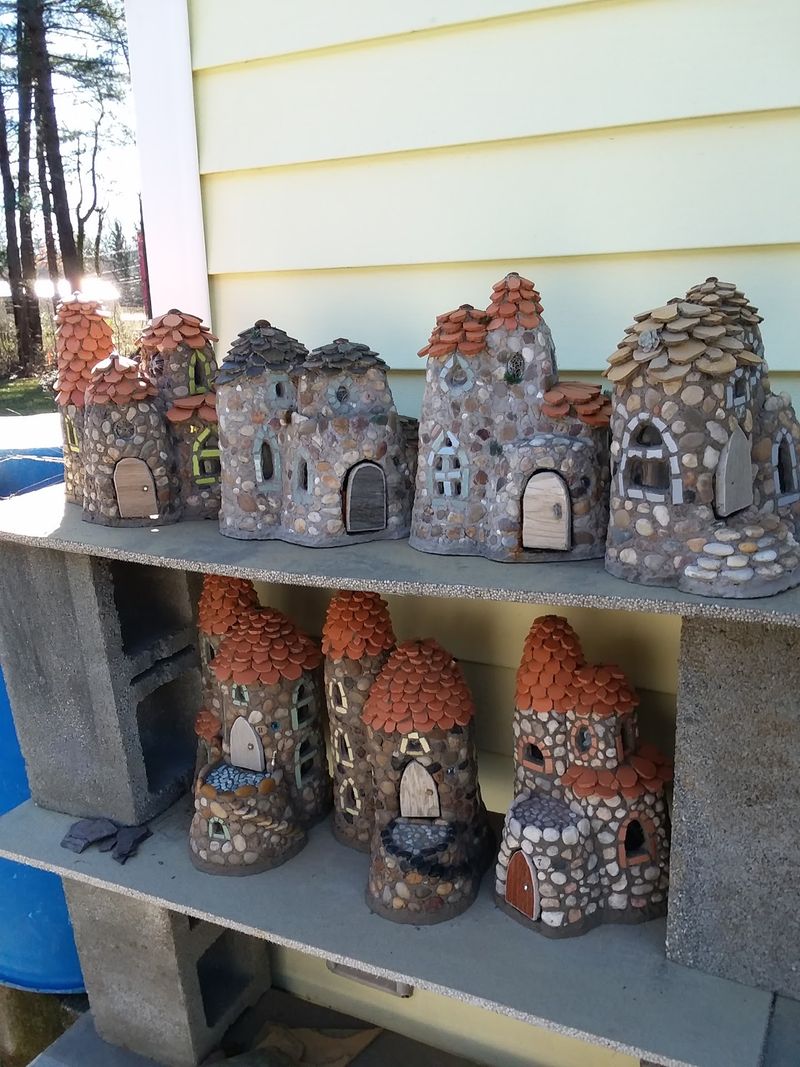
The trail is dotted with tiny handcrafted fairy houses, hidden doors, and miniature scenes that delight children and adults alike in equal measure.
Bullington Gardens operates as a nonprofit focused on education and horticultural therapy, which gives the whole place a mission-driven warmth you don’t always find at public gardens.
Whether you’re visiting with kids, looking for a quiet morning walk, or just need a reason to get outside, this is a spot worth seeking out.
A Storybook Entrance That Sets the Mood
The first steps feel like opening a picture book you can walk through.
Leaves rustle, birds call, and small garden details invite visitors to slow down before the fairy fun begins.
Bullington Gardens, at 95 Upper Red Oak Trail, Hendersonville, NC 28792, is known for blending education, plants, and imagination in a way that feels welcoming.
Families should start by checking posted signs, trail notes, or visitor information near the entrance.
That quick pause helps you understand where paths lead, what areas are open, and how to enjoy the grounds respectfully.
Comfortable shoes are helpful because garden paths can include uneven spots, mulch, grass, or gentle slopes.
Young visitors often enjoy being given a simple mission, like finding the first tiny door or spotting three different flower colors.
Adults can use the moment to point out real plants, insects, and textures around them.
The magic works best when everyone walks slowly, notices little things, and treats the garden like a shared treasure.
Tiny Fairy Houses Hidden in Plain Sight
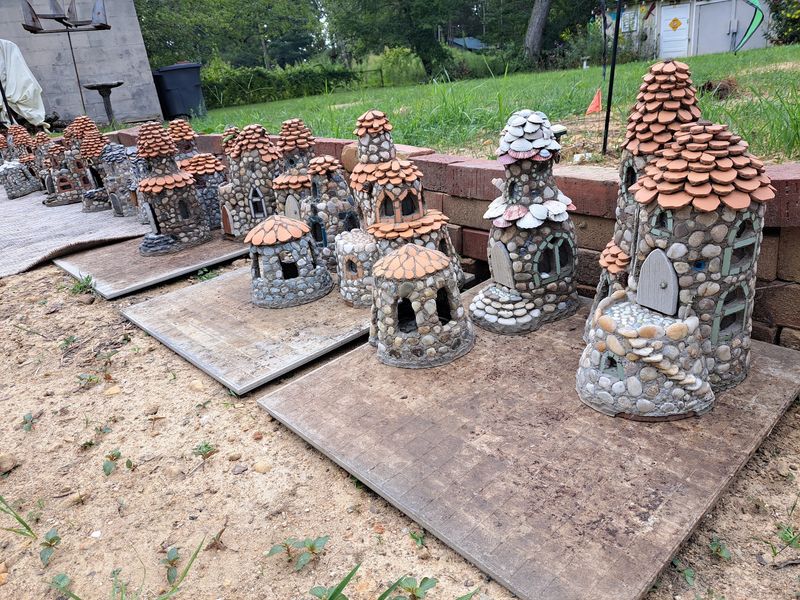
A pebble path, a bark roof, or a walnut shell window can suddenly turn into a tiny home if you look closely.
The fairy trail rewards patient eyes more than fast feet.
Children may race ahead at first, but the best discoveries often sit low to the ground or partly tucked behind leaves.
Encourage kids to search without touching, since miniature displays can be fragile and easy to damage.
A good rule is to point, smile, and share the find with the group.
Taking photos is a fun way to remember favorite houses, especially if each person chooses one design they would build for an imaginary fairy.
The tiny scenes also teach useful lessons about creativity and reuse.
Many fairy-style decorations are inspired by natural items such as twigs, acorns, stones, pinecones, bark, and dried flowers.
After visiting, families can make their own backyard fairy corner using fallen materials, which keeps the wonder going without taking anything from the trail.
Plants That Make the Magic Feel Real

Bright blooms and soft greenery do more than decorate the trail.
They make the small fairy scenes feel like they truly belong in a living world.
Ferns can look like tiny forests, moss can seem like carpet, and tall flowers can tower over miniature doors like giant trees.
Visitors can turn the walk into a plant-spotting game without making it feel like homework.
Look for leaf shapes, flower colors, seed pods, and plant heights, then compare what you see along different parts of the path.
Garden settings change through the year, so spring, summer, and fall may each bring a different mood.
Pollinator plants add another layer of life to the experience.
Bees, butterflies, and other helpful insects may visit flowers while people admire the fairy displays nearby.
Remind children to watch insects calmly and give them space, because these tiny workers help gardens grow and keep nature healthy.
A Gentle Walk for Curious Families
Not every adventure needs loud rides or long lines to be exciting.
A quiet garden walk can give families room to talk, laugh, and notice details together.
The fairy trail is especially appealing because it invites both younger children and adults to use their imagination.
Before going, pack water, sunscreen, bug spray, and a small snack if allowed by posted rules.
A stroller may not be ideal on every garden surface, so families with toddlers may want to bring a carrier or plan short walking breaks.
Older kids can help lead the way by reading signs or choosing which details to photograph.
One helpful idea is to set a relaxed pace from the start.
Instead of trying to see everything quickly, choose a few special things to notice, such as tiny doors, unusual leaves, or favorite colors.
That simple plan keeps the visit peaceful and helps everyone leave with happy memories instead of tired feet.
Photo Spots With Whimsical Charm
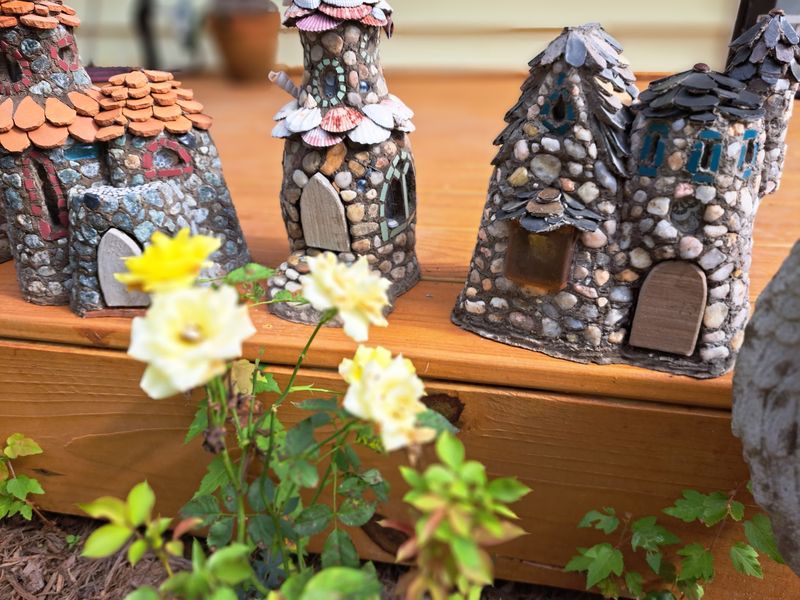
A tiny doorway beside a flower can become the cutest photo of the day.
Garden light, leafy backgrounds, and small handmade details create scenes that feel sweet without needing fancy equipment.
Even a phone camera can capture the charm if you slow down and frame the shot carefully.
Try getting low when photographing fairy houses, since a ground-level view makes miniature worlds look larger and more believable.
Avoid stepping into planted beds for a better angle, because protecting roots and flowers matters more than any picture.
If people are in the photo, have them kneel near the path rather than crowding the display.
Cloudy days can be surprisingly good for pictures because soft light reduces harsh shadows.
Morning visits may also feel calmer, with fewer people and fresher-looking plants.
For a fun keepsake, ask each person to take one favorite detail photo, then compare everyone’s choices after the visit.
Quiet Corners for Nature Learning
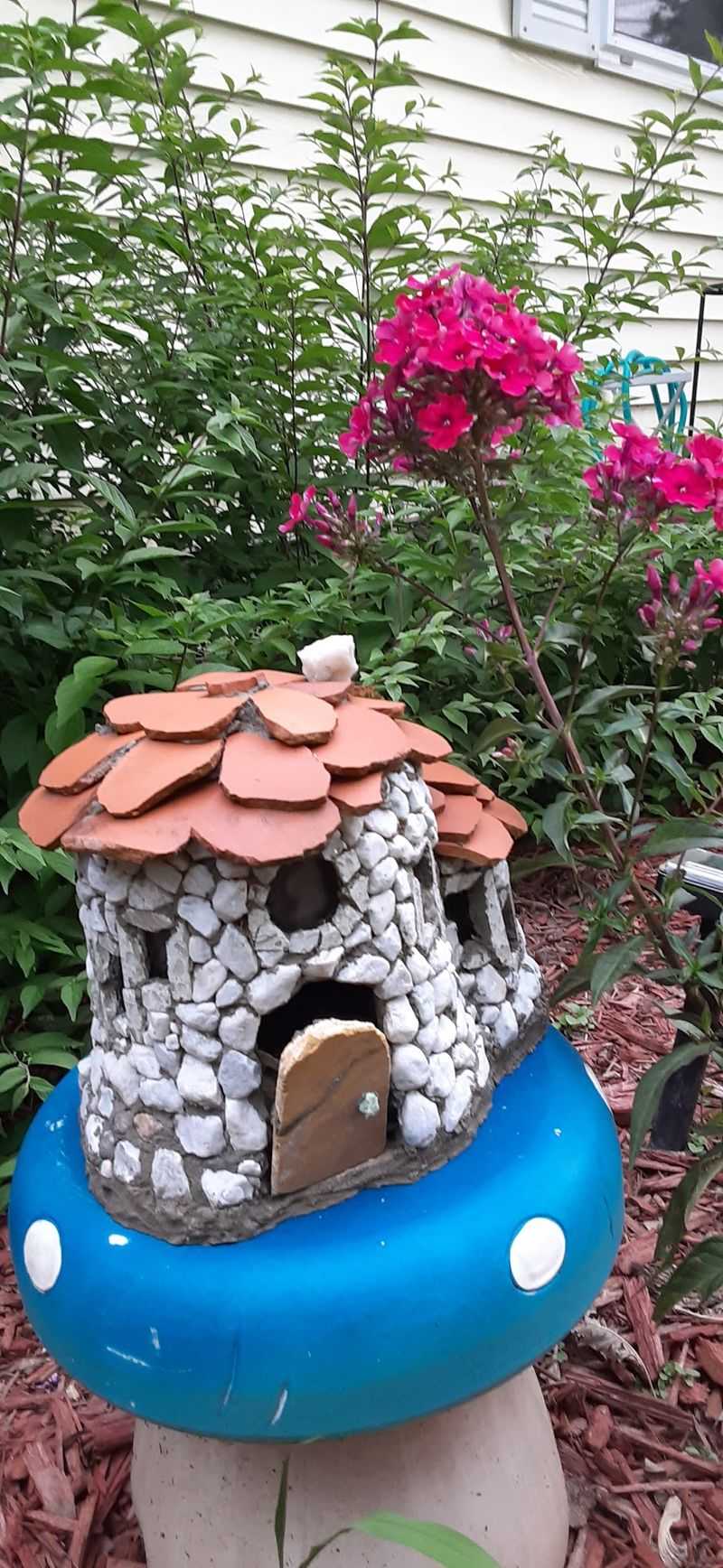
Between the playful fairy scenes, the garden offers chances to learn without sitting at a desk.
A shaded bench, a labeled plant, or a butterfly on a bloom can start a real conversation.
Kids often remember facts better when they connect them to something they touched with their eyes and imagination.
Bring a small notebook if your group enjoys sketching or making lists.
Children can draw a leaf, write down a flower color, or invent a name for a fairy who might live nearby.
These simple activities help them slow down and notice patterns in nature.
Adults can ask open questions, such as why a plant might have wide leaves or why insects visit certain flowers.
There is no need to know every answer right away.
Wondering together is part of the fun, and looking up answers later can turn one garden visit into a longer learning adventure.
Seasonal Surprises Along the Path
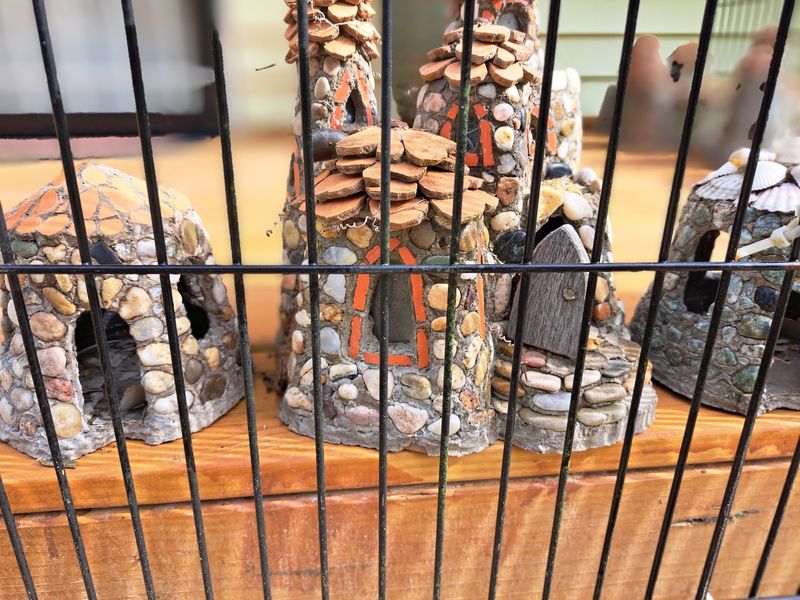
The trail does not feel exactly the same every time, and that is part of its charm.
Spring may bring fresh flowers and bright green growth, while summer can feel full and leafy.
Fall adds warm colors, seed heads, and crunchy leaves that make tiny fairy settings look extra cozy.
Checking seasonal hours and garden updates before visiting is a smart habit.
Weather, maintenance, special events, or plant conditions can affect what visitors see on any given day.
A quick online check or phone call can save disappointment and help you plan the best time to arrive.
Repeat visits can become a family tradition because children notice changes quickly.
Ask what looks new, what disappeared, and what stayed the same from the last visit.
That kind of observation builds patience and helps young explorers understand that gardens are living places, always growing, resting, and changing.
Simple Tips for a Respectful Visit
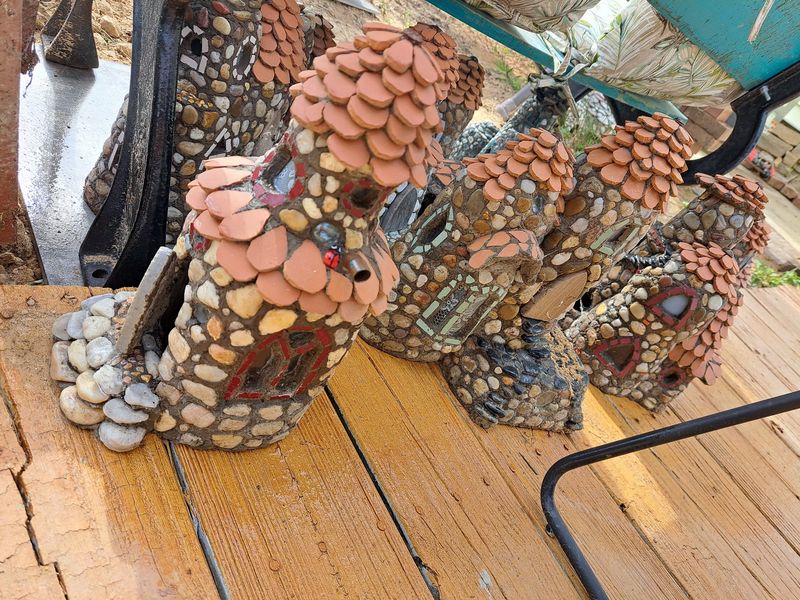
A magical place stays magical when visitors treat it kindly.
Small actions, like staying on paths and leaving displays where they are, help protect the trail for the next family.
Fairy houses may look playful, but many are delicate and can break with one curious hand.
Teach children the look but do not touch rule before the walk begins.
It sounds simple, yet saying it early prevents confusion when an exciting tiny scene appears.
Carrying out trash, keeping voices friendly, and respecting closed areas also show care for the people who maintain the garden.
Visitors can support the space by following posted guidelines, donating if there is an option, or sharing kind words with staff and volunteers.
Gardens take time, money, and steady hands to keep beautiful.
When guests act thoughtfully, the fairy trail remains a place where imagination, plants, and community can keep growing together.