Most people driving through Transylvania County are heading toward Brevard or pushing on to Asheville, completely unaware that one of the most dramatic landscapes in the eastern United States is tucked just off the highway near Sapphire.
Gorges State Park occupies a rugged gorge environment where the Blue Ridge Escarpment drops sharply, creating a microclimate so wet and temperate it more closely resembles a Pacific rainforest than anything you’d expect in the Carolinas.
The result is a park with an extraordinary concentration of waterfalls, rare plant species, and hiking trails that range from accessible walks to serious backcountry routes.
If you’re anywhere near western North Carolina and you love waterfalls, wilderness, or simply being somewhere that feels genuinely untouched, Gorges State Park deserves a full day of your time.
A Rain-Soaked Mountain Setting
Rain writes the story here before any hiker steps onto a trail.
Moist air rises from the South Carolina foothills, cools against the Blue Ridge, and drops heavy showers across steep forested slopes.
That weather pattern helps explain why Gorges State Park, at 976 Grassy Ridge Rd, Sapphire, NC 28774, has such an amazing collection of waterfalls.
The park receives far more rain than many nearby mountain areas, so streams stay lively through much of the year.
Instead of one simple creek, visitors find a maze of waterways that race downhill through narrow valleys, rock ledges, and deep coves.
Each drop in elevation gives water another chance to spill, slide, or roar.
Pack a rain jacket even on a bright morning, because conditions can shift quickly.
Good shoes matter too, since wet roots and slick stone can turn an easy walk into a careful shuffle.
For the best experience, stop at the visitor center first, check trail updates, and ask rangers which waterfall routes match your group.
Trails That Feel Like Treasure Maps
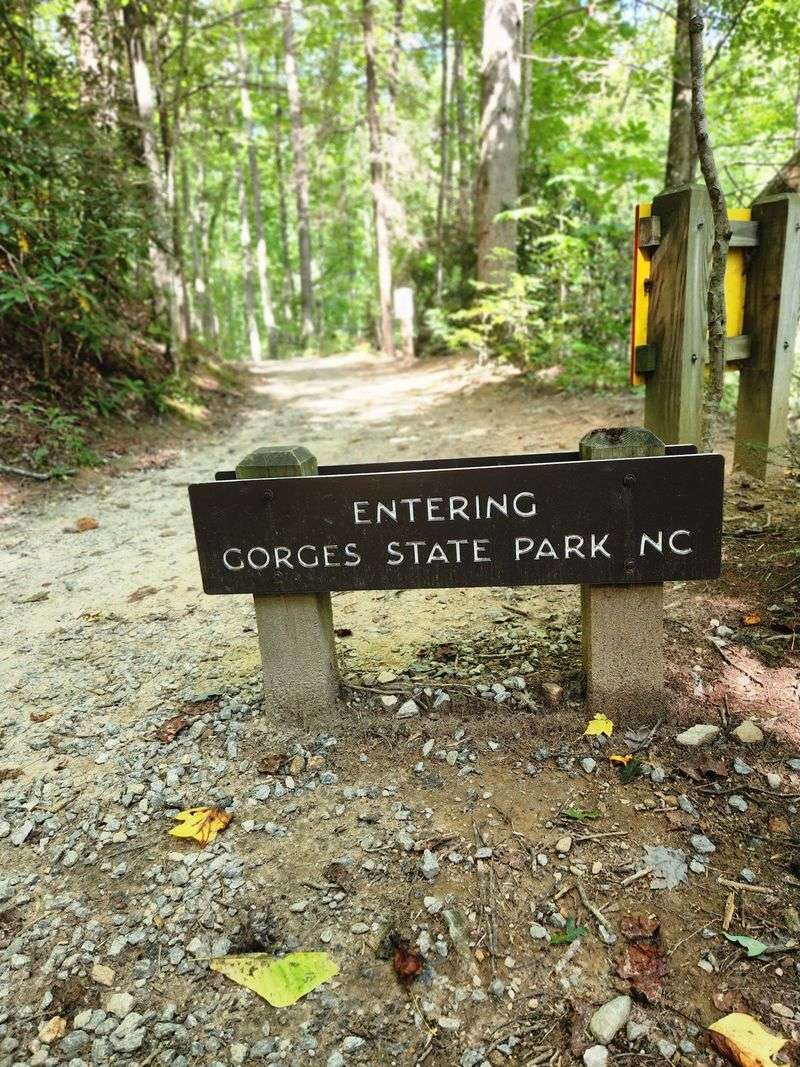
A simple trail sign can feel like the first clue in a forest mystery.
Many routes twist through thick woods, cross small streams, and slowly reveal the sound of falling water long before the view appears.
That slow build makes every overlook feel earned.
Some paths are short enough for casual walkers, while others ask for stronger legs and better planning.
The land is rugged, so mileage does not always tell the full story.
A two-mile hike with steep climbs, mud, and rocky steps can feel much longer than it looks on a map.
Bring water, snacks, and a printed or downloaded map, because cell service can fade in the valleys.
Start early if you want quiet trails and easier parking.
Families should choose one main waterfall goal instead of trying to rush through several in a day.
Trail etiquette is simple but important.
Stay on marked paths, step aside for uphill hikers, and never cut switchbacks, since shortcuts damage soil and plants.
The reward is a safer trip and a healthier forest for everyone.
Waterfalls With Different Personalities
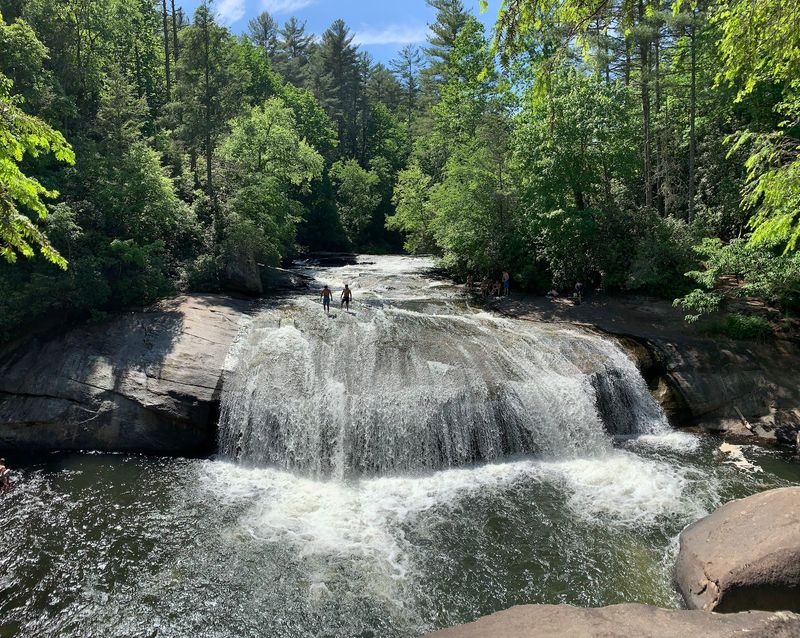
Not every waterfall shows off in the same way, and that is part of the fun.
One may drop in a clean white ribbon, while another tumbles in noisy steps over dark rock.
A third might spread out like a silver curtain after steady rain.
The park’s steep terrain creates many waterfall styles within a small area.
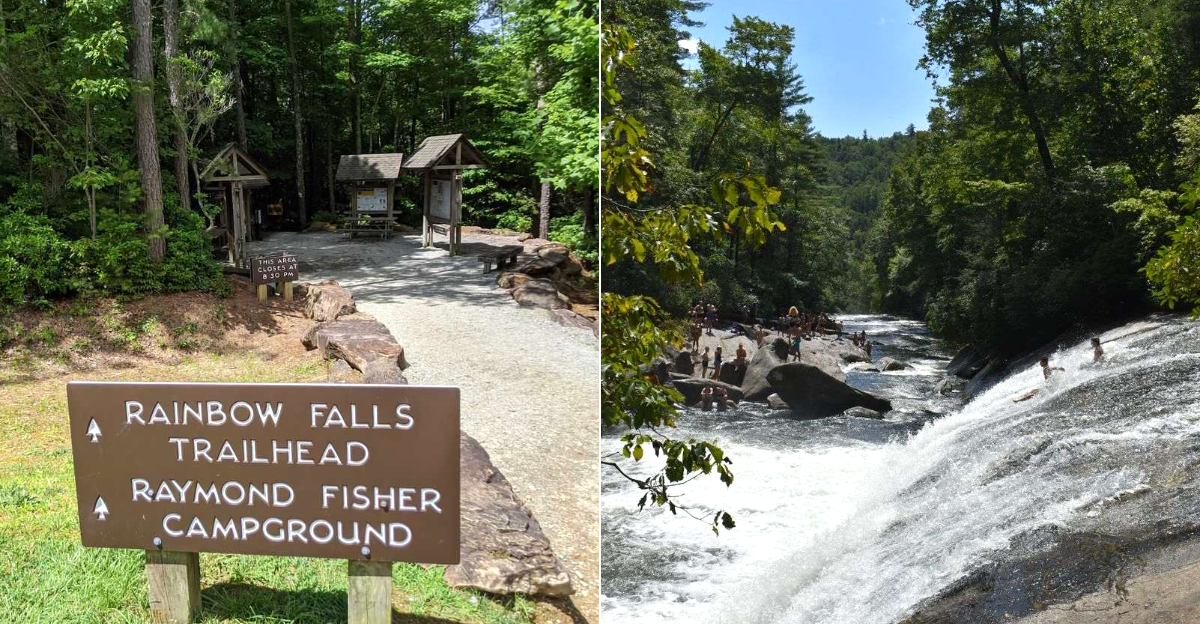
Plunge falls leap from ledges, cascades bounce from rock to rock, and sliding falls rush down smooth stone like natural water ramps.
Learning these differences helps visitors notice more than just size.
Photos also improve when you understand the shape of each fall.
Tall drops look best in vertical shots, while wide cascades often need a horizontal frame.
Cloudy days can be useful because softer light reduces glare on wet rocks and bright water.
Keep a safe distance from edges, even when the view seems better a few steps closer.
Water-polished stone can be as slippery as ice.
Enjoy the personality of each waterfall from stable ground, and the memory will be much happier.
A Wild Home For Plants And Animals
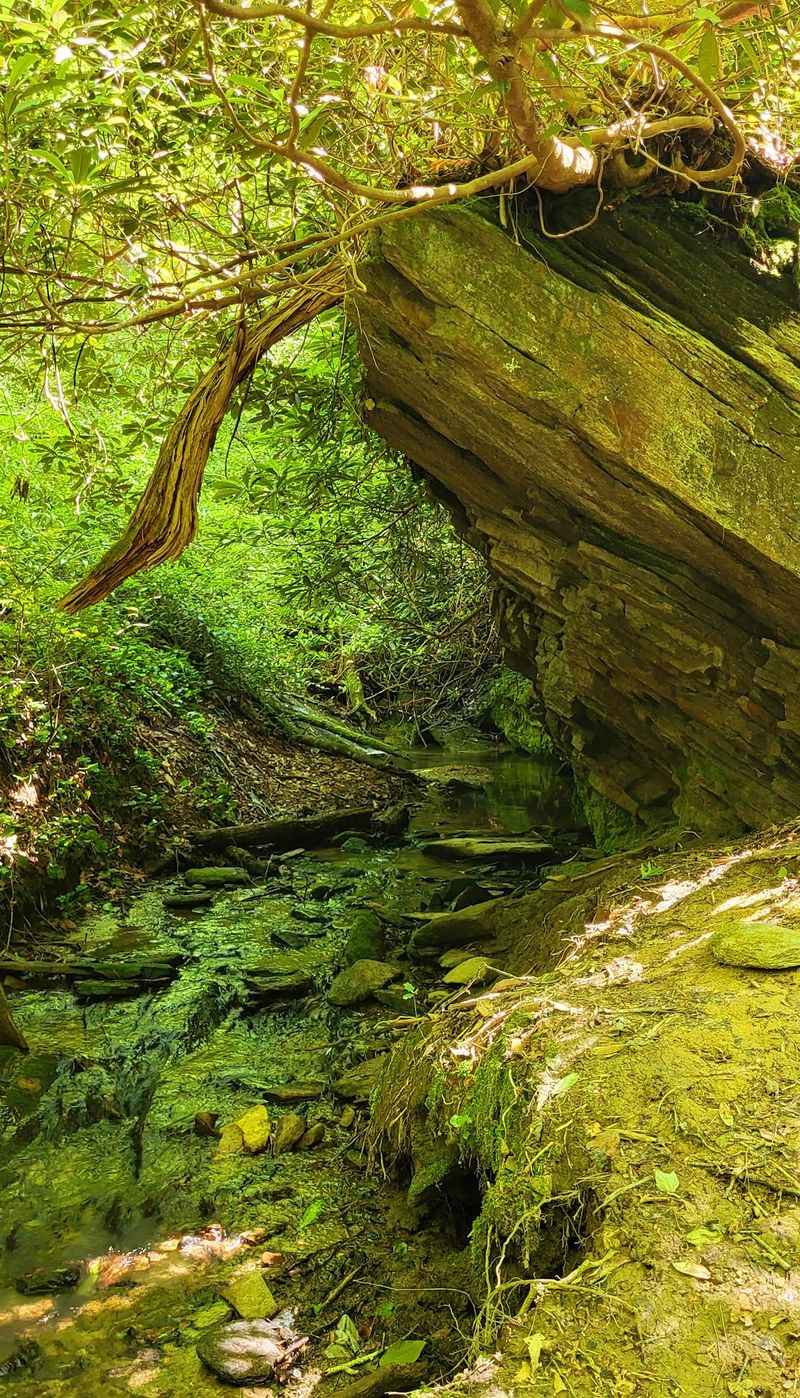
Listen closely near the water, and the forest seems to have several conversations at once.
Birds call from high branches, insects buzz over wet leaves, and tiny creatures hide in mossy cracks.
Waterfalls support much more than pretty views.
The damp coves around the streams create cool homes for ferns, mosses, mushrooms, and wildflowers.
Rhododendron and mountain laurel form leafy tunnels along parts of the trail, especially in spring and early summer.
These plants help hold soil in place during heavy rain.
Salamanders are a special treasure in southern Appalachian forests.
They need clean, moist places to live, so healthy streams are very important for them.
If you spot one, admire it without touching, because oils and sunscreen on human hands can harm delicate skin.
Wildlife watching works best when visitors move slowly and speak softly.
Never feed animals, even small ones, because human food can make them sick or bold.
The quieter you are, the more the forest shares.
Safety Rules That Really Matter
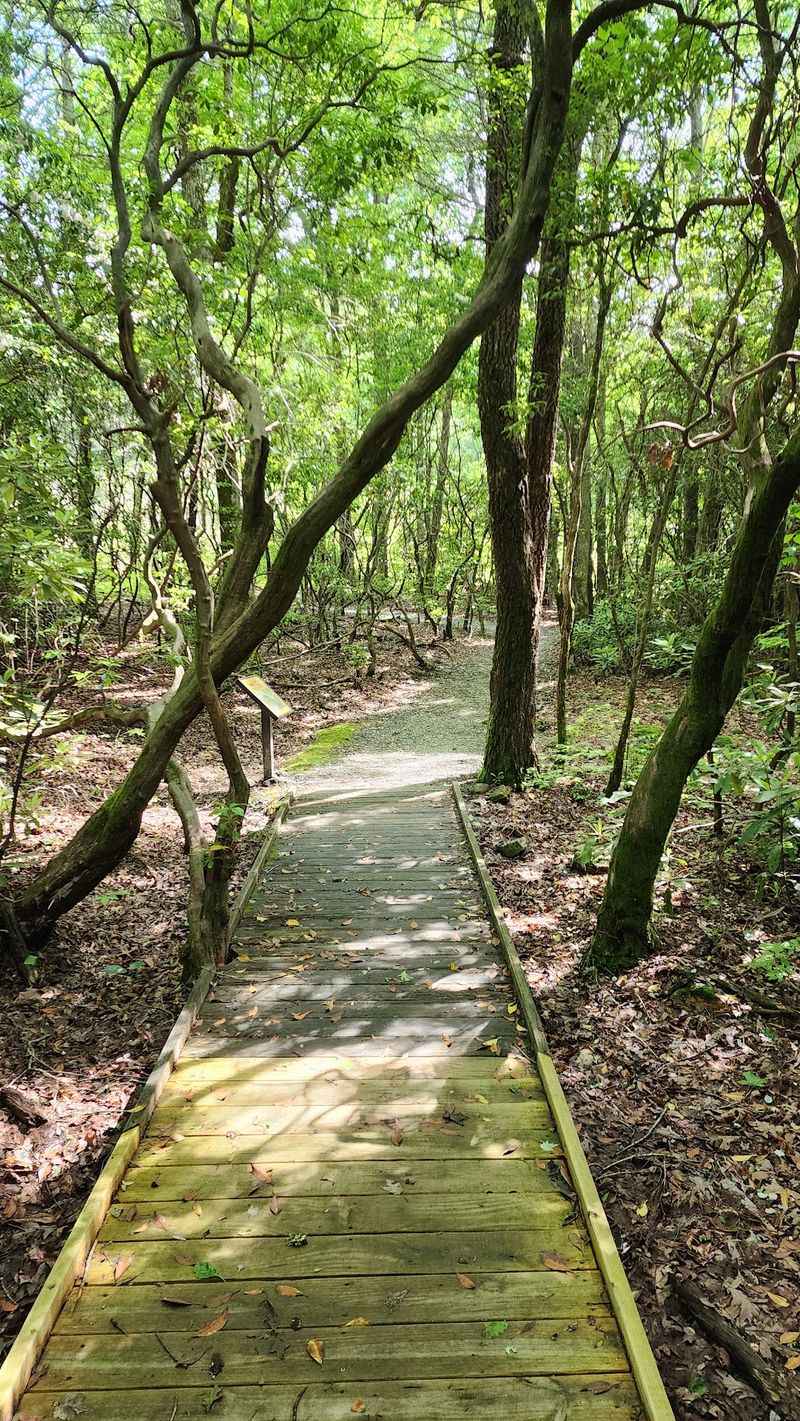
The loudest waterfall can make safety warnings easy to ignore, but those signs are there for good reasons.
Fast water, slick rocks, and steep drops can turn a fun stop into an emergency very quickly.
Beautiful places still demand respect.
Never climb around fences, barriers, or warning posts for a photo.
Many waterfall accidents happen when people step onto wet stone that looks dry enough from a distance.
Algae, spray, and smooth rock can remove your footing in seconds.
Swimming is not wise near strong currents or plunge pools with hidden rocks.
Even shallow water can push hard after rain, and cold mountain streams can surprise tired legs.
Children should stay close to adults anywhere near moving water.
Check the forecast before leaving home, because storms upstream can change stream levels where you are hiking.
If thunder starts, move away from exposed overlooks and return carefully.
A safe trip may sound less exciting than a risky story, but it is the one everyone gets to enjoy again.
Best Times To See The Falls
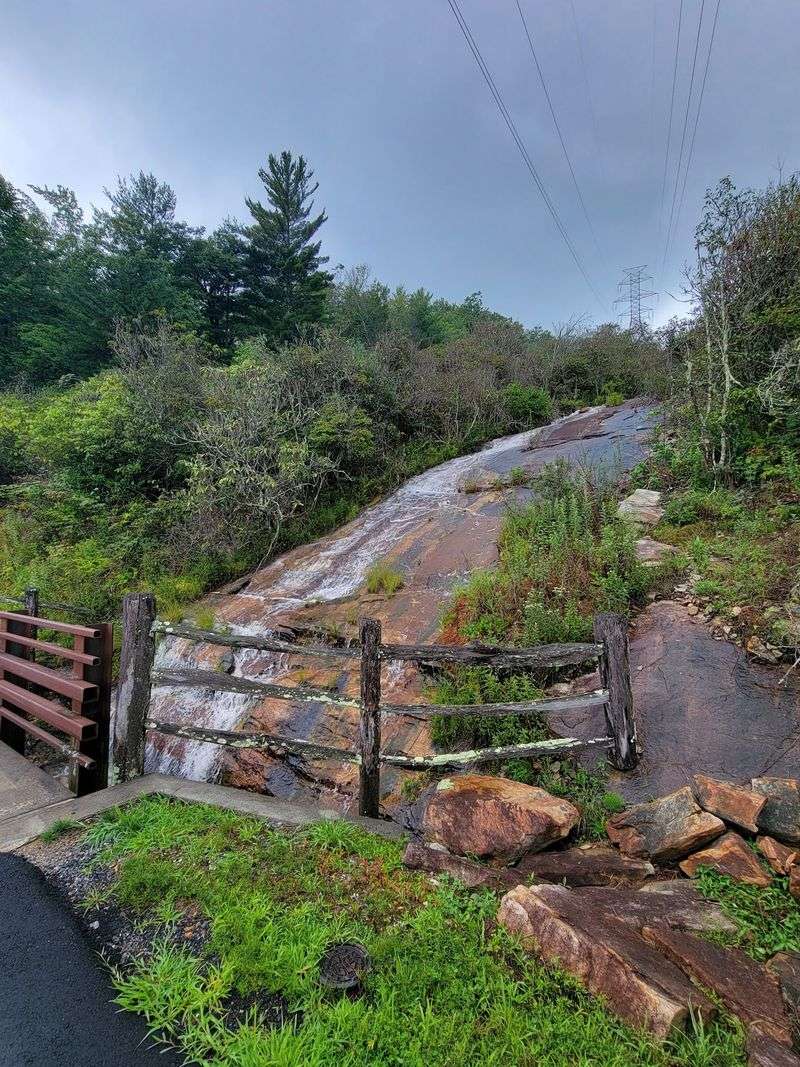
Timing can change a waterfall from a whisper to a drumroll.
Spring often brings full streams, fresh leaves, and wildflowers along the trails.
After a good rain, the falls may look especially powerful, though paths can also be muddier.
Summer offers deep green forests and long daylight hours, which helps families take their time.
Afternoon storms are common, so morning hikes are usually smarter.
Bring extra water, because warm climbs can feel harder than expected.
Fall adds bright color to the ridges and cooler air to the valleys.
Water levels may be lower if the weather has been dry, but golden leaves around the streams create lovely scenes.
Weekdays are better if you want fewer people during peak color.
Winter can feel quiet and sharp, with bare trees opening wider views toward cliffs and valleys.
Ice may form near spray zones, so careful steps are needed.
No season is wrong, but matching your plans to weather, daylight, and trail conditions makes the visit smoother.
Photo Spots That Reward Patience
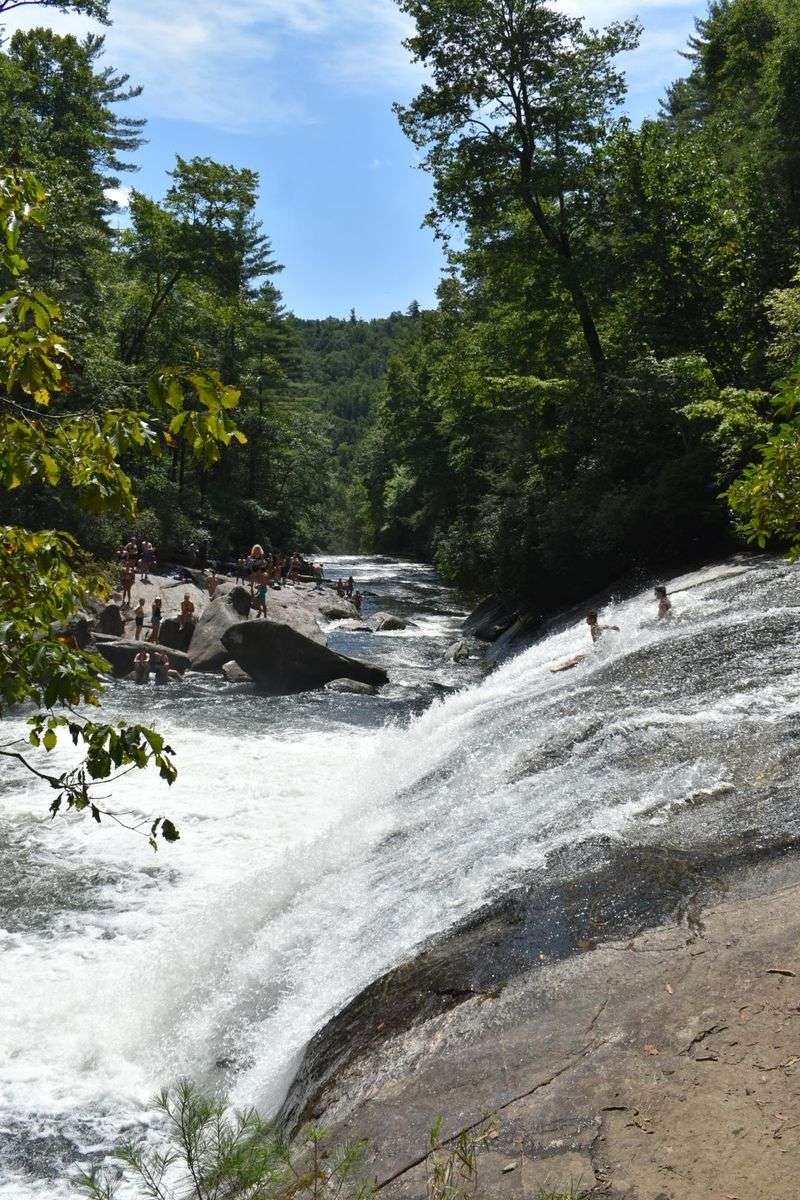
A great waterfall photo often begins with waiting, not clicking.
Mist moves, sunlight changes, and hikers pass through the frame at their own pace.
Give yourself a few extra minutes, and the scene may suddenly open up.
Early morning is helpful because trails are calmer and light is softer.
Overcast skies can be even better, since bright sun often creates harsh white patches on falling water.
If you use a phone, tap the brightest part of the waterfall to control exposure.
A small tripod is useful for cameras, especially if you want silky-looking water with a slow shutter speed.
For phone users, resting the device against a tree or rock can steady the shot.
Just avoid stepping onto dangerous ledges for a different angle.
Include people carefully to show the size of the falls, but keep them on safe ground.
Take a wide view, a close detail, and one trail scene for a fuller story.
The best pictures should remind you how the place felt, not just how it looked.
Why The Park Stands Out In The East
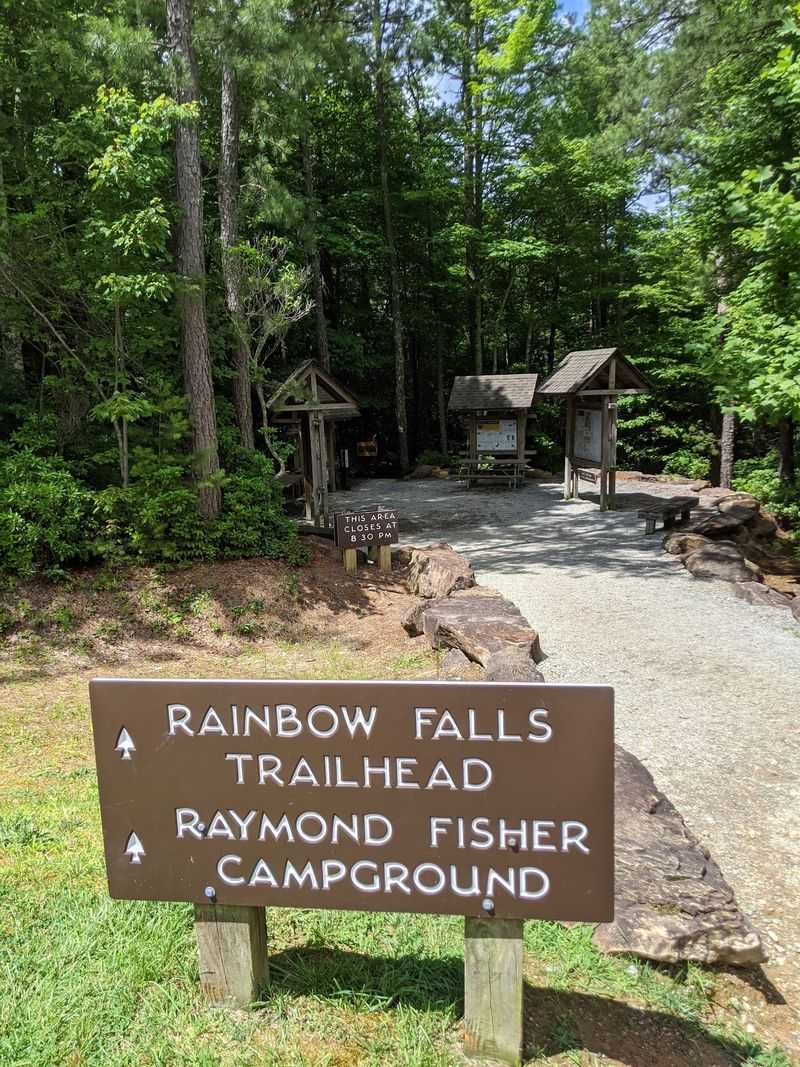
Few eastern parks pack so much rushing water into such a rugged landscape.
The secret is a mix of high rainfall, sharp elevation change, and hard rock that forces streams to drop quickly.
That recipe creates waterfall after waterfall across the backcountry.
Many visitors come expecting one main scenic stop, then learn the larger story is bigger.
The area protects headwater streams that feed important river systems below.
Clean water starts in these shaded mountain channels before moving toward towns, farms, and wildlife habitats downstream.
Compared with gentler parks, this one feels wilder and less polished.
That can be exciting, but it also means visitors should prepare like they are entering real mountain terrain.
Maps, sturdy shoes, extra layers, and honest judgment are part of the experience.
Its waterfall-rich setting makes the park valuable for recreation, science, and conservation.
Every trail walked with care helps protect rare plants, clear streams, and fragile slopes.
For anyone who loves moving water, it remains one of the East’s most memorable places.