Few experiences capture the grandeur of Gilded Age America quite like arriving at a 19th-century estate by horse-drawn carriage, with the Blue Ridge Mountains framing the scene on every side.
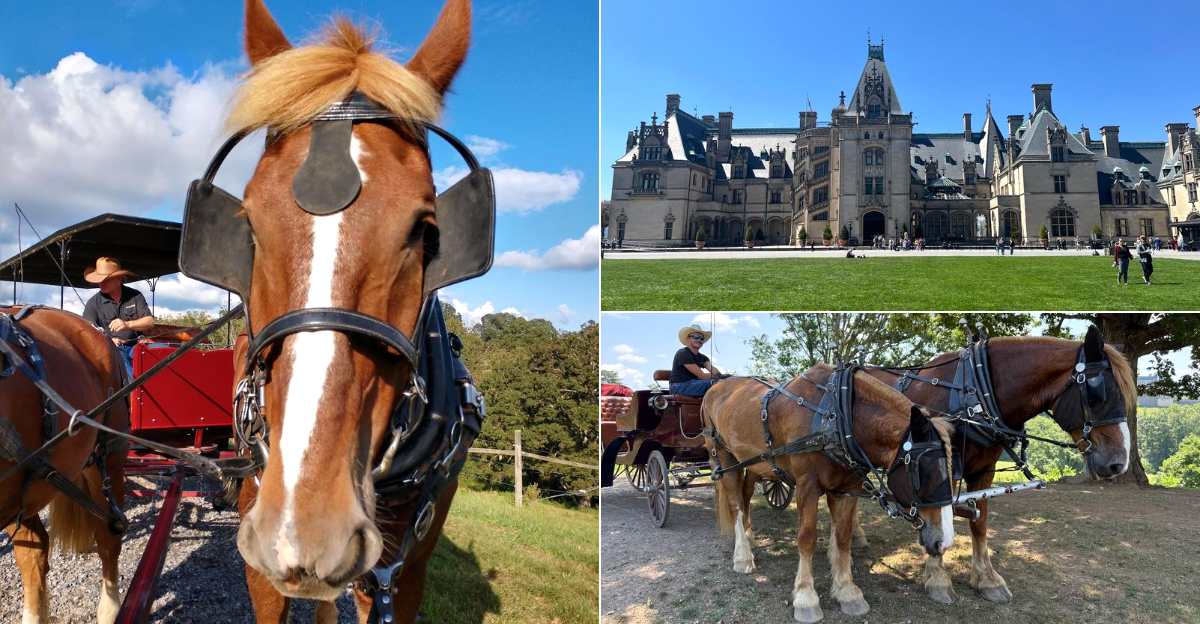
The Biltmore Estate in Asheville, North Carolina, offers exactly that, a working carriage ride program that winds through the grounds of George Vanderbilt’s legendary 8,000-acre property.
Guests board elegant carriages pulled by well-cared-for draft horses and set off along scenic routes past manicured gardens, open meadows, and views of the French Château-style mansion itself.
Beyond the carriage rides, the estate also offers guided trail rides on horseback through the surrounding forests for those who prefer to explore at a slower, more intimate pace.
Whether you’re celebrating a special occasion or simply looking for a way to slow down and soak in one of America’s most beautiful historic estates, the carriage experience at Biltmore is something you’ll talk about long after you leave.
A Slow Arrival With Old World Charm
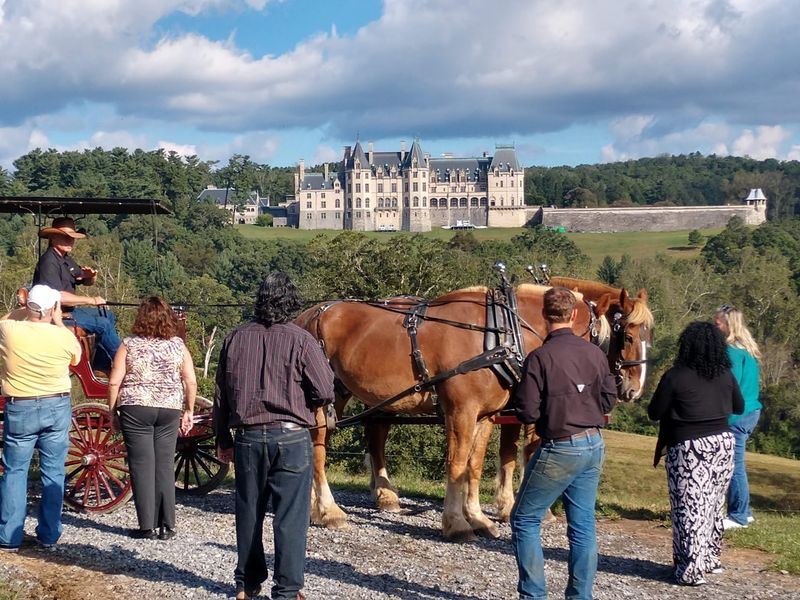
Soft hoofbeats set the mood before the ride even begins, giving guests a calm welcome after busy sightseeing nearby.
At Biltmore Estate Carriage and Trail Ride Barns, 1 Approach Rd, Asheville, NC 28803, the setting feels carefully preserved.
Arrive early so parking, check in, and restroom stops do not steal attention from the first quiet moments.
The barns introduce the horses, harnesses, and wagons in a way that feels simple, friendly, and easy.
Staff members usually explain basic rules, including where to stand, when to board, and how to move safely.
Listening closely helps children and adults relax, especially if they have never been near large horses before.
A light jacket is smart because open carriages can feel cooler than expected, even on bright afternoons.
Flat shoes also help on gravel areas, where fancy sandals may make walking awkward or slow.
Keep your camera ready, but spend a few minutes simply watching the horses breathe, blink, and settle.
That unhurried start is part of the magic, reminding visitors that travel once moved at a softer pace.
Horses That Feel Like Living History
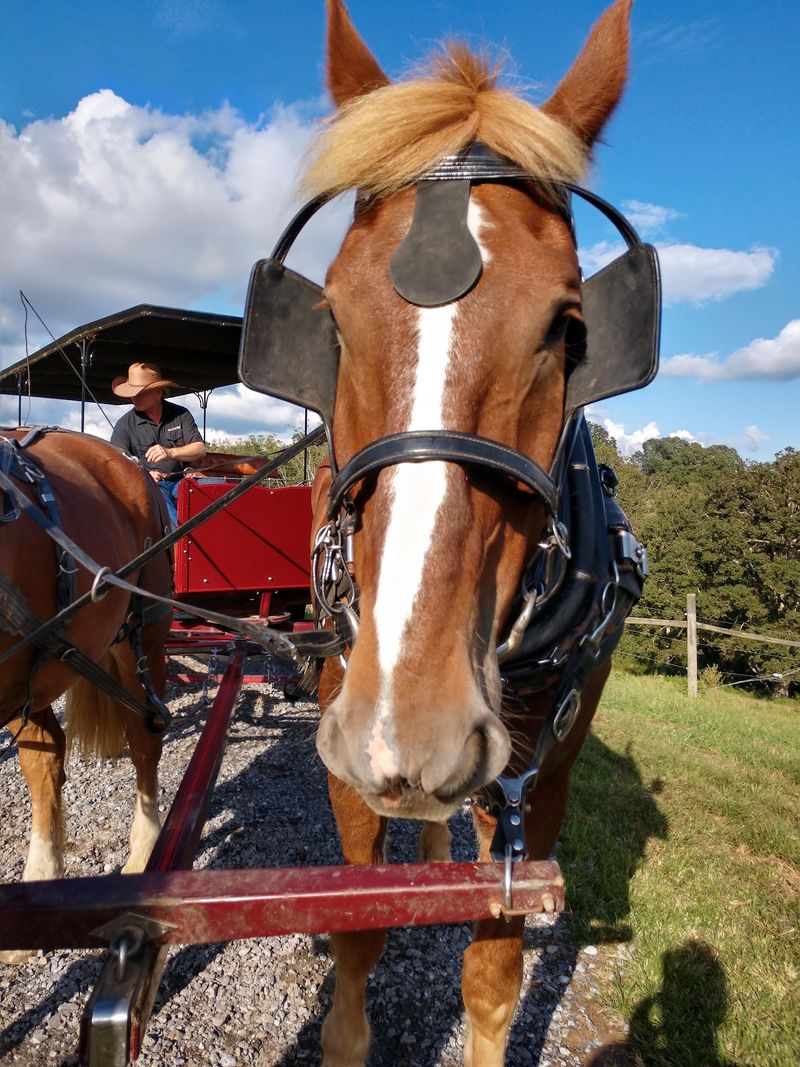
Big eyes, steady steps, and polished harness bells can make the horses feel like patient guides from another century.
Many visitors remember the animals first because their quiet work gives the whole ride its heart and rhythm.
Before boarding, watch how the team responds to voice cues, small rein movements, and calm human handling.
Children may want to rush forward for a closer look, but respectful distance keeps everyone comfortable and safe.
Ask staff whether photos are allowed near the horses, since rules can change based on conditions.
A good guide may share each horse’s name, personality, or favorite habit, adding warmth to the ride.
The harness itself is worth noticing because every strap has a job and must fit correctly.
Carriage horses are trained for patience, road sounds, and teamwork, not just strength or pretty looks.
If someone in your group feels nervous, focus on the slow breathing and steady pace of the team.
That trust between driver and horse is what makes the old style journey feel real, not staged.
Scenery That Unfolds At A Storybook Pace
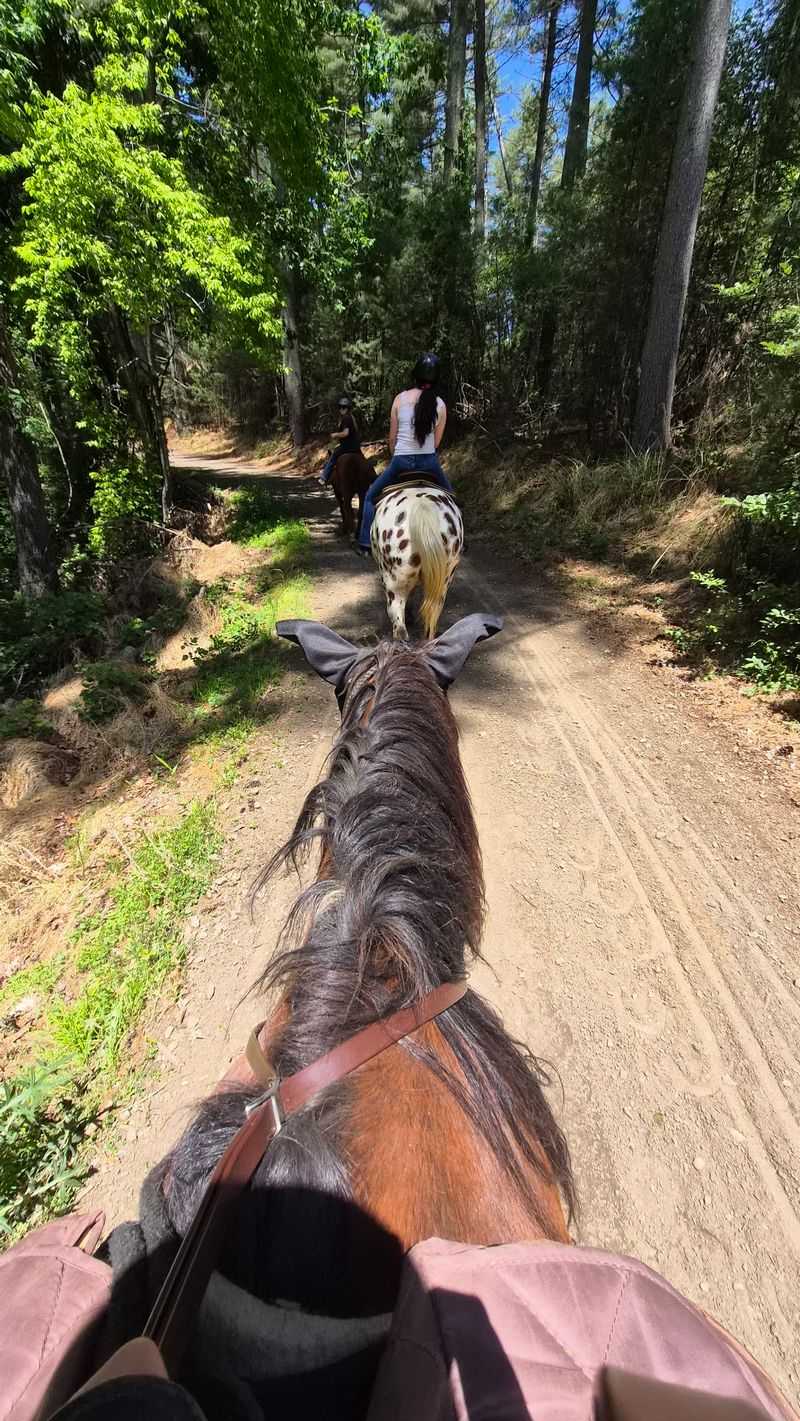
Rolling views appear slowly from a carriage seat, almost like pages turning in a well loved picture book.
Instead of rushing from one landmark to another, riders get time to notice shadows, fences, trees, and sky.
The slower pace makes small details stand out, including birdsong, leaf movement, and sunlight across open fields.
Bring binoculars if your family enjoys wildlife, because deer, wild turkeys, and songbirds may appear along quieter stretches.
Weather changes the mood, so spring feels fresh, summer looks full, fall glows richly, and winter feels crisp.
For the best photos, sit where you can see past other passengers without leaning outside the carriage.
Guides may point out views connected to the estate’s design, farming past, or carefully planned landscape.
Listen for those details because they explain why the grounds feel natural but still carefully arranged.
A carriage ride teaches patience in the nicest way, letting beauty arrive one bend at a time.
By the end, the scenery feels less like a backdrop and more like a calm companion.
A Family Outing That Feels Easygoing
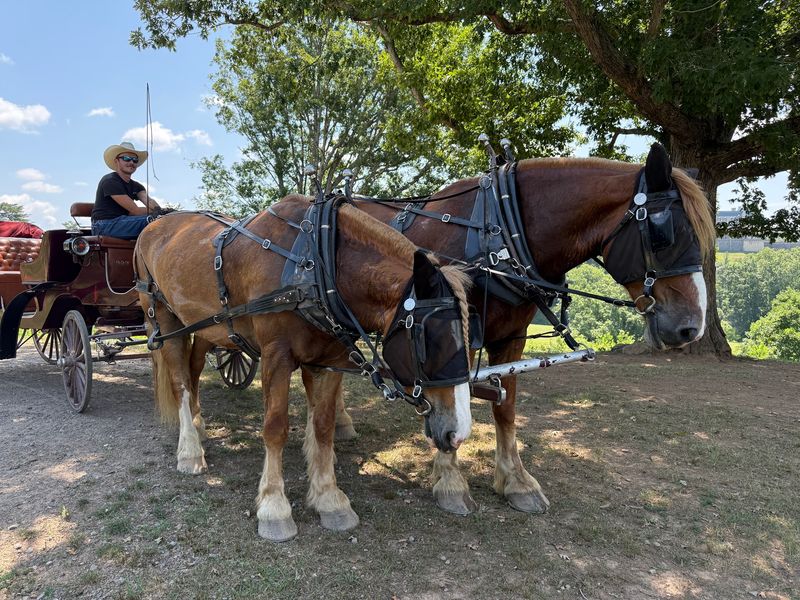
Little riders often grow quiet when the carriage starts moving, surprised by how different travel feels without engines.
For families, the ride offers a rare activity that entertains grandparents, parents, teens, and younger children together.
No one needs special skills, and the seated pace gives tired feet a welcome break from walking.
Prepare children by explaining that horses are working animals, not pets to grab, feed, or surprise.
A small snack before the ride can prevent wiggles, but check rules about eating while aboard.
Use the journey as a game by asking kids to spot birds, fences, hills, or interesting trees.
Older relatives may enjoy the comfort of sitting while still feeling part of the day’s adventure.
If accessibility matters, call ahead and ask specific questions about boarding steps, seating, and nearby surfaces.
Families should also confirm age rules, weather policies, and ticket times before building the day around it.
Shared quiet can become the best souvenir, especially when everyone remembers the same clip clop rhythm later.
Guides Who Add Color To The Past
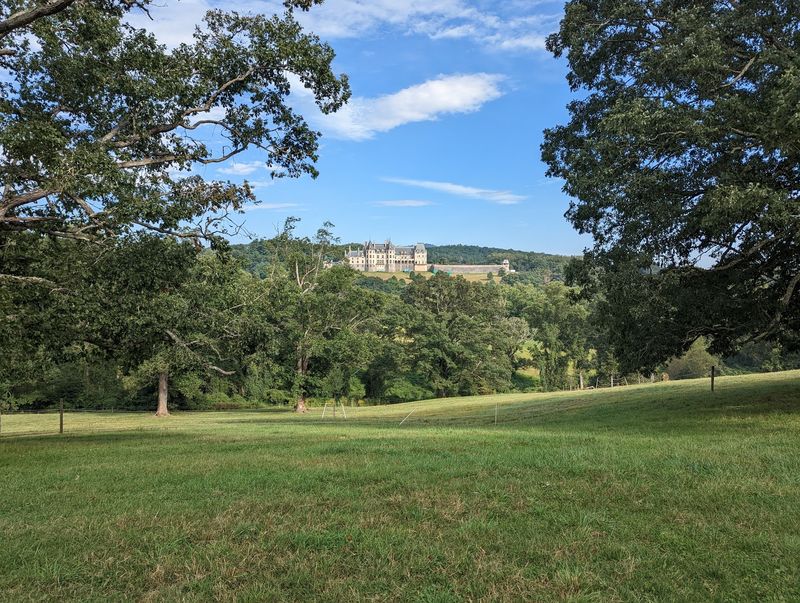
A good guide can turn a pretty ride into a lively window on how people once traveled.
Their stories may connect the carriage, horses, trails, and landscape to daily life from another era.
Even simple facts feel memorable when heard while wheels roll and harness leather creaks beside you.
Ask questions if the guide invites them, especially about horse care, carriage types, or seasonal changes.
Curious visitors often learn why certain routes are chosen and how weather affects both horses and passengers.
The best questions are short and polite, giving everyone a chance to hear the answer clearly.
Guides also help guests understand safety without making the experience feel stiff or crowded with rules.
Their calm instructions remind riders when to remain seated, where to place hands, and how to board.
If a story catches your attention, jot a note afterward so you can look it up later.
Those small history pieces make the ride richer, like finding hidden stitching in an old family quilt.
Photo Moments Without Losing The Mood
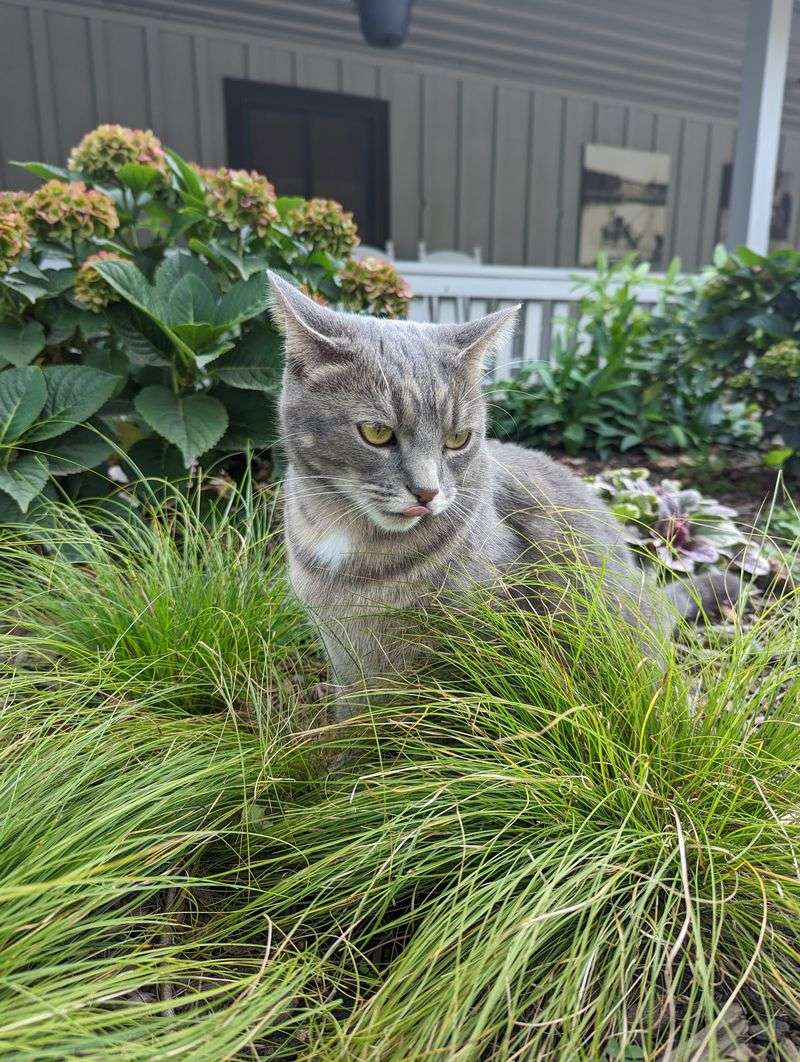
Golden light, polished wood, and moving horses create photos that look charming without much effort at all.
Still, the best pictures come when visitors stay relaxed and avoid turning the ride into a photo race.
Choose a few moments to capture, then put the phone down and enjoy the rocking motion.
Before snapping pictures of staff, guides, or other guests, ask permission or frame shots around scenery instead.
Keep straps secured around your wrist, since a dropped phone may not be easy to recover quickly.
Bright midday sun can create hard shadows, so tap your screen to balance the carriage and sky.
Details make wonderful images, including wagon wheels, reins, horse ears, fences, fields, and hands resting calmly.
If children are riding, take one posed photo before departure, when everyone can smile without bumps.
Video clips work best when short, because the sound of wheels and hoofbeats carries the memory beautifully.
A few thoughtful images will tell the story better than dozens taken while missing the actual ride.
Seasonal Touches That Change The Ride
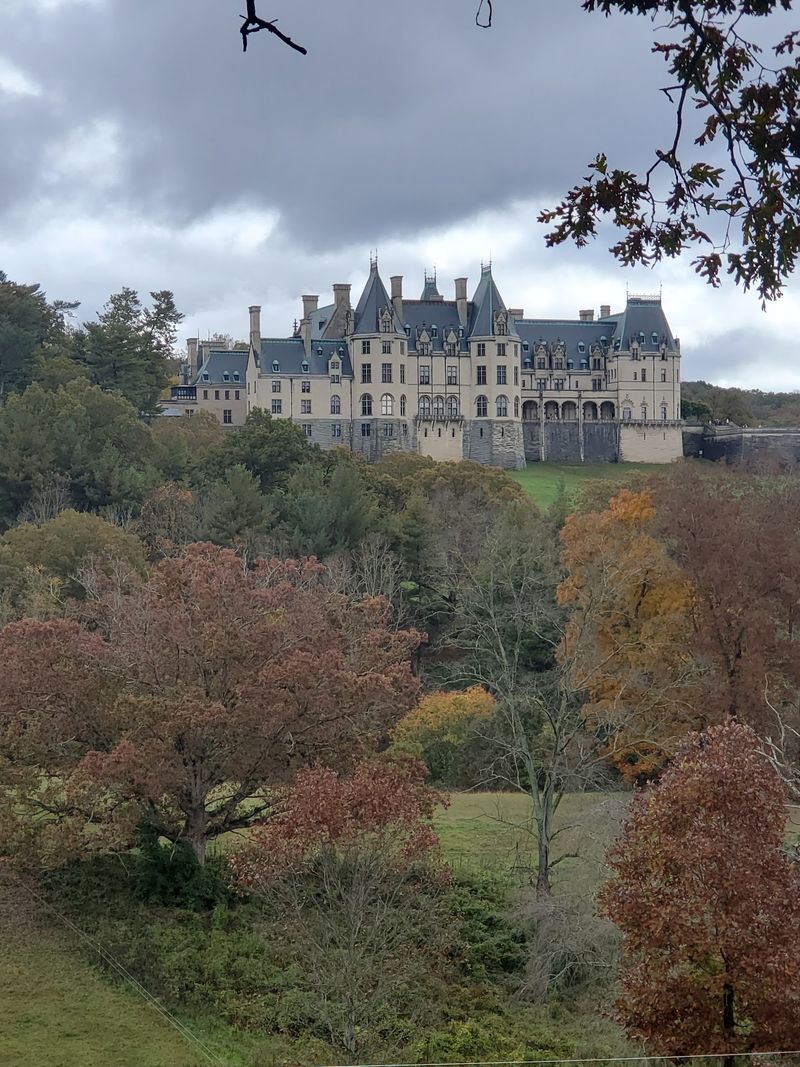
Every season gives the carriage ride a different personality, so repeat visitors can have fresh memories each time.
Spring may bring bright grass, flowering trees, and cool breezes that make the route feel newly awake.
Summer offers full green views, though hats, water, and sunscreen become more useful during warmer daylight hours.
Autumn is especially popular because colored leaves frame the trails and make every turn feel painted.
Book ahead during busy travel periods, since carriage times can fill quickly when the weather looks promising.
Winter rides can feel peaceful and spare, with bare branches opening wider views across the grounds.
Check the forecast before leaving your lodging, because open air rides depend strongly on weather comfort.
Layered clothing works well, since shade, wind, and sun can all show up during one outing.
After rain, paths may feel damp nearby, so shoes that handle mud or gravel are a smart choice.
Seasonal planning helps you match the ride to your mood, whether you want flowers, color, quiet, or warmth.
Simple Planning Tips For A Timeless Ride
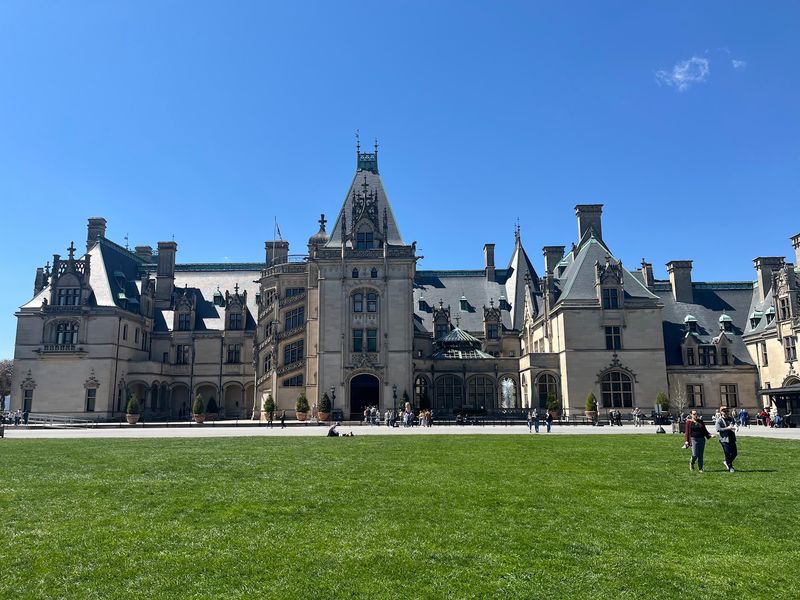
A little planning keeps the carriage ride feeling dreamy instead of rushed, confusing, or squeezed between other plans.
Start by checking current ticket options, ride length, age rules, and arrival instructions on the official site.
Because schedules can change, confirm details again close to your visit, especially during holidays or stormy weather.
Build extra time into the day, since large grounds, parking, shuttles, and walking routes may take longer.
If you also plan house tours, gardens, dining, or shopping, avoid booking everything back to back.
A relaxed gap before the ride lets your group find the barns without hurrying or getting frustrated.
Pack lightly, bringing only what you can manage comfortably while boarding and sitting in shared space.
Sunglasses, water, a phone, and a small layer are usually more useful than a heavy bag.
Tell your group the ride is about slowing down, not checking off another attraction on a list.
With the right mindset, the carriage becomes more than transportation, it becomes the quiet highlight of the day.