Michigan’s bargain-town era is slipping away fast.
For years, you could find a charming home, enjoy lake views, and still have plenty left in your wallet. Now, some of those same communities are commanding prices that would have shocked longtime residents a decade ago.
From popular beach towns to bustling college communities, demand has changed the housing game.
Desirable locations, limited homes, tourism, and new residents have all helped push prices higher.
That does not mean affordable Michigan has disappeared. Plenty of communities still offer good value.
But these fourteen places show just how quickly a town can go from hidden bargain to sought-after address. If you remember when Michigan living felt like a steal, some of these price tags might make you do a double take.
Traverse City

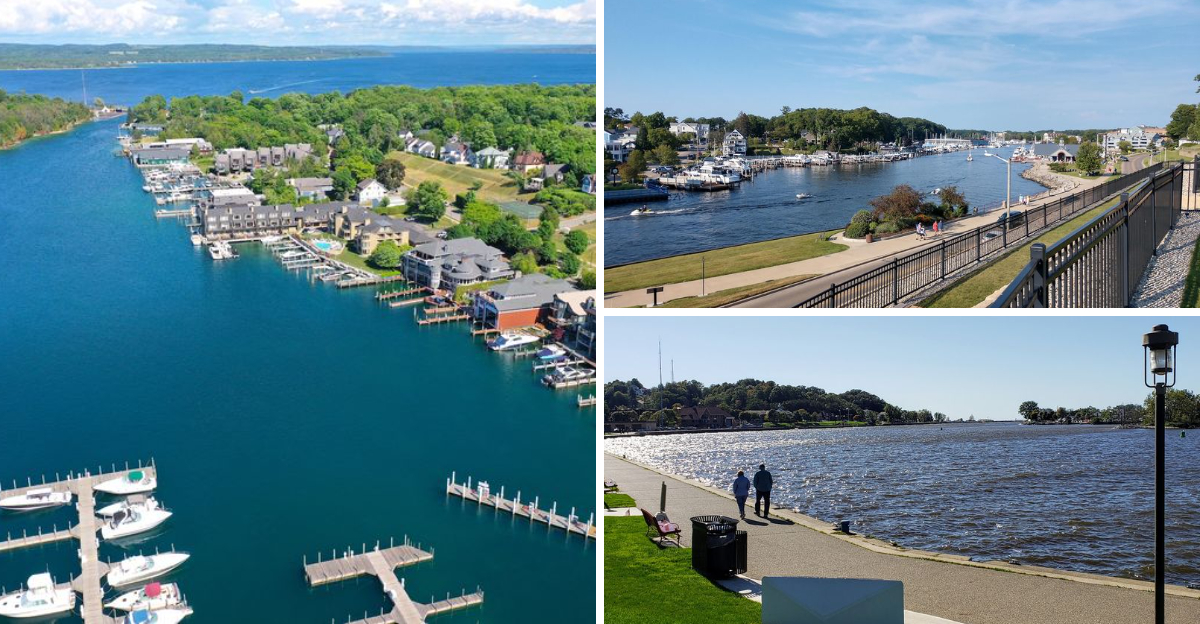
Once a quiet northern getaway, this bayside gem has turned into one of Michigan’s hottest spots, and the price tags prove it. Median listing prices now hover around $524,000, with rent averaging close to $1,850 a month.
Beaches, wineries, and endless outdoor fun have made it a magnet for tourists and second-home buyers alike. When so many people want to live somewhere with limited housing available, prices naturally climb fast.
Longtime locals often talk about how much cheaper things felt just a decade ago. Today, buying here means competing with visitors who fell in love during summer vacations.
If you dream of living near Grand Traverse Bay, plan your budget carefully and act quickly when good listings appear. Fun fact: the area is famous for cherry farming, hosting a beloved festival each July.
That charm, sadly, comes with a cost that keeps rising year after year for hopeful newcomers.
Saugatuck
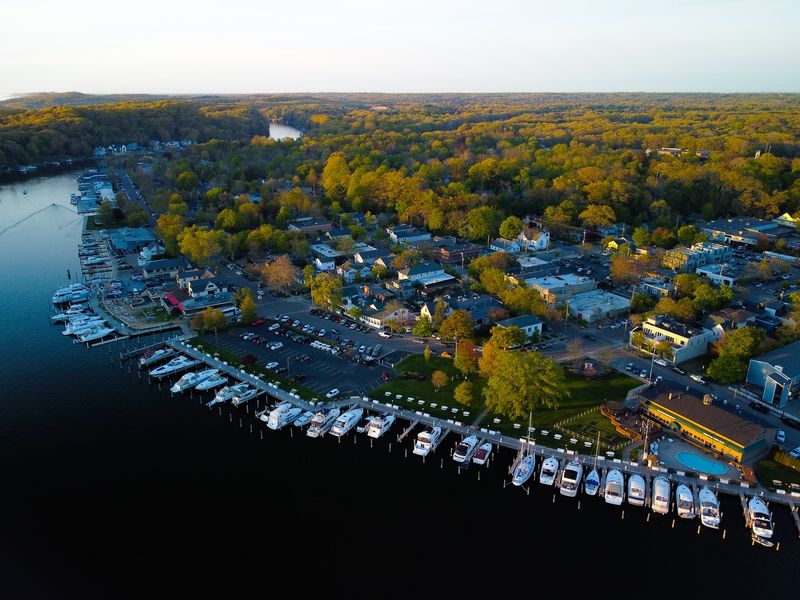
Calling this artsy lakeside village affordable would draw laughs from anyone who has checked recent listings. The median price sat around $825,000 in June 2026, climbing nearly 18% over just three years.
Art galleries, sandy beaches, and cozy restaurants have transformed it into a premium West Michigan destination. Vacation homes fill the streets, and tourism keeps the local economy buzzing all season long.
What used to be a simple weekend escape now attracts buyers with deep pockets looking for their perfect summer retreat. That demand has squeezed out many folks who once considered it reachable.
Anyone hoping to settle here should expect steep competition and prices that rival much bigger cities. Renting for a season might be smarter than buying outright.
The town’s creative spirit remains wonderful, but the days of grabbing a modest cottage on the cheap have quietly slipped away for good.
Petoskey
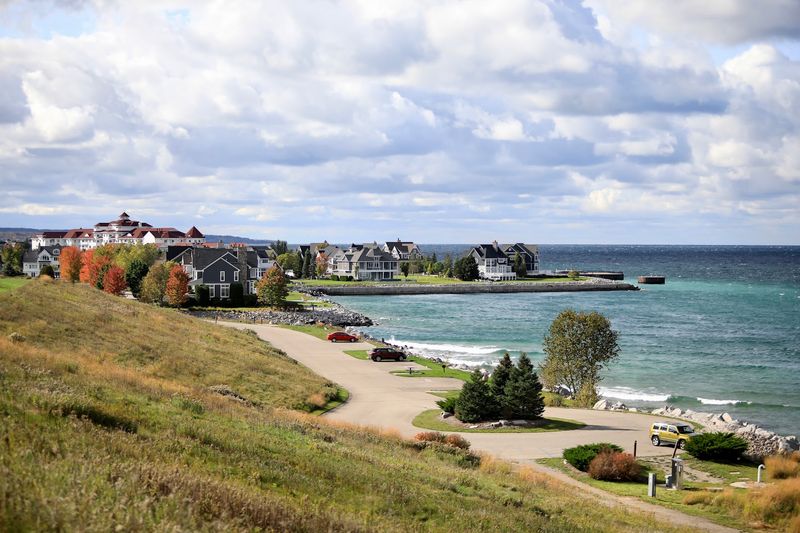
Northern charm here now arrives with a hefty bill attached. By June 2026, the median listing price reached roughly $815,000, and rents jumped nearly 18% in a single year.
Compared to just three years earlier, prices have soared more than 65%, a jaw-dropping leap for a town this size. Lake Michigan views and resort development have fueled the frenzy.
Downtown shopping, famous Petoskey stones, and closeness to other popular getaways all add to its appeal. Buyers who want that postcard-perfect setting are willing to pay top dollar.
For families watching their budgets, the reality can feel discouraging. Homes that once seemed within reach now sit firmly in luxury territory.
If your heart is set on this area, consider nearby smaller towns for better deals. Petoskey itself has become a place where premium prices are simply part of the package, no matter how much longtime residents miss the old days.
Charlevoix
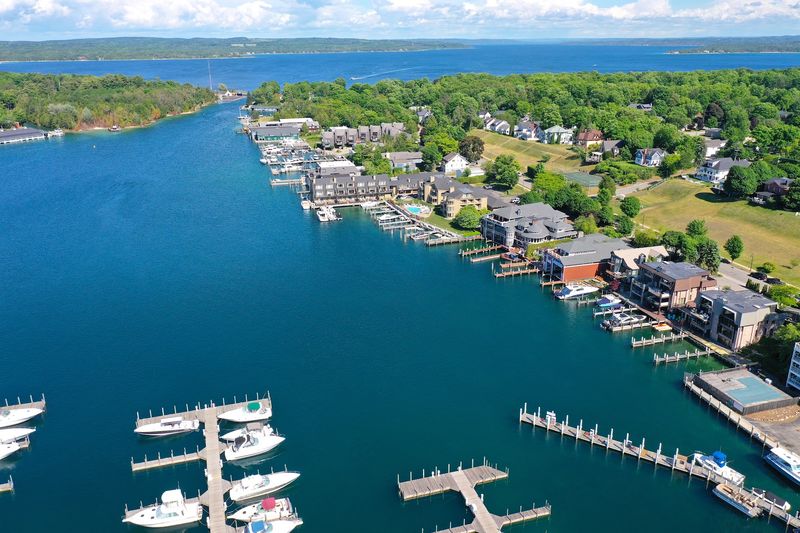
Picture a harbor town wrapped between two lakes, and you understand why buyers keep flocking here. That beauty comes at a cost, with median listing prices around $525,000 in June 2026.
Over three years, prices climbed 34.5%, while the cost per square foot leaped almost 49%. Those numbers show just how quickly affordability disappeared.
Waterfront property, summer crowds, and a wave of second-home purchases have reshaped the market completely. Rentals are tight too, making it tough for workers who keep the town running.
The famous mushroom houses and lively harbor draw visitors from everywhere, and many decide they want to stay. Their demand keeps pushing prices upward.
Folks who remember buying here for a song often shake their heads at today’s figures. If you love this spot, scouting early in the year or looking slightly inland might help.
Otherwise, be ready for a serious investment to call Charlevoix home.
South Haven
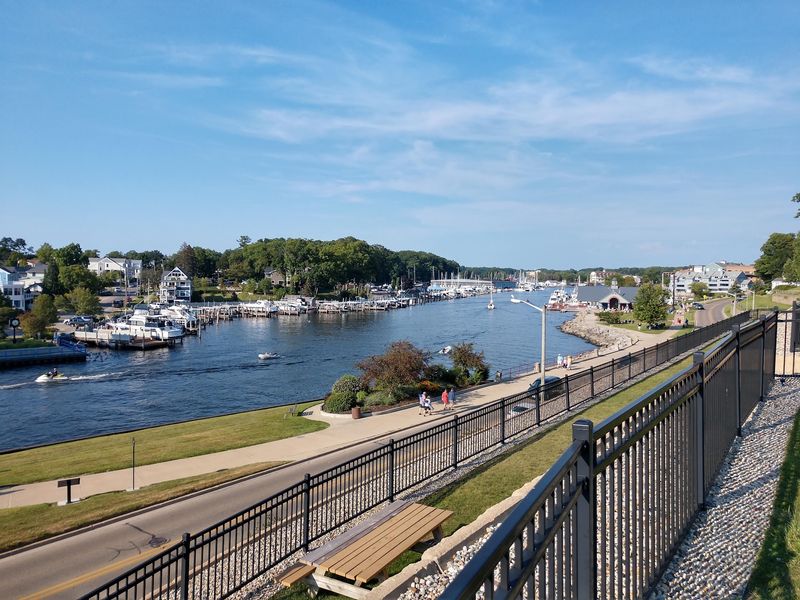
Grabbing a cheap beach cottage here used to be totally doable, but not anymore. The median sold price neared $350,000 in June 2026, rising about 9% in just one year.
Even stretched over three years, prices climbed nearly 7%, while cost per square foot rose more than 21%. Buyers are clearly paying a premium for sand and sunshine.
Lake Michigan beaches and steady vacation-home demand have flipped the old equation. Where families once found reasonable summer places, they now face bidding wars.
The famous red lighthouse and blueberry festivals keep drawing visitors who dream of owning a slice of the shore. That excitement translates directly into higher prices.
Shoppers hoping for a deal should watch the off-season closely, when listings sometimes soften a bit. Still, the overall trend points upward.
South Haven remains a delightful place to relax, yet its reputation as an easy budget beach town has largely washed away.
Grand Haven
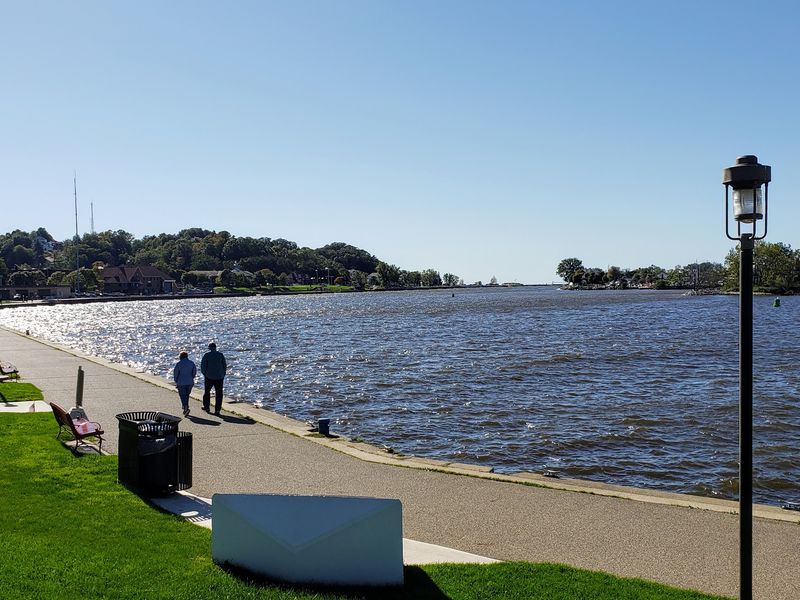
Homes here vanish off the market almost as fast as summer weekends fly by. Zillow reported the typical home value near $405,000 in June 2026, with houses going pending in roughly eight days.
That lightning-fast pace tells you everything about demand in this coastal community. Buyers barely have time to think before properties sell.
A gorgeous waterfront, sandy beaches, and a walkable downtown all add to the appeal. Being close to Grand Rapids means commuters love it too, which only heats things up further.
Longtime residents remember when a beach town like this felt genuinely affordable. Those memories now clash with today’s competitive prices.
If you hope to buy, having your finances ready before you even start looking is essential. Hesitation usually means missing out.
The musical fountain and lively pier make Grand Haven a joy to visit, but landing a home here has become a real challenge for budget-minded shoppers.
Holland
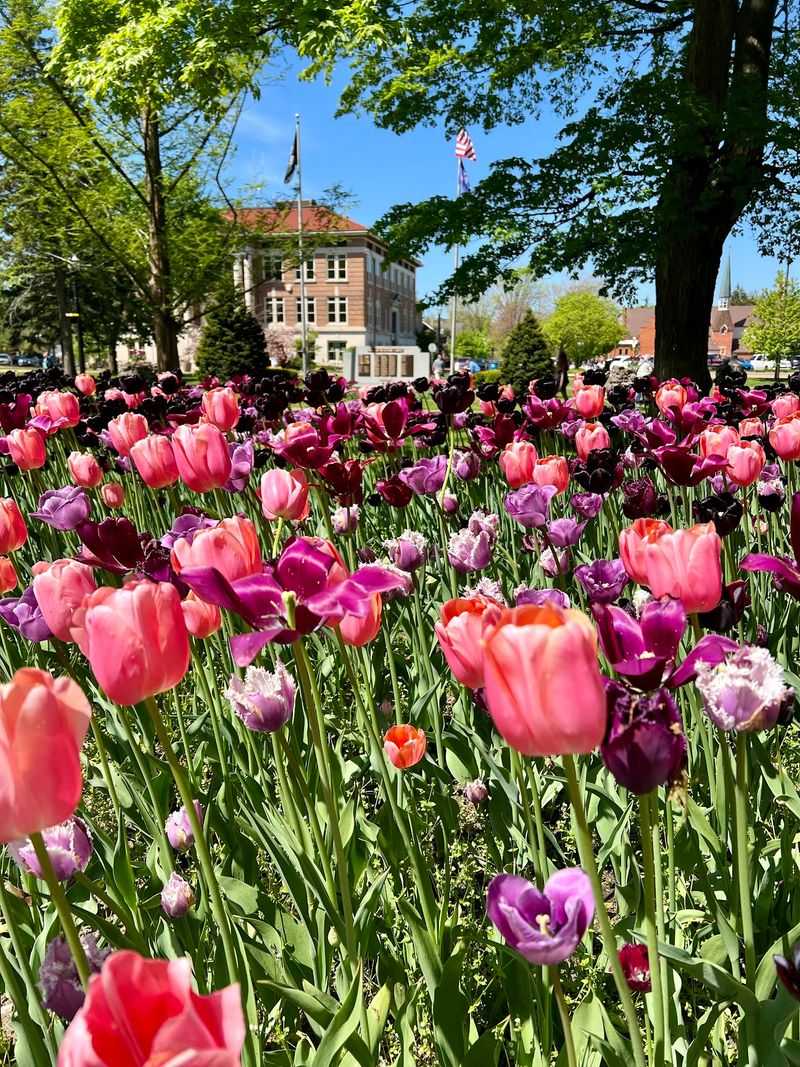
Still gentler on the wallet than some resort towns, this tulip-loving community has quietly grown pricier over time. By spring 2026, the median home sale price approached $330,000, up nearly 8% in a year.
Homes sold in a median of just 18 days, showing how eager buyers have become. That kind of speed keeps sellers happy and shoppers scrambling.
Lake Michigan access, strong local jobs, and pretty neighborhoods all fuel the demand. Tourism, especially during the famous Tulip Time festival, adds even more interest.
Limited desirable housing means competition stays fierce whenever nice listings appear. Families who once counted on Holland as a bargain now budget more carefully.
The town’s Dutch heritage, complete with a real working windmill, gives it a storybook feel. That charm, however, comes with steadily climbing costs.
Holland still offers relative value compared to its flashier neighbors, but the easy affordability of years past has clearly faded away.
Ann Arbor
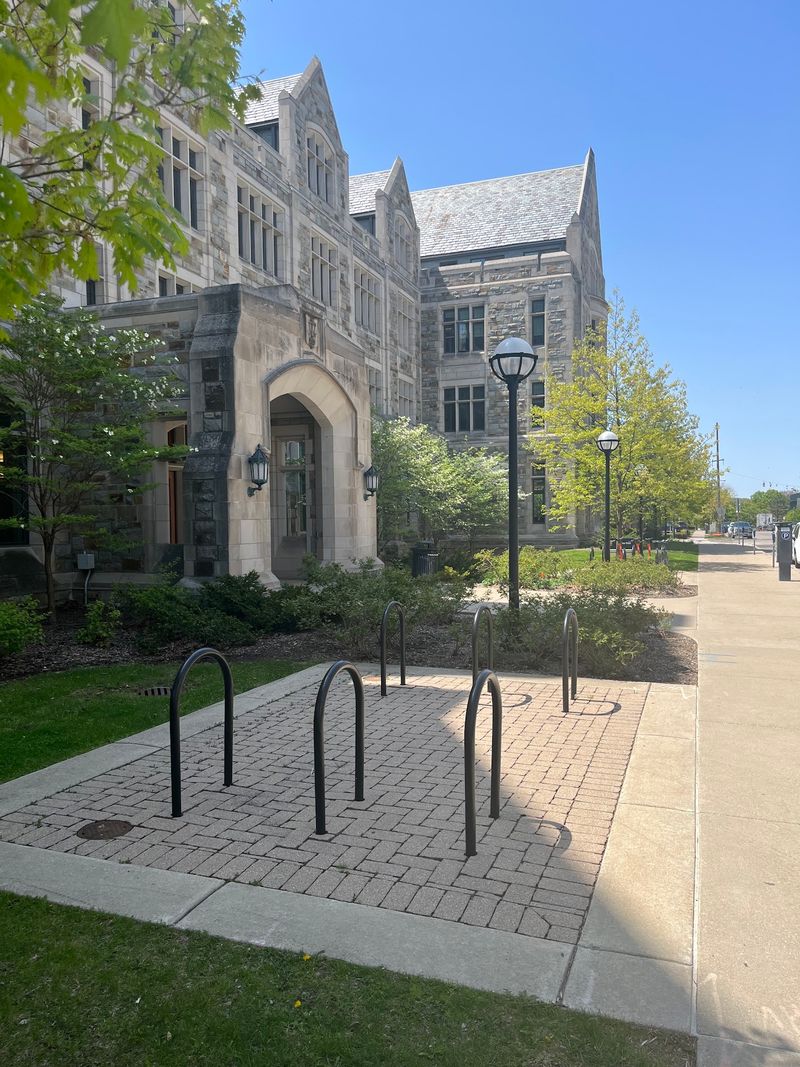
Home to a world-famous university, this vibrant college town has become one of Michigan’s toughest markets for budget shoppers. The median listing price hovered around $550,000 in June 2026, with rent averaging a steep $2,400.
The median sold price climbed even higher, reaching $562,500. Those figures rival many major cities across the country.
The University of Michigan drives enormous demand, drawing students, staff, and professionals year after year. A strong job market and top-notch amenities keep people flooding in.
With so many folks competing for limited housing, prices have soared far beyond what most families expected. Renters feel the pinch just as sharply as buyers.
Anyone eyeing this area should explore surrounding communities where deals still exist. Living slightly outside town can save serious money.
Ann Arbor buzzes with culture, sports, and great food, making it easy to see the appeal. Just remember that all that excitement carries one of the state’s heftiest price tags.
Marquette
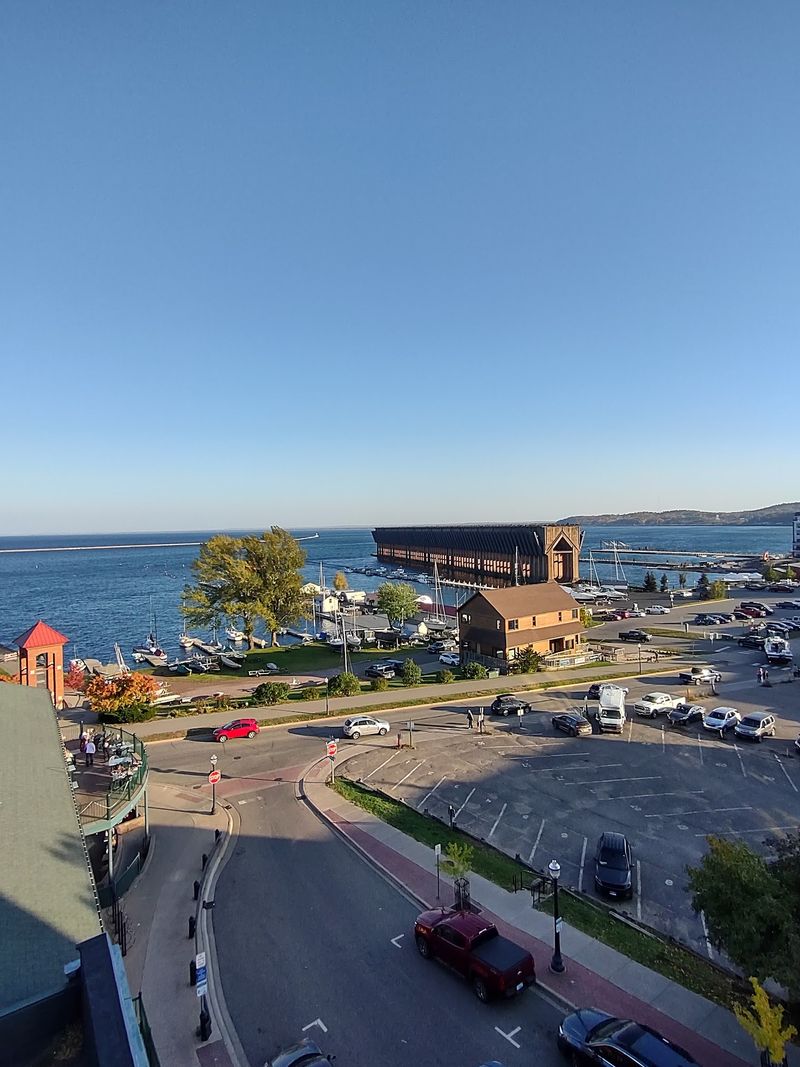
Once seen as the easy, affordable option up north, this Upper Peninsula town has flipped that reputation upside down. The median listing price hit about $532,000 in June 2026, a stunning 33% jump in one year.
The median sold price climbed even more, rising 35.6%. Those increases surprised many who assumed the U.P. would always stay cheap.
Lake Superior’s dramatic scenery, endless outdoor adventures, and Northern Michigan University keep drawing new residents. Growing interest in remote living added extra fuel to the fire.
What used to be a quiet alternative for bargain hunters now feels increasingly out of reach. Buyers face real competition where they least expected it.
If the rugged northern lifestyle calls to you, exploring smaller nearby towns might stretch your dollars further. Patience helps too.
Marquette remains breathtaking, with waterfalls and forests just minutes away. The affordability that once defined it, though, has largely become a thing of the past.
Grand Rapids
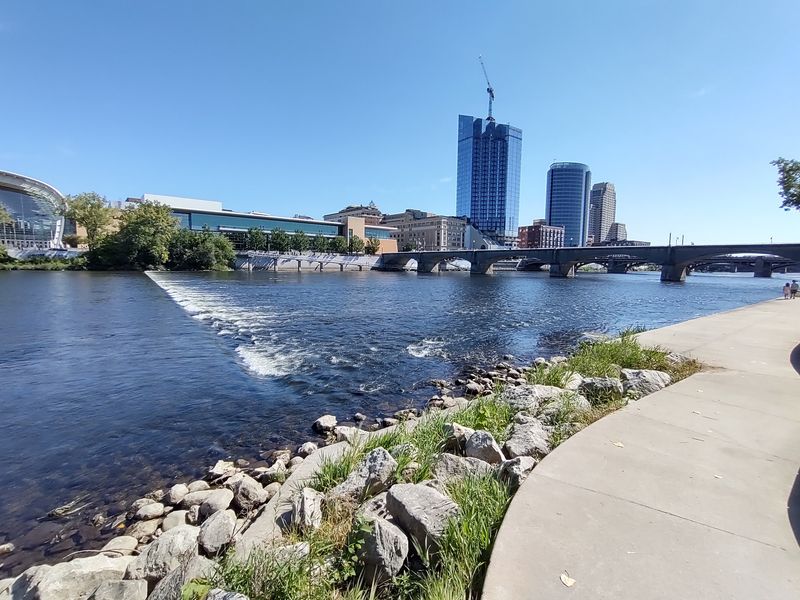
Not long ago, this Midwest city carried a reputation for being wonderfully inexpensive. Fast forward to June 2026, and the median listing price reached $335,000, with rent around $1,700 a month.
Median sold prices climbed more than 23% over three years, showing steady upward momentum. The old low-cost image has faded considerably.
A booming job market, exciting downtown redevelopment, and a thriving food and brewery scene all played a part. Healthcare, education, and steady population growth added even more pressure.
People from pricier regions often see Grand Rapids as a bargain, which ironically keeps driving prices higher. Locals feel that squeeze most.
Still, compared to coastal cities, plenty of value remains here for patient shoppers. Exploring different neighborhoods can uncover better deals.
Known as Beer City, this place offers culture, art, and energy that keep it lively year-round. The catch is that its former reputation as a super-cheap city no longer quite fits reality.
Portage

Suburban living here has quietly grown far more expensive than families once expected. By June 2026, the median sold price reached about $345,500, marking a huge 58.3% jump over three years.
That kind of increase turns heads, especially for a community once considered a practical, budget-friendly choice. Buyers today face a very different landscape.
Strong schools, closeness to Kalamazoo, and established neighborhoods all boost its appeal. Demand for comfortable suburban homes keeps climbing.
People who value good education and easy commutes are willing to pay more for the convenience. That eagerness pushes prices steadily upward.
Anyone shopping here should be prepared for competition and act decisively when the right home appears. Waiting too long often means disappointment.
Portage offers plenty of parks, trails, and family fun that make it genuinely appealing. Its reputation as an easy, affordable suburb, however, has changed dramatically as more buyers discover what it has to offer.
Royal Oak
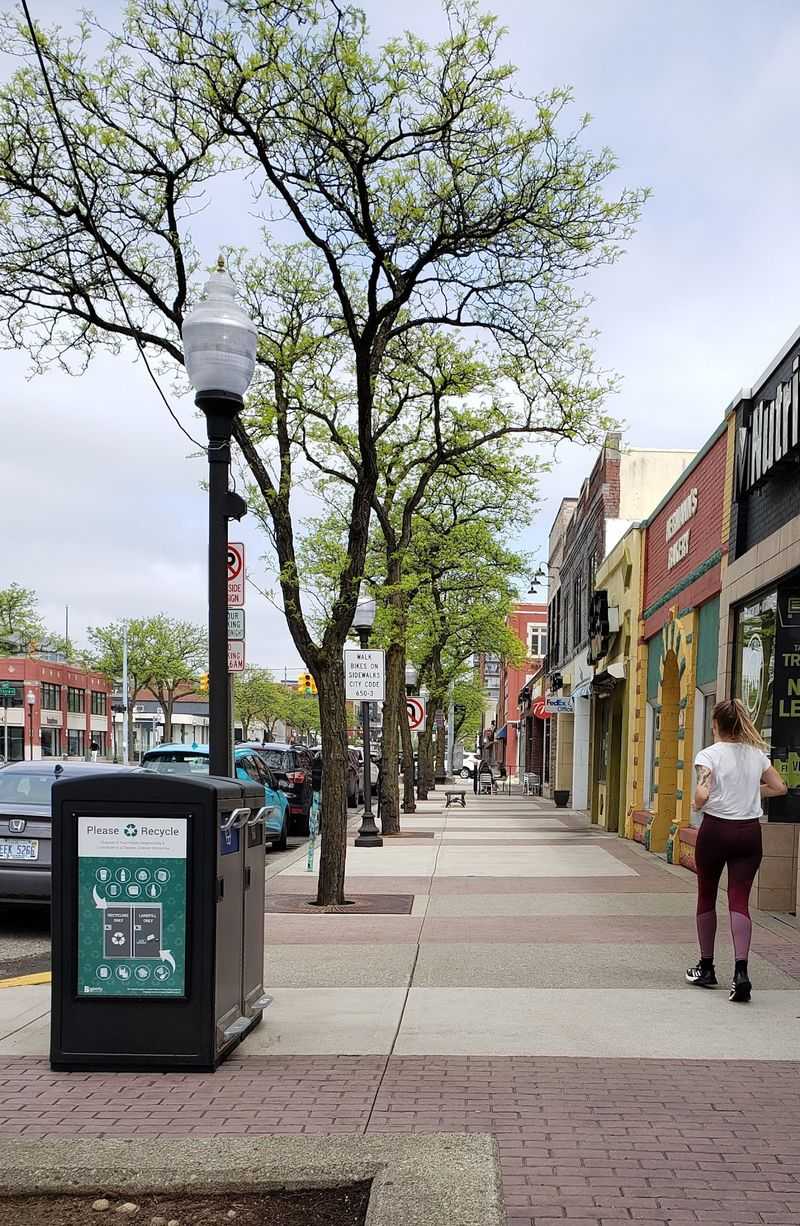
Affordability wears a completely different face in this trendy Metro Detroit suburb these days. The median listing price landed around $380,000 in June 2026, while rent climbed to $2,350, up nearly 7% in a year.
Those numbers reflect just how desirable the area has become. What once felt like a budget alternative now feels distinctly upscale.
Walkable streets, buzzing restaurants, and a fun nightlife scene draw younger buyers and renters alike. Easy commuter access to Detroit only adds to the appeal.
As more people chase that lively, convenient lifestyle, prices keep marching higher. Competition for desirable homes stays intense.
Shoppers hoping for old-school deals may need to look at neighboring communities instead. Royal Oak itself commands premium prices now.
The energy here, from farmers markets to concerts, keeps the town feeling alive and youthful. Just don’t expect the bargain reputation it carried years ago, because those affordable days have largely disappeared for good.
Ferndale
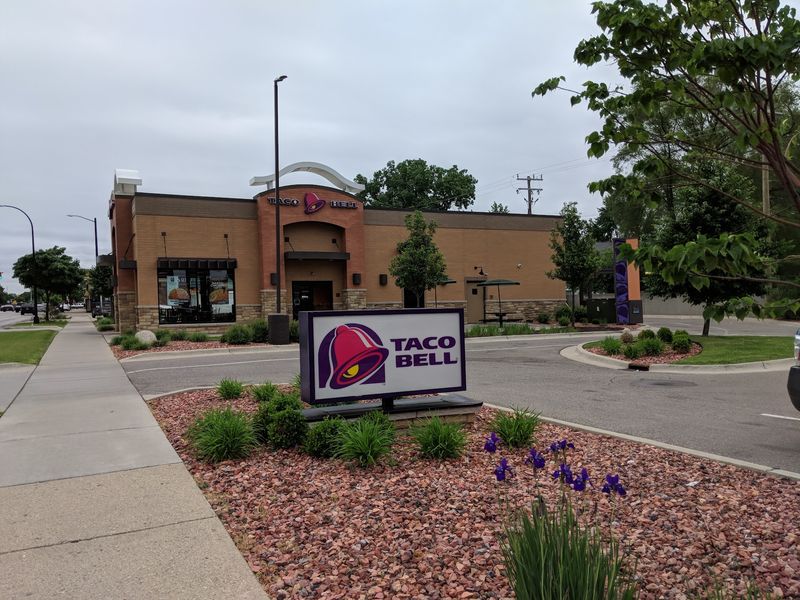
Calling this hip Detroit neighbor cheap is getting harder with each passing year. The median sold price reached $270,000 in June 2026, while rent climbed to $1,725 a month.
Over three years, the median listing price rose about 10.4%, a steady and noticeable increase. The value-pick label is slowly slipping away.
A lively downtown scene, closeness to Detroit and Royal Oak, and charming older homes all boost its popularity. Younger buyers especially love the vibe.
As word spreads about the fun restaurants, murals, and welcoming community, demand keeps rising. That enthusiasm nudges prices upward month after month.
Bargain hunters can still find slightly better deals here than in flashier suburbs nearby. Timing and flexibility make a real difference.
Ferndale’s creative, inclusive spirit gives it a personality all its own, drawing people who want something different. The trade-off is that its reputation as one of Metro Detroit’s easy, affordable picks is fading fast.
Negaunee
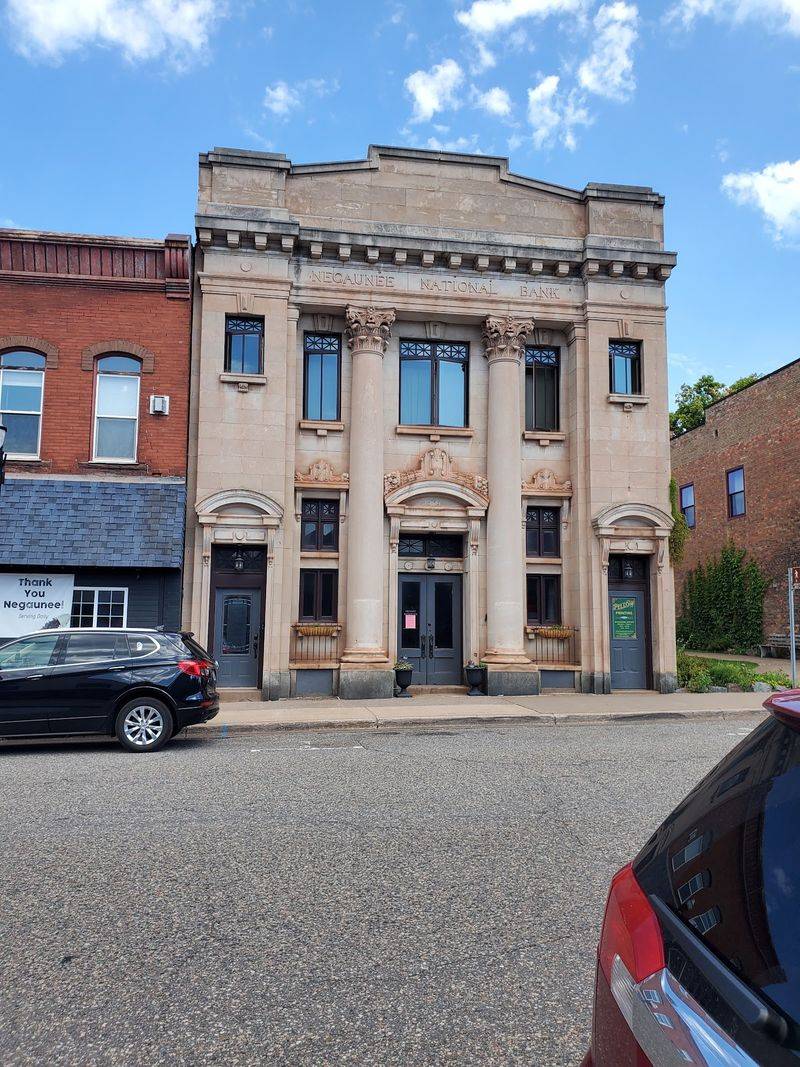
Even tiny Upper Peninsula towns are getting caught up in the affordability squeeze these days. Recent county-level data placed the median listing price around $426,000, a surprising figure for a place long tied to cheap northern living.
That number would have shocked residents just a few years ago. The old bargain reputation is clearly under pressure.
Being close to Marquette gives Negaunee a big boost, since spillover demand pushes prices higher. Outdoor recreation and forests add to the draw.
As more people seek out Upper Peninsula property, even smaller communities feel the ripple effects. Buyers who assumed the U.P. stayed cheap everywhere are learning otherwise.
Anyone hoping to settle here should keep expectations realistic and shop carefully. Deals still exist, but they require patience.
With its mining history and small-town warmth, Negaunee holds real charm for those wanting quiet northern life. The rising costs simply prove that affordability challenges now reach well beyond Michigan’s famous tourist hotspots.