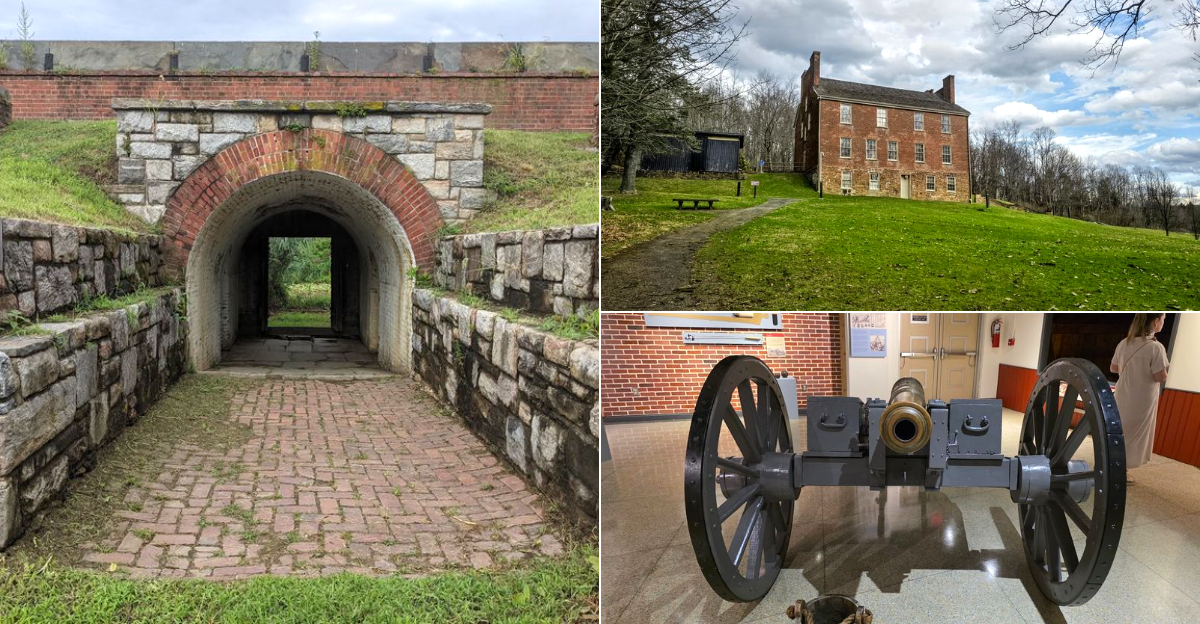
Pennsylvania’s landscape holds centuries of conflict, courage, and colonial ambition, and nowhere is that more vivid than in its historic forts.
From river confluences to rolling Appalachian ridges, these fortifications were strategically placed to command views that mattered deeply to the people who built them.
Many played decisive roles in the French and Indian War, the Revolutionary War, and the early days of frontier expansion.
Standing at their walls today, it’s easy to understand why soldiers and settlers fought so fiercely to hold them.
This list takes you across Pennsylvania’s most compelling fortifications, where history and scenery come together in truly unforgettable ways.
1. Fort Roberdeau, Altoona, Blair County,
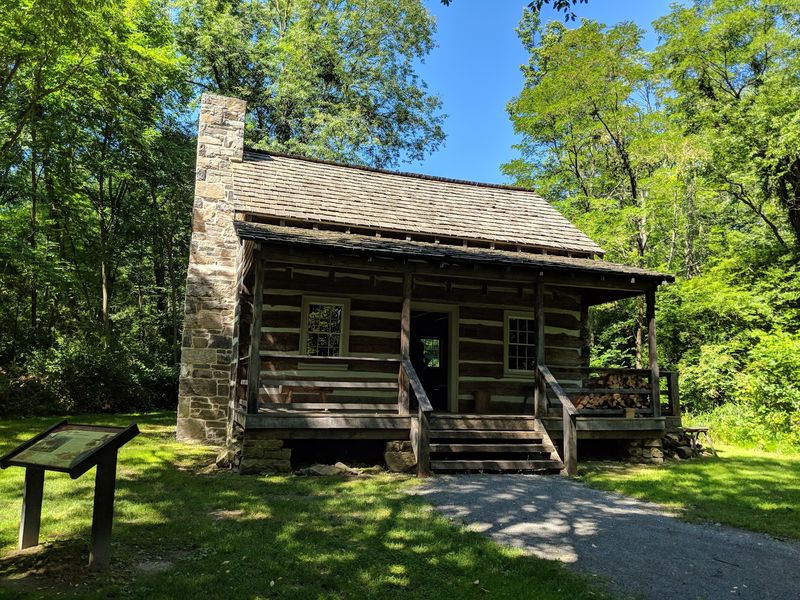
Mountain quiet surrounds Fort Roberdeau in a way that feels almost secret.
Near Altoona, this reconstructed Revolutionary War fort protected lead mining operations that supplied ammunition for American forces.
That practical purpose makes the site different from river forts and trading posts, because its value came from what lay underground.
The wooded view is peaceful now, but it hints at isolation.
Soldiers and workers here were far from major cities, guarding a resource that could help keep muskets firing.
Walking the stockade, cabins, and garden areas makes the work feel close and real.
Families often enjoy Fort Roberdeau because it is hands-on in spirit, with living history programs, simple buildings, and room to explore.
The site also includes trails and natural areas, so visitors can mix history with fresh air.
Check event schedules before going, since reenactments and demonstrations add energy to the visit.
Look toward the ridges and imagine hauling supplies through rough Pennsylvania country.
That view changes the way the Revolution feels, moving it beyond famous cities and battlefields.
Fort Roberdeau shows that independence also depended on hidden labor, guarded mines, and remote places where ordinary people did demanding jobs.
Pack water, bug spray, and patience, because slow exploring makes this fort more rewarding.
Spring wildflowers brighten the paths beautifully.
2. Fort Augusta, Sunbury, Northumberland County,
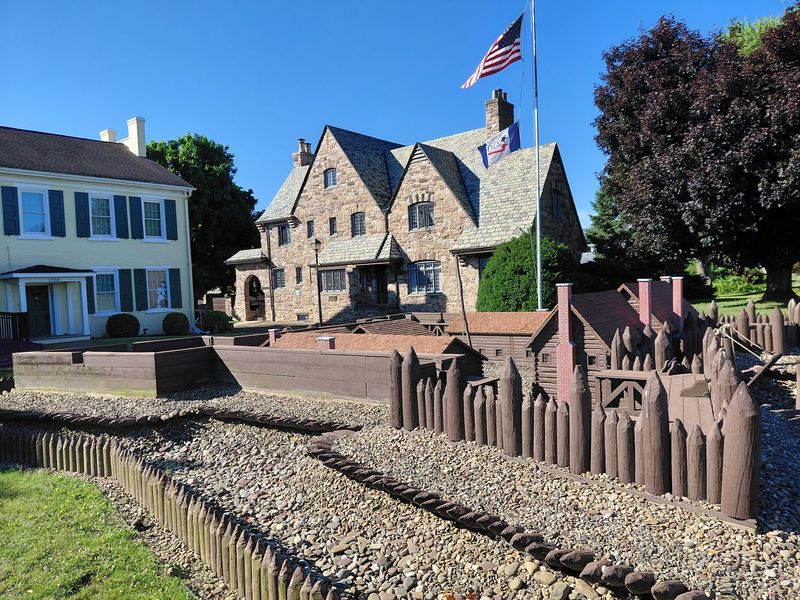
River country has a way of making old forts feel larger than their remaining stones.
In Sunbury, Fort Augusta once stood near the meeting of important Susquehanna branches, guarding a key frontier position during the French and Indian War.
Although the original fort is gone, the site still carries weight because the water routes remain easy to see.
The Northumberland County Historical Society museum helps visitors understand why this was one of Pennsylvania’s most important colonial forts.
Artifacts, models, and local records point to soldiers, traders, Native communities, and families caught in a changing borderland.
The view toward the Susquehanna gives those displays a real setting.
Take time to walk near the river after visiting the museum.
The broad water and low hills show why messages, supplies, and military plans moved through this area.
It was not just a pretty place, but a crossroads with serious consequences.
Fort Augusta rewards people who like to connect clues.
Because there are no towering walls, imagination becomes part of the visit.
Read historical markers, ask museum staff questions, and study maps before leaving.
That extra effort pays off when the river scene begins to feel like a living route through colonial Pennsylvania, not just a quiet view beside town.
Local streets still echo that frontier importance.
3. Fort Pitt, Pittsburgh, Allegheny County,
At the point where three rivers meet, Fort Pitt’s story feels impossible to miss.
The water seems to pull every part of Pittsburgh together, just as it drew armies, traders, and Native nations into conflict centuries ago.
Today, Point State Park marks the area where French Fort Duquesne once stood before the British built Fort Pitt.
The view is the real map.
Look across the Allegheny, Monongahela, and Ohio rivers, and it becomes clear why so many groups wanted this triangle of land.
Control here meant control of travel, trade, and communication across a huge part of the continent.
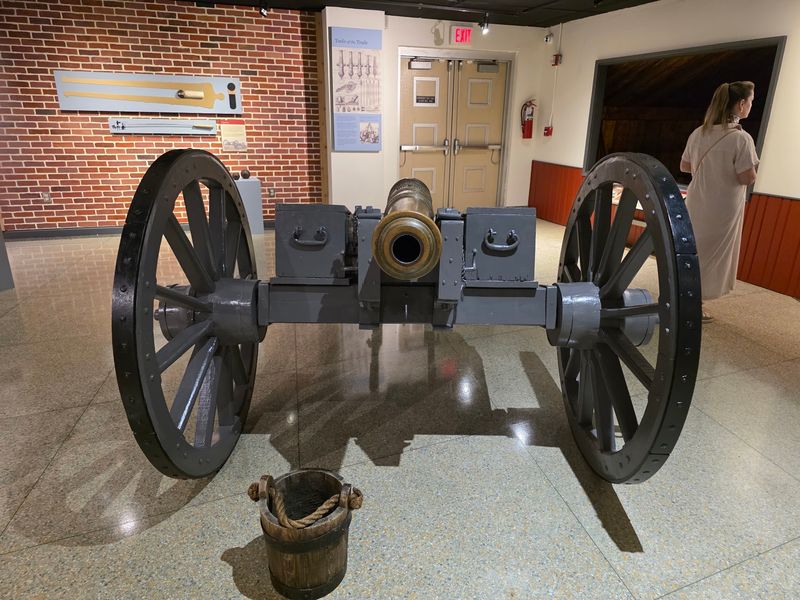
The Fort Pitt Museum is the best starting point because it explains the French and Indian War, frontier life, and the changing relationships among European powers and Native peoples.
Nearby, the small Fort Pitt Block House gives visitors a rare surviving piece of the 1700s.
It feels almost shy beside the tall city buildings, but that contrast makes it powerful.
Plan time to walk the riverfront paths after the museum.
The fountain, bridges, and skyline make the old strategic view easy to understand.
For families, this stop works well because history, scenery, and open park space sit close together in one walkable place.
Sunset adds golden color beautifully.
4. Fort Hunter, Harrisburg, Dauphin County,
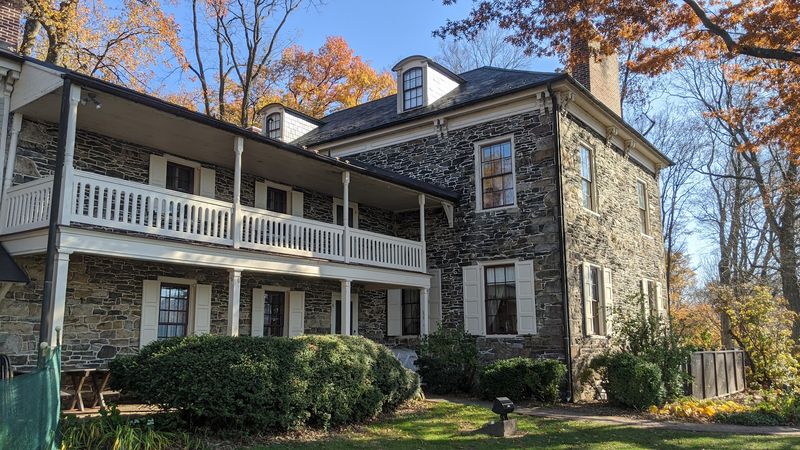
A calm lawn above the Susquehanna River gives Fort Hunter a peaceful face, but its past is tied to frontier fear.
Near Harrisburg, this site began as a colonial fortification during the French and Indian War period, when settlers worried about attacks along the river corridor.
Later, the property grew into an elegant estate, which adds another layer to its story.
The river view explains why people gathered here.
The Susquehanna was a travel route, a boundary, and a source of life, so high ground beside it mattered.
Looking toward the water and Blue Mountain, visitors can picture both danger and comfort sharing the same landscape.
Touring the mansion helps connect military history with everyday life that came afterward.
Rooms, gardens, barns, and outbuildings show how the property changed as Pennsylvania changed.
The contrast between a defensive frontier site and a refined home makes Fort Hunter especially interesting.
Bring a picnic if the weather is good, because the park setting is one of its best features.
Walking paths, river overlooks, and seasonal events make it easy to spend more than an hour here.
History fans should read the signs carefully, since the original fort is not standing.
Even without tall walls, the setting speaks clearly through the river, fields, and mountain backdrop.
5. Fort LeBoeuf, Waterford, Erie County,
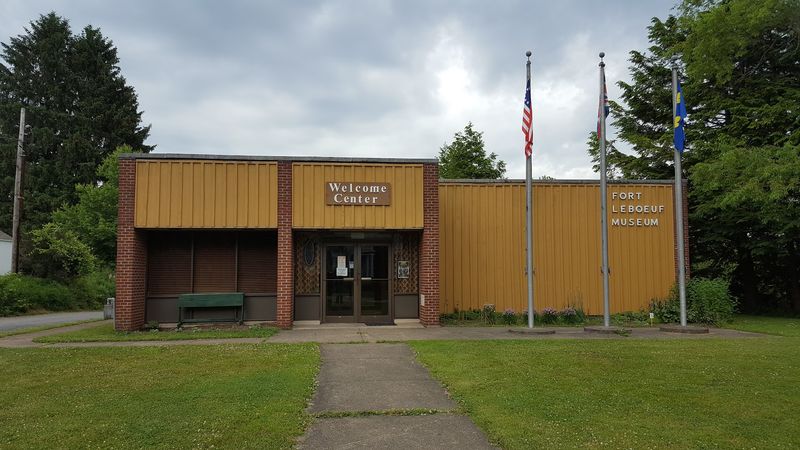
A small town street in Waterford hides a story that reached across an empire.
Fort LeBoeuf was built by the French in 1753 near the headwaters leading toward French Creek, linking Lake Erie to the Ohio Country.
George Washington visited this post as a young messenger, carrying a warning from Virginia that the French should leave.
The view here is quieter than a mountain overlook, but it is still important.
Creeks, portage routes, and wooded ground show how water shaped travel before modern roads.
Standing near the site, visitors can better understand why a remote French fort worried British colonists so much.
The Fort LeBoeuf Museum and local markers are useful stops because the original fort no longer stands.
They explain the French network of forts, Washington’s difficult winter trip, and the growing tension that led to war.
For young visitors, the messenger story feels almost like an adventure tale, with cold weather, rough paths, and high stakes.
Pair this stop with nearby Erie County history if you have time.
Waterford is easy to explore on foot, and the setting encourages slow looking rather than rushing.
The lesson is simple but strong: sometimes the most powerful views are of routes, not walls, because routes decide who can move, trade, and survive.
Bring waterproof shoes after rain.
6. Fort Presque Isle, Erie, Erie County,
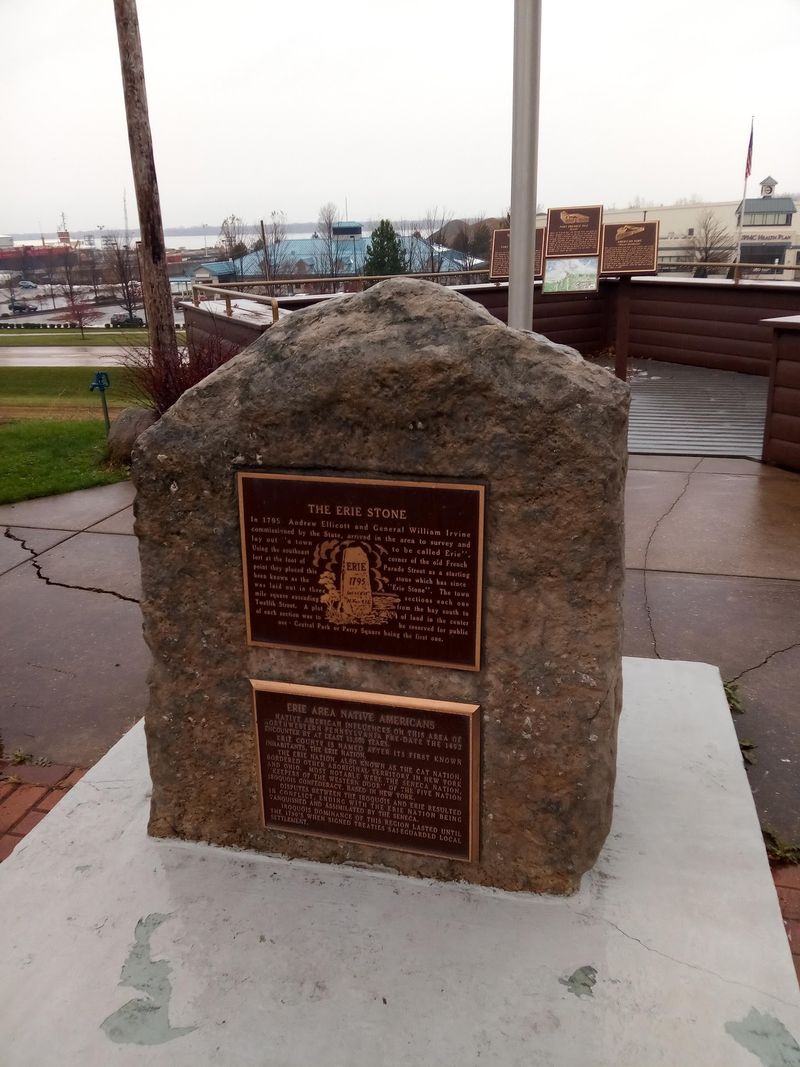
Lake wind gives Erie’s old fort story a crisp, northern feeling.
Fort Presque Isle was part of the French chain of forts built in the 1750s to control movement from Lake Erie toward the Ohio Valley.
The original post is gone, but the shoreline and bay still show why the location mattered.
Water was the highway here.
Looking across Presque Isle Bay or toward Lake Erie, it is easy to imagine canoes, bateaux, supplies, and soldiers moving between distant posts.
The fort connected with Fort LeBoeuf by a portage route, making Erie a key doorway between the Great Lakes and inland rivers.
Visitors should combine local historical markers with a stop at the Erie Maritime Museum or Presque Isle State Park.
That mix gives a fuller picture, because military history, shipping, and lake geography all connect.
The fort itself may not rise in front of you, yet the wide water view fills in the missing shape.
Bring a jacket, even on mild days, because lake breezes can surprise you.
Sunsets over the water add beauty, but they also sharpen the sense of distance soldiers once faced.
Fort Presque Isle is best appreciated by thinking like a traveler from the 1700s, when a safe landing and a clear route could change everything.
Watch gulls trace those routes overhead.
7. Fort Mifflin, Philadelphia, Philadelphia County,
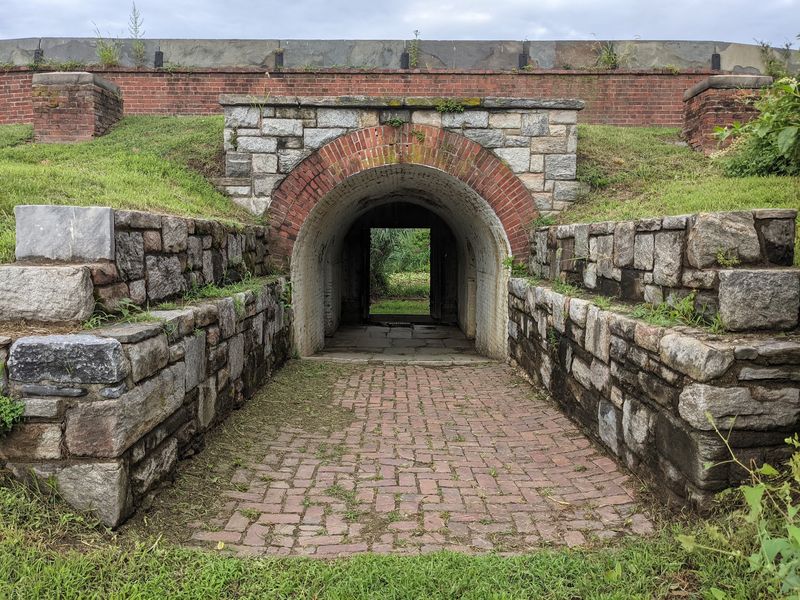
The river air feels salty, busy, and a little surprising when you stand near Fort Mifflin.
Ships, airplanes, and birds all seem to cross the same sky, reminding visitors that this quiet site still sits beside major movement.
Built on Mud Island along the Delaware River, the fort helped defend Philadelphia during the American Revolution.
Its strongest story comes from 1777, when American soldiers held off British forces long enough to slow their push up the river.
The view toward the water makes that stand easier to picture, because every passing boat hints at why control of this channel mattered.
Walk the walls slowly, and imagine smoke, cannon fire, and urgent orders replacing today’s open grass.
Visitors should wear comfortable shoes because the grounds include uneven paths, old rooms, and wide outdoor spaces.
Bring a camera for the river angles, but also pause in the casemates, where the thick walls show how serious the danger once felt.
Guided tours are helpful here, especially for families, because the fort has layered stories from the Revolution through later military use.
The mix of city noise and old stone gives Fort Mifflin a strange, memorable power for curious travelers today.
8. Fort Ligonier, Ligonier, Westmoreland County,
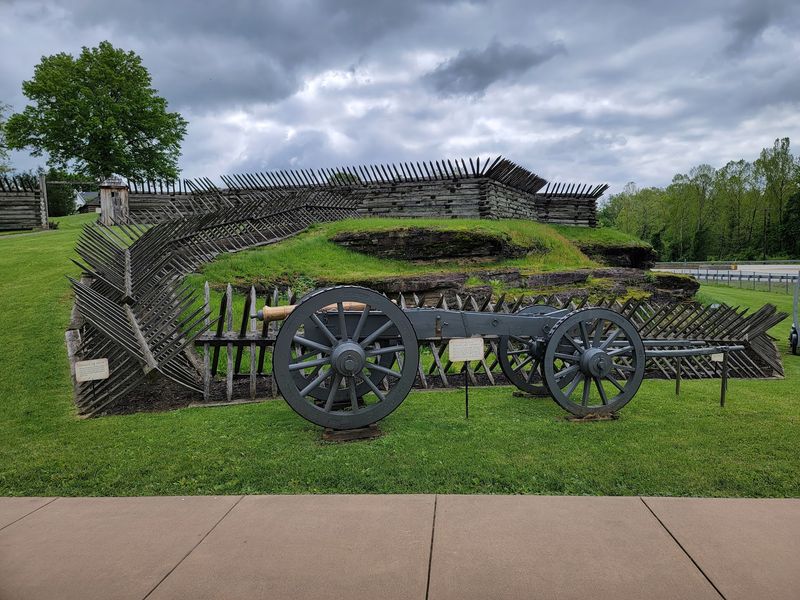
Wooden walls, neat cabins, and distant Laurel Highlands views make Fort Ligonier feel wonderfully complete.
Unlike many frontier sites, this reconstructed fort gives visitors a clear sense of shape, size, and daily military life.
It was built by the British in 1758 during the French and Indian War as they pushed toward French-held Fort Duquesne.
The hillside setting adds drama without trying too hard.
From the grounds, you can sense how the fort protected a supply road through rough country.
That road, Forbes Road, helped change the balance of power in western Pennsylvania.
The museum is excellent for curious visitors because it holds weapons, uniforms, maps, and even rare items connected to George Washington.
Outside, the rebuilt fort, artillery batteries, and orderly layout help children and adults understand how soldiers worked, cooked, watched, and waited.
Give yourself enough time, because rushing would miss the details.
Ligonier’s charming town square nearby makes the trip even better.
After exploring the fort, grab lunch or walk the shops, then think about how different the scene once looked.
The same hills that now seem calm once shaped military plans, supply troubles, and tense decisions.
Fort Ligonier offers one of the clearest chances in Pennsylvania to match a beautiful view with a hard frontier story.
Autumn colors make it unforgettable.
9. Fort Necessity, Farmington, Fayette County,
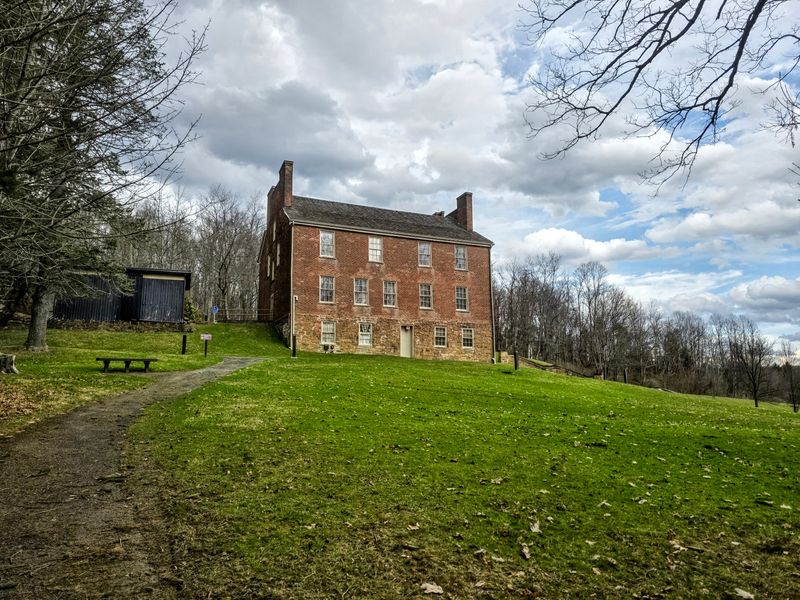
Wide meadow views make Fort Necessity feel smaller than its famous place in history.
The reconstructed stockade sits low in the grass near Farmington, surrounded by trees and rolling land that once trapped young George Washington in a serious mistake.
In 1754, this was the scene of his first military surrender, a moment that helped spark the French and Indian War.
The open setting is the lesson.
From the fort, you can see how exposed the soldiers were to rain, mud, and enemy fire from nearby woods.
That view turns a textbook event into something more human, because the place feels less like a strong fort and more like a desperate shelter.
Start at the visitor center before walking to the stockade, since the exhibits explain the road, the alliances, and the choices Washington faced.
Kids often enjoy seeing how simple the fort looks compared with castles or movie forts.
Adults may notice how geography shaped every decision.
Bring sun protection on warm days because the battlefield is open.
A quiet walk around the meadow helps visitors understand that major wars can begin in humble places, with wet boots, nervous leaders, and hard lessons learned early.
Nearby trails add context for longer reflective visits too.
10. Fort McIntosh, Beaver, Beaver County,
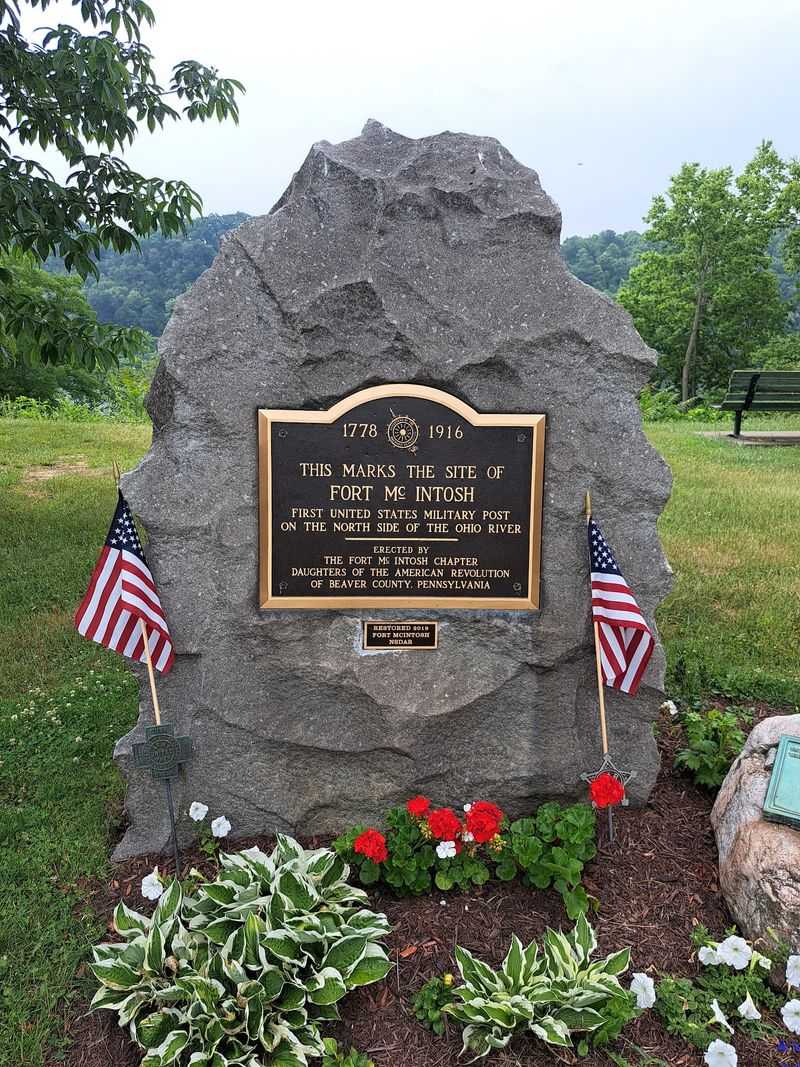
Grassy outlines above the Ohio River ask visitors to imagine walls that are no longer there.
Fort McIntosh, in Beaver, was built in 1778 during the American Revolution as a frontier military post.
Its location near the river made it a base for campaigns, diplomacy, and tense contact along the western edge of settlement.
The view over the Ohio River is the key to understanding the fort.
Water carried people, news, goods, and danger through this valley.
From the site, the river seems calm, but in the late 1700s it marked a complicated borderland.
Interpretive signs and the marked foundation help visitors picture the fort’s size and layout.
One important history note is the 1785 Treaty of Fort McIntosh, signed nearby between United States officials and Native representatives.
Learning about that treaty adds depth, because forts were not only military places, but also places where power was negotiated.
Beaver’s historic streets make a pleasant companion to the site.
Walk slowly, read the markers, and look back toward the river often.
Fort McIntosh does not overwhelm with buildings, but it rewards attention.
Its quiet park setting makes the past feel like a conversation between land, water, and memory.
For best photos, visit in soft morning light when the river valley looks especially clear and peaceful.
11. Fort Duquesne, Pittsburgh, Allegheny County,
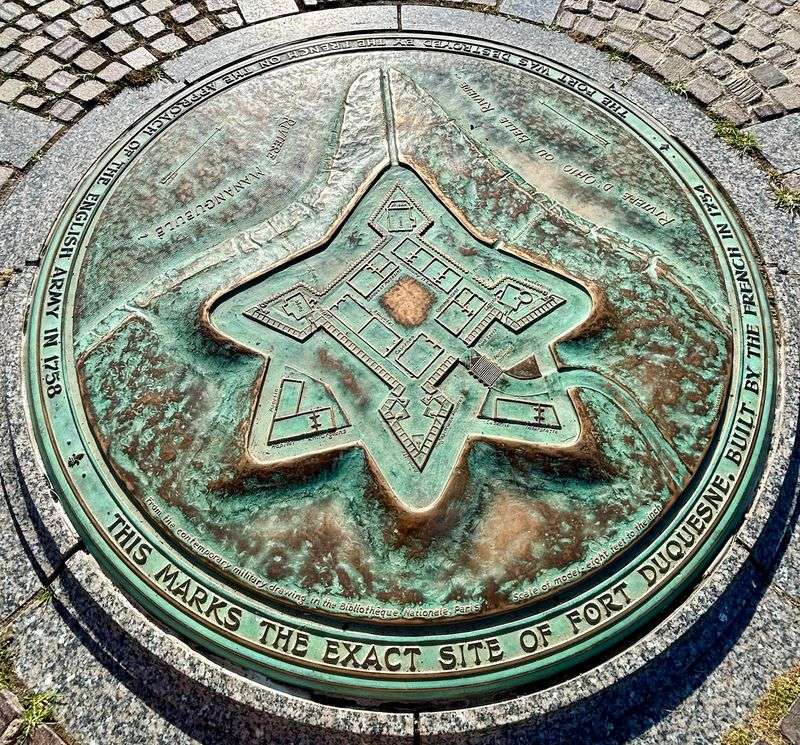
Before Pittsburgh had steel towers and stadium lights, a French fort watched the same meeting of rivers.
Fort Duquesne stood at the forks of the Ohio, where the Allegheny and Monongahela join.
Although nothing of the fort remains above ground, its location at Point State Park is one of the most powerful historic views in Pennsylvania.
The French built it in 1754, replacing an unfinished British position and turning the point into a flashpoint.
Control of this place meant influence over the Ohio Valley, so the fort became central to the French and Indian War.
George Washington’s early campaigns, British defeats, and later advances all connect to this ground.
Walk the park paths and study the markers that explain where the fort stood.
The modern fountain roughly celebrates the meeting waters, while the surrounding rivers show the old strategic prize.
A stop at the nearby Fort Pitt Museum will help separate Fort Duquesne from the later British Fort Pitt.
This visit is perfect for people who like layered places.
A jogger, a cyclist, and a history lover can stand on the same point and see different things.
For the best experience, arrive with a simple map of the old fort shape, then compare it with the open park and river views around you.
Cloudy days make the stone paths feel moody.
12. Fort Defense, Carlisle, Cumberland County,
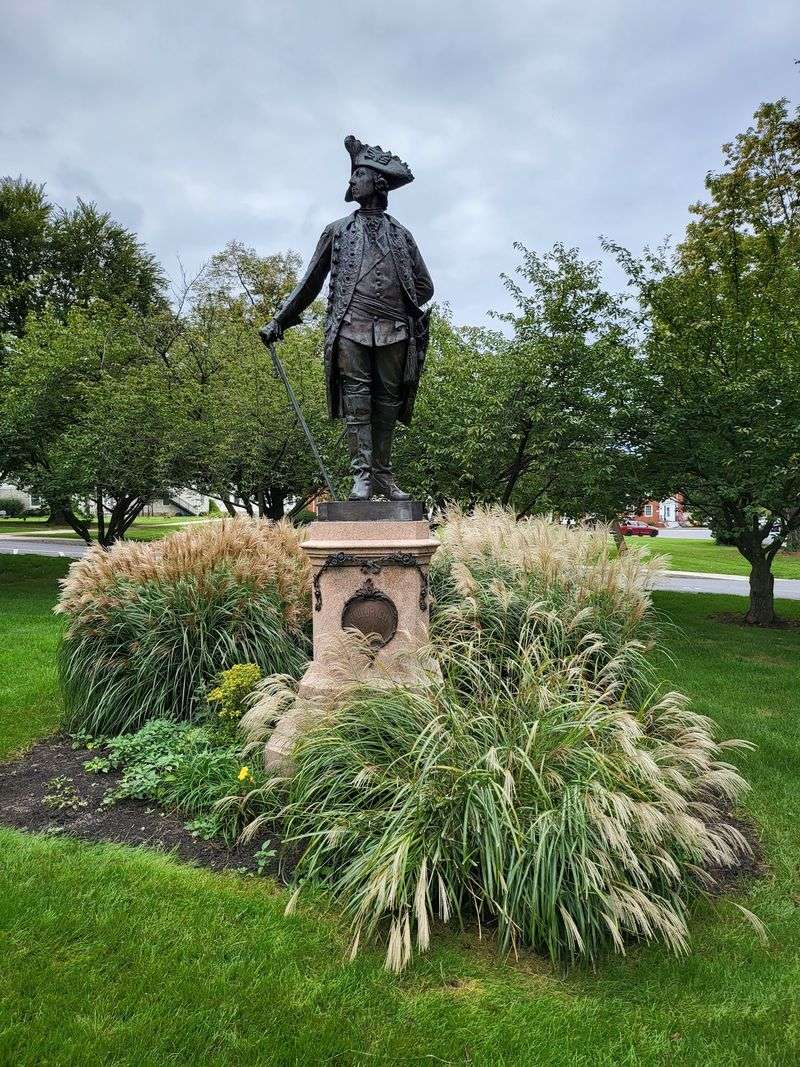
Carlisle’s busy streets make Fort Defense feel like a hidden chapter tucked inside an old town.
Built during the French and Indian War era, this defensive site helped protect settlers in the Cumberland Valley when frontier violence reached close to home.
The original structure is gone, but local history keeps its memory alive through markers and research.
The view here is not a sweeping battlefield scene.
Instead, it is a townscape shaped by roads, valley routes, and nearby ridges.
That everyday setting helps visitors understand that frontier fear did not always happen in lonely wilderness, but also near homes, churches, farms, and markets.
Pair Fort Defense with a walk through historic Carlisle for the best context.
The town later became important for military training, education, and transportation, so layers of history sit close together.
Look for historical markers, visit local heritage sites, and consider how the valley connected eastern Pennsylvania with the frontier.
This stop works well for travelers who enjoy detective-style history.
Because little physical evidence remains, maps and signs matter more than walls.
Bring curiosity, not expectations of a large fort.
The reward is a clearer picture of ordinary people trying to feel safe in a dangerous time.
Fort Defense reminds us that some historic views are made from streets, memory, and careful attention.
A nearby courthouse square adds charm after exploring.