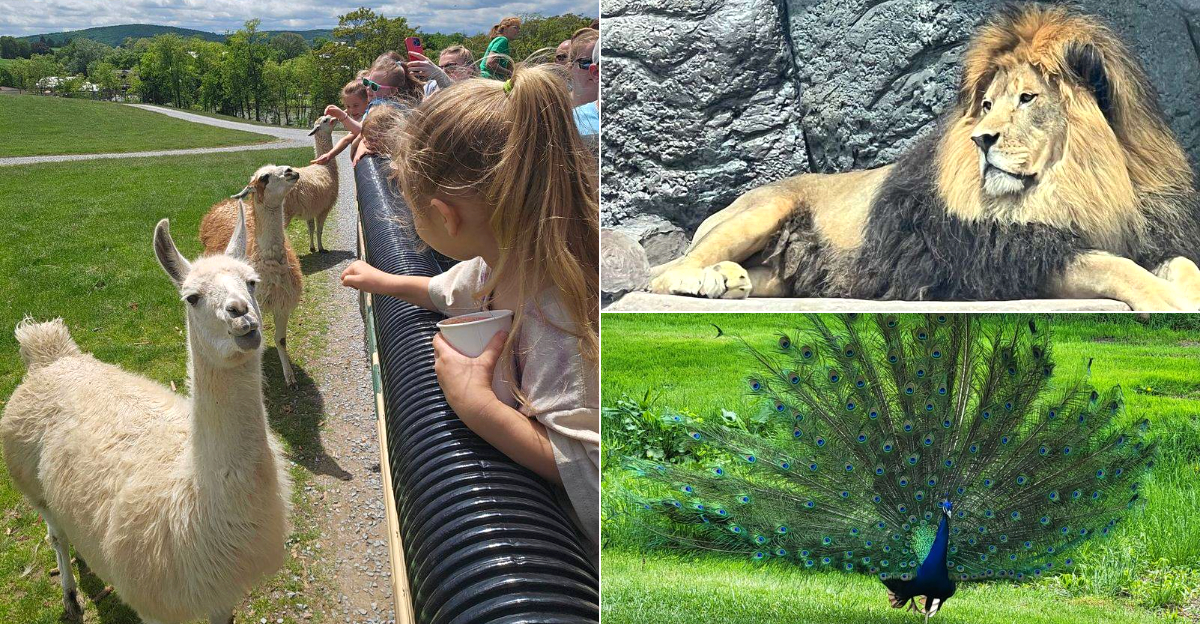
Imagine climbing aboard a safari truck and rolling through open fields while bison, zebras, and camels approach close enough to eat right out of your hand.
Lake Tobias Wildlife Park makes this possible in the Pennsylvania countryside, just north of Harrisburg in Halifax, delivering a wildlife encounter that families genuinely remember for years.
Founded in 1965, this family-owned park has grown into one of the most distinctive animal attractions in the entire Mid-Atlantic region.
Children who have never seen exotic wildlife up close are often completely transformed by the experience of feeding a giraffe or watching a bearcat pace its habitat.
For families planning a Pennsylvania vacation and looking for an outdoor adventure that goes far beyond the ordinary, Lake Tobias Wildlife Park belongs at the top of the list.
Safari Rides That Feel Like a Real Adventure
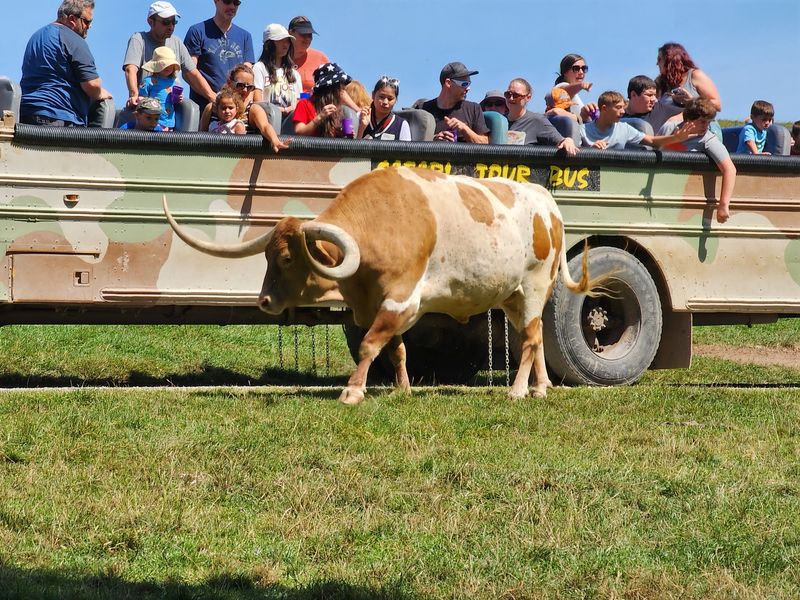
The best part of the day often begins when the safari vehicle rolls away from the loading area and heads into wide open animal space.
Families ride through a 150-acre safari area where animals can walk close, sniff for treats, and surprise kids with friendly curiosity.
At Lake Tobias Wildlife Park, 760 Tobias Rd, Halifax, PA 17032, the safari is the experience many visitors remember first.
Guides help turn the ride into a moving classroom by sharing facts in a clear and friendly way.
Children may see animals they have only read about, while adults enjoy watching the excitement build row by row.
Buying approved feed can make the ride more interactive, but visitors should listen carefully to staff rules so everyone stays safe.
Open-air vehicles can feel breezy, especially on cooler spring or fall days, so bringing a light jacket is smart.
Arriving early can also help families catch shorter lines and cooler weather.
For first-time guests, the safari is usually worth planning around because it gives the park its special up-close magic.
Giraffe Feeding Moments Kids Talk About Later
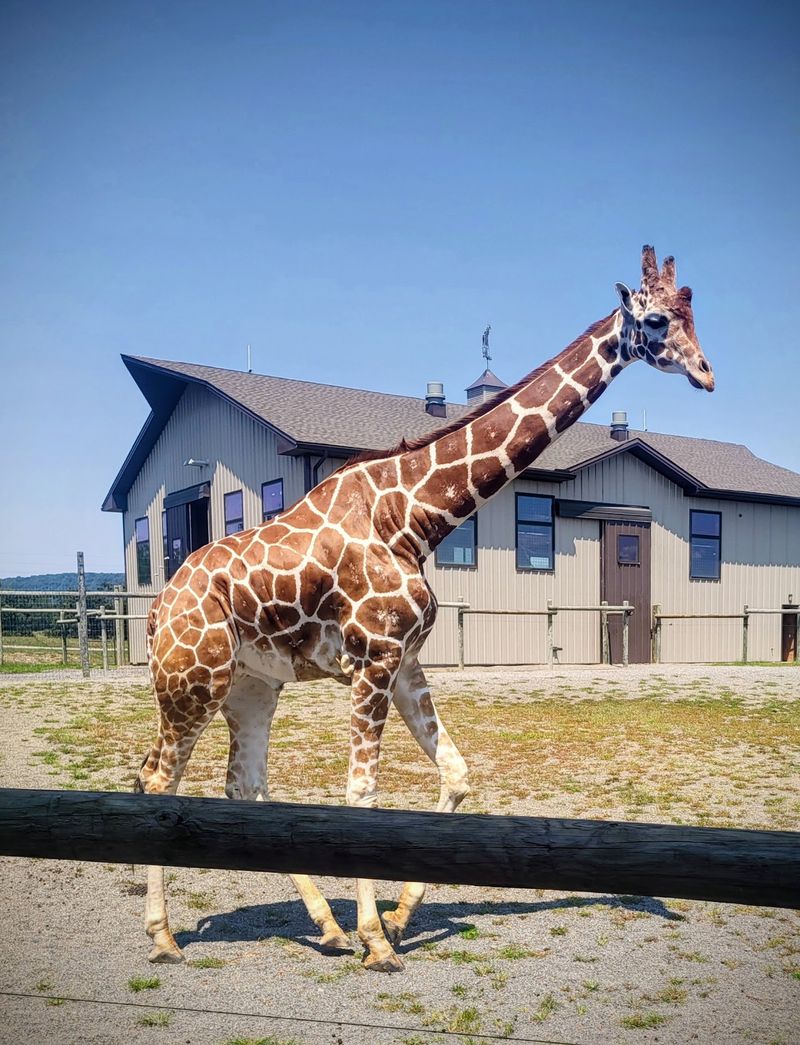
A long purple tongue reaching for leaves can turn a normal zoo visit into a story kids repeat for weeks.
The giraffe feeding area gives families a chance to stand close to these tall animals while offering approved branches or carrots.
It is exciting, a little silly, and easy for even young children to understand.
Parents should keep hands steady, hold food as directed, and stay close to toddlers who may get surprised by the giraffes size.
Visitors often say buying branches is worth it because the animals respond quickly and calmly.
Leftover approved food may sometimes be useful in other feeding areas, but staff guidance should always come first.
This stop can be popular, especially soon after opening, so patience helps.
If lines form, use the wait time to point out the giraffes patterns, long eyelashes, and careful chewing.
A simple moment becomes more meaningful when kids connect what they see with how the animal eats, moves, and behaves in real life.
Petting Zoo Fun With Goats, Ponies, and Big Smiles
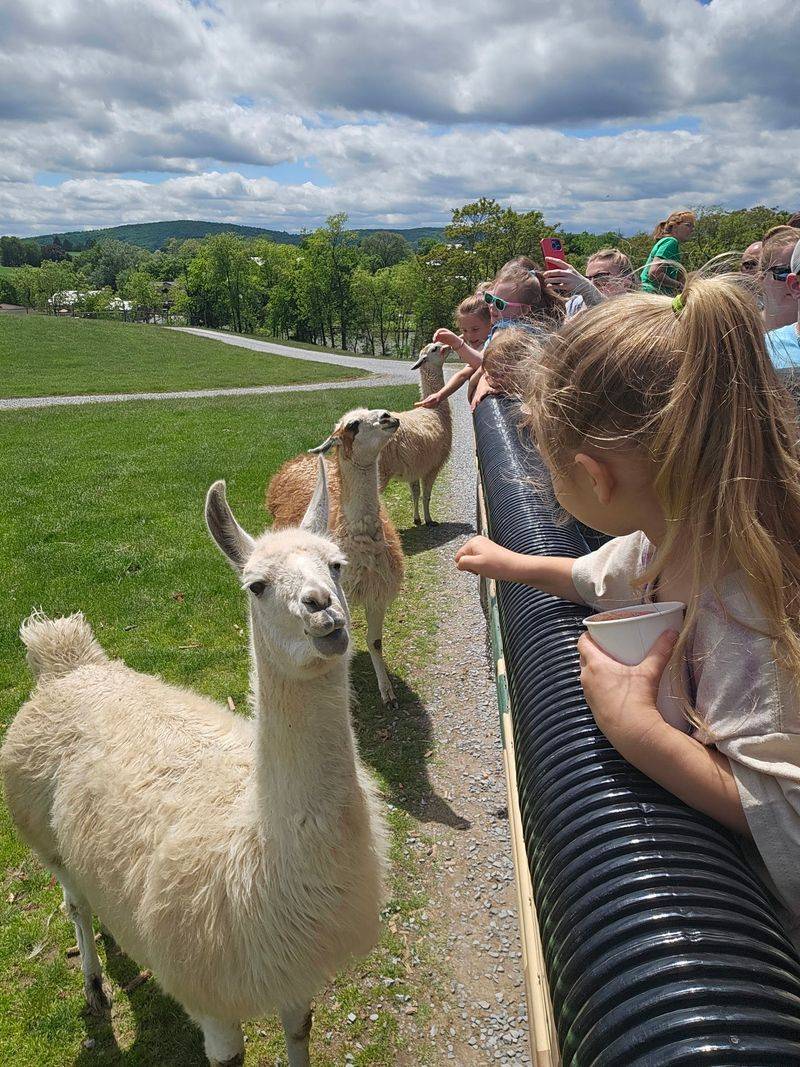
Little hands often feel braver when a friendly goat trots over looking for a snack.
The petting zoo adds a playful, hands-on part to the visit where children can meet animals at their own pace.
Goats are usually the stars, though families may also notice ponies and other barnyard favorites.
Animal feeding is fun, but it works best when adults stay alert.
Some animals may be extra eager around food, so younger kids should be guided closely and reminded to keep fingers flat.
Using only park-approved treats protects the animals and helps keep the experience calm.
This area is also a good place to teach kindness in a simple way.
Kids can learn not to chase animals, pull fur, or shout near them.
After feeding time, washing hands is a must, so families should make a bathroom or hand-cleaning stop part of the plan.
The petting zoo may look small compared with the safari, yet it gives children something powerful, the chance to care, observe, and connect gently.
Reptile House Surprises for Curious Minds
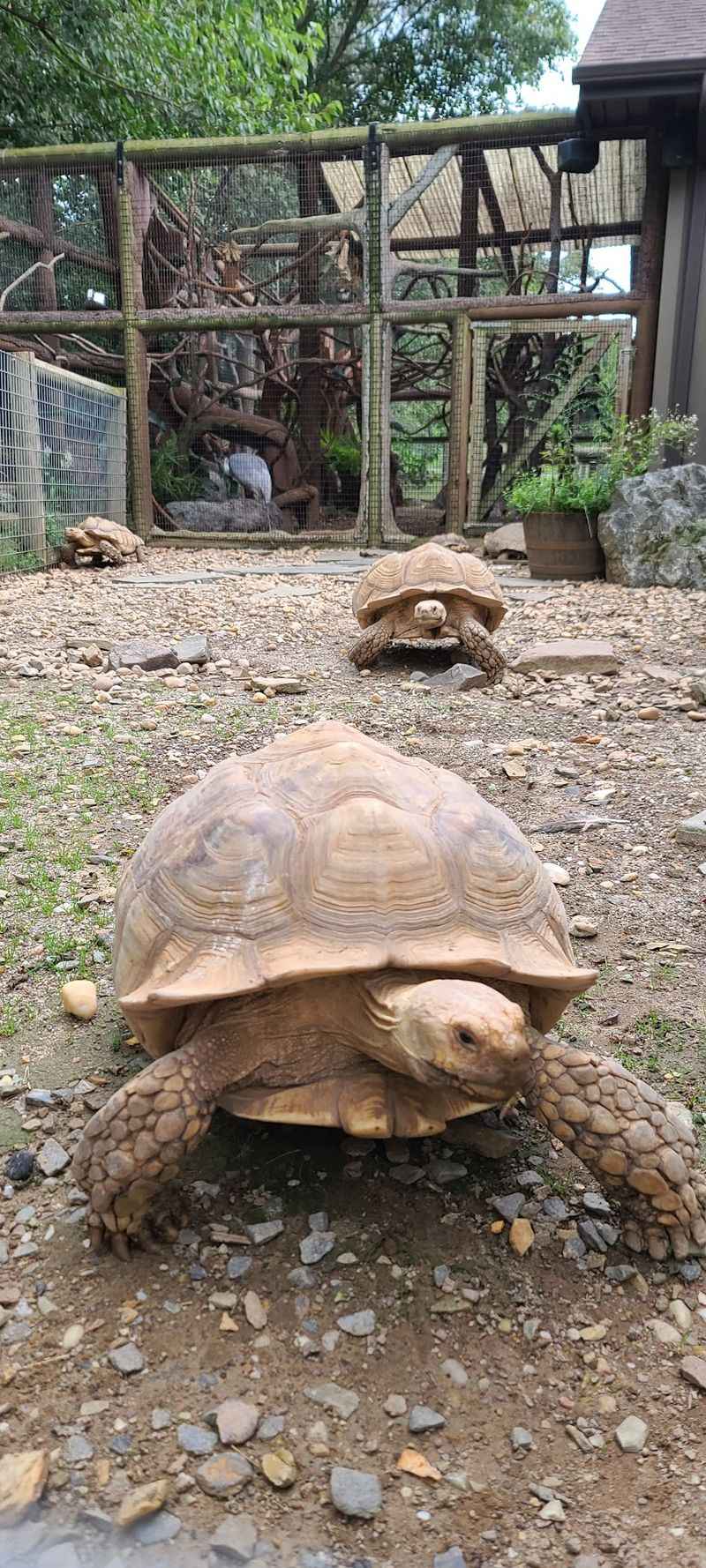
Cool glass tanks and slow-moving eyes can make this indoor stop feel like a quiet mystery room.
The reptile house gives visitors a closer look at creatures that many people rarely see outside books or nature shows.
Snakes, turtles, lizards, and alligators can spark both excitement and healthy respect.
Families should move slowly here because reptiles are easiest to enjoy when people take time to observe details.
Look for patterns on scales, resting spots under heat lamps, and the way different animals hold their bodies.
Children who feel nervous can start by watching from a distance, then step closer when ready.
Reptile programs, when available, can add extra value because staff explain habits, safety, and animal care in a memorable way.
Checking the day schedule early is helpful, since show times may vary.
This part of the park balances the noisy fun of feeding areas with a calmer kind of learning.
By the end, even kids who began unsure may leave with a favorite reptile and a new fact to share.
Clean Grounds Make the Day Easier
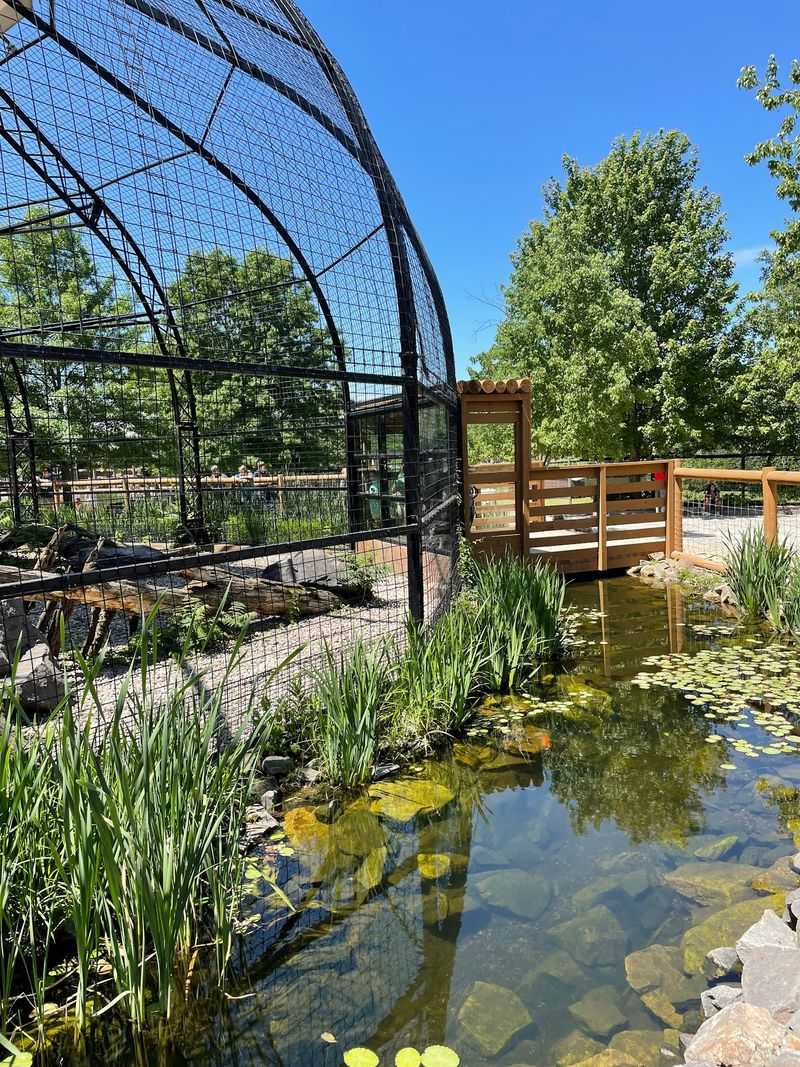
A smooth family outing often depends on simple things, clean paths, working restrooms, and places to sit before everyone gets tired.
Visitors often praise the park for feeling cared for, which matters when families are spending several hours with children.
Clean animal areas also help guests feel more confident about what they are seeing.
The grounds include walking paths, exhibit areas, seating, and spaces where families can pause between activities.
Some paths may be gravel, so comfortable shoes are a better choice than sandals or dressy footwear.
Strollers can be useful, but families should expect some uneven spots and plan with extra time.
Restroom stops are easier when adults point them out early on the map instead of waiting for an emergency.
Keeping a small bag with wipes, hand sanitizer, water, and snacks can also prevent little problems from growing into big ones.
A clean, organized setting does not just look nice.
It helps families relax, move at their own speed, and enjoy the animals without feeling rushed or worn down too soon.
Picnic Areas Turn the Visit Into a Full Day
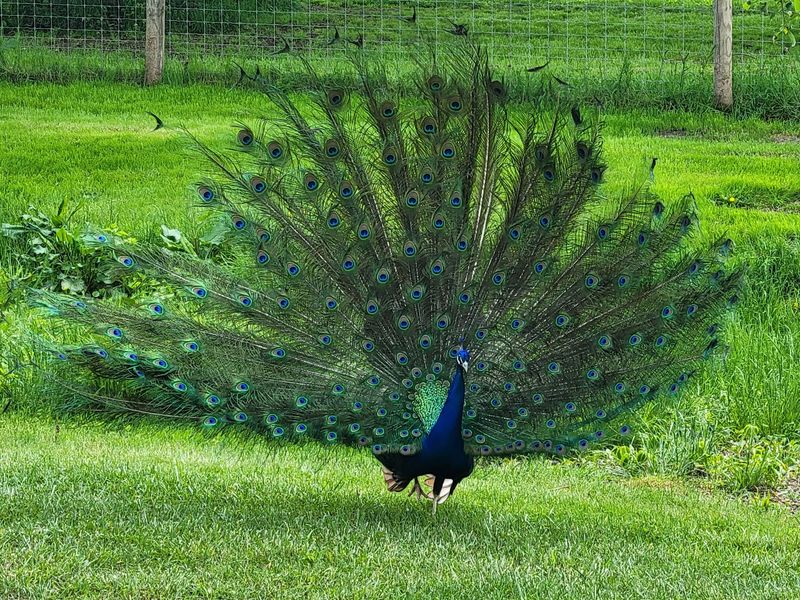
Nothing saves a family budget faster than being able to pack lunch and take a real break.
The picnic areas give guests a place to rest, eat, and reset before heading back to the animals.
For parents with young kids, that pause can be the difference between a short visit and a happy full day.
Families can bring food or buy meals on site, which gives different options for different budgets.
Pavilions, tables, nearby playgrounds, and seating make lunch feel easier than eating while walking.
Kids can burn off extra energy while adults talk, check the map, and decide what to see next.
A smart plan is to pack water bottles, simple sandwiches, fruit, and a few treats that will not melt quickly.
Coolers should be easy to carry, since walking may be part of the day.
After lunch, choose one calmer activity before returning to busy feeding areas.
A picnic stop adds comfort, saves money, and turns the park from a quick outing into a relaxed family memory.
Helpful Guides Add Stories to the Animals
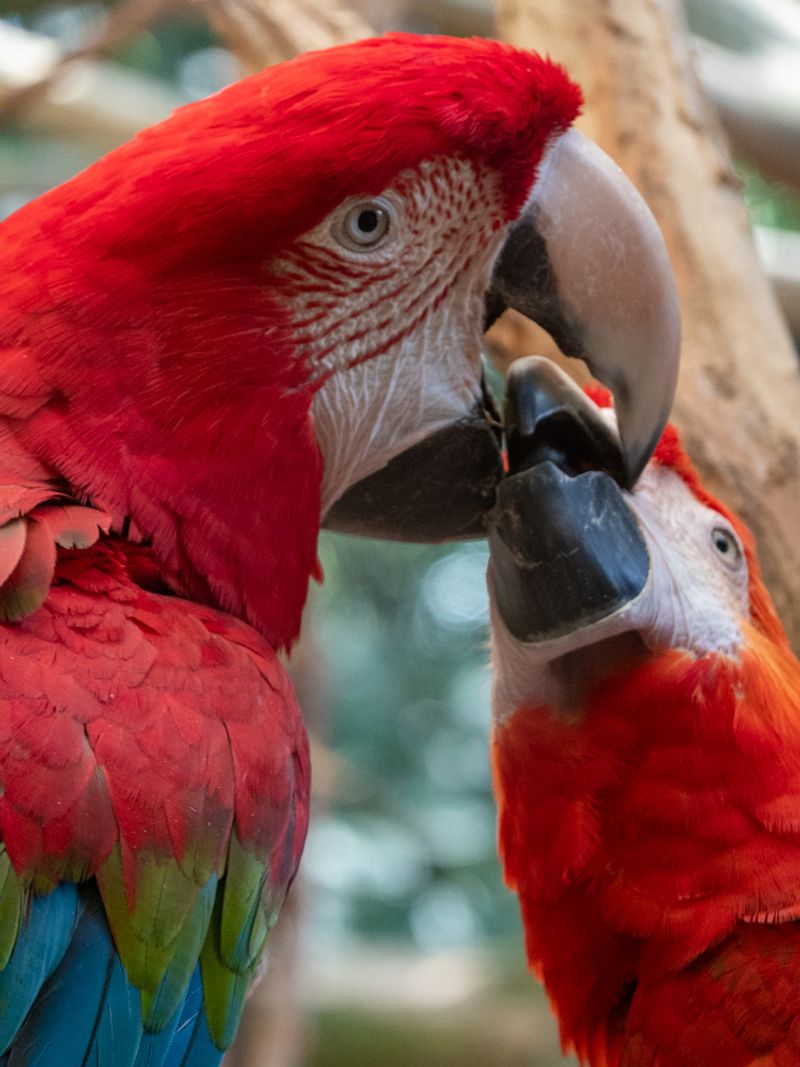
A good guide can make an animal encounter feel twice as interesting.
Instead of simply pointing and moving on, the safari staff often share facts, jokes, and safety reminders that help families understand what they are seeing.
That kind of leadership keeps the ride fun while also making it educational.
Children learn better when information feels connected to the moment.
When an animal walks near the vehicle, a guide can explain its diet, habits, or personality right away.
Adults also benefit because they do not have to know every species name to help their kids learn.
Listening closely matters, especially during feeding times.
Guides may explain which animals can be fed, how to hold treats, and when hands should stay inside the vehicle.
Families can make the most of the ride by asking polite questions if time allows.
A guide with real knowledge turns the safari into more than a photo chance.
It becomes a shared lesson about animal behavior, respect, and the work needed to care for many different species.
Smart Planning Helps Families Avoid Stress
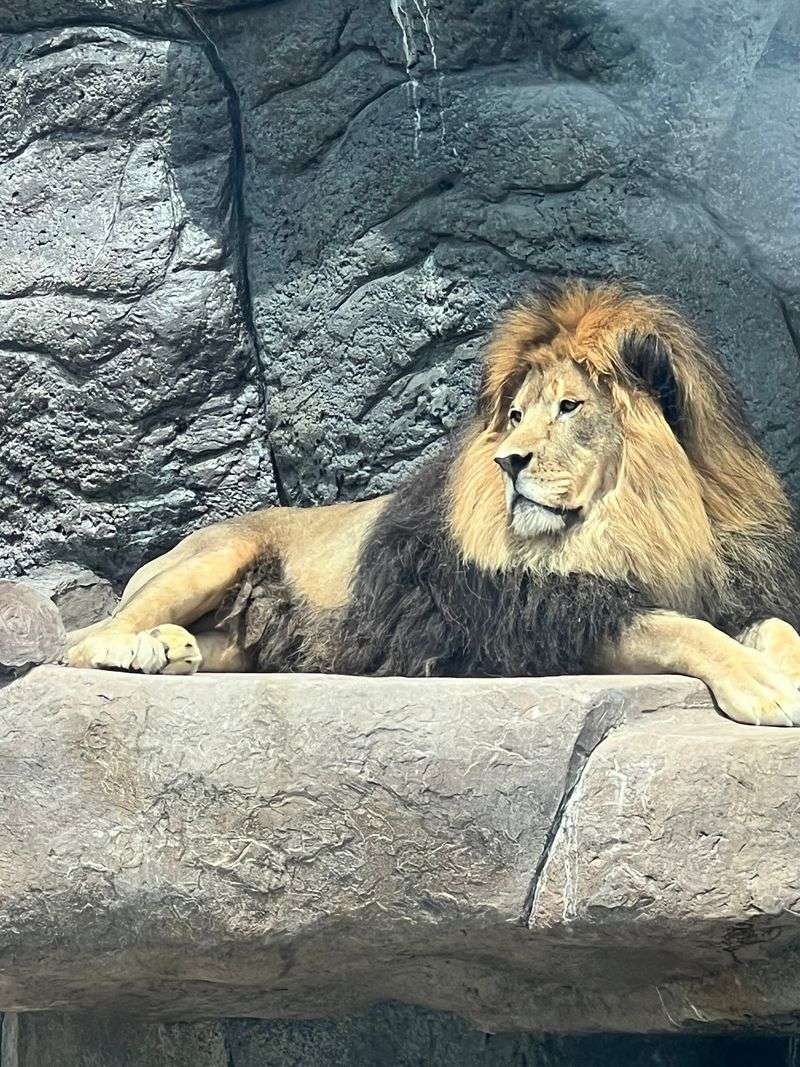
A great animal day starts before anyone reaches the ticket window.
Checking current hours, prices, show times, and weather can help families avoid disappointment and make better choices once they arrive.
The park commonly opens at 10 AM, with longer weekend hours during listed operating days, but schedules should always be confirmed.
Morning visits can mean cooler temperatures and shorter waits, especially during busy seasons.
If the safari is a top goal, ask about ride timing early instead of saving it for the very end.
Families with babies, grandparents, or anyone with limited mobility should plan for walking and ask staff about available help when needed.
Comfortable clothes make a big difference.
Bring jackets on cool days, sunscreen when the sun is strong, and shoes that can handle gravel paths.
A map, water, and a flexible plan keep the day from feeling rushed.
Even if every exhibit is not seen, families can still leave happy by choosing the safari, giraffes, petting zoo, and one relaxed meal break as their main goals.